Ever wondered why do dogs have wet noses? This intriguing question has puzzled pet owners and animal lovers alike for ages. A dog’s nose is more than just an adorable feature; it plays a crucial role in their overall health and well-being. The moisture on a dog’s snout is not just for show—it actually serves several important functions. For instance, a wet nose helps dogs to sense smells better, making it a vital tool for their survival. But what causes this phenomenon? Is it normal for all dogs to have moist noses, or does it signify something more? In this post, we will uncover the fascinating truth behind those wet noses, exploring the science and reasons that make them a key part of canine anatomy. You’ll discover how environmental factors, health indicators, and breed differences influence this characteristic. So, if you’re curious about your furry friend’s unique features, stick around! You might be surprised by what you learn about wet dog noses and their significance in your pup's life. Don’t miss out on uncovering these amazing facts!
\n\nThe Science Behind Canine Noses: Why Are Dogs' Noses Always Wet?
\n\n \n\n
\n\nHave you ever seen your dog with that shiny, wet nose and thought, "Why is it always like this?" Well, there are some fascinating reasons behind it! The science behind canine noses is quite interesting, and it can tell us a lot about our furry friends. Let’s dive into the reasons why do dogs have wet noses and uncover the truth behind this curious canine characteristic.
\nThe Role of a Dog's Nose
\nFirst off, dogs have an extraordinary sense of smell. In fact, they have up to 300 million smell receptors in their noses, compared to a human’s mere 5 million. This means that their sense of smell is approximately 40 times better than ours! The wetness of a dog’s nose helps to enhance this incredible ability. Here’s how it works:
\n- \n
- \n
Moisture helps capture scent particles: When a dog’s nose is wet, it can trap scent particles better. This moisture creates a sticky surface which helps to catch and hold onto those tiny particles floating in the air.
\n \n - \n
Temperature regulation: Dogs do not sweat like humans do. Instead, they cool down through their noses. The wetness of their noses helps them regulate body temperature, which is vital especially during hot weather.
\n \n - \n
Health Indicator: A dog’s nose can also indicate their health. A wet, cool nose is generally a sign of a healthy dog, while a dry, warm nose could mean they are sick or dehydrated. But, this is not always the case, as environmental factors can also play a role.
\n \n
Historical Context
\nDogs have been our companions for thousands of years. Historically, their noses have been essential for hunting and tracking. Ancient civilizations recognized the power of dogs' sense of smell. They used them for hunting game and even for locating missing persons. The wet nose, an essential evolutionary feature, has helped dogs perform these tasks effectively.
\nWhy Are Dogs' Noses Always Wet?
\nMany people wonder, why do dogs have wet noses? Here are some reasons:
\n- \n
- \n
Secretions from Nasal Glands: Dogs have specialized glands in their noses that secrete a thin layer of mucus. This mucus is what keeps their noses moist. It helps in scent detection and also adds to their ability to taste smells.
\n \n - \n
Licking: Have you ever noticed your dog licking its nose frequently? This is quite normal! Dogs often lick their noses to keep them moist and to gather more scent information. This behavior is akin to a human using their tongue to taste something.
\n \n - \n
Environmental Factors: The environment plays a big part too. Humidity can affect how wet a dog’s nose is. For instance, a dog’s nose might feel drier in winter compared to a humid summer day.
\n \n
Fascinating Facts About Canine Noses
\nHere’s a list of some cool facts about dogs’ noses:
\n- \n
- A dog’s sense of smell can detect certain diseases, including cancer, diabetes, and even COVID-19. \n
- Different dog breeds have different nose shapes and sizes, which can affect their olfactory abilities. \n
- Dogs can smell emotions. They can detect changes in body odor when we are stressed or anxious. \n
- The color of a dog’s nose can vary widely, and it doesn’t affect their smelling ability. \n
Comparison of Dog and Human Noses
\nLet’s take a look at a simple comparison between dog and human noses:
\n| Feature | \nDogs | \nHumans | \n
|---|---|---|
| Smell receptors | \n~300 million | \n~5 million | \n
| Ability to smell | \n40 times better | \nStandard human capability | \n
| Purpose of wetness | \nTraps scent particles, cools down | \nNo specific purpose | \n
| Nose cooling method | \nLicking, moisture from glands | \nSweating through skin | \n
Practical Examples of Dog Nose Functionality
\nTo put things into perspective, here are some practical examples of how dogs use their noses in everyday life:
\n- \n
- \n
Search and Rescue: Many rescue dogs are trained to find people trapped in rubble or lost in the wilderness. Their wet noses help them pick up scents that humans can’t detect.
\n \n - \n
Detection Work: Dogs are often employed in airports and security to sniff out illegal substances or explosives. Their wet noses and keen sense of smell make them invaluable in these roles.
\n \n - \n
Service Animals: Many service dogs are trained to detect medical conditions, such as seizures or low blood sugar. Their noses help them alert their owners to potential dangers.
\n \n
So, next time you notice your dog's wet nose, remember it’s not just a cute feature; it’s a vital part of their biology that enhances their impressive abilities. Dogs' noses are a testament to their evolution and an essential tool for their everyday life. Understanding this can help you appreciate your furry friend even more!
\n\n7 Fascinating Facts About Dog Noses That Will Surprise You!
\n\n \n\n
\n\nDogs have always been our loyal companions, but you might be surprised by how much there is to learn about them, especially when it comes to their noses. Ever wondered why do dogs have wet noses? Or what makes those noses so special? Here’s a dive into the fascinating world of dog noses, packed with fun facts that may just blow your mind!
\n1. Dogs' Noses are Like Fingerprints
\nJust like humans have unique fingerprints, every dog has a unique nose print. The patterns of ridges and creases found on a dog's nose are distinct to each individual. Scientists even believe that these patterns can be used to identify dogs, similar to how we use fingerprints for humans. Isn’t that wild?
\n2. Wet Noses Serve a Purpose
\nWhy do dogs have wet noses, you ask? Well, a wet nose helps dogs absorb scent chemicals more effectively. The moisture on their noses enhances their sense of smell, allowing them to pick up more scent particles from the air. This is critical for their survival instincts and helps them track scents, find food, and communicate with other dogs.
\n3. Temperature Regulation
\nDogs don’t sweat like humans do. Instead, they regulate their body temperature through panting and by using their noses. The moisture on their noses evaporates, helping to cool them down. So, if you see your dog with a particularly wet nose on a hot day, it might be a sign they are working hard to stay cool!
\n4. Super Sniffers
\nDogs have up to 300 million scent glands in their noses compared to around 5 million in humans. This immense difference explains why dogs are often used in roles such as search and rescue, drug detection, and even in medical fields to sniff out diseases like cancer. Their sense of smell is estimated to be 40 times better than ours!
\n5. Dogs Can "See" with Their Noses
\nA dog's sense of smell is so advanced that it allows them to "see" the world in a different way. They can detect pheromones, which are chemicals that carry information about other animals. This ability helps them understand their environment, including the emotional states of other dogs. Imagine walking into a room and knowing exactly how everyone is feeling—dogs can do just that!
\n6. The Nose Knows
\nDogs’ noses are not just for smelling; they can also tell them the difference between various substances. For example, studies have shown that dogs can differentiate between different scents, even if they are very similar. They can tell apart the smell of different types of food or recognize their owner’s scent even in a crowd of people.
\n7. Nose Health Matters
\nJust like humans can have health issues related to their skin and body temperature, dogs can have problems with their noses too. A dry or cracked nose can be a sign of dehydration, allergies, or even illness. Regularly checking your dog’s nose can be an important part of their health care routine. If you notice unusual changes, it’s best to consult a veterinarian.
\nInteresting Comparisons
\nHere’s a quick comparison of dogs’ noses to humans’ noses:
\n| Aspect | \nDogs | \nHumans | \n
|---|---|---|
| Scent Glands | \n300 million | \n5 million | \n
| Sensitivity | \n10,000 to 100,000 times better | \nLimited | \n
| Function | \nSmell, Temperature Regulation | \nSmell, Breathing | \n
| Unique Identifiers | \nUnique nose prints | \nUnique fingerprints | \n
Fun Facts Recap
\n- \n
- Unique Patterns: Dog noses are as unique as fingerprints. \n
- Sense of Smell: Dogs can detect a variety of scents and pheromones. \n
- Temperature Control: Wet noses help regulate body temperature. \n
- Health Indicators: The condition of a dog's nose can indicate their overall health. \n
The next time you cuddle your furry friend, remember how special their nose really is! It’s not just cute—it’s a complex and essential part of what makes dogs such amazing creatures. So, why do dogs have wet noses? The answer is a mix of biology, evolution, and a bit of magic that makes dogs uniquely suited to be our best friends.
\nUnderstanding these facts not only deepens our appreciation for our canine companions but also helps us take better care of them. With knowledge comes responsibility, and knowing about their noses can lead to better health checks and a happier dog!
\n\nHow a Wet Nose Helps Dogs Detect Scents Better: The Incredible Biology Explained
\n\n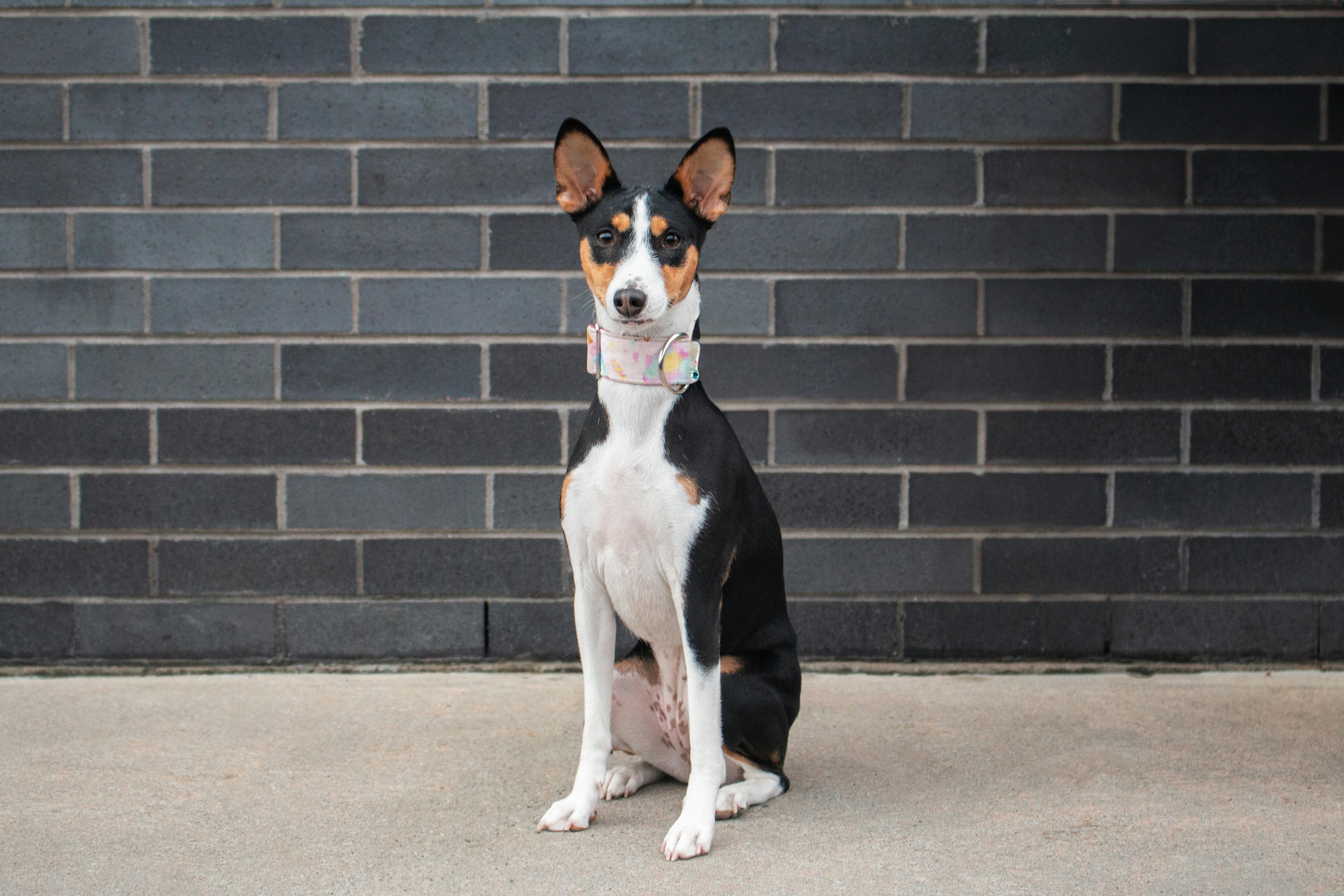 \n\n
\n\nDogs are known for their incredible sense of smell, and much of that is thanks to their wet noses. But have you ever wondered why do dogs have wet noses? It’s not just a quirky feature; it’s actually tied to their biology and how they detect scents better than humans can. Let’s dive into the fascinating truth about this aspect of our canine companions.
\nThe Science Behind Wet Noses
\nA dog's nose is moist for a reason. The wetness helps to capture scent particles from the air. When the nose is wet, it traps these particles more effectively, allowing dogs to discern various smells. This is because moisture on the nose increases the surface area that's available for scent detection.
\n- \n
- Dogs have about 300 million olfactory receptors in their noses. \n
- In comparison, humans only have about 6 million. \n
- A dog's sense of smell is estimated to be between 10,000 to 100,000 times more acute than ours! \n
How Dogs Process Smells
\nWhen a dog sniffs, they take in air through their nostrils, which is then directed to the olfactory epithelium located in the nasal cavity. This area is where the magic happens – scent molecules bind to the receptors, and the information gets sent to the brain for processing. The wetness of the nose plays a crucial role in this process.
\n- \n
- The nose can absorb scent particles more efficiently when it's moist. \n
- After sniffing, dogs often lick their noses, which helps them to reabsorb scents and analyze them further. \n
Why Are Dogs’ Noses Wet?
\nThere are several reasons why dogs have wet noses, and it’s more than just a biological quirk. Here are some key points:
\n- \n
- \n
Temperature Regulation: Dogs use their moist noses to help cool themselves down. When they pant, the moisture on their noses evaporates, which cools their blood vessels right below the surface.
\n \n - \n
Scent Enhancement: A wet nose can capture more scent particles from the environment, making it easier for dogs to track scents. The moisture helps to dissolve the particles, allowing them to be detected more easily.
\n \n - \n
Health Indicator: A wet nose is often seen as a sign of a healthy dog. While not always the case, many veterinarians and dog owners believe that a dry nose can indicate dehydration or illness.
\n \n
Historical Context
\nHistorically, dogs have been utilized for their keen sense of smell in various roles. From hunting to search and rescue, their noses have saved lives and led to significant discoveries. The domestication of dogs dates back thousands of years, and over time, humans have bred them for specific traits, including their olfactory prowess.
\nComparison: Dog Noses vs. Human Noses
\nLet’s take a look at how dog noses compare to human noses in terms of scent detection capabilities:
\n| Feature | \nDogs | \nHumans | \n
|---|---|---|
| Olfactory Receptors | \n~300 million | \n~6 million | \n
| Smell Sensitivity | \n10,000 to 100,000 times | \nStandard human range | \n
| Ability to Detect | \nSpecific scents | \nLimited scent types | \n
| Nose Moisture | \nWet for better detection | \nGenerally dry | \n
Practical Examples of Scent Detection
\nDogs use their incredible sense of smell for various tasks. Here are some examples:
\n- \n
- Search and Rescue: Dogs can detect human scents from miles away, making them invaluable in finding missing persons. \n
- Detection Dogs: Many law enforcement agencies use dogs to sniff out drugs, explosives, and even certain medical conditions in humans. \n
- Service Animals: Some dogs can detect changes in their owner's body chemistry, alerting them to conditions like seizures or low blood sugar. \n
The Role of Nose Licking
\nWhen dogs lick their noses, they're not just being cute. This behavior serves a purpose. By licking their noses, dogs can rehydrate the scent receptors and enhance their ability to detect smells. It’s a natural instinct that helps them stay alert to their surroundings.
\nOverall, the wet nose of a dog is a key feature that enhances their ability to interact with the world through smell. It’s not just a physical trait, but a critical aspect of their biology that connects them to their environment and to us. Understanding why do dogs have wet noses gives us appreciation for these animals and their incredible capabilities. So next time you see a dog with a wet nose, remember, it’s all part of what makes them such remarkable companions.
\n\nDo Wet Noses Mean a Dog is Healthy? Unraveling the Myths and Facts
\n\n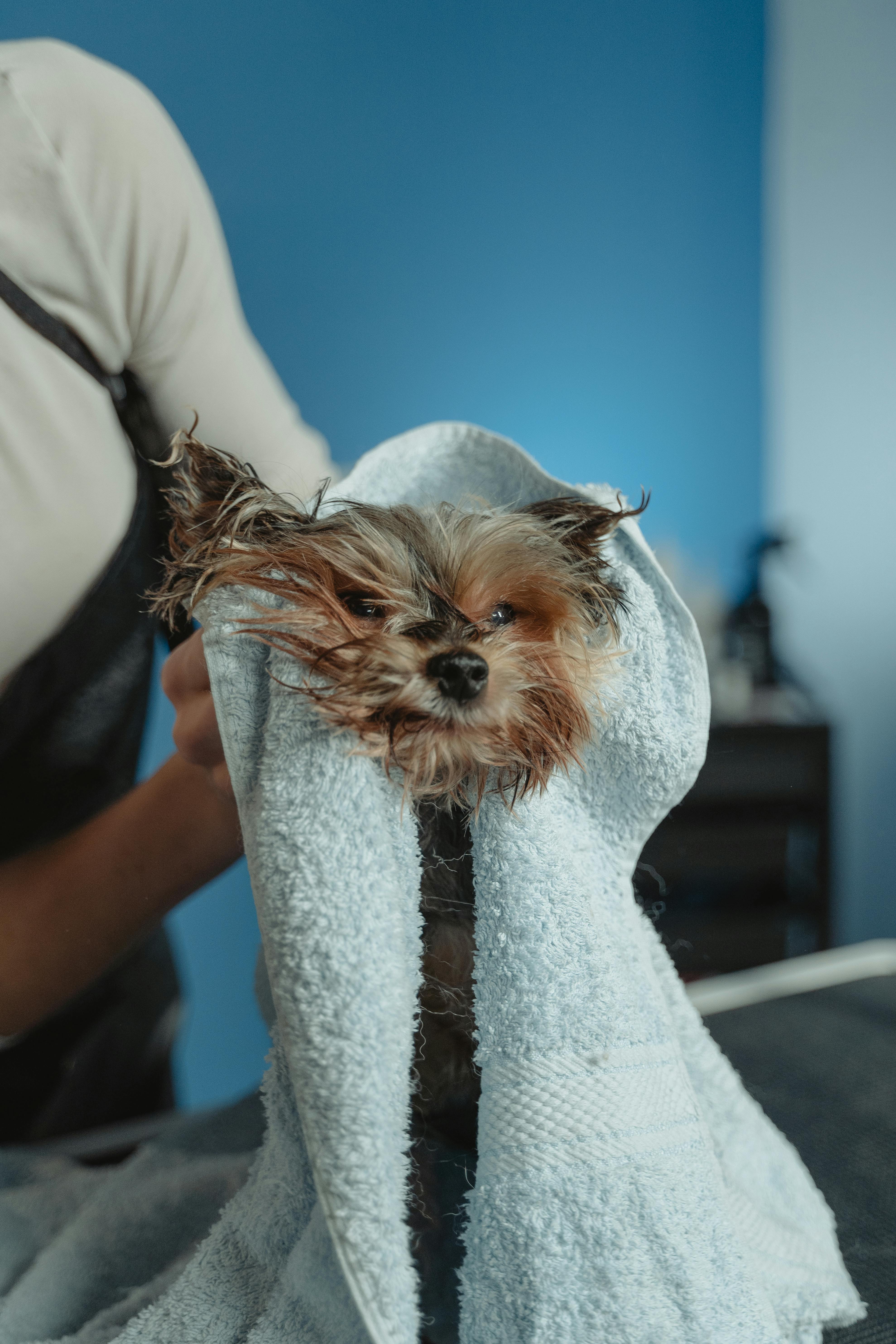 \n\n
\n\nWhen dog owners see their furry friends with wet noses, they often wonder if it’s a sign of good health. But does a wet nose really indicate that a dog is healthy? Let’s unravel the myths and facts about why dogs have wet noses and explore the fascinating truth behind this common observation.
\nThe Science Behind Wet Noses
\nFirst off, it's important to understand why dogs have wet noses. The moisture on a dog’s nose serves several purposes. Primarily, it helps to enhance their sense of smell. Dogs have a remarkable ability to sniff out scents, and a wet nose can capture more scent molecules. Here are some key points:
\n- \n
- Scent Detection: A wet surface can absorb odors more effectively, which helps dogs in identifying food, other animals, and even humans. \n
- Thermoregulation: Dogs can’t sweat like humans. Instead, they cool off through panting and their noses. A wet nose can help regulate their body temperature. \n
- Health Indicator: While a wet nose alone isn’t a definitive indicator of health, it can reflect hydration levels and environmental factors. \n
Common Myths About Wet Noses
\nMany myths surround the idea of a dog’s wet nose being a sign of health. Let's look at some common misconceptions:
\n- \n
- Myth 1: A wet nose always means a dog is healthy. \n
- Myth 2: A dry nose indicates illness. \n
- Myth 3: Only certain breeds have wet noses. \n
It’s vital to note that a dog’s nose can be dry for many reasons. For instance, weather changes, dehydration, or even sleeping can cause temporary dryness.
\nWhy Do Dogs Have Wet Noses?
\nThe wetness of a dog’s nose can vary significantly. It might be influenced by various factors including:
\n- \n
- Environmental Conditions: Humidity and temperature can affect how moist a dog’s nose is. \n
- Health Issues: Certain illnesses can affect nose moisture, but many factors come into play. \n
- Activity Level: After playing or exercising, dogs might have a wetter nose due to increased breathing and panting. \n
Comparing Wet and Dry Noses: What to Look For
\nHere’s a simple comparison to help dog owners determine when to be concerned about their pet's nose condition.
\n| Condition | \nWet Nose | \nDry Nose | \n
|---|---|---|
| Normal | \nCool and moist | \nWarm and dry | \n
| Potential Issues | \nExcessive wetness (could indicate fever) | \nCracked, painful, or extremely dry (might indicate dehydration or illness) | \n
| Environmental Reaction | \nChanges due to humidity | \nChanges due to heat or cold | \n
Practical Examples of Nose Conditions
\nUnderstanding the context of your dog’s nose can help you determine if it's a cause for concern. Here are some examples:
\n- \n
- Seasonal Changes: In winter, a dog might have a drier nose due to indoor heating. This doesn’t necessarily mean they’re unhealthy. \n
- Hydration Levels: If a dog hasn't had enough water, their nose might dry out. Check their water bowl! \n
- Other Symptoms: If a dry nose is accompanied by other symptoms like lethargy, loss of appetite, or unusual behavior, it’s best to consult a vet. \n
When to Consult a Vet
\nIf you notice any of the following symptoms along with changes in your dog’s nose, it’s time to reach out to a veterinarian:
\n- \n
- Persistent dry or cracked nose \n
- Changes in behavior (e.g., lethargy, lack of appetite) \n
- Excessive sneezing or nasal discharge \n
- Swelling or redness around the nose \n
The Bottom Line
\nWhile a wet nose is often seen as a sign of health, it's just one piece of the puzzle. Dog owners should pay attention to a variety of factors when determining their pet's well-being. It’s the overall behavior, energy levels, and other health indicators that truly matter. A wet nose might be charming, but it’s essential to look beyond that and consider the bigger picture of your dog's health. A happy pup is usually a healthy one, wet nose or not!
\n\nThe Role of Moisture in Dog Communication: Why Wet Noses Matter
\n\n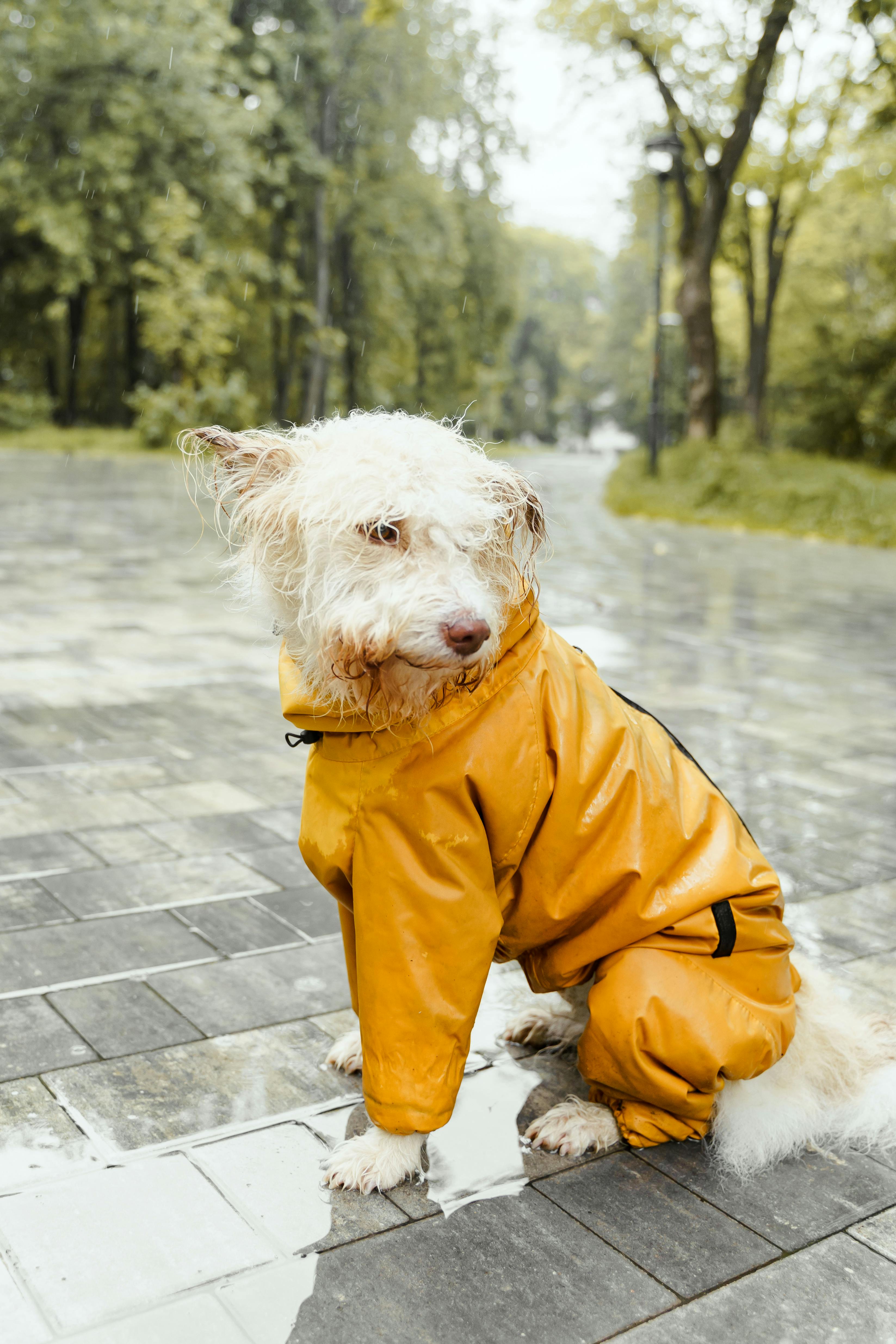 \n\n
\n\nDogs are known for their affectionate nature and unique ways of communicating. One of the most curious aspects of a dog's physiology is their wet noses. Have you ever wonder why do dogs have wet noses? This article explores the fascinating role that moisture plays in dog communication and why these wet noses matter so much to our furry friends.
\nThe Science Behind Wet Noses
\nDogs have wet noses primarily because of a few biological and evolutionary reasons. Their noses contain moisture, which helps them to absorb scent particles in the air. This process greatly enhances their sense of smell, which is far superior to that of humans. Here’s how it works:
\n- \n
- Scent Detection: A wet nose absorbs scent particles, making it easier for dogs to detect different smells. \n
- Cooling Mechanism: Dogs don’t sweat like humans do; instead, they pant to cool off, and a moist nose also helps in temperature regulation. \n
- Health Indicator: A dog's nose can indicate their health. For example, a dry or warm nose might suggest a fever or dehydration. \n
Historical Context of Canine Communication
\nHistorically, dogs have been companions to humans for thousands of years. Their ability to communicate through various means, including their noses, has helped in building a bond with humans. Ancient civilizations recognized the importance of dogs, often viewing them as protectors and hunters.
\n- \n
- Hunting Partners: In ancient times, dogs helped humans in hunting, relying on their keen sense of smell to track prey. \n
- Symbol of Loyalty: Many cultures regarded dogs as symbols of loyalty and protection, often associating their behavior and communication methods with their instincts. \n
Interesting Facts About Dog Noses
\nDid you know that a dog’s nose print is unique, much like a human fingerprint? Here are some more intriguing facts about dog noses that you may find interesting:
\n- \n
- Number of Smell Receptors: Dogs have around 220 million smell receptors in their noses, while humans have a mere 5 million. \n
- Nasal Structure: A dog's nose has a complex structure that allows them to differentiate between smells, even when they are mixed together. \n
- Temperature Sensitivity: Dogs can detect temperature changes in their environment through their noses, helping them locate food or potential threats. \n
The Role of Moisture in Communication
\nMoisture plays a crucial role in how dogs communicate with each other and with humans. Here are several ways their wet noses contribute to communication:
\n- \n
- Greeting Behavior: When dogs greet each other, they often sniff each other’s noses. This behavior allows them to gather information about the other dog, such as their emotional state and health. \n
- Marking Territory: Dogs use their noses to mark their territory. The moisture on their noses helps transfer scent from glands located in their noses, leaving their scent behind. \n
- Emotional State: A dog's nose can also reflect its emotional state. A moist and cool nose typically indicates a relaxed and healthy dog, while a dry nose may signal stress or illness. \n
Practical Examples of Nose Communication
\nHere are some practical examples of how a dog’s wet nose influences their communication:
\n- \n
- Playfulness: When a dog nudges you with their wet nose, it usually signifies that they want to play or interact. \n
- Affection: A wet nose against your hand or face is often a sign of affection, showing that your dog feels comfortable and loves you. \n
- Alertness: If a dog's nose becomes dry and warm, it may indicate that they are stressed or anxious, prompting you to check on their well-being. \n
Comparison: Dogs vs. Other Animals
\nUnlike dogs, other animals have different mechanisms of communication that sometimes do not involve moisture. For instance:
\n- \n
- Cats: Cats often use their whiskers and vocalizations to communicate. Their noses are not as wet, and they rely more on sight and sound. \n
- Rabbits: Rabbits have a very different way of smelling and rely heavily on their keen eyesight and hearing to communicate within their social structure. \n
Understanding why do dogs have wet noses and the role moisture plays in their communication helps us appreciate these incredible animals even more. Their unique adaptations not only enhance their sensory capabilities but also allow them to connect with us in meaningful ways.
\nSo, next time you give your dog a pat and feel that familiar wet nose, remember that it’s not just a cute feature; it’s a vital part of how they communicate, express emotion, and experience the world. Those wet noses are truly windows into their fascinating lives!
\n\n5 Reasons Your Dog's Nose is Wet: What Pet Owners Need to Know
\n\n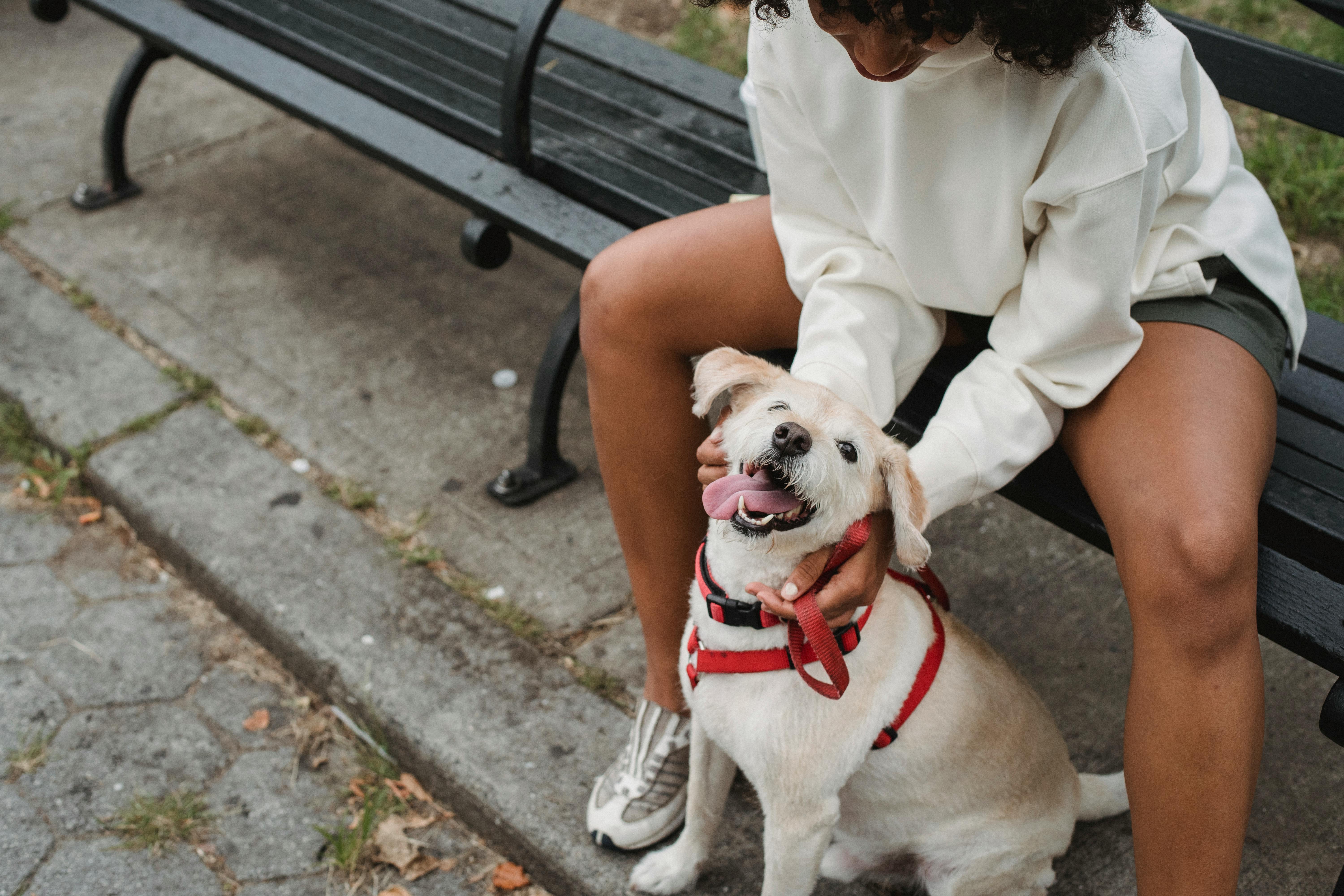 \n\n
\n\nAs a dog owner, you’ve probably wondered about your furry friend’s wet nose at least once. It might seem odd, but why do dogs have wet noses? The truth behind this common canine characteristic is both fascinating and practical. Here, we’ll explore five key reasons for your dog’s wet nose, helping you understand better what’s going on with your pet.
\n1. Natural Cooling System
\nDogs don’t sweat like humans do, so they need other methods of regulating their body temperature. Their wet noses play a crucial role in this. The moisture on their nose evaporates, helping to cool them down. This is especially important in hot weather, when it can be difficult for them to stay cool.
\n- \n
- Evaporation: Just like sweat evaporates from our skin, the moisture on a dog’s nose cools them down. \n
- Temperature Regulation: A wet nose can indicate that your dog is managing heat effectively. \n
2. Enhanced Sense of Smell
\nDogs have an incredible sense of smell—far superior to that of humans. Their wet noses help to capture scent molecules more effectively. When your dog sniffs something, the moisture on their nose absorbs these tiny particles, allowing them to identify different scents with greater precision. This is one reason why dogs are used in search and rescue missions, as well as in law enforcement.
\n- \n
- Scent Absorption: The wetness helps trap odor particles. \n
- Sniffing Capabilities: A dog can have up to 300 million scent receptors, compared to a human's 5 million! \n
3. Communication and Social Interaction
\nDogs are social animals, and their wet noses also serve as a means of communication. When dogs greet each other, they often sniff each other’s noses. This behavior helps them gather information about one another, including health, mood, and even diet. A wet nose can indicate a friendly, approachable demeanor.
\n- \n
- Greeting Ritual: Nose-to-nose contact can signify trust and friendliness. \n
- Information Gathering: Dogs learn about each other through scent, revealing more than just physical traits. \n
4. Health Indicator
\nThe condition of a dog’s nose can also be an indicator of their health. A healthy dog typically has a moist and cool nose, while a dry or cracked nose could suggest illness or dehydration. However, it’s important to note that a dog’s nose can fluctuate between wet and dry depending on their activity, the weather, and other factors.
\n- \n
- Healthy Nose: Moist and cool. \n
- Signs of Concern: Dryness, cracking, or excessive discharge might warrant a vet visit. \n
5. The Role of Mucus
\nDogs’ noses are covered in a thin layer of mucus, which contributes to their wetness. This mucus has several functions, including keeping the nose moist and helping with the absorption of scents. The mucus can also trap dust and other particles, keeping your dog’s nasal passages clear.
\n- \n
- Mucus Functionality: Absorbs scent molecules and filters air. \n
- Maintenance of Moisture: Prevents the nose from drying out in various conditions. \n
Additional Insights
\nMany dog owners might notice that their dogs’ noses are wetter after sleeping or after playtime. This is completely normal. Just as humans might sweat or have moisture on their skin after physical activity, dogs experience similar changes.
\nHere’s a quick comparison of different dog noses:
\n| Dog Type | \nNose Texture | \nWetness Level | \n
|---|---|---|
| Labrador | \nSmooth | \nVery wet | \n
| Bulldog | \nWrinkled | \nModerately wet | \n
| Poodle | \nCurly | \nSlightly wet | \n
| Dachshund | \nLong and narrow | \nVariable | \n
Each dog is unique, and so is their nose!
\nIf your dog’s nose is dry for an extended period or if you notice other symptoms like lethargy, a change in appetite, or unusual behavior, it could be a good idea to consult a veterinarian. Understanding why dogs have wet noses not only enhances your bond with your pet but also ensures their health is well-attended.
\nDog noses are not just cute features; they serve vital functions in your pet's life. So the next time you see your dog’s wet nose, you’ll know it’s nature’s way of keeping your furry friend healthy, cool, and connected to the world around them. Embrace the quirks and charms of your canine companion, and keep an eye on that adorable wet nose!
\n\nIs a Cold, Wet Nose a Sign of Illness? Understanding Dog Health Indicators
\n\n \n\n
\n\nWhen it comes to our furry companions, we often find ourselves wondering about their health. One common question that pet owners ask is, "Is a cold, wet nose a sign of illness?" Understanding dog health indicators can be a little tricky. One of the most fascinating aspects of dogs is their noses, and the wetness is something that many people notice. But why do dogs have wet noses? Let’s dive into this topic to uncover the truth!
\nThe Anatomy of a Dog's Nose
\nDogs have a unique nose structure that is different from humans. Their noses are filled with a complex network of receptors that help them smell. The moistness of a dog’s nose plays a crucial role in their sense of smell. Here are some interesting facts about dog noses:
\n- \n
- Moisture aids scent detection: A wet nose helps to capture scent particles in the air, which allows dogs to detect odors more effectively. \n
- Temperature regulation: Dogs also use their noses to cool down. When they breathe through their noses, moisture evaporates which helps regulate their body temperature. \n
- Health indicators: The condition of a dog’s nose can indicate its health. Changes in moisture or temperature can signal illness. \n
Why Do Dogs Have Wet Noses?
\nThe wetness of a dog's nose is not just a random occurrence. It serves multiple purposes. Here are some reasons why dogs have wet noses:
\n- \n
- Enhanced olfactory function: Dogs have an incredible sense of smell, and a wet nose helps to absorb scent chemicals, enhancing their ability to sniff things out. \n
- Communication tool: Dogs often use their noses to communicate with each other and with humans. A wet nose can mean a dog is excited or happy to see you. \n
- Environmental interaction: Dogs explore the world with their noses. The wetness can help them better understand their surroundings by picking up scents. \n
What Does a Cold, Wet Nose Mean?
\nA common misconception is that a cold, wet nose is a sign of a healthy dog. While it can be a good indicator, it’s not the only factor to consider. Here’s a breakdown of what a cold, wet nose might indicate:
\n- \n
- Normal activity: Generally, a cold, wet nose is just a sign that the dog is active and healthy. \n
- Illness: If a dog’s nose is excessively dry or hot, it may indicate illness. Other symptoms should also be considered, such as lethargy, loss of appetite, or vomiting. \n
- Environmental factors: Sometimes, a dog’s nose may feel cold due to the environment. If it’s chilly outside or if the dog has been lying on a cold surface, this can affect the temperature of their nose. \n
Signs of Potential Illness in Dogs
\nPet owners should be aware of various signs that might indicate their dog is unwell. Here’s a list of things to watch out for:
\n- \n
- Behavior changes: If a dog suddenly becomes lethargic or loses interest in play, this can be a warning sign. \n
- Eating habits: A sudden change in appetite, either eating too much or too little, may indicate a problem. \n
- Body temperature: Normal dog temperature ranges from 101°F to 102.5°F. Anything outside this range could signal illness. \n
- Nasal discharge: If a dog has a runny nose that lasts for more than a day, it might be worth consulting a vet. \n
Practical Tips for Dog Owners
\nHere are some practical tips for keeping your dog healthy and monitoring their nose:
\n- \n
- Regular vet visits: Make sure to schedule regular check-ups with your vet to ensure your dog stays healthy. \n
- Observe behavior: Take note of any changes in your dog’s behavior or habits. Early detection is key in dealing with health issues. \n
- Maintain hydration: Always provide fresh water for your dog. Dehydration can lead to a dry nose. \n
- Watch the environment: Be mindful of temperature changes, as extreme heat or cold can affect your dog’s nose. \n
Understanding your dog’s health indicators, including the state of their nose, is essential for responsible pet ownership. While a cold, wet nose is often a good sign of health, it’s crucial to look at the big picture. By being observant and proactive, you can help ensure your furry friend lives a long and happy life. Remember, if you ever have concerns about your dog's health, consulting a veterinarian is always your best course of action.
\n\nThe Evolutionary Advantage of Wet Noses in Dogs: What Science Reveals
\n\n \n\n
\n\nDogs are often seen with their noses wet, and it’s quite a common sight. But ever wonder why do dogs have wet noses? It’s more than just a quirky trait; there’s science behind this phenomenon. The evolutionary advantage of wet noses in dogs reveals a lot about how they interact with the world, hunt, and even communicate. Let’s dive into this fascinating subject together.
\nThe Science Behind Wet Noses
\nWet noses in dogs are not just cute; they serve several important functions. The moisture on a dog’s nose helps to enhance their sense of smell. Dogs have an incredible olfactory system, and their noses are a major part of this. It’s estimated that a dog’s sense of smell is anywhere between 10,000 to 100,000 times better than humans. Here’s how it works:
\n- \n
- Moisture helps capture scent particles: The wetness on a dog’s nose helps to dissolve scent particles, making it easier for them to pick up smells. \n
- Temperature regulation: Dogs don’t sweat like humans do. Instead, they rely on their noses to help cool themselves down. A wet nose can help to regulate their body temperature. \n
- Communication tool: A dog’s nose can signal their mood. For example, a wet and cool nose can indicate a relaxed state, while a dry nose might suggest stress or illness. \n
Historical Context of Dog Noses
\nDogs have been by our side for thousands of years, and their noses have evolved along with them. The earliest domesticated dogs were used for hunting, herding, and protection. Wet noses likely became an advantage in tracking scents during hunts, which helped humans rely on dogs for survival.
\n- \n
- Hunting companions: Early dogs with better olfactory abilities were more successful in hunting, leading to their selection for breeding. \n
- Social animals: Dogs are pack animals; their noses help them communicate with each other, which is essential for group dynamics. \n
Why Do Some Dogs Have Drier Noses?
\nNot every dog has that signature wet nose. Some breeds or individual dogs may have drier noses. Here are a few reasons why this may happen:
\n- \n
- Genetics: Some breeds naturally have drier noses due to their genetic makeup. \n
- Health Issues: A persistently dry nose can sometimes indicate health problems like dehydration or fever. \n
- Environmental Factors: Weather conditions, such as hot or dry climates, can also affect the moisture levels in a dog’s nose. \n
The Role of Wet Noses in Dog Behavior
\nDogs are known for their unique behaviors, and their wet noses play a role in this too. For instance, dogs use their noses to explore their environment. They may greet you with a wet nose as a sign of affection or curiosity.
\nFun Facts About Dog Noses
\n- \n
- Dogs have a “vomeronasal organ,” which helps them detect pheromones. \n
- The surface area of a dog's nose is larger than that of a human, allowing for more scent receptors. \n
- Each dog’s nose has a unique pattern, much like a human fingerprint. \n
Comparison of Dog Noses to Other Animals
\nLet’s take a quick look at how dog noses compare to those of other animals:
\n| Animal | \nSense of Smell (Relative to Humans) | \nUnique Features | \n
|---|---|---|
| Dogs | \n10,000-100,000 times better | \nWet nose enhances scent detection | \n
| Cats | \n5-10 times better | \nDry nose but excellent scent hunters | \n
| Bears | \n2,100 times better | \nHighly developed olfactory system | \n
| Elephants | \n5 times better | \nAbility to detect water sources over long distances | \n
Practical Examples of Nose Use in Dogs
\nDogs use their noses in various practical ways. Some examples include:
\n- \n
- Search and Rescue: Dogs trained in search and rescue rely heavily on their sense of smell to locate missing persons. \n
- Detection Work: Dogs are used in airports to sniff out drugs or explosives, showing how important their noses are in various fields. \n
- Therapy Dogs: They can sense emotional distress, often helping those who are feeling anxious or depressed by offering comfort. \n
Understanding why do dogs have wet noses opens up a whole new world of appreciation for these amazing animals. Their evolutionary advantage is not just a fun fact; it’s a vital part of what makes them such incredible companions. From enhancing their sense of smell to playing a role in their communication, wet noses are just one of the many fascinating features that make dogs truly unique. Next time you give your dog a pat, take a moment to appreciate that wet nose and all that it represents!
\n\nHow to Care for Your Dog’s Nose: Tips for Maintaining Optimal Moisture
\n\n\n\nCaring for your dog’s nose is often overlooked, but it plays a crucial role in their health and well-being. Have you ever wondered why do dogs have wet noses? It's a question many pet owners ask. The truth is, dog noses are fascinating and serve multiple purposes. Let’s dive into how to maintain the moisture of your dog’s nose and uncover the science behind those famous wet noses.
\nWhy Do Dogs Have Wet Noses?
\nDogs have wet noses for a variety of reasons, and understanding this can help you care better for your furry friend. Here’s some interesting facts:
\n- \n
- Temperature Regulation: A wet nose helps dogs cool down. The moisture evaporates, which helps to lower their body temperature, especially during hot days. \n
- Enhanced Sense of Smell: The wetness helps trap scent particles, allowing dogs to pick up scents more effectively. This is why dogs are such incredible sniffers. \n
- Health Indicator: A dog's nose can be an indicator of health. Changes in moisture or temperature may signal health issues. \n
Tips for Maintaining Optimal Moisture
\nKeeping your dog’s nose healthy and moist is essential. Here are some practical tips:
\n- \n
- Stay Hydrated: Make sure your dog has access to fresh water at all times, especially after playing or exercising. \n
- Humidity Matters: In dry climates or during winter, consider using a humidifier in your home. This can help maintain moisture in the air, benefiting your dog’s nose. \n
- Regular Check-Ups: Regular vet visits are important for overall health. Discuss any changes in your dog’s nose with your vet. \n
- Avoid Irritants: Keep your dog away from smoke, strong perfumes, or cleaning products that can dry out their nose. \n
- Natural Moisturizers: If your dog's nose is cracking or overly dry, consider applying a natural moisturizer, like coconut oil or shea butter. Always check with your vet first. \n
Common Nose Issues in Dogs
\nSometimes, dogs can develop nose problems that require attention. Here’s a quick overview of common issues:
\n- \n
- Cracked Nose: This can be painful and is often due to dryness or lack of moisture. \n
- Nasal Discharge: Clear discharge is usually normal, but colored or excessive discharge can indicate health issues. \n
- Nosebleeds: These can happen from trauma or underlying health problems. It's best to consult a vet if this occurs. \n
Signs of a Healthy Dog Nose
\nA healthy dog nose usually has certain characteristics. Here’s what to look for:
\n- \n
- Moisture Level: A healthy nose should feel cool and moist, but not excessively wet. \n
- Color: The nose should have a consistent color, usually black or brown, depending on the breed. \n
- Temperature: A normal nose should be cool to the touch, but a warm nose can sometimes indicate a fever. \n
A Quick Guide to Your Dog’s Nose Care
\nHere’s a simple checklist to help you maintain your dog’s nose:
\n- \n
- Always provide fresh water. \n
- Monitor humidity levels in your home. \n
- Keep an eye on your dog’s nose for any changes. \n
- Use natural moisturizers with vet approval. \n
- Schedule regular vet check-ups. \n
Fun Facts About Dog Noses
\nDogs are amazing creatures, and their noses are just as fascinating. Here are some fun facts:
\n- \n
- Dogs have as many as 300 million scent receptors, compared to about 6 million in humans. \n
- A dog’s sense of smell is 40 times better than that of a person. \n
- Each dog’s nose print is unique, similar to human fingerprints. \n
Understanding why do dogs have wet noses can help owners appreciate their pets even more. This simple feature plays a huge part in their ability to interact with the world. By maintaining optimal moisture and monitoring their nose health, you not only ensure their comfort but also contribute to their overall health.
\nSo next time you give your dog a pat on the head, take a moment to check their nose. It’s not just a cute feature; it’s a window into their health and well-being. Caring for your dog’s nose is part of being a responsible pet owner, and it can even strengthen the bond you share. Remember, a happy dog with a moist nose is a healthy dog!
\n\nCan Weather Affect Your Dog’s Nose Moisture? Exploring Environmental Factors
\n\n \n\n
\n\nDogs, those beloved furry companions, often capture our hearts with their playful antics and loving nature. One of the most intriguing characteristics of dogs is their wet noses. You might of wondered, "Why do dogs have wet noses?" and "Can weather affect your dog’s nose moisture?" Let's dive into the fascinating truth about these topics.
\nThe Purpose of a Wet Nose
\nDogs noses are moist for a reason. The moisture helps them to pick up scents better. When a dog sniffs around, the wetness on their nose helps capture scent particles from the air. This is why dogs are often better at tracking than humans. In fact, dogs have an incredible sense of smell that is estimated to be between 10,000 to 100,000 times more sensitive than ours!
\nSome of the reasons why a dog’s nose is wet include:
\n- \n
- Enhanced Smell: Wet noses are more effective at capturing scent molecules. \n
- Temperature Regulation: Dogs don’t sweat like humans. A moist nose can help cool them down. \n
- Health Indicator: A wet nose is often a sign of a healthy dog, while a dry nose may indicate dehydration or illness. \n
How Does Weather Influence Nose Moisture?
\nSo, can weather affect your dog’s nose moisture? Yes, it can! Various environmental factors impact the moisture level on a dog's nose. Here are some examples:
\n- \n
- Humidity Levels: On humid days, your dog’s nose might be wetter. The moisture in the air can keep their nose hydrated. \n
- Cold Weather: In cold climates, noses can freeze or become dry. Dogs may also sniff less outside in freezing temperatures, which can lead to reduced moisture. \n
- Heat and Sun Exposure: Hot weather can cause a dog’s nose to dry out quickly. Dogs may pant and seek shade, which might affect how wet their noses stay. \n
- Allergies and Irritants: Pollen and other irritants can cause inflammation, leading to a change in moisture levels on the nose. \n
The Anatomy Behind a Dog's Nose
\nUnderstanding why dogs have wet noses also involves knowing a bit about their anatomy. A dog’s nose is covered with a special type of skin, which is different from the rest of their body. This skin has a higher concentration of mucous glands that produce moisture.
\nHere’s a simple breakdown of the anatomy:
\n- \n
- Nasal Planum: The outer layer of skin on a dog’s nose. \n
- Mucous Glands: These glands secrete moisture, keeping the nose wet. \n
- Olfactory Receptors: Specialized cells that help in detecting scents. \n
Historical Perspective
\nHistorically, dogs were bred for specific tasks, many of which relied on their sense of smell. From hunting to herding, a wet nose was crucial for effectiveness. Ancient civilizations often recognized the importance of a dog's nose. For instance, the Egyptians revered dogs for their hunting abilities, understanding that a wet nose played a role in their keen sense of smell.
\nPractical Tips for Nose Care
\nKeeping your dog’s nose healthy and moist is important. Here are some tips to ensure your furry friend stays comfortable:
\n- \n
- Hydration: Always provide fresh water to keep your dog hydrated. A well-hydrated dog is more likely to have a moist nose. \n
- Limit Sun Exposure: On hot days, try to limit how long your dog is in direct sunlight to prevent their nose from drying out. \n
- Check for Health Issues: If your dog’s nose becomes excessively dry or cracked, it might be wise to consult a vet. It could be a sign of allergies, dehydration, or other health issues. \n
- Nose Balm: You can apply a dog-safe nose balm to keep their nose moisturized, especially during dry months or hot weather. \n
Fun Facts About Dog Noses
\n- \n
- Dogs can smell your emotions! They can detect changes in your body odor when you're happy, sad, or stressed. \n
- The pattern of a dog’s nose is unique, much like a human fingerprint. \n
- Dogs can even detect illnesses like cancer or diabetes in humans through their sense of smell. \n
So next time you notice your dog’s wet nose, remember it serves more than just a cute appearance. It's a fascinating blend of biology and environmental interaction, showcasing the incredible capabilities of our furry companions. Keeping an eye on their nose moisture and understanding the factors that affect it can help ensure your dog's health and happiness!
\n\nConclusion
\n\nIn conclusion, the wet noses of dogs serve multiple essential functions that contribute to their overall health and well-being. From enhancing their sense of smell to helping regulate body temperature, a dog’s moist nose is a remarkable adaptation. The moisture allows scent molecules to adhere better, improving their ability to detect various odors, while also keeping them cool during warm weather. Furthermore, a wet nose can be a sign of a happy and healthy dog, although it’s important to monitor changes that may indicate health issues. Understanding these aspects not only deepens our appreciation for our furry companions but also highlights the importance of regular veterinary check-ups. So, the next time you greet your dog and feel that familiar wet nose, remember its vital role in their life. Embrace this unique feature and ensure your pet stays happy and healthy—after all, a wet nose is just one of the many endearing qualities that make dogs such cherished companions.
\n\n