Have you ever wondered, "Why do dogs have wet noses?" It's a question that many dog lovers ask, and the answer is more fascinating than you might think! The truth behind those cold, damp noses is not just a quirky trait—it's a key element of your dog's health and well-being. A wet nose can indicate that your furry friend is healthy and happy, but what does it really mean? In this blog post, we will explore the science behind canine noses, revealing why they are often wet and how this affects their sense of smell. Did you know that a dog's nose is packed with special receptors that help them detect scents? This incredible ability is essential for their survival and communication. So, why do dogs have wet noses? Is it just for sniffing out treats, or is there more to it? Join us as we uncover the fascinating truth behind this common canine characteristic, and learn why a wet nose is something to celebrate in your beloved pet. Get ready to dive into the intriguing world of dogs and discover how their wet noses play a vital role in their everyday lives!
The Science Behind Wet Noses: What Makes Your Dog's Nose So Moist?
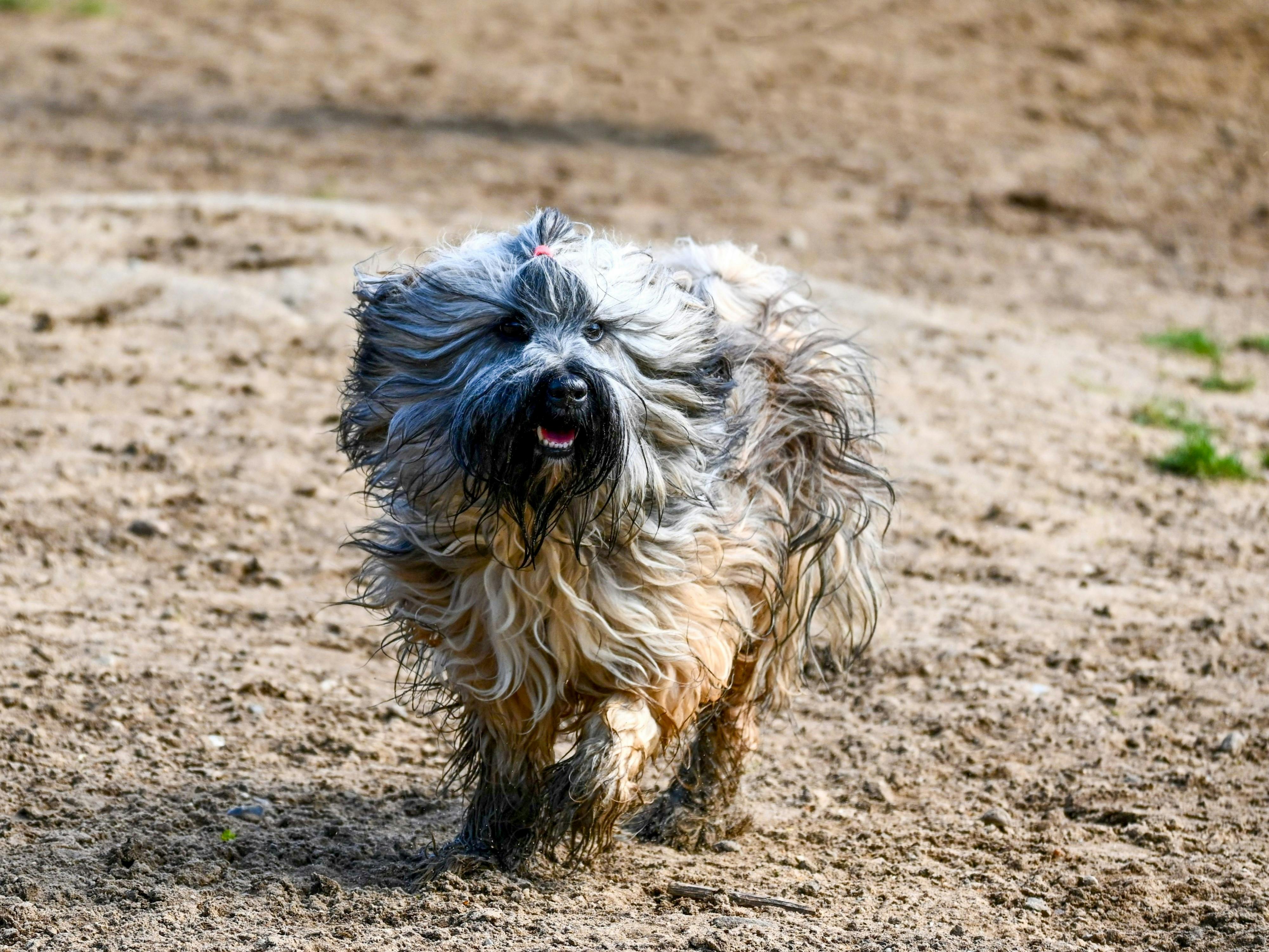
When you think about dogs, many things come to mind, but one of the most endearing features is their wet noses. Ever wonder why do dogs have wet noses? It’s actually pretty fascinating. The science behind wet noses is not just cute, its also deeply rooted in a dog’s biology and their way of interacting with the world. Let’s uncover the truth behind those moist noses and what they mean for our furry friends.
The Purpose of a Wet Nose
One of the main reasons why dogs have wet noses is to help them smell better. Dogs have an incredible sense of smell, and their noses are a big part of that. Here’s how it works:
- Moisture enhances scent detection: A wet nose can capture scent particles more effectively. The moisture helps to dissolve the scents in the air, allowing the sensory receptors in the nose to pick up on them.
- Cooling mechanism: Dogs can’t sweat like humans do. Their noses help in regulating body temperature. When a dog’s nose is moist, it helps to keep them cool, especially during hot days.
- Health indication: A wet nose often indicates that a dog is healthy. While not an absolute rule, dry or cracked noses can sometimes signal an issue, and it’s something pet owners should keep an eye on.
The Anatomy of a Dog's Nose
Understanding the structure of a dog’s nose can also shed light on why it’s often wet. The dog’s nose is made up of several key components:
- Nasal cavity: This is where the smell receptors are located. The larger the cavity, the better the smell.
- Mucous glands: These glands produce mucus that keeps the nose moist.
- Skin texture: The skin on a dog’s nose is unique, which helps in trapping and processing scents more efficiently.
Historical Context of Wet Noses
Dogs have been companions to humans for thousands of years. The wet nose is a characteristic that dates back to their wild ancestors. Early dogs needed acute senses for survival. A moist nose helped them track prey and avoid predators. The evolutionary process favored dogs with wetter noses, making it a trait that has persisted through generations.
Fascinating Facts About Dog Noses
- Dogs have up to 300 million smell receptors, compared to about 6 million in humans.
- The shape and size of a dog’s nose can vary greatly between breeds, affecting their smelling abilities.
- Dogs can detect certain diseases, like cancer, through scent alone.
Comparison: Dog Noses vs. Human Noses
Here’s a quick comparison to highlight the differences between a dog’s nose and a human’s:
| Feature | Dog Nose | Human Nose |
|---|---|---|
| Number of receptors | About 300 million | About 6 million |
| Moisture function | Essential for smell | Minimal role in smell |
| Cooling ability | Significant | None |
| Sense of smell | Acute and highly sensitive | Limited |
Practical Examples of Nose Functions
Dogs use their noses in various ways throughout their lives. Here are some everyday examples:
- Tracking: Dogs can follow a scent trail over great distances, which is why they’re often used in search and rescue missions.
- Detecting emotions: Dogs can sense human emotions through smell. They can detect stress and fear, often responding accordingly.
- Interaction with environment: Dogs explore their world largely through sniffing. A quick wet nose poke can tell them everything about a new friend or a strange object.
Other Considerations for Dog Owners
As a dog owner, it’s important to know how to care for your dog's nose. Here are some tips to keep your furry friend healthy:
- Regularly check their nose for dryness or cracks.
- Make sure they have plenty of water, especially in hot weather.
- If you notice any unusual changes, consult a vet.
In conclusion, the wet noses of dogs serve multiple vital functions that are both fascinating and practical. They play a significant role in how dogs interact with their environment and maintain their health. Next time you see your dog’s moist nose, remember it’s not just a cute feature; it's a testament to their incredible biology and the history they share with humans.
Top 5 Reasons Why Dogs Have Wet Noses: Unraveling This Canine Mystery
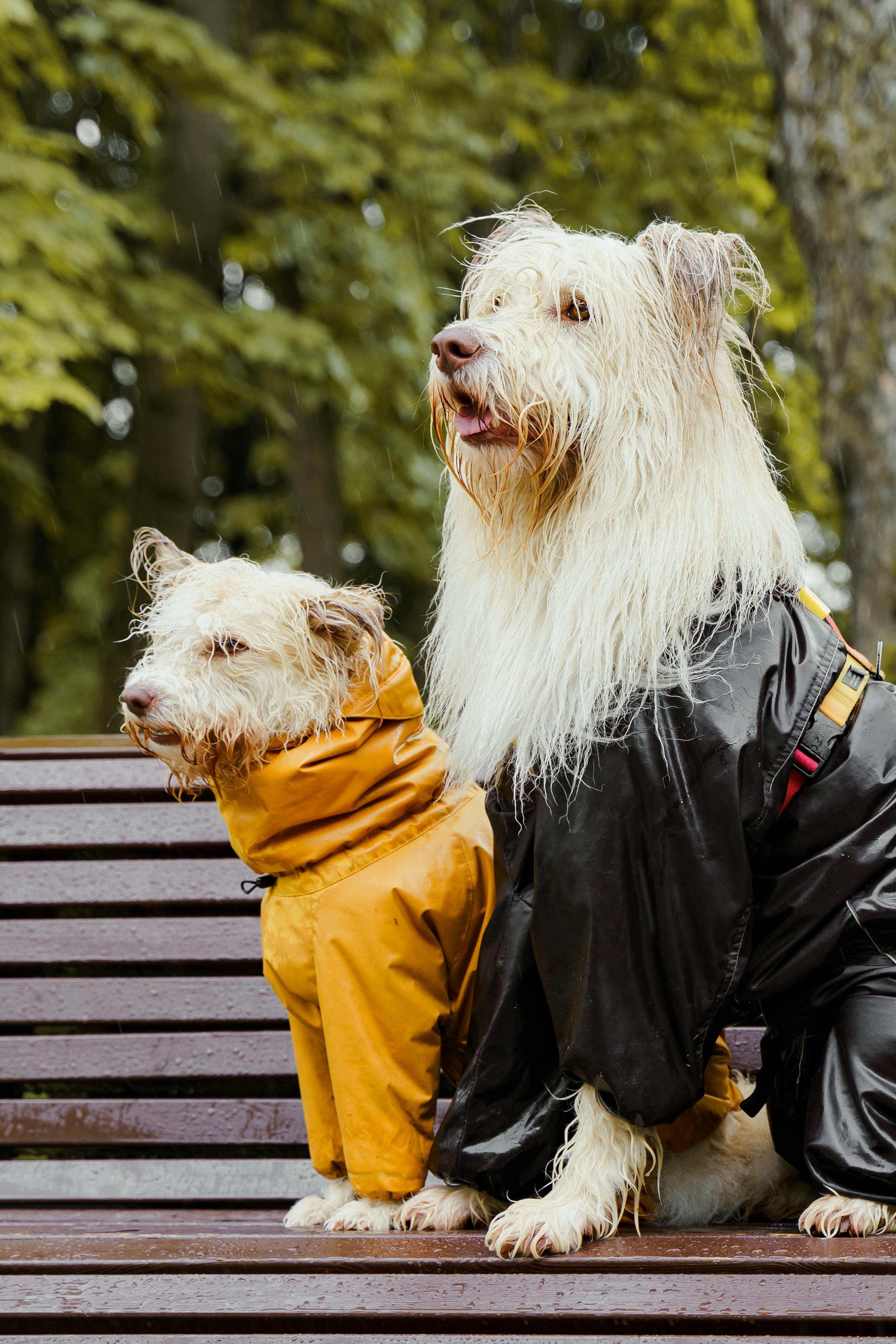
Have you ever wonder why dogs have wet noses? It's one of those quirks that many pet owners notice but often overlook. This simple yet intriguing characteristic of our four-legged friends serves various purposes, and it’s time to unravel this canine mystery. Let's dive into the top five reasons why dogs have wet noses, uncovering the fascinating truth behind this common canine trait.
1. Temperature Regulation
Did you know that dogs regulate their body temperature through their noses? Just like humans sweat, dogs have a unique way of staying cool. When a dog's nose is wet, it helps to cool down their body. The moisture evaporates, and this process provides a cooling effect. So, if you see your dog with a shiny, wet nose on a warm day, it’s likely they’re trying to keep themselves from overheating.
- Dogs have sweat glands primarily in their paw pads.
- Wet noses help cool down the body by evaporation.
- A wet nose can indicate a dog is comfortable and relaxed.
2. Enhanced Sense of Smell
Another fascinating reason why dogs have wet noses relates to their incredible sense of smell. The moisture on a dog’s nose helps to trap scent particles. This makes it easier for them to pick up and process smells. A wet nose enhances olfactory capabilities, allowing dogs to detect scents better than humans could ever imagine.
- Dogs have about 300 million scent receptors, compared to human's 5 million.
- A wet nose allows for better adhesion of scent particles.
- This is why dogs are often used in search and rescue, and drug detection.
3. Protection from Illness
A wet nose can also play a crucial role in protecting dogs from certain illnesses. The moisture on their noses can act as a barrier against bacteria and other pathogens. If a dog’s nose is dry, it might be more susceptible to infections. Consequently, a wet nose can be a sign of a healthy and robust immune system.
- Wet noses can help minimize the chances of respiratory infections.
- Healthy dogs generally have moist noses; a dry nose can sometimes indicate health issues.
- Regular vet check-ups can help ensure your dog stays healthy.
4. Communication with Other Dogs and Humans
Dogs communicate in many ways, and their noses are part of that language. When a dog has a wet nose, it can signal a variety of emotions or intentions. For instance, a dog might nuzzle you with their wet nose to show affection or seek attention. Similarly, when dogs greet each other, they often sniff each other’s noses, which can communicate information about health and mood.
- A wet nose during greetings can indicate excitement and friendliness.
- Dogs use their noses to learn about their environment and other animals.
- Human interaction is also enhanced through nose nudges, showing affection and trust.
5. Natural Behavior and Instinct
Lastly, having a wet nose is just part of being a dog! It's important to remember that wet noses are a natural trait among canines. Puppies are born with moist noses, and as they grow, this characteristic stays with them throughout their lives. This natural behavior is not just an anomaly; it’s an instinctive trait that has evolved over thousands of years.
- All dog breeds have wet noses, although some may be wetter than others.
- Environmental factors, like humidity, can affect how wet a dog’s nose is.
- Wet noses are a part of a dog's identity and biology.
Quick Facts About Dog Noses
- Dogs have a unique pattern on their noses, similar to human fingerprints.
- The color of a dog's nose can change with age and health.
- A dog’s nose can detect scents from several miles away, thanks to its wet surface.
In summary, the reasons why dogs have wet noses are various and fascinating. They regulate temperature, enhance the sense of smell, protect against illness, communicate with others, and are simply a part of their natural behavior. Next time you pet your furry friend, take a moment to appreciate that moist little nose and the science behind it. It's just one of the many amazing things that make dogs such wonderful companions.
Do Wet Noses Mean a Healthy Dog? Discover the Truth About Dog Health Indicators
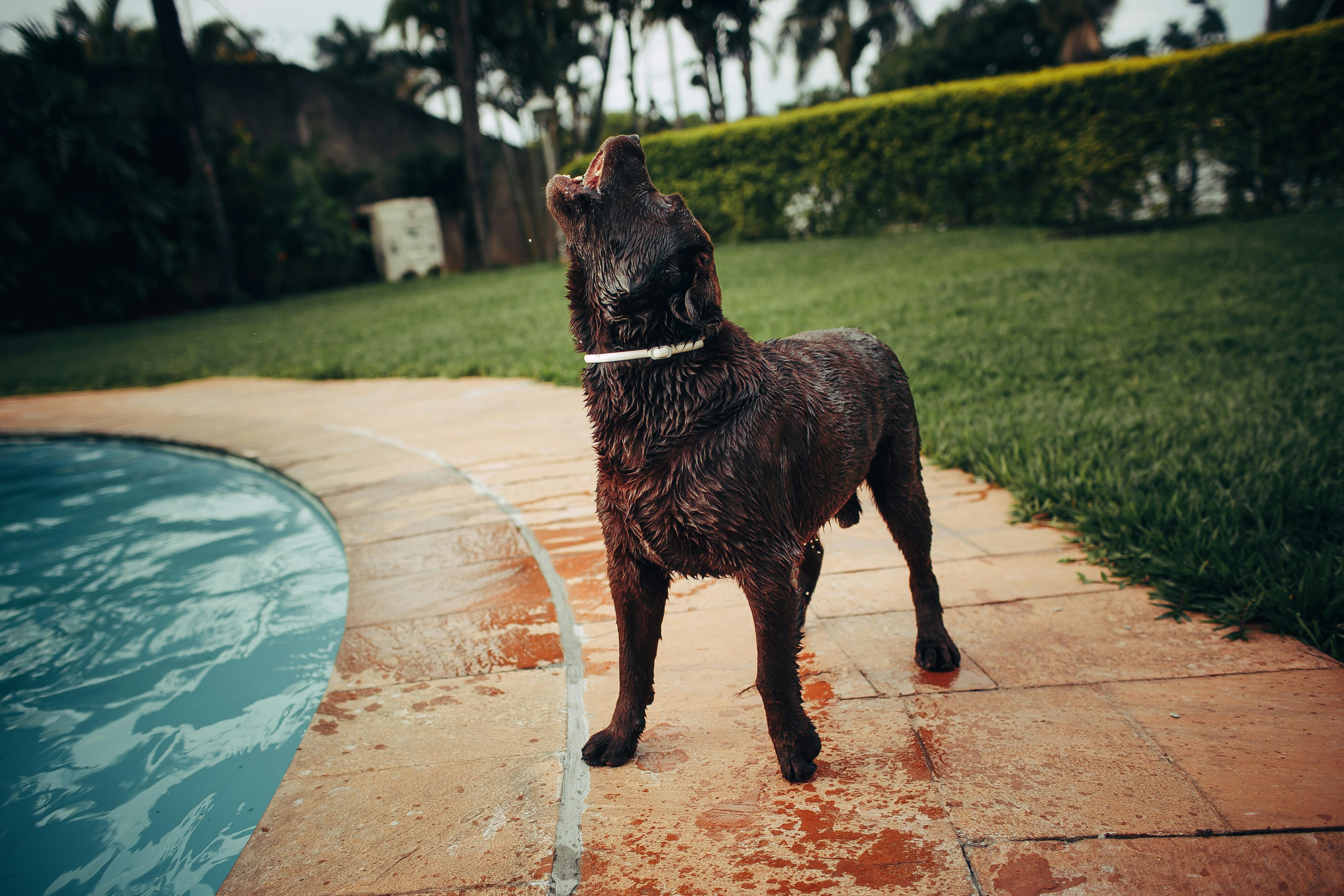
When it comes to our furry friends, many dog owners often wonder about various aspects of their health. One common question that pops up is, "Do wet noses mean a healthy dog?" It's a question that seems simple but carries a lot of weight. Wet noses in dogs have long been associated with good health, but the truth isn't always straightforward. Let's dive into the fascinating world of dog noses and what they really mean for their overall well-being.
Why Do Dogs Have Wet Noses?
Ever notice how your dog’s nose is often cooler and damp? There’s a reason for that! Dogs have wet noses because of several reasons:
Temperature Regulation: Dogs can't sweat like humans do; they primarily rely on panting to cool off. A wet nose helps to regulate their body temperature, keeping them cool when they need it.
Sense of Smell: A moist nose helps to enhance a dog’s sense of smell. The mucus on the nose captures scent particles better, which is why dogs are often used in search-and-rescue missions or detecting substances like drugs and explosives.
Health Indicator: While a wet nose can be a sign of health, it’s not the only indicator. Various factors contribute to a dog's overall health, including behavior, appetite, and energy levels.
The Truth Behind Wet Noses and Dog Health
So, does a wet nose actually mean your dog is healthy? Not always. While it can be a good sign, it isn’t a definitive health indicator. Here are some points to consider:
Normal Variation: Just like humans have different body temperatures, dogs also have different nose conditions. Some breeds have drier noses than others, which might be perfectly normal for them.
Environmental Factors: A dog’s nose can change throughout the day based on their surroundings. For instance, after a long nap, a dog’s nose might feel drier than usual.
Health Conditions: A persistent dry nose can indicate dehydration or other health issues. If your dog’s nose is always dry, it may be time to consult a veterinarian.
Common Misconceptions About Dog Noses
There’s a lot of misconceptions floating around about what a dog’s nose can tell us. Let’s clear some of them up:
Myth: A warm, dry nose means a dog is sick.
Reality: A dog’s nose temperature can vary. It’s not a reliable way to determine health status.
Myth: All dogs should have wet noses.
Reality: Some breeds naturally have drier noses and that’s totally okay!
Myth: A wet nose is always a sign of happiness.
Reality: While a wet nose can indicate a dog is feeling good, it doesn’t necessarily mean they are happy.
Interesting Facts About Dog Noses
Dogs are fascinating creatures, and their noses are no exception! Here are some interesting tidbits about dog noses:
Unique Patterns: Just like human fingerprints, each dog's nose print is unique. This means it could theoretically be used to identify a dog!
Nose Size and Sense of Smell: Generally, larger breeds have more olfactory receptors in their noses, enhancing their sense of smell even further.
Self-Cooling Mechanism: Dogs can cool themselves through their noses. The moisture evaporating from their noses helps to lower their body temperature.
Quick Checklist for Dog Health Monitoring
Keeping an eye on your dog’s health goes beyond just checking their nose. Here’s a quick checklist:
Behavior Changes: Is your dog acting differently? More lethargic or anxious?
Eating Habits: Are they eating less or showing interest in food?
Water Intake: Is your dog drinking enough water? A sudden increase or decrease can indicate health issues.
Energy Levels: Is your dog more tired than usual?
Final Thoughts
In summary, while a wet nose can often be an indicator of a healthy dog, it’s important to remember that it’s not the only sign to look for. Understanding your dog’s health involves paying attention to their overall behavior, appetite, and energy levels. If you have concerns about your dog’s health or notice significant changes, always seek professional advice from a veterinarian. By staying informed and observant, you can ensure that your furry friend remains happy and healthy!
How a Dog’s Wet Nose Affects Their Sense of Smell: The Fascinating Connection Explained
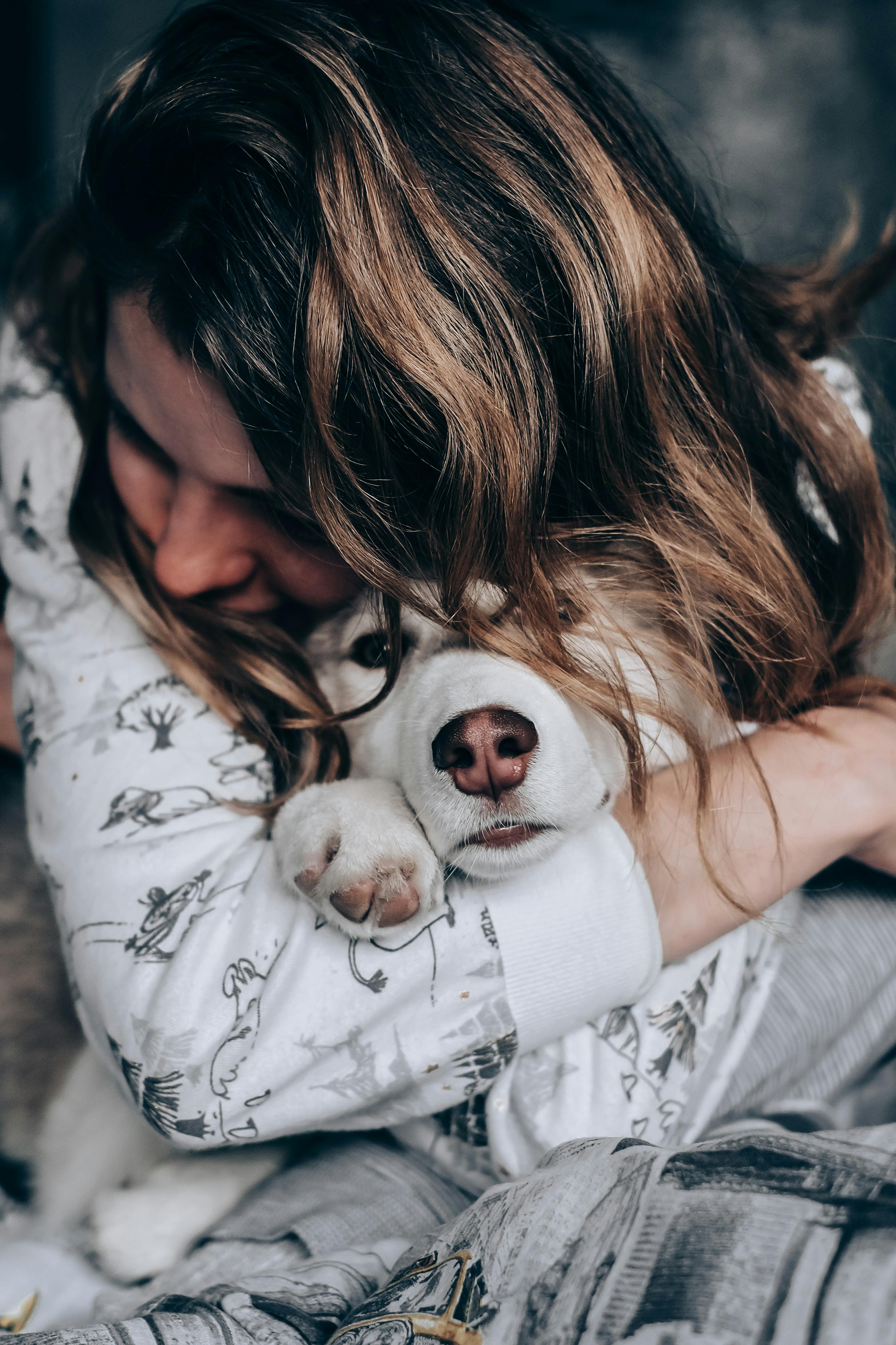
Dogs, beloved companions for many, have this unique feature that makes them stand out – their wet noses. But why do dogs have wet noses? It’s not just for show or cuteness. This wetness plays a crucial role in how they experience the world around them. And it has a fascinating connection to their incredible sense of smell. Let’s dive deeper into this intriguing topic and uncover the truth behind those moist little noses.
The Science Behind a Dog's Nose
Dogs have an extraordinary sense of smell, estimated to be between 10,000 to 100,000 times more sensitive than humans. Their noses are specially designed to help them detect scents. The wetness of their noses is not just a random trait; it's a key component in their smelling ability.
Moisture Retention: A wet nose helps to capture and hold scent particles. When dogs sniff, the moisture on their nose traps these particles, allowing them to analyze the smells more effectively.
Cooling Mechanism: Dogs don’t sweat like humans do. Instead, they regulate their body temperature through panting and the moisture on their noses. A cool nose can also help in the overall function of their senses.
Enhanced Olfactory Receptors: Dogs have around 300 million olfactory receptors in their noses, compared to humans who have about 6 million. The wetness encourages the olfactory receptors to be more active, improving their smell detection.
Why Do Dogs Have Wet Noses?
The question of "why do dogs have wet noses?" can be answered through several angles:
Evolutionary Adaptation: Wet noses are thought to be an evolutionary trait that has helped dogs survive in the wild. The ability to smell better means they can find food, detect danger, and even identify mates.
Health Indicator: A dog's nose can indicate their health. If a dog’s nose is excessively dry or hot, it might signal dehydration or illness. A wet nose is often a sign of a happy, healthy dog.
Behavioral Communication: Dogs use their noses not just for smelling but also for social interaction. They often greet each other by sniffing, which is part of their communication. A wet nose can indicate excitement or curiosity.
The Fascinating Connection: Wet Noses and Smell
The relationship between a dog’s wet nose and its sense of smell is nothing short of amazing. Here’s how it works:
Scent Particles: When a dog inhales, the moist surface of their nose traps scent particles. This action increases the likelihood of those particles reaching their olfactory receptors, heightening their ability to assess their environment.
Breath Effects: Interestingly, when dogs exhale, the moisture evaporates and helps to release trapped scent particles back into the air, making it easier for them to re-sample odors.
Temperature Regulation: A wet nose cools the air entering the nasal cavity, which can enhance their ability to detect scents, particularly in warmer conditions.
Fun Facts About Dog Noses
Unique Patterns: Just like human fingerprints, each dog has a unique nose print. This print can even be used for identification purposes!
Color Changes: The color of a dog’s nose can change due to various factors, including seasons, health, and age. Some dogs might have a seasonal change in the pigmentation of their noses.
Dogs and Their Senses: While smell is their dominant sense, dogs also rely on their sight and hearing. However, they are primarily scent-driven creatures.
How to Maintain Your Dog's Nose Health
Keeping your dog's nose healthy is essential. Here are some tips:
Hydration: Ensure your dog has access to fresh water at all times, as hydration affects nose moisture.
Check for Irritation: Regularly check for any signs of dryness, cracking, or discoloration. If you notice anything unusual, consult your veterinarian.
Limit Exposure: Protect your dog’s nose from extreme weather conditions. Cold winters or hot summers can affect their skin and nose health.
Balanced Diet: A nutritious diet contributes to overall health, including the health of their nose.
Dogs, with their wet noses and remarkable olfactory abilities, continue to amaze us. Understanding why they have wet noses and how it affects their sense of smell not only increases our appreciation for them but also helps us take better care of our furry friends. The next time you see your dog with their moist, cool nose, you’ll know just how vital it is to their experience of the world around them.
The Role of a Wet Nose in Dog Communication: What Your Pup is Trying to Tell You
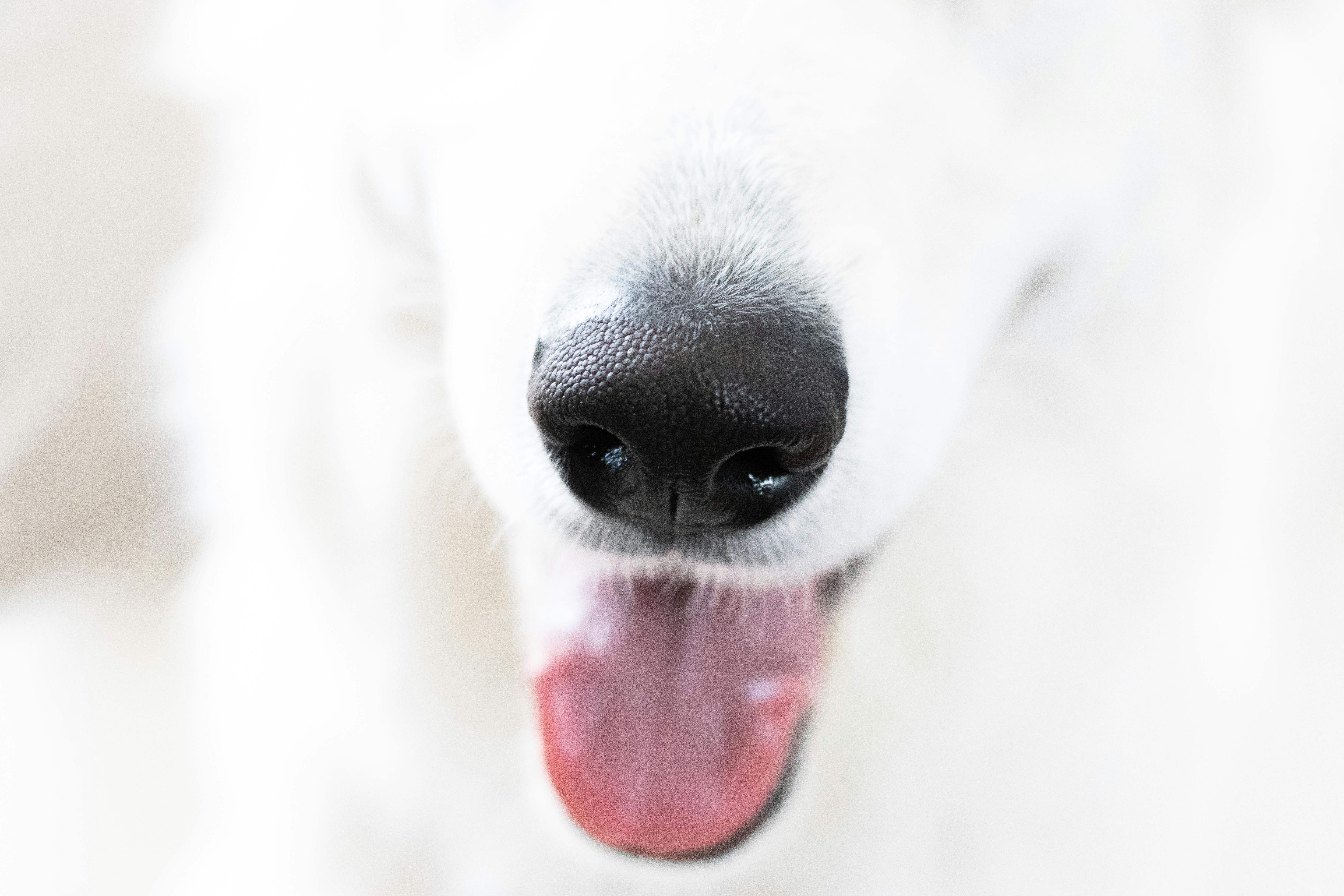
Dogs, they are one of the most beloved pets around the world. Their wet noses are a common sight, but have you ever wondered why do dogs have wet noses? This question is not only fascinating, but it also ties into how dogs communicate with us and with each other. Your pup's wet nose is more than just an adorable feature; it plays a critical role in their sensory experience and social interactions. Let’s dive into the intriguing world of dog communication, focusing on the role that wet noses play.
The Science Behind Wet Noses
A dog’s nose is not just for decoration. In fact, it's highly evolved and serves multiple purposes. Here are some key points about why do dogs have wet noses:
Enhanced Smell: Dogs have an extraordinary sense of smell, which is about 10,000 to 100,000 times more sensitive than humans. Their wet noses help to capture scent particles more effectively.
Cooling Mechanism: Dogs don't sweat like we do. Their wet noses help to keep them cool, as evaporation of moisture from the nose surface can help regulate their body temperature.
Health Indicator: A dog's nose can also indicate their health status. A dry or warm nose might be a sign of illness, while a healthy dog typically has a cool and moist nose.
Communication Through Scent
Dogs are social animals, and they communicate in various ways. Their sense of smell is their primary means of understanding the world around them. Here’s how their wet noses help in communication:
Scent Marking: When dogs greet each other, they often sniff each other’s noses. This is not just a friendly gesture; it's a way for them to gather information about the other dog’s health, diet, and emotions.
Identifying Emotions: Dogs can sense human emotions through scent. When we are anxious or happy, our bodies release different chemicals, and dogs can pick up on these changes through their noses.
Bonding with Humans: Dogs often nuzzle their noses against humans as a form of affection or seeking attention. A wet nose can be a reminder of their love and loyalty.
The Evolutionary Aspect
Historically, dogs evolved from wolves, who relied heavily on their sense of smell for survival. As domesticated animals, dogs have retained this characteristic. Their wet noses are a trait that has been preserved through generations, providing them with the skills necessary for hunting and social cohesion.
Fun Facts About Dog Noses
Unique Patterns: Just like human fingerprints, every dog’s nose has a unique pattern of ridges and bumps. This uniqueness can be used to identify them.
Temperature Detection: Dogs can detect temperature changes through their noses, which helps them assess their environment and find safe places to rest.
Moisture Attraction: A wet nose can attract moisture from the air, assisting dogs in smelling scents better.
Practical Implications for Dog Owners
As a dog owner, understanding the significance of your dog’s wet nose can help you to better care for them. Here are some practical tips:
Monitor Nose Health: Regularly check your dog's nose for dryness or cracks. If you notice significant changes, consult your veterinarian.
Encourage Sniffing: Allow your dog to explore the world through their nose. Engaging their sense of smell can provide mental stimulation and satisfy their natural instincts.
Recognize Communication: Pay attention to how your dog uses their nose in communication. Understanding these signals can enhance your bond and improve training outcomes.
Summary of Key Points
- Dogs have wet noses primarily for enhanced smell, cooling, and health indicators.
- Their noses play a critical role in social interactions and communication.
- Understanding your dog’s nose can provide insights into their health and emotions.
The role of a wet nose in dog communication is an essential aspect of understanding our furry friends. Dogs use their noses to navigate their world, communicate with each other, and bond with us. The next time you see your pup’s wet nose, remember that it’s not just cute; it’s a vital tool for them. By understanding what your dog is trying to tell you through their nose, you can foster a deeper connection with them. So, embrace those wet-nosed snuggles and appreciate the fascinating truth behind your dog’s unique way of communicating!
Is Your Dog’s Nose Too Dry? 7 Signs of Potential Health Issues to Watch For

Is your dog’s nose too dry? This is a question many dog owners find themselves asking from time to time. A dog's nose can tell you a lot about their health, and noticing changes can be important. It's good to be observant, as dry noses can be a sign of various health issues. In this article, we will explore seven signs that might indicate your furry friend needs some extra attention, and we will also delve into why dogs have wet noses in the first place. Let’s get started!
7 Signs of Potential Health Issues to Watch For
Excessive Dryness: If your dog's nose feels unusually dry or rough to the touch, it may be a cause for concern. A healthy nose is generally moist; so if it’s more like sandpaper, watch out.
Cracking or Bleeding: Look for cracks or bleeding on your dog’s nose. This could indicate dehydration, allergies, or even an infection. If you see blood, it’s best to consult your vet immediately.
Change in Color: If the color of your dog's nose changes from the usual black or brown to a lighter shade or even pink, it could indicate an underlying health issue. This could be something as simple as a temperature change, but it could also be more serious.
Nasal Discharge: A healthy dog shouldn't have a lot of discharge from the nose. If you see excessive mucus or a greenish color, this may indicate an infection or illness.
Behavior Changes: If your dog is less active, shows signs of lethargy, or refuses to eat, it could be related to a health issue. Sometimes, a dry nose is just one symptom of a larger problem.
Persistent Coughing or Sneezing: If your dog is sneezing or coughing more than usual, it can be related to respiratory issues, which might also affect the moisture of their nose.
Dehydration Signs: Dry nose can also be a sign of dehydration. Check for other symptoms like a dry mouth, sunken eyes, or loss of skin elasticity. If you see these signs, it may be time to get some water in your pup or a vet visit.
Why Do Dogs Have Wet Noses? Uncover the Fascinating Truth!
Dogs have wet noses for several reasons. It's not just for show or because they’re drooling all over the place. Here's why a wet nose can be beneficial:
Better Sense of Smell: The moisture on a dog’s nose actually helps to enhance their sense of smell. When the nose is wet, it creates a better surface for scent particles to stick to, allowing dogs to pick up scents more effectively.
Temperature Regulation: Dogs don’t sweat like humans do. Instead, they use their noses to help cool down. A wet nose helps to keep their body temperature in check, especially during hot weather.
Health Indicator: A wet nose is often a sign of good health. Most healthy dogs have moist noses, so any significant change may indicate a health problem.
Social Interaction: Dogs often greet each other with their noses. A wet nose can be a sign of friendliness and approachability, helping them to interact better with other dogs.
Fascinating Fact About Dog Noses
Did you know that a dog’s sense of smell is between 10,000 to 100,000 times more sensitive than humans? This means that dogs can detect certain scents in parts per trillion! Their wet noses play a critical role in this incredible ability.
Quick Reference Checklist for Dog Nose Health
- Moisture Level: Is your dog’s nose dry or wet?
- Color Changes: Has there been any discoloration?
- Physical Condition: Are there any cracks or bleeding?
- Other Symptoms: Is your dog showing signs of illness like sneezing or lethargy?
When to See the Vet
If you notice any of the signs mentioned above, you should consider reaching out to a veterinarian. They can provide a thorough examination and help determine whether there’s an underlying health issue that needs to be addressed. Early intervention can make all the difference in your dog’s health.
Remember that while a dry nose can be a sign of something more serious, it isn’t always a cause for alarm. Dogs can have dry noses for various benign reasons too, like the weather or after sleeping. Just stay observant and trust your instincts when it comes to your dog’s health. Your furry friend relies on you to keep them healthy and happy, so stay informed and proactive!
Wet Nose Wonders: How Climate and Environment Impact Your Dog's Nose Moisture
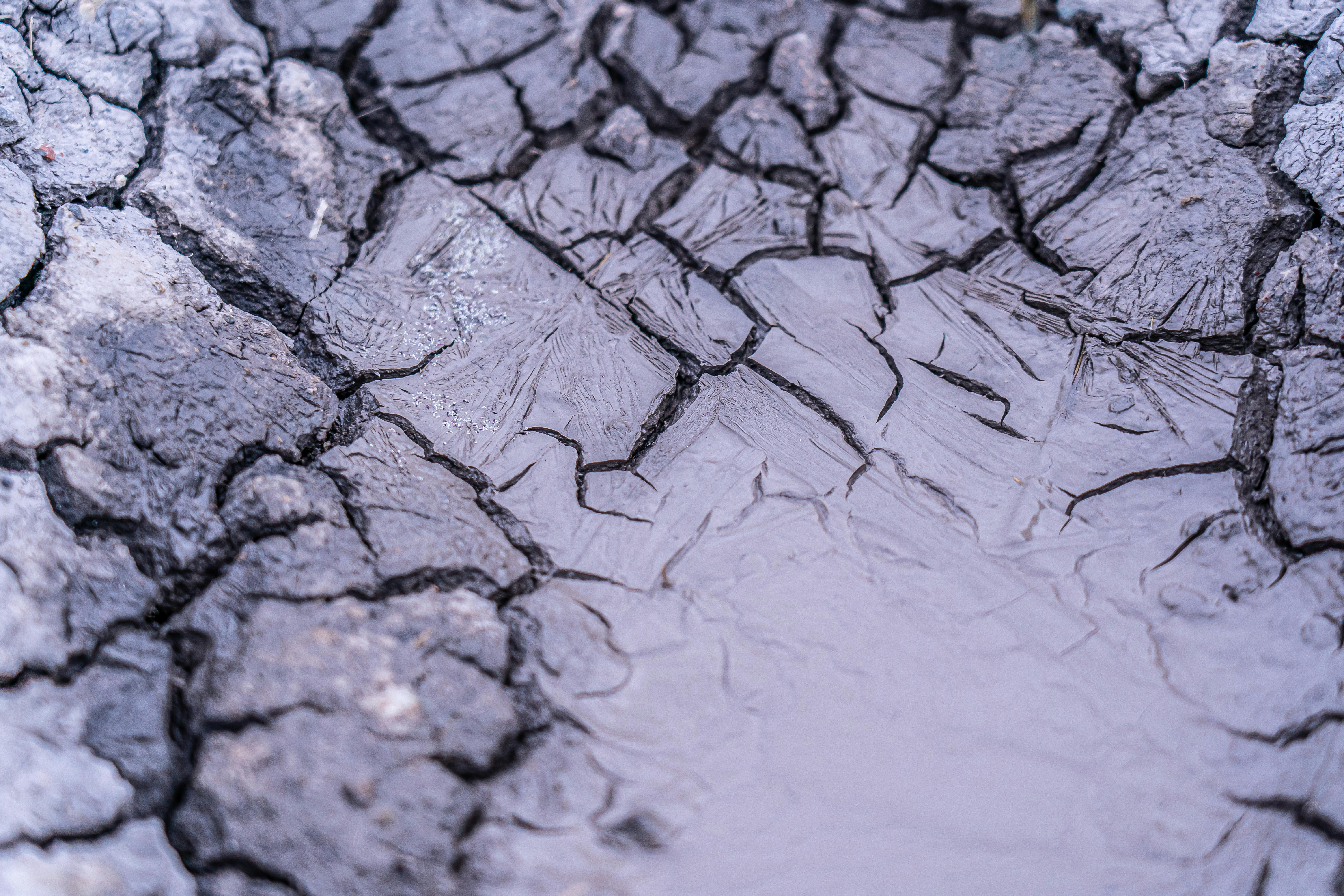
Have you ever wondered why do dogs have wet noses? It's a question that many pet owners asks, often while watching their furry friends sniff around. The moisture on a dog's nose is not just for show; it serves several important purposes, which are influenced by various climate and environmental conditions. Let’s dive into the fascinating world of canine noses and explore the factors that impact their wetness.
The Science Behind Wet Noses
Dogs have wet noses because they are equipped with specialized skin cells that helps maintain moisture. The moisture comes from a combination of mucus and sweat, which is crucial for their sense of smell. In fact, a dog’s nose has an incredible number of olfactory receptors—up to 300 million, compared to humans’ 5 million.
- Moisture helps dogs detect scents more effectively.
- Wet noses cools down their body temperature.
- The wetness aids in the absorption of scent chemicals.
Weather Influence on Nose Moisture
The climate can dramatically affect a dog's nose moisture. For example, in hot and dry conditions, a dog’s nose might become dry and cracked. Conversely, in humid environments, their noses tends to stay wetter. Here's how different weather conditions impact a dog's nose:
- Hot Weather: Dogs might suffer from dehydration, leading to a dry nose.
- Cold Weather: Cold air can dry out a dog’s nose, but some breeds have thicker mucous membranes that helps retain moisture.
- Rainy and Humid Days: More moisture in the air can keeps a dog’s nose nice and wet.
Why Do Dogs Have Wet Noses?
There are several reasons why dogs' noses are naturally moist:
- Enhanced Smelling Ability: Moisture helps capture scent particles, improving olfaction.
- Cooling Mechanism: Dogs don't sweat like humans do. Their noses help regulate body temperature.
- Health Indicator: A wet nose is often a sign of good health, while a dry one could indicate illness or dehydration.
Environmental Factors at Play
The environment where a dog lives can also impact its nose moisture. Urban areas may have different air qualities compared to rural settings. Here are some factors to consider:
- Pollution: Higher pollution levels could dry out a dog's nose, leading to potential health issues.
- Air Conditioning & Heating: Indoor climates can be dry, especially during winter, leading to drier noses.
- Seasonal Changes: Different seasons bring different humidity levels which affects nose moisture.
How to Keep Your Dog's Nose Healthy
Here are some tips to ensure your dog's nose stays healthy and moist:
- Hydration: Always provide fresh and clean water for your dog.
- Humidifiers: In dry climates or seasons, using a humidifier can help.
- Regular Vet Check-ups: Keeping up with veterinary visits ensures any issues are caught early.
- Avoid Irritants: Be mindful of chemicals in cleaning products or air fresheners that might affect your dog’s nose.
Fun Facts About Dog Noses
- Dogs have a unique nose print, similar to human fingerprints, which can be used for identification.
- A wet nose can change color depending on the dog's emotions, such as excitement or stress.
- Different dog breeds can have varying nose shapes and moisture levels, impacting their olfactory abilities.
The Bottom Line
When you ask, "Why do dogs have wet noses?" you are entering a realm of biology, environment, and even behaviors that play a significant role in your dog's health. Wet noses are not just a cute feature; they are essential for your dog's sensory experiences and overall well-being. By understanding these factors, dog owners can take better care of their furry companions, ensuring they live happy, healthy lives. So, the next time you see your pup with that moist nose, you'll know just how important it is!
Can a Dog's Wet Nose Change with Age? Understanding the Evolution of Your Dog's Snout
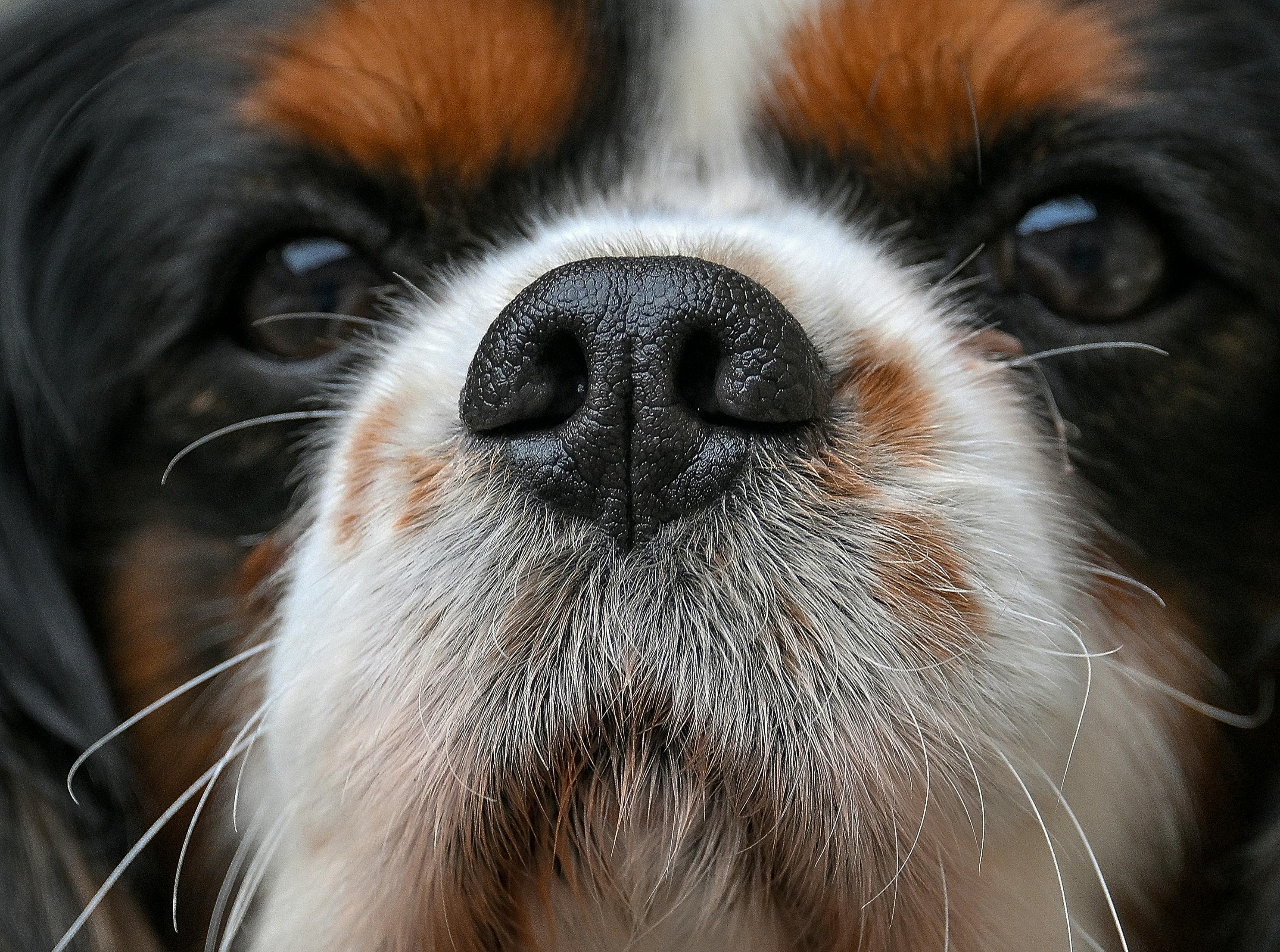
Dogs are not just man's best friend; they are also fascinating creatures who exhibit many unique characteristics. One of the most interesting features of dogs is their wet noses. You might have wondered, can a dog's wet nose change with age? Understanding the evolution of your dog's snout can reveal much about their health and well-being. So, why do dogs have wet noses? Let's uncover the fascinating truth!
The Science Behind the Wet Nose
Most dog owners notice that their pet's nose is often wet and cool to the touch. But why is that? The moisture on a dog’s nose serves several important functions:
- Temperature Regulation: A wet nose helps dogs regulate their body temperature. When a dog licks their nose, the evaporation of the moisture cools the skin and the blood vessels just below the surface.
- Enhanced Smell: Dogs have an incredible sense of smell, which is about 10,000 to 100,000 times more sensitive than humans. The wetness on their nose helps to trap scent particles, enhancing their ability to detect odors.
- Health Indicator: A dog's nose can be an indicator of their health. A healthy nose is usually moist and cool, while a dry or cracked nose might suggest dehydration or illness.
Can a Dog's Nose Change with Age?
It’s a common question among pet owners: does a dog's wet nose change as they age? The answer is yes, it can change, but not necessarily for the worse.
- Puppies: Young dogs often have moist noses due to their high activity levels and playful nature. They are also more prone to licking their noses, which keeps them wet.
- Adults: As dogs reach adulthood, their noses may still remain wet but can vary based on factors like environment and health. Adult dogs sometimes have a drier nose, especially in dry or hot weather.
- Senior Dogs: Older dogs might experience a change in their nose moisture levels. Factors like health issues, medications, or simply age can affect how wet their nose stays. However, a consistently dry nose in a senior dog might indicate health problems, which is something to discuss with a veterinarian.
Factors Affecting Nose Moisture
Several factors affect how wet or dry a dog's nose can be:
- Climate: Hot and dry weather can lead to a drier nose. Conversely, humidity can help keep a dog’s nose moist.
- Health Conditions: Certain illnesses or allergies can lead to changes in nose moisture. For example, respiratory issues can lead to a dry nose.
- Hydration: Dehydration can affect nose moisture. Make sure your dog always has access to fresh water.
The Fascinating Truth About Dog Noses
Dogs have been around for thousands of years, and their noses have evolved alongside them. Here are some interesting facts about dog noses:
- Nose Prints are Unique: Just like human fingerprints, every dog has a unique nose print. This uniqueness can even be used for identification purposes.
- Temperature Detection: Dogs can sense temperature changes with their noses. For example, they can detect changes in human body temperature, which can be useful in search and rescue operations.
- Nasal Cavity: Dogs have a complex nasal cavity that allows them to separate different scents. This capability is why they are often used in drug detection and search-and-rescue missions.
What Should You Monitor?
As a pet owner, it's essential to monitor your dog's nose and overall health. Here are some signs to watch for:
- Consistently Dry Nose: If your dog’s nose is dry for an extended period, it might be a sign of dehydration or health issues.
- Cracked or Bleeding Nose: This can indicate a more serious condition that needs immediate veterinary attention.
- Discoloration: Any sudden change in the color of your dog’s nose should be assessed by a vet.
Final Thoughts
In conclusion, a dog's wet nose is more than just a cute feature; its evolution and function play a significant role in their health and well-being. Understanding the factors that affect your dog's nose can help you keep your furry friend happy and healthy as they age. Remember, while the wetness of a dog’s nose may change with age, regular monitoring and veterinary check-ups are crucial to ensuring your dog's overall health. Keep observing those wet noses; they tell a story about your dog's vitality and spirit!
The Myth of Cold Noses: Do Dogs Really Have Warmer Noses When Sick?
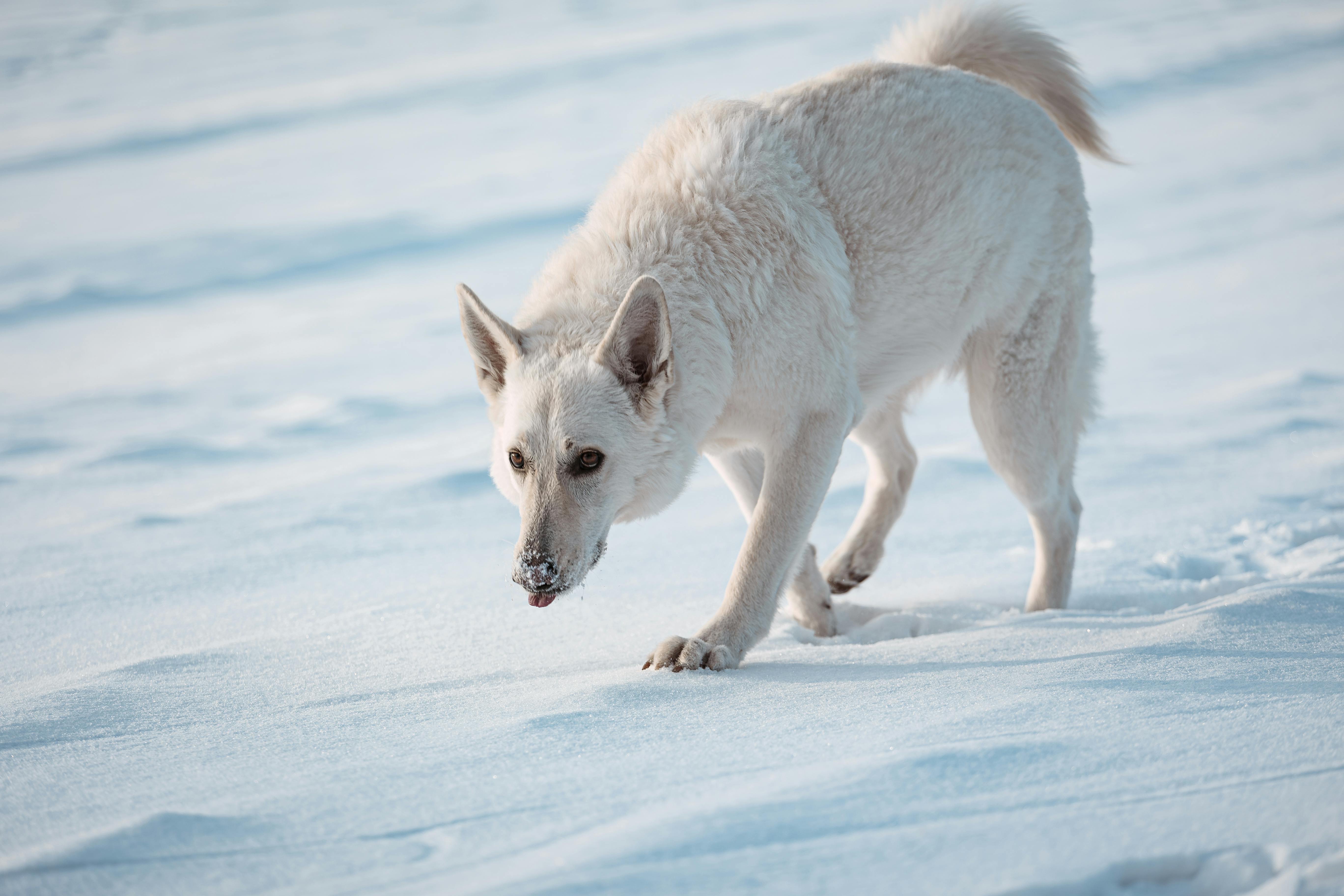
Dogs have been humans' best friends for centuries, but many of us still wonder about their peculiar traits. One common question is: Do dogs really have warmer noses when they're sick? And why do dogs have wet noses, anyway? This article aims to dive into these fascinating queries, uncovering some truths and debunking a few myths along the way.
The Myth of Cold Noses
It’s a well-known saying that a dog’s nose can tell you if they are sick or not. The myth goes that if a dog’s nose is warm, it must be ill. However, this is not entirely true. A dog's nose temperature does not directly correlate with their health status. Various factors can affect your furry friend’s nose temperature, including:
- Environmental Temperature: Hot weather can warm a nose just as much as cold weather can make it cooler.
- Activity Level: After a long run, a dog might have a warmer nose simply due to increased body temperature.
- Breed Variations: Some breeds have naturally warmer or cooler noses than others.
It's important to note that while a warm nose might be an indication of something amiss, it’s not a definitive sign of illness. Many dogs can have warm noses and still be perfectly healthy.
Why Do Dogs Have Wet Noses?
Now, let’s talk about those wet noses that we often see. A dog's nose is not just there for show; it's a fascinating biological feature. Here’s why dog noses tend to be wet:
Enhanced Smell: The moisture on a dog’s nose helps to capture scent particles from the air. This makes it easier for them to identify scents — which is why they are such great sniffers!
Cooling Mechanism: Dogs don’t sweat like humans do. Their noses help to cool them down. The moisture evaporates and helps regulate their body temperature.
Health Indicator: A wet nose is often a sign of a healthy dog. If a nose becomes dry, it might indicate dehydration or illness. But again, this isn't a hard and fast rule.
The Science Behind Wet Noses
Curious about the science that supports these facts? Let’s break it down.
Mucus Production: Dogs have glands in their noses that produce mucus, which helps keep the nose moist. This mucus is essential for capturing scents.
Temperature Regulation: Dogs primarily regulate their body temperature through panting, but their noses also play a role. The wetness helps in cooling down their body.
Sensory Function: The wetness on a dog’s nose aids in the absorption of scent chemicals, enhancing their olfactory abilities significantly.
Fun Facts about Dog Noses
Unique Patterns: Just like human fingerprints, each dog has a unique nose print that can be used for identification.
Sensitivity: A dog’s sense of smell is estimated to be anywhere from 10,000 to 100,000 times more acute than humans.
Nose Temperature: The average nose temperature of a dog is about 101°F to 102.5°F, which is slightly lower than their body temperature.
Practical Tips for Dog Owners
Observe Changes: Keep an eye on your dog’s nose and overall health. If it becomes consistently dry or warm, consult with a veterinarian.
Hydration: Ensure your dog has access to fresh water. Dehydration can lead to a dry nose.
Regular Check-ups: Routine vet visits can help catch any health issues early, keeping your dog healthy and happy.
The Bottom Line
While the idea that a dog’s nose can indicate its health status is somewhat rooted in truth, it’s also shrouded in myth. A warm nose is not a reliable indicator of sickness, just as a wet one does not always signify good health.
Dogs have wet noses for a variety of reasons, all contributing to their ability to navigate the world and maintain their health. Understanding these aspects can help dog owners better care for their furry companions. Remember that every dog is unique, and observing their behavior and health is the best way to ensure they remain part of your family for years to come.
What You Need to Know About Your Dog's Nose: Tips for Keeping It Healthy and Wet!
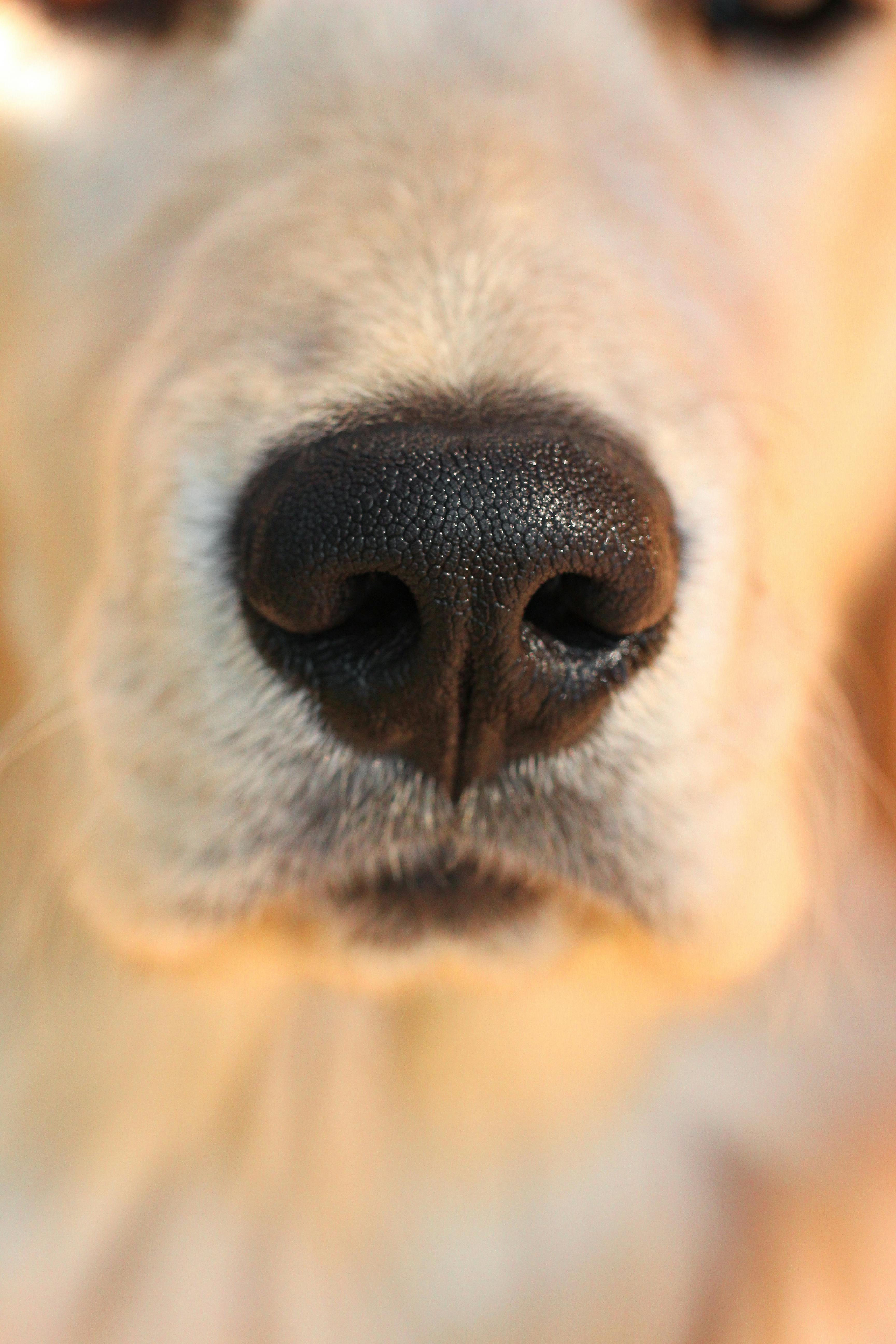
Dogs are known for many things, but one of the most curious features they have is their wet noses. Have you ever wonder why dogs have wet noses? It’s not just a cute feature, it serves several important purposes. In this article, we will explore the fascinating truth behind your dog's nose and share tips for keeping it healthy and moist!
Why Do Dogs Have Wet Noses?
The wetness of a dog's nose ain't just for looks. There are several reasons for this, and understanding them can help you take better care of your furry friend. Here are some key reasons:
Temperature Regulation: Dogs don't sweat like humans do. Instead, they regulate their body temperature through panting and by having a wet nose. The moisture on their nose helps cool them down when they get too hot.
Enhanced Sense of Smell: A wet nose can help absorb scent molecules from the air. Dogs have an incredible sense of smell, and having a moist nose assists them in detecting different smells more effectively.
Health Indicator: The condition of a dog's nose can sometimes indicate their overall health. A healthy nose is usually moist and cool, while a dry or cracked nose can be a sign of dehydration or illness.
The Science Behind the Wet Nose
So what makes a dog’s nose wet? Well, it's all about the nasal mucous membranes. These membranes produce moisture that helps keep the nose damp. Here’s a breakdown of how it works:
- Moisture Production: The mucous membranes in the nose produce a thin layer of mucus that keeps it wet.
- Scent Absorption: This moisture helps capture scent particles, making it easier for dogs to pick up scents in their environment.
- Evaporation: When a dog breathes, the moisture evaporates, which cools down the nasal passages.
Keeping Your Dog’s Nose Healthy
Just like any other part of your dog, their nose needs care too! Here are some simple tips to keep it healthy and wet:
Hydration: Make sure your dog drink plenty of water. Dehydration can lead to a dry nose, so always provide fresh water.
Humid Environment: If you live in a dry climate, consider using a humidifier in your home. This can help maintain moisture in the air, which benefits your dog's nose.
Regular Vet Check-ups: Regular visits to the vet can help catch any health issues early. If you notice changes in your dog’s nose, such as excessive dryness or cracks, consult your vet.
Be Aware of Allergens: Dust, pollen, and other allergens can irritate your dog's nose. Keeping their environment clean can help reduce irritants.
Common Myths About Dogs’ Noses
There are many myths surrounding dogs’ noses. Let’s debunk a few:
Myth 1: A Cold, Wet Nose Means a Healthy Dog: While a wet nose is often a sign of good health, it shouldn't be the only indicator. Dogs can have a wet nose and still be unwell.
Myth 2: A Dry Nose Means Something’s Wrong: A dry nose can indicate illness, but it can also be totally normal, especially if it's warm outside or after they’ve been sleeping.
Myth 3: All Dogs Have Wet Noses: Not all dogs have the same type of nose. Some breeds, like Bulldogs, have drier noses. It’s best to know your dog's normal condition.
When to Seek Veterinary Help
If you notice any of the following signs, it might be time to consult your veterinarian:
- Cracks or sores on the nose
- Excessive dryness or bleeding
- Nasal discharge that is persistent
- Changes in color or texture of the nose
Fun Facts About Dog Noses
- Dogs have up to 300 million smell receptors in their noses, compared to around 5 million in humans.
- A dog’s sense of smell can be up to 100,000 times better than ours!
- The wetness of a dog’s nose helps them to better pick up scents, aiding in tracking and hunting.
Understanding why dogs have wet noses not only satisfies your curiosity but also equips you with knowledge to keep your furry friend happy and healthy. By ensuring hydration, monitoring their nose condition, and being aware of potential health issues, you can help maintain that adorable, wet nose. Remember, your dog relies on you to take care of them, and a healthy nose is just one part of their overall well-being. So keep those noses wet and those tails wagging!
Conclusion
In conclusion, the wet noses of dogs serve several important functions that contribute to their overall health and well-being. The moisture on a dog’s nose enhances their sense of smell, allowing them to detect scents more effectively. This is crucial for their communication and interaction with the environment. Additionally, the wetness helps regulate their body temperature, acting as a natural cooling mechanism. The composition of the nasal secretions also plays a role in keeping their noses healthy by protecting against pathogens. Understanding these aspects can deepen our appreciation for our furry companions and their unique biology. So, the next time you greet your dog with a friendly pat on the nose, remember the fascinating reasons behind that wet, cold touch. Embrace every moment with your pet, and perhaps educate others about the wonders of canine anatomy and behavior!