Ever wonder why do dogs have wet noses? This intriguing question has puzzled pet owners for years, and the answer is more fascinating than you might think! Wet noses aren't just adorable; they actually serve important purposes for our furry friends. In this article, we will uncover the science behind this unique trait and explore how a wet nose can enhance a dog's sense of smell. Did you know that a dog's nose can detect scents up to 100,000 times better than humans? It's true! The moisture on their noses helps capture scent particles, making them incredible hunters and companions. But there’s more! A wet nose can also indicate your dog's overall health. Curious about the connection between a dog's health and their nose moisture? You’re in the right place! We’ll dive into the reasons why a wet nose might be a sign of a happy, healthy pup or when it might raise some concerns. So, if you're ready to learn why your beloved pet's snout is often damp and discover the amazing world of dog anatomy, keep reading! You won’t want to miss these fascinating insights into your dog’s biology!
The Fascinating Science of Canine Nasal Moisture: Why Do Dogs Have Wet Noses?
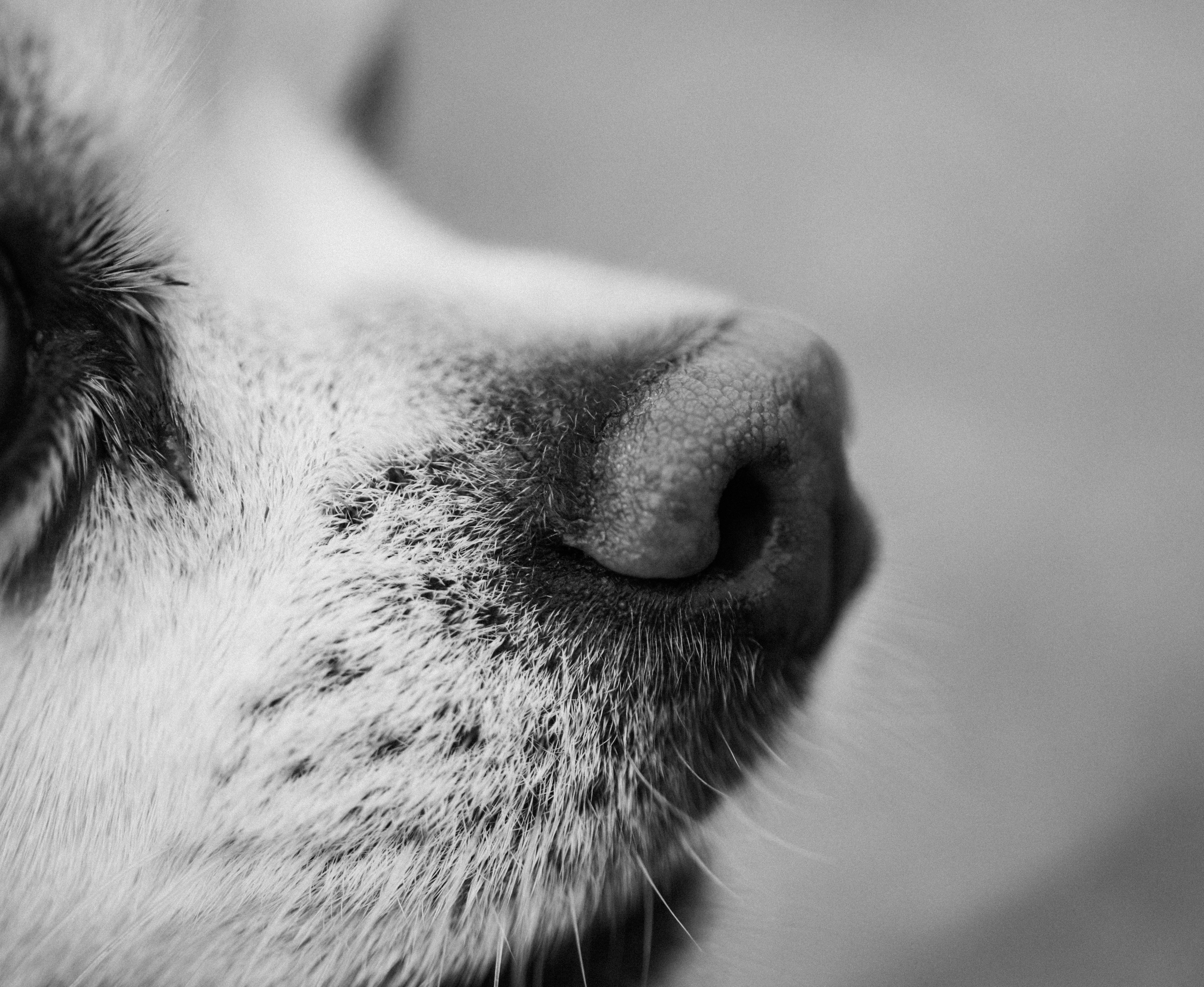
Dogs are known for many things, their loyalty, playfulness, and of course, their wet noses. Ever wonder why do dogs have wet noses? It’s a question that many dog owners ask, but few know the fascinating science behind it. The moisture on a dog's nose is not just for show; it serves several important purposes. Let’s dive into the science and history of canine nasal moisture.
The Purpose of a Wet Nose
So, what’s the reason behind that dampness? There are a few main reasons dogs have wet noses:
Enhanced Sense of Smell: Dogs have an extraordinary sense of smell, estimated to be between 10,000 to 100,000 times more acute than humans. The moisture on their noses helps to capture scent particles in the air, making it easier for them to detect smells.
Temperature Regulation: Just like humans sweat to cool down, dogs use their noses to help regulate body temperature. The moisture evaporates, cooling them down in hot weather.
Health Indicator: A wet nose can be a sign of a healthy dog. If a dog's nose is dry or cracked, it could indicate dehydration, fever, or other health issues.
The Science Behind the Wetness
Okay, but how exactly does this work? Well, the moisture on a dog's nose is a combination of mucous secretion and saliva. When dogs lick their noses, they spread saliva across the surface. This thin layer of moisture can help increase their olfactory capabilities, allowing them to identify and recognize scents more effectively.
Historical Context
The wet nose isn’t just a modern phenomenon; it has been an integral part of dog evolution. Dogs, which are descendants of wolves, have developed this trait over thousands of years. Historically, a wet nose may have provided a survival advantage, helping canines track prey or navigate their environment, which was essential for hunting.
Comparison with Other Animals
Dogs aren't alone in having wet noses. Other animals like cats, elephants, and even some species of rodents also possess moist noses. However, the purpose can vary:
Cats: Generally, cats have moist noses too, but they rely more on their keen eyesight and hearing rather than smell.
Elephants: Their trunks are moist, allowing them to pick up scents from great distances, which is crucial for their social interactions and finding food.
Factors Influencing Nose Moisture
Several factors can influence how moist a dog’s nose is. These include:
Weather Conditions: Hot, dry weather can lead to a drier nose, while humidity can keep it moist.
Activity Level: Dogs that are active and energetic may have wetter noses due to increased licking and exposure to environmental factors.
Health Status: As mentioned earlier, a dog’s health can affect nose moisture. If you're noticing changes in your dog's nose, it's worth consulting a vet.
Fun Facts About Dog Noses
Unique Patterns: Just like human fingerprints, every dog has a unique nose print that can be used to identify them.
Nasal Turbinates: Dogs have complex nasal structures called turbinates which help filter and warm air, enhancing their ability to smell.
Sniffing Strategy: Dogs use a special technique called "sniffing" to trap scent particles in their noses, which is more effective than just breathing normally.
Practical Tips for Dog Owners
If you’re a proud dog owner, here are some practical tips to keep your furry friend healthy and their nose moist:
Hydration: Ensure your dog has constant access to fresh water to keep them hydrated.
Regular Vet Check-ups: Keep up with regular veterinary visits to monitor your dog's health, including their nasal condition.
Environmental Awareness: Be mindful of extreme weather conditions. If it's too hot or dry, limit outdoor activities to prevent dehydration.
Common Misconceptions
Many people think that a wet nose is always a sign of a healthy dog. While it mostly is, there are exceptions. A wet nose doesn’t automatically mean your dog is well, and a dry nose doesn’t necessarily mean illness. Always observe other signs of health and consult a veterinarian if uncertain.
Understanding why dogs have wet noses can deepen our appreciation for these wonderful creatures. It’s a perfect blend of biology and environmental adaptation, showcasing how wonderfully designed dogs are for their roles as companions. So the next time you give your dog a pat on the nose, remember the incredible science behind that simple act!
5 Surprising Health Benefits of a Dog’s Wet Nose You Didn't Know About

Dogs bring joy to our lives in many ways, and one of the most interesting features about them is their wet noses. Ever wondered why dogs have wet noses? It turns out, there’re some surprising health benefits that come along with that moisture. Let’s dive into the science behind it and discover five surprising health benefits of a dog’s wet nose that you probably didn't know about.
Why Do Dogs Have Wet Noses?
You might think that a dog’s nose is just wet because they love to sniff everything. While that’s partly true, there is more to it. A dog’s nose is wet for various reasons:
- Temperature Regulation: Dogs don’t sweat like humans do. Instead, they cool off through their noses. The moisture on their noses helps them regulate their body temperature.
- Enhanced Sense of Smell: The wetness helps capture scent particles in the air, allowing dogs to have a stronger sense of smell.
- Health Indicator: A wet nose is often a sign of a healthy dog. If a dog’s nose becomes dry, it can indicate health issues.
- Communication Tool: Dogs use their noses to communicate with each other. A wet nose can signal friendliness and approachability.
5 Surprising Health Benefits of a Dog’s Wet Nose
Natural Cooling Mechanism
Did you know that a dog’s wet nose helps them cool down? When dogs are hot, they pant, and the moisture on their noses evaporates, helping to release heat. This is crucial in preventing overheating, especially during hot summer months.Enhanced Sense of Smell
A wet nose improves a dog's olfactory abilities. The moisture helps trap scent particles, enhancing their ability to detect smells. This is why dogs are used in search and rescue operations, as well as in detecting certain medical conditions like diabetes and cancer.Health Monitoring
A wet nose can be an indicator of a dog’s health. Vets often check a dog’s nose as part of a health assessment. If your dog’s nose suddenly becomes dry or cracked, it could signal dehydration or illness. Keeping an eye on the moisture level can lead to early detection of health issues.Bacterial Defense
The wetness of a dog’s nose can actually help fight off bacteria. The moisture contains enzymes and antibodies that can kill harmful bacteria, keeping your furry friend healthier. This can be especially important for dogs that are prone to infections.Calming Effect
Have you ever noticed how soothing it feels when a dog nudges you with its cold, wet nose? It’s not just a gesture of affection; it can also have a calming effect on humans. Petting a dog, especially one with a wet nose, can reduce stress and anxiety levels, promoting emotional well-being.
Fun Facts About Dog Noses
- Unique Patterns: Just like human fingerprints, each dog’s nose print is unique. This can be used for identification purposes.
- Color Variation: The color of a dog’s nose can vary widely, from black to pink, and even spotted. The color is often related to the dog’s breed and genetics.
- Nose Temperature: The temperature of a dog’s nose can change with the environment. A cooler nose may mean your dog is well-hydrated, while a warm nose can indicate fever.
Maintaining Your Dog's Nose Health
Here are some tips to keep your dog's nose healthy:
- Regular Vet Check-ups: Regular visits to the vet can help catch any potential issues early on.
- Hydration: Make sure your dog has plenty of fresh water to drink, especially during hot days.
- Moisturizing: If you notice your dog's nose is excessively dry, consider using dog-friendly moisturizers.
- Healthy Diet: Feeding your dog a balanced diet can contribute to overall health, including nose health.
Understanding the science behind why dogs have wet noses and the benefits that come with it can enhance your bond with your furry companion. Not only do they provide great company, but their wet noses also come with surprising health advantages that can benefit both you and your dog. So, next time you get a cold, wet nudge from your pup, remember there's more to it than just affection.
How Do Dogs Use Their Wet Noses to Understand the World Around Them?

Dogs have long fascinated humans with their unique abilities, especially their incredible sense of smell. One of the most interesting aspects of a dog’s anatomy is its wet nose. But why do dogs have wet noses? And how do dogs use their wet noses to understand the world around them? These questions have puzzled pet owners and scientists alike.
The Science Behind Wet Noses
The moisture on a dog’s nose plays a crucial role in how they interact with their environment. A dog's nose is not just for sniffing; it’s also an important tool for gathering information about their surroundings. The wetness of the nose helps to enhance their sense of smell. Here's how it works:
- Scent Detection: The wet surface of the nose traps scent particles from the air, making it easier for dogs to detect smells.
- Temperature Regulation: Dogs sweat through their noses, helping to cool down their body temperature.
- Health Indicator: A change in the moisture level of a dog's nose can indicate potential health issues.
Why Do Dogs Have Wet Noses?
The wetness on a dog's nose is a fascinating topic, and there are several reasons for it:
- Enhanced Smelling Ability: A wet nose can absorb scent chemicals more effectively than a dry one.
- Natural Cooling Mechanism: Dogs do not sweat like humans; they rely on their noses and panting to regulate their body temperature.
- Communication Tool: Dogs use their nose to gather information about other animals and people. A wet nose can signal excitement or curiosity.
Historical Context of Dogs’ Noses
Dogs have been companions to humans for thousands of years. Historically, humans have bred dogs for various purposes, including hunting and herding. The wet nose has always been a part of their evolution, which made them exceptional hunters and companions.
For example, in ancient times, dogs with a keen sense of smell were essential for tracking down prey. This ability has remained a vital trait in many dog breeds today. Here’s a quick look at some dog breeds known for their exceptional sense of smell:
- Bloodhound
- German Shepherd
- Beagle
- Labrador Retriever
How Wet Noses Help Dogs Understand Their World
Dogs are not just using their noses to smell; they are interpreting the world. Their noses are like a supercomputer for scent. They can identify individual odors, recognize familiar scents, and even distinguish between different emotions based on the scents they detect. Here’s how they do it:
- Scent Memory: Dogs have an impressive memory for scents. They can remember the smell of a person or another animal for years.
- Emotional Detection: Dogs can sense human emotions through scent. For instance, they can tell when a person is fearful or happy based on the chemical changes in their sweat.
- Environmental Awareness: A dog's nose helps them gather information about their surroundings. They can detect food, other animals, and even potential dangers.
Fun Facts About Dogs' Noses
- Dogs have as many as 300 million smell receptors in their noses, compared to about 6 million in humans.
- The part of a dog's brain that analyzes smells is 40 times larger than that of a human.
- Wet noses help dogs to cool down; they have sweat glands only in their paw pads.
Interesting Comparisons
Here’s a table comparing the sense of smell between humans and dogs:
| Feature | Humans | Dogs |
|---|---|---|
| Number of Smell Receptors | 6 million | 300 million |
| Brain Area for Smell | Smaller | 40 times larger |
| Ability to Detect Scents | Limited | Highly developed |
Practical Examples of Dogs Using Their Noses
- Search and Rescue: Dogs are trained to find missing persons using their sense of smell.
- Medical Detection: Some dogs can detect diseases like cancer or diabetes through scent.
- Therapy Work: Dogs can sense emotional distress and provide comfort to their owners.
Understanding the importance of a dog's wet nose goes beyond just curiosity; it reveals the intricate ways in which dogs interpret the world. Their wet noses are not just cute; they are vital tools that allow dogs to navigate their environment, understand their humans, and communicate their needs and emotions. So, the next time you see your furry friend, remember that their wet nose is a gateway to a rich world of scent and sensation, helping them connect with everything around them.
Wet Nose Wonders: What the Texture of Your Dog's Nose Says About Their Health
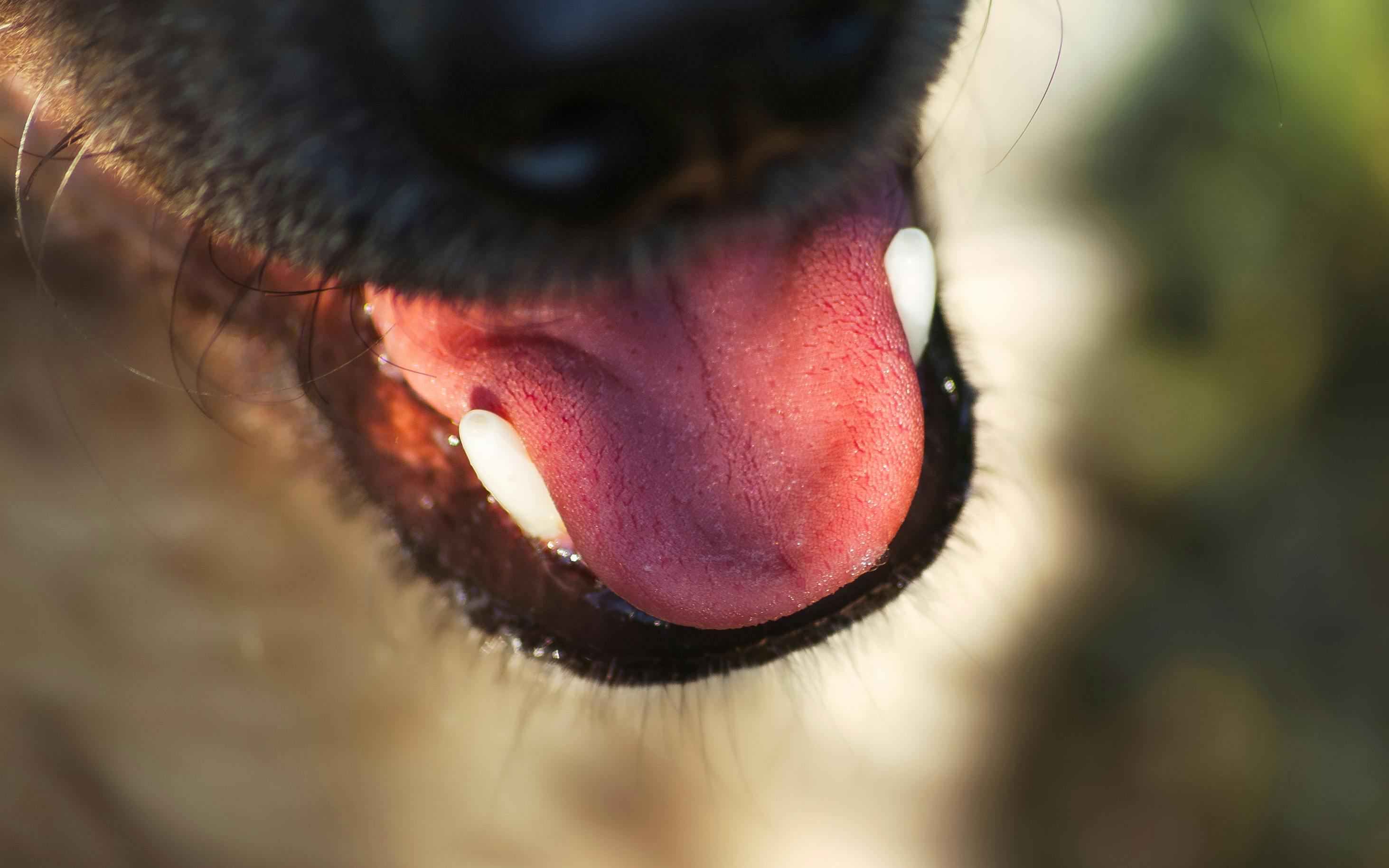
Dogs, those loyal companions, have many unique traits. One of the most notable is the texture of their noses. Ever wonder why dogs have wet noses? Or what the texture might indicate about their health? Wet noses are more than just an adorable quirk; they serve important purposes. Let’s uncover the science, the health implications, and why your furry friend’s nose matters.
The Science Behind Wet Noses
Dogs have wet noses for a variety of reasons, and it’s not just for cuteness! The moisture on a dog’s nose comes from a few sources:
- Glandular Secretions: Dogs have special glands in their noses that produce mucus. This helps to keep the nose moist. A moist nose can enhance their sense of smell, which is way stronger than ours.
- Environmental Factors: When a dog licks its nose, or when they are exposed to humidity, their noses may become wet. It’s like nature’s way of helping them stay cool and aware of their surroundings.
- Temperature Regulation: Just like humans sweat, dogs can cool down through their noses. It’s not their primary way to regulate heat, but it helps when they are feeling hot.
Health Indicators: What Texture Tells You
The texture of a dog’s nose can indicate their health status. A healthy dog generally has a cool, moist, and slightly rough nose. If you notice changes in texture, it could mean something is off. Here’s a breakdown of what to look for:
- Smooth and Dry: This could indicate dehydration, fever, or illness. If your dog’s nose is consistently dry, it might be time to consult a vet.
- Rough and Cracked: This can be a sign of allergies or skin conditions. Dry patches could also point to environmental irritants.
- Excessively Wet: While a wet nose is usually good, if it becomes excessively wet and starts to drip, it might be a sign of nasal discharge, which can signal infection or other medical issues.
Common Myths About Dog Noses
There’s a lot of misinformation floating around about dog noses. Here are some myths debunked:
Myth 1: A warm nose means a dog is sick.
- Truth: A dog’s nose temperature can vary throughout the day and is not a reliable indicator of health.
Myth 2: Wet noses are only a sign of happiness.
- Truth: While dogs may lick their noses when they’re happy, wetness is more about scent and temperature regulation.
Myth 3: You can tell if a dog is sick just by looking at their nose.
- Truth: While the nose can give clues about health, it should not be the sole basis for diagnosing health issues.
Practical Tips for Nose Care
Taking care of your dog's nose is important. Here are some practical tips you can follow to maintain its health:
- Hydration: Ensure your dog has access to clean water at all times.
- Regular Checks: Check your dog’s nose regularly for changes in texture or color.
- Avoid Irritants: Keep your dog away from harsh chemicals or allergens that could irritate their nose.
- Humidifiers: If you live in a dry climate, consider using a humidifier to help keep your dog’s nasal passages moist.
The Role of Breed in Nose Texture
Different dog breeds have different nose textures. For instance:
- Brachycephalic Breeds (like Bulldogs and Pugs): Often have flatter noses, which can sometimes lead to breathing issues.
- Hounds (like Bloodhounds): Have large, moist noses that help them track scents.
- Terriers: Typically have a rougher texture, which can be due to their active nature and environment.
Final Thoughts
Understanding why dogs have wet noses and the implications of their texture can help you be more in tune with your pet’s health. While a wet nose is often a sign of a happy dog, it’s also a window into their overall well-being. Regular monitoring and being aware of changes can ensure that your furry friend stays healthy and happy. Pay attention to those little details; they can make a big difference in your dog's life!
Can a Dog’s Wet Nose Indicate Illness? Understanding the Warning Signs

Dogs, those lovable furry companions, are famous for their wet noses. But have you ever wondered if a dog’s wet nose could be a sign of illness? Or maybe you just curious about why they have wet noses in the first place. Let's dive into the science behind this phenomenon and understand what dog owners should know about their pet's health.
Understanding the Wet Nose
A dog's nose is usually wet, and this isn't just for show. The moisture on their noses helps enhance their sense of smell. Canines have a highly developed olfactory system, meaning they can detect scents far better than humans. A wet nose helps trap scent particles, making it easier for dogs to pick up on aromas from their surrounding.
Some facts about dog noses:
- Moisture Production: Dogs produce mucus that keeps their noses moist, it helps in detecting smells.
- Temperature Regulation: Wet noses can help dogs cool off since they don't sweat like humans do.
- Health Indicator: A change in the moisture level of a dog's nose can sometimes indicate health issues.
Can a Dog’s Wet Nose Indicate Illness?
Many people wonder if a wet nose is a sign of a healthy dog. While it’s often true, it’s not always a straightforward indicator of health. Various factors can cause a dog’s nose to change in moisture level or temperature. Here’s a list of warning signs that might indicate something is wrong:
- Dry Nose: If a dog’s nose is excessively dry, it may indicate dehydration, fever, or even an underlying illness.
- Cracked or Chapped Nose: This might suggest allergies, sunburn, or skin conditions.
- Nasal Discharge: Mucus that is green or yellow may indicate an infection or other health problems.
- Nose Temperature: An unusually hot nose could mean fever or infection.
The Science Behind Dog Noses
The anatomy of a dog’s nose is fascinating. It consists of several components that work together to enhance their sense of smell. Here are some key points:
- Olfactory Receptors: Dogs have around 220 million olfactory receptors compared to the 5 million in humans.
- Jacobsen’s Organ: This organ helps dogs detect pheromones and plays a role in their social interactions.
- Nose Structure: The unique patterns in a dog’s nose are as distinctive as human fingerprints.
Why Do Dogs Have Wet Noses?
So, why exactly do dogs have wet noses? The reasons are quite interesting:
- Scent Detection: Wet noses capture scent particles better, allowing for heightened smell.
- Cooling Mechanism: The moisture on the nose can help regulate body temperature.
- Communication Tool: Dogs often greet each other by sniffing noses, and a wet nose may be viewed as more inviting.
Practical Examples of Nose Health Monitoring
As a dog owner, it's essential to keep an eye on your pet's nose health. Here are some practical ways to monitor:
- Daily Checks: Get in the habit of checking your dog's nose every day. Look for moisture levels, any cracks, or unusual colors.
- Hydration Awareness: Make sure your dog stays hydrated, especially during hot weather.
- Veterinarian Visits: Regular vet check-ups can help catch any potential issues early on.
Common Misconceptions
There are many myths surrounding dog noses that can lead to confusion. Here are a few:
Myth: A warm nose equals illness.
- Reality: Nose temperature can vary throughout the day and doesn’t always indicate sickness.
Myth: All dogs should have wet noses.
- Reality: Some breeds may have drier noses due to their genetics or environment.
Myth: A wet nose always means a happy dog.
- Reality: While it can be a sign of a happy dog, it’s not a definitive indicator of overall well-being.
Understanding the nuances of your dog’s nose can be crucial for their health. Always observe the changes, and consult a veterinarian if you have concerns regarding your pet's well-being. Being attentive to your furry friend's signs can help you catch potential health issues early and ensure they live a long and happy life.
Why Is My Dog’s Nose Wet? Common Causes Explained for Concerned Pet Owners
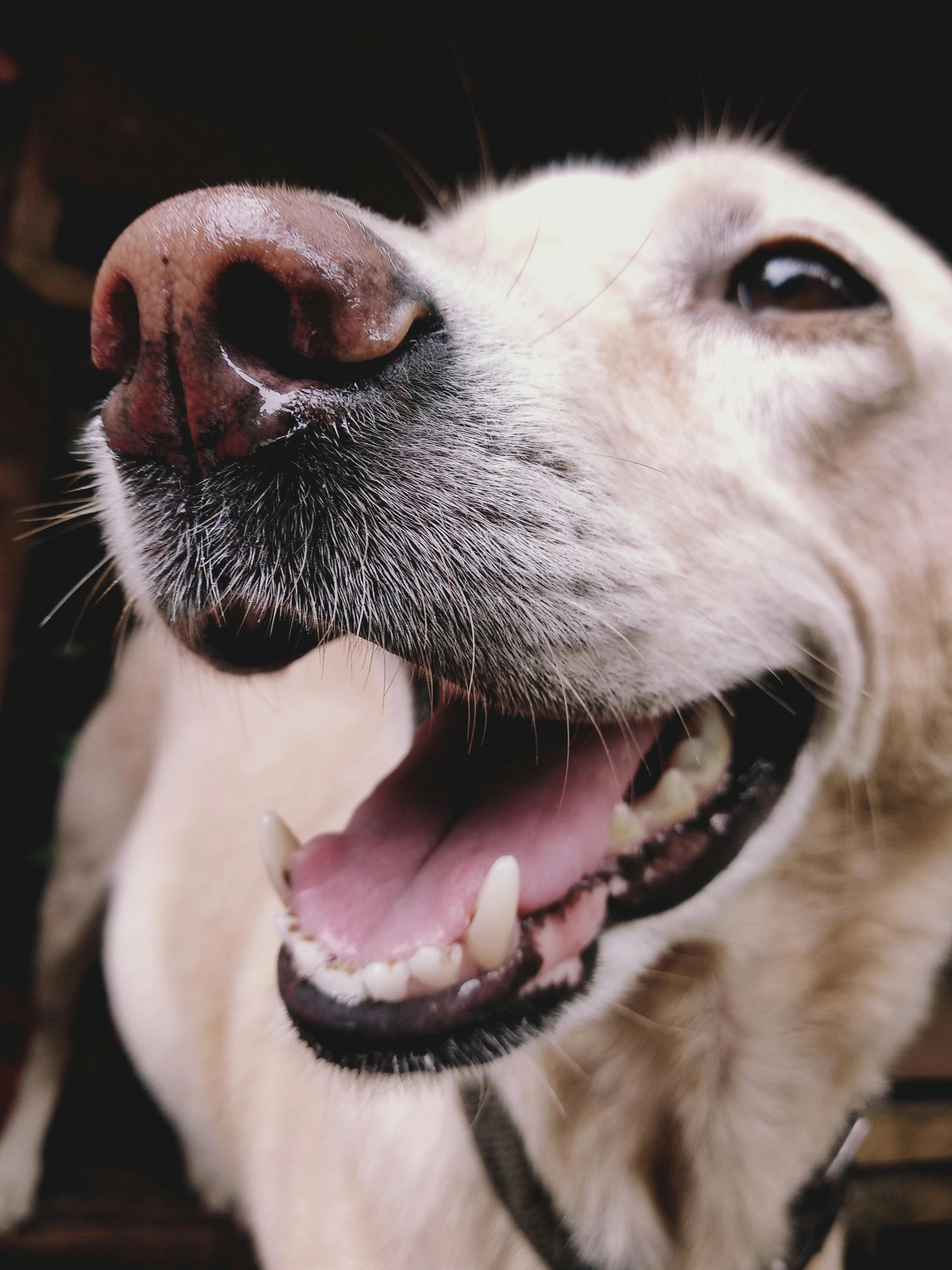
As a pet owner, you might have noticed your dog's nose is wet. It’s one of those things that often leave us puzzled. Why is my dog’s nose wet? Is it a sign of something wrong? People have been asking these question for ages, and the answers are actually really fascinating. Let’s dive into the science and common causes behind those moist noses of our furry friends.
The Science Behind a Dog’s Wet Nose
First off, it’s important to know that a wet nose is pretty normal for dogs. In fact, it’s a sign of a healthy dog. The moisture on a dog’s nose serves several purposes. It helps with their sense of smell, which is already highly developed. Dogs have about 300 million smell receptors in their noses, compared to just 5 million in humans. This incredible sense of smell is aided by the moisture, which helps to capture scent particles.
Furthermore, the wetness can also help regulate their body temperature. Dogs don’t sweat like humans do, so they rely on panting and the moisture on their noses to cool down. So, a wet nose can mean your dog is just doing what they need to do to stay comfortable.
Common Causes of a Wet Nose
Now, let’s look at what typically causes a dog’s nose to be wet. Here’s a quick list of the most common reasons:
- Environmental Factors: If it’s humid outside, your dog’s nose may pick up moisture from the air.
- Health Reasons: Certain medical conditions can cause increased nasal secretions.
- Physical Activity: After a good run or play session, your dog’s nose may be wet from panting.
- Excitement or Stress: Dogs can get a little sweaty (not literally) when they’re excited or anxious, contributing to a wet nose.
- Breed Specific Characteristics: Some breeds naturally have wetter noses than others.
When to Be Concerned
While a wet nose is usually nothing to worry about, there are times when it might be a cause for concern. Here’s what you should keep an eye on:
- Dry Nose: If your dog’s nose suddenly becomes dry and cracked, it could be a sign of dehydration or illness.
- Discharge: Any unusual discharge from the nose, especially if it is colored or has a bad smell, can indicate an infection or other health issue.
- Persistent Wetness: If the nose is excessively wet for a prolonged period, it may be worth checking with a vet.
- Behavior Changes: If your dog is acting differently (more lethargic, not eating, etc.), then it’s time to consult a professional.
Historical Context
Interestingly, the belief about wet noses goes back centuries. Many cultures thought a wet nose meant good health and vitality. Some even believed that a dog’s nose could predict the weather! While we know that’s not scientifically true, it shows how intertwined our lives with our pets have been throughout history.
Understanding Your Dog’s Nose
Here’s a quick comparison to help illustrate the function of a dog’s nose versus a human’s:
| Feature | Dogs | Humans |
|---|---|---|
| Number of Smell Receptors | 300 million | 5 million |
| Moisture Function | Enhances smell and cooling | Limited to sweat glands |
| Temperature Regulation | Primary method | Secondary to sweating |
Practical Tips for Dog Owners
If you’re a dog owner, there are some simple steps you can take to ensure your dog’s nose remains healthy:
- Hydration: Always provide fresh water. Dehydration can lead to a dry nose.
- Regular Vet Check-ups: Routine examinations can catch any potential issues early.
- Observe Behavior: Keep an eye on any changes in your dog’s behavior or health.
- Grooming: Regular grooming can help prevent skin issues around the nose.
In summary, a dog’s wet nose is usually a good sign. It signifies a healthy and happy dog, engaged in their world and responding to their environment. However, pet owners should stay vigilant. If you notice any significant changes, don't hesitate to seek advice from a veterinarian. Your furry friend relies on you to keep them healthy, and understanding the little things, like their wet nose, can make a big difference in their overall well-being.
The Role of a Dog’s Wet Nose in Temperature Regulation: Keeping Fido Cool
When you think about dogs, one of the first things that come to mind is their adorable, wet noses. But have you ever wondered why do dogs have wet noses? There’s actually a pretty interesting science behind it, particularly in how it helps them regulate their body temperature. Let’s dive into the role of a dog’s wet nose and how it keeps Fido cool, along with some fascinating facts you might not know.
The Science of the Wet Nose
Dogs noses are not just cute features; they serve important functions. The moisture on a dog’s nose helps enhance their sense of smell. The wetness increases the surface area for scent receptors, allowing them to pick up more smells in the environment. This is one reason why dogs are often used in search-and-rescue missions or even as therapy animals. But that’s not all!
- Temperature regulation: The wetness on their noses plays a crucial role in thermoregulation. When dogs pant, they help cool down their bodies, but their noses also help. The evaporation of moisture from their nose cools the blood vessels beneath the surface.
- Scent enhancement: As mentioned, moisture aids in scent detection. A wet nose can trap scent particles, making it easier for dogs to analyze their surroundings.
- Health indicator: A change in the moisture level of a dog’s nose can also indicate health issues. A dry nose might be a sign of dehydration or fever, while excessive wetness could indicate allergy problems or infections.
How Do Dogs Regulate Their Temperature?
Dogs don’t sweat like humans do. Instead, they have a few different mechanisms to help them cool off.
- Panting: When a dog pants, air moves over the wet surfaces of their tongue and nose, promoting evaporation and cooling their blood.
- Blood vessel dilation: As the body heats up, blood vessels near the skin surface dilate, allowing heat to escape.
- Wet nose: The moisture on their noses also plays a role in cooling, as we discussed, by evaporative cooling.
The History of Dogs' Noses
Dogs and humans have shared a history for thousands of years. Their noses have evolved to be efficient tools for survival. In the past, dogs relied heavily on their sense of smell for hunting and tracking. This historical context sheds light on why their noses are wet — it’s nature’s way of ensuring they perform optimally.
Fun Facts About Dog Noses
- Unique patterns: Just like human fingerprints, every dog’s nose print is unique. This could be used to identify individual dogs.
- Temperature sensitivity: Dogs’ noses are more sensitive to temperature changes than human skin. They can detect slight variations, which helps them sense changes in their environment.
- Color differences: The color of a dog’s nose can change with age. A puppy may have a pink nose that darkens as they grow older.
Signs of Nose Health Issues
While a wet nose is generally a sign of a healthy dog, there are exceptions. Here are some signs to look for:
- Dry, cracked nose: This could indicate dehydration or an underlying health issue.
- Excessively runny nose: If your dog has too much discharge, it might be a sign of allergies or infection.
- Nose discoloration: A sudden change in color, like from black to pink, should be evaluated by a vet.
Keeping Your Dog Cool
During the hot summer months, pet owners should take precautions to keep their furry friends cool. Here’s a quick list of tips:
- Provide plenty of fresh water.
- Avoid walks during peak heat times.
- Create a shaded area in your yard.
- Use cooling mats or vests.
- Never leave your dog in a parked car.
By understanding why do dogs have wet noses, you can appreciate the incredible adaptations they have. These adaptations not only help in temperature regulation but also play a significant role in their overall health and behavior. So next time you give your pup a scratch behind the ears, take a moment to look at that adorable wet nose and appreciate its role in keeping Fido happy and cool!
Exploring the Myth: Are Wet Noses Really a Sign of a Happy Dog?

Dogs are known for their wet noses, and many people believes that a wet nose means a happy dog. But is this really true? Or is it just a myth that has been passed down through generations? In this article, we will explore the science behind why dogs have wet noses and what it might indicate about their emotional state.
What Causes a Dog's Nose to Be Wet?
Dogs' noses are wet for several reasons. The primary reason is that the nose secretes mucus, which helps to keep the nose moist. This moisture is crucial for the dog’s sense of smell. Dogs have an extraordinary sense of smell, estimated to be between 10,000 to 100,000 times more sensitive than humans. The moisture on their noses helps to capture scent particles in the air, allowing them to smell better.
Here are some factors that can contribute to a dog’s wet nose:
- Environmental Factors: Humidity and temperature can affect how wet a dog's nose is. On hot days, a dog's nose may be more wet due to the increased moisture in the air.
- Health Status: A healthy dog often has a moist nose. However, if a dog is sick or dehydrated, its nose may become dry.
- Nasal Secretions: Dogs naturally produce mucus, which keeps their noses moist. This is a continuous process and can vary throughout the day.
Why Do People Think Wet Noses Mean Happy Dogs?
The belief that a wet nose signifies a happy dog may stem from the observation that dogs are often more active and playful when they are healthy. When a dog is happy, it likely plays more, runs around, and interacts with its owner. This increased activity can lead to a wetter nose due to the natural nasal secretions being stimulated.
Moreover, many dog owners notice their pets’ noses are often moist after they’ve been outside playing or after drinking water. This creates a positive association between a wet nose and a happy, playful demeanor. However, it’s important to note that a wet nose should not be the sole indicator of a dog’s emotional well-being.
The Myth of Wet Noses and Happiness
While it's a common belief, there isn't scientific evidence proving that wet noses are a direct indicator of happiness. Dogs can have wet noses when they’re anxious, excited, or even sick. Here’s what to consider:
- Behavioral Signs: A dog’s body language is often a better indicator of its emotional state. Look for wagging tails, playful barks, and relaxed postures.
- Health Concerns: A persistent dry nose can sometimes indicate health issues. If a dog usually has a wet nose but it becomes dry and cracked, it’s worth consulting a veterinarian.
Interesting Facts About Dog Noses
- Unique Prints: Just like human fingerprints, no two dog noses are alike. Each dog has a unique nose print.
- Temperature Regulation: A dog’s nose helps in regulating their body temperature. It cools them down, especially during hot weather.
- Sniffing Techniques: Dogs can sniff using their nostrils independently. This allows them to determine the direction of a scent.
Caring for Your Dog's Nose
To ensure your dog’s nose stays healthy, consider the following tips:
- Stay Hydrated: Make sure your dog has access to fresh water at all times.
- Limit Exposure to Harsh Weather: Protect your dog’s nose from extreme cold or heat.
- Regular Vet Check-Ups: Regular visits to the vet can help catch any potential issues early.
Final Thoughts
So, are wet noses a sign of happiness in dogs? While they often correlate with a healthy, active dog, they should not be seen as the definitive measure of a dog’s emotional state. Instead, it’s important to observe your dog’s overall behavior and health. A wet nose may be a happy sign, but it’s just one piece of the puzzle in understanding your furry friend. Always remember to consult with a veterinarian if you notice any significant changes in your dog’s nose or behavior, as they can provide guidance tailored to your pet's needs.
How to Keep Your Dog’s Nose Healthy: Tips for Pet Owners on Nose Care

Keeping your furry friend's nose healthy is more important than most pet owners realize. A dog's nose is not just cute; it plays a significant role in their overall health and well-being. But why do dogs have wet noses? This question has puzzled many, and understanding the science behind it can help you take better care of your pet. Here’s a guide on how to keep your dog's nose healthy, along with insights into the wetness phenomenon that many dog lovers notice.
Why Do Dogs Have Wet Noses?
Dogs have wet noses for several reasons, all of which are fascinating. Here’s what you need to know:
Sense of Smell: A wet nose helps to enhance a dog's sense of smell. The moisture on the nose collects scent particles from the air, allowing dogs to detect smells better. Dogs have about 220 million scent receptors, compared to a human's 5 million. That’s pretty wild, right?
Temperature Regulation: A dog's nose also helps in regulating their body temperature. Just like humans sweat, dogs cool off through their noses. The moisture evaporates, which helps to lower their body temperature.
Health Indicator: The condition of a dog's nose can be a health indicator. A healthy dog usually has a moist, cool nose. If it becomes dry or cracked, it could signal dehydration or illness.
So, a wet nose is not just a quirky trait; it serves vital functions in a dog’s life.
Tips for Keeping Your Dog's Nose Healthy
Maintaining your dog's nasal health is essential. Here are some practical tips to ensure their nose stays in tip-top shape:
Hydration Matters: Always make sure your dog has access to fresh and clean water. Dehydration can lead to a dry nose.
Humidifiers: If you live in a dry climate or during winter months, consider using a humidifier. This can help maintain moisture in the air, which is beneficial for your dog's nose.
Regular Check-Ups: Regular visits to the vet can help catch any potential health issues early. Discuss your dog's nose condition during these visits.
Avoid Irritants: Keep your dog away from smoke, strong perfumes, and cleaning chemicals. These can irritate their sensitive noses.
Sun Protection: Just like humans, dogs can get sunburned. If your dog has a light-colored nose, consider using a pet-safe sunscreen when they’re outside for extended periods.
Diet Matters: Feeding your dog a well-balanced diet rich in omega-3 fatty acids can help maintain healthy skin and a moist nose. Fish oil supplements can be a good option.
Common Nose Problems in Dogs
Pet owners should be aware of common nose problems that may arise. Here are some things to watch for:
Cracks and Dryness: This can happen due to environmental factors or health issues. It’s important to consult your vet if you notice this.
Nasal Discharge: Clear discharge is generally normal, but if it’s green or yellow, or if it’s accompanied by other symptoms, it's time to see the vet.
Nosebleeds: Frequent nosebleeds can indicate more serious health issues, especially if they happen often.
Swelling or Growths: Any unusual lumps or bumps should be examined by a vet to rule out tumors or other serious conditions.
Fun Facts About Dog Noses
Dogs can smell up to 100,000 times better than humans. Amazing, right?
The unique patterns on a dog’s nose are like human fingerprints. Every dog’s noseprint is different.
Dogs sweat mainly through their paw pads, and their noses play a crucial role in thermoregulation.
Quick Reference Table: Dog Nose Care Tips
| Tip | Description |
|---|---|
| Hydration | Ensure access to fresh water |
| Humidifiers | Use in dry environments |
| Regular Check-Ups | Vet visits to monitor overall health |
| Avoid Irritants | Stay clear of smoke and strong chemicals |
| Sun Protection | Use pet-safe sunscreen for light-colored noses |
| Diet | Include omega-3 fatty acids for skin health |
Maintaining your dog's nose health is an essential part of pet ownership. It not only helps them sense the world better but also keeps them comfortable and happy. Understanding why dogs have wet noses can deepen your connection with your furry friend and emphasize the importance of proper care. By being proactive and attentive, you can help ensure your dog enjoys a healthy, moist nose for years to come.
The Connection Between Wet Noses and Dog Emotions: What Your Pup is Trying to Tell You
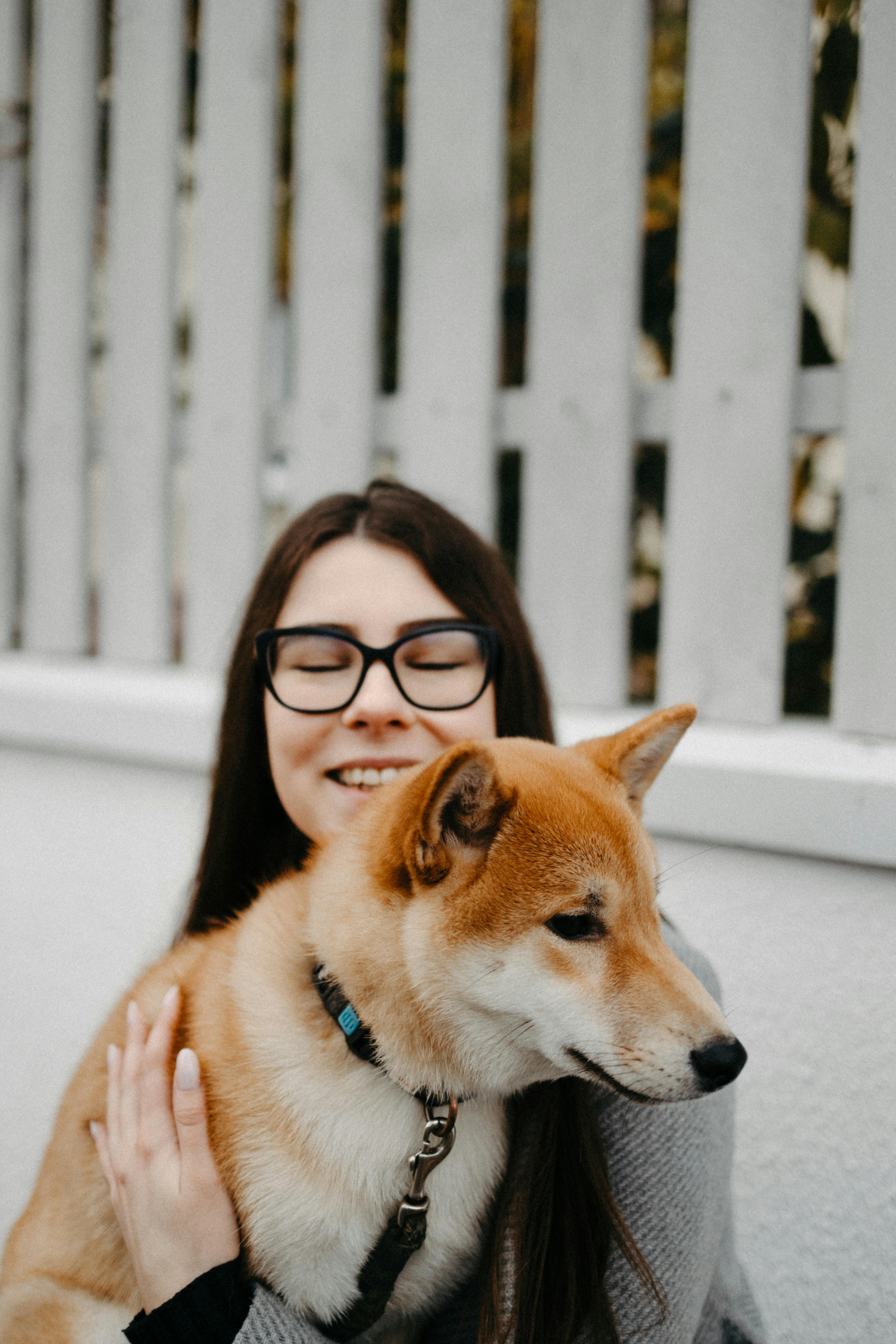
Have you ever wonder why your dog’s nose is always wet? It’s kinda an intriguing question, and the answer is more than just biology. The connection between these wet noses and dog emotions is profound and tells us a lot about what our pups are feeling. Understanding the science behind it can help you connect better with your furry friend. So let’s dive into the wet-nosed world of our canine companions!
The Science of a Wet Nose
Dogs have wet noses for various reasons, but it's primarily linked to their health and emotional state. A wet nose helps them in several ways:
- Scent Detection: Dogs rely heavily on their sense of smell, which is way more advanced than humans. A wet nose can help capture scent molecules, making it easier for dogs to identify what's around them.
- Temperature Regulation: Just like humans sweat, dogs use their noses to cool down. The moisture evaporates from their noses, helping to regulate body temperature.
- Health Indicator: A wet nose is often a sign of good health in dogs. If your pup’s nose suddenly becomes dry or warm, it could indicate illness or dehydration.
Historical Context of Dog Noses
The relationship between humans and dogs goes way back, thousands of years actually. Early humans domesticated dogs and noticed their keen sense of smell. Over time, certain breeds were developed for hunting, herding, and companionship, and the wet nose became a characteristic feature that helped dogs perform their roles effectively.
How Wet Noses Reflect Dog Emotions
Dogs express emotions in various ways, and their noses are no exception. Here are some emotions and how they relate to a dog’s wet nose:
- Excitement: When dogs are excited, their noses often get wetter. This could be when they see you after a long day or when they’re about to go for a walk.
- Anxiety: A nervous dog might have a wet nose, but it could also dry out. If your pooch is stressed, observe their behavior closely.
- Contentment: A relaxed and happy dog usually has a wet nose. If they are cuddled up next to you or lying peacefully, their nose is likely to be moist.
How to Interpret Your Dog's Wet Nose
It's not just about whether the nose is wet or dry; context matters too! Here’s a quick guide to help you interpret what your dog's nose might be telling you:
- Wet and Cool: Happy and healthy dog.
- Dry and Warm: Potentially sick or dehydrated—keep an eye on them.
- Wet and Hot: They might be overexerted or stressed out—time for a break!
- Changes in Wetness: If there’s a sudden change, consult your vet.
Practical Tips for Nose Care
Taking care of your dog's nose is important! Here’s how you can help maintain their wet noses:
- Hydration: Always ensure your dog has access to fresh water. Dehydration can lead to a dry nose.
- Nasal Moisturizers: If your dog’s nose is often dry, you can use pet-safe moisturizers. Just be sure to consult your vet first.
- Environmental Considerations: Cold weather can dry out noses. In winter, consider using a humidifier in your home.
Fun Facts About Dog Noses
Here are some interesting tidbits about those wet noses:
- Dogs have around 220 million scent receptors, while humans have only about 5 million.
- A dog’s sense of smell is 40 times better than that of a human.
- The moisture on a dog’s nose is not just from saliva; they also lick their noses to stay cool.
Comparing Wet Noses to Other Animals
Dogs aren’t the only animals with wet noses. Here’s how they compare to other pets:
| Animal | Nose Type | Functionality |
|---|---|---|
| Dogs | Wet | Enhanced smell, temperature control |
| Cats | Slightly moist | Less scent detection, more grooming |
| Pigs | Wet | Highly developed sense of smell |
| Cows | Dry | Less reliance on smell, more visual |
Understanding the connection between a dog’s wet nose and their emotions not only deepens your bond with your pet but also helps you care for them better. This little detail can reveal so much about what your dog is feeling. So next time you’re cuddling with your furry friend, pay attention to that wet nose—it might just be telling you something important!
Conclusion
In conclusion, the wet noses of dogs serve several important functions, from enhancing their sense of smell to regulating body temperature. The moisture on their noses helps to capture scent particles, making their already impressive olfactory abilities even more acute. Additionally, the cooling effect of a wet nose plays a crucial role in thermoregulation, especially during warmer weather. While the wetness can vary from dog to dog, it is often a sign of good health. Understanding these fascinating aspects of your furry friend can deepen your appreciation for their unique biology. So, the next time you greet your pup and feel that familiar wet nose against your hand, remember the vital roles it plays. Embrace the quirks of your canine companion, and consider sharing your newfound knowledge with fellow dog lovers to foster a greater understanding of our beloved pets.