Have you ever wondered, “Why do dogs have wet noses?” This intriguing question has captivated dog lovers and curious minds alike. A dog’s nose is not just a cute feature; it plays a vital role in their overall health and behavior. But what makes their noses so moist? Is it simply due to the weather, or is there something more fascinating behind it? In this article, we will uncover the secrets of why dogs have wet noses and how these unique traits aid in their sense of smell. You might be surprised to learn that a wet nose can actually help dogs cool down and even enhance their ability to detect scents. Have you noticed how dogs often seem to poke their noses into everything? This behavior is not just for fun; it’s part of their natural instincts. From understanding their health to unraveling the mysteries of canine anatomy, we’ll explore the reasons behind those adorable, damp noses. So, if you’re eager to delve into the science and wonder of our furry friends, keep reading to discover the captivating world of dog noses!
\n\nThe Science Behind Wet Noses: Why Your Dog's Snout is Always Moist
\n\n \n\n
\n\nHave you ever wondered why your dog's nose is often wet? It’s one of those quirky things that many pet owners notice, yet don't often think much about. The moisture on a dog’s snout is more than just a cute feature; it has a purpose and is rooted in fascinating biology. Let's dive into the science behind wet noses and uncover the secrets of your furry friend's snout.
\nThe Anatomy of a Dog's Nose
\nDogs have a unique nose structure that is quite different from humans. Their noses contains a special type of tissue called the olfactory epithelium, which is responsible for their incredible sense of smell. This tissue is moist, which helps to capture scent particles from the air. Here are some interesting facts about a dog’s nose:
\n- \n
- Size Matters: A dog’s nose can have up to 300 million olfactory receptors compared to a human's mere 5 million. This is why dogs can detect smells that are undetectable to us. \n
- Moisture Helps: The moisture on their noses helps trap these scent particles, making their sense of smell even more acute. \n
- Cool Down: Dogs don’t sweat like humans. Instead, they regulate body temperature through panting and the moisture on their noses. \n
Why Do Dogs Have Wet Noses?
\nSo, why do dogs have wet noses? The science behind it is pretty fascinating. Here’s a breakdown of the reasons:
\n- \n
- Scent Detection: A wet nose enhances a dog's ability to smell. The moisture helps absorb scent particles, meaning that they can identify smells more accurately. \n
- Thermoregulation: Dogs use their noses to help cool down. The moisture evaporates, helping to regulate their body temperature. \n
- Health Indicator: A dog's nose can be an indicator of health. A healthy dog typically has a moist, cool nose. Conversely, a dry or hot nose can indicate illness or dehydration. \n
Historical Context and Evolution
\nHistorically, dogs have relied on their noses for survival. They were bred for various purposes, such as hunting, herding, and guarding. The wet nose evolved as an adaptation that enhances their hunting skills. For instance:
\n- \n
- Hunting Breeds: Breeds like Bloodhounds have an exceptional sense of smell to track down scents over long distances. Their wet noses play a crucial role in this ability. \n
- Companionship: As humans domesticated dogs, their olfactory abilities became less about survival and more about companionship and service. Yet, the wet nose remained. \n
Fascinating Facts About Dog Nose Moisture
\n- \n
- Nasal Glands: Dogs have specialized glands in their noses that secrete moisture. This helps maintain the wetness of their snouts. \n
- Variations: You may notice that some dogs have wetter noses than others. This can depend on breed, environment, and health. \n
- Social Signaling: Dogs often greet each other and humans with their noses. The moisture can serve as a social signal, indicating friendliness and curiosity. \n
Practical Implications for Pet Owners
\nUnderstanding why dogs have wet noses can help pet owners care for their furry friends better. Here are some tips:
\n- \n
- Regular Check-Ups: Keep an eye on your dog’s nose. If it becomes excessively dry or cracked, it may be worth a visit to the vet. \n
- Hydration: Make sure your dog stays hydrated, especially during warm weather. Dehydration can lead to a dry nose. \n
- Grooming: Regular grooming can help maintain the health of your dog’s nose. Wipe away any dirt or debris that may accumulate. \n
Comparison with Other Animals
\nComparing dogs’ noses to other animals can be quite interesting.
\n| Animal | \nNumber of Olfactory Receptors | \nMoist Nose Function | \n
|---|---|---|
| Dogs | \n~300 million | \nEnhances smell and cools down | \n
| Cats | \n~80 million | \nSmell detection and social interaction | \n
| Humans | \n~5 million | \nBasic smell detection | \n
As you can see, the difference in olfactory receptors shows how specialized dogs are in their sense of smell compared to other animals.
\nIn summary, the wet nose of your dog is not just an adorable trait; it plays a vital role in their overall health and functioning. From enhancing their sense of smell to helping regulate their body temperature, the science behind wet noses is truly captivating. Next time you give your furry friend a pat or a scratch, take a moment to appreciate the incredible biology at work in that moist snout!
\n\n5 Fascinating Reasons Dogs Have Wet Noses That Will Surprise You
\n\n \n\n
\n\nDogs are known for many things: their loyalty, their playful antics, and of course, their wet noses. But have you ever stopped to wonder why do dogs have wet noses? There’s a lot more to this than meets the eye. Here are 5 fascinating reasons that might surprise you and uncover their truly interesting secrets!
\n1. Temperature Regulation
\nOne of the most surprising reasons why dogs have wet noses is related to temperature regulation. Unlike humans, who sweat to cool down, dogs don’t have the same ability to sweat across their entire bodies. Instead, they rely on their noses! The moisture on their noses helps to cool down their body temperature. When the air evaporates from their wet noses, it helps to dissipate heat. This is especially important during warmer weather when dogs can easily overheat.
\n- \n
- Cooling Mechanism: Helps to lower body temperature. \n
- Evaporation: Moisture evaporates, cooling the dog down. \n
- Health Indicator: A dry nose can be a sign of overheating or illness. \n
2. Enhanced Sense of Smell
\nWant to know why dogs have such an incredible sense of smell? Their wet noses play a crucial role in that too! The wet surface of a dog’s nose helps to capture scent particles from the air. When these particles stick to the moisture, it enhances a dog’s ability to identify and differentiate smells. This is why dogs are often used in search-and-rescue missions or scent detection for medical conditions.
\n- \n
- Scent Capture: Wetness helps in trapping scent particles. \n
- Smell Comparison: A wet nose can differentiate between various smells better than a dry one. \n
- Professional Use: Many working dogs rely on this ability in their jobs. \n
3. Communication Tool
\nDogs communicate in many ways, and their noses are part of this fascinating language! When a dog meets another dog, they often sniff each other's noses as a way of saying “hello.” This behavior allows them to gather information about one another. The wetness of their noses can also signal to other dogs that they’re friendly and approachable.
\n- \n
- Greeting Behavior: Sniffing is a common form of introduction. \n
- Information Gathering: Dogs learn a lot from each other's scents. \n
- Social Signals: A wet nose can indicate friendliness. \n
4. Health Indicator
\nNow, here's a not-so-fun fact: a dog's nose can tell you a lot about their health! A wet nose is generally a sign of a healthy dog, but if the nose becomes dry or cracked, it may indicate a potential health issue. Veterinarians often check a dog’s nose as part of a routine examination. Changes in moisture levels can reflect fever, dehydration, or other health concerns.
\n- \n
- Healthy Signs: Wet noses usually mean a healthy dog. \n
- Health Monitoring: Changes can indicate health problems. \n
- Vet Checks: Vets often look at nose moisture during exams. \n
5. Evolutionary Adaptation
\nDogs have evolved over thousands of years, and their wet noses are a result of natural selection. Early canines with moister noses were likely to have better hunting abilities and better social interactions, ultimately leading to successful breeding. This adaptation has been passed down through generations, and it’s a characteristic that remains today.
\n- \n
- Survival Trait: Wet noses helped in hunting and gathering. \n
- Breeding Success: Moist-nosed dogs had advantages that helped them thrive. \n
- Evolutionary Legacy: This trait has persisted through canine evolution. \n
Dogs’ wet noses are not just cute; they serve important functions that are critical for their health, communication, and overall well-being. Whether it’s regulating their body temperature or enhancing their sense of smell, the reasons behind this fascinating feature are tied to their biology and evolution.
\nSo next time your furry friend nudges you with their moist nose, remember that it’s more than just a greeting — it's a peek into the secrets of what makes dogs such remarkable creatures. Understanding these aspects can deepen your bond with your pet and help you take better care of them.
\n\nIs a Wet Nose a Sign of a Healthy Dog? Discover the Truth!
\n\n \n\n
\n\nWhen you see a dog with a wet nose, you might think it’s a sign of a healthy pup. But is that really true? Many dog owners often wonder, "Is a Wet Nose a Sign of a Healthy Dog? Discover the Truth!" The truth is, while a wet nose can indicate some things about your furry friend’s health, it’s not the whole story. Let’s uncover some fascinating secrets about why do dogs have wet noses, and what it really means for their well-being.
\nWhy Do Dogs Have Wet Noses?
\nDogs have wet noses for several reasons. Here’s a breakdown of the main factors:
\n- \n
- \n
Temperature Regulation: Dogs don’t sweat like humans do. Instead, they rely on their noses to help cool down. The moisture on their noses evaporates, which helps to lower their body temperature.
\n \n - \n
Sense of Smell: A wet nose can enhance a dog’s sense of smell. The moisture collects scent particles from the air, making it easier for them to identify different smells. This is why dogs are often so good at tracking scents.
\n \n - \n
Health Indicator: While a wet nose is commonly associated with good health, it’s not a definitive indicator. A dog can have a wet nose and still be sick, or have a dry nose and be perfectly fine.
\n \n
The Myths and Facts about Wet Noses
\nLet’s dive deeper into the myths and facts surrounding wet noses.
\n- \n
- \n
Myth: A Wet Nose Means a Healthy Dog
\n- \n
- Fact: While many healthy dogs have wet noses, a dry nose doesn’t always mean something is wrong. It can change due to weather, activity, or even just waking up from a nap. \n
\n - \n
Myth: Dogs Only Have Wet Noses When They’re Happy
\n- \n
- Fact: A dog’s nose can be wet for many reasons, including excitement or just being outside. It doesn’t directly correlate with their mood. \n
\n - \n
Myth: All Dogs Have Wet Noses
\n- \n
- Fact: Some breeds, especially those with short muzzles, may have drier noses than others. \n
\n
What Affects a Dog's Nose Moisture?
\nUnderstanding what affects nose moisture can help you determine if your dog’s nose is healthy. Here are some common factors:
\n- \n
- \n
Environmental Conditions: Hot weather can dry out a dog’s nose, while humidity can keep it wet.
\n \n - \n
Health Issues: Certain medical conditions, like fever, can lead to a dry nose. If the dryness persists, it’s best to consult a vet.
\n \n - \n
Age: Older dogs may have drier noses compared to younger, more active dogs.
\n \n
Signs of a Healthy Dog Beyond the Nose
\nWhile a wet nose is one sign of a healthy dog, it's important to look at the bigger picture. Here are some additional indicators of a healthy dog:
\n- \n
- \n
Energy Levels: Is your dog active and playful? High energy often points to good health.
\n \n - \n
Coat Condition: A shiny, clean coat is typically a sign of a healthy dog.
\n \n - \n
Appetite: Is your dog eating well? A good appetite is often a positive sign.
\n \n - \n
Behavior: Does your dog interact with you and other pets? A social dog is often a happy and healthy one.
\n \n
When to Consult a Vet
\nIf you notice changes in your dog’s nose or overall health, it’s important to know when to seek professional help. Here’s a quick list of signs that might indicate a problem:
\n- \n
- Persistent dry nose that doesn’t improve \n
- Nose bleeding or cracks \n
- Changes in appetite or behavior \n
- Lethargy or lack of energy \n
In Summary
\nSo, is a wet nose a sign of a healthy dog? Kinda, but it’s not the full picture. Dogs have wet noses for various reasons, and while it can indicate health, it’s not the only thing you should look out for. Make sure to observe your dog’s overall behavior, energy levels, and other health indicators. If something seems off, don’t hesitate to reach out to a veterinarian for advice. Your furry friend relies on you to keep them healthy and happy, so keep an eye on all the signs!
\n\nHow Can a Dog’s Wet Nose Enhance Their Sense of Smell?
\n\n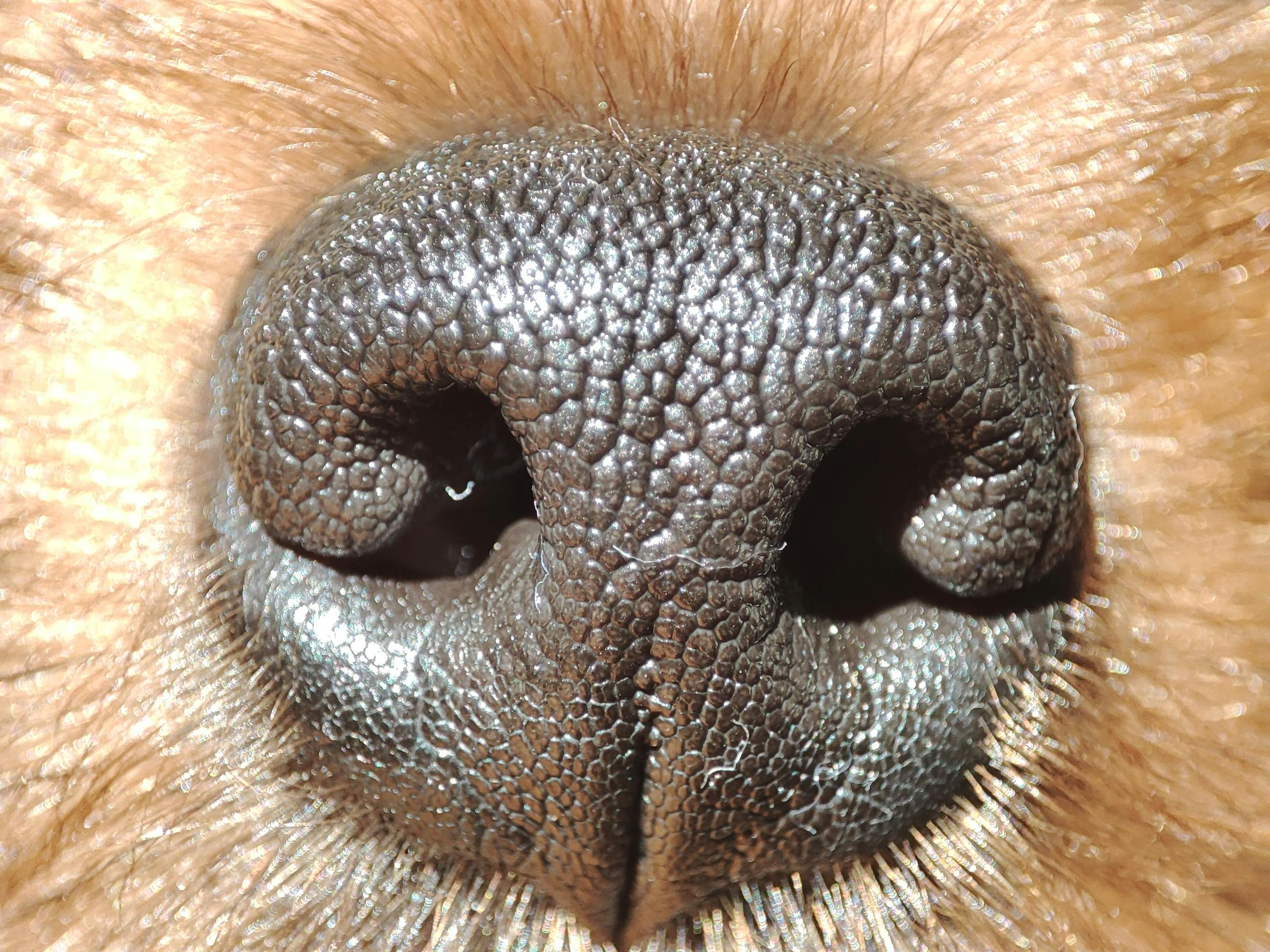 \n\n
\n\nDogs are often known for their remarkable sense of smell, which can be up to 100,000 times more sensitive than humans. One of the most intriguing aspects surrounding this incredible ability is why do dogs have wet noses? The wetness of a dog's nose isn’t just a random trait; it plays a crucial role in enhancing their olfactory capabilities. Let’s uncover some fascinating secrets about dogs’ noses and how it aids in their sniffing prowess.
\nWhy Do Dogs Have Wet Noses?
\nFirst off, a wet nose helps dogs to smell better. The moisture on their noses helps to capture scent particles from the air. When a dog inhales, the dampness on their noses traps these particles, which then get analyzed by their highly developed olfactory receptors. This is why it’s not uncommon to see a dog sniffing around, their nose glistening with moisture.
\nSome reasons for a dog's wet nose include:
\n- \n
- Increased Sensitivity: The moisture allows scent particles to adhere better, enhancing their ability to detect smells. \n
- Cooling Mechanism: Dogs do not sweat like humans, so a wet nose helps them regulate body temperature, especially during hot weather. \n
- Health Indicator: A dog's nose can also be an indicator of health; a dry or cracked nose could signal dehydration or illness. \n
The Anatomy of a Dog's Nose
\nUnderstanding the anatomy of a dog's nose can shed light on why it is so effective at smelling. Unlike humans, dogs have a unique structure in their nasal cavity that is specifically designed for detecting scents.
\nKey components of a dog's nose:
\n- \n
- Olfactory Receptors: Dogs have around 220 million olfactory receptors compared to a human's 5 million. This vast difference gives dogs an extraordinary ability to detect smells. \n
- Jacobsen’s Organ: This is an additional olfactory structure that allows dogs to analyze pheromones, which are chemical signals that can convey a wealth of information about other animals. \n
- Nasal Turbinates: These are bony structures in the nasal passage that increase the surface area for scent detection, allowing for more efficient processing of smells. \n
How Does a Wet Nose Work?
\nWhen a dog’s nose is wet, it enhances the interaction between the olfactory receptors and the scent particles. The moisture creates a perfect environment for these particles to dissolve, making it easier for the receptors to pick them up. This is why you might see a dog frequently licking their nose; it’s a way to keep it moist and ready for the next sniff.
\nIn addition, the wetness can also help in distinguishing between different smells. A dry nose may not be able to absorb scents as effectively, leading to less accurate detection of odors.
\nDogs and Their Sense of Smell
\nDogs are often employed in various fields due to their incredible sense of smell. Here are some examples:
\n- \n
- Search and Rescue: Dogs are trained to find missing persons, even in challenging environments. \n
- Detection Work: They can detect drugs, explosives, and even diseases such as cancer. \n
- Therapy Animals: Dogs can sense emotional changes and provide comfort to those in distress. \n
Common Myths About Dog Noses
\nThere are several misconceptions out there regarding dog noses:
\n- \n
- A Cold Nose Means a Healthy Dog: While many people believe a cold, wet nose indicates good health, this isn’t always true. Dogs can have a warm or dry nose and still be perfectly healthy. \n
- Nose Color Matters: The color of a dog's nose doesn’t directly affect their sense of smell. All dogs can be excellent sniffers regardless of whether their nose is black, pink, or spotted. \n
Fun Facts About Dogs' Noses
\n- \n
- Unique Prints: Just like human fingerprints, every dog has a unique nose print. \n
- Scent Memory: Dogs can remember scents for years, which helps them recognize familiar people and places. \n
- Nose Work: There are even sports and activities centered around dogs using their noses, known as nose work, which is gaining popularity. \n
Dogs and their wet noses hold a treasure trove of secrets that can enhance our understanding of these incredible animals. Their ability to smell is not just a quirky trait; it’s a fundamental aspect of their behavior and communication. So next time you see a dog with a shiny, wet nose, remember that it’s so much more than just a cute feature; it’s a key tool in their fascinating world of scents.
\n\nWet Noses and Dog Behavior: What Your Pup's Snout Can Tell You
\n\n \n\n
\n\nDogs are often referred to as man's best friend, and for good reason. They are loyal, loving, and bring immense joy to our lives. But there’s one feature that often catches our attention — their wet noses. Have you ever wondered, why do dogs have wet noses? This characteristic is more than just a quirky trait; it can tell us a lot about our furry companions. In this article, we will uncover the fascinating secrets behind wet noses and what they reveal about your pup's behavior.
\nThe Science of Wet Noses
\nDogs have wet noses primarily due to their unique physiology. The moisture on a dog’s snout comes from several sources:
\n- \n
- Nasal secretions: Dogs produce a thin layer of mucus that helps them smell better. \n
- Licking: They often lick their noses, which adds moisture. \n
- Environmental factors: Humidity and temperature can also affect how wet a dog's nose is. \n
But why is this moisture important? Well, it plays a crucial role in a dog’s sense of smell. A wet nose helps to capture scent particles in the air, making it easier for dogs to detect odors. This is why dogs are known for their incredible olfactory abilities. In fact, their sense of smell is estimated to be anywhere from 10,000 to 100,000 times more acute than that of humans!
\nHistorical Context of Dog Noses
\nThroughout history, dogs have been bred for various purposes, such as hunting, herding, and companionship. The wet nose is an evolutionary trait that has likely been beneficial for these roles. For instance, hunting dogs rely heavily on their sense of smell to track prey. The moisture on their noses aids in this process, making them more efficient hunters.
\nMoreover, the concept of using a dog’s sense of smell isn’t new. Ancient civilizations recognized the value of dogs in hunting and tracking. Their wet noses have been an integral part of this ability, helping humans in various ways over thousands of years.
\nWhat Your Dog's Nose Can Tell You
\nA dog’s nose can also be an indicator of its health and well-being. Here are some things to consider:
\n- \n
- Temperature: A warm, dry nose may indicate a fever or illness. While a wet nose is usually a sign of good health, it’s not a definitive measure. \n
- Behavioral cues: If your dog’s nose suddenly becomes dry or changes texture, it could be a sign of stress or discomfort. \n
- Allergic reactions: Dogs with allergies may have changes in their nose moisture levels, along with other symptoms like sneezing or itching. \n
Fun Facts About Dog Noses
\nHere are some interesting tidbits that you might not know about dog noses:
\n- \n
- Dogs have a special organ called the vomeronasal organ, which helps them detect pheromones. \n
- The pattern of a dog’s nose print is unique, similar to a human fingerprint. \n
- Some breeds, like Bloodhounds, have been specifically bred for their exceptional sense of smell. \n
Understanding Dog Behavior Through Their Noses
\nYour pup’s nose can also give insight into their behavior. For example:
\n- \n
- Sniffing: When dogs sniff around, they gather information about their environment. This is how they explore their surroundings and learn about other animals. \n
- Licking: Dogs often lick their noses when they are curious or anxious. It’s a way of self-soothing. \n
- Wetness levels: If your dog’s nose is excessively wet, it could indicate that they’re excited or nervous, while a dry nose might show they are relaxed. \n
The Importance of Regular Care
\nJust like any other part of your dog’s body, their nose requires attention. Here are some care tips:
\n- \n
- Hydration: Ensure your dog is well-hydrated to maintain moisture levels in their nose. \n
- Check for irritants: If your dog's nose is dry or cracked, check for potential irritants in their environment. \n
- Veterinary check-ups: Regular vet visits can help monitor your dog’s overall health, including their nose. \n
Wrap Up
\nUnderstanding the significance of your dog's wet nose can enhance your bond with them. It’s not just a quirky characteristic but a vital aspect of their health and behavior. Keeping an eye on your pup’s nose can help you detect potential health issues and understand their emotional state. So, next time you see that familiar wet snout, remember the fascinating secrets it holds! Whether you're noticing changes in moisture levels or simply enjoying the companionship of your furry friend, there's always more to learn about why do dogs have wet noses.
\n\nDo All Dogs Have Wet Noses? Exploring Breeds and Their Unique Traits
\n\n \n\n
\n\nDogs are often called man's best friend, but have you ever wondered about their unique traits? One of the most common questions people ask is, "Do all dogs have wet noses?" Well, the answer isn't as simple as a yes or no. In fact, there are many factors that contribute to whether a dog's nose is wet or dry. Let’s explore this topic, diving into the fascinating world of dogs and their noses, and also, we will uncover why do dogs have wet noses in the first place.
\nThe Science Behind Wet Noses
\nFirst of all, it's important to understand what makes a dog's nose wet. Dogs have a unique anatomy that allows them to keep their noses moist. The moisture comes from a combination of factors, including:
\n- \n
- Mucous glands: Dogs have special glands in their noses that produces mucus, which helps to keep their noses moist. \n
- Licking: Dogs often lick their noses, which adds more moisture. \n
- Humidity and temperature: The environment plays a role, too. In humid conditions, noses might stay wetter longer than in dry, hot weather. \n
Do All Dogs Have Wet Noses?
\nNot all dogs have wet noses, and several factors can influence this. For example, some breeds may have drier noses than others. Here’s a breakdown of some popular dog breeds and their typical nose conditions:
\n- \n
- Labrador Retrievers: Generally have wet noses due to their active nature and tendency to lick. \n
- Bulldogs: Often have drier noses, especially in hot weather. \n
- Poodles: Usually maintain a moist nose, but this can vary based on their health. \n
- Chihuahuas: Can have both wet and dry noses, depending on their individual habits and health. \n
Why Do Dogs Have Wet Noses? Uncover Their Fascinating Secrets!
\nNow, let’s dive into why the wetness of a dog’s nose is so important. The moisture on a dog's nose serves several purposes:
\n- \n
- Scent enhancement: A wet nose helps dogs to smell better. The moisture traps scent particles, allowing them to detect odors more effectively. \n
- Temperature regulation: Dogs do not sweat like humans, so moisture on their noses can help them cool down. \n
- Health indicator: A change in a dog's nose moisture can signal health issues. For example, a persistently dry nose might indicate dehydration or illness. \n
Common Myths About Dog Nose Wetness
\nThere are many myths surrounding the wetness of a dog’s nose. Here are some of the most common misconceptions:
\n- \n
- A warm, dry nose means a dog is sick: This is not always true. Dogs can have warm or dry noses for many reasons, including weather or activity level. \n
- All dogs should have wet noses: While many dogs do have wet noses, some breeds naturally have drier noses. \n
- Dogs lick their noses for no reason: In reality, licking helps to keep their noses moist and enhances their sense of smell. \n
The Role of Environment in Nose Moisture
\nThe environment plays a significant role in determining how wet a dog's nose is. Here are a few factors to consider:
\n- \n
- Weather: Dogs may have drier noses during hot, dry days. \n
- Indoor vs. outdoor: Dogs that primarily stay indoors might have different nose conditions compared to those who spend time outside. \n
- Health factors: Illness, hydration levels, and even allergies can affect nose moisture. \n
Practical Tips for Dog Owners
\nAs a dog owner, you might want to monitor your pet's nose moisture. Here are some tips to help you maintain your dog's health:
\n- \n
- Regular vet check-ups: Keep an eye on changes in your dog's nose and consult your vet if concerned. \n
- Hydration: Ensure your dog has plenty of water available, especially in warm weather. \n
- Observe behavior: If your dog’s nose becomes excessively dry or if other symptoms arise, it's best to seek veterinary advice. \n
Understanding Your Dog’s Unique Traits
\nEvery dog is unique, and their noses are no exception. Factors such as breed, age, and health can all influence whether a dog has a wet or dry nose. For example, as dogs age, their noses may become drier.
\nIn summary, while many dogs generally have wet noses, there are exceptions based on breed and environment. The moisture in a dog's nose plays an important role in their sense of smell and overall health. Understanding these nuances can enhance your bond with your furry friend, helping you to cater to their needs better. So next time you pet your dog, take a moment to appreciate that wet little nose and all the fascinating traits it represents!
\n\nThe Hidden Benefits of Wet Noses: Why Dogs Love to Sniff
\n\n \n\n
\n\nDogs are often known as man's best friend, but have you ever wondered about their wet noses? There's something special about those little, damp snouts that seems to intrigue many of us. So, why do dogs have wet noses, and what benefits do these fascinating features offer? In this article, we will uncover the hidden secrets of wet noses in dogs, exploring why they love to sniff and how it relates to their health and behaviors.
\nThe Science Behind Wet Noses
\nFirst off, a dog’s nose is not just wet for no reason. The moisture on their noses serves multiple purposes, and it’s not just for show. Dogs have a special type of skin that helps them absorb scents better. This is because their noses are covered in a thin layer of mucus, which helps to capture scent particles from the air. Here’s a breakdown of why their noses are so important:
\n- \n
- \n
Enhanced Smell: A wet nose helps to trap scent particles, allowing dogs to smell better. Their sense of smell is up to 100,000 times more sensitive than humans, which is just incredible!
\n \n - \n
Thermoregulation: Dogs can't sweat like humans do. Their wet noses help to cool them down by evaporating moisture.
\n \n - \n
Health Indicator: A wet nose can also be a sign of a healthy dog. If a dog's nose is dry or cracked, it may indicate dehydration or illness.
\n \n
Why Do Dogs Sniff So Much?
\nIt's not surprising that dogs love to sniff everything. Their noses are like a built-in GPS system, guiding them through the world. Here’s why dogs are such avid sniffers:
\n- \n
- \n
Information Gathering: Dogs gather information about their environment through scent. They can identify other animals, people, and even the emotions of humans by sniffing.
\n \n - \n
Social Interaction: Sniffing is a way for dogs to communicate. When they meet another dog, they often sniff each other’s noses and behinds, exchanging vital information.
\n \n - \n
Hunting Instincts: Many dog breeds were originally developed for hunting. Their strong sense of smell is part of their instinct to track down prey.
\n \n
Fascinating Facts About Dog Noses
\nThere’s a lot more going on with those wet noses than you might think! Here’s a list of some fascinating facts:
\n- \n
- \n
Unique Patterns: Just like human fingerprints, each dog's nose has a unique pattern. This means you could actually identify a dog by its nose print!
\n \n - \n
Sensitivity: Dogs' noses contain up to 300 million smell receptors, while humans have about 5 million. That’s why dogs can sniff out drugs, explosives, and even diseases.
\n \n - \n
Nasal Structure: The structure of a dog’s nose allows them to separate smells, so they can sniff out multiple scents at once. This is why they can find a specific person in a crowd.
\n \n
Comparison: Dog Noses vs. Human Noses
\nMany people wonder how dog's noses compare to ours. Here’s a simple comparison:
\n| Feature | \nDog Nose | \nHuman Nose | \n
|---|---|---|
| Smell Receptors | \nUp to 300 million | \nAbout 5 million | \n
| Scent Detection | \nUp to 100,000 times better | \nSignificantly less | \n
| Moisture Role | \nEnhances scent absorption | \nMinimal role | \n
| Unique Patterns | \nYes | \nNo | \n
Practical Examples of How Dogs Use Their Noses
\nDogs use their noses for various purposes throughout their daily lives. Here are some real-life examples:
\n- \n
- \n
Search and Rescue: Dogs are trained to use their noses to locate missing persons, thanks to their ability to detect scents from long distances.
\n \n - \n
Medical Detection: Some dogs can detect certain diseases, like cancer or diabetes, by sniffing their owner's breath or skin.
\n \n - \n
Everyday Exploration: When on a walk, a dog may spend a lot of time smelling different objects, from trees to other animals, gathering information about their surroundings.
\n \n
The Importance of Nose Health
\nJust like any other part of a dog's body, their noses require care and attention. Here are some tips for keeping your dog’s nose healthy:
\n- \n
- \n
Hydration: Make sure your dog drinks plenty of water to keep their nose moist.
\n \n - \n
Avoid Irritants: Be cautious of harsh chemicals or extreme temperatures that can dry out a dog’s nose.
\n \n - \n
Regular Vet Check-ups: Regular veterinary visits can help identify any underlying health issues that might affect your dog's nose.
\n \n
In summary, the wet noses of dogs are not just cute; they play a crucial role in their health, behavior, and communication. Understanding these fascinating features can deepen our appreciation for our canine companions and their unique abilities to interact with the world around them. So, next time you see a dog with a wet nose, remember that there’s a lot more
\n\nCanine Communication: What Your Dog’s Wet Nose is Trying to Say
\n\n\n\nWhen we think about our furry friends, one of the most enchanting features of dogs is their wet noses. You might have wondered, why do dogs have wet noses? What are they trying to communicate with their moist little snouts? Believe it or not, there's a whole lot more to these adorable features than meets the eye. Let’s dive into the fascinating world of canine communication and explore the secrets behind those wet noses.
\nWhy Do Dogs Have Wet Noses?
\nDogs’ noses are wet for several reasons, and this isn’t just happenstance. It’s actually a crucial aspect of their biology. Here’s a breakdown of the key reasons:
\n- \n
- \n
Enhanced Sense of Smell: Dogs have an extraordinary sense of smell, estimated to be between 10,000 to 100,000 times more sensitive than humans. A wet nose helps to capture scent particles better, allowing dogs to process smells more effectively.
\n \n - \n
Cooling Mechanism: Dogs don’t sweat like humans do. Instead, they rely on their noses to help regulate body temperature. The moisture on their noses evaporates, which cools them off. So, a wet nose can be a sign of a dog trying to cool down.
\n \n - \n
Communication Tool: Dogs use their noses to interact with the world around them. A wet nose often signifies curiosity or affection. When a dog nudges you with their wet nose, they may be seeking attention or trying to communicate their feelings.
\n \n
Historical Context of Dogs’ Noses
\nDogs have been companions to humans for thousands of years. In ancient times, their keen sense of smell was utilized for hunting and tracking. The wetness of their noses has been a natural evolution to enhance their abilities as hunters and protectors. While we’ve bred dogs for various traits, the wet nose remains a constant feature, adapting alongside their roles in human life.
\nFascinating Facts about Dogs’ Wet Noses
\n- \n
- \n
Size Matters: The size and shape of a dog’s nose can vary significantly among breeds. For example, a Bloodhound has a larger nose surface area than a Chihuahua, which helps it excel in scent tracking.
\n \n - \n
Unique Patterns: Just like human fingerprints, every dog has a unique nose print. This means you could identify a dog by just their nose!
\n \n - \n
Health Indicator: A wet nose is often associated with good health, but it’s not always the case. A dog’s nose can be dry for various reasons, including dehydration or illness. Monitoring changes in your dog’s nose can give valuable insight into their health.
\n \n - \n
Temperature Regulation: Dogs can sense changes in temperature through their noses. A cool nose can indicate a relaxed state, while a warm nose might suggest they’re feeling unwell or stressed.
\n \n
How to Interpret Your Dog's Wet Nose
\nUnderstanding what your dog’s wet nose is trying to say can strengthen your bond. Here’s a quick guide:
\n- \n
- \n
Cold and Wet: Happy and relaxed. Your dog is feeling comfortable in their environment.
\n \n - \n
Warm and Dry: Could either mean they are sick, stressed, or just waking up from a nap. Keep an eye on other health indicators.
\n \n - \n
Nudging with a Wet Nose: Attention-seeking behavior. They might want to play, go for a walk, or simply need some love.
\n \n
Practical Tips for Dog Owners
\nSo, how can you ensure your dog’s nose stays healthy and continues to communicate effectively? Here’s a handy list of tips:
\n- \n
- \n
Stay Hydrated: Ensure your dog has access to fresh water throughout the day. It helps keep their nose moist.
\n \n - \n
Regular Vet Check-ups: Regular visits to the vet can help monitor your dog’s overall health and look for changes in their nose.
\n \n - \n
Observe Behavior: Pay attention to changes in your dog’s nose, and how it correlates with their overall behavior. Are they more lethargic? Are they eating less?
\n \n - \n
Enrichment Activities: Engage your dog in activities that stimulate their sense of smell, like scent games or hide-and-seek with treats.
\n \n
Final Thoughts
\nIn conclusion, your dog's wet nose is more than a cute feature; it’s a window into their health, emotions, and instincts. Understanding the significance behind this characteristic can help deepen your connection with your furry friend. So the next time your dog nudges you with that adorable, moist nose, remember they might just be trying to share their world with you. Embrace the unique communication that dogs offer and enjoy the special bond you share with your four-legged companion!
\n\nFrom Heat Regulation to Health Indicators: The Functions of a Dog’s Wet Nose
\n\n \n\n
\n\nHave you ever wondered why do dogs have wet noses? It’s a question that many dog owners ask, and the answer is not as simple as you might think. A dog’s wet nose is not just an adorable feature; it serves critical functions that help the animal navigate its world. From heat regulation to acting as health indicators, the secrets behind a dog’s wet nose are truly fascinating and might just change how you view your furry friend.
\nThe Science Behind a Wet Nose
\nDogs, like many mammals, have a special gland located in their noses called the nasal mucosa. This gland produces moisture which keeps the nose wet. But why is this moisture important? It plays a role in several key functions.
\n- \n
- \n
Scent Detection: A wet nose helps capture scent particles from the air. The moisture allows these particles to stick, improving the dog's sense of smell. In fact, dogs have an olfactory system that is about 10,000 to 100,000 times more sensitive than humans. This is why they can sniff out drugs, bombs, and even diseases.
\n \n - \n
Thermoregulation: Dogs do not sweat like humans do. Instead, they cool off primarily through panting. However, a wet nose helps too! The evaporation of moisture from the nose can aid in cooling down the body. This is particularly crucial during hot weather.
\n \n - \n
Health Indicators: A dog’s nose can also provide insights into its health. A healthy dog typically has a moist and cool nose. If a dog's nose becomes dry or excessively warm, it could signal illness or dehydration. Observing these changes can help owners detect health issues early.
\n \n
Historical Insights
\nThe evolution of the wet nose in dogs is tied to their ancestry. Canines descended from wolves, and wolves typically have wet noses too. Over time, as dogs were domesticated, their noses maintained this characteristic. The reasons for this are believed to be linked to survival, as scent detection is vital for hunting and avoiding danger.
\nFun Facts About Dog Noses
\n- \n
- \n
Unique Patterns: Just like human fingerprints, every dog's nose print is unique. This has even led to the idea of using nose prints for identification.
\n \n - \n
Temperature Regulation: While a wet nose helps with cooling, dogs also use their ears to dissipate heat. The blood vessels in their ears can help regulate body temperature.
\n \n - \n
Moisture Absorption: Dogs may lick their noses to keep them moist and enhance their sense of smell. This behavior is instinctual and shows how important their noses are to their survival.
\n \n
Comparing Dog Noses to Human Noses
\n| Feature | \nDog Noses | \nHuman Noses | \n
|---|---|---|
| Moisture Level | \nGenerally wet | \nGenerally dry | \n
| Sense of Smell | \n10,000 to 100,000 times more sensitive | \nLimited sensitivity | \n
| Temperature Regulation | \nEvaporation helps cool | \nSweating is primary method | \n
| Unique Identification | \nUnique nose prints | \nUnique fingerprints | \n
Practical Tips for Dog Owners
\nKeeping your dog's nose healthy is important. Here are a few things you can do:
\n- \n
- \n
Regular Vet Check-ups: Ensure your dog’s health is monitored regularly. This helps catch any issues early.
\n \n - \n
Hydration: Make sure your dog has access to fresh water at all times. Dehydration can lead to a dry nose.
\n \n - \n
Watch for Changes: Pay attention to changes in your dog's nose. If it becomes excessively dry or cracked, consult with your veterinarian.
\n \n - \n
Avoid Irritants: Keep your dog away from harsh chemicals and allergens that might irritate its nose.
\n \n
What Do Different Nose Conditions Mean?
\n- \n
- Dry Nose: Could indicate dehydration or fever. \n
- Cracked Nose: Might suggest allergies or skin conditions. \n
- Discolored Nose: Changes in color can signal health issues; consult a vet if you notice this. \n
The Bottom Line
\nA dog's wet nose is not just a charming feature; it plays a vital role in their health and behavior. Understanding the reasons behind this characteristic can enhance the bond between you and your canine companion. By paying attention to your dog's nose and its condition, you can ensure they stay happy and healthy. So the next time you see your dog’s wet nose, remember it’s doing a lot more than just looking cute!
\n\nTips for Maintaining Your Dog's Nose Health: Why It Matters!
\n\n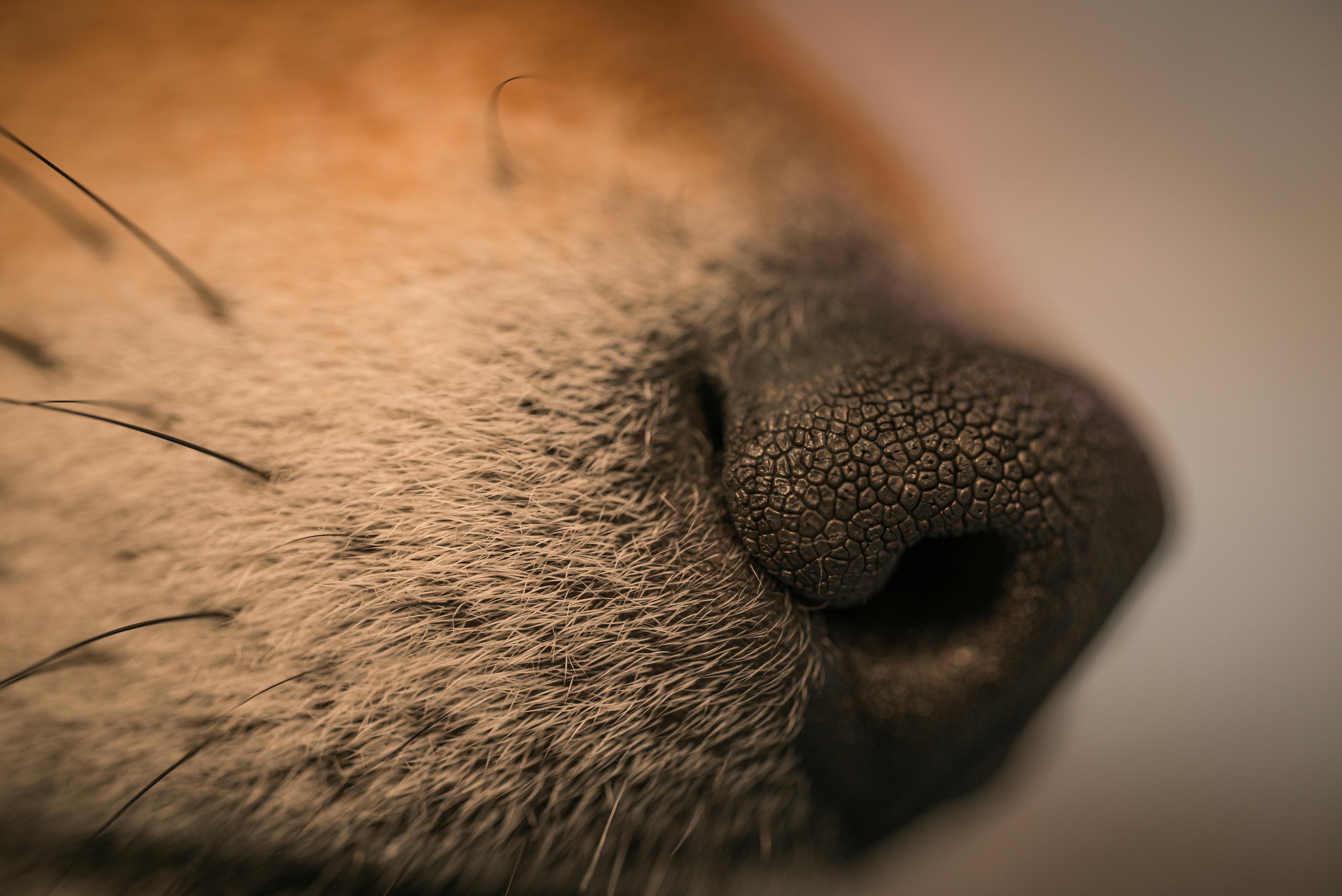 \n\n
\n\nEvery dog owner knows how important their furry friends is to them. But have you ever thought about your dog’s nose? It’s more than just the cute little thing that sniffs everything in sight. Maintaining your dog’s nose health is crucial, and it plays a big part in their overall well-being. So, why do dogs have wet noses anyway? Let’s dive into these fascinating secrets and discover some tips for keeping that adorable snout in tip-top shape!
\nWhy Do Dogs Have Wet Noses?
\nDogs’ noses are usually wet, and there are several reasons for this. Here’s a breakdown:
\n- \n
- Humidity Regulation: A wet nose helps dogs regulate their body temperature. When the moisture evaporates, it cools them down. \n
- Enhanced Smell: The moisture on a dog’s nose helps to capture scent particles, which improves their sense of smell. Dogs have an incredible olfactory system, and that wetness is vital for sniffing out things like food or their favorite toy. \n
- Health Indicator: A dog’s nose can tell you a lot about their health. A sudden change in moisture can indicate illness, so keep an eye on it! \n
Tips for Maintaining Your Dog's Nose Health
\nJust like any other part of your dog’s body, their nose needs care. Here are some practical tips:
\n- \n
- \n
Stay Hydrated: Make sure your dog always has access to fresh water. Dehydration can lead to a dry nose, which can be problematic.
\n \n - \n
Regular Checks: Inspect your dog’s nose regularly. Look for cracks, excessive dryness, or any unusual discharge. These can be signs of health issues.
\n \n - \n
Avoid Irritants: Keep your dog away from strong chemicals, cigarette smoke, and other irritants that can damage their nasal membranes.
\n \n - \n
Use Natural Remedies: If your dog has a dry nose, consider applying a small amount of coconut oil or a dog-safe moisturizer to keep it hydrated.
\n \n - \n
Watch the Weather: Extreme weather can affect your dog’s nose. In cold conditions, protect your dog from frostbite by limiting their outdoor time. In hot weather, ensure they have shade and water.
\n \n - \n
Healthy Diet: A balanced diet contributes to overall health, including nose health. Make sure your dog is eating high-quality food rich in nutrients.
\n \n - \n
Regular Vet Check-ups: Routine veterinary visits can help identify any underlying health problems that may affect your dog's nose.
\n \n
Signs of Nose Problems
\nYou should know how to identify when your dog's nose needs attention. Here’s a quick list of signs to look out for:
\n- \n
- Cracked or dry nose \n
- Excessive discharge (clear, yellow, or green) \n
- Bleeding from the nose \n
- Swelling or lumps on the nose \n
- Changes in color (e.g., from pink to brown) \n
Fun Facts About Dogs’ Noses
\nDid you know that dogs’ noses are unique? Just like human fingerprints, each dog has a distinct nose print. Here are some more fun facts:
\n- \n
- Dogs have up to 300 million smell receptors in their noses compared to about 6 million in humans. That’s why they can sniff out those hidden treats! \n
- The wetness of a dog's nose is essential for absorbing scent molecules, which helps them detect odors better. \n
- Some breeds have naturally drier noses. For example, Bulldogs and Boxers can have dry noses due to their skin type. \n
The Bottom Line
\nUnderstanding why do dogs have wet noses and how to maintain their health is important for all dog owners. A healthy nose contributes to a happy, active dog. Regular care, hydration, and attention to their nose can prevent many issues.
\nRemember, your dog's nose is a window into their health, so keep it moist, clean, and well-maintained. By following these tips, you’re not only ensuring your dog’s nose stays healthy but also enhancing their overall happiness and quality of life. So, give that wet nose some extra love today!
\n\nConclusion
\n\nIn conclusion, the wet noses of dogs serve several important biological functions, from enhancing their sense of smell to regulating body temperature. As we explored, the moisture on their noses helps capture scent particles, making their olfactory capabilities even more impressive. Additionally, the cooling effect of a wet nose plays a crucial role in thermoregulation, especially during warmer weather. It's also worth noting that a dog's nose can indicate overall health; changes in moisture levels may warrant a closer look. Understanding these fascinating aspects of our furry companions not only deepens our appreciation for them but also underscores the importance of regular vet check-ups to ensure their well-being. So the next time you pet your dog and feel that familiar moisture, remember it’s a sign of their unique biology at work. Embrace the bond you share with your pet, and consider sharing this knowledge with fellow dog lovers!
\n\n