Have you ever wondered why do dogs have wet noses? This intriguing question sparks curiosity among dog lovers and pet owners alike. A dog’s nose is not only a unique feature but also plays a crucial role in their overall health and behavior. But what makes it so wet and cold? Is it just a quirky trait, or does it serve a deeper purpose? In this article, we will unveil the fascinating truth behind this common canine characteristic. From the science of dog physiology to the impact of humidity on a pup’s sense of smell, we’ll explore all the reasons your furry friend’s nose has that distinct moisture. Moreover, did you know that a wet nose can indicate your dog’s emotions or even health status? Join us as we delve into the amazing world of dogs and discover why having a wet nose is not just normal but essential. Whether you’re a curious pet owner or simply love learning about dog behaviors, this exploration will surely satisfy your curiosity and deepen your appreciation for your four-legged companion. So, let’s get started and find out the truth behind those wet noses!
\n\nThe Science Behind Canine Noses: Why Are Dogs' Noses Always Wet?
\n\n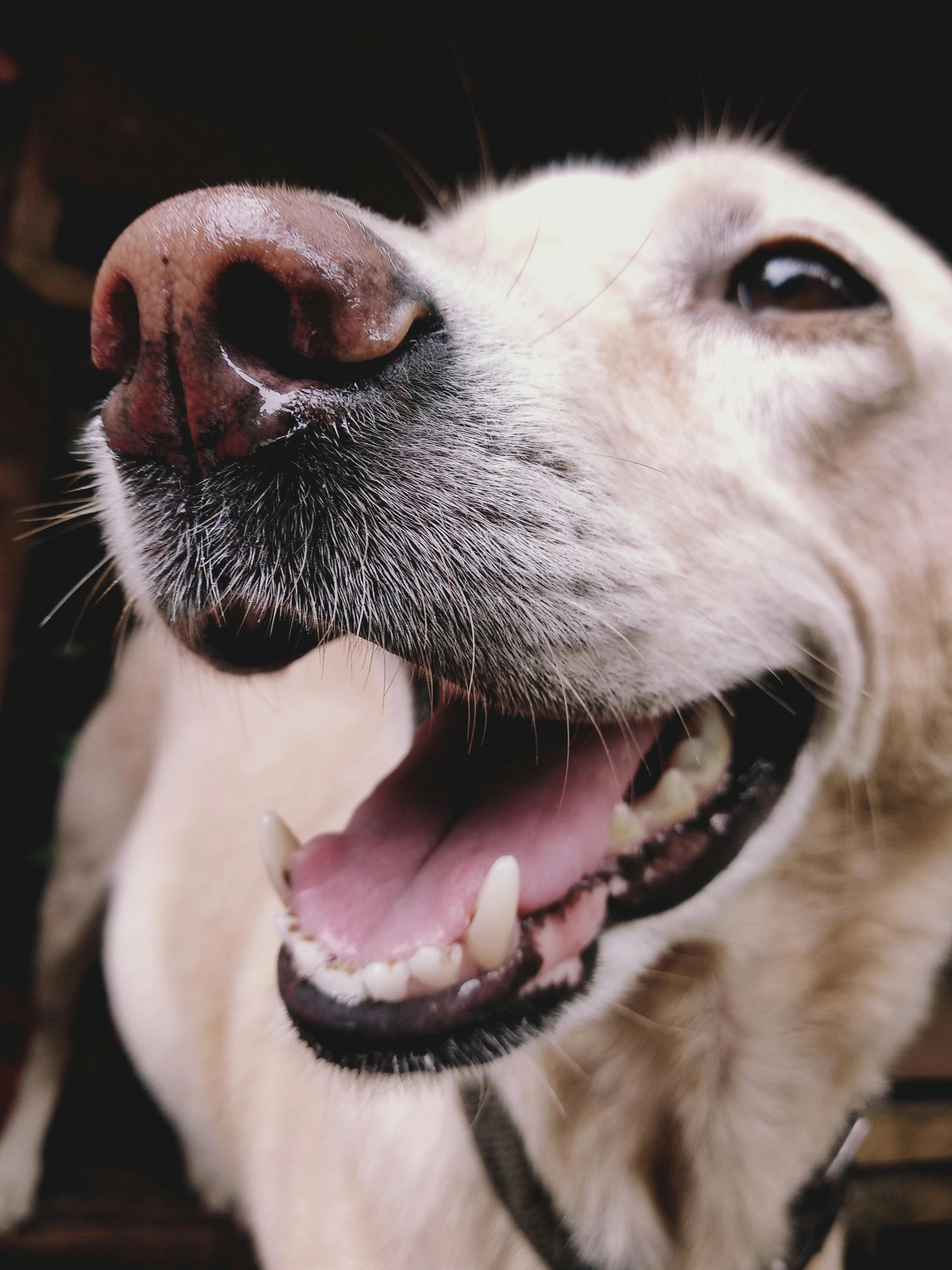 \n\n
\n\nDogs are often known for their loyal companionship and playful antics, but one of their most fascinating features is their nose. If you've ever wondered why do dogs have wet noses, you're not alone. Many people notice that their furry friends’ noses are often moist, and it turns out there is quite a bit of science behind this. Let’s dive into the fascinating world of canine noses and uncover the reasons behind their wetness.
\nThe Anatomy of a Dog's Nose
\nA dog's nose is more than just an adorable feature; it’s a complex organ that plays a crucial role in their sense of smell. The anatomy includes several parts that work together to enhance olfactory detection. Here’s a quick look at what makes up a dog’s nose:
\n- \n
- Nasal Cavity: This is the main area where scent molecules are detected. \n
- Olfactory Receptors: Dogs have around 220 million olfactory receptors, compared to a human’s 5 million. \n
- Vomeronasal Organ: This organ helps dogs detect pheromones, which are important for communication. \n
The wetness of a dog's nose serves a purpose. It helps to trap scent particles, making it easier for their sensitive receptors to detect smells.
\nWhy Are Dog Noses Wet?
\nSo, why do dogs have wet noses? The answer lies in a few key factors that contribute to this phenomenon. Here are some reasons:
\n- \n
- Thermoregulation: Dogs regulate their body temperature through panting and their noses. The moisture evaporates and cools them down. \n
- Enhanced Smell: A wet nose can capture and hold scent molecules more effectively. This is vital for dogs as they rely heavily on their sense of smell for exploring their environment. \n
- Health Indicator: A wet nose can indicate good health. Though not a definitive measure, a dry nose can sometimes signal dehydration or illness. \n
The Science Behind Nose Wetness
\nThe moisture on a dog’s nose comes from several sources. Here’s a breakdown of how it stays wet:
\n- \n
- Saliva: Dogs often lick their noses, which adds moisture. This is especially common when they are curious or excited. \n
- Environmental Factors: Humidity and weather can also play a role in how wet a dog’s nose is. Dogs may have wetter noses after being outside in the rain or when the air is more humid. \n
- Glandular Secretions: Dogs have special glands in their noses that produce a thin layer of mucus. This mucus helps in capturing scents. \n
Wet Nose vs. Dry Nose: What Do They Mean?
\nPeople sometimes worry if their dog's nose is dry, but it’s not always a cause for concern. Here are some comparisons to help understand what a wet or dry nose might indicate:
\nWet Nose:
\n- \n
- Generally indicates hydration and good health. \n
- Dogs may have a wet nose after playing or eating. \n
Dry Nose:
\n- \n
- Can be normal but could signal dehydration or illness if it persists. \n
- A dry nose combined with other symptoms (lethargy, loss of appetite) might need a vet’s attention. \n
Fun Facts About Dog Noses
\nHere are some interesting tidbits about dog noses that you might not know:
\n- \n
- Unique Patterns: Just like human fingerprints, every dog’s nose print is unique. This can be used for identification. \n
- Scent Discrimination: Dogs can detect specific scents even among many others. They can smell substances in parts per trillion! \n
- Heat Detection: Dogs can also detect heat signatures. This means they can sense the warmth of another animal or person. \n
Practical Tips for Dog Owners
\nKeeping your dog's nose healthy is important. Here are some practical tips:
\n- \n
- Hydration: Ensure your dog has plenty of clean water. \n
- Limit Sun Exposure: Dogs with light-colored noses may be more susceptible to sunburn. Using dog-friendly sunscreen can help. \n
- Regular Check-ups: Keep an eye on changes in your dog’s nose. Unusual dryness, cracks, or sores should be checked by a vet. \n
Understanding the science behind canine noses can deepen your appreciation for your furry friend. Their wet noses serve many functions, from enhancing their sense of smell to regulating their body temperature. Next time you see your dog with a wet nose, remember that it’s not just an adorable trait—it's a vital part of their biology. Dogs communicate, explore their world, and maintain their health through their fascinating sense of smell. So, enjoy those wet-nosed snuggles, knowing there’s a lot more going on than meets the eye!
\n\n5 Surprising Benefits of a Dog's Wet Nose: What They Reveal About Your Pet's Health
\n\n \n\n
\n\nDogs are often considered man's best friend, and one of the most interesting features about them is their wet noses. You might have heard people say that a wet nose indicates a healthy dog, but there's so much more to it than that! Here we will explore 5 surprising benefits of a dog's wet nose, delve into why do dogs have wet noses, and unveil the fascinating truth behind this unique aspect of our furry companions.
\n1. Temperature Regulation
\nOne of the primary reasons for a dog's wet nose is its role in temperature regulation. Dogs don't sweat like humans do, they have limited sweat glands, mostly located in their paw pads. Instead, they rely heavily on their noses to help cool down.
\n- \n
- How it works: When a dog’s nose is wet, moisture evaporates, cooling the blood vessels that are located just beneath the surface. This process helps to lower their body temperature, especially during hot days. \n
- Real-life example: You might notice your pup spending more time with a wet nose after playing outside in the summer heat. \n
2. Sense of Smell Enhancement
\nA wet nose is not just for show. It actually enhances a dog's sense of smell, which is crucial for their interaction with the world. The moisture on the nose helps to capture scent particles in the air.
\n- \n
- Why it matters: Dogs have an extraordinary sense of smell, estimated to be up to 100,000 times more sensitive than humans. A wet nose aids in this ability by allowing scent molecules to adhere better. \n
- Comparison: While humans have about 5 million scent receptors, dogs can have up to 300 million, and a wet nose plays a vital role in maximizing that capability. \n
3. Health Indicator
\nThe condition of a dog's nose can actually reveal a lot about their health. A wet nose is often seen as a sign of good health, while a dry or cracked nose may indicate underlying issues.
\n- \n
- Normal vs. Abnormal: A healthy dog typically has a nose that is moist and cool. If a dog's nose suddenly becomes dry or warm, it might be worth a trip to the vet. \n
- Common health issues: Dehydration, fever, or even certain skin conditions can be indicated by changes in nose moisture. Always monitor your dog's nose condition as part of their overall health check. \n
4. Communication Tool
\nDogs use their noses not just for smelling but also for communicating with other dogs and animals. The wetness of their nose can express various emotions, such as excitement or anxiety.
\n- \n
- How do they communicate?: A dog might nudge their owner with a wet nose when seeking attention or affection. They use their noses to greet other dogs, which can include sniffing one another’s noses, a social behavior that’s often observed in pack dynamics. \n
- Practical example: If your dog approaches you with a wet nose, it could mean they are happy to see you or simply want to play. \n
5. Environmental Awareness
\nDogs are incredibly attuned to their surroundings, and a wet nose helps them to gather important environmental information. The moisture on their noses allows them to detect changes in their environment.
\n- \n
- What can they detect?: Dogs can sense changes in humidity, temperature, and even pheromones from other animals. Their wet noses help them to process these signals more effectively. \n
- Comparison to humans: While humans rely heavily on sight, dogs frequently depend on their sense of smell and the information gathered through their noses to navigate their world. \n
So why do dogs have wet noses? It's more than just a cute quirk! It’s a biological adaptation that serves multiple functions, from regulating body temperature to enhancing their sense of smell. A wet nose is an essential part of a dog's anatomy that keeps them healthy, communicative, and aware of their environment.
\nIt’s fascinating how something as simple as a wet nose can provide insights into your pet's health and behavior. Next time you give your dog a pat on the head, take a moment to appreciate that wet nose and all the incredible things it signifies!
\n\nWet vs. Dry: What Your Dog's Nose Says About Their Well-Being
\n\n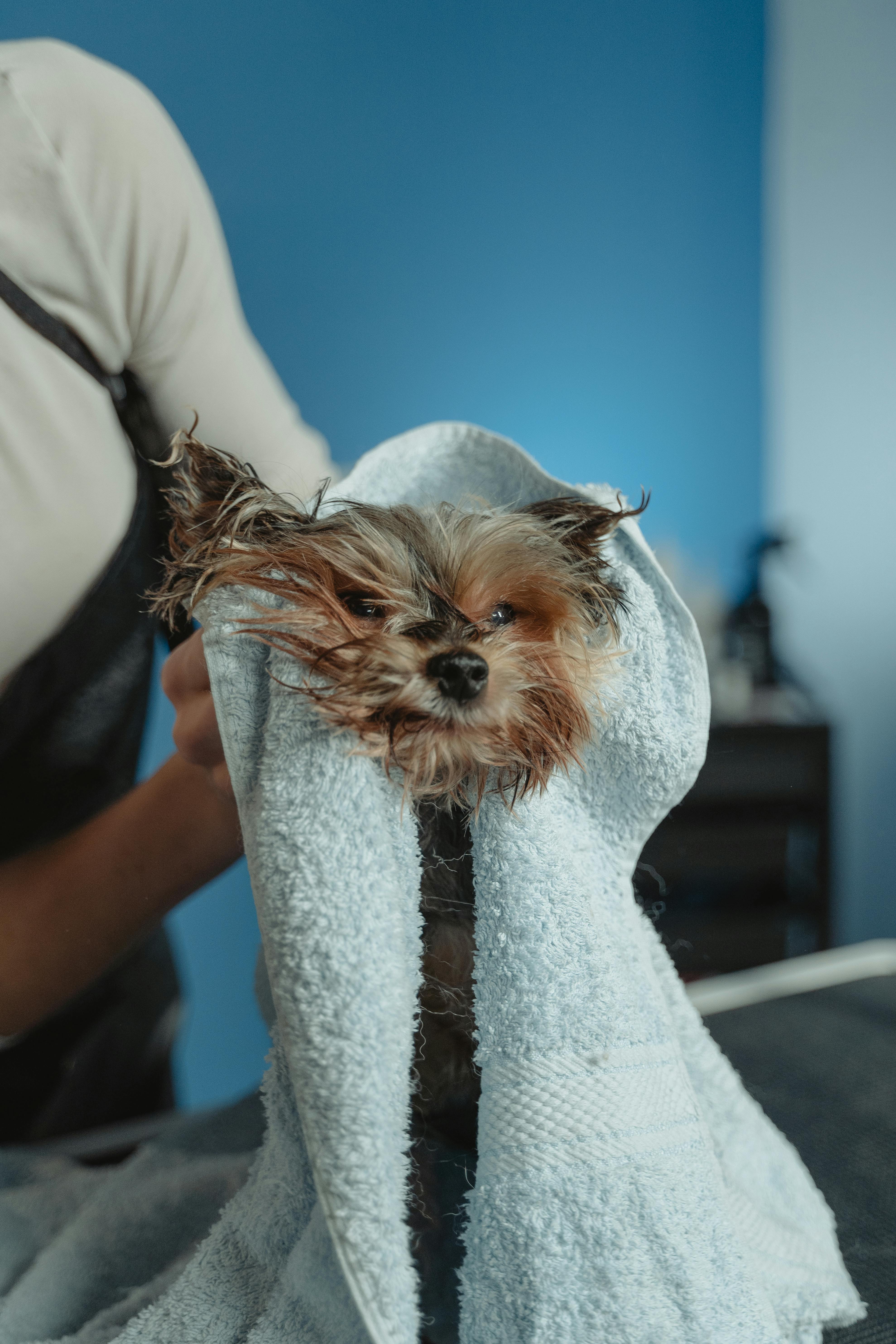 \n\n
\n\nFor many dog owners, the condition of their furry friend’s nose is often a topic of curiosity. Ever notice how sometimes it's wet and shiny, while other times it's dry and warm? This can actually mean a lot about their health and well-being. Let’s dive into the fascinating world of wet vs. dry noses in dogs, and uncover the truth about why do dogs have wet noses.
\nWhy Do Dogs Have Wet Noses?
\nDogs noses are not just cute, they play a vital role in their lives. A wet nose can be a sign of good health, whereas a dry nose might be a cause for concern. But what makes their noses wet? Here are some reasons:
\n- \n
- \n
Moisture Production: Dogs have special glands in their noses that produce moisture. This helps them to smell better. The wetness amplifies scent molecules, making it easier for dogs to detect smells.
\n \n - \n
Cooling Mechanism: Dogs don’t sweat like humans do. Instead, they rely on their noses to help regulate body temperature. A wet nose can assist in cooling off their body.
\n \n - \n
Health Indicator: Generally, a wet nose can indicate that your dog is healthy and hydrated. On the other hand, a dry or cracked nose may suggest dehydration or illness.
\n \n
Understanding Nose Temperature
\nThe temperature of a dog's nose can also give insight into their health. Here's a simple breakdown:
\n- \n
- Cool and Wet: Indicates a healthy dog. \n
- Warm and Dry: May signal fever or dehydration. \n
- Dry and Cracked: Could be a sign of health issues or allergies. \n
But it’s not just the wetness or dryness that matters. Context is important too. For example, if your dog has a warm, dry nose but is acting normal, it could just be the weather.
\nThe Science Behind Wet Noses
\nHere’s a fun fact: Dogs have about 300 million smell receptors in their noses. Humans only have about 6 million! The moisture on a dog's nose helps to trap smells, allowing them to detect odors more efficiently. This is why dogs are often used in search and rescue operations, as well as in detecting drugs or diseases.
\nCommon Misconceptions
\nThere are many myths surrounding the condition of a dog's nose. Here’s a list of some popular misconceptions:
\n- \n
- Myth 1: A wet nose means a dog is healthy, and a dry nose means they are sick. \n
- Myth 2: Dogs can’t smell well if their nose is dry. \n
- Myth 3: A dog's nose will always be cool to the touch. \n
While a wet nose is generally a good sign, it’s not the only indicator of health. Look for changes in behavior, appetite, or energy levels as well.
\nWhen to Be Concerned
\nWhile a wet or dry nose can provide clues about your dog’s health, it's essential to pay attention to other signs. Here are some indicators that might require a vet visit:
\n- \n
- Persistent Dryness: If your dog's nose remains dry for an extended period, especially if it’s cracked or peeling. \n
- Discharge: Any unusual discharge from the nose could mean an infection. \n
- Behavioral Changes: If your dog is lethargic, not eating, or seems distressed, it’s time to consult a professional. \n
- Temperature Fluctuations: If you notice significant changes in nose temperature, especially when accompanied by other symptoms. \n
Practical Care for Your Dog’s Nose
\nMaintaining your dog’s nose can be quite simple. Here are some tips to keep it healthy:
\n- \n
- Hydration: Ensure your dog has access to fresh water at all times. \n
- Regular Vet Check-Ups: Regular visits to the vet can help catch issues before they become serious. \n
- Avoid Irritants: Keep your dog away from harsh chemicals or allergens that could irritate their nose. \n
- Use a Humidifier: If the air in your home is dry, consider using a humidifier, especially during winter months. \n
Ultimately, a dog’s nose is a fascinating feature that provides insight into their health. Whether wet or dry, it’s essential to observe changes and understand what they could mean. Remember, each dog is unique, and what’s normal for one may not be for another. Keeping an eye on your dog's nose is just one way to ensure they are happy and healthy.
\n\nCurious Canines: Do All Dogs Have Wet Noses? Discover the Truth!
\n\n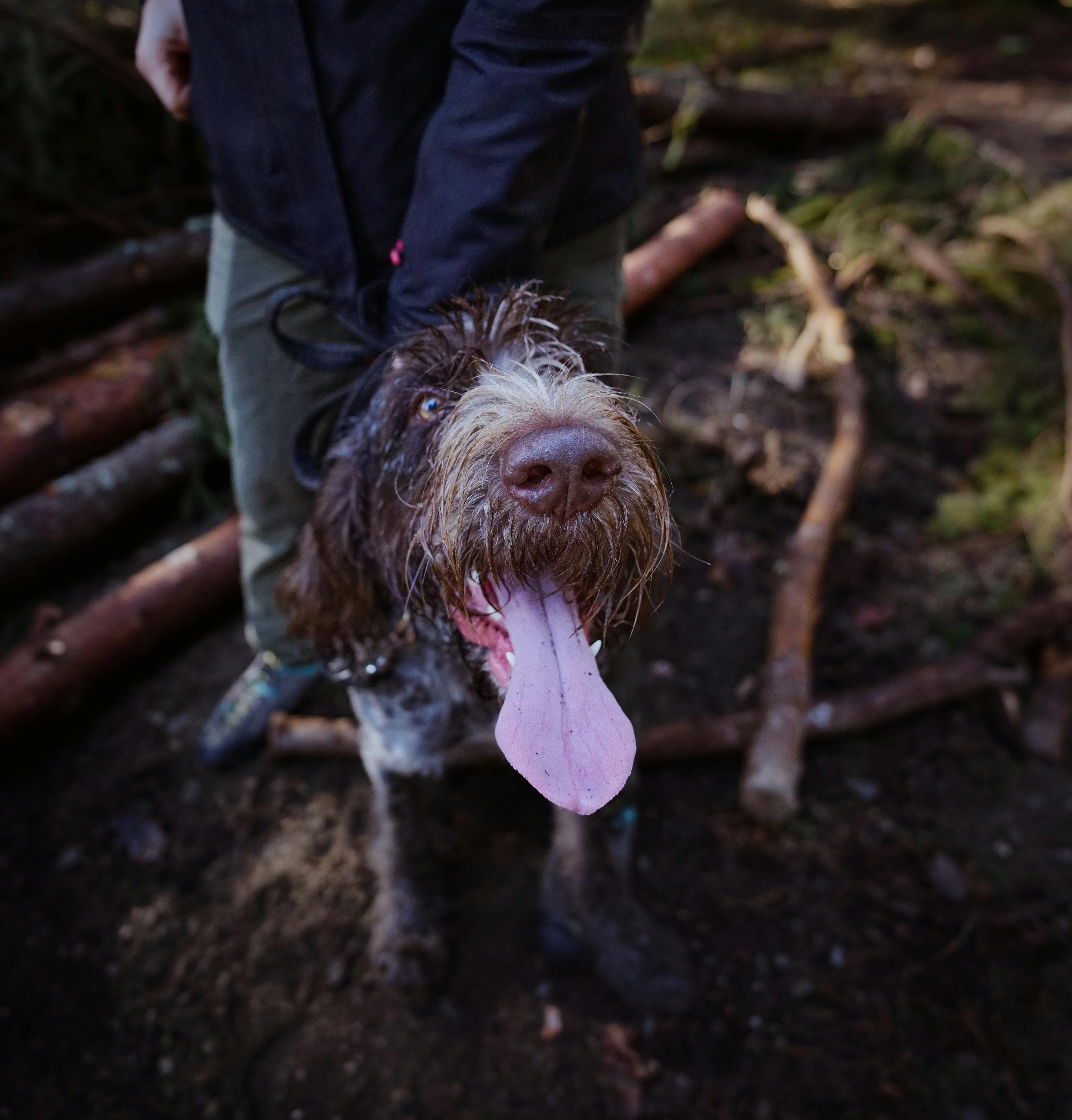 \n\n
\n\nCurious Canines: Do All Dogs Have Wet Noses? Discover the Truth!
\nEver wonder why dogs have wet noses? It’s a common question among dog lovers, and even those who are just curious about our furry friends. The truth is, not all dogs have wet noses all the time, but there’s a pretty good reason why they usually do. So, let’s dive into the fascinating world of canine anatomy and behavior to uncover the science behind those moist snouts.
\nThe Science of Wet Noses
\nDogs have moist noses due to several factors. The wetness helps to enhance their sense of smell, which is much more acute than humans. Dogs have something like 220 million scent receptors compared to our 5 million. When their noses are wet, it allows scent particles to stick better and helps them to detect odors more accurately. Crazy, right?
\nHere’s a breakdown of the reasons why dogs often have wet noses:
\n- \n
- Enhanced Smell: Moisture on a dog’s nose helps absorb scent particles. \n
- Temperature Regulation: Dogs don’t sweat like humans do. Their noses help them cool down. \n
- Health Indicator: A wet nose is usually a sign of good health, but not always. \n
Why Do Some Dogs Have Dry Noses?
\nSometimes, you might notice that your dog’s nose is dry, and it isn’t a cause for alarm every time. There are several reasons why a dog’s nose might be dry:
\n- \n
- Weather Conditions: Hot or dry weather can lead to dehydration of the nose. \n
- Health Issues: Certain health conditions can cause a dog’s nose to become dry. \n
- Age: Older dogs might experience dry noses more often. \n
So, it’s not just about being worried when you see a dry nose. It’s important to consider the context and other signs of health.
\nHistorical Context of Dogs’ Noses
\nDogs have been companions to humans for thousands of years. Historically, their sense of smell was utilized for hunting and herding, making it a valuable asset. It’s believed that the domestication of dogs began around 15,000 years ago, and since then, their noses became essential tools for survival and companionship.
\nThe Role of Dog Breeds
\nDifferent dog breeds can have varying nose conditions. Some breeds, like Bulldogs or Pugs, may have flatter noses which can lead to more dryness. Others, like Retrievers or Hounds, typically have wetter noses due to their genetic traits. Here’s a quick list of breeds and their common nose conditions:
\n- \n
- Retrievers: Generally have wet noses. \n
- Bulldogs: Often have dry noses. \n
- Hounds: Their noses are usually wet and cold. \n
How to Care for Your Dog’s Nose
\nTaking care of your dog’s nose is important, just like any other part of their body. Here’s a quick guide on keeping your dog’s nose healthy:
\n- \n
- Hydration: Ensure your dog drinks enough water. \n
- Moisturizers: In dry weather, consider using dog-safe nose balms. \n
- Regular Checkups: Vet checks can help identify any underlying issues. \n
Interesting Facts About Dogs’ Noses
\nDid you know that dogs’ noses have unique patterns just like human fingerprints? It’s true! Each dog has a distinct nose print that can be used for identification. Here’s a few more fun facts:
\n- \n
- Dogs can smell ten thousand to 100,000 times better than humans. \n
- A wet nose generally feels cooler than a dry one. \n
- Dogs’ noses can pick up scents from a mile away. \n
Conclusion
\nDogs’ wet noses are more than just cute features; they play a crucial role in their health and abilities. While not every dog has a wet nose all the time, understanding the reasons behind it can help pet owners provide better care for their beloved companions. So, the next time you lean in to give your dog a pat, take a moment to appreciate that moist little nose and all the amazing things it does!
\n\nThe Role of a Dog's Wet Nose in Their Sense of Smell: Unpacking the Biology
\n\n \n\n
\n\nDogs are often beloved companions, known for their loyalty, playful nature, and of course, that unmistakable wet nose. But have you ever wondered why do dogs have wet noses? It’s more than just an adorable characteristic; it plays a significant role in their incredible sense of smell. Let’s unpack the biology behind this fascinating feature and understand why wet noses are essential for our furry friends.
\nThe Biology Behind a Dog's Nose
\nDogs have an extraordinary olfactory system that allows them to detect scents far better than humans. In fact, a dog’s sense of smell is estimated to be anywhere from 10,000 to 100,000 times more acute than ours. This remarkable ability is largely due to the structure of their noses, which includes:
\n- \n
- \n
Olfactory Receptors: Dogs have about 300 million olfactory receptors in their noses compared to a human's mere 5 million. This vast number allows them to pick up a wide array of scents.
\n \n - \n
Jacobsen's Organ: Also known as the vomeronasal organ, this specialized structure helps dogs detect pheromones, which are chemical signals used for communication between animals.
\n \n - \n
Wet Surface: The moisture on a dog’s nose plays a crucial role in their ability to smell. It helps to dissolve scent particles, making it easier for the olfactory receptors to identify them.
\n \n
Why Do Dogs Have Wet Noses?
\nThe wetness of a dog's nose is not just for show. Here are several reasons why it is important:
\n- \n
- \n
Enhanced Sensory Function: A wet nose can absorb scent particles better. When moisture coats the nose, it creates a surface that can capture and hold onto scent molecules more effectively.
\n \n - \n
Temperature Regulation: Dogs do not sweat like humans do. Instead, they rely on their noses to help regulate body temperature. The moisture evaporating from their nose helps cool them down.
\n \n - \n
Health Indicator: A dog’s nose can also be a sign of their health. A warm, dry nose might indicate fever or illness, while a cool, wet nose typically suggests that a dog is healthy.
\n \n - \n
Social Interaction: Dogs use their noses to communicate with each other. A moist nose helps them gather information about other animals, such as their health and reproductive status.
\n \n
Comparisons: Dog Noses vs. Human Noses
\nTo better understand the uniqueness of a dog's nose, let's compare it with a human's nose:
\n| Feature | \nDogs | \nHumans | \n
|---|---|---|
| Olfactory Receptors | \n~300 million | \n~5 million | \n
| Ability to Detect Scents | \n10,000 to 100,000 times more | \nLimited | \n
| Wetness | \nAlways moist; helps in smelling | \nMostly dry | \n
| Temperature Regulation | \nEvaporation cools the body | \nSweating through skin | \n
Practical Examples of a Dog’s Sense of Smell
\nDogs are used in many professions that rely on their incredible sense of smell. Some examples include:
\n- \n
- \n
Search and Rescue: Dogs are trained to find missing persons or locate survivors in disaster zones using their scent detection abilities.
\n \n - \n
Detection Work: Many law enforcement agencies utilize dogs to sniff out drugs, explosives, and even currency due to their keen sense of smell.
\n \n - \n
Medical Detection: Some dogs can detect diseases like cancer or diabetes by sensing changes in a person’s scent, making them invaluable in medical settings.
\n \n - \n
Therapy and Support: Emotional support dogs often use their noses to sense their owners' emotions, helping to provide comfort and companionship.
\n \n
Historical Context of Dogs' Sense of Smell
\nThroughout history, dogs have been valued for their olfactory capabilities. Ancient civilizations trained dogs for hunting and tracking, utilizing their natural instincts. Over time, this bond has evolved into modern uses in various fields, from police work to therapy.
\nFun Facts About Dog Noses
\n- \n
- A dog’s nose print is unique, much like a human fingerprint. \n
- The color of a dog’s nose can change with age; for example, a puppy's nose might be pink and darken as they grow. \n
- Some breeds, like Bloodhounds, have an exceptional sense of smell that can track scents days old. \n
Understanding why do dogs have wet noses and the biology behind their sense of smell reveals just how remarkable these animals truly are. Their wet noses are not only adorable but play a critical role in their interactions with the world around them. So the next time you see your furry friend with that moist, cool nose, remember it’s a gateway to a world full of scents and experiences that we can only imagine.
\n\nHow Temperature and Environment Affect Your Dog's Nose Moisture: Important Insights
\n\n \n\n
\n\nDogs are amazing creatures, with their playful attitudes and loyalty. One of the most intriguing aspects about dogs is their noses, particularly, why do dogs have wet noses? The moisture that often coats a dog's nose serves several purposes, and it can be affected by temperature and environment. So let's dive into the fascinating truth about this topic.
\nThe Science Behind Wet Noses
\nA dog's nose is not just a cute feature; it’s actually a complex organ. The surface of a dog's nose is covered in mucous, which keeps it moist. This moisture helps enhance their sense of smell, which is much stronger than a human's. Dogs have up to 300 million olfactory receptors, compared to a human's 5 million. The wetness of the nose helps to capture scent particles from the air, allowing dogs to sniff out smells more effectively.
\nWhy Do Dogs Have Wet Noses?
\n- \n
- \n
Sense of Smell: As mentioned, moisture helps dogs to detect scents better. When the nose is wet, scent particles stick to the surface, which can help the dog identify different smells more accurately.
\n \n - \n
Cooling Mechanism: Dogs don’t sweat like humans do. Instead, they cool themselves through panting and through their noses. A wet nose can help dissipate heat more effectively, cooling the blood vessels near the surface.
\n \n - \n
Health Indicator: A dog’s nose can also indicate its health. Generally, a wet nose is a sign of a healthy dog. However, if the nose becomes dry and cracked, it could be a sign of dehydration or illness.
\n \n - \n
Social Interaction: Dogs often lick their noses, and this behavior can also serve social functions. Wet noses can facilitate social interactions with other dogs and humans, as the moisture can carry scent information.
\n \n
Factors Affecting Nose Moisture
\nTemperature and environmental conditions plays a big role in how moist a dog’s nose is. Here are some key factors:
\n- \n
- \n
Humidity: A higher humidity level can increase the moisture on a dog’s nose. In contrast, dry air can lead to increased dryness.
\n \n - \n
Temperature: Hot weather can dry out a dog's nose faster, while cooler temperatures can keep it moist. For instance, during the summer months, owners might notice their dog’s nose becoming drier.
\n \n - \n
Health Conditions: Certain health issues can affect nose moisture. Allergies, infections, or even autoimmune diseases can lead to changes in a dog's nasal moisture.
\n \n
Practical Tips for Keeping Your Dog's Nose Moist
\nMaintaining the moisture of your dog’s nose is crucial for their well-being. Here are some tips:
\n- \n
- \n
Hydration: Ensure your dog has access to fresh water at all times. Dehydration can lead to a dry nose.
\n \n - \n
Environment: Keep your dog in a comfortable environment. If it's hot, provide shade and water. In cold weather, make sure they are not exposed to the elements for too long.
\n \n - \n
Check for Illness: Regularly observe your dog’s nose. If it becomes persistently dry or shows signs of cracking, consult a veterinarian.
\n \n - \n
Nasal Balms: There are products available specifically for moisturizing a dog’s nose. These can be beneficial, especially in dry climates.
\n \n
Interesting Comparisons
\nLet’s compare dog noses with human noses:
\n| Feature | \nDog Nose | \nHuman Nose | \n
|---|---|---|
| Number of Receptors | \nUp to 300 million | \nAbout 5 million | \n
| Moisture | \nUsually wet | \nUsually dry | \n
| Cooling Mechanism | \nCools through moisture | \nCools through sweating | \n
| Health Indicator | \nWet can indicate health | \nNot a primary indicator | \n
The Fascination Continues
\nThe wetness of a dog's nose is not just a trivial trait; it’s an essential part of their biology and behavior. The combination of environmental factors and health can influence how moist a dog's nose remains. Understanding these details can help pet owners care for their furry friends better.
\nDogs are not just pets; they are companions who rely on us for their health and happiness. By recognizing the importance of their nose moisture, owners can ensure their dogs are living their best lives. So next time you see your dog with a wet nose, remember it’s not just cute — it’s crucial to their health and well-being.
\n\nThe Connection Between Your Dog's Wet Nose and Their Emotional State: What You Need to Know
\n\n \n\n
\n\nHave you ever noticed how your dog’s nose feels cool and wet when you give it a good pat? Most people just think it’s normal, but there’s more to it than you might believe. Dogs have wet noses for a reason, and it’s linked to their emotional state and overall health. So, why do dogs have wet noses? Let’s dive into this fascinating truth and explore the connection between your dog’s wet nose and their feelings.
\nWhy Do Dogs Have Wet Noses?
\nThere are several reasons why dogs have wet noses, and it’s not just because they like to play in the water. Here are some key points to consider:
\n- \n
- \n
Temperature Regulation: Dogs don’t sweat like humans do. Instead, they rely on their noses to help cool themselves down. The moisture on their noses evaporates, which helps regulate their body temperature.
\n \n - \n
Sense of Smell: A wet nose helps dogs smell better. The moisture captures scent particles, allowing dogs to pick up on different smells more effectively. This is why they can track scents so well!
\n \n - \n
Health Indicator: A dog’s nose can also indicate its health. A wet and cool nose typically suggests that a dog is healthy, while a dry or warm nose might indicate illness or fever.
\n \n - \n
Emotional Connection: Dogs express their emotions through their body language. A wet nose can be a sign of excitement or affection. When they nuzzle you with their nose, it’s often a way of showing love.
\n \n
The Emotional State of Your Dog
\nJust like humans, dogs can experience a wide range of emotions. Their wet noses can give you a glimpse into how they’re feeling. Here’s a breakdown of different emotional states and what to look for:
\n- \n
- \n
Happy and Excited: When dogs are happy, they often have wet noses. You may notice them wagging their tails and jumping around. They might also nuzzle you with their damp noses as a way to share their joy.
\n \n - \n
Anxiety or Fear: If a dog is anxious or scared, their nose may become drier. Pay attention to other body language signs, like tucked tails or lowered ears, which may indicate distress.
\n \n - \n
Curiosity: When dogs are curious, their noses are often active. They sniff around everything, and their noses can become wetter as they explore their environment.
\n \n - \n
Comfort: Dogs sometimes use their noses to comfort themselves. A wet nose can be a sign that they’re seeking comfort or reassurance from their owners.
\n \n
Historical Context of the Wet Nose
\nThe relationship between dogs and humans goes back thousands of years. Historically, dogs were bred for specific tasks, including hunting and herding. Their wet noses played a significant role in their ability to perform these jobs. The ability to smell well allowed them to track game and communicate effectively with their human companions.
\nAs dogs became domesticated, their noses also became a tool for emotional bonding. This bond was facilitated by their ability to express feelings through their noses, which has only strengthened over time.
\nPractical Tips for Dog Owners
\nUnderstanding the significance of your dog’s wet nose can help you provide better care for your furry friend. Here are some tips:
\n- \n
- \n
Regular Check-Ups: Keep an eye on your dog’s nose. If it becomes excessively dry or cracked, it may be worth consulting a veterinarian.
\n \n - \n
Hydration: Ensure your dog stays hydrated, especially during hot weather. Proper hydration can help maintain a healthy, moist nose.
\n \n - \n
Observe Behavior: Pay attention to changes in your dog’s behavior or nose condition. If their nose suddenly becomes dry or warm, it could indicate an underlying health issue.
\n \n - \n
Emotional Awareness: Be aware of your dog’s emotional state. If they seem anxious or scared, try to create a calming environment to help them feel safe.
\n \n
Fun Facts about Dog Noses
\n- \n
- \n
Unique Patterns: Just like human fingerprints, every dog’s nose print is unique. This means that you could identify a dog based on its nose print alone!
\n \n - \n
Sensitive Organ: Dogs have over 220 million scent receptors in their noses, compared to a human’s 5 million. This allows them to detect scents at incredibly low concentrations.
\n \n - \n
Nasal Cooling: Dogs can also cool themselves by breathing through their noses. This is another reason why keeping their noses moist is important.
\n \n
Understanding the connection between your dog’s wet nose and their emotional state can enhance the bond you share. By paying attention to their nose and overall behavior, you can provide the care and love they need. So, the next time you feel that cool, damp nose, remember that it’s more than just a physical trait; it’s an important part of your dog’s emotional health and well-being.
\n\n7 Common Myths About Dogs' Wet Noses Debunked: Get the Facts!
\n\n\n\nThere's something captivating about a dog's wet nose, isn't there? Many dog owners have wondered why their furry friends' noses are so moist and if that means something about their health. This article dives into 7 common myths about dogs' wet noses, debunking them and revealing the fascinating truth behind why do dogs have wet noses. So grab a comfy seat and let's get into it!
\nMyth #1: Wet Noses Mean a Dog is Healthy
\nIt's a common belief that a wet nose indicates good health. While moisture can be a sign of hydration, it doesn't always mean a dog is healthy. For instance, dogs can have wet noses due to environmental factors like humidity or after drinking water. On the other hand, a dry nose doesn’t automatically mean illness. So, it’s better to look at your dog's overall behavior and additional health signs, not just the nose.
\nMyth #2: A Wet Nose is a Sign of a Dog’s Mood
\nMany people think that the wetness of a dog's nose can tell you how they are feeling. However, mood in dogs is expressed through body language and vocalizations rather than nose moisture. Dogs can be excited, anxious, or relaxed all while having a wet nose. Therefore, understanding your dog's mood requires observation beyond just their nose.
\nMyth #3: Dogs Have Wet Noses to Regulate Temperature
\nWhile it’s true that dogs sweat through their paw pads, the wetness of their noses actually serves a different purpose. Dogs' noses are moist due to a special layer of tissue that helps them absorb scent particles. This enhanced sense of smell is way more important than temperature regulation. So, their noses are more about sniffing than cooling down!
\nMyth #4: All Dogs Have Wet Noses
\nNot every dog has the same level of nose moisture. Some breeds, like Bulldogs or Pugs, might have drier noses because of their facial structure. Environmental factors, health conditions, or just individual differences can affect how wet or dry a dog’s nose is. So, don’t compare your dog’s nose to another’s; it’s all about what’s normal for them!
\nMyth #5: Wet Noses are Always a Sign of Licking
\nSure, we often see dogs licking their noses, but that’s not the only reason they stay moist. Dogs also have mucous glands that keep their noses hydrated. When they sniff around, their nose absorbs more moisture from the air, helping them pick up scents better. So, while licking does contribute to moisture, there’s more going on than just that.
\nMyth #6: A Wet Nose Can Tell You if a Dog is Sick
\nMany dog owners worry that a dry nose is a sign of sickness. However, the state of a dog's nose is not a reliable indicator of health. Factors like dehydration, allergies, or even the weather can affect nose moisture. It’s important to monitor for other symptoms like lethargy, loss of appetite, or changes in behavior as better indicators of your dog's health.
\nMyth #7: Dogs Only Have Wet Noses Because They’re Dogs
\nThis one is a bit of a head-scratcher. While it’s easy to assume that wet noses are just a characteristic of dogs, the truth is more complex. Animals like cats and even some wild animals also have moist noses. The moisture helps with scent detection in many species, not just dogs. So, wet noses are part of a larger evolutionary strategy across various animal groups.
\nThe Fascinating Truth About Dogs' Wet Noses
\nSo, why do dogs have wet noses? Here’s a quick summary of the facts:
\n- \n
- Dogs' noses are moist primarily to enhance their sense of smell. \n
- Nose wetness can vary by breed, climate, and individual health. \n
- Licking is one way noses stay moist, but they also have natural mucous. \n
- A wet or dry nose alone cannot determine a dog’s health. \n
- Observing your dog's overall behavior is crucial for understanding their well-being. \n
If you're ever in doubt about your dog’s health, consulting a veterinarian is the best course of action. Remember, while their wet noses are adorable and intriguing, they are just one piece of the puzzle in understanding our canine companions.
\nNext time you lean down to give your pup a scratch behind the ears, take a moment to appreciate that wet nose and all the fascinating facts that come with it!
\n\nWhy Puppies Have Wetter Noses Than Adult Dogs: Exploring Developmental Changes
\n\n \n\n
\n\nHave you ever noticed how puppies have those adorably wet noses, while adult dogs seem to have a change in that feature? It’s a curious thing that many dog owners, trainers, and even veterinarians ponder over. The wetness of a dog's nose is more than just a quirky characteristic; it’s deeply tied to their biology, health, and even emotions. So why do puppies have wetter noses than adult dogs? Let’s dive into this fascinating topic and unveil the mystery behind why do dogs have wet noses.
\nThe Biology Behind Wet Noses
\nDogs, like many mammals, have nose that serves a critical function. Here’s some interesting facts about dog noses:
\n- \n
- Sense of Smell: A dog's sense of smell is far superior to that of humans, being about 10,000 to 100,000 times more sensitive. The wetness of a dog’s nose plays an important role in enhancing this sense. The moisture traps scent particles, allowing dogs to smell better. \n
- Temperature Regulation: A wet nose can help dogs regulate their body temperature. Dogs don’t sweat like humans do, so they rely on their nose and panting to cool off. \n
- Health Indicator: A wet nose is often considered a sign of a healthy dog. However, this isn’t a hard and fast rule. Some dogs can be perfectly healthy with a dry nose, but the moisture level does give some indicators of hydration and overall health. \n
Why Do Puppies’ Noses Seem Wetter?
\nPuppies, being young and full of energy, often have a wetter nose compared to their older counterparts. There are several reasons for this difference:
\n- \n
- Developmental Stage: Puppies are still developing, and their bodily functions are not fully matured. Their noses produce more mucus, leading to increased wetness. \n
- Higher Activity Levels: Puppies tend to be more active, which means they might be panting more. Panting can cause more saliva to drip onto their noses, making them appear wetter. \n
- Exploration: Puppies often explore their world through their noses. They might be sniffing around and getting their noses wet from various surfaces. \n
Comparing Puppies and Adult Dogs
\nIt’s interesting to see the differences between the noses of puppies and adult dogs. Here’s a simple comparison:
\n| Characteristic | \nPuppies | \nAdult Dogs | \n
|---|---|---|
| Nose Wetness | \nGenerally wetter | \nCan be drier | \n
| Mucus Production | \nHigher | \nLower | \n
| Activity Level | \nVery high | \nVaries by breed/age | \n
| Temperature Regulation | \nDeveloping | \nMore stable | \n
The Fascinating Truth About Dog Noses
\nThere’s no denying that dog noses are fascinating. But why do dogs have wet noses, really? Here are some more reasons to ponder:
\n- \n
- Scent Reception: The moisture on a dog’s nose helps to dissolve scent molecules, increasing the ability to detect smells. This is crucial in hunting or search and rescue operations. \n
- Communication: Dogs also use their noses to communicate with each other and with humans. A wet nose can be a sign of excitement and friendliness, while a dry nose might suggest something is off. \n
- Environmental Factors: The environment can impact the wetness of a dog’s nose. Humidity, temperature, and even health can cause fluctuations in moisture levels. \n
Practical Examples of Nose Wetness Impacting Dogs
\nUnderstanding why do dogs have wet noses can help owners better care for their pets. Here are some practical examples:
\n- \n
- Health Monitoring: If a dog’s nose suddenly becomes dry or warm, it might indicate illness. Owners should observe other symptoms and consult a veterinarian if necessary. \n
- Hydration: Dogs with drier noses may need more hydration. Fresh water should always be available, especially in hot weather. \n
- Behavioral Insights: A wet nose can indicate a happy dog. If your dog greets you with a wet nose, they are likely excited to see you! \n
The wet noses of our furry friends are not just cute features but essential aspects of their health and communication. Puppies tend to have wetter noses due to their developmental stage, activity levels, and exploratory behavior. On the other hand, adult dogs may show variations based on health and environment. By understanding these differences, dog owners can better appreciate and care for their beloved pets.
\n\nKeeping Your Dog's Nose Healthy: Tips for Maintaining Optimal Moisture Levels
\n\n \n\n
\n\nKeeping Your Dog's Nose Healthy: Tips for Maintaining Optimal Moisture Levels, Why Do Dogs Have Wet Noses? Unveiling The Fascinating Truth, why do dogs have wet noses
\nDogs are often considered man's best friend, and part of what makes them so lovable is their wet noses. Have you ever wonder why they have those moist little snouts? It's not just adorable; there’s science behind it. In this article, we gonna explore the reasons behind your dog’s wet nose, and how you can maintain its health to keep your furry friend happy and comfortable.
\nThe Science of a Wet Nose
\nTo understand why dogs have wet noses, we first need to look at the biology of dogs. A dog's nose is covered in a special kind of skin that helps them to absorb scents. The moisture on a dog's nose serves several important functions:
\n- \n
- \n
Scent Enhancement: The moisture helps to trap scent particles, allowing dogs to smell better. This is why dogs are often used in search-and-rescue missions or to detect drugs.
\n \n - \n
Thermoregulation: Dogs don't sweat like humans do. Instead, they cool themselves primarily through their noses and paw pads. A wet nose helps in regulating their body temperature, especially during warm days.
\n \n - \n
Health Indicator: A change in the moisture level of your dog’s nose can indicate health issues. A dry nose can sometimes signal dehydration or fever, while a wet nose is generally a sign of good health.
\n \n
Keeping Your Dog's Nose Healthy
\nMaintaining optimal moisture levels in your dog’s nose is important for their overall health. Here’s some tips to keep that nose healthy and moist:
\n- \n
- \n
Hydration is Key: Always ensure that your dog has access to fresh water. Dehydration can lead to a dry nose, which isn’t good.
\n \n - \n
Humidity Matters: Dogs do better in humid environments. If you live in a particularly dry area, consider using a humidifier, especially during winter months when indoor air can be very dry.
\n \n - \n
Regular Check-ups: Regular veterinary visits can help catch any potential health issues early on. Your vet can check your dog’s nose as part of a routine examination.
\n \n - \n
Avoid Irritants: Keep your dog away from smoke, chemicals, and other irritants that could dry out their nose. This includes certain cleaning products and even some air fresheners.
\n \n - \n
Use Nose Balm: Just like human skin, a dog’s nose can get chapped. There are dog-friendly balms available that can help moisturize their noses.
\n \n
Common Myths About Dog Noses
\nThere are many myths surrounding dog noses. Here are some that you might have heard:
\n- \n
- \n
Myth 1: A dry nose means a sick dog.
\n
\nFact: While a very dry nose can indicate illness, many healthy dogs can have a dry nose, especially after a nap or in dry conditions. \n - \n
Myth 2: Dogs can only smell with their noses.
\n
\nFact: Dogs can also smell through their mouths, which is why you may see them sniffing with their mouths slightly open. \n - \n
Myth 3: All dogs' noses are the same.
\n
\nFact: Just like fingerprints in humans, every dog has a unique nose print. \n
Fun Facts About Dog Noses
\nHere are some interesting facts you may not know about dog noses:
\n- \n
- \n
Dogs have up to 300 million smell receptors in their noses, compared to about 6 million in humans.
\n \n - \n
The texture of a dog's nose can be as unique as a fingerprint, and it can actually be used to identify them.
\n \n - \n
Puppies are born with dry noses, and they begin to develop that characteristic moisture within a few weeks.
\n \n
Conclusion
\nUnderstanding your dog's nose is not just a matter of curiosity but also vital for their health. A healthy, moist nose is often a good sign of overall well-being. By keeping your dog hydrated, ensuring they’re in a humid environment, and avoiding irritants, you can help maintain that important moisture level. So, the next time you give your pup a scratch behind the ears, take a moment to appreciate that wet little nose and all the wonders it brings!
\n\nConclusion
\n\nIn conclusion, the wet noses of dogs serve several important functions that contribute to their overall health and behavior. The moisture on their noses enhances their sense of smell, allowing them to detect scents more effectively—an essential trait for their survival and communication. Additionally, a wet nose helps regulate their body temperature and can indicate hydration levels. While the common belief that a cold, wet nose means a healthy dog holds some truth, it’s essential to recognize that individual health can vary. If you notice any significant changes in your dog's nose or overall behavior, consulting a veterinarian is always a good practice. So, the next time you marvel at your furry friend’s wet nose, remember it’s not just an adorable feature; it’s a vital part of their biology that aids in their interaction with the world. Embrace your dog's unique traits and give them the love and care they deserve!
\n\n