
Have you ever wondered, why do dogs have wet noses? This intriguing question has left many pet owners scratching their heads! The truth behind this phenomenon is not only fascinating but also reveals some essential insights about our furry friends. Dogs’ noses are often moist, and this wetness serves a critical purpose. It helps them smell better—yes, that’s right! A wet nose can enhance their sense of smell, making them even more adept at detecting scents. But there is more to it than just sniffing around. Wet noses also play a role in thermoregulation, helping dogs cool down, especially during hot summer days. Curious yet? Have you considered how this unique trait can affect your pet’s health? Understanding the reasons behind this canine characteristic can help you better care for your furry companions. From exploring the science of a dog’s sense of smell to learning about their overall health, this topic is packed with knowledge that every dog lover should know! So, let’s dive deeper and uncover the fascinating truth about why dogs have wet noses and what it means for their well-being. Get ready to discover the secrets your pup’s nose holds!
The Science Behind Canine Moisture: Why Are Dogs’ Noses Always Wet?
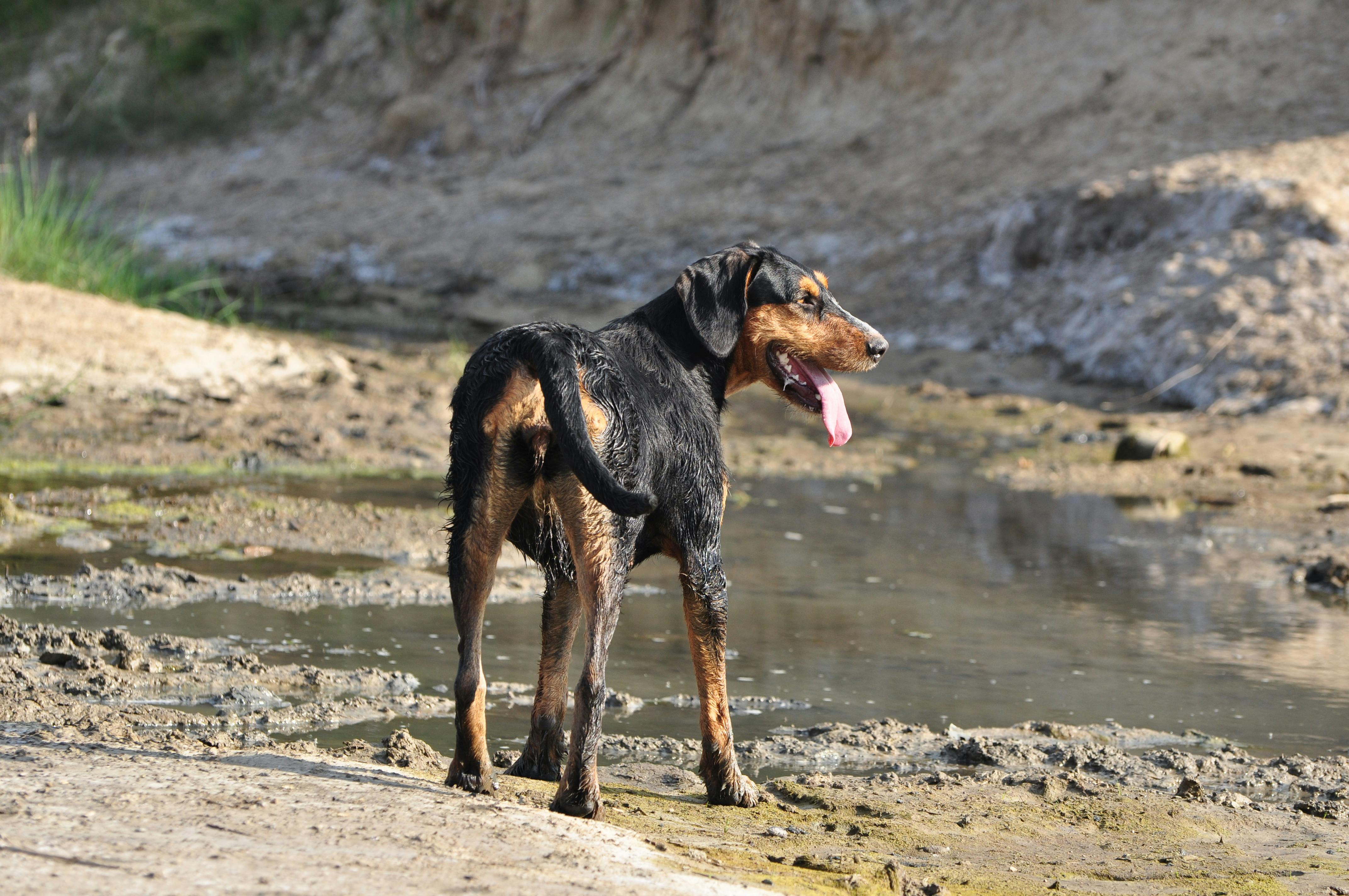
Have you ever wonder why dogs have wet noses? It’s a question that many dog owners might ask, and the answer is more than just a curious quirk of nature. There’s actually some science behind it, and it’s pretty fascinating. Let’s dive into the reasons why dogs’ noses are always moist and what that means for their health and behavior.
The Anatomy of a Dog’s Nose
Dogs’ noses are distinctly different from humans. Their sense of smell is about 10,000 to 100,000 times more sensitive than ours. This incredible ability comes from the specialized structure of their noses. Here are a few interesting facts about their anatomy:
- Nasal Mucosa: The inside of a dog’s nose is lined with moist tissue called nasal mucosa, which helps to absorb scent molecules.
- Nasal Turbinates: These are bony structures inside the nose that increase the surface area for scent detection.
- Moisture Production: Dogs secrete moisture from their nasal glands, which helps to enhance their sense of smell.
Why Are Dogs’ Noses Wet?
So, why do dogs have wet noses? Well, moisture plays a crucial role in how dogs experience the world around them. When a dog sniffs something, the moisture on their nose helps to trap scent particles. This makes it easier for them to identify different smells. Here are some key points about the moisture on a dog’s nose:
- Scent Detection: The wetness helps to capture scent molecules, enhancing their ability to detect odors.
- Cooling Mechanism: A wet nose can also help to regulate body temperature. Dogs don’t sweat like humans do, so they rely on their noses and panting to cool off.
- Health Indicator: A dog’s nose can be a sign of their health. A consistently dry nose may indicate dehydration or illness, while a moist nose is generally a sign of a healthy dog.
Historical and Cultural Context
The fascination with dogs’ noses goes back centuries. In ancient cultures, dogs were often seen as symbols of loyalty and companionship. Their incredible sense of smell has been utilized in various fields, from hunting to search and rescue. Here’s a brief look at some historical uses of dogs’ noses:
- Hunting: Dogs were bred for their ability to scent and track game.
- Search and Rescue: Today, specially trained dogs are used in search missions due to their keen sense of smell.
- Medical Detection: Some dogs can even detect diseases like cancer or diabetes through scent alone.
Fun Facts About Dogs’ Noses
There’s so much more to dogs’ noses than just moisture. Here are some fun facts that you might not know:
- Dogs have unique nose prints, similar to human fingerprints.
- The color of a dog’s nose can vary widely, from black to pink, depending on the breed and genetics.
- Dogs can detect certain smells even in tiny concentrations, which is why they are often used in law enforcement and medical fields.
Comparing Dog Noses to Human Noses
It’s interesting to compare our noses to those of dogs. Here’s a quick table to illustrate some differences:
| Feature | Dog Nose | Human Nose |
|---|---|---|
| Size | Much larger in proportion | Smaller relative to body |
| Moisture | Always moist | Generally dry |
| Scent Detection | Extremely sensitive | Less sensitive |
| Purpose | Scent tracking and cooling | Breathing and smelling |
Practical Examples of Nose Moisture
Dogs naturally lick their noses, which keeps them moist. It’s a common behavior and serves several purposes. Here are a few practical examples of what this moisture means:
- Exploration: When a dog licks its nose, it’s often trying to gather more information about its environment.
- Health Checks: Regularly monitoring your dog’s nose can help you catch signs of illness. If the nose is dry and cracked, it might be time to visit the vet.
- Behavioral Insight: A dog may frequently lick its nose when anxious or stressed, so understanding this behavior can help you manage their emotions.
The science behind canine moisture is both fascinating and practical. It reveals how dogs interact with their world and how they communicate their health and emotions. Recognizing the reasons why dogs have wet noses can deepen your understanding of these beloved pets. Whether you’re a new dog owner or a seasoned veteran, appreciating the unique characteristics of your canine companion can enhance the bond you share. Understanding your dog’s moist nose is just one part of getting to know them better.
5 Surprising Reasons Your Dog’s Nose Is Wet: What It Means for Their Health
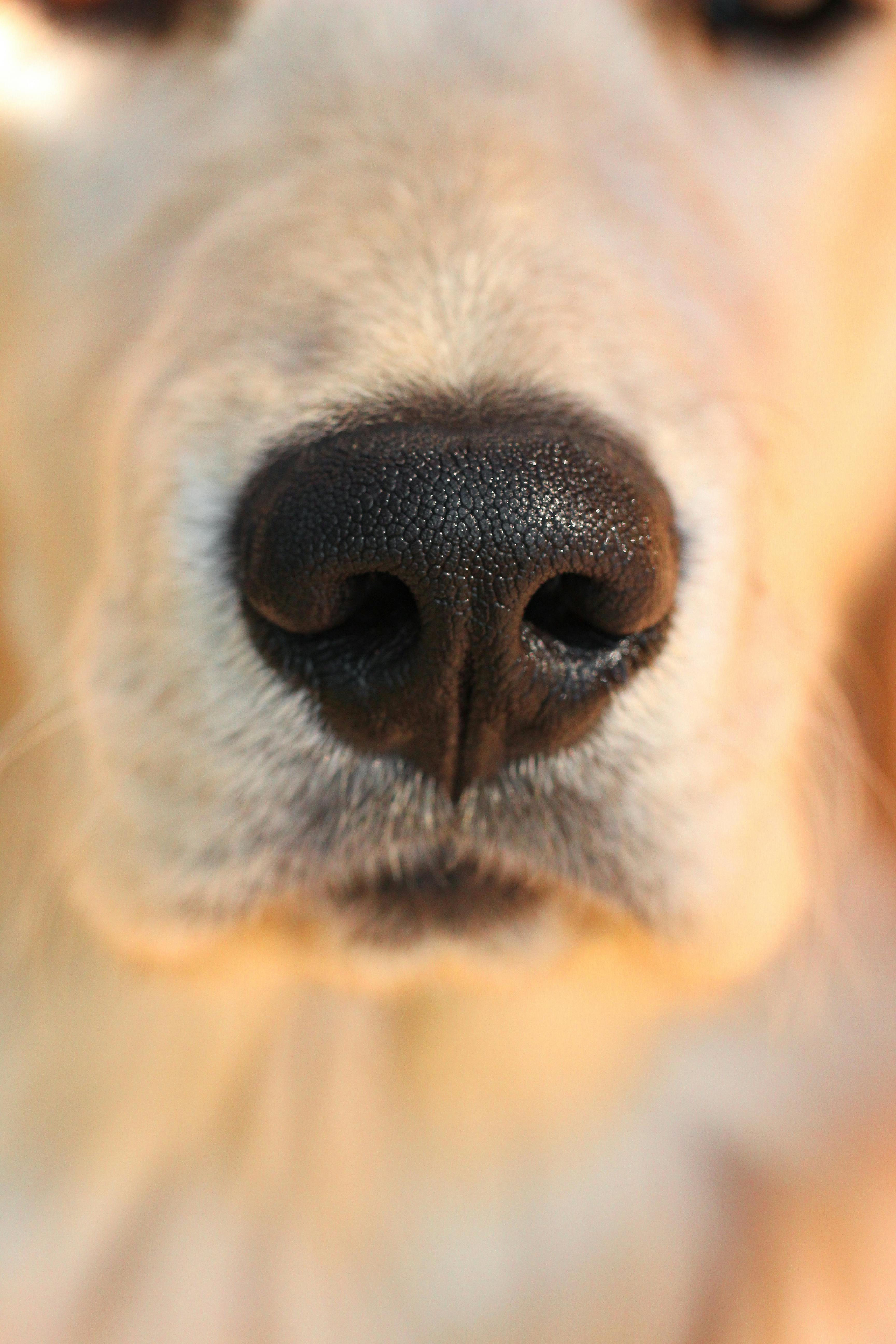
Have you ever noticed how your dog’s nose feels like a little sponge? You probably wondered why do dogs have wet noses and what it means for their health. Surprisingly, there’s more to this than just a simple trait. In fact, there are several fascinating reasons behind those wet snouts, some of which might just blow your mind! Let’s uncover five surprising reasons your dog’s nose is wet and what it says about their well-being.
1. Natural Cooling System
Dogs don’t sweat like humans do. Instead, they rely on their noses and panting to regulate their body temperature. A wet nose helps dogs cool down by evaporating moisture, just like sweating for us. When a dog is feeling hot, you may notice their nose getting wetter. In fact, it’s like a little air conditioning unit for them! If their nose is dry, it could be a sign that they’re overheating or need a break from the sun.
2. Enhanced Scent Detection
Did you know that a dog’s sense of smell is around 40 times better than a human’s? That’s right! A wet nose actually helps enhance their olfactory abilities. The moisture on their nose captures scent particles from the air, making it easier for them to detect and identify smells. This is why dogs are often used in search and rescue missions or to sniff out contraband. So, next time your pup is sniffing around, remember it’s their superpower at work!
3. Sign of Good Health
A wet nose is often considered a sign of a healthy dog. Vets frequently check a dog’s nose moisture as part of a routine examination. A moist nose usually indicates that your dog is hydrated and well. However, it’s not just about wetness. The temperature and texture also matter. A warm or dry nose might indicate a fever or illness, so keep an eye on those nose conditions!
4. Emotional Indicator
Dogs are emotional creatures, and their noses can reflect their moods. A wet nose can indicate excitement or happiness. You might notice it when they’re playing or greeting you after a long day. On the flip side, a dry nose can sometimes be a sign of stress or anxiety. Understanding these subtle cues can help you better connect with your furry friend. Dogs communicate in their own ways, and their noses are part of that language!
5. Grooming Behavior
Dogs often lick their noses, which keeps them moist and helps them gather more scents. This behavior is instinctual. In the wild, canines would lick their noses to gather information about their environment. Even domesticated dogs tend to inherit this behavior, so you might catch your pup giving their snout a little lick now and then. It’s a natural way for them to stay aware of their surroundings!
Quick Facts About Dog Noses
- Dogs have about 220 million scent receptors compared to humans’ 5 million.
- A dog’s nose can change temperature depending on their health.
- The moisture on a dog’s nose can vary throughout the day.
- Different dog breeds may have different nose textures and moisture levels.
Understanding Your Dog’s Health Through Their Nose
Here’s a little chart on what different nose conditions might mean for your dog’s health:
| Nose Condition | Possible Meaning |
|---|---|
| Wet and Cool | Healthy and hydrated |
| Dry and Warm | Possible fever or dehydration |
| Cracked | Dehydration or environmental stress |
| Constantly Wet | Could be allergies or infections |
When you notice changes in your dog’s nose, it’s important to monitor their overall behavior too. If they seem lethargic, not eating, or showing other unusual signs, it might be time for a vet visit.
So, the next time you ask yourself, “Why do dogs have wet noses?” remember that it’s not just a quirky trait. It’s a multifunctional feature that plays a vital role in their health, communication, and overall happiness. From cooling off to enhancing their sense of smell, those wet noses are doing more than you might think! Embrace the fascinating truth about your furry friend’s snout and keep an eye on those little signals they send your way. After all, our dogs rely on us to understand them better!
The Fascinating Evolution of Dogs’ Wet Noses: Nature’s Unique Design

Dogs have been companions to humans for thousands of years, and their unique characteristics often spark curiosity. One of the most intriguing features of dogs is their wet noses. Why do dogs have wet noses? This question leads us down a path of fascinating evolution, biology, and some surprising facts about these beloved pets.
The Science Behind Wet Noses
A dog’s nose is not just for sniffing; it’s a complex organ that plays a vital role in their health and behavior. The wetness of a dog’s nose is primarily a result of mucus production. This mucus serves multiple important functions.
- Enhanced Smell: Dogs have an incredible sense of smell, estimated to be anywhere from 10,000 to 100,000 times more sensitive than that of humans. A wet nose helps to capture scent particles in the air, enhancing their ability to detect various smells.
- Temperature Regulation: Dogs don’t sweat like humans do. Instead, they rely on panting and the moisture on their noses to help cool down. When a dog’s nose is wet, it can help regulate their body temperature more effectively.
- Health Indicator: A wet nose can sometimes indicate a dog’s overall health. If a dog’s nose is unusually dry or cracked, it might be a sign of dehydration, fever, or other health issues.
The Evolutionary Perspective
When we look at the evolutionary history of dogs, it becomes clear that their wet noses are not just a random trait. Dogs are descendants of wolves, and their noses have evolved to meet the needs of survival in the wild.
- Hunting and Foraging: Early canines relied on their sense of smell to track prey. A wet nose would have given them an edge in locating food, contributing to their survival and eventually leading to domestication.
- Communication: Dogs use their noses to communicate with each other and with humans. The wetness enhances their ability to pick up pheromones, which are critical for social interactions.
Fun Facts About Dogs’ Noses
Here are some fascinating tidbits about dogs’ noses that you might not know:
- Unique Patterns: Just like human fingerprints, every dog has a unique nose print. This could potentially be used for identification.
- Color Variations: The color of a dog’s nose can vary greatly depending on breed and genetics. Some breeds have black noses, while others may have brown or even spotted noses.
- Size Matters: Larger breeds tend to have larger noses, which can enhance their sense of smell. Smaller breeds, however, may not have the same olfactory capabilities as their larger counterparts.
Comparing Wet and Dry Noses
It might be interesting to compare the characteristics and implications of wet versus dry noses in dogs. Here’s a simple breakdown:
| Wet Nose | Dry Nose |
|---|---|
| Good for smelling | Could indicate health issues |
| Helps with temperature control | May suggest dehydration |
| Normal for most breeds | Can be a sign of illness |
| Enhances communication | May need veterinary attention |
Practical Implications for Dog Owners
Understanding why do dogs have wet noses can empower dog owners to take better care of their pets. Here are some practical tips:
- Monitor Nose Condition: Regularly check your dog’s nose. If it appears excessively dry, cracked, or if your dog seems lethargic, it may be time for a vet visit.
- Hydration: Make sure your dog has access to fresh water at all times. Proper hydration can help maintain a healthy, wet nose.
- Temperature Awareness: Be mindful of the weather. On hot days, ensure your dog is not overexerting themselves, as this can lead to overheating.
The truth behind dogs’ wet noses is indeed fascinating and reflects the remarkable adaptations these animals have undergone through evolution. These moist noses are not just an aesthetic feature; they serve essential functions that enhance a dog’s life and help them thrive. The next time you see your furry friend with that delightful wet nose, remember there’s a world of biology and evolution behind it, shaping it into the perfect design for nature’s most loyal companion.
How a Wet Nose Enhances Your Dog’s Sense of Smell: Discover the Connection
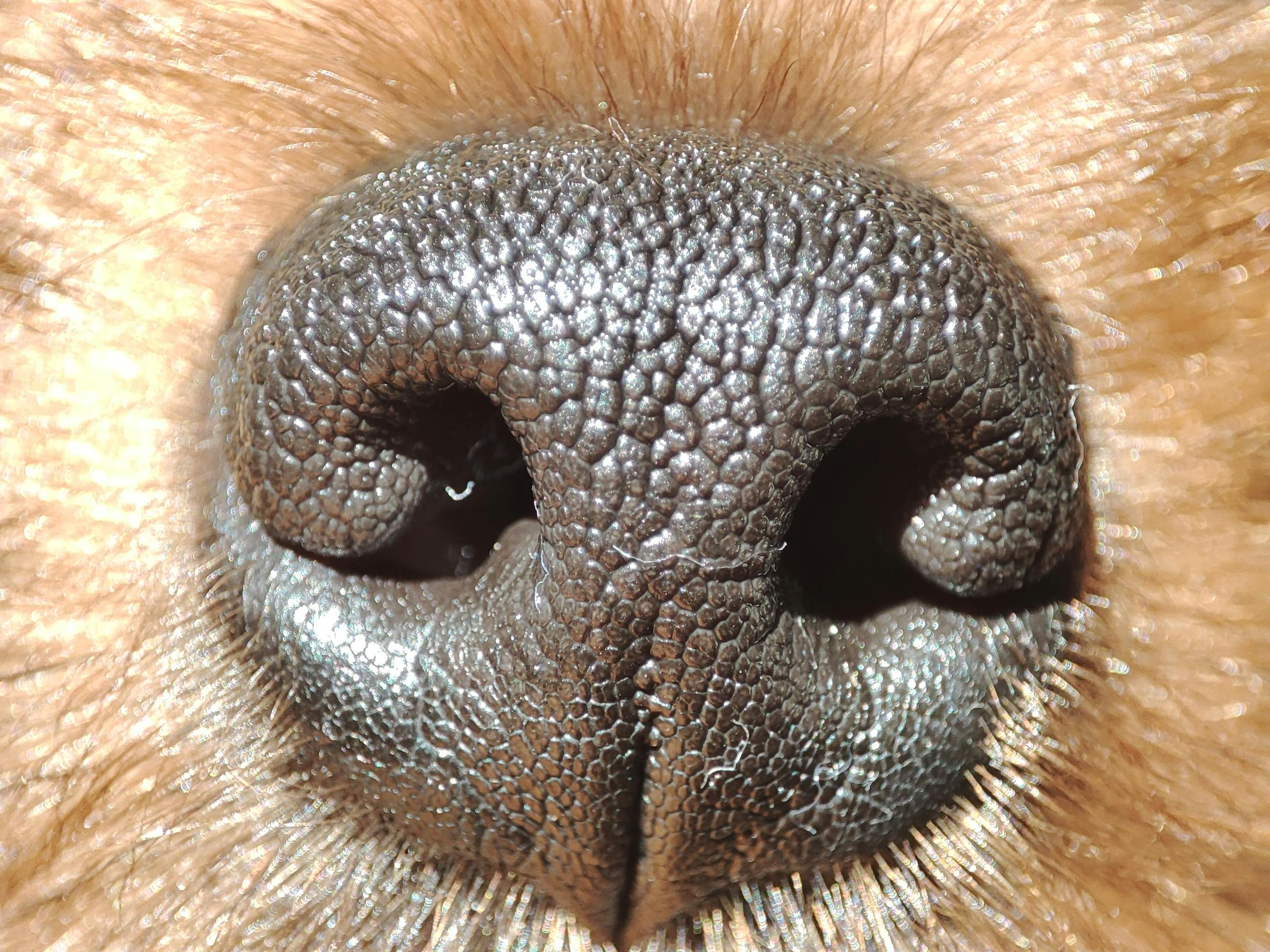
Dogs are often known for their incredible sense of smell, but have you ever wondered how a wet nose enhances your dog’s ability to sniff out things? It’s a fascinating topic, and many people may not know the science behind why do dogs have wet noses. Let’s explore the connection between a dog’s wet nose and its remarkable olfactory powers.
Why Do Dogs Have Wet Noses?
A dog’s nose is not just for show, it’s a complex organ that plays a vital role in their ability to interact with the world. Most dogs have moist noses, and this wetness is important for a few reasons:
Enhanced Scent Detection: Dogs’ noses contain special receptors that are more sensitive when they are moist. The wet surface helps to trap scent particles from the air, allowing dogs to detect smells more efficiently.
Temperature Regulation: Dogs also sweat through their noses. When the environment is hot, a wet nose helps them cool down. This cooling effect can help them maintain optimal body temperature, which can indirectly affect their sense of smell.
Health Indicator: A dog’s nose can be an indicator of their health. A consistently dry or cracked nose might suggest dehydration or illness, while a healthy wet nose is typically a sign of a well-hydrated and happy dog.
The Anatomy of a Dog’s Nose
To understand why a wet nose is so important, one must consider the anatomy of a dog’s nose. The dog’s nose is made up of several parts:
Nasal Cavity: This is where the air containing scent molecules enters. It’s lined with olfactory receptors that are responsible for detecting smells.
Vomeronasal Organ (Jacobson’s Organ): This organ helps dogs detect pheromones and other chemical signals. It’s crucial for communication and social interactions among dogs.
Mucous Membrane: The moisture on the nose comes from this membrane, which keeps the nose moist and helps trap scent particles.
Comparison of Dog and Human Smell Abilities
People often wonder how dogs compare to humans in terms of smell. Here is a simple comparison:
Receptors:
- Dogs: Approximately 300 million olfactory receptors.
- Humans: About 5 million olfactory receptors.
Sensitivity:
- Dogs can detect some scents at parts per trillion, while humans can only detect scents at parts per million.
Olfactory Bulb Size:
- Dogs: The olfactory bulb in their brain is proportionally larger, which allows them to process scents more effectively.
- Humans: Smaller olfactory bulb, leading to a less developed sense of smell.
Fascinating Facts About Dogs’ Sense of Smell
Scent Discrimination: Dogs can differentiate between different scents and even identify specific individuals by their unique smell. This is why they are often used in search and rescue operations.
Tracking: Bloodhounds, known for their incredible tracking abilities, can follow a scent trail that is several days old. Their wet noses play a crucial role in this process.
Emotional Detection: Dogs can detect human emotions through scent. They can smell stress hormones in sweat, which is why they are often used as therapy dogs.
Scent Memory: Dogs have a remarkable memory for scents. They can remember and recognize smells for years, helping them to identify previous encounters with people, animals, or objects.
The Role of a Wet Nose in Dog Behavior
A dog’s wet nose also plays a role in their behavior. For example:
Greeting Behavior: Dogs often use their noses to greet others, human or animal. A wet nose can signify friendliness and curiosity.
Marking Territory: Dogs may use their noses to explore and mark their territory, leaving their scent on various objects.
Communication: The moisture in a dog’s nose can help them communicate with other dogs through scent, which is essential for social interactions.
In conclusion, the wetness of a dog’s nose is much more than just a cute feature. It significantly enhances their ability to smell, helps with temperature regulation, and serves as a health indicator. Knowing this can deepen our appreciation for these remarkable animals and their extraordinary olfactory talents. Understanding how a wet nose enhances your dog’s sense of smell is an exciting journey into the world of canine biology.
Are Wet Noses a Sign of a Healthy Dog? Understanding Canine Health Indicators

Ever wonder why your furry friend’s nose is always wet? Many dog owners often think a wet nose means their dog is healthy, but is that really the case? In this article, we will explore the fascinating truth behind why dogs have wet noses, what it means for their health, and other indicators of canine well-being.
The Science Behind Wet Noses
Dogs’ noses are moist for a few reasons. One of the primary reasons is that it helps them detect scents better. A wet surface can capture scent particles more efficiently, allowing dogs to smell things that humans can’t even imagine. This phenomenon is due to the special glands in their noses that produce mucus, which helps to trap these scent particles.
Did you know that dogs have an exceptional sense of smell? They have up to 300 million olfactory receptors in their noses, compared to a human’s mere 5 million. This incredible ability makes their noses essential tools for hunting, tracking, and even detecting diseases in humans.
Other Canine Health Indicators
While a wet nose is often seen as a sign of health, there are other factors to consider when evaluating your dog’s overall well-being. Here are some important indicators:
Energy Levels: A healthy dog is usually full of energy. If your dog seems lethargic or uninterested in play, it could be a sign of an underlying issue.
Appetite Changes: Sudden changes in appetite — whether eating too much or too little — can indicate health problems.
Coat Condition: A shiny, clean coat generally indicates a healthy dog. Dull or flaky coats may suggest dietary deficiencies or health issues.
Behavioral Changes: If your dog begins to act differently, like being more aggressive or withdrawn, this may signify stress or health concerns.
Why Do Dogs Have Wet Noses?
The reasons dogs have wet noses goes beyond just their ability to smell better. Here are some fascinating facts:
Thermoregulation: Dogs don’t sweat like humans do. Instead, they rely on their noses to help regulate body temperature. The moisture helps cool them down when they are hot.
Health Monitoring: A dog’s nose can change depending on their health. A very dry nose might indicate dehydration or fever, while a cold, wet nose is often a sign of a healthy dog. However, this isn’t a definitive rule.
Natural Behavior: Dogs tend to lick their noses frequently. This behavior keeps their noses moist and helps them process scents better.
Genetics: Some breeds have wetter noses than others. For instance, hound breeds typically have moister noses compared to terriers.
The Myth of the Healthy Wet Nose
Many dog owners believe that a wet nose is a sure sign of good health. However, this isn’t always true. Here are some common myths and realities:
Myth: A wet nose means my dog is healthy.
Reality: While a wet nose is often a good sign, it’s not the only indicator of health. Always consider other factors.
Myth: Dry noses mean illness.
Reality: A dry nose can be normal, particularly after a nap or in certain weather conditions.
Practical Tips for Monitoring Your Dog’s Health
Taking care of your dog’s health is crucial. Here are some practical tips for monitoring their well-being:
Regular Vet Check-ups: Schedule annual vet visits to catch any potential health issues early.
Watch for Changes: Keep an eye on your dog’s nose, but also look at their behavior, eating habits, and energy levels.
Hydration is Key: Make sure your dog has constant access to fresh water, especially during hot weather.
Proper Nutrition: Feed your dog a balanced diet suitable for their breed, age, and health condition.
Grooming: Regular grooming helps maintain skin and coat health, which is important for overall well-being.
The Bottom Line
Wet noses can indeed be a sign of a healthy dog, but they are just one piece of the puzzle when it comes to understanding canine health. As a dog owner, you must pay attention to various factors that contribute to your furry friend’s well-being. Remember that each dog is unique, and what works for one may not apply to another. It’s always best to consult with your veterinarian for tailored advice. Keeping your dog happy and healthy is a rewarding journey filled with love and companionship!
The Role of Temperature Regulation: Why Dogs Need Wet Noses
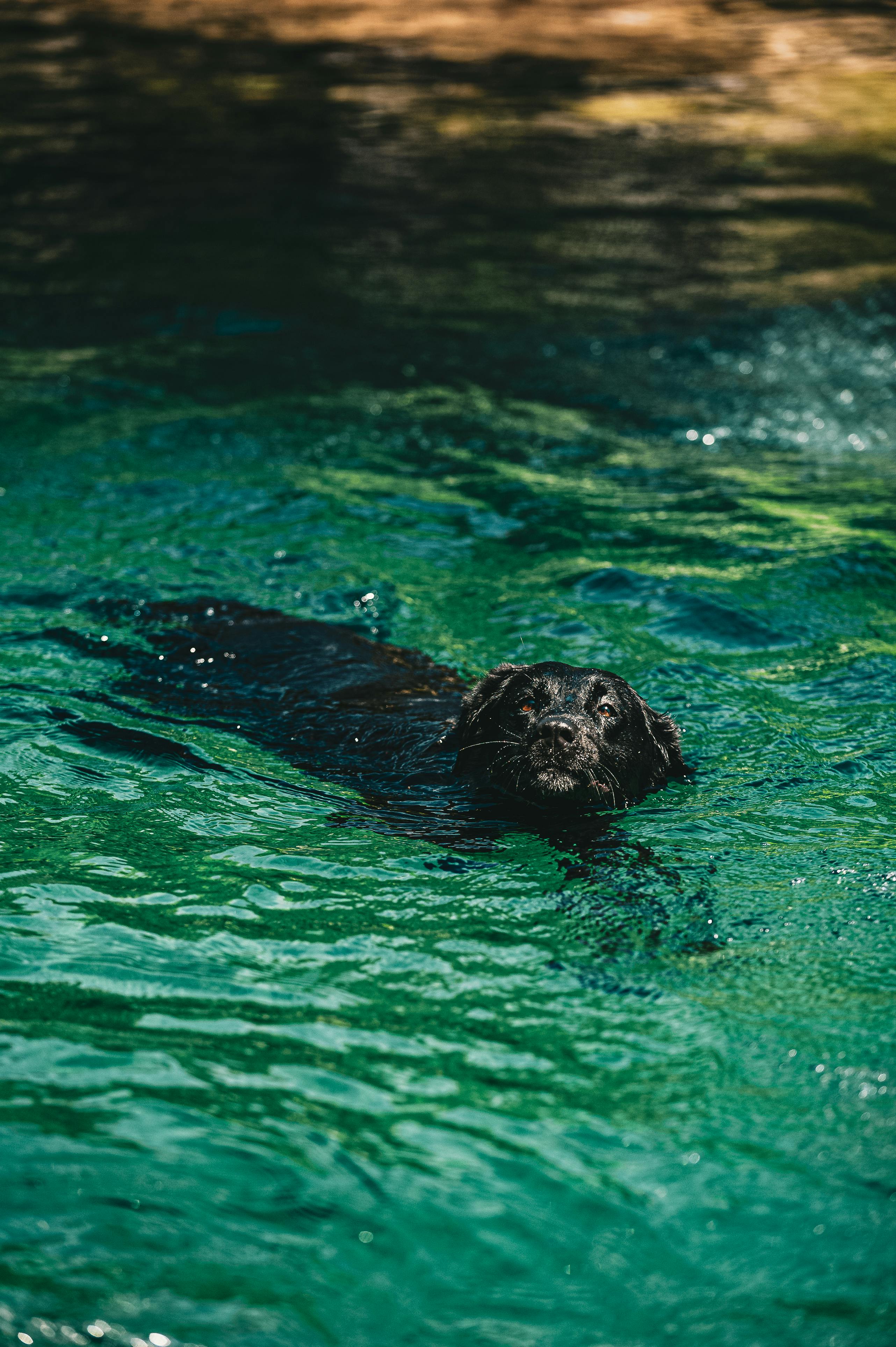
Dogs, man’s best friend, has many unique characteristics that makes them fascinating. One of the most interesting features is their wet noses. Why do dogs have wet noses, anyway? This question leads us to the role of temperature regulation in dogs. A wet nose is not just an adorable trait; it serves important purposes for the dog’s health and well-being. Let’s dive into the unique reasons behind this curious trait.
The Science Behind Wet Noses
A dog’s nose is not just a pretty face! It’s a complex organ that serves several functions. The moisture on a dog’s nose helps to enhance their sense of smell, which is already incredibly powerful. Here are a few facts about why dog noses are wet:
- Enhanced Olfactory Function: The wetness helps to trap scent particles, making it easier for dogs to smell things. The more moisture there is, the better they can detect scents.
- Temperature Regulation: Dogs cannot sweat like humans do. Instead, they rely on their noses to help cool down. When they breathe, moisture evaporates from their noses, helping to lower their body temperature.
- Health Indicator: A dog’s nose can indicate health. A healthy dog usually has a moist and cool nose. If it becomes dry or hot, it might be a sign of illness.
Historical Context of Dog Noses
Historically, dogs have been bred for specific purposes, affecting their physiology. The wet nose is a trait that has been retained through generations, likely for its survival benefits. In the wild, dogs needed to be able to hunt and find food, and a wet nose helped them do just that. Here’s a brief timeline of how dog noses have been viewed:
- Ancient Times: Early humans recognized dogs’ hunting abilities, their wet noses were noted for their role in tracking scents.
- Middle Ages: Dogs were used for various tasks, from herding to hunting. The importance of their noses was further acknowledged.
- Modern Day: Today, dog noses are studied in veterinary sciences, and their role in tracking diseases or detecting drugs is a hot topic.
Why Dogs Need Wet Noses
So why do dogs have wet noses? It’s not just for show! Here’s a closer look at the benefits:
- Scent Sensitivity: Dogs have up to 300 million smell receptors. Their wet noses help capture scent molecules, making their sense of smell even sharper.
- Cooling Mechanism: As mentioned, dogs don’t sweat like humans. Their wet noses, aided by panting, allows them to regulate their body temperature. This is especially crucial in hot weather.
- Social Interaction: Dogs often greet each other by sniffing noses. A wet nose can be a sign of friendliness and playfulness.
Practical Examples of Nose Function
Let’s consider how a dog’s nose plays a role in their everyday life:
- Tracking: Bloodhounds, for example, are known for their incredible sense of smell. Their wet noses allow them to track scents over long distances.
- Detecting Illness: Some dogs are trained to detect certain diseases like cancer through scent. Their ability to smell is enhanced by the moisture on their noses.
- Finding Food: In the wild, a wet nose helps a dog find food more efficiently. They can smell prey or edible plants more effectively.
Comparisons: Dogs vs. Humans
It helps to compare how dogs and humans regulate temperature and detect smells.
| Aspect | Dogs | Humans |
|---|---|---|
| Smell Receptors | About 300 million | About 6 million |
| Sweat Mechanism | Wet noses and panting | Sweat glands all over the body |
| Body Cooling | Evaporative cooling via nose | Evaporative cooling via sweat |
Fun Facts About Dog Noses
- Color Variation: Not all noses are the same! Some breeds have black noses, while others may have pink or spotted noses.
- Unique Patterns: Each dog’s nose print is unique, similar to human fingerprints!
- Temperature: A dog’s nose can feel warm or cool, and this can fluctuate throughout the day based on their activity level.
Understanding the role of dog noses provides insight into their health and behavior. Dogs need wet noses for various reasons, including temperature regulation, enhanced olfactory capabilities, and social interaction. Their wet noses are not merely charming; they are essential for their survival and well-being. By recognizing these aspects, we can better appreciate our furry companions and their unique adaptations.
Can a Dog’s Wet Nose Indicate Illness? Signs Every Owner Should Know
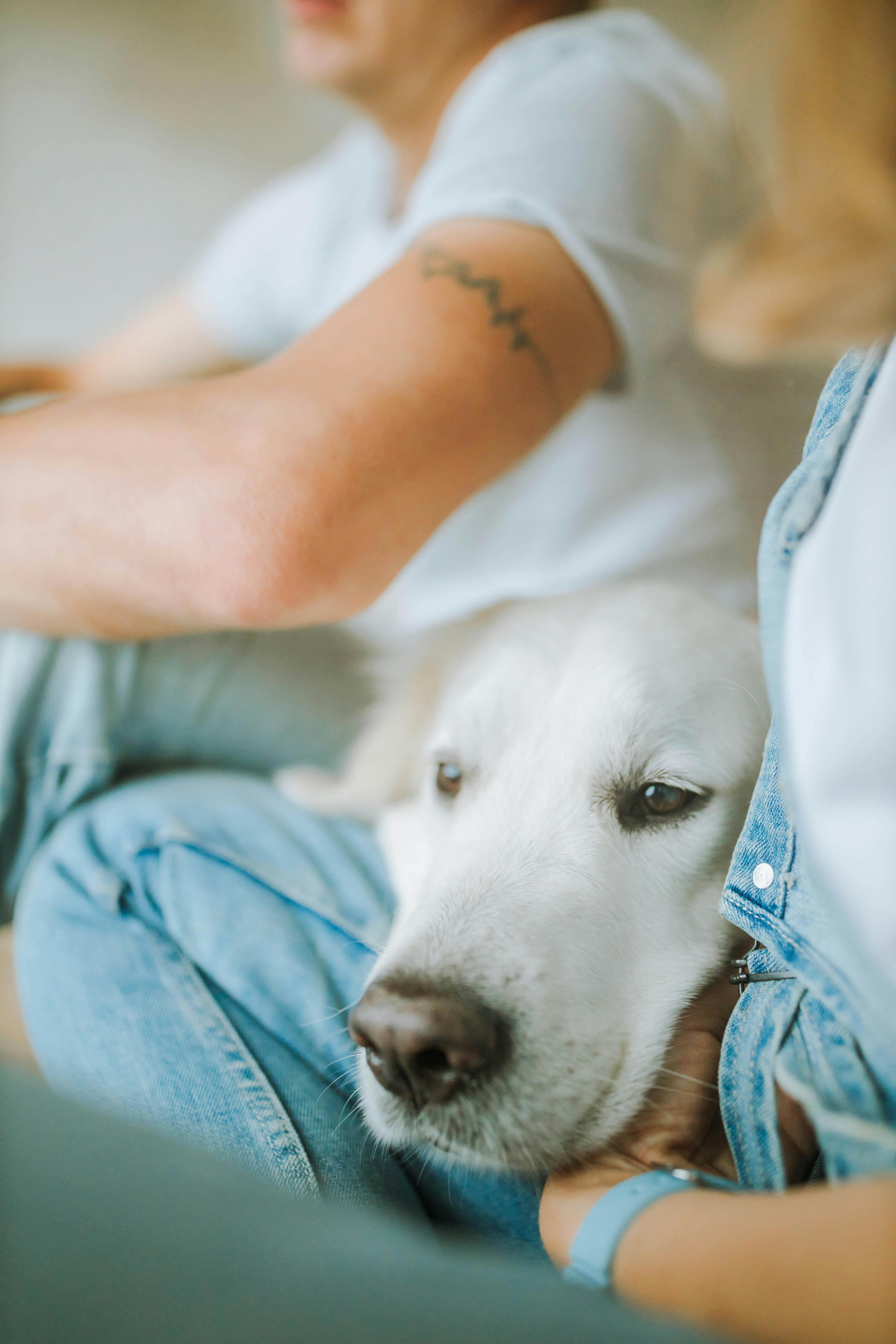
Dogs have long been our faithful companions, but have you ever wonder why they always have that wet nose? Is it just a quirk of nature, or does it hold deeper meaning? Many dog owners often ask, “Can a dog’s wet nose indicate illness?” and it’s a question worth exploring. A wet nose is often seen as a sign of a healthy pooch, but there are times when it might indicate something else. Let’s dive into the fascinating truth about why dogs have wet noses, and what those signs can mean for their health.
Why Do Dogs Have Wet Noses?
The wetness of a dog’s nose is not just for show. It’s an important part of their biology. Here’s some reasons why dog noses tend to be moist:
Cooling Mechanism: Dogs don’t sweat like humans do. Instead, they rely on their noses to help regulate their body temperature. A wet nose can help cool them down through evaporation.
Enhanced Sense of Smell: Dogs have an incredible sense of smell, and a moist nose helps to trap scent particles. This enhances their ability to smell. It’s like having a built-in air freshener that helps them sniff out all kinds of scents.
Health Indicator: A dog’s nose can also provide clues about their health. Usually, a healthy dog has a cool, moist nose. However, changes in moisture level can indicate health issues.
Can A Dog’s Wet Nose Indicate Illness?
While it’s common to think a wet nose means a dog is healthy, it’s not always the case. Here are some signs every dog owner should pay attention to:
Dry Nose: A dry or cracked nose can indicate dehydration or fever. If you notice your dog’s nose is unusually dry or hot, it could be time to consult with a veterinarian.
Discharge: If there’s unusual discharge from the nose, like green or yellow mucus, it could indicate an infection or other health issues.
Changes in Temperature: A nose that’s warm to the touch can be a sign of illness. Compare it to your own body temperature, if it feels too warm, it might be worth a vet visit.
Excessive Moisture: Sometimes, a nose that’s too wet can also indicate problems. Excessive slobbering, combined with other symptoms, can point to dental issues or even nausea.
Behavioral Changes: If your dog seems lethargic, refuses to eat, or seems off in any way, even if their nose is wet, it’s important to discuss these changes with a professional.
Historical Context of Dogs’ Noses
Historically, dogs have been bred for various purposes, from hunting to herding, and their noses have adapted accordingly. Different breeds have different nose shapes and moisture levels, which can affect their abilities. For example:
- Bloodhounds – They are known for their incredible sense of smell, thanks in part to their large, moist noses.
- Bulldogs – Their flat faces can lead to different moisture levels, which may affect their smelling capabilities.
Understanding the historical context can shed light on why certain breeds might have more pronounced wet noses than others.
Practical Tips for Dog Owners
So, what can you do as a responsible dog owner to ensure your pup stays healthy? Here are a few practical tips:
Regular Vet Checkups: Make sure your dog gets regular health screenings. Early detection can save lives.
Observe Their Behavior: Keep an eye on changes in eating, drinking, or energy levels. These are often the first indicators of an underlying issue.
Hydration is Key: Ensure your dog has access to clean, fresh water at all times. Dehydration can lead to a dry nose and other health problems.
Grooming: Regular grooming can help you check for any unusual signs on your dog’s nose or body.
Know Your Breed: Understanding the specific needs of your dog’s breed can help you be more proactive about their health.
Final Thoughts
The next time you check your dog’s nose, remember that it’s not just a cute feature; it’s a window into their health. A wet nose is usually a sign of a happy, healthy dog, but changes can indicate illness. By paying attention to these signs and understanding the reasons behind a dog’s wet nose, you can be better equipped to care for your furry friend. Always consult with a vet if you have concerns, and keep those tails wagging!
The Myth of the Dry Nose: What Your Dog’s Nose Says About Their Well-Being

Dogs are more than just pets; they’re our companions, family members, and sometimes even our best friends. One of the most fascinating aspects of dogs is their noses. You might’ve heard that a dog’s nose can tell you a lot about its health and well-being. But what does it really means when your furry friend has a wet or dry nose? Let’s explore the myths and facts surrounding this common question: why do dogs have wet noses?
The Basics of a Dog’s Nose
First off, it important to know that dogs have an incredible sense of smell. Their noses are not just for show; they’re packed with millions of scent receptors. A dog’s nose can be up to 100,000 times more sensitive than a human’s! This wetness on a dog’s nose isn’t just about moisture; it helps them pick up scents from the environment. So, when you ask, “why do dogs have wet noses?” the answer is tied closely to their ability to smell.
The Wet Nose Myth
A common myth is that a wet nose means a dog is healthy, while a dry nose indicates illness. This is simply not true. A dog’s nose can be wet for various reasons, like environmental conditions, hydration levels, and even their activity. Here are some facts that debunk this myth:
- Humidity: Dogs can get wet noses from the air around them. If it’s humid or they’ve been drinking water, their noses will be moist.
- Playtime: After a good play session, a dog’s nose might be wet from panting and licking.
- Health Factors: Some dogs naturally have drier noses, and it doesn’t mean they’re sick. Breeds like bulldogs or pugs might have drier noses compared to others.
Why Do Dogs Have Wet Noses?
Now, let’s dive deeper into why dogs have those wet noses. The moisture on a dog’s nose serves several purposes:
- Enhanced Smell: The wetness helps to absorb scent particles, making it easier for dogs to detect smells.
- Temperature Regulation: Dogs don’t sweat like humans do, and their noses can help regulate body temperature.
- Cooling Mechanism: When a dog is hot, moisture evaporates from their nose, helping to cool them down.
Historical Context
Interestingly, the wet nose has been a topic of fascination for centuries. Ancient civilizations believed that the moisture was a sign of a dog’s connection to the divine. Even in ancient Egypt, dogs were revered, and their noses were considered a symbol of loyalty and protection. The understanding of a dog’s nose has evolved, but the admiration remains.
Comparing Dry vs. Wet Noses
Let’s compare the characteristics of dry and wet noses. This can help you understand what to look for in your pup:
| Characteristic | Wet Nose | Dry Nose |
|---|---|---|
| Moisture Level | High | Low |
| Scent Detection | Better | Not as effective |
| Health Indicator | Not necessarily healthier | Not necessarily unhealthy |
| Environmental Impact | Can vary with humidity | Can indicate dehydration |
Common Nose Conditions
Sometimes, a dry nose can signal something needing attention. Here’s a quick list of conditions that could cause a dry nose:
- Dehydration: Always ensure your dog has fresh water.
- Allergies: Allergens can cause nasal issues.
- Infections: Bacterial or viral infections might lead to a dry nose.
- Autoimmune Diseases: Some conditions may affect nose moisture.
Practical Examples
If you’re worried about your dog’s health based on its nose, consider these steps:
- Observe Behavior: Is your dog acting normally? Eating well? Playful?
- Check Hydration: Make sure your dog is drinking enough water.
- Consult a Vet: If the nose condition persist, it’s best to get a professional opinion.
Final Thoughts
Understanding the wet and dry nose of dogs can help you be a better pet owner. While it’s easy to rely on myths, the reality is more complex. A wet nose can signify a healthy dog, but it’s not the only indicator. Always pay attention to your dog’s overall behavior and health. If you notice any significant changes or if you’re worried, reaching out to a veterinarian is always a smart move. Remember, a happy dog is a healthy dog, and their noses are just one part of the puzzle!
7 Fun Facts About Dogs’ Wet Noses You Never Knew Existed
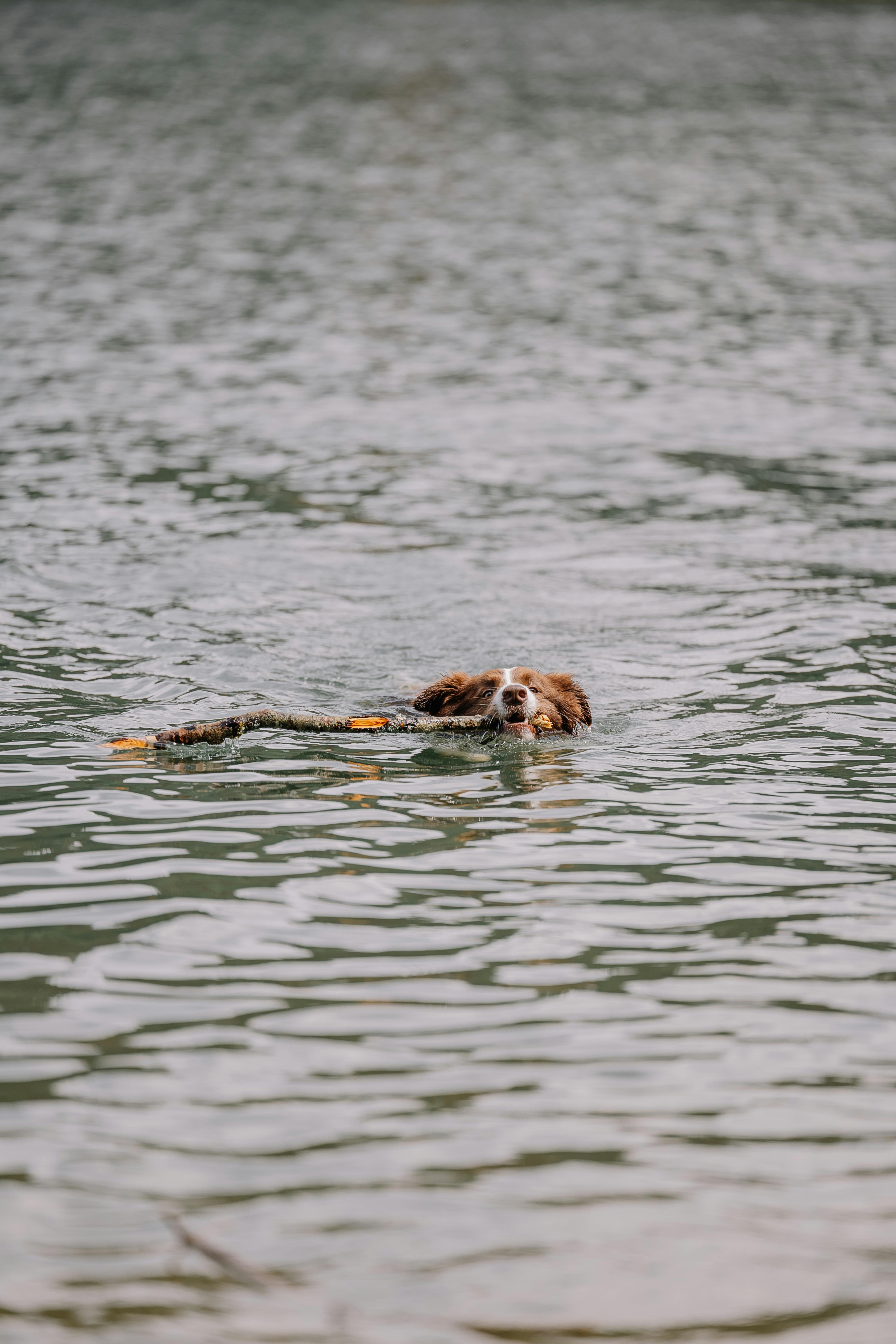
Dogs are often called man’s best friend, but did you ever wonder why they have those wet noses? It’s a question that many dog lovers have pondered over the years. While it might seem like just another quirky aspect of our furry companions, there’s a lot more to it than meets the eye. In this article, we will explore seven fun facts about dogs’ wet noses that you probably never knew, and dive into the fascinating truth behind why dogs have wet noses.
1. Nature’s Thermometer
One of the primary reasons dogs have wet noses is to help regulate their body temperature. A moist nose plays a vital role in thermoregulation. Just like sweating in humans, dogs can cool off through their noses. When a dog pants or their nose gets wet, it helps to dissipate heat, keeping them comfortable.
2. Enhanced Sense of Smell
Did you know that a dog’s sense of smell is 10,000 to 100,000 times more sensitive than humans? A wet nose actually helps with this amazing ability. The moisture on a dog’s nose captures scent particles more effectively, enhancing their olfactory capabilities. This is why dogs are often used in search and rescue operations and sniffing out drugs or explosives.
3. Communication Tool
Dogs communicate in many ways, and their noses also play an important role. A wet nose can signal various emotions. For instance, when a dog nudges you with their wet nose, it might be their way of asking for attention or affection. It’s like a friendly tap that says, “Hey, look at me!”
4. Health Indicator
The state of a dog’s nose can actually be an indicator of their health. A healthy dog typically has a moist, cool nose. If a dog has a dry or cracked nose, it could signal dehydration, fever, or an underlying health issue. However, not every dry nose means something is wrong, so it’s essential to consider other symptoms and consult a veterinarian if you’re concerned.
5. Nose Print Identification
Just like human fingerprints, every dog has a unique nose print! The patterns of ridges and creases on a dog’s nose can be used for identification purposes. Some animal shelters and breeders will take a dog’s nose print as a means of tracking, much like how we use fingerprints in humans. It’s a fascinating yet little-known fact that adds to a dog’s uniqueness.
6. Evolutionary Perspective
From an evolutionary standpoint, wet noses might have played a role in the survival of dogs’ ancestors. In the wild, a moist nose would help them detect prey more effectively, aiding in hunting. Even domesticated dogs retain this trait, which is a testament to their ancestry. Wet noses have been beneficial for survival, and it has stuck around through generations.
7. The Role of Mucus
The mucus found on a dog’s nose isn’t just there for show. It serves several functions, including trapping dust and allergens, which helps keep a dog’s respiratory system clean. This is important for their overall health, especially if they are frequently outdoors or around other animals.
Quick Facts About Dog Noses
- Dogs have about 220 million smell receptors in their noses compared to humans’ 5 million.
- The average dog’s nose is around 2 inches long, but it can vary by breed.
- Dogs can detect certain diseases, like cancer, through their sense of smell, thanks to their wet noses.
Why Do Dogs Have Wet Noses?
So, why do dogs have wet noses? The answer combines biology, behavior, and evolution. Wet noses help dogs cool down, improve their sense of smell, and communicate with us. It also serves to keep their health in check and has even been part of their evolutionary journey.
You might be surprised at how much we can learn from something as simple as a wet nose. These features that we see every day in our canine companions actually serve multiple purposes, from health indicators to communication aids.
Next time you pet your furry friend, take a moment to appreciate that damp nose and all the wonders it represents. It’s a small part of what makes dogs so special and beloved by many. Whether you’re a dog owner or simply an admirer of these amazing creatures, understanding the significance of their wet noses adds another layer to your appreciation of them. Dogs are not just pets; they’re complex beings with fascinating traits that make them truly unique.
How to Keep Your Dog’s Nose Healthy and Moist: Tips for Pet Owners

Dog owners often wonder about their furry friends’ noses. Why do dogs have wet noses? And how to keep your dog’s nose healthy and moist? These questions are not just for pet enthusiasts; they are important for ensuring your pet stays happy and healthy. A dog’s nose can reveal a lot about their health, and understanding its significance can help you provide better care for your canine companion.
Why Do Dogs Have Wet Noses?
Dogs possess wet noses for several reasons, and it’s not just for show. A wet nose plays a pivotal role in a dog’s overall health. Here’s why it matters:
Enhanced Sense of Smell: A wet surface on a dog’s nose helps capture scent particles, allowing them to smell better. Their sense of smell is between 10,000 to 100,000 times more sensitive than humans, and moisture helps amplify this ability.
Regulating Body Temperature: Dogs don’t sweat like humans do. Their noses help in thermoregulation. When a dog pants, the moisture on their nose evaporates, helping to cool them down.
Health Indicator: The condition of a dog’s nose can indicate their health status. A dry nose may suggest dehydration, fever, or illness, while a moist nose is typically a sign of health.
Keeping Your Dog’s Nose Healthy and Moist
Maintaining your dog’s nose is essential for their overall well-being. Here are some tips for pet owners to keep those noses healthy:
Regular Hydration: Make sure your dog has constant access to fresh water. Dehydration can lead to a dry nose.
Moisturizing Balms: There are specially formulated balms available that can help keep your dog’s nose moist. Look for natural ingredients like beeswax and shea butter.
Avoid Excessive Sun Exposure: Just like humans, dogs can get sunburned. Use pet-safe sunscreen on their nose if they spend a lot of time outside, especially during peak sun hours.
Healthy Diet: Feed your dog a balanced diet rich in omega fatty acids, which can help maintain skin and nose health. Foods with fish oil or flaxseed oil are excellent options.
Routine Vet Check-ups: Regular veterinary visits can help catch any underlying health issues before they become serious. Your vet can also provide advice tailored to your dog’s specific needs.
Signs of Nose Problems
Being aware of certain signs can help you determine if your dog’s nose is healthy. Watch out for:
Cracking or Bleeding: This could indicate dryness or an underlying health issue.
Excessive Nasal Discharge: Clear or cloudy discharge can indicate allergies or infections.
Changes in Color: If their nose changes color or develops sores, consult your vet.
Persistent Dryness: If your dog’s nose is consistently dry and flaky, it may need special attention.
Common Misconceptions About Dog Noses
There are many myths surrounding dogs’ noses. Here are a few common misconceptions debunked:
Wet Noses Mean Healthy Dogs: While a moist nose is often a sign of health, it’s not the only indicator. Other factors like behavior, appetite, and energy levels are also key.
Nose Temperature Indicates Illness: A warm nose does not always mean a dog is sick. Dogs’ noses can fluctuate in temperature throughout the day.
Only Breeds with Short Snouts Have Dry Noses: All breeds can experience dry noses. Short-nosed breeds may be more prone to certain issues, but this is not exclusive.
Fun Facts About Dog Noses
Unique Patterns: Just like human fingerprints, every dog’s nose has a unique pattern of ridges and creases.
Temperature Sensitivity: Dog noses are sensitive to temperature changes, which is why they can detect subtle differences in their environment.
Nose Work: Many dogs are trained in nose work, which is a sport that focuses on a dog’s ability to use their sense of smell to find hidden objects.
Taking care of your dog’s nose is an essential part of being a responsible pet owner. With proper care, you can ensure that your dog remains healthy and happy. Remember, if you have any concerns about your dog’s health, always consult a veterinarian for advice tailored specifically for your furry friend. With some simple tips and regular monitoring, you can keep your dog’s nose healthy and moist for years to come!
Conclusion
In summary, the wet noses of dogs serve several vital purposes, from enhancing their sense of smell to regulating body temperature. The moisture on their noses comes from the secretion of a special mucus, which captures scent particles and provides dogs with an exceptional olfactory ability, crucial for their survival and interaction with the world. Additionally, a wet nose can indicate good health, as dehydration can result in dryness. However, it’s important for pet owners to monitor their dogs’ health closely, as changes in nose moisture can signal underlying health issues. Ultimately, understanding the fascinating reasons behind this unique trait can deepen the bond between you and your furry friend. So, the next time you give your dog a scratch behind the ears, take a moment to appreciate that wet nose—it’s more than just adorable; it’s a remarkable feature that supports their well-being.
