
Have you ever wondered why do dogs have wet noses? This intriguing question might lead you to explore the fascinating world of canine biology and behavior. A dog’s nose is not just for sniffing; it serves several important purposes. The moisture on a dog’s nose helps them detect scents better, making their sense of smell incredibly powerful. But that’s not all! The fact that a dog’s nose is wet could also mean something about their health and well-being. Are you curious about how a dog’s wet nose relates to their emotions or even their overall health? In this article, we will uncover the secrets behind this unique feature and explain why it matters. Did you know that a dry nose doesn’t always mean something is wrong? Join us as we delve into the wonders of dog anatomy and discover the science behind wet noses. You might be surprised at what you find! Whether you’re a dog owner or simply a pet enthusiast, understanding why dogs have wet noses will deepen your appreciation for these furry companions. So, are you ready to learn more about this captivating topic? Let’s dive in!
The Science Behind Wet Noses: What Makes Your Dog’s Nose So Moist?
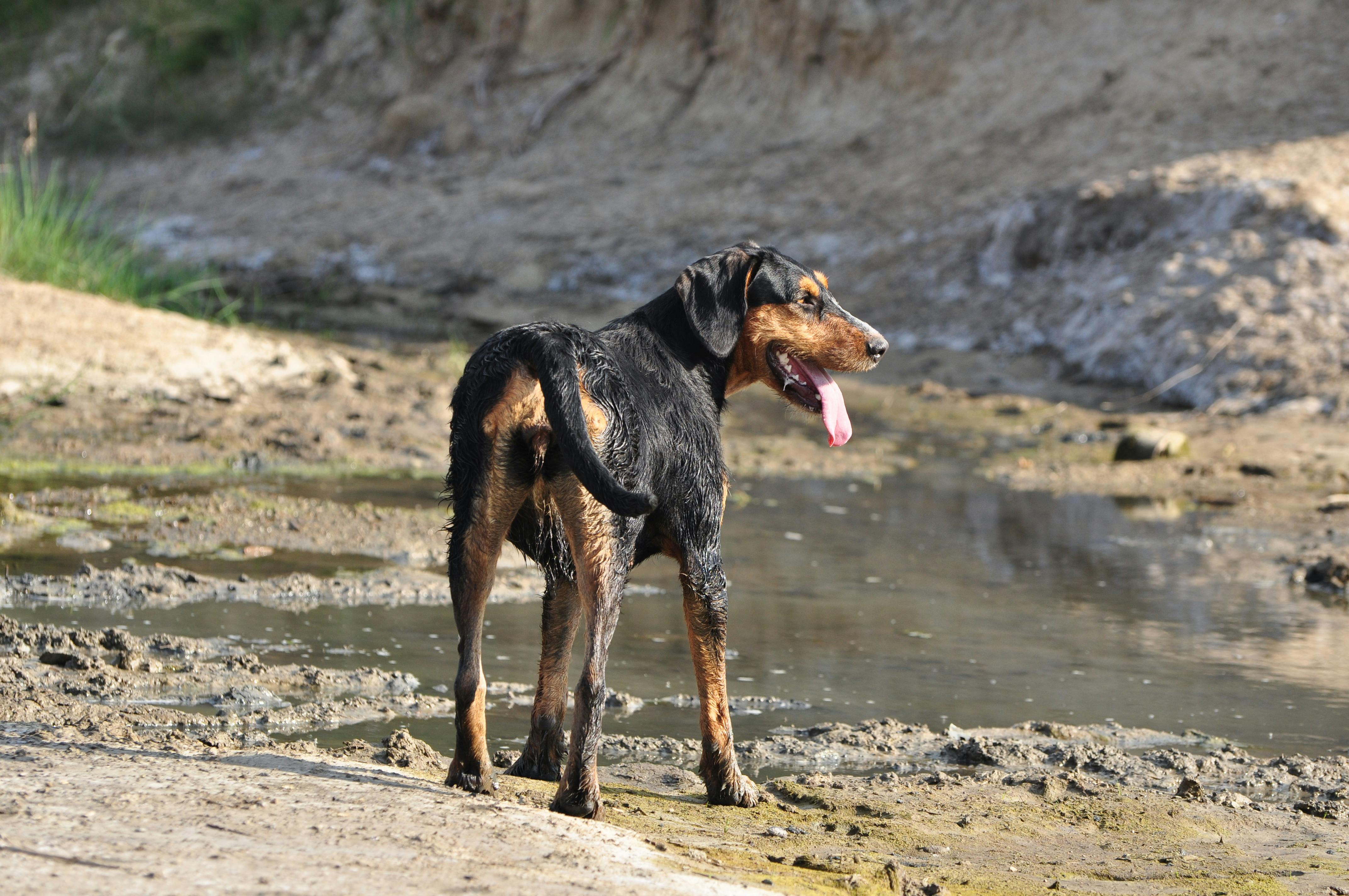
Have you ever wondered why your pup’s nose is always wet? It’s one of those cute traits that make dogs even more lovable. But there’s actually some interesting science behind it. Wet noses aren’t just an adorable quirk; they serve important functions in a dog’s life. In this article, we will explore the reasons behind those moist noses and why they might be crucial for your furry friend’s health.
The Function of a Dog’s Nose
A wet nose helps dogs better perceive the world around them. Their sense of smell is far superior to human’s, and a moist nose plays a role in how they detect scents. Here’s how it works:
- Enhanced Smell: The moisture on a dog’s nose helps trap scent particles. When they sniff, their noses can pick up more smells, which is why they are so good at tracking.
- Temperature Regulation: Dogs cool off through their noses too. When they breathe, moisture evaporates from their noses, helping to regulate their body temperature.
- Health Indicator: A wet nose can also be a sign of good health. While a dry nose isn’t always a cause for concern, consistent dryness may indicate dehydration or illness.
Why Are Dog Noses Wet?
So, what exactly makes a dog’s nose so moist? The answer lies in their anatomy and behavior. Dogs have special glands that produce a thin layer of mucus. This mucus keeps their nose moist, helping them with their sensory functions.
- Mucous Glands: These glands secrete moisture, which helps in trapping scent particles.
- Licking: Dogs often lick their noses, which adds more moisture and helps them to identify smells better.
Dogs vs. Humans: A Smell Comparison
To really appreciate the significance of a wet nose, let’s compare dogs and humans:
- Dogs:
- Olfactory receptors: About 300 million
- Ability to detect scents: 40 times better than humans
- Humans:
- Olfactory receptors: About 5 million
- Ability to detect scents: Much weaker than dogs
This drastic difference explains why your dog loves to sniff everything. A wet nose is essential for them to fully experience their environment!
Historical Context of Dog Noses
Throughout history, dogs have been companions to humans, and their noses have been of great utility.
- Hunting and Tracking: In ancient times, dogs were bred for their keen sense of smell to help with hunting. The wet nose was an evolutionary trait that aided in this ability.
- Search and Rescue: Nowadays, dogs are often used in search and rescue missions, police work, and even medical detection due to their highly sensitive noses.
Fun Facts About Dog Noses
- Unique Patterns: Just like human fingerprints, every dog has a unique nose print. It can actually be used to identify them!
- Temperature Detection: Dogs can detect changes in temperature with their noses, which can help them sense danger or changes in their environment.
- Wet Nose, Happy Dog: Generally, a wet nose indicates that your dog is feeling well. However, it’s essential to monitor their overall behavior for any health issues.
Practical Tips for Nose Care
While a wet nose is usually a sign of good health, it’s important to keep an eye on your dog’s nose. Here are some practical tips:
- Hydration: Make sure your dog has access to fresh water at all times. Dehydration can lead to a dry nose.
- Veterinary Checks: Regular vet visits can help catch any potential issues early. If your dog’s nose suddenly becomes dry or cracked, consult a vet.
- Nose Balms: In colder months, consider using dog-friendly nose balms to prevent chapping.
The Bottom Line
Understanding why dogs have wet noses can deepen your appreciation for your furry companion. It’s not just a cute feature; it’s a vital part of their sensory experience and overall health. So the next time you see that wet nose, remember that it’s a fascinating part of what makes your dog so special. Their ability to smell the world around them is enhanced by that moisture, and it plays a critical role in their daily lives. Embracing this knowledge can help you take better care of your beloved pet.
7 Surprising Benefits of a Dog’s Wet Nose: More Than Just a Quirky Trait!
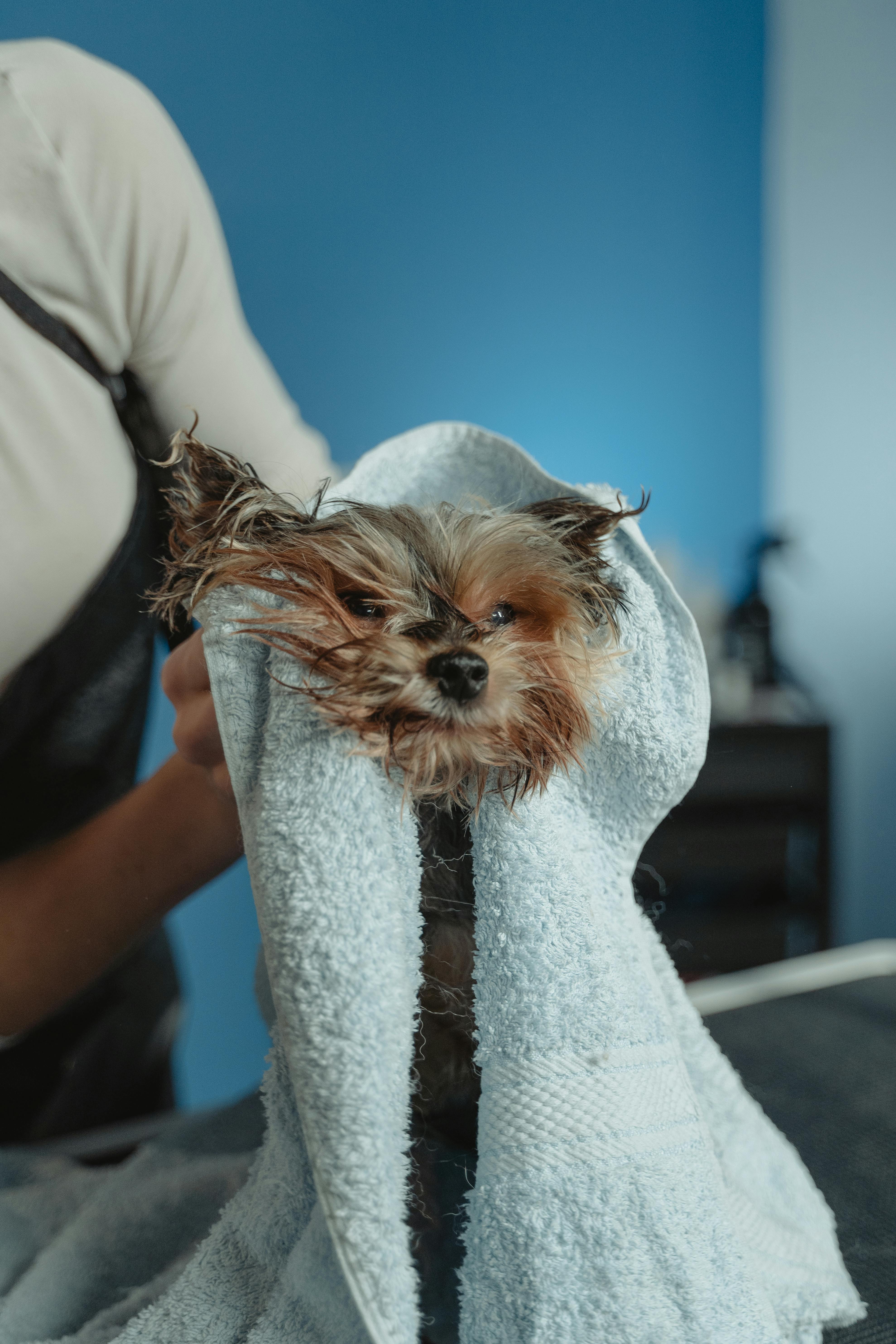
Dogs are often known for their many quirky traits, but one that stands out is their wet noses. Have you ever wondered why do dogs have wet noses? It seems like a simple question, but the answer is packed with surprising benefits. Let’s dive into the fascinating world of our furry friends and explore 7 surprising benefits of a dog’s wet nose. You might just find out that it’s more than just a cute feature!
1. Temperature Regulation
First off, dogs’ wet noses play a crucial role in regulating their body temperature. Unlike humans, who sweat to cool down, dogs rely on their noses. The moisture on their noses evaporates, which helps to keep them cool. It’s kinda like built-in air conditioning for them! So next time you see your pup sniffing around, remember they might be trying to cool off.
2. Enhanced Sense of Smell
The wetness of a dog’s nose isn’t just for show. It actually helps enhance their sense of smell. The moisture captures scent particles from the air, making it easier for dogs to identify smells. With an estimated 220 million olfactory receptors, dogs can detect scents at incredibly low concentrations. This means they can smell things we can’t even fathom! Imagine the world of scents they experience every day.
3. Communication Tool
Did you know that a dog’s nose can also serve as a communication tool? When dogs greet each other, they often sniff each other’s noses. This behavior helps them gather information about their fellow canines, like age, health, and even mood. The wetness of their nose plays a significant role here, as it helps transmit scents more effectively.
4. Indicator of Health
A dog’s nose can be a good indicator of their overall health. Generally, a wet and cool nose is a sign of a healthy dog. If a dog’s nose is dry or warm, it could indicate an underlying health issue. Owners should pay attention to these changes. It’s important to look for other signs of illness, but a change in nose moisture can be a red flag.
5. Natural Antiseptic
Dogs’ noses are naturally antiseptic. Their noses contain a variety of beneficial compounds that help protect against bacteria and infections. This super power helps them avoid illness from the countless things they sniff out, like dirt, food, and even other animals. While we might want to avoid germs, dogs seem to thrive in their germy world!
6. Stress Relief
Petting a dog can be incredibly soothing for humans, but it also has benefits for the dog themselves. Dogs with wet noses tend to be more relaxed and calm. The act of petting can increase their dopamine levels, which are linked to feelings of happiness. So if your dog has a wet nose, it’s likely they are feeling pretty good!
7. Social Bonding
Lastly, a wet nose can help strengthen the bond between dogs and their owners. When you pet your dog and feel their wet nose, it releases oxytocin, the so-called “love hormone.” This hormone promotes bonding and affection between you and your pup. Engaging with your dog in this way can enhance your relationship and create a deeper connection.
Fun Facts About Dog Noses
- Dogs have unique nose prints just like human fingerprints.
- The color of a dog’s nose can change with their age or health.
- Some breeds have drier noses than others, like Bulldogs or Boxers.
Quick Comparison: Dog Noses vs. Human Noses
| Feature | Dog Noses | Human Noses |
|---|---|---|
| Number of Receptors | 220 million | 5 million |
| Moisture Level | Generally wet | Generally dry |
| Temperature Control | Yes, through evaporation | No |
| Scent Detection | Extremely sensitive | Less sensitive |
From temperature regulation to social bonding, the benefits of a dog’s wet nose extend beyond just being a peculiar trait. Understanding why do dogs have wet noses gives us a glimpse into their remarkable physiology and behavior. So, the next time you find yourself giving your furry friend a scratch behind the ears, take a moment to appreciate that wet little nose and everything it represents. Our dog companions are more than just pets; they are fascinating creatures with incredible abilities!
Why Do Dogs Have Wet Noses? Unraveling the Mystery of Fido’s Unique Feature

Dogs are some of the most beloved pets around the world, and one unique feature that often gets attention is their wet noses. So, why do dogs have wet noses? This curious characteristic has perplexed pet owners and scientists alike for years. Let’s dive into the reasons behind this fascinating trait and uncover what makes Fido’s nose so special!
The Science of a Wet Nose
The primary reason dogs have wet noses is due to the physiology of their skin. Dog’s noses are covered with a moist layer of mucous that helps to enhance their sense of smell. When dogs sniff, they draw in scents, and the moisture on their noses helps trap those scent particles. This makes them incredibly adept at smelling things, which is crucial for their survival instincts.
- Enhanced Smell: The wetness helps absorb scent particles.
- Temperature Regulation: Dogs can cool themselves through their noses.
- Health Indicator: A dry nose can sometimes indicate illness.
Evolutionary Perspective
From an evolutionary standpoint, wet noses have likely provided advantages to canines in the wild. Dogs, being descendants of wolves, relied heavily on their sense of smell for hunting and survival. A wet nose gives them better olfactory capabilities, allowing them to track prey and detect danger from afar.
Historically, dogs have been domesticated for thousands of years, and their unique features have been honed through selective breeding. The wet nose is one of those features that have stuck around due to its benefits.
Comparisons with Other Animals
Interestingly, not only dogs have wet noses. Many other animals exhibit this trait, but the reasons may vary. Here are some comparisons:
- Cats: Cats also have moist noses, but their sense of smell isn’t as strong as dogs.
- Horses: Horses have wet noses too, which helps them identify their surroundings.
- Rabbits: Their snouts are moist for similar reasons as dogs, aiding in smell.
This trait isn’t just limited to pets; it can be found across various species in the animal kingdom, demonstrating how advantageous it can be.
Practical Examples
Let’s look at some practical examples of how a dog’s wet nose can indicate health and behavior:
- Health Check: A dog with a dry, cracked nose might be dehydrated or unwell. Regularly check your dog’s nose to monitor their hydration and health.
- Emotional Indicator: When a dog is anxious or excited, their noses can become wetter. This could be due to increased panting and licking.
- Thermoregulation: On hot days, dogs may increase moisture on their noses to help cool their body temperature.
Fun Facts About Dog Noses
Here are some interesting tidbits about dog noses and their wetness:
- Dogs have about 220 million scent receptors, while humans have only around 5 million.
- A dog’s sense of smell is so powerful that they can detect certain diseases, such as cancer or diabetes, in humans.
- The moisture produced by a dog’s nose is due to the secretion of mucus, which is naturally occurring in their bodies.
Why Is This Important for Pet Owners?
As a pet owner, understanding why dogs have wet noses can help you be more observant of your furry friend. Here are a few points to consider:
- Regular Vet Visits: Make sure to take your dog for regular check-ups. Changes in nose moisture can be a sign of health issues.
- Hydration Awareness: Keep your dog hydrated, especially in warmer weather.
- Observation: Pay attention to your dog’s behavior and nose condition. It can give you clues about their emotional state or health.
The unique feature of wet noses in dogs is not just charming but also serves practical purposes. It enhances their ability to smell, regulates their body temperature, and can even indicate their health status.
In the end, knowing the reasons behind why dogs have wet noses not only enriches your understanding of these wonderful creatures but also helps you care for them better. So, the next time you see your dog’s wet nose, you can appreciate the fascinating biology that contributes to this beloved feature!
The Connection Between Wet Noses and Dog Health: What Every Pet Owner Should Know

Every dog owner has probably noticed their furry friend’s nose is often wet, but have you ever wondered why? The connection between wet noses and dog health is fascinating and important for all pet owners to understand. Not only does a wet nose have a practical purpose, but it can also serve as an indicator of your dog’s overall well-being. Let’s dive into the science behind this phenomenon and explore what it means for your beloved companion.
Why Do Dogs Have Wet Noses?
Dogs have wet noses for several reasons, and it’s more than just a cute trait. Here are some key points to consider:
Cooling Mechanism: Dogs don’t sweat like humans do. Their primary way to cool down is through panting, but their wet noses also help. The moisture evaporating from their noses can actually help lower their body temperature.
Enhanced Smell: A wet nose can increase a dog’s sense of smell. The moisture helps to capture scent particles from the air, allowing the dog to better analyze odors. This is why dogs are so good at tracking scents; their wet noses play a crucial role in this ability.
Health Indicator: The condition of a dog’s nose can indicate its health. A warm, dry nose might suggest illness or dehydration, while a cool, wet nose is generally a sign of a healthy pup. However, not all dogs fit this mold perfectly, and individual variations exist.
Historical Context of the Dog’s Nose
The evolution of dogs has been influenced by their noses as much as their other senses. Historically, dogs were bred for specific tasks, many of which required a keen sense of smell. From hunting to herding, a wet nose was not just a trait but a necessity for survival and success in their roles.
Hunting Dogs: Breeds like Bloodhounds and Beagles were developed for their extraordinary sense of smell. Their wet noses help them track scents over long distances.
Herding Dogs: Breeds such as Border Collies rely on their ability to smell to manage livestock effectively. Their wet noses are essential in maintaining their sharp sensory perception.
Interesting Facts About Dog Noses
Here are some surprising facts about dog noses that you might not know:
Unique Prints: Just like human fingerprints, each dog’s nose print is unique. It can actually be used to identify them.
Nasal Cooling: The moisture on a dog’s nose helps to cool their blood vessels, which can help regulate their body temperature.
Sensitivity: A dog’s sense of smell is between 10,000 to 100,000 times more sensitive than humans. This is due in part to the specialized structure of their noses.
What Affects a Dog’s Nose Condition?
Several factors can affect the condition of a dog’s nose. Being aware of these can help you understand your dog’s health better:
Weather Conditions: Extreme heat or cold can affect moisture levels. In hot weather, a dog may experience a dry nose, while cold can lead to chapped skin.
Health Issues: Certain health problems can lead to changes in nose moisture. Allergies, infections, and autoimmune diseases can all cause dryness or other changes.
Dehydration: If a dog is not drinking enough water, it can lead to a dry nose. Always ensure your pet has access to fresh water.
Common Misconceptions About Dog Noses
There are plenty of myths surrounding dog noses that need to be debunked. Here are some common misconceptions:
Wet Nose = Healthy Dog: While a wet nose is often a sign of health, it’s not a definitive rule. Some healthy dogs might have drier noses, especially in certain climates.
Nose Color Doesn’t Matter: The color of a dog’s nose can change due to various factors, including temperature and health. A pink nose might not indicate a problem, but any sudden change could warrant a vet visit.
All Dogs Have Wet Noses: While most dogs do, some breeds have drier noses naturally. It’s important to understand your particular dog’s norms.
Understanding the significance of your dog’s wet nose can help you monitor their health better. Paying attention to changes can lead to early detection of potential health issues. As a responsible pet owner, keeping an eye on this small but significant detail of your dog’s health can make a world of difference. So the next time you give your furry friend a scratch behind the ears, remember that their wet nose is not just adorable—it’s a vital part of their overall health and well-being!
How a Wet Nose Helps Dogs Sense the World: Exploring Their Incredible Sense of Smell
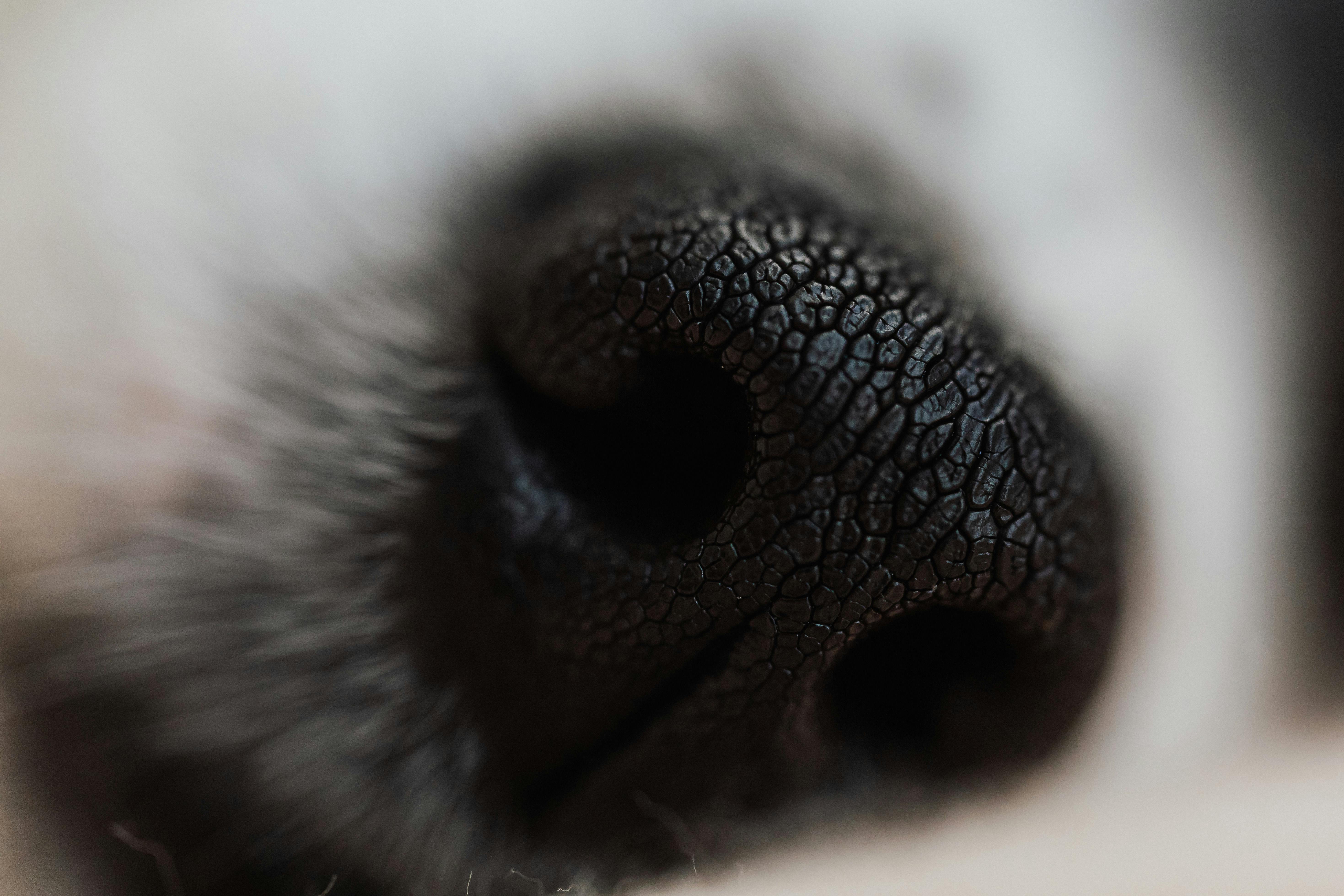
Dogs are often called man’s best friend, and part of the reason why is their incredible abilities, especially when it comes to their sense of smell. Have you ever wondered, why do dogs have wet noses? This question might seem simple, but it unveils a fascinating aspect of canine biology and behavior. Wet noses not only contribute to a dog’s ability to smell better, but also help them interact with the world around them in a unique way.
The Science Behind a Wet Nose
Dogs have wet noses because it helps them to smell better. The moisture on the nose serves a significant purpose. When a dog’s nose is wet, it can capture scent particles from the air more effectively. This means dogs can identify odors more clearly and in greater detail. In fact, research shows that a dog’s sense of smell is about 10,000 to 100,000 times more sensitive than that of humans. This heightened ability comes largely from their wet noses, which help in the sniffing process.
How Dogs Use Their Sense of Smell
Dogs use their noses not just for smelling food or other animals, but for communicating and navigating their environment. Here are some key points about how dogs utilize their incredible sense of smell:
- Identifying Other Dogs: Dogs can smell each other’s pheromones and other scents, which gives them information about another dog’s identity, health, and mood.
- Tracking and Hunting: Many dogs are used in search-and-rescue operations or to detect drugs and explosives, illustrating their remarkable tracking abilities.
- Understanding Their Owners: Dogs can even pick up on human emotions through scent, recognizing when their owners are happy, sad, or stressed.
The Role of Nasal Structures
The structural design of a dog’s nose also contributes to their extraordinary olfactory capabilities. Here’s a breakdown of how their nasal anatomy assists in smell:
- Nasal Turbinates: Dogs have highly developed nasal turbinates, which are structures that increase the surface area inside the nose. This allows more scent receptors to be present.
- Scent Receptors: Dogs have around 220 million scent receptors in their noses compared to about 5 million in humans. This is a huge difference that greatly enhances their smelling power.
- Jacobsen’s Organ: Also known as the vomeronasal organ, this structure helps dogs detect pheromones, which are crucial for social interactions.
Why Are Dog Noses Wet?
So, why do dogs have wet noses? Here are some reasons that explain the phenomenon:
- Cooling Mechanism: A wet nose helps to regulate a dog’s body temperature. Just like humans sweat, dogs can cool off through their noses.
- Scent Detection: The moisture helps to dissolve scent particles, making it easier for dogs to detect smells.
- Health Indicator: A wet nose is often seen as a sign of good health in dogs. A dry nose might indicate dehydration or illness, although this isn’t always the case.
Fun Facts About Dog Noses
Here are some interesting tidbits about dog noses that might surprise you:
- Unique Nose Prints: Just like human fingerprints, every dog has a unique nose print that can be used for identification.
- Scent Memory: Dogs can remember scents for years, which is why they can recognize familiar smells even after a long time.
- Different Breeds, Different Noses: Some dog breeds, like Bloodhounds, have extraordinary olfactory abilities, while others might not rely on their sense of smell as much.
Caring for Your Dog’s Nose
To ensure your dog’s nose stays healthy, here are some tips:
- Hydration: Make sure your dog has access to fresh water to keep their nose moist.
- Check for Issues: Regularly inspect your dog’s nose for dryness, cracks, or sores which may indicate health problems.
- Climate Considerations: In extreme weather, protect your dog’s nose from sunburn or frostbite.
It’s fascinating to think about how much a wet nose contributes to a dog’s ability to sense the world. From their exceptional sense of smell to their unique way of interacting with their environment, wet noses play a pivotal role in the lives of dogs. Next time you pet your furry friend, take a moment to appreciate not just their companionship, but also the incredible biology that allows them to experience the world in ways humans can hardly imagine.
Is Your Dog’s Nose Too Wet? Understanding Normal vs. Abnormal Dog Nose Moisture
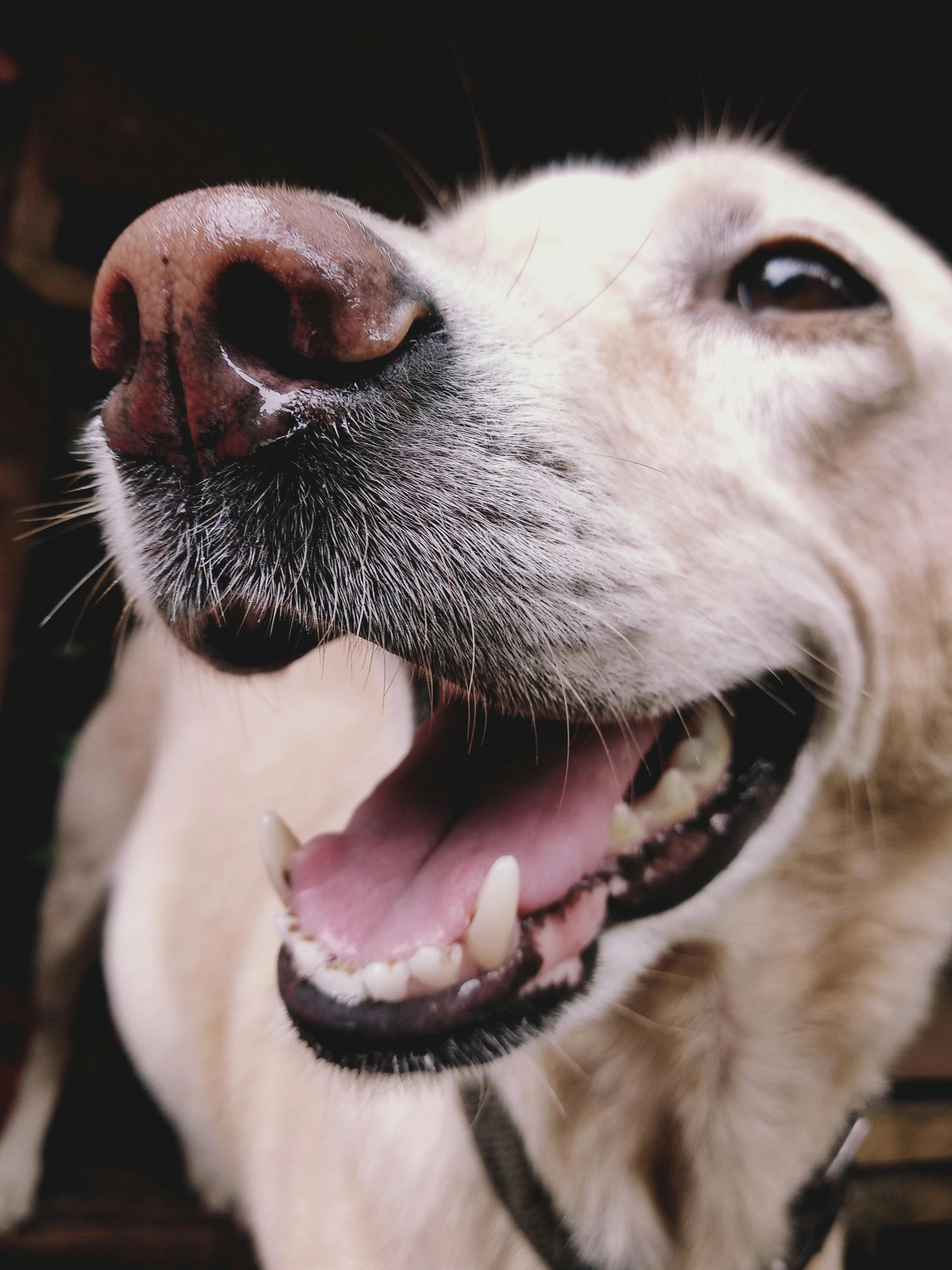
Is your dog’s nose too wet? This is a question many pet owners have, and understanding the reasons behind it can be quite fascinating. Dogs, like many animals, have unique biological traits, and their wet noses are just one of them. But is a wet nose a sign of a healthy dog or something more concerning? Let’s explore the world of dog nose moisture and uncover what it actually means.
Why Do Dogs Have Wet Noses?
The moisture on a dog’s nose serves multiple purposes. Some of these include:
Enhanced Scent Detection: A wet nose helps to absorb scent chemicals better, which aids in a dog’s incredible sense of smell. This is why dogs often seem to be sniffing everything they can!
Temperature Regulation: Just like humans sweat to cool down, dogs use their noses too. A wet nose can help them regulate their body temperature, especially when they’re feeling hot.
Health Indicator: The moisture level can sometimes signal a dog’s overall health. A healthy dog typically has a moist and cool nose while a dry or hot nose might indicate a problem.
Normal vs. Abnormal Moisture Levels
It’s crucial to know what constitutes normal moisture levels for a dog’s nose and what might raise a red flag. Here’s a simple breakdown:
| Condition | Normal Nose | Abnormal Nose |
|---|---|---|
| Temperature | Cool and moist | Hot or dry |
| Color | Pink or black | Pale or discolored |
| Texture | Smooth | Cracked or rough |
| Behavioral Signs | Active and playful | Lethargic or withdrawn |
Most dogs have moist noses, but there can be variations based on breed, environment, and health. If your dog’s nose seems excessively wet or dry for an extended period, it’s worth consulting your veterinarian.
What Can Cause Changes in Nose Moisture?
Many factors can cause a dog’s nose to change from wet to dry and vice versa. Some of these include:
Weather Changes: Hot or cold weather can impact how moist a dog’s nose is. For instance, during dry winter months, noses can become dry.
Health Issues: Conditions like fever, dehydration, or certain infections could lead to changes in nose moisture.
Age: Older dogs may naturally have drier noses compared to younger ones.
Diet and Hydration: A dog that’s not drinking enough water may also exhibit a dry nose.
Practical Tips for Maintaining Your Dog’s Nose Health
Here are some tips to help you maintain your dog’s nose health:
Keep them Hydrated: Always have fresh water available for your dog. Hydration can prevent dry noses.
Regular Check-ups: Schedule veterinary check-ups to ensure your dog is in good health overall.
Observe Behavioral Changes: If your dog starts licking their nose excessively or seems more lethargic than usual, these could be signs to look out for.
Protect from Extreme Weather: If it’s particularly hot or cold outside, consider limiting your dog’s exposure to the elements.
Fun Facts About Dog Noses
Dogs have around 220 million scent receptors, compared to humans who only have about 5 million! This is why a wet nose is so essential for their smelling capabilities.
The moisture is not just water; it’s a combination of secretions from their nasal glands, which help in scent detection.
Each dog has a unique nose print, much like a human fingerprint! This means you could theoretically identify them just by their nose.
Understanding your dog’s nose is more than just a quirky pet fact. It gives you insight into their health and well-being. Remember, while a wet nose is typically a sign of a healthy dog, it’s always smart to keep an eye out for changes in moisture levels. If you see signs of concern, don’t hesitate to reach out to a veterinarian. Your dog’s health and happiness is what matters most!
5 Fascinating Facts About Dog Noses That Will Change How You View Your Pet

Have you ever wondered why your furry friend’s nose is always wet? Or why it seems to be one of the most fascinating parts of their anatomy? Dog noses are not just adorable; they hold a treasure trove of secrets that can change the way you see your pet. Here’s 5 fascinating facts about dog noses that might just surprise you.
1. The Science Behind Wet Noses
You might of noticed that a dog’s nose is usually damp, and there is actually a good reason for this. A wet nose helps dogs absorb scent chemicals from the air. When they sniff around, the moisture on their noses captures the scent particles, making it easier for them to detect smells. So, the next time your dog gives you a wet kiss, remember: it’s just them doing their best detective work!
2. Incredible Sense of Smell
Dogs have an astonishing sense of smell that is estimated to be between 10,000 to 100,000 times more sensitive than humans. Their noses contain about 300 million olfactory receptors compared to a human’s 5 million. This gives them an unparalleled ability to detect scents. Some comparisons can give you a better idea:
- Bloodhounds: Can track scents that are days old.
- German Shepherds: Often used in police work to sniff out drugs or explosives.
- Beagles: Great at tracking small game due to their strong sense of smell.
This incredible olfactory power makes dogs not just pets but also valuable partners in various fields like search and rescue, detection work, and even medical diagnosis.
3. Unique Nose Prints
Just like human fingerprints, every dog has a unique nose print. The patterns of ridges and creases on a dog’s nose can be used to identify them. Some organizations even use nose prints for identification purposes, similar to how we use fingerprints. So, if you ever thought of registering your dog, consider their nose print as a special feature!
4. Temperature Regulation
Did you know that a dog’s wet nose also plays a role in regulating their body temperature? Dogs don’t sweat like humans do, so they rely on panting and their nose to help keep cool. The moisture on their noses evaporates, which helps to cool them down. This is especially important during hot weather when dogs can easily overheat.
5. A Dog’s Mood Indicator
A dog’s nose can also give you insights into their mood and health. A wet, cool nose typically indicates that your dog is healthy and content. Conversely, a dry or warm nose can indicate stress, illness, or even dehydration. Here’s a quick guide to help you understand your dog’s nose:
- Wet and Cool: Happy and healthy.
- Dry and Warm: Potentially sick or dehydrated.
- Excessively Wet: Could be a sign of allergies or other issues.
Fun Facts About Dog Noses
- Dogs have more than 220 million scent receptors in their noses, which is why they can sniff out drugs or explosives so effectively.
- The part of the brain that processes smells is about 40 times larger in dogs than in humans.
- Dogs can even detect certain diseases, like cancer or diabetes, just by smelling their owners.
- Their noses are also sensitive to changes in the environment, such as detecting weather changes or even sensing an impending storm.
Why Do Dogs Have Wet Noses?
To sum it up, the wetness of a dog’s nose is not just for show. It’s a crucial aspect of their biology that enhances their sense of smell, helps cool them down, and can even indicate their health status. Understanding these little nuances can strengthen your bond with your pet and help you take better care of them.
Next time you see your dog’s wet nose, take a moment to appreciate it’s not just a cute feature, but a complex tool that helps them navigate the world. Whether they’re sniffing out a treat or just enjoying a good belly rub, their nose is a window into their extraordinary abilities and needs. Embrace the wet noses; they’re a sign of a loving companion that’s always there to bring joy to your life.
The Role of a Dog’s Wet Nose in Temperature Regulation: Keeping Your Pup Cool
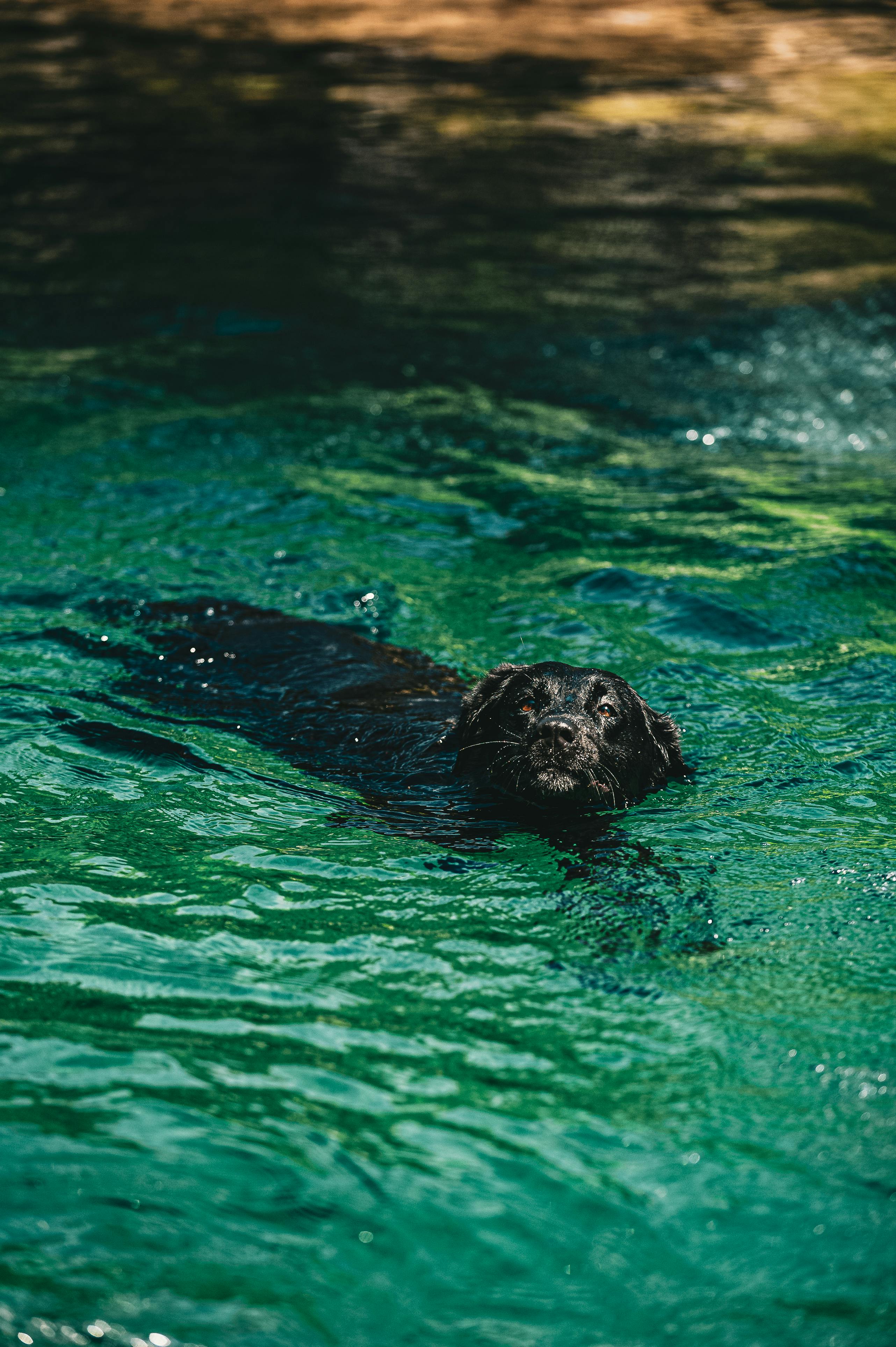
Did you ever notice your dog’s wet nose and wonder why it’s always like that? You might think it’s just a cute feature, but there’s actually more going on than meets the eye. Understanding the role of a dog’s wet nose in temperature regulation can give you insights into your pup’s health and well-being. Let’s dig into this fascinating secret: why do dogs have wet noses?
The Science Behind a Dog’s Wet Nose
Dogs have wet noses primarily because of the moisture that helps them regulate their body temperature. Unlike humans, who sweat all over their bodies, dogs primarily cool off through their noses and the pads of their paws. When a dog’s nose is wet, it helps enhance their sense of smell, too! Here’s how it works:
- Evaporation: When the moisture on the nose evaporates, it has a cooling effect. It’s like how we feel cooler when sweat evaporates from our skin.
- Increased Olfactory Sensitivity: A wet nose can capture scent particles more effectively, making it easier for dogs to smell things. Dogs have a sense of smell that is around 10,000 to 100,000 times more sensitive than humans.
- Health Indicator: A dog’s nose temperature can also indicate health. A warm, dry nose might be a sign of fever or dehydration.
Why Do Dogs Have Wet Noses?
There are several reasons why dogs have wet noses. Let’s break them down:
- Temperature Regulation: As mentioned above, wet noses help dogs maintain their body temperature.
- Enhanced Smelling: The moisture helps them pick up scents in the air.
- Hydration: The wetness can also indicate that your dog is hydrated, although it’s not a foolproof measure.
- Natural Cleaning: A wet nose can help keep dirt and allergens at bay, making it easier for dogs to breathe.
Historical Context of Dog Noses
Throughout history, dogs have been companions to humans, and their wet noses have always been a part of their charm. Ancient cultures often viewed dogs as sacred animals, with their keen sense of smell and ability to track scents leading to their roles as hunters and protectors. Here’s a quick timeline:
- 15,000 – 12,000 years ago: Dogs were domesticated from wolves, showcasing their unique traits, including their sense of smell.
- Middle Ages: Dogs were used in hunting, and their wet noses were noted for tracking game.
- Modern Day: Dogs are now utilized in various fields, including search and rescue, therapy, and law enforcement due to their exceptional olfactory skills.
Fun Facts About Dog Noses
- Dogs can smell certain substances, like drugs or explosives, even in tiny quantities.
- The shape of a dog’s nose can vary by breed, influencing their smelling abilities.
- Dogs have a special organ called the Jacobson’s organ, which helps them detect pheromones.
Comparing Dog Noses to Human Noses
While both humans and dogs have noses, they serve different purposes. Here’s a side-by-side comparison:
| Feature | Dog Nose | Human Nose |
|---|---|---|
| Moisture Level | Usually wet, helps cool off | Typically dry |
| Smell Sensitivity | 10,000 – 100,000 times better | Limited sensitivity |
| Temperature Control | Evaporates moisture for cooling | Sweating for cooling |
Practical Tips for Dog Owners
Keeping your dog’s nose wet can be an indicator of health, but if you notice it’s unusually dry or cracked, here are some things you might consider:
- Hydration: Ensure your dog has access to fresh water at all times.
- Environment: During hot weather, provide shade and avoid excessive heat exposure.
- Check for Illness: If your dog’s nose changes suddenly (from wet to dry) and is accompanied by other symptoms, a vet visit might be necessary.
Dogs are amazing creatures, and their wet noses are just one of the many unique attributes that contribute to their charm. Understanding why dogs have wet noses not only helps you appreciate your furry friend more but also allows you to care for them better. It’s a fascinating world where biology meets companionship, and knowing these details can deepen the bond you share with your pup. So next time you see that wet nose, remember, it’s doing some serious work!
Can Dogs Get Sick from a Dry Nose? Debunking Common Myths About Dog Health
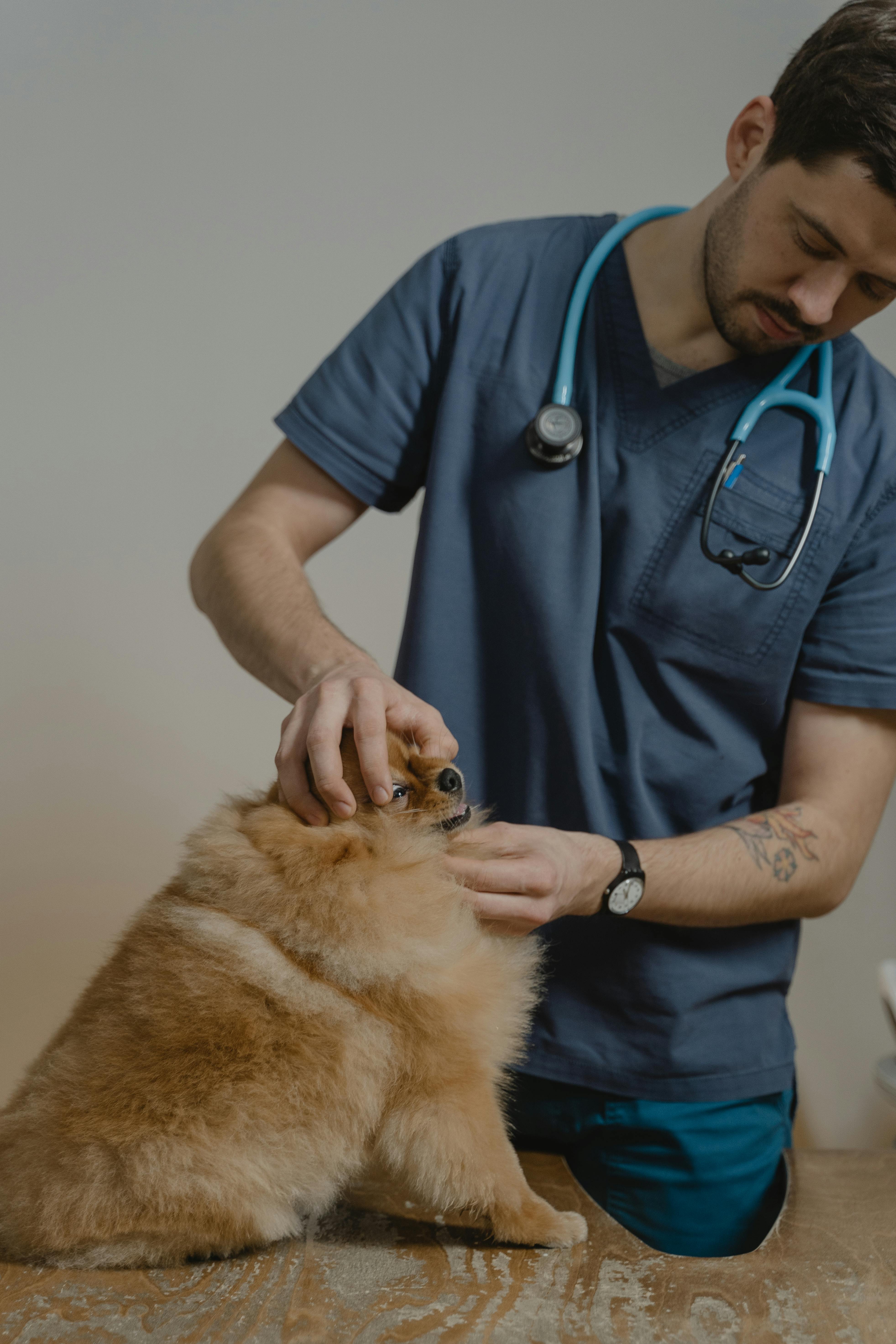
Dogs are our loyal companions, and like any family member, we want to keep them healthy. One common concern among dog owners is the condition of their pet’s nose. Many people wonder, “Can dogs get sick from a dry nose?” This question often leads to misconceptions about dog health. Let’s debunk some myths and explore why dogs have wet noses in the first place.
Can Dogs Get Sick from a Dry Nose?
First off, let’s clear the air: a dry nose does not automatically mean your dog is sick. It’s a common myth that a warm, dry nose indicates illness. While a significant change in your dog’s nose texture could signal health issues, it’s important to consider other signs too. Here are some facts to consider:
- Temperature Variations: Dogs’ noses can be dry due to environmental factors, like heat or wind. Seasonal changes can also play a role.
- Hydration Levels: Just like us, dogs can become dehydrated, which may lead to a dry nose. Ensuring your dog has access to fresh water can prevent this.
- Age and Breed: Older dogs or certain breeds may have naturally drier noses without it meaning they are unwell.
Why Do Dogs Have Wet Noses?
Ever wondered why dogs often have wet noses? This fascinating secret reveals much about their health and how they interact with the world. A wet nose can serve multiple purposes:
- Scent Detection: Dogs have an incredible sense of smell, and a moist nose actually helps them pick up scents better. The moisture captures scent particles, enhancing their olfactory capabilities.
- Cooling Mechanism: Dogs can’t sweat like humans, so they rely on their noses to help regulate body temperature. The moisture from their noses evaporates, helping to cool them down.
- Health Indicator: A healthy dog’s nose is generally moist and cool. If your dog’s nose becomes excessively dry or cracked, it might be a sign of dehydration or other health issues.
Myths About Dog Nose Health
There are many myths surrounding dog nose health. Here’s a rundown of a few common ones and the truths that debunk them:
Myth 1: A dry nose means a dog is sick.
- Truth: As we discussed, various factors can affect nose moisture, including weather and hydration.
Myth 2: Dogs should always have a wet nose.
- Truth: While most healthy dogs have moist noses, it’s normal for some to be drier without any health implications.
Myth 3: You can diagnose a dog’s health just by touching their nose.
- Truth: While nose temperature can provide some clues, it’s not a definitive indicator of a dog’s overall health.
Factors Affecting Nose Moisture
So, what factors can influence how wet or dry a dog’s nose is? Here’s a list:
- Environmental Conditions: Hot, dry weather can lead to a drier nose, while cooler, humid environments may keep it moist.
- Health Conditions: Allergies, infections, or autoimmune diseases can alter nose moisture.
- Diet: A balanced diet with proper hydration can keep your dog’s nose healthy.
How to Keep Your Dog’s Nose Healthy
Maintaining a healthy nose for your furry friend involves several practical steps. Here’s a simple list of do’s and don’ts:
Do’s:
- Provide fresh water daily.
- Ensure a balanced diet rich in nutrients.
- Regular vet check-ups to monitor overall health.
Don’ts:
- Don’t assume a dry nose is a sign of illness without other symptoms.
- Avoid exposing your dog to harsh weather conditions without protection.
- Don’t neglect potential allergies or irritants in your dog’s environment.
Signs of Potential Issues
While a dry nose can be normal, it’s essential to be aware of concerning signs that may indicate your dog needs a vet visit. Look out for:
- Cracked or bleeding nose.
- Excessive dryness lasting several days.
- Other symptoms like lethargy, vomiting, or loss of appetite.
In the end, while it’s common to be concerned about a dog’s nose condition, understanding the facts can alleviate unnecessary worries. Dogs are unique creatures, and their health encompasses much more than just the state of their noses. Focusing on overall wellbeing, hydration, and regular veterinary care are key to keeping your furry friend happy and healthy. So next time you check your dog’s nose, remember the fascinating reasons behind its moisture and the myths that can mislead us.
How to Care for Your Dog’s Nose: Tips for Maintaining Optimal Moisture Levels
Dogs are known for many things, and one of the most notable is their wet noses. Have you ever wondered why it is that dogs have wet noses? This is not just a quirky characteristic; there’s actually science behind it. Let’s dive into the fascinating world of canine noses, and also explore how to care for your dog’s nose and maintain optimal moisture levels.
Why Do Dogs Have Wet Noses?
First off, a dog’s nose is an amazing piece of anatomy. The moisture on their noses serves multiple functions. Here are some reasons why dogs have wet noses:
- Sense of Smell: The wetness helps to capture scent particles from the air, making it easier for dogs to smell. A wet nose is like a sponge for smells.
- Cooling Mechanism: Dogs don’t sweat like humans do. Their noses help them regulate their body temperature. When the nose is moist, it helps cool down their body.
- Health Indicator: A wet nose is often seen as a sign of health in dogs. If your dog’s nose is dry, it might be time to consult with your vet.
How to Care for Your Dog’s Nose
Taking care of your dog’s nose is pretty important. A healthy nose means a happy dog! Here’s how you can maintain optimal moisture levels:
- Hydration is Key: Make sure your dog has plenty of fresh water to drink. Dehydration can lead to a dry nose.
- Proper Nutrition: Feed your dog a balanced diet. Omega-3 and Omega-6 fatty acids can help keep their skin and nose moisturized.
- Humidity Matters: If you live in a dry climate, consider using a humidifier in your home. It can help maintain moisture in the air, which is good for your dog’s nose.
- Regular Checks: Inspect your dog’s nose regularly. If you see cracks or dryness, it may need some extra care.
- Natural Remedies: Consider using natural oils, like coconut oil or olive oil, to keep your dog’s nose moisturized. Just a small amount can help.
- Avoid Irritants: Keep your dog away from harsh chemicals or irritants that could dry out their nose.
Signs of an Unhealthy Nose
Noticing changes in your dog’s nose can be important. Here are some signs that might indicate a problem:
- Excessively Dry or Cracked Nose: This could be a sign of dehydration or allergies.
- Discoloration: If the color of the nose changes significantly, it might be worth checking with a vet.
- Nasal Discharge: Clear discharge is normal, but green or yellow discharge could indicate an infection.
- Bleeding: If you notice blood, it’s definitely time to visit a veterinarian.
Fun Facts About Dog Noses
Did you know that dog noses are like fingerprints? Each dog has a unique nose print! Here are a few more fun facts:
- Dogs have up to 300 million smell receptors in their noses, compared to about 5 million in humans.
- The wetness of their noses helps to amplify their sense of smell; it’s a natural advantage.
- Dogs can detect certain diseases, like cancer and diabetes, through their sense of smell.
Common Misconceptions
There’s a lot of myths about dogs’ noses out there. Here’s a quick rundown of some common misconceptions:
Myth: A dry nose means your dog is sick.
Fact: While a dry nose can indicate health issues, it’s not always the case. Various factors can cause a dry nose, like weather or sleep.Myth: Dogs only need water when they’re thirsty.
Fact: It’s important to keep your dog hydrated at all times, even if they don’t seem thirsty.Myth: All dogs have wet noses all the time.
Fact: Just like humans, dogs can have off days. Their noses can be dry after sleeping or in certain weather conditions.
Maintaining your dog’s nose is essential for their overall health and wellbeing. By providing them with proper care, including hydration and nutrition, you can help keep their noses moist and healthy. Remember that each dog is unique, and what works for one may not work for another. Always consult with a veterinarian if you have concerns about your dog’s nose or overall health. Understanding why dogs have wet noses is just one part of the journey in caring for our furry friends. Caring for their unique features is a part of loving them, and every little bit helps to ensure they live a long and happy life.
Conclusion
In conclusion, the wet noses of dogs serve several important purposes that contribute to their overall health and well-being. The moisture on their noses enhances their sense of smell, as it helps to capture scent particles, making them more attuned to their environment. Additionally, a wet nose can indicate a healthy dog, as it is often associated with proper hydration and normal body temperature regulation. While the reasons behind this phenomenon are both physiological and behavioral, it also signifies a dog’s emotional state, often reflecting their excitement and eagerness to engage with their human companions. Understanding this unique characteristic can deepen our appreciation for our furry friends. So the next time you see a dog with a wet nose, remember the vital functions it serves. Embrace the joy and companionship that dogs bring into our lives, and consider sharing this knowledge with fellow dog lovers to enhance their understanding of canine wellness.
