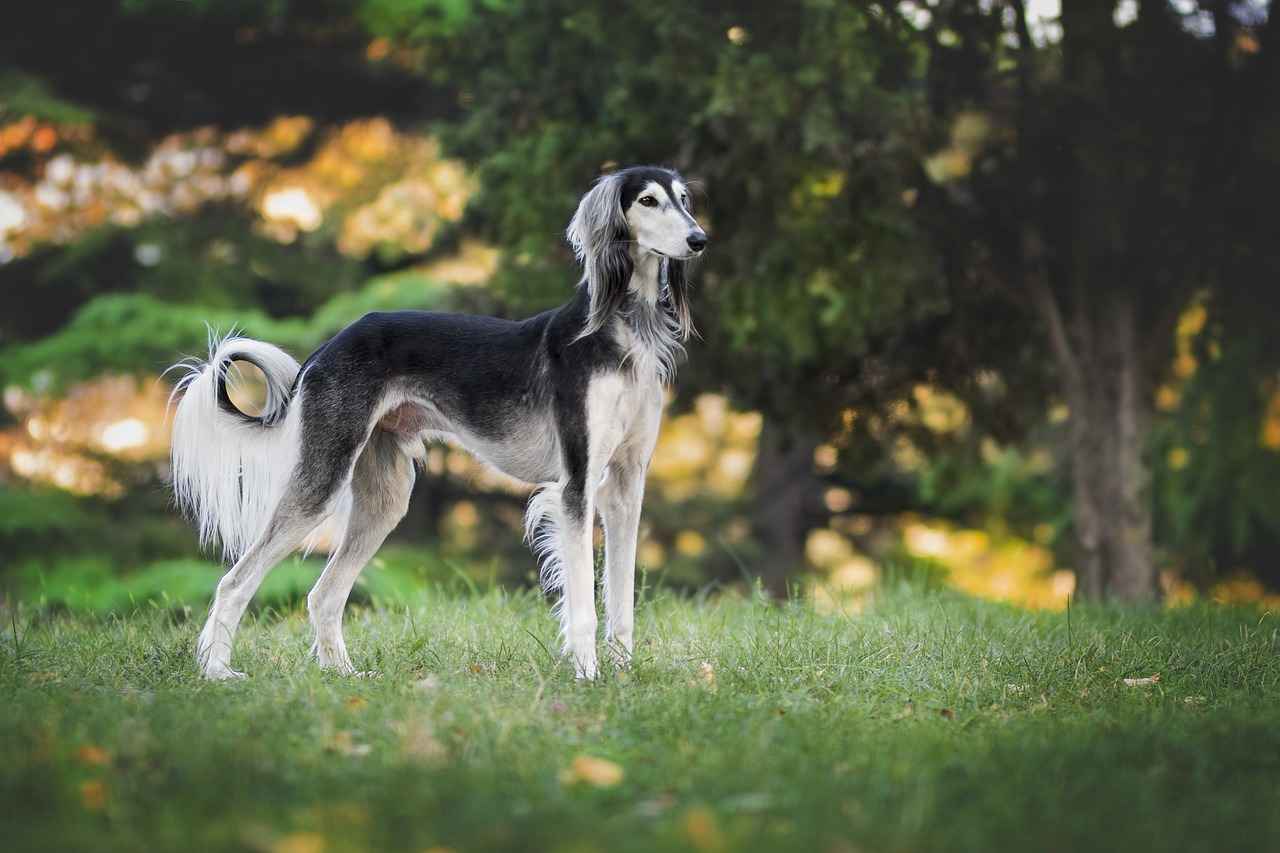
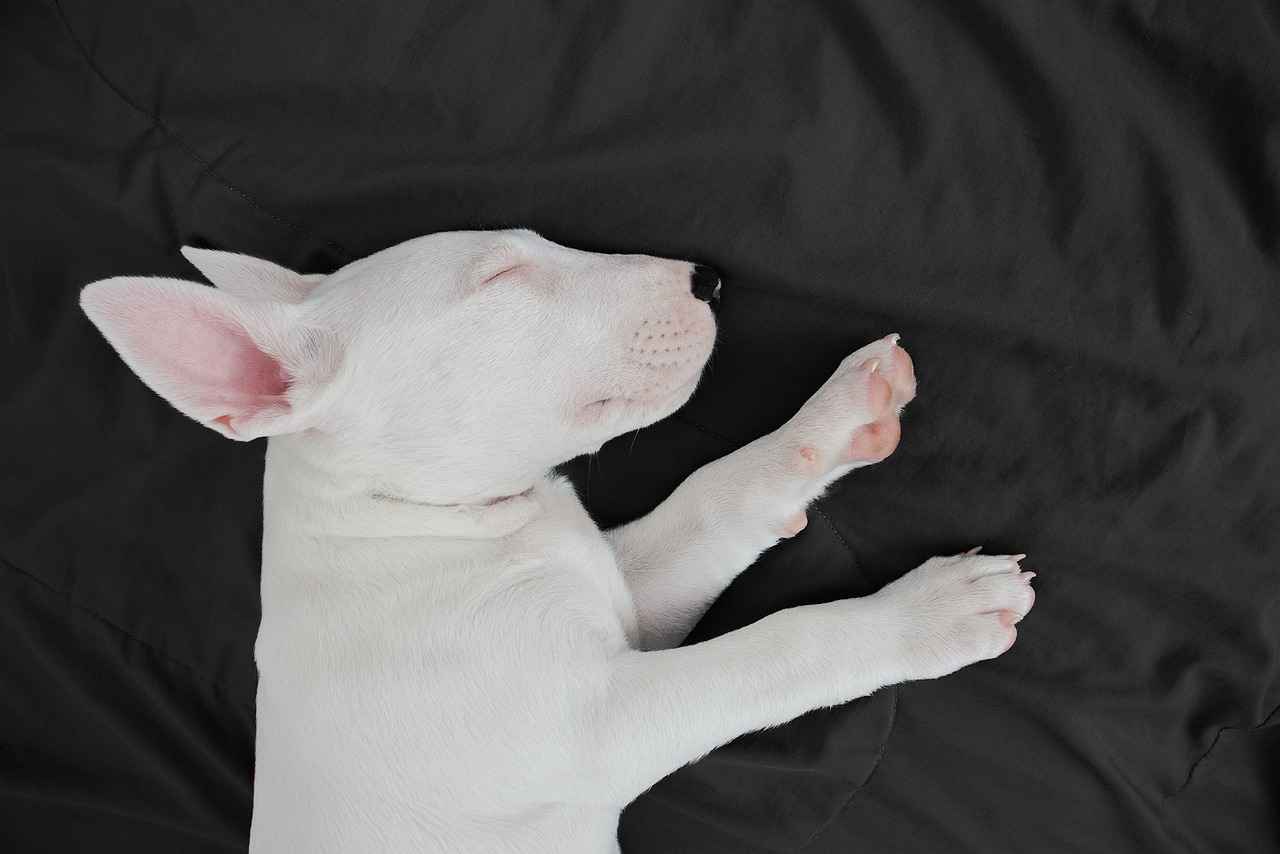
Have you ever wondered why do dogs have wet noses? This intriguing question has left many pet owners scratching their heads! Dogs, our loyal companions, boast many fascinating traits, and their wet noses are among the most curious. But what’s the real reason behind this unique characteristic? In this article, we will dive deep into the science and psychology behind those moist noses, revealing the surprising benefits that come with them. You might be asking yourself, “Is it just for cooling off?” or “Does it have something to do with their sense of smell?” The answers may astound you! From the health benefits of a wet nose to how it plays a vital role in communication, we’ll explore the captivating world of canine physiology. Plus, we’ll uncover how you can tell if your dog's nose is healthy or if it needs a vet's attention. So, keep reading to discover the fascinating reasons why dogs have wet noses and what it means for your furry friend’s overall well-being!
\n\nThe Science Behind Dogs’ Wet Noses: Why It Matters for Their Health
\n\n \n\n
\n\nThe wet noses of dogs may seem like just a cute feature, but it actually serves several important functions for their health and well-being. Have you ever wondered why do dogs have wet noses? Well, there's more to it than just aesthetics. Let's dive into the science behind this intriguing aspect of our furry friends and discover why it matters.
\nThe Anatomy of a Dog's Nose
\nA dog's nose is not only a unique physical trait, it also plays a crucial role in their sensory perception. The surface of a dog's nose is covered with a thin layer of moisture, which is usually produced by mucous glands. This moisture is essential for several reasons:
\n- \n
- Enhanced Smell: The wetness helps to capture scent particles from the air, making it easier for dogs to process smells. \n
- Temperature Regulation: Dogs don't sweat like humans; instead, they use their noses to help regulate body temperature. \n
- Communication: Dogs utilize their noses to gather information about their environment and communicate with other dogs through scent. \n
Why Are Dog Noses Wet?
\nSo, why do dogs have wet noses? The answer lies in evolution and biology. The moisture on their noses is not just for show — it has practical implications. When a dog inhales, the wet surface of the nose helps to humidify the air, which is beneficial for their respiratory system. Additionally, a wet nose can help cool down a dog’s body temperature, especially on hot days.
\nAnother interesting fact is that the temperature of a dog's nose can vary. A cooler, wet nose usually indicates a healthy dog, while a dry nose may suggest that something is off. However, a dry nose does not always mean a dog is sick. Factors such as weather or dehydration can also affect nose moisture.
\nHealth Indicators: What Your Dog's Nose Tells You
\nThe wetness of a dog's nose can be an indicator of their health. Here are some things to consider:
\n- \n
- Normal Moisture: A healthy dog's nose should feel cool and slightly wet. \n
- Dry Nose: While not always a sign of illness, a persistently dry nose can indicate dehydration or other health issues. \n
- Cracked or Bleeding Nose: This could be a sign of allergies, infections, or even injuries. It's important to consult a veterinarian if you notice these symptoms. \n
- Foul Odor: A smelly nose may suggest an underlying infection or dental issues. \n
The Role of Nose Moisture in Behavior
\nAnother fascinating aspect is how the moisture on a dog’s nose affects their behavior. Dogs are social animals, and they communicate with each other through scents. A wet nose allows them to gather more information about their surroundings and the animals that have been there.
\n- \n
- Scent Marking: Dogs have scent glands located around their noses. When they lick their noses, they can better identify scents. \n
- Exploration: Dogs use their noses to explore their world. The more moisture, the better they can pick up scents, which is essential for their exploratory nature. \n
Historical Context: Dogs and Their Noses
\nDogs have been companions to humans for thousands of years. The development of a wet nose can be traced back to their ancestors, who relied heavily on their sense of smell to survive. Early domesticated dogs with better olfactory abilities likely had an advantage in hunting and social interactions. This evolutionary trait has carried forward, making dogs the exceptional scent detectors they are today.
\nFun Facts About Dog Noses
\n- \n
- Unique Patterns: Just like human fingerprints, each dog's nose print is unique. \n
- Nasal Turbinates: Dogs have intricate structures called nasal turbinates that help them detect even the faintest scents. \n
- Scent vs. Taste: Dogs have about 220 million scent receptors in their noses, compared to only 5 million in humans. This makes their sense of smell over 40 times better than ours. \n
Understanding why do dogs have wet noses gives us insights into their health and behavior. A wet nose is not just a cute characteristic; it plays a vital role in their sensory perception and overall well-being. Regularly check your dog’s nose and be mindful of any changes. After all, a healthy nose often indicates a happy pup!
\nWhether you're a seasoned dog owner or considering bringing a furry friend into your life, knowing the science behind those wet noses can enhance your bond with your pet and ensure their health remains a priority.
\n\n5 Fascinating Facts About Why Dogs Have Wet Noses You Didn’t Know
\n\n \n\n
\n\nDogs are some of the most beloved companions in our lives, and their wet noses often leave us wondering: why do dogs have wet noses? You might think it’s just a quirky trait, but there’s actually some fascinating science behind it. Here, we dive into five surprising facts that explain why those cute, damp noses are more than just a charming characteristic.
\n1. A Natural Cooling System
\nOne of the most interesting reasons why dogs have wet noses is their ability to regulate body temperature. Dogs can't sweat like humans do; they lack sweat glands. Instead, they rely on their noses to help cool themselves down. When a dog licks its nose, the moisture evaporates, which cools the blood vessels in the nose. This helps lower their overall body temperature. So, next time you see your pup with a wet nose, remember they might just be trying to keep cool!
\n2. Enhanced Sense of Smell
\nDogs have an incredible sense of smell, which is about 10,000 to 100,000 times more acute than that of humans. The moisture on their noses plays a crucial role in this. Wet noses help trap scent particles, allowing dogs to better analyze their surroundings. When the nose is damp, it can absorb more scent molecules, which leads to that impressive sniffing ability. In fact, studies show that dogs can detect certain odors at incredibly low concentrations—making them excellent at tracking scents.
\n3. Communication Through Scent
\nBesides helping with their sense of smell, a dog's wet nose is also a tool for communication. Dogs use their noses to gather information about other animals and people. When they greet another dog, the first thing they do is often sniff each other's noses. This wet-nosed greeting can tell them a lot about the other animal, including their health, mood, and even what they’ve been eating! The moisture on their noses helps them pick up on these subtle scents, acting as an essential communication device.
\n4. Health Indicators
\nThe condition of a dog’s nose can actually be a good indicator of their health. A wet, cool nose is usually a sign that a dog is healthy and hydrated. On the other hand, a dry or cracked nose can sometimes signal dehydration, fever, or other illnesses. However, it’s important to note that not all dogs will have the same type of nose, and some breeds may naturally have drier noses. Pet owners should monitor their dog's overall behavior and health, rather than focusing solely on the moisture level of the nose.
\n5. Evolutionary Traits
\nThe wet nose is believed to have evolved as a survival trait. Ancestral dogs needed to be able to hunt and track prey effectively. The moist nose helped them gather scents from their environment, which was essential for finding food and avoiding predators. This evolutionary trait has persisted through generations, reinforcing the importance of a wet nose in a dog’s ability to interact with the world around them.
\nFun Facts About Dog Noses
\n- \n
- Unique Prints: Just like human fingerprints, every dog has a unique nose print! This means that you could, in theory, identify a dog based on its nose. \n
- Temperature Sensitivity: Dogs can sense temperature changes through their noses, which helps them detect hot surfaces or potentially dangerous situations. \n
- Nasal Turbinates: Dogs have more complex nasal structures than humans, called turbinates, which increase their ability to smell. This is why they’re often used in search-and-rescue missions. \n
Quick Comparison: Dog Noses vs. Human Noses
\n| Feature | \nDog Nose | \nHuman Nose | \n
|---|---|---|
| Moisture Level | \nTypically wet | \nUsually dry | \n
| Sense of Smell | \nHighly developed | \nLess acute | \n
| Scent Absorption | \nVery efficient | \nLess effective | \n
| Communication | \nUses scents to communicate | \nLimited to verbal cues | \n
Understanding why do dogs have wet noses not only highlights the uniqueness of our furry friends but also adds depth to our relationship with them. It’s fascinating how something as simple as a wet nose can connect to their health, communication, and evolutionary history. Next time you pet your dog and feel that cool, damp nose, you'll appreciate the science behind it even more. Dogs truly are remarkable creatures, and their noses are just one of the many reasons why we love them so much!
\n\nDo Wet Noses Indicate a Healthy Dog? Uncover the Truth!
\n\n \n\n
\n\nDogs, man’s best friend, got a lot of quirks that often leave us scratching our heads. One of the most discussed topics is why do dogs have wet noses? Many people believe that a wet nose indicates a healthy dog, but is this really true? Let’s dig deeper and uncover the truth behind those moist noses and what they mean for your furry companion.
\nThe Basics of Dog Nose Wetness
\nFirst off, it’s important to understand that not all wet noses are created equal. Not all dogs have the same nose moisture levels. Some breeds, like bulldogs and pugs, may have drier noses compared to others like retrievers and beagles.
\nHere's some reasons why dogs have wet noses:
\n- \n
- Cooling Mechanism: Dogs can’t sweat like humans do. Their primary method of cooling down is through panting and sometimes, the moisture on their noses helps with this process. \n
- Sense of Smell: A wet nose helps enhance a dog's sense of smell. The moisture can trap scent particles, making it easier for them to identify and analyze smells. \n
- Health Indicator: While a wet nose can sometimes indicate good health, it’s not the only factor to consider. A dog can have a wet nose and still be sick. \n
Why Do Dogs Have Wet Noses? Discover The Fascinating Reasons!
\nNow, let’s explore the fascinating reasons behind this phenomenon.
\n- \n
- \n
Physiological Function:
\n- \n
- Dogs’ noses are highly sensitive organs. The moisture helps in collecting scent particles. \n
- When a dog sniffs, the wetness aids in absorbing scents, which is crucial for their survival instincts. \n
\n - \n
Behavioral Aspect:
\n- \n
- Dogs often lick their noses to keep them moist. It’s not just for hygiene; it’s part of their natural behavior. \n
- A dog may also nuzzle or bump you with their nose as a way to communicate affection or seek attention. \n
\n - \n
Environmental Factors:
\n- \n
- Weather plays a role. In humid conditions, a dog’s nose might retain more moisture, while in dry weather, it might become drier. \n
- For example, a dog might have a drier nose during winter months, which can be completely normal. \n
\n
The Myths About Wet Noses
\nThere’s a lot of myths surrounding wet noses. Let’s bust some of those myths:
\n- \n
- \n
Myth 1: A wet nose means your dog is healthy.
\n- \n
- Fact: While a healthy dog often has a wet nose, there are other symptoms to consider, like energy levels or appetite. \n
\n - \n
Myth 2: A dry nose means your dog is sick.
\n- \n
- Fact: Dogs can have dry noses for various reasons, including allergies, dehydration, or even just because it’s a dry day. \n
\n - \n
Myth 3: All dogs have wet noses.
\n- \n
- Fact: Some breeds naturally have drier noses than others, and that’s okay! \n
\n
Signs of a Healthy Dog Beyond the Nose
\nSo, if a wet nose isn't the only sign of health, what else should you look for? Here’s a handy list:
\n- \n
- Bright Eyes: Clear, alert, and bright eyes are a good indicator of health. \n
- Good Appetite: A consistent and healthy appetite is crucial. \n
- Active Behavior: If your dog is playful and energetic, it’s a positive sign. \n
- Regular Bathroom Habits: Healthy elimination habits are also key indicators. \n
Practical Tips for Dog Owners
\nTaking care of your dog’s health is important. Here are some practical tips to ensure your furry friend stays healthy:
\n- \n
- Regular Vet Visits: Routine check-ups can catch potential health issues early. \n
- Balanced Diet: Ensure your dog has a well-rounded diet suited for their breed and age. \n
- Hydration: Always provide fresh water to keep them hydrated. \n
- Watch for Changes: If you notice any sudden changes in nose moisture, appetite, or behavior, consult a veterinarian. \n
The Bottom Line
\nIn the end, while a wet nose can be a sign of a healthy dog, it’s not the only metric to rely on. Dogs have their own unique characteristics, and understanding them can enhance your relationship with your furry friend. Keep an eye out for overall behavior and health indicators, and your pup will be happy and healthy!
\n\nHow Dogs Use Their Wet Noses to Understand the World: A Deep Dive
\n\n \n\n
\n\nWhen you think of dogs, their wagging tails and playful barks usually come to mind. But have you ever noticed their wet noses? It's not just an adorable feature; there's a lot more going on there. Today we explore how dogs use their wet noses to understand the world and the fascinating reasons behind why do dogs have wet noses.
\nThe Science Behind Wet Noses
\nDogs has moist noses for a reason. The wetness in their noses helps enhance their sense of smell. When dogs sniff something, the moisture in their noses traps scent particles, allowing them to take in much more information about their surroundings. This is crucial for a dog’s survival as they rely heavily on their sense of smell to navigate the world.
\n- \n
- Scent Detection: Dogs have about 220 million scent receptors, compared to humans who has roughly 5 million. A wet nose helps them smell better. \n
- Cooling Mechanism: Just like how humans sweat, dogs uses their noses to cool down. The moisture evaporates and helps them regulate body temperature. \n
- Communication Tool: Dogs use their noses to gather information from other dogs. A sniff can tell them about another dog’s health, diet, and even mood. \n
Why Do Dogs Have Wet Noses? The Fascinating Reasons!
\nYou might be wondering, why exactly are dog noses wet? Here’s a look at some of the reasons that explains this phenomenon.
\n- \n
- \n
Enhanced Olfactory Function: The wetness increases the olfactory epithelium, a special tissue in their noses that helps detect smells.
\n \n - \n
Heat Regulation: Dogs don’t sweat like humans. Their nasal passages helps in cooling them down during hot days.
\n \n - \n
Natural Behavior: In the wild, animals with wet noses hunt better. A wet nose can mean the difference between life and death.
\n \n - \n
Health Indicator: The condition of a dog’s nose can also be an indicator of their health. A healthy dog usually has a moist and cool nose, while a dry, cracked nose might signal an issue.
\n \n - \n
Hydration: Dogs lick their noses often, keeping them moist. This behavior helps them stay hydrated and ready to pick up scents.
\n \n
Fun Facts About Dog Noses
\nDogs are fascinating creatures, and their noses are one of the most intriguing aspects. Here are some fun facts you might not know:
\n- \n
- Dogs can smell certain diseases, like cancer or diabetes, due to their incredible olfactory abilities. \n
- Different breeds of dogs may have different nose shapes and sizes, affecting their smelling capabilities. \n
- The wetness of a dog's nose can change with the weather; it tends to be drier in hot weather and wetter in humid conditions. \n
Comparison of Dog Noses and Human Noses
\nTo fully appreciate the uniqueness of dog noses, it’s interesting to compare them with human noses.
\n| Feature | \nDog Nose | \nHuman Nose | \n
|---|---|---|
| Scent Receptors | \n220 million | \n5 million | \n
| Temperature Regulation | \nYes | \nNo | \n
| Moisture | \nUsually wet | \nUsually dry | \n
| Smelling Ability | \nSuperior | \nLimited | \n
| Communication | \nYes, via sniffing | \nLimited | \n
Practical Examples of Dogs Using Their Noses
\nDogs uses their noses in many practical ways. Here are a few examples:
\n- \n
- Search and Rescue: Dogs are often trained to find missing persons. Their noses can detect scents many days old. \n
- Service Dogs: Some service dogs can sniff out medical conditions, alerting their owners of impending issues. \n
- Tracking and Hunting: In hunting, dogs track scents left by animals, leading hunters to their prey. \n
The Role of Wet Noses in Dog Behavior
\nDogs' wet noses influences their behaviors as much as their physical abilities. They sniff to learn about their environment and the creatures within it. Each time a dog meets another dog, an extensive sniff session helps them gather a wealth of info. This social behavior is critical for building relationships with other dogs and humans.
\nIn summary, dogs' wet noses are not just cute; they are essential for understanding the world. Their unique physiological traits enable them to lead rich, fulfilling lives. So, the next time you see a dog with a wet nose, remember that it is doing more than just looking adorable. It's a powerful tool for exploration and connection, integral to how dogs experience and interact with their world.
\n\nThe Surprising Role of a Dog’s Wet Nose in Temperature Regulation
\n\n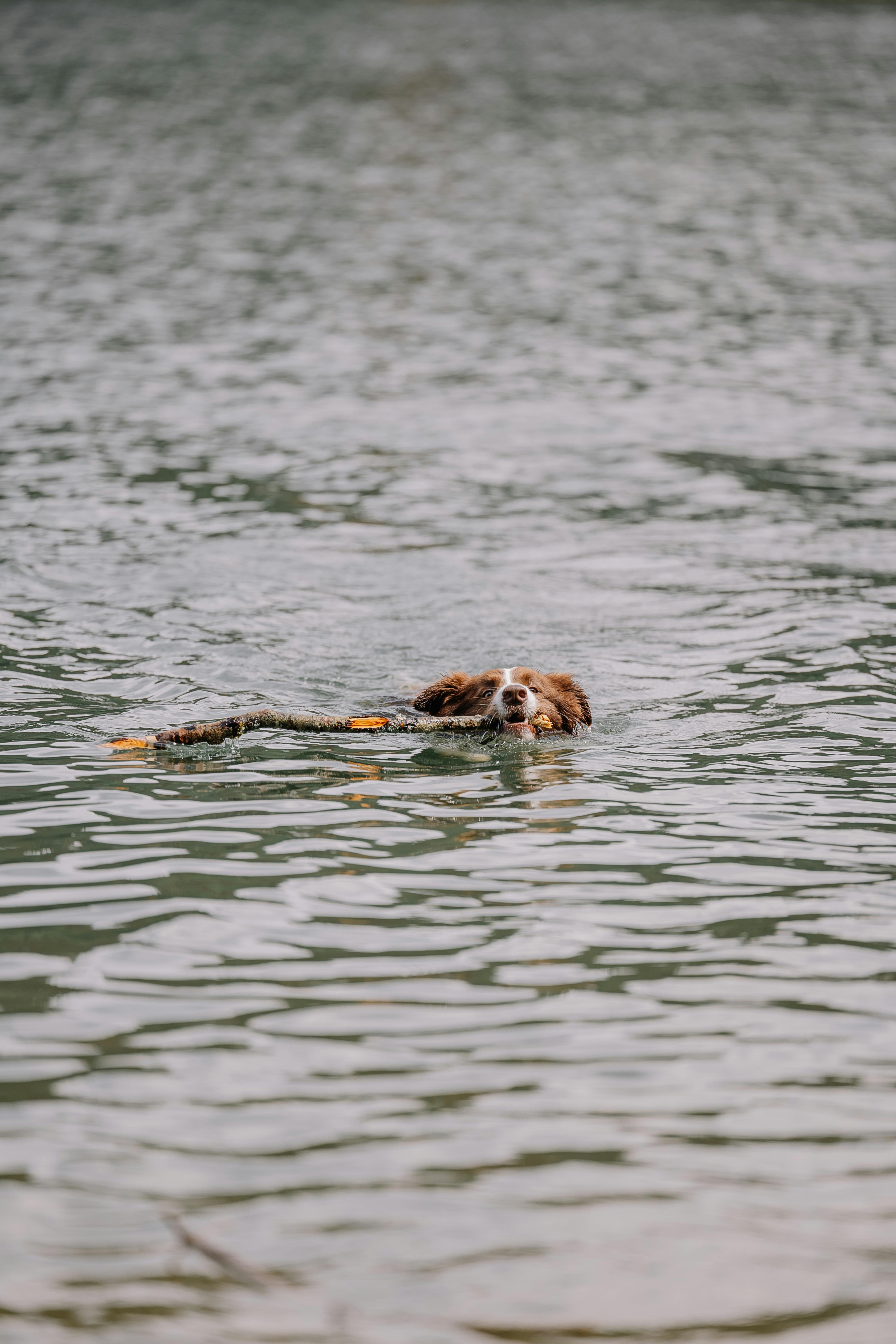 \n\n
\n\nDogs have been our companions for thousands of years, and their unique characteristics continues to amaze us. One of the most interesting features is their wet noses. Many people often wonder, why do dogs have wet noses? It turns out that there's more to that little wet spot than just a cute feature. In fact, a dog's wet nose plays an important role in temperature regulation, which some might find surprising!
\nThe Science Behind a Dog's Wet Nose
\nA dog's nose is not just an adorable feature; it's a complex organ that helps them navigate their world. The moisture on a dog's nose helps with their sense of smell. Dogs have an incredible sense of smell, far superior to humans, and this moisture helps to trap scent particles. This means that when you see your dog sniffing around, their wet nose is helping them gather more information about their environment.
\nBut there’s more! The wetness of a dog’s nose also helps regulate body temperature. When a dog is feeling hot, they might pant, but they also rely on the moisture on their nose to cool themselves down. The evaporation of that moisture can help lower their body temperature. Here’s a little summary of how it works:
\n- \n
- Sense of Smell: Moisture helps to trap scent particles, enhancing their ability to smell. \n
- Temperature Regulation: Evaporation of moisture cools them down. \n
- Health Indicator: A suddenly dry nose can indicate illness or stress. \n
Why Do Dogs Have Wet Noses?
\nSo, why do dogs have wet noses in the first place? The answer lies in their evolution and biology. Dogs are descendants of wolves, and their ancestors had similar moist noses. This feature helped them hunt and survive in the wild.
\n- \n
- Natural Selection: Over time, dogs that had wet noses may have been better at finding food and avoiding dangers, leading to this trait being passed down. \n
- Communication: Dogs also use their noses to communicate with other dogs. The scent they leave behind can tell others about their health, mood, and even their reproductive status. \n
The Fascinating Role of a Dog’s Nose in Temperature Regulation
\nYou might not think about it, but a wet nose is essential for a dog’s health. When they’re hot, their body naturally seeks ways to cool down. This is where their nose plays a critical role. Unlike humans, dogs don’t sweat over most of their bodies. They only sweat through their paw pads, which isn’t enough to cool them down effectively.
\nInstead, when a dog’s nose is wet, the moisture evaporates, creating a cooling effect. This is similar to how humans feel cooler when sweat evaporates off their skin.
\nInteresting Facts About Dog Noses
\nHere are some cool facts about dog noses that you might not have known:
\n- \n
- Unique Patterns: Just like humans have unique fingerprints, each dog has a unique nose print! \n
- Temperature Sensitivity: A dog’s nose can detect changes in temperature, which helps them sense their environment better. \n
- Health Monitoring: A healthy dog’s nose is typically moist. If it becomes excessively dry, it might be a sign of dehydration or illness. \n
Comparisons: Dog Noses vs. Human Noses
\nIt’s interesting to compare dog noses to human noses. Here’s a basic comparison:
\n| Feature | \nDog's Nose | \nHuman Nose | \n
|---|---|---|
| Moisture | \nNaturally wet | \nTypically dry | \n
| Smell Sensitivity | \nHighly sensitive | \nLess sensitive | \n
| Temperature Regulation | \nUses moisture to cool down | \nSweating to cool down | \n
| Unique Patterns | \nUnique nose prints | \nUnique fingerprints | \n
Practical Examples of Nose Function
\nConsider this scenario: You take your dog for a walk on a hot day. You might notice them stopping to sniff around. This isn’t just them being curious; they’re using their wet noses to get information about other animals, food, or even water sources nearby.
\nAnother example could be during playtime at home. Your dog might be following you around, sniffing the ground. Their wet nose is helping them understand where you’ve been and what you’ve touched, creating a map of your movements through scent.
\nDogs are truly incredible creatures, and their wet noses are just one of the many features that show how well adapted they are to their environments. Understanding the purpose of a dog's wet nose not only helps us appreciate our furry friends more, but it also teaches us about their health and wellbeing. So next time you see your dog with that adorable wet nose, remember it’s doing important work behind the scenes!
\n\nWet Noses and Dog Behavior: What Your Pup is Trying to Tell You
\n\n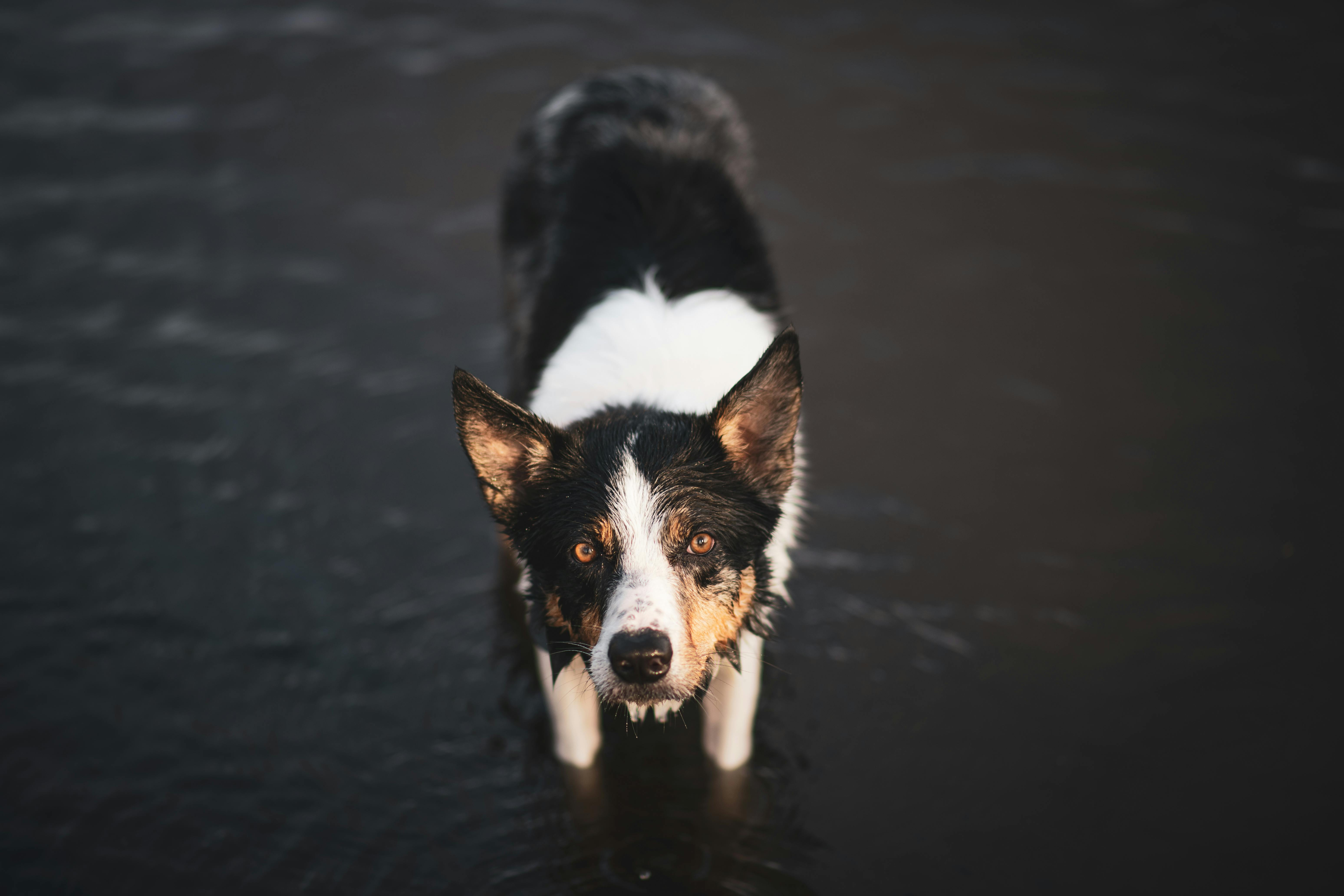 \n\n
\n\nDogs have this amazing ability to express themselves, and one of the most intriguing features they have is their wet noses. You ever wonder why do dogs have wet noses? This characteristic is not only cute but also serves a bunch of important purposes. In this article, we’ll dive deep into the fascinating reasons behind those wet noses and what your pup is trying to say with them.
\nThe Science Behind Wet Noses
\nFirst things first, a dog's nose is typically moist due to a variety of reasons. The moisture helps them smell better, which is pretty essential for their communication and navigation. The wetness enhances their olfactory receptors, allowing them to detect scents much more effectively than humans can. Here’s how it works:
\n- \n
- Moisture Enhances Smell: When a dog’s nose is wet, it helps trap scent particles. This means they can pick up more smells and process them faster. \n
- Temperature Regulation: Dogs don’t sweat like humans. Instead, they can cool down through their noses. A wet nose can help them regulate their body temperature. \n
- Health Indicator: A dog’s nose can be a good indicator of its health. A dry, cracked nose might suggest dehydration or illness, while a wet nose typically signifies a healthy pup. \n
Why Do Dogs Have Wet Noses?
\nSo, you might ask, why do dogs have wet noses? Well, to put it simply, it aids their survival and communication. Here’s a list of reasons:
\n- \n
- Scent Detection: As mentioned, the moisture helps in identifying scents in the air. \n
- Social Interaction: Dogs often use their noses to greet other dogs and even humans. A wet nose is often seen as a friendly gesture. \n
- Exploration: When dogs are curious it’s not just their eyes they use. Their noses get involved too! They explore their environment through scent. \n
The Role of Wet Noses in Behavior
\nDogs communicate a lot through their noses. If your dog’s nose is wet, it might mean they are feeling content or excited. On the other hand, if it’s dry, they might be a little stressed or not feeling well. Here’s a breakdown of what different nose conditions might mean:
\n- \n
- Wet and Cool Nose: Happy and relaxed; your pup is probably excited about something. \n
- Warm and Dry Nose: This can be a sign of stress, illness, or dehydration. Monitor for other symptoms. \n
- Cracked Nose: Could indicate a need for hydration or even allergies; consult with your vet if it persists. \n
Historical Context of Dog Noses
\nHistorically, dogs have been utilized for their incredible sense of smell. From ancient times, they’ve been companions to humans, serving roles in hunting, herding, and even search-and-rescue missions. Their noses became a key trait that humans valued greatly. Different breeds have different nose shapes and lengths, which can affect their smelling abilities.
\nComparison of Dog Breeds by Nose Types
\nHere is a quick comparison of some dog breeds based on their nose types and their abilities:
\n| Breed | \nNose Type | \nSmelling Ability | \n
|---|---|---|
| Bloodhound | \nLong, droopy | \nExceptional | \n
| Beagle | \nShort, compact | \nVery Good | \n
| Boxer | \nShort, broad | \nGood | \n
| Dachshund | \nLong, narrow | \nFair | \n
Practical Examples of Nose Behavior
\nUnderstanding your dog’s nose behavior can help strengthen your bond. Here’s a few common scenarios and what they mean:
\n- \n
- Nose Nudging: If your dog nudges you with their wet nose, they might be asking for attention or playtime. \n
- Sniffing Objects: When your dog sniffs new objects, they are trying to learn about their environment. \n
- Licking: A dog licking their nose can be a sign of excitement or nervousness. It’s a way for them to process scents. \n
Conclusion
\nUnderstanding the significance of your dog's wet nose can not only improve your relationship with your pet but can also help you gauge their health and emotional state. Remember, a wet nose isn’t just a charming feature; it's a crucial part of how dogs experience the world. Whether they’re sniffing out a treat or nudging you for a game, their wet noses are telling you a story worth listening to. So, keep an eye on that adorable wet nose, and you might just discover what your furry friend is trying to communicate next!
\n\nIs Your Dog's Nose Too Dry? Discover the Signs of Potential Health Issues
\n\n \n\n
\n\nIs your dog's nose too dry? Many pet owners wonder about this common concern, and it can be a little puzzling. Dogs noses are often thought to be a good indicator of their health, but what does it really mean if their noses are dry? In this article, we will explore the signs of potential health issues related to your dog's nose, and also dive into the fascinating reasons why dogs have wet noses in the first place.
\nWhat Does a Dry Nose Mean for Your Dog?
\nA dog's nose can vary in moisture level throughout the day. It's normal for them to have a wet nose after drinking water or spending time outside. But what if you notice that your dog's nose has become persistently dry? Here are some signs that could indicate health issues:
\n- \n
- Cracking and Flaking: If you see cracks or dry patches, it might be a sign of dehydration or skin issues. \n
- Discoloration: A dry nose that changes color (to a lighter shade or even red) can signal an underlying health problem. \n
- Excessive Sniffing: If your dog is sniffing more than usual, it might be trying to compensate for a loss of scent. \n
- Behavioral Changes: If your dog seems lethargic, loses appetite, or becomes unusually irritable, these could be linked to health issues. \n
Reasons for a Dry Nose
\nThere can be a variety of reasons your dog's nose might be dry. Some common ones include:
\n- \n
- Dehydration: Just like humans, dogs need water. If they aren’t drinking enough, their noses can dry out. \n
- Allergies: Environmental factors, such as pollen or dust, can lead to dry noses as well. \n
- Weather Conditions: Cold, windy, or sunny weather can dry out a dog’s nose, especially for breeds with less fur. \n
- Health Conditions: Certain medical conditions, like autoimmune diseases or infections, can cause dryness. \n
Why Do Dogs Have Wet Noses? Discover The Fascinating Reasons!
\nNow, let’s shift gears and talk about why dogs typically have wet noses in the first place. A wet nose is often seen as a sign of a healthy dog, but there’s more to it than just health indicators. Here are some interesting facts:
\n- \n
- Scent Enhancement: A wet nose helps dogs detect scents better. The moisture captures scent particles, making it easier for them to smell. \n
- Temperature Regulation: Dogs can cool themselves down through their noses. The dampness helps to regulate their body temperature. \n
- Body Language: A wet nose can also be a way for dogs to communicate. When they nuzzle against you, their wet nose can be a friendly gesture. \n
The Science Behind the Wet Nose
\nThe reasons behind a dog's wet nose can be quite fascinating. Here's a breakdown:
\n- \n
- Anatomy of the Nose: Dogs have a special type of mucus that keeps their noses moist. This mucus is produced by glands and helps in scent detection. \n
- Behavioral Aspects: Besides smelling, a wet nose can also reflect a dog's emotional state. A wet nose is often a sign of excitement or affection. \n
- Environmental Interactions: Dogs will often wet their noses by licking them or by coming into contact with wet surfaces. \n
Common Misconceptions About Dog Noses
\nThere are several myths surrounding the health of a dog's nose, and it's important to set the record straight:
\n- \n
- \n
Myth: A cold, wet nose means your dog is healthy.
\n \n - \n
Fact: While a wet nose can be a sign of health, it’s not a definitive indicator. Always monitor other signs.
\n \n - \n
Myth: All dogs have wet noses.
\n \n - \n
Fact: Some breeds naturally have drier noses due to their genetics.
\n \n
What to Do If You Notice Changes
\nIf you notice your dog's nose is too dry or if they show other signs of illness, here are some steps you could take:
\n- \n
- Hydrate: Ensure your dog has constant access to fresh water. \n
- Observe: Keep an eye on any other symptoms that might arise, such as changes in appetite or behavior. \n
- Consult a Veterinarian: If the dry nose persists, it's best to consult with a professional who can provide a proper diagnosis. \n
Understanding why your dog’s nose might be dry or wet can help you take better care of your furry friend. Remember, while a wet nose is a common sign of health, it’s not the only thing that matters. Always pay attention to your dog's overall behavior and physical condition to ensure they’re happy and healthy. Your dog's nose might be just one small part of their health, but it’s an important piece of the puzzle!
\n\nThe Evolutionary Advantage of Wet Noses in Dogs: Nature’s Design
\n\n \n\n
\n\nDogs, those loyal companions of humans, have some pretty interesting traits that make them unique. One of the most fascinating features is their wet noses. Ever wondered why do dogs have wet noses? Well, there's actually a good evolutionary reason behind it. Wet noses aren't just adorable; they serve several important functions that enhance a dog's ability to interact with its environment and communicate with others. So, let’s take a closer look at the evolutionary advantage of wet noses in dogs and uncover the science behind this natural design.
\nThe Science Behind Wet Noses
\nThe moisture on a dog's nose plays a crucial role in their sense of smell. Dogs have around 220 million scent receptors in their noses, compared to a human's mere 5 million. This incredible olfactory ability allows them to detect scents that humans can’t even imagine. But how does the moisture factor in?
\n- \n
- Enhanced Scent Detection: A wet nose helps to absorb scent molecules. When a dog inhales, the moisture captures these molecules, which allows for better detection and identification of different smells. \n
- Temperature Regulation: Dogs don’t sweat like humans do. Instead, they rely on their noses to help regulate body temperature. A wet nose helps to cool them down, especially during warm weather. \n
The Evolutionary Perspective
\nFrom an evolutionary standpoint, wet noses likely provided significant advantages for survival. Here are some points to consider:
\n- \n
- Hunting Skills: In the wild, dogs (or their ancestors) depended on their sense of smell to track prey. A wet nose would have allowed them to be more effective hunters, increasing their chances of survival. \n
- Communication: Dogs often use their noses to interact with other dogs. A wet nose can indicate playfulness or submission, which are important in social interactions. \n
Fun Facts About Dogs' Noses
\n- \n
- Dogs have a unique nose print, much like human fingerprints. Each dog’s nose is distinct and can even be used for identification. \n
- The color of a dog's nose can vary, but black and liver (brown) are the most common. However, some breeds can have spotted noses! \n
- Dogs can detect certain diseases in humans, such as cancer or diabetes, simply by smelling them. \n
Comparing Dog Noses to Other Animals
\nNot all animals have wet noses. It’s interesting to compare how different species have adapted their sense of smell. Here’s a brief comparison:
\n| Animal | \nNose Type | \nScent Detection Capability | \n
|---|---|---|
| Dogs | \nWet | \nExtremely high | \n
| Cats | \nDry | \nHigh, but less than dogs | \n
| Elephants | \nTrunk | \nVery high | \n
| Humans | \nDry | \nRelatively low | \n
Practical Implications for Dog Owners
\nUnderstanding the function of a dog's wet nose can also help dog owners in caring for their pets. Here are some practical tips:
\n- \n
- Check for Health: A dog's nose can indicate their health. A dry or cracked nose might signal dehydration or illness, while a wet nose is often a sign of good health. \n
- Hydration: Always ensure your dog has access to fresh water, especially in warm weather. Hydration is key for maintaining that wet nose. \n
- Regular Vet Visits: Routine check-ups can help catch any underlying health issues early, ensuring your dog stays healthy and happy. \n
Why Do Dogs Have Wet Noses? The Bottom Line
\nSo, why do dogs have wet noses? It all comes down to a mix of evolutionary advantages and physiological needs. Their wet noses help them sniff out scents better, regulate their body temperature, and communicate effectively.
\nDogs are remarkable creatures with a design that has been perfected through ages. Their wet noses are just one of the many features that make them so special. Whether they’re wagging their tails or giving you those puppy-dog eyes, their wet noses serve a purpose that goes beyond cuteness. They are essential to their survival, their ability to connect with you, and their overall well-being.
\nAs dog lovers, understanding these traits can help us appreciate them even more. So next time you see your furry friend with that adorable, wet nose, remember the fascinating reasons behind this evolutionary gift.
\n\nCan Climate Affect Your Dog’s Nose Wetness? Find Out Here!
\n\n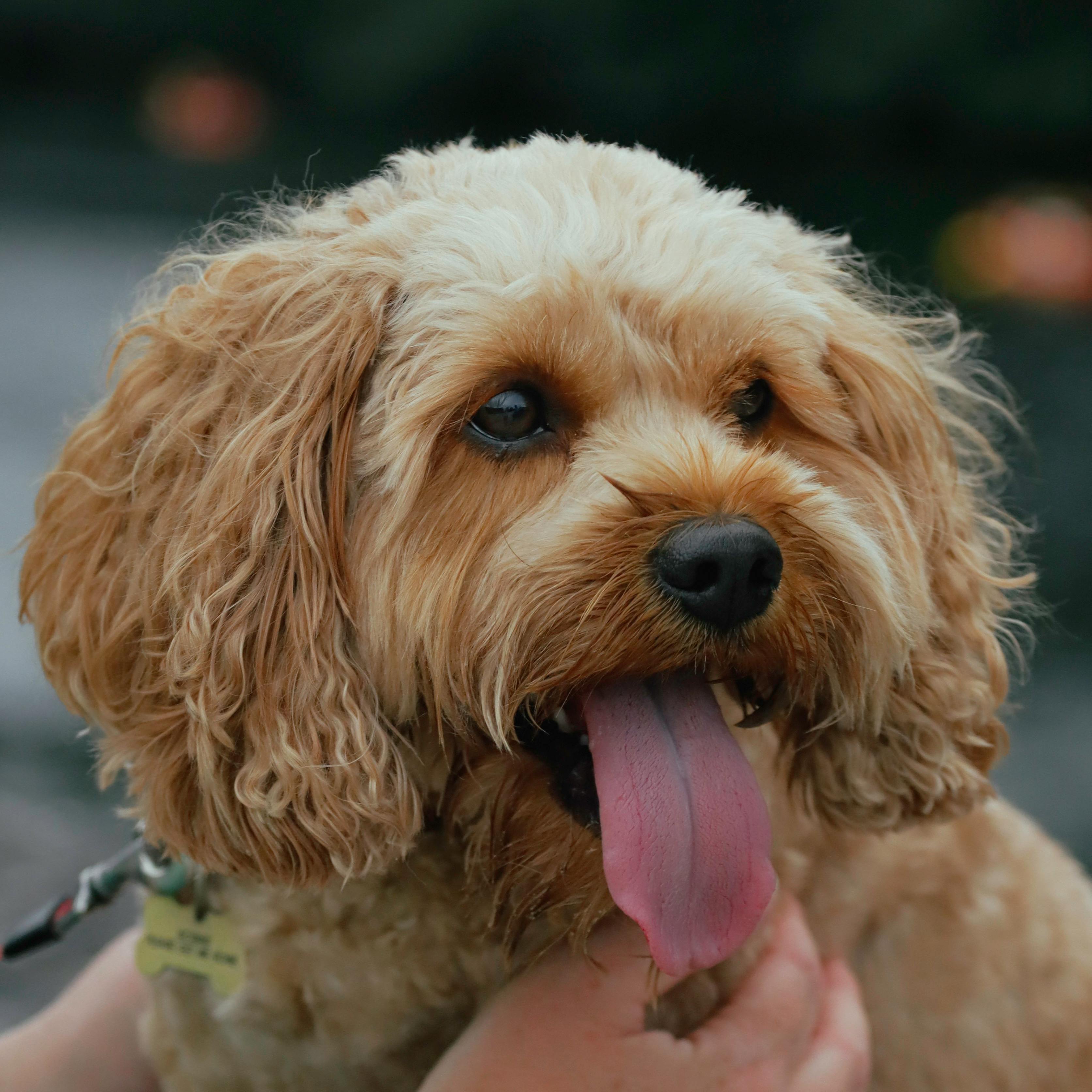 \n\n
\n\nDogs are truly fascinating creatures, and there’s something really interesting about their noses. Many folks might wonder, "Can climate affect your dog’s nose wetness?" or "Why do dogs have wet noses?" These questions leads us to explore the science behind why our furry friends’ noses are often damp. Let’s dive into this subject that combines biology, climate, and a bit of doggy history.
\nWhy Do Dogs Have Wet Noses?
\nDog noses are wet for a bunch of reasons, and understanding them is important for any dog owner. Here’s a quick breakdown:
\n- \n
- \n
Cooling Mechanism: Dogs don’t sweat like humans do. They primarily rely on panting and the moisture on their noses to help regulate body temperature.
\n \n - \n
Enhanced Smell: A wet nose can help capture scent particles in the air. The moisture makes it easier for the nose to absorb odors, giving dogs a powerful sense of smell.
\n \n - \n
Health Indicator: The state of a dog’s nose can be an indicator of health. A dry nose can sometimes signal dehydration or illness, although it’s not a definitive sign.
\n \n - \n
Behavioral Signals: Dogs often lick their noses as a way to keep them moist. This is especially true when they are excited or curious about something.
\n \n
Can Climate Affect Your Dog’s Nose Wetness?
\nAbsolutely, climate plays a significant role in determining how wet or dry a dog's nose can be. Here’s how different weather conditions can impact it:
\n- \n
- \n
Humidity Levels: In humid conditions, a dog’s nose may stay wetter longer. The moisture in the air helps to keep their noses from drying out.
\n \n - \n
Dry Weather: Conversely, in dry or extremely hot conditions, a dog’s nose can dry out quickly. This is particularly common during winter when indoor heating can suck moisture from the air.
\n \n - \n
Temperature Fluctuations: Extreme temperatures, both hot and cold, can influence the moisture level on a dog's nose. Cold weather can cause the nose to become dry and cracked, while heat can lead to excessive panting, which might dry out the nose as well.
\n \n - \n
Altitude: Higher altitudes often mean drier air, which might affect your dog’s nose in the same way as dry climates.
\n \n
The Fascinating Reasons Behind Wet Noses
\nDogs have wet noses for reasons that go beyond just biology. Here’s a deeper look into the fascinating history and facts about why dogs’ noses are designed this way:
\n- \n
- \n
Evolutionary Advantage: Dogs descended from wolves, who needed keen sense of smell for hunting. Those with wetter noses likely had a better chance of survival, leading to this trait being passed down.
\n \n - \n
Licking Behavior: Dogs often lick their noses after eating or during play, keeping them moist. This behavior is not just for hygiene; it’s a way to enhance their ability to smell.
\n \n - \n
Nasal Structure: The structure of a dog’s nose has evolved to optimize smell. The unique combination of wetness and the intricate folds inside the nose allows for maximum scent absorption.
\n \n
Practical Examples of Nose Care
\nHere are some tips for ensuring your dog’s nose stays healthy, regardless of the climate:
\n- \n
- \n
Hydration: Always make sure your dog has access to fresh water. Hydration is crucial for keeping their nose moist.
\n \n - \n
Diet: A healthy diet rich in omega fatty acids can improve skin and coat health, which includes the nose.
\n \n - \n
Nose Balm: If you live in a particularly dry climate, consider using a dog-safe nose balm to protect against cracking and dryness.
\n \n - \n
Regular Check-ups: Regular vet visits can help monitor your dog’s overall health and the condition of their nose.
\n \n
Climate Influence on Nose Awareness
\nIt’s important to be aware of how climate can influence your dog’s nose health. Pet owners should observe changes in their dog’s behavior and nose condition during different seasons.
\n- \n
- \n
Signs of Dryness: Look for cracks, excessive licking, or changes in color. These can indicate that your dog’s nose needs some attention.
\n \n - \n
Temperature Monitoring: Keep an eye on how your dog reacts to extreme temperatures. If they seem uncomfortable, provide them with a cool or warm space as needed.
\n \n
Understanding the reasons behind your dog’s wet nose can deepen your bond with your furry friend. So next time you’re petting your pup, take a moment to appreciate the science and climate factors that contribute to their unique nose!
\n\nUnderstanding Your Dog’s Wet Nose: Tips for Pet Owners to Ensure Optimal Health
\n\n \n\n
\n\nWhen you own a dog, you often wonder about many things related to their health and behavior. One of the most noticeable features is their wet nose. Ever asked yourself, “Why do dogs have wet noses?” or "What does it mean for my pet's health?" Understanding your dog’s wet nose is crucial for any pet owner, as it can hint at their overall condition and can shape how you care for them. So, let’s dive into this fascinating topic and discover the reasons behind that adorable, sometimes slimy, feature.
\nThe Science Behind a Dog’s Wet Nose
\nDogs have wet noses mainly because of a few biological and evolutionary factors. A wet nose helps to regulate their body temperature and enhances their sense of smell. The moisture on their noses comes from a combination of mucus and saliva, which helps capture scent particles in the air. This is really important for them since dogs rely heavily on their sense of smell to gather information about their environment.
\n- \n
- Thermoregulation: Dogs don’t sweat like humans do. Instead, they cool off through their noses and paws. A wet nose can help with this process. \n
- Enhanced Smell: The moisture allows scent particles to stick better, making it easier for dogs to detect odors. It’s like a natural air freshener for their noses! \n
- Health Indicator: The condition of a dog’s nose can indicate their health status. A warm and dry nose can sometimes signal illness or dehydration. \n
Historical Perspective
\nHistorically, dogs with wet noses have been viewed as healthier. Ancient cultures often believed that the moisture signified vitality. In fact, many dog owners still check their pets' noses as a quick health assessment. This tradition has persisted for centuries, but it’s essential to understand that while a wet nose can be a good sign, it’s not the only indicator of health.
\nCommon Myths About Wet Noses
\nThere are many myths surrounding wet noses of dogs. Here are some of the most common ones:
\n- \n
- \n
Myth 1: Wet noses mean a dog is sick.
\n
\nNot true! While a dry nose can indicate illness, a wet nose can simply mean your dog is healthy and happy. \n - \n
Myth 2: All dogs have wet noses.
\n
\nSome breeds may have drier noses. For instance, Bulldogs are known to have drier noses than other breeds. \n - \n
Myth 3: You can tell a dog's mood by the moisture level of their nose.
\n
\nThis isn’t accurate. A dog’s nose doesn’t reflect their emotional state. \n
Tips for Keeping Your Dog’s Nose Healthy
\nEnsuring your dog maintains a healthy wet nose is crucial for their overall well-being. Here are some practical tips:
\n- \n
- Hydration: Always provide fresh and clean water. Dehydration can lead to a dry nose. \n
- Regular Vet Check-ups: Regular visits to the vet can help catch any potential health issues early. \n
- Watch for Changes: Keep an eye on the moisture level and color of your dog’s nose. A sudden change can indicate health issues. \n
- Avoid Irritants: Minimize exposure to harsh chemicals or allergens that can cause skin irritation. \n
Understanding the Normal vs. Abnormal Nose Conditions
\nKnowing what’s normal for your dog’s nose can help you spot issues. Here’s a quick comparison:
\n| Condition | \nNormal Characteristics | \nAbnormal Indicators | \n
|---|---|---|
| Wet Nose | \nCool and moist | \nHot and dry | \n
| Color | \nPink or black, depending on breed | \nWhite, crusty, or discolored | \n
| Texture | \nSmooth, with no cracks or sores | \nCracked, sore, or bleeding | \n
Conclusion
\nYour dog’s wet nose is not just a cute feature; it plays a vital role in their health and well-being. Understanding the reasons behind why dogs have wet noses can help you, as a pet owner, ensure that your furry friend remains healthy. Always remember to monitor their nose condition, provide proper hydration, and consult a vet if you notice any concerning changes. By doing so, you’ll not only keep that adorable wet nose but also contribute to a happy and healthy life for your beloved canine companion.
\n\nConclusion
\n\nIn conclusion, the wet noses of dogs serve multiple vital purposes that contribute to their overall health and well-being. The moisture on their noses enhances their sense of smell, allowing them to detect scents more effectively, which is crucial for their communication and interaction with the world. Additionally, a wet nose helps regulate their body temperature and keeps them cool, acting as a natural air conditioning system. While a dry nose may sometimes indicate health issues, it’s important to remember that variations in moisture levels can be normal. As loving pet owners, staying attentive to our dogs’ health and habits is essential. So, the next time you feel your furry friend’s damp nose, appreciate it as a remarkable feature that plays an integral role in their life. If you notice any significant changes in your dog’s nose or overall behavior, don’t hesitate to consult your veterinarian for peace of mind.
\n\n