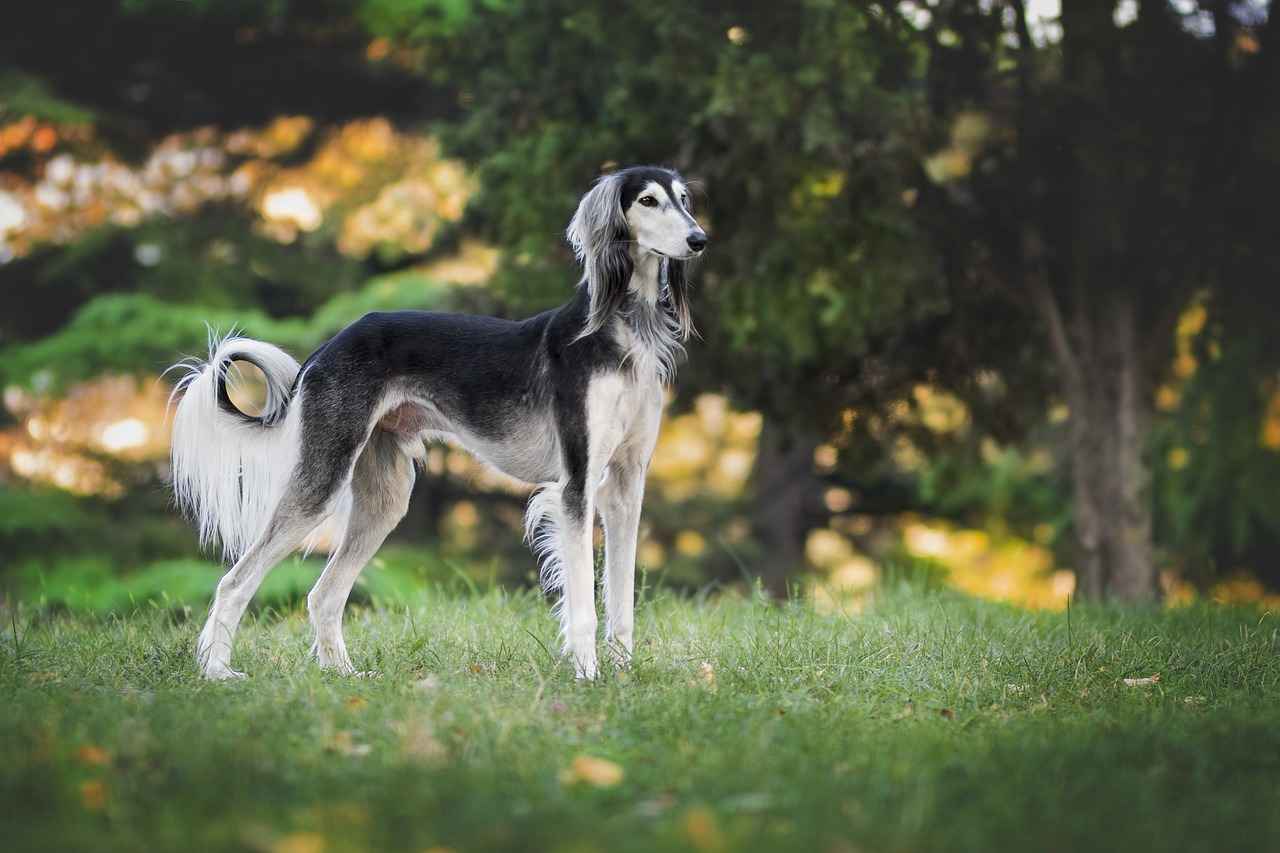
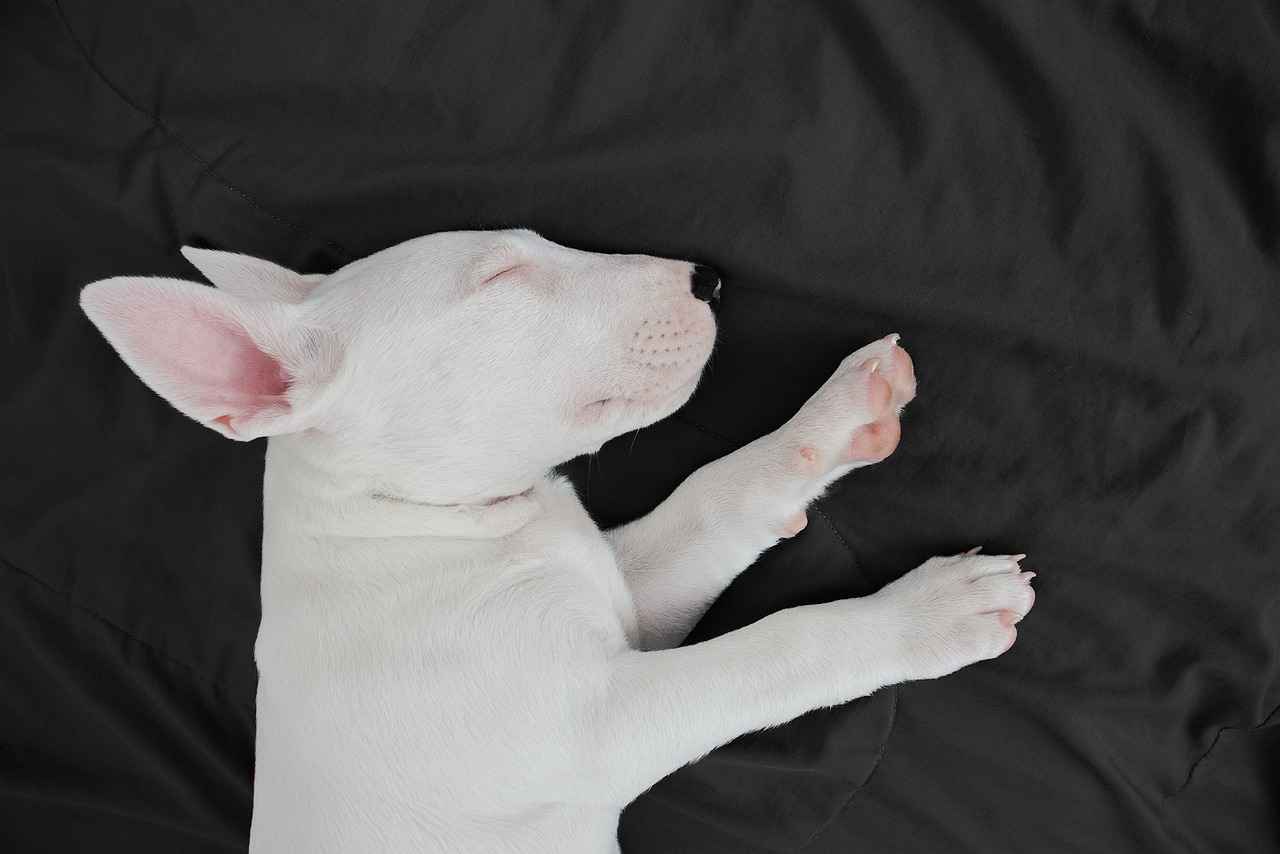
Have you ever wondered, why do dogs have wet noses? This fascinating question is more than just a quirky trait of our beloved furry friends. A dog's wet nose is not only an adorable feature, but it also plays a crucial role in their overall health and well-being. In this post, we will explore the science behind those damp snouts and reveal the intriguing reasons why your pup’s nose is often moist. Did you know that a wet nose helps dogs to detect scents more accurately? This unique characteristic enhances their sense of smell, making them exceptional hunters and companions. Plus, it’s a sign of their emotional state! Curious about how a dog's nose can reflect their feelings? You’re in for a treat! Join us as we dive into the world of canine biology and uncover the secrets behind why dogs have wet noses. Whether you're a dog owner or simply a dog lover, understanding this aspect of your pet can deepen your bond and appreciation for these amazing creatures. So, let’s sniff out the truth together and discover why those wet noses are more than just a cute quirk!
\n\nThe Science Behind Canine Hydration: Why Do Dogs Have Wet Noses?
\n\n \n\n
\n\nDogs are more than just pets; they are companions and family members. A common question many people find themselves asking is, "Why do dogs have wet noses?" This seemingly simple inquiry actually dives into the fascinating science of canine hydration. Dogs’ noses are often moist, and this unique feature not only adds to their charm but also plays a vital role in their health and well-being.
\nThe Anatomy of a Dog's Nose
\nDogs have highly developed nasal structures. The surface of a dog's nose is covered in a thin layer of skin, which is more than just a protective barrier. It contains mucous glands that secrete moisture. This moisture is crucial for several reasons:
\n- \n
- Temperature Regulation: A wet nose helps to cool a dog down. Dogs don't sweat like humans do, so they rely on their noses to help regulate body temperature. \n
- Scent Detection: The moisture on a dog’s nose enhances its ability to pick up scents. When the nose is wet, it can trap more scent particles, making it easier for dogs to identify different smells. \n
- Health Indicator: A wet nose is often a sign of a healthy dog. While a dry nose can indicate dehydration or illness, it’s not always the case. Environmental factors also play a role. \n
The Science of Hydration
\nUnderstanding why dogs have wet noses begins with hydration. Just like humans, dogs need water to survive. But their hydration methods are a bit different. Dogs primarily hydrate through:
\n- \n
- Drinking Water: This is the most straightforward method. They should have access to fresh water at all times. \n
- Food Sources: Some dog foods contain moisture, especially wet or canned varieties. \n
- Environmental Factors: Humidity and temperature also affect hydration. For example, a hot summer day can lead to increased water loss through panting. \n
Historical Context
\nHistorically, dogs have evolved from wolves, which are naturally adept at hunting. A wet nose was not just a charming trait; it served practical purposes in their survival. Dogs needed to track scents over long distances, and their wet noses allowed them to do this efficiently. Over time, as they became domesticated, this feature remained crucial to their health and sensory abilities.
\nThe Role of Nasal Mucus
\nThe mucus on a dog's nose serves multiple functions. It acts as a barrier against bacteria and other pathogens. It also helps to maintain moisture levels. Here are some interesting facts about nasal mucus in dogs:
\n- \n
- Scent Memory: Dogs can remember scents for long periods, thanks in part to the moisture that helps retain scent molecules. \n
- Chemical Communication: Dogs also use their noses to communicate with other dogs through scent. This includes marking territory and identifying other animals. \n
- Heat Regulation: When a dog pants, moisture evaporates from their nose, helping to cool them down. \n
Factors Affecting Nose Moisture
\nVarious factors can influence how wet or dry a dog’s nose appears. Here are some examples:
\n- \n
- Weather Conditions: Hot, dry days can lead to a dry nose. \n
- Health Status: Illness or dehydration can result in a dry nose. It’s important to monitor your dog’s overall health. \n
- Age: Older dogs may have drier noses, similar to humans. \n
Quick Tips for Keeping Your Dog Hydrated
\nEnsuring that your dog stays hydrated is crucial for their overall well-being. Here are some practical tips:
\n- \n
- Always have fresh water available. \n
- Consider using a pet water fountain to encourage drinking. \n
- Check their food label for moisture content—opt for wet food if needed. \n
- Monitor their activity levels, especially during hot weather, and ensure they have breaks. \n
Fun Facts About Dog Noses
\n- \n
- A dog’s sense of smell can be up to 100,000 times better than humans. \n
- Every dog has a unique nose print, similar to a human fingerprint. \n
- Dogs can detect certain diseases in humans, like cancer or diabetes, through their sense of smell. \n
Understanding why dogs have wet noses reveals a lot about their biology and health needs. This small, charming feature is a window into their hydration and sensory capabilities, reminding us of their unique nature. It’s another reason why these furry companions hold such a special place in our hearts and homes. Always pay attention to your dog’s hydration needs and nose condition, as it can be an indicator of their overall health and happiness.
\n\n5 Surprising Benefits of a Dog’s Moist Nose You Never Knew About
\n\n \n\n
\n\nHave you ever wondered why dogs have wet noses? It’s kinda puzzling, right? Most people just think it’s normal, but there’s actually a lot more to it than meets the eye. In fact, a dog’s moist nose serves several surprising functions that you might not know about. Let’s dive into the fascinating truth behind those adorable, wet snouts and discover five benefits that could change how you view your furry friend.
\n1. Enhanced Sense of Smell
\nDogs are known for their incredible sense of smell, but did you know that their wet noses play a crucial role in this? The moisture on a dog’s nose helps to absorb scent particles from the air. Here’s how it works:
\n- \n
- Nasal Mucus: The wetness increases the surface area for scent absorption. \n
- Temperature Regulation: A cooler nose helps to capture more scent particles. \n
- Chemical Interaction: Moisture helps dissolve airborne chemicals, making it easier for dogs to detect odors. \n
Research shows that a dog’s sense of smell is about 10,000 to 100,000 times more acute than that of humans. So next time your pup sniffs around, remember, their wet nose is helping them sniff out all sorts of interesting things.
\n2. Thermoregulation
\nYou might think that dogs regulate their body temperature through panting, but a wet nose also plays a significant role in this process. Here’s how:
\n- \n
- Evaporation Cooling: Just like sweating in humans, the moisture on a dog’s nose evaporates, helping to cool them down. \n
- Heat Exchange: A wet nose can aid in releasing excess heat, especially on hot days. \n
In fact, when you see your dog lying in a sunny spot with a wet nose, they might be doing a little extra work to keep cool. This natural form of thermoregulation is essential for their overall health.
\n3. Emotional Connection and Communication
\nEver notice how your dog nudges you with their wet nose? This can be more than just a cute gesture. Dogs use their noses to communicate and express emotions. Consider these points:
\n- \n
- Affection: A wet nose can signify that they want attention or love. \n
- Curiosity: Dogs often explore the world through their noses, so a wet nose can indicate they are curious about their surroundings. \n
- Reassurance: When they nuzzle against you, it can be a comfort-seeking behavior. \n
Dogs are highly social animals, and their noses are a crucial part of how they interact with both humans and other animals.
\n4. Health Indicator
\nA dog’s nose can actually tell you a lot about their health. A wet nose is generally a sign that your dog is healthy, but there are exceptions. Here are some things to keep in mind:
\n- \n
- Normal Conditions: A healthy dog typically has a moist nose. \n
- Dehydration: If a dog’s nose is dry and cracked, it could indicate dehydration. \n
- Illness: Changes in the nose’s texture or moisture level could signal health issues. \n
It’s good practice to regularly check your dog’s nose along with other signs to monitor their well-being. If you notice something unusual, it might be time to consult a vet.
\n5. Social Bonding and Behavior
\nDogs are pack animals, and their wet noses also play a role in social interactions. Here’s a breakdown of how this works:
\n- \n
- Greeting Rituals: Dogs often greet each other with nose touches; it’s like a handshake for them. \n
- Scent Marking: By touching their noses to various objects, dogs can leave their scent, which helps them communicate with other dogs. \n
- Social Cues: A wet nose can also signal submission or friendliness, making it a key part of canine body language. \n
Understanding these social behaviors can help you better connect with your dog and enhance your relationship.
\nFascinating Facts About Dog Noses
\n- \n
- Dogs have more than 220 million scent receptors, while humans have about 5 million. \n
- The moisture on a dog's nose can change throughout the day based on activity levels and environment. \n
- Certain breeds have different nose shapes, which can affect their sense of smell. \n
Next time you’re petting your dog, take a moment to appreciate that wet nose. It’s not just cute; it’s a multifunctional tool that serves your furry friend well in many aspects of life. Whether they’re sniffing out something intriguing or just looking for a little affection, those moist noses are doing a lot more than you might have ever thought.
\n\nHow a Dog's Wet Nose Enhances Their Sense of Smell: The Fascinating Connection
\n\n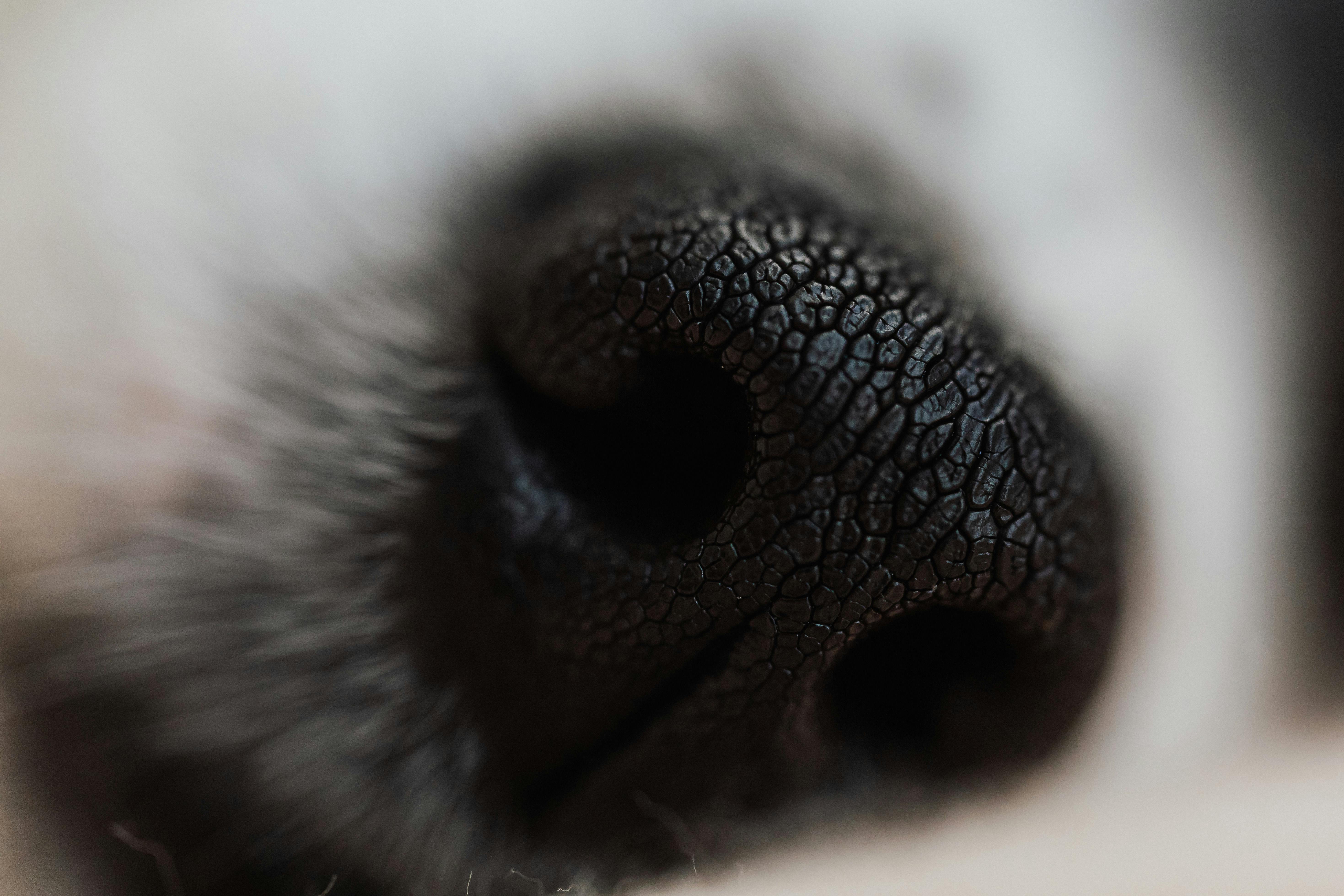 \n\n
\n\nHave you ever wondered why dogs have wet noses? This simple question leads us into a fascinating world of canine biology and behavior. It turns out, a dog's wet nose serves a purpose far beyond just being cute. It's actually a critical part of their incredible sense of smell, which is one of the most developed among all animals. In this article, we'll dive into the science behind this phenomenon, explore why a dog’s nose is wet, and uncover the profound connection between nose moisture and their ability to sniff out scents.
\nThe Science of a Dog's Nose
\nDogs have over 300 million smell receptors in their noses, compared to a human's mere 5 million. This superior olfactory system allows dogs to detect odors at incredibly low concentrations. But why do they have wet noses? Well, the moisture on a dog’s nose plays a vital role in enhancing their sense of smell.
\n- \n
- Moisture and Scent Detection: When a dog's nose is wet, it helps to dissolve scent particles. This process makes it easier for them to identify and track various smells. \n
- Temperature Regulation: A wet nose also helps dogs regulate their body temperature. Unlike humans who sweat, dogs sweat through their paw pads and nasal area, so a wet nose can cool them down. \n
- Health Indicator: A dog’s nose can indicate their health. A warm, dry nose might suggest a fever or illness, while a cool, wet nose is often seen as a sign of good health. \n
Historical Context of Dogs' Noses
\nThroughout history, dogs have been companions to humans, assisting in various roles from hunting to herding. Their acute sense of smell has made them invaluable in fields like search and rescue, therapy, and even law enforcement.
\n- \n
- Hunting Partners: In ancient times, dogs were bred for their ability to track scents, helping humans locate game. \n
- Detection Work: Nowadays, dogs are trained to detect drugs, explosives, and even diseases, showcasing the evolutionary advantages of having a wet nose. \n
- Companionship: While their sense of smell is essential for work, it also plays a role in how they bond with humans, as they can recognize their owners through scent. \n
How a Wet Nose Enhances Smell
\nThe design of a dog's nose is fascinating. The wetness not only aids in scent detection, but the structure of the nose also plays a role. The nasal cavity has folds and turbinates that increase the surface area available for scent receptors.
\nHere’s a simple breakdown of how a dog’s wet nose enhances its sense of smell:
\n- \n
- Scent Particles: The moisture on the nose captures scent particles in the air. \n
- Enhanced Absorption: This allows for better interaction with the olfactory receptors, increasing the likelihood of identifying a particular smell. \n
- Continuous Sampling: Dogs often lick their noses, which keeps them moist and allows for continuous scent sampling. \n
Fascinating Facts About Dogs and Their Noses
\n- \n
- Dogs can smell certain substances in parts per trillion. \n
- Bloodhounds have such an incredible sense of smell that their tracking results can be used as evidence in a court of law. \n
- Some breeds are known for their specific scent abilities; for example, Beagles excel at detecting food products, while German Shepherds are often used in police work. \n
Common Misconceptions
\nMany people have misconceptions about dogs' noses and their functions. Here are a few myths debunked:
\n- \n
- \n
Myth: A warm nose means a dog is sick.
\n- \n
- Fact: A dog’s nose temperature can vary throughout the day. It shouldn’t be used as the only health indicator. \n
\n - \n
Myth: All dogs have wet noses.
\n- \n
- Fact: Some dogs may have drier noses due to health issues or environmental factors. \n
\n - \n
Myth: Dogs' noses are just for smell.
\n- \n
- Fact: While smell is primary, their noses also help with temperature regulation and moisture retention. \n
\n
Taking care of your dog's nose is important. Regular vet check-ups, ensuring they stay hydrated, and protecting them from extreme weather conditions can all help maintain a healthy nose.
\nIn summary, the wet nose of a dog is not just an adorable feature; it's a sophisticated tool that enhances their remarkable sense of smell and plays a role in their overall health. Understanding this connection can deepen our appreciation for these loyal companions and their unique abilities. So next time you see a dog with a glistening nose, remember that there’s a lot more going on than meets the eye!
\n\nIs Your Dog's Nose Too Wet? Here's What It Could Mean for Their Health
\n\n \n\n
\n\nDogs are often known for their wet noses, and if you've ever wondered, "Is your dog's nose too wet?" you're not alone. A wet nose is a hallmark of canine health, but what does it really mean for your furry friend? Let's dig deep into why dogs have wet noses, and what those moist noses might indicate about their well-being.
\nWhy Do Dogs Have Wet Noses?
\nFirst off, the simple answer is that a wet nose helps dogs smell better. Their sense of smell is already incredibly powerful, but moisture on the nose enhances their ability to pick up scents. It’s kinda like using a damp sponge to soak up water – it just works better!
\nHere’s how it works:
\n- \n
- Increased Sensitivity: A wet nose can absorb scent particles more efficiently. \n
- Temperature Regulation: Dogs can’t sweat like humans do, so they use their noses to help cool down. \n
- Health Indicator: A wet or dry nose can sometimes give clues about a dog's health status. \n
Interesting Facts About Dog Noses
\n- \n
- Dogs have over 300 million scent receptors, compared to about 5 million in humans. \n
- A dog's nose print is as unique as a human fingerprint, and can be used to identify them. \n
- The moisture on a dog's nose comes from a combination of saliva and mucus. \n
What Does a Wet Nose Mean?
\nNow, if your dog's nose is consistently wet, that's usually nothing to worry about. But if it turns dry or changes in texture, it might be worth investigating. Here’s a few possibilities:
\n- \n
- Healthy Hydration: A wet nose is often a sign that your dog is well-hydrated. \n
- Temperature Check: If a dog’s nose is cool and wet, it usually means they are at a comfortable temperature, but if it’s hot and dry, it could signal overheating or fever. \n
- Nasal Discharge: If there’s excessive discharge along with a wet nose, it could indicate allergies, infections or other health issues. \n
Signs of Concern
\nWhen should you worry about your dog's nose? Here’s a handy list:
\n- \n
- Dryness: If the nose is excessively dry and cracked, it could be a sign of dehydration. \n
- Discoloration: A nose changing color (red or white) could indicate an allergic reaction or infection. \n
- Excessive Sneezing: If your dog is sneezing more than usual along with a wet nose, it might be worth checking with a vet. \n
The Historical Perspective
\nInterestingly, the wet nose is also a trait that dogs have inherited through evolution. Their ancestors needed to be able to track prey and detect dangers in the environment. It’s fascinating how this characteristic has persisted in our domesticated friends!
\nComparison of Nose Conditions
\nHere's a simple table showing different nose conditions and their potential meanings:
\n| Nose Condition | \nPossible Meaning | \n
|---|---|
| Wet and Cool | \nHealthy and hydrated | \n
| Dry and Hot | \nPossible fever or dehydration | \n
| Cracked and Dry | \nDehydration or skin condition | \n
| Excessively Wet | \nInfection or allergies | \n
Practical Examples
\nImagine taking your dog for a walk and noticing their nose is warm and dry. This could mean they're getting dehydrated, especially on hot days. You might want to offer them water or take a break in the shade. On the other hand, if their nose is cold and wet after playing in the snow, they are probably enjoying themselves and are healthy.
\nKey Takeaways
\n- \n
- A wet dog nose is usually a sign of good health. \n
- Changes in moisture, temperature, or texture can indicate health concerns. \n
- Regular check-ups with a vet can help maintain your dog’s health. \n
So, next time you touch your dog's nose and wonder, “Is it too wet?” just remember it’s usually a good sign! Keep an eye on changes, and always consult your veterinarian if something seems off. This way you can ensure your furry friend stays happy and healthy for years to come.
\n\nThe Role of a Wet Nose in Dog Communication: What Every Owner Should Know
\n\n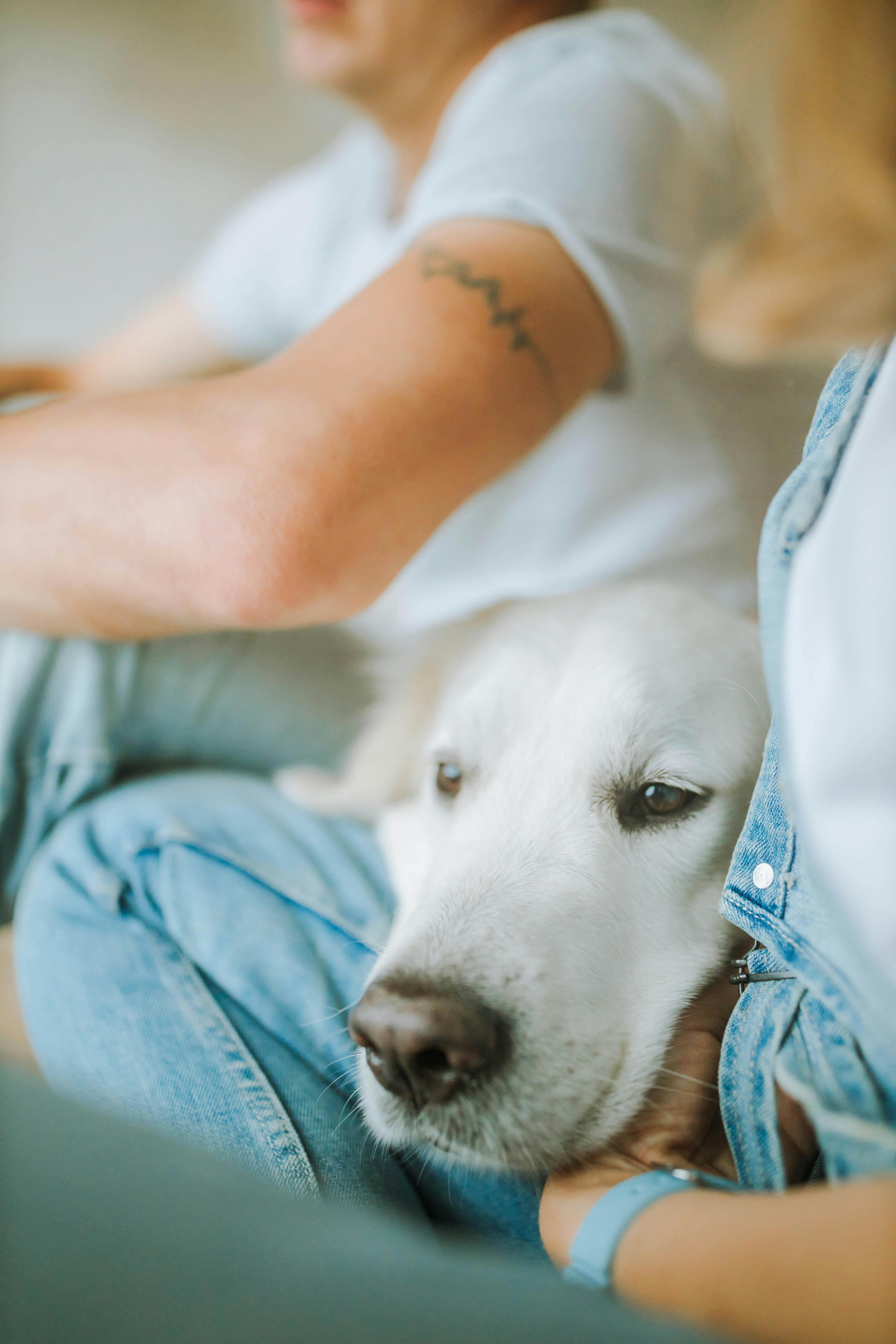 \n\n
\n\nWhen you think about dogs, one of the first things that pops into mind is their wet noses. But why exactly do dogs have wet noses? This is not just a quirky feature; it plays a significant role in how dogs communicate and interact with the world around them. If you’re a dog owner or thinking about becoming one, understanding this aspect of your furry friend can help you form a deeper bond with them.
\nThe Science Behind Wet Noses
\nDogs have wet noses because of their unique physiology. The moisture serves several important functions:
\n- \n
- \n
Enhanced Smell: A wet nose can help capture scent particles. Dogs have an extraordinary sense of smell, which is crucial for their survival and communication. The moisture on their nose helps absorb these scent particles better, allowing them to gather more information about their environment.
\n \n - \n
Thermoregulation: Dogs can't sweat like humans do. Instead, they regulate their body temperature through panting and the evaporation of moisture from their noses. A wet nose helps cool them down, especially on hot days.
\n \n - \n
Health Indicator: A dog's nose can also serve as a health indicator. A wet and cool nose is often a sign of a healthy dog, while a dry or excessively warm nose might suggest a potential illness or dehydration.
\n \n
Historical Context of Dog Communication
\nHistorically, dogs have been loyal companions to humans for thousands of years. Their communication methods have evolved alongside us. In ancient times, dogs used their sense of smell to communicate with one another, and their wet noses became a part of this non-verbal language.
\n- \n
- \n
Pack Behavior: Dogs are pack animals and depend on scent to identify other members of their group. A wet nose helps them recognize and differentiate between individuals, which is vital for social cohesion.
\n \n - \n
Scent Marking: When a dog sniffs another dog's nose, they are often engaging in a form of greeting. The wetness of their noses makes it easier to exchange scents, which is how they gather information about each other, such as age, health, and even mood.
\n \n
Why Do Dogs Have Wet Noses? The Fascinating Truth!
\nSo, why do dogs have wet noses? The answer lies in the combination of biology and behavior. Here are some key points that summarize the fascinating truth:
\n- \n
- \n
Scent Absorption: The moisture helps absorb scents more effectively.
\n \n - \n
Temperature Control: Wet noses assist in regulating their temperature.
\n \n - \n
Communication: Wet noses play an integral role in how dogs communicate with both humans and other animals.
\n \n
The Role of a Wet Nose in Dog Communication
\nUnderstanding the role of a wet nose in dog communication can help owners better interpret their dog’s actions. Here are some scenarios where a wet nose plays a crucial role:
\n- \n
- \n
Greeting Behavior: When your dog nudges you with its wet nose, it’s often a way of saying hello or seeking attention.
\n \n - \n
Stress Indicators: If your dog has a dry nose during a stressful situation, it may indicate anxiety or discomfort.
\n \n - \n
Exploratory Actions: Dogs tend to use their noses to explore new environments. A wet nose means they’re actively gathering information about their surroundings.
\n \n
Practical Tips for Dog Owners
\nAs a dog owner, you can take specific steps to ensure your dog’s nose remains healthy and wet. Here’s what you can do:
\n- \n
- \n
Hydration: Ensure your dog has access to fresh water at all times to keep their nose moist.
\n \n - \n
Regular Vet Check-ups: Regular check-ups can help catch any underlying issues that might affect your dog’s health, including their nose.
\n \n - \n
Observe Behavior: Pay attention to any changes in your dog’s nose or behavior. A sudden change might indicate a health issue.
\n \n
Interesting Facts About Dogs’ Noses
\nHere are some fun facts about the importance of wet noses in dogs:
\n- \n
- \n
Dogs have approximately 300 million smell receptors, compared to a human's 5 million.
\n \n - \n
The structure of a dog’s nose is unique to each individual, much like human fingerprints.
\n \n - \n
Some breeds have drier noses than others, which can be normal.
\n \n
Understanding why dogs have wet noses and the role it plays in their communication is essential for every dog owner. It enhances your ability to connect with and care for your pet effectively. Always keep an eye on your furry friend’s nose and overall health, as it can tell you much about how they feel. A wet nose is not just an adorable feature; it’s a window into their world.
\n\nFrom Temperature Regulation to Scent Detection: Why Wet Noses Matter for Dogs
\n\n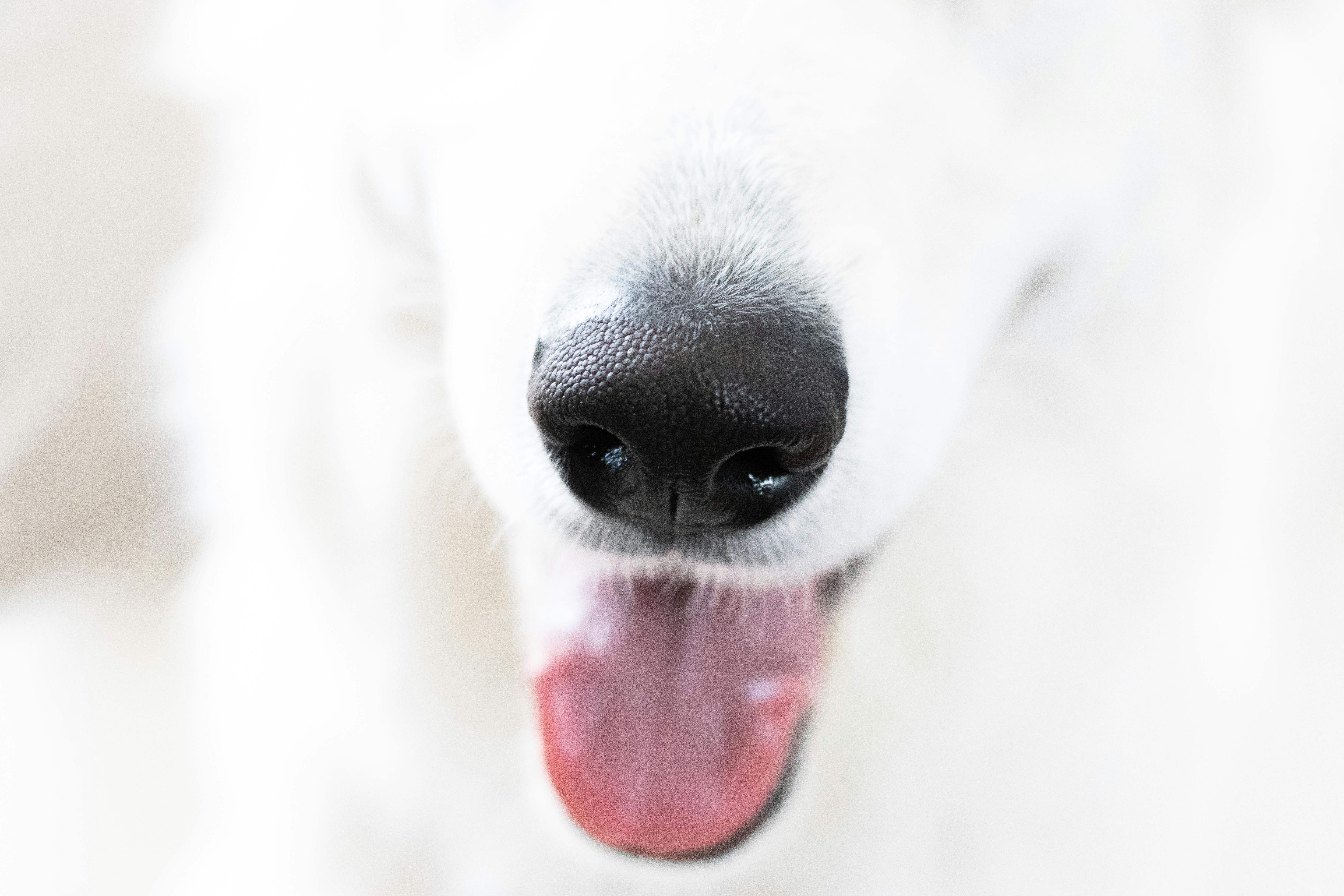 \n\n
\n\nDogs have been companions to humans for thousands of years, and one of their most distinctive features is their wet noses. Have you ever wondered, why do dogs have wet noses? It's not just a quirky trait; there are scientific reasons behind it. From temperature regulation to an enhanced sense of smell, wet noses play a crucial role in a dog's life.
\nThe Science Behind Wet Noses
\nA dog's nose is not just for sniffing; it's also a sophisticated tool that helps them interact with the world. Here’s some interesting facts:
\n- \n
- \n
Temperature Regulation: Dogs can’t sweat like humans do. Instead, they cool down through their noses. The moisture on their noses evaporates and helps to lower their body temperature, which is especially useful in hot weather.
\n \n - \n
Enhanced Sense of Smell: The wetness of a dog's nose helps to capture scent particles from the air. This is because moisture can trap scents better than a dry surface. Dogs have about 220 million scent receptors compared to humans' 5 million, allowing them to detect smells at incredibly low concentrations.
\n \n - \n
Communication: Dogs also use their noses to communicate with each other. A wet nose can indicate excitement or a friendly demeanor. When dogs meet, they often sniff each other's noses as a way of saying hello.
\n \n
Historical Context of Dog Noses
\nDogs have evolved alongside humans for thousands of years. Their sense of smell has been fine-tuned through selective breeding.
\n- \n
- \n
Hunting and Working Dogs: Historically, dogs were bred for specific purposes. Bloodhounds, for example, are famous for their tracking abilities due to their exceptional sense of smell. Their wet noses are crucial for this task.
\n \n - \n
Companionship: As dogs became companions, their wet noses continued to be an important trait. They rely on their noses not just for food and safety, but for bonding with humans.
\n \n
Fascinating Facts About Dog Noses
\n- \n
- \n
Nose Prints: Just like human fingerprints, each dog's nose print is unique. This can be used to identify them, which is interesting, right?
\n \n - \n
Scent Memory: Dogs have incredible scent memory. They can remember scents for years, allowing them to find their way home or detect familiar people.
\n \n - \n
Health Indicators: Changes in a dog's nose can indicate health issues. A dry or cracked nose might suggest dehydration or illness, while a wet, cold nose is generally a good sign.
\n \n - \n
Temperature Sensitivity: Dogs can detect temperature changes through their noses. This can help them sense danger, like smoke from a fire.
\n \n
The Importance of a Wet Nose
\nWet noses serve multiple functions that are vital for a dog's well-being. Here’s a summary of their importance:
\n- \n
- Cooling Mechanism: Helps regulate body temperature. \n
- Enhanced Olfactory Function: Improves their ability to smell. \n
- Social Interaction: Facilitates communication with other dogs and humans. \n
How to Keep Your Dog's Nose Healthy
\nMaintaining your dog's nose is essential for their overall health. Here are some tips:
\n- \n
- Hydration: Ensure your dog has access to fresh water at all times. \n
- Regular Vet Check-ups: Regular check-ups can help catch any potential health issues early. \n
- Environmental Care: Protect your dog's nose from extreme weather. In cold conditions, use a nose balm to prevent cracking. \n
Interesting Comparisons
\nLet’s compare wet noses to other animals:
\n- \n
- Cats: Cats have dry noses most of the time, which can make them less effective at detecting scents compared to dogs. \n
- Humans: Unlike dogs, humans sweat through their skin and do not rely on their noses for temperature regulation. \n
Final Thoughts
\nUnderstanding why dogs have wet noses opens up a whole new appreciation for our furry friends. Their noses are not just for show; they serve essential functions that contribute to their health and well-being. So, the next time you see your dog with that signature wet nose, remember all the fascinating truths behind it. Keep your dog's nose healthy and happy, and they will continue to be the loyal companions we all cherish.
\n\nCan a Dog's Nose Predict Weather Changes? The Truth Behind This Popular Belief
\n\n \n\n
\n\nDogs have always been fascinating creatures, and their wet noses are one of the many things that keep us guessing. Many people believes that a dog's nose can predict weather changes, but how true is this? And why do dogs have wet noses in the first place? Let’s dive into the science behind these popular beliefs and uncover some interesting facts along the way!
\nCan a Dog's Nose Predict Weather Changes?
\nThe idea that dogs can sense changes in the weather is a belief that's been around for ages. Some owners claim their pups act differently before a storm, while others swear their dogs can tell when it’s going to rain. But is there any scientific basis for this?
\n- \n
- \n
Sensitivity to Changes: Dogs has a much better sense of smell than humans, which allows them to detect changes in the environment. They can sense certain chemicals released into the air before a storm, such as ozone.
\n \n - \n
Pressure Changes: Dogs can also feel shifts in barometric pressure. When a storm approaches, the pressure drops, and dogs, with their keen senses, can feel this change.
\n \n - \n
Behavioral Changes: Many owners reports that their dogs become anxious or restless before bad weather. This could be due to the noise of thunder or the drop in pressure, not necessarily an ability to predict weather.
\n \n
So, while dogs might not have a built-in meteorology app, they do have a remarkable ability to sense changes in their environment that could indicate bad weather.
\nWhy Do Dogs Have Wet Noses?
\nNow, let’s talk about the mystery of why dogs’ noses are often wet. It’s something many people notice, but not everyone knows the reasons behind it.
\n- \n
- \n
Cooling Mechanism: Dogs don’t sweat like humans do. Instead, they regulate their body temperature through panting and by having moist noses. A wet nose helps cool them down.
\n \n - \n
Enhanced Sense of Smell: A wet surface can trap scent molecules better. This makes it easier for dogs to smell and identify different odors in their environment.
\n \n - \n
Health Indicator: The moisture on a dog’s nose can also be a sign of health. A healthy dog typically has a moist nose, while a dry nose can indicate dehydration or illness.
\n \n
Fascinating Facts About Dog Noses
\nHere are some interesting tidbits about dog noses that might surprise you:
\n- \n
- \n
Unique Patterns: Just like human fingerprints, every dog has a unique nose print. This means that a dog's nose could, in theory, be used for identification.
\n \n - \n
Temperature Sensitivity: Dogs can sense temperature changes better than humans. They can feel a slight drop in temperature before it becomes noticeable to us.
\n \n - \n
Nosework: Dogs are used in various fields for their smelling abilities, like search and rescue, detecting drugs, or even identifying certain medical conditions in humans.
\n \n
Comparison: Dogs vs. Humans
\nLet’s see how dogs’ noses compares to ours:
\n| Feature | \nDogs | \nHumans | \n
|---|---|---|
| Smell Sensitivity | \n10,000 to 100,000 times better | \nLimited | \n
| Nose Temperature | \nCan sense slight changes | \nLess sensitive | \n
| Wetness Purpose | \nCooling and enhanced smell | \nN/A | \n
Practical Examples of Dog Behavior
\nMany owners have stories about their dogs acting peculiar before a storm or during weather changes. Here’s a few common behaviors to look for:
\n- \n
- Restlessness: Dogs may pace back and forth or whine. \n
- Seeking Shelter: Some dogs will try to hide or seek comfort in small spaces. \n
- Excessive Barking: Changes in the atmosphere can make dogs more vocal. \n
Understanding these behaviors can help owners prepare for weather changes. It also reinforces the bond between them and their pets.
\nThe truth behind the beliefs about dogs' noses is a mixture of fascinating science and natural instincts. While we may never fully understand the depth of their abilities, it’s clear that dogs are in tune with their environment in ways that continue to amaze us. From their unique wet noses to their extraordinary sense of smell, dogs are truly remarkable companions. So the next time you notice your dog acting differently, maybe it’s time to pay attention to the weather!
\n\nUnderstanding the Anatomy of a Dog's Nose: Why Moisture is Essential
\n\n \n\n
\n\nDogs are beloved companions, and their unique characteristics often spark our curiosity. One of the most intriguing features of dogs is their noses. You might have wondered, why do dogs have wet noses? Understanding the anatomy of a dog's nose can give us insight into not just their health, but also their behavior and sensory capabilities.
\nThe Science Behind a Dog's Nose
\nA dog’s nose is a complex organ that plays a crucial role in their sense of smell. The moisture on their noses is not just for show; it serves several important functions. Here’s a breakdown of why moisture is essential for dogs:
\n- \n
- \n
Enhanced Olfactory Function: The wet surface of a dog’s nose helps to trap scent particles in the air. This means that when a dog sniffs, they can pick up more scents, making their sense of smell incredibly sharp—thousands of times better than humans!
\n \n - \n
Temperature Regulation: Dogs don’t sweat the same way we do. Instead, they rely on their noses to help cool themselves down. The moisture evaporates, which can help regulate their body temperature.
\n \n - \n
Health Indicator: A dog’s nose can give insights into their health. A wet nose often signifies a healthy dog, while a dry or cracked nose might indicate dehydration or illness. However, this isn’t always a rule, since some healthy dogs may have dry noses too.
\n \n
The Fascinating Truth of Wet Noses
\nYou might think that all dogs have wet noses, but not all dogs do. Factors such as breed, environment, and health can affect the moisture levels on a dog’s nose. Here are some fascinating facts about dog noses:
\n- \n
- \n
Normal Moisture Levels: Most dogs will have moist noses, especially after they’ve been outside or during play. But certain breeds, like Bulldogs or Pugs, may have drier noses due to their unique facial structures.
\n \n - \n
Scent Detection: Dogs have approximately 220 million scent receptors in their noses, compared to about 5 million in humans. This makes them exceptional at detecting scents, which is why they are often used in search and rescue missions.
\n \n - \n
Behavioral Signals: Dogs often use their noses to communicate. A wet nose can mean a happy, excited dog. Conversely, a dry nose might indicate stress or discomfort.
\n \n
Historical Context of Dog Noses
\nThroughout history, dogs have been bred for specific traits, including their sense of smell. Hunting dogs, for example, were selected for their ability to track scents, which often correlates with the moisture in their noses. The relationship between dogs and humans has led to a deeper understanding of how dog noses work.
\n- \n
- \n
Tracking and Hunting: Ancient civilizations recognized the value of a dog's ability to track scents. They trained dogs to assist in hunting, and in time, this trait became highly regarded.
\n \n - \n
Modern Uses: Today, dogs are used in various fields, including law enforcement, medical detection, and search and rescue operations. Their noses play a pivotal role in these important tasks.
\n \n
The Biological Makeup of a Dog’s Nose
\nUnderstanding the anatomy of a dog’s nose provides a clearer picture of why it is so special. Here’s what you need to know:
\n- \n
- \n
Nasal Cavity: This area is lined with mucous membranes that help trap scent particles and keep the nose moist.
\n \n - \n
Vomeronasal Organ: Also known as Jacobson’s organ, this is located in the nasal cavity and allows dogs to detect pheromones, further enhancing their ability to communicate through scent.
\n \n - \n
Nasal Turbinates: These are bony structures inside the nasal cavity that increase the surface area for scent detection, making it easier for dogs to pick up on various smells.
\n \n
Practical Insights for Dog Owners
\nAs a dog owner, understanding the importance of your pet’s nose can improve their quality of life. Here are some practical tips:
\n- \n
- \n
Hydration: Always ensure your dog has access to fresh water. Proper hydration keeps their nose moist and healthy.
\n \n - \n
Regular Vet Visits: Keep an eye on changes in your dog’s nose. If you notice a sudden change in moisture or texture, it could be a sign to consult your veterinarian.
\n \n - \n
Environmental Awareness: Dogs can pick up various scents from their surroundings. Be mindful of chemicals and other substances they might encounter outside, as these can irritate their noses.
\n \n
In summary, the moisture on a dog's nose is not just an adorable trait; it's essential for their health and sensory abilities. Understanding the anatomy and function of a dog’s nose can enhance your relationship with your furry friend, making you appreciate their unique qualities even more. So next time you see your dog with a wet nose, you can marvel at the fascinating truth behind it!
\n\n7 Fun Facts About Wet Noses: What Makes Your Dog's Nose So Unique?
\n\n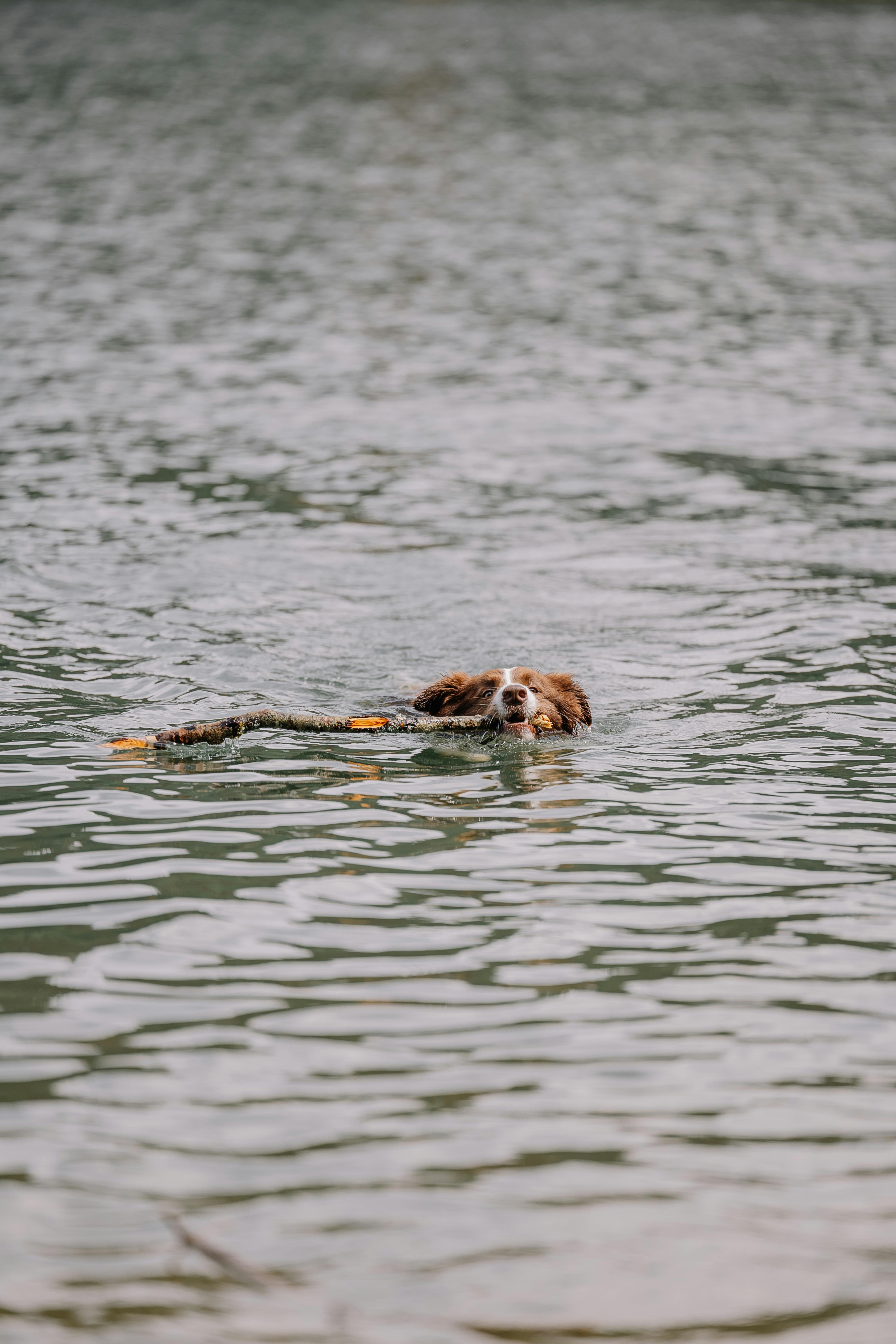 \n\n
\n\nDogs, those lovable furry companions, have many unique traits that make them special. One of the most interesting features is their wet noses. Have you ever wondered why do dogs have wet noses? It's not just for cuteness! Here’s a look at 7 fun facts about wet noses that might just surprise you.
\n1. Wet Noses Help With Smell
\nDogs got a highly developed sense of smell, and their wet noses plays a key role in that. The moisture on their noses helps to capture scent particles in the air. This is like how a sponge soaks up water! When a dog sniffs around, the wetness allows them to absorb more scents, improving their ability to detect smells. Isn’t that cool?
\n2. Temperature Regulation
\nDid you know that dogs don’t sweat like humans? Instead, they cool down through their noses and paw pads. The moisture on their noses evaporates, which helps to lower their body temperature. A dog with a wet nose is often a sign that they are well hydrated and healthy. But if the nose is dry and cracked, it might be time to check with a vet!
\n3. Communication Tool
\nDogs use their noses for more than just smelling; it’s also a form of communication. They often greet other dogs by sniffing each other's noses. This is like a handshake in the dog world! The scents carry information about other dogs, such as their health, moods, and even what they had for lunch!
\n4. Unique Nose Prints
\nJust like human fingerprints, every dog has a unique nose print. The patterns of ridges and creases on a dog's nose can be used to identify them! Some organizations even use nose prints for pet identification. Imagine having a doggie ID card with their nose print on it!
\n5. Why Do Dogs Have Wet Noses?
\nSo, why do dogs have wet noses? It’s a mix of biology and necessity. The wetness is due to a mucous membrane that keeps the nose moist. This moisture helps dogs to better detect scents and respond to their environment. The wet nose is not just a random trait; it’s vital for their survival and interaction with the world around them.
\n6. Health Indicators
\nA dog’s nose can be a good indicator of their health. A wet and cold nose typically signals that a dog is feeling fine. However, a dry, warm nose can mean they might be sick or dehydrated. It’s not always a definitive sign, but paying attention to your dog's nose can help you catch health issues early.
\n7. Dogs and Their Personalities
\nResearch shows that dogs with wet noses can sometimes be more sociable and friendly. While this isn't a hard rule, many pet owners notice that their dogs with wet noses tend to be more playful and affectionate. It’s like having a little personality indicator right on their face!
\nInteresting Comparisons
\nHere’s a quick comparison of dog noses vs. human noses:
\n- \n
- Scent Detection: Dogs can detect scents at incredibly low concentrations, much better than humans. \n
- Moisture Levels: Dogs noses are generally wet, while humans have dry noses. \n
- Functionality: While humans use their noses primarily for breathing and smelling, dogs rely on theirs for social interaction and environmental awareness. \n
Fun Facts Recap
\n- \n
- Wet noses help dogs smell better. \n
- They cool down through their noses. \n
- Noses are a way for dogs to communicate. \n
- Every dog has a unique nose print. \n
- Moist noses indicate health. \n
- Wet-nosed dogs may be friendlier. \n
Understanding why do dogs have wet noses can deepen your appreciation for your furry friend. It shows how evolution has equipped them with the tools they need to thrive in various environments. Next time you give your dog a pat on the head and feel that wet nose, remember all the fascinating reasons behind it. Dogs are not just companions; they’re incredible creatures with remarkable biology!
\n\nThe Evolutionary Purpose of Wet Noses in Dogs: Insights You Won't Want to Miss
\n\n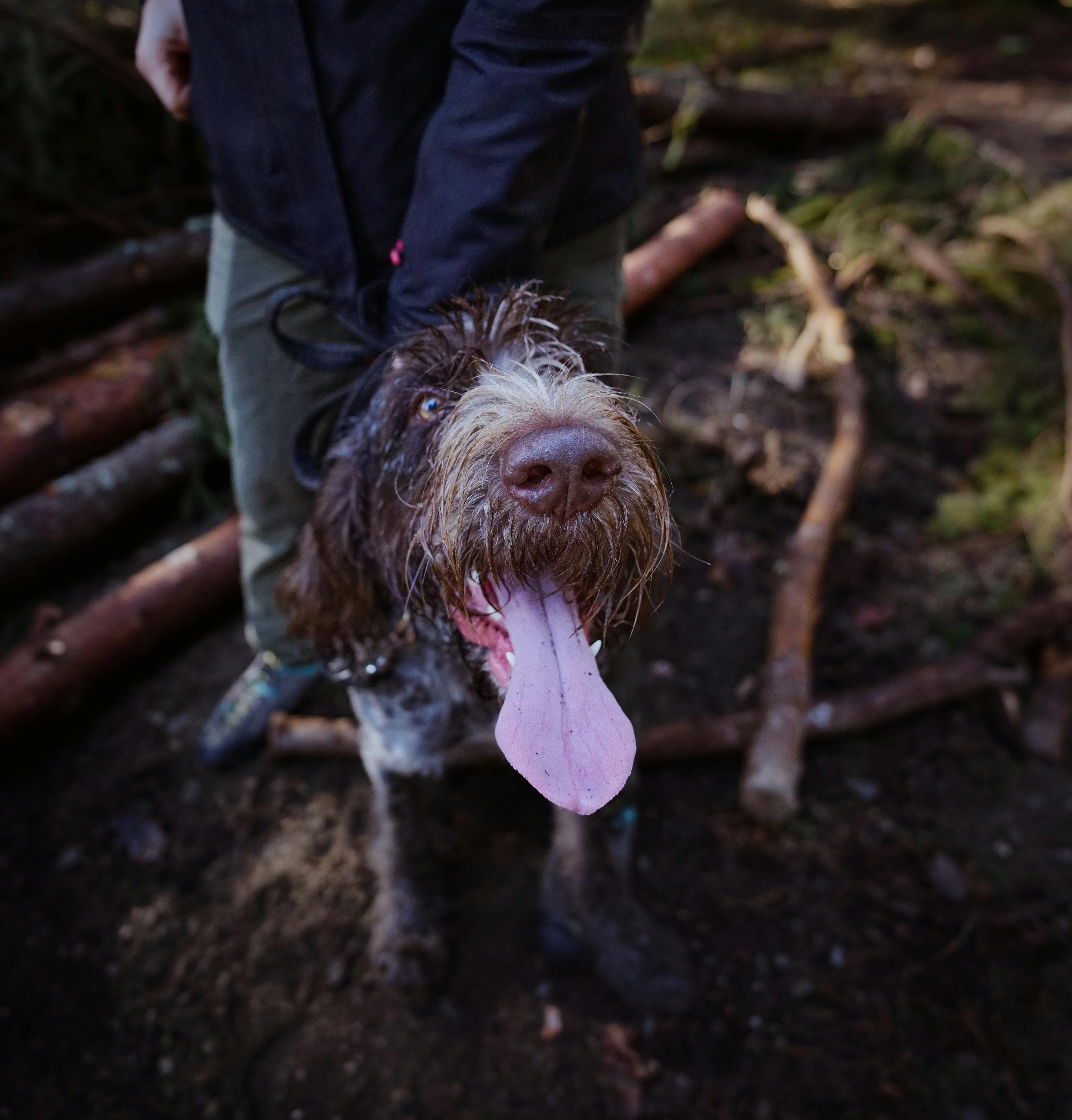 \n\n
\n\nHave you ever pondered why dogs have wet noses? This curious feature of our canine companions often leads to many questions, as dog lovers everywhere try to understand their furry friends better. The evolutionary purpose of wet noses in dogs is more fascinating than you might think. Let’s dive into this intriguing topic and uncover insights that you won't want to miss.
\nThe Science Behind Wet Noses
\nA dog’s nose serves several important functions, most of which are linked to their incredible sense of smell. When we ask, “Why do dogs have wet noses?” the answer often points to a combination of biology and evolution. Here’s how it works:
\n- \n
- \n
Moisture for Better Smelling: The wetness on a dog’s nose helps to capture scent particles in the air, making it easier for them to detect smells. Dogs have an olfactory system that is far superior to humans. Their noses are equipped with as many as 300 million scent receptors, compared to a human’s mere 5 million. This moisture enhances their ability to sniff out scents from miles away.
\n \n - \n
Temperature Regulation: Dogs don’t sweat like humans do. Instead, they cool off primarily through their noses and paw pads. A wet nose is an indication of a healthy dog, but it also helps to regulate their body temperature by evaporating moisture.
\n \n - \n
Communication Tool: Dogs use their noses not just for smelling but also for social interactions. A wet nose can signal excitement or the willingness to engage. When dogs greet each other, they often sniff one another's noses, sharing information about each other’s health and emotional state.
\n \n
Historical Context of Wet Noses
\nThe evolution of a dog's wet nose can be traced back to their ancestors, who were primarily hunters. The need for efficient smelling and environmental awareness shaped their physiological adaptations. The early canines that thrived were likely those with wet noses, which provided them with a competitive advantage in hunting and survival.
\n- \n
- \n
Canine Ancestors: Early dogs evolved from wolves, where a wet nose would have been essential for their survival. The ability to track scents led to successful hunts, while also avoiding predators.
\n \n - \n
Domestication Effects: As dogs became domesticated, their noses remained wet. This trait was essential not only for hunting but also for bonding with humans. Over time, dogs developed the ability to read human emotions and intentions, a skill that may have been enhanced by their keen sense of smell.
\n \n
What Affects Nose Wetness?
\nVarious factors can influence the moisture level of a dog's nose. Understanding these can help dog owners ensure their pets remain healthy.
\n- \n
- \n
Health Conditions: A dry nose can sometimes indicate a health issue. Common conditions that may lead to a dry nose include:
\n- \n
- Dehydration \n
- Allergies \n
- Fever \n
- Skin infections \n
\n - \n
Environmental Factors: Weather can also play a role. During hot, dry summers, a dog’s nose may lose moisture more quickly. Conversely, cold weather may cause nose dryness as well.
\n \n - \n
Age: Older dogs may experience changes in their nose moisture. It's important to monitor any significant changes in your pet's health as they age.
\n \n
Fun Facts About Dog Noses
\nHere’s a couple of interesting tidbits about dog noses that you probably didn’t know:
\n- \n
- \n
Unique Print: Just like human fingerprints, every dog has a unique nose print that can be used for identification.
\n \n - \n
Color Variation: The color of a dog’s nose can change. For instance, some breeds have dark noses, while others have lighter pigmentation. These variations don’t affect their sense of smell, but they do reflect genetic diversity.
\n \n
Quick Comparison: Dogs vs. Other Animals
\nHow do dog noses stack up against those of other animals?
\n- \n
- \n
Cats: Cats also have wet noses, but their sense of smell is not as advanced as dogs. They have about 50-80 million scent receptors.
\n \n - \n
Humans: Humans rely heavily on sight and have a very limited sense of smell compared to dogs. We only have around 5 million receptors, which explains why dogs can detect scents that we simply cannot.
\n \n - \n
Bears: Bears have an extraordinary sense of smell, potentially better than dogs. They have around 300 million scent receptors, much like dogs, but their wet noses also play a role in their survival.
\n \n
Understanding why do dogs have wet noses gives us a glimpse into their world, revealing how evolution has shaped their capabilities. The next time you encounter a wet-nosed pup, you can appreciate the fascinating evolutionary purpose behind it. Dogs communicate, regulate temperature, and enhance their sense of smell, all thanks to that wet nose. So whether you’re a seasoned dog owner or a curious newcomer, you can now share these insights about wet noses with friends and family.
\n\nConclusion
\n\nIn conclusion, the wet noses of dogs serve several important functions that contribute to their overall health and sensory capabilities. The moisture helps enhance their sense of smell, allowing them to detect scents more effectively, as dogs have an extraordinary olfactory system. Additionally, a wet nose can play a role in thermoregulation, helping dogs cool down in hot weather. The saliva that keeps their noses moist also contains antibacterial properties, contributing to their overall well-being. Understanding these fascinating aspects of canine biology not only deepens our appreciation for our furry companions but also helps us recognize the signs of their health. So, the next time you greet your dog and feel that familiar wet nose, remember it's not just an adorable feature but a vital part of their anatomy. Embrace the uniqueness of your pet, and share your newfound knowledge with fellow dog lovers to promote awareness about these remarkable animals.
\n\n