Have you ever wondered, why do dogs have wet noses? It's a question that many dog lovers ask, and the answer is more fascinating than you might think! Dogs are not just our furry companions; they're also full of surprises. One of the most intriguing features of our canine friends is their wet noses. But what does that wetness really mean? Is it just for show, or does it serve an important purpose? In this blog post, we will explore the scientific reasons behind wet noses in dogs and how it relates to their sense of smell. Did you know that a dog's nose can actually help them cool down? It’s true! Not only do wet noses enhance their sense of smell, but they also play a crucial role in dog health. So, if you've ever found yourself asking, "Why is my dog's nose wet?" you're in the right place! Get ready to dive into the fascinating truth about why dogs have wet noses and discover how this unique trait benefits them every day. Don't miss out on learning more about your furry friend's amazing anatomy!
The Science Behind Wet Noses: What Makes Your Dog’s Nose So Moist?
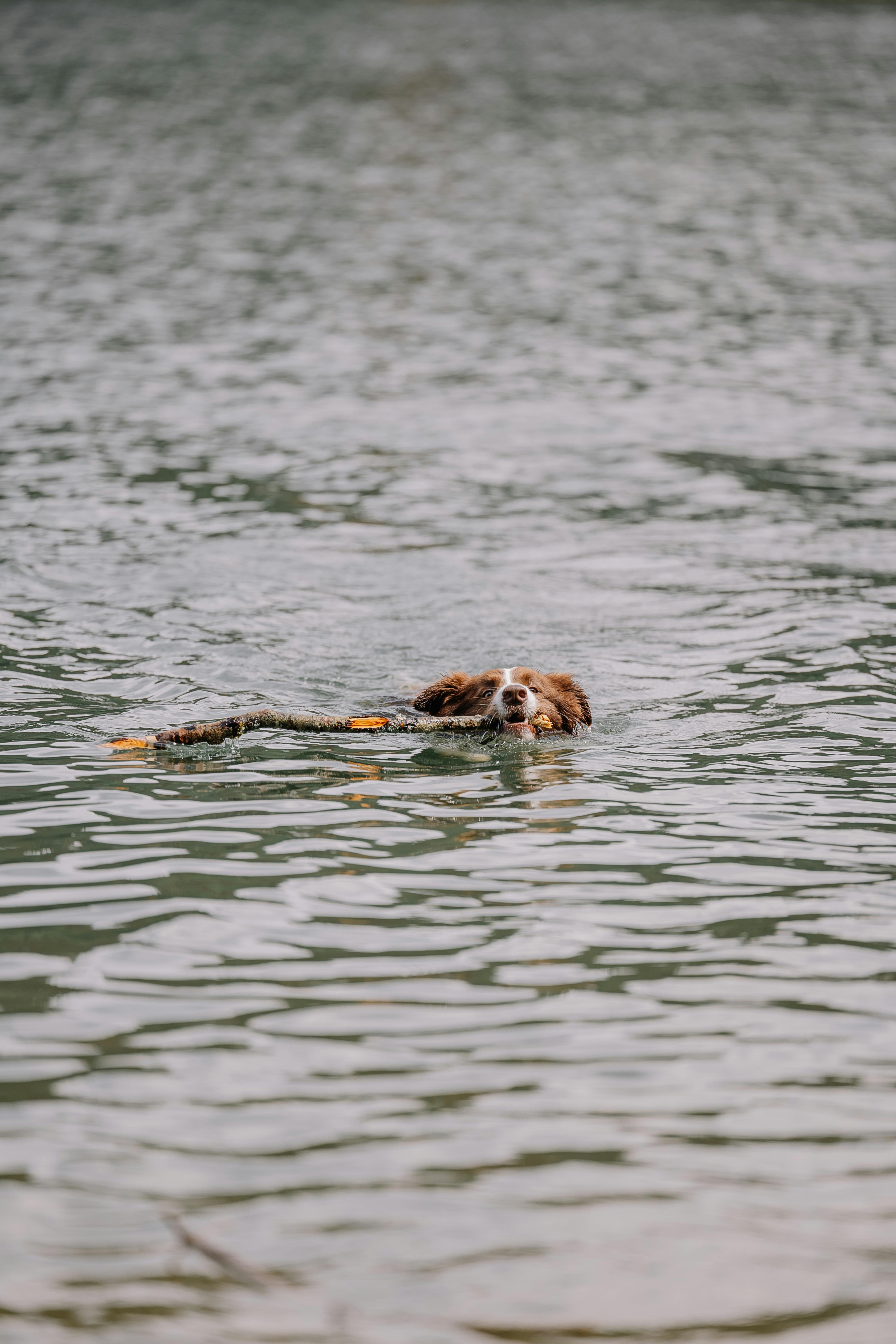
Ever wonder why dogs have those wet noses? You might think it’s just a cute characteristic, but there’s actually a lot more science behind it. The moisture on a dog's nose is not just there for show, it serves several important purposes. Let’s dive into the fascinating truth about why dogs have wet noses and what makes them so moist!
The Biology of a Dog's Nose
A dog's nose is unique in many ways. It’s covered in a thin layer of mucous, which helps with their sense of smell. This slimy coating helps to capture scent particles from the air. The moisture also helps to cool the dog down since they don’t sweat like humans do. Here’s a breakdown of some key factors:
- Scent Detection: Dogs have more scent receptors than humans—around 220 million compared to a human’s 5 million. The moisture on their nose helps these receptors work better.
- Temperature Regulation: A wet nose helps dogs regulate their body temperature. When they pant, the moisture evaporates and cools them down.
- Health Indicator: A wet nose is often a sign of a healthy dog. If a dog’s nose becomes dry, it might indicate dehydration or illness.
Why Do Dogs Have Wet Noses?
The moisture on a dog’s nose comes from a few sources. Saliva is one of them. When a dog licks their nose, they’re not just grooming; they’re also adding moisture. This saliva evaporates, enhancing their ability to smell. Did you know that dogs will often lick their noses before they sniff something? It’s like they’re prepping their nose for a scent adventure!
Another reason for the moisture is the glandular secretion. Dogs have special glands in their noses that produce a thin layer of mucus. This mucus not only helps with smell but also keeps the nose from drying out.
Historical Context of Dog Noses
Dogs have evolved from wolves, and their noses have adapted over thousands of years. In ancient times, the ability to smell was crucial for hunting and survival. It’s believed that early domesticated dogs with better smelling abilities were more likely to thrive alongside humans. Nowadays, we see the impact of this evolutionary trait in various dog breeds, especially those bred for specific tasks like hunting or search and rescue.
Fascinating Facts About Dog Noses
Here’s some quick facts that might surprise you:
- Unique Patterns: Just like human fingerprints, every dog’s nose print is unique. This makes them useful for identification.
- Temperature Changes: A dog’s nose can change temperature depending on their surroundings. For example, if a dog is active and excited, their nose might feel warmer.
- Nose and Mood: Some studies suggest that a dog’s nose may be an indicator of their emotional state. A moist nose might signal a relaxed or happy dog, while a dry nose could indicate stress or discomfort.
What Happens When a Dog's Nose is Dry?
A dry nose in dogs can sometimes be a cause for concern. Here are some potential reasons a dog might have a dry nose:
- Dehydration: If a dog isn’t drinking enough water, their nose might dry out.
- Sunburn: Just like humans, dogs can get sunburned too! A dry nose can be a sign of too much sun exposure.
- Illness: Certain health issues can cause a dog’s nose to dry out or become crusty. If you notice persistent dryness, it might be time to consult a veterinarian.
Practical Tips for Dog Owners
Keeping your dog’s nose healthy is important. Here are some tips:
- Hydration: Ensure your dog has access to fresh water at all times.
- Check for Allergies: If your dog has a persistently dry nose, consider checking for environmental allergens.
- Sun Protection: If your dog spends a lot of time outdoors, consider dog-friendly sunscreen for their nose.
Comparing Dog Noses to Human Noses
While both humans and dogs have noses, they serve very different functions. Here’s a quick comparison:
| Feature | Dog Noses | Human Noses |
|---|---|---|
| Scent Receptors | ~220 million | ~5 million |
| Moisture Importance | Critical for smell and cooling | Primarily for smell |
| Unique Prints | Yes | No |
| Temperature Regulation | Yes (through evaporation) | No (sweating only) |
The science behind why dogs have wet noses is both complex and fascinating. Their moist noses do more than just look cute; they play a crucial role in how dogs interact with the world around them. Whether it’s for improved scent detection, temperature regulation, or even health indicators, the wet nose is an essential aspect of what makes dogs so unique. So, the next time you give your furry friend a pat on the head, don’t
7 Surprising Benefits of a Dog's Wet Nose: Beyond Just a Cute Feature
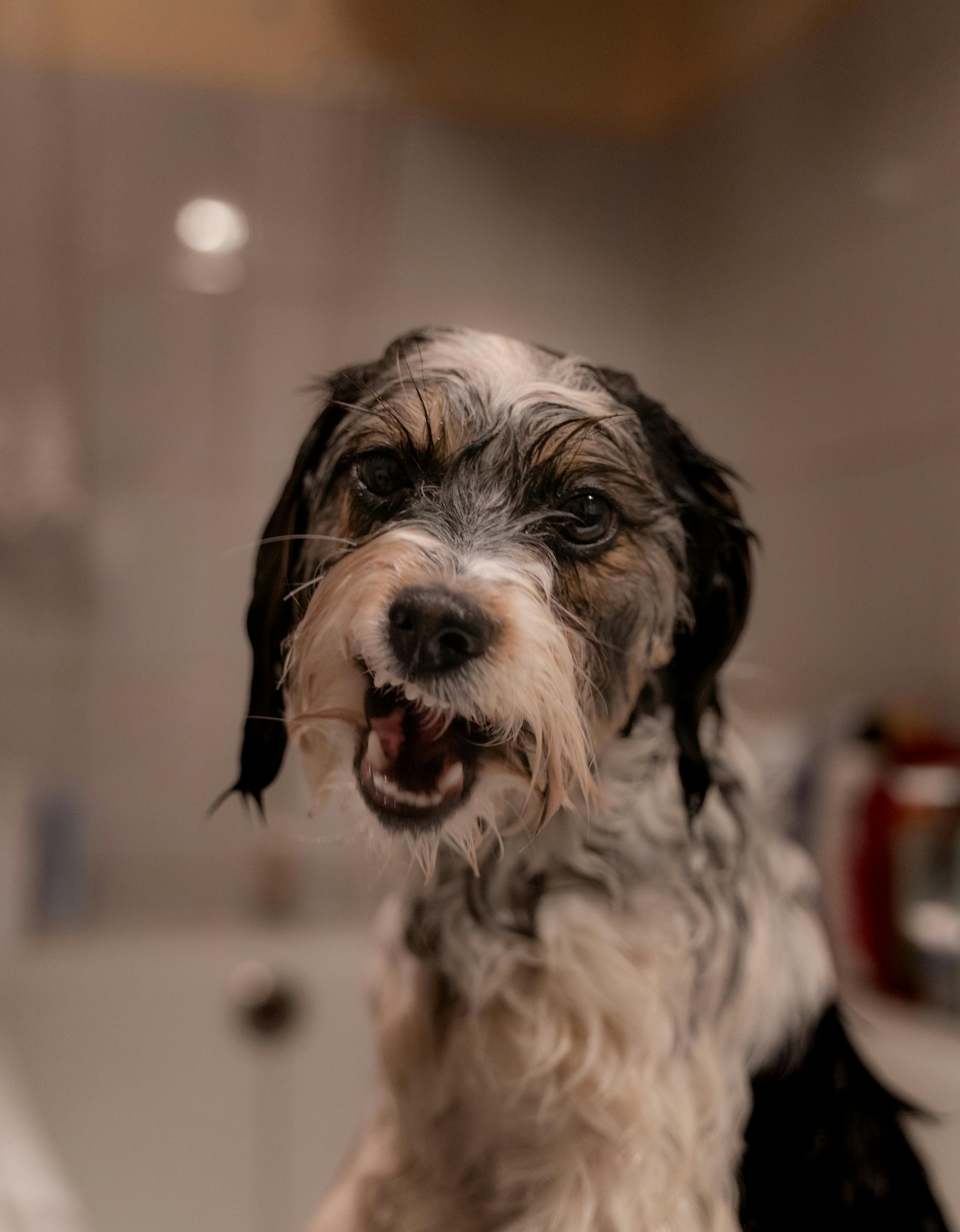
Dogs are beloved companions for many, and one of their most adorable features is their wet nose. You might think it’s just a cute quirk, but there’s actually a lot more going on under the surface. Ever wondered why do dogs have wet noses? Well, let’s dive into 7 surprising benefits of that wet nose, which goes beyond just looking cute!
1. Enhanced Sense of Smell
Dogs have an incredible sense of smell, and their wet noses play a crucial role in this. The moisture helps to capture scent particles better. When a dog sniffs something, the wetness on their nose traps these particles, allowing their olfactory receptors to work more efficiently. This is why dogs can detect scents much better than humans.
2. Temperature Regulation
Did you know that a dog's body temperature can be regulated through their noses? Just like humans sweat, dogs release moisture through their noses which helps cool them down. It’s especially important during hot summer days when they might be at risk for overheating. When you see your furry friend panting, remember that their wet nose is working hard to keep them comfortable!
3. Social Communication
Dogs are social animals, and their wet noses are a big part of how they communicate. When they greet each other, they often sniff noses. This behavior allows them to gather important information about their canine friends, such as their health and emotional state. So, next time your pooch sniffs another dog, they're engaging in a vital form of social interaction!
4. Health Indicator
A wet nose can be an indicator of a dog’s health. Generally, a healthy dog will have a moist nose, while a dry nose may suggest dehydration or illness. However, it’s not a foolproof method, as some dogs naturally have drier noses. If you notice significant changes in your dog's nose condition, it’s always best to consult with a veterinarian.
5. Natural Antibacterial Properties
The unique composition of a dog's nose possesses natural antibacterial properties. This means that their wet noses can help to fight off bacteria and keep infections at bay. One reason for this is the presence of a special type of mucus that helps to trap harmful pathogens. So that adorable wet nose does more than you might think!
6. Increased Sensitivity to Touch
Dogs’ noses are covered in sensitive nerve endings, making them incredibly responsive to touch. This sensitivity allows them to detect even the slightest changes in their environment. The wetness of their nose enhances this sensitivity, allowing them to pick up on temperature changes and even vibrations in the air. This is why dogs can often sense things we may not even notice!
7. Connection to Their Owner
Dogs are known for their loyalty and bond with their owners. A wet nose can serve as a way for dogs to seek affection and validation from their humans. When a dog nudges you with their wet nose, they're not just being cute—they're asking for attention, love, and interaction. This simple gesture can strengthen the bond between you and your furry friend.
Interesting Facts About Dog Noses
- Dogs have about 300 million scent receptors in their noses, compared to humans who have about 5 million.
- A dog's sense of smell is so powerful, they can detect certain diseases, like cancer, in humans.
- Different dog breeds have different nose shapes and sizes, which can affect their sense of smell.
- A dog’s nose print is unique, much like a human fingerprint, and can be used for identification.
Benefits of Dog Ownership
Owning a dog comes with numerous advantages, some of which are tied to their wet noses and the benefits they provide. Here are some key benefits of having a dog:
- Companionship: Dogs provide emotional support and companionship, reducing feelings of loneliness.
- Physical Activity: Having a dog encourages regular exercise through walks and playtime.
- Stress Relief: Interacting with dogs can lower stress levels and promote relaxation.
- Security: Many dogs serve as natural protectors, alerting their owners to potential dangers.
Understanding why do dogs have wet noses can deepen your appreciation for these lovable pets. Their wet noses are not just a cute feature but are packed with benefits that contribute to their health, social interactions, and even their relationships with us. So, next time you give your dog a scratch behind the ears, remember that their wet nose is doing quite a bit more than you might have thought!
Why Are Dogs' Noses Wet? Uncovering the Myths and Facts
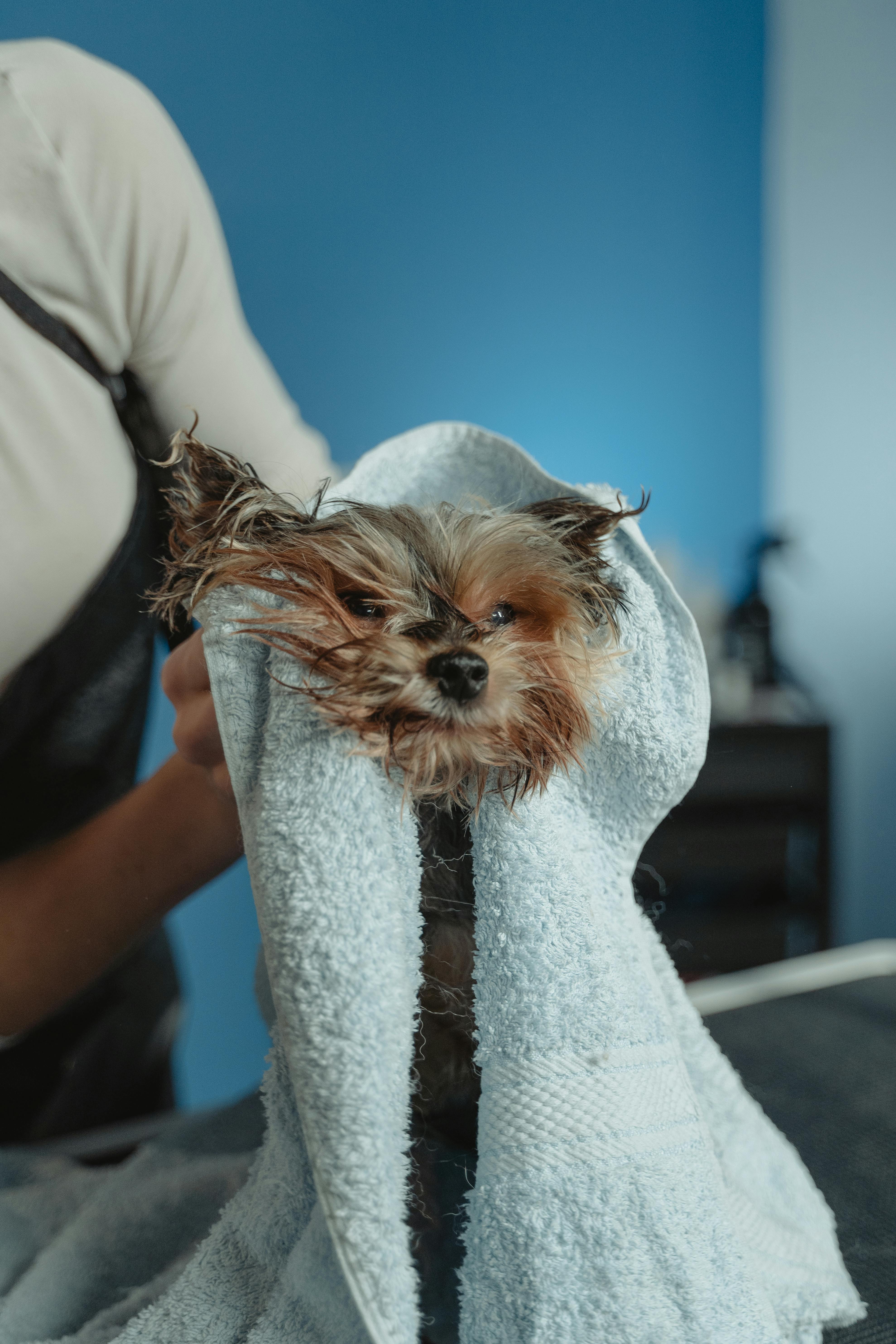
Dogs are known for their lovable and quirky behaviors, and one of the most intriguing characteristics they have is their wet noses. Many people often wonder, "Why do dogs have wet noses?" It's a question that sparks curiosity and leads to various myths and facts. Let's dive deeper into the fascinating truth behind this canine feature, clearing up misconceptions along the way.
The Science Behind Wet Noses
First off, it’s important to understand why dog noses are wet in the first place. Dogs have these moist noses primarily because of a few reasons:
- Temperature Regulation: Dogs do not sweat like humans do. Instead, they lose heat through their noses. The moisture helps cool them down, especially on hot days.
- Enhanced Sense of Smell: A wet nose can trap scent particles more effectively, allowing dogs to take in information about their environment. This is crucial for their keen sense of smell.
- Health Indicator: A dog’s nose can indicate its health status. A wet, cool nose might suggest the dog is healthy, while a dry or warm nose could mean something is off (although this isn’t always the case).
Myths About Wet Noses
There are a ton of myths that float around about why dogs have wet noses. Some common misconceptions include:
- Dogs Are Sick If Their Nose Is Dry: While a dry nose can sometimes indicate illness, it’s not a definitive sign. Dogs can have dry noses for numerous reasons, including weather conditions or just waking up.
- Wet Noses Mean Happiness: Not every dog with a wet nose is happy. Their emotional state is influenced by many factors, and a wet nose alone can’t tell you how they feel.
- All Dogs Have Wet Noses: While most dogs have wet noses, some breeds may have drier noses due to their genetics and other factors.
Historical Context and Fun Facts
The wet nose is not just a random trait; it has origins in the evolutionary past of our canine companions. Dogs descended from wolves, and it is believed that their wet noses helped them survive in the wild. Here are a few fun facts:
- Wolf Ancestry: Wild canines rely on their noses to hunt and find food. A wet nose was essential for tracking scents.
- Breed Variation: Some breeds, like the Basenji, are known to have drier noses, which can be attributed to their unique physiology.
- Lifespan of Noses: Dogs’ noses can change throughout their life stages. Puppies often have wetter noses than older dogs.
What Affects a Dog's Nose Moisture?
Several factors can influence how wet a dog's nose is. Some of these include:
- Environment: Humidity and temperature can significantly impact nose moisture. In dry climates, dogs may have drier noses.
- Activity Level: After playing outside or exercising, a dog’s nose might be wetter due to increased moisture from panting.
- Health Issues: Certain health problems can cause changes in nose moisture. For instance, allergies or fever might alter the usual wetness.
Care Tips for Your Dog's Nose
Maintaining a healthy nose is important for your dog's overall well-being. Here are some tips:
- Regular Check-ups: Ensure your vet checks your dog's nose during regular health visits.
- Hydration: Keep your dog hydrated, as proper hydration helps maintain nose moisture.
- Avoid Irritants: Keep your dog away from smoke, strong scents, and other irritants that can dry out their noses.
Table: Quick Comparison of Nose Conditions
| Condition | Wet Nose | Dry Nose |
|---|---|---|
| Normal | Cool to touch, moist | Warm, may be slightly cracked |
| Sick | May appear dry but still wet | Can indicate dehydration or illness |
| Environmental Change | Can become drier in winter | Can become moist in humid weather |
Conclusion
Understanding why dogs have wet noses can deepen the bond between you and your furry friend. It’s a mix of science, history, and a dash of myth-busting. The next time you cuddle with your pup, take a moment to appreciate that wet nose. It serves a purpose beyond just being cute; it’s a vital part of their biology and well-being. By keeping an eye on this feature and knowing the facts, you can help ensure your dog's health is always in check.
Is Your Dog’s Wet Nose a Sign of Health? 5 Indicators to Watch For

Every dog owner has probably noticed their furry friend's wet nose at some point. But, is your dog’s wet nose a sign of health? It's a question that many pet lovers ask. Understanding why dogs have wet noses can help you gauge your pup's well-being. Below, we will explore five indicators to watch for when evaluating your dog’s health, and shed light on the fascinating truth behind those moist noses.
The Science Behind Wet Noses
So, why do dogs have wet noses? It's not just for show. Wet noses are actually crucial for a dog's sense of smell. The moisture helps to absorb scent particles, allowing them to detect smells more effectively. Dogs have more scent receptors than humans—about 220 million compared to our 5 million! This wetness, which sometimes makes them feel slimy to us, is essential for their hunting and exploring instincts.
5 Indicators to Watch For
Temperature Regulation
- A dog’s nose can be a good indicator of their body temperature. When a dog is feeling hot, they may pant, and their nose might become wetter. If the nose is dry and warm, it could mean they are overheated or are becoming ill.
Health Status
- A consistently wet nose is often a sign of a healthy dog, but it’s important to consider other factors. If your dog’s nose suddenly becomes dry, it might indicate dehydration or illness. Keep an eye out for other symptoms like lethargy or a lack of appetite.
Allergies or Irritation
- Dogs can suffer from allergies just like humans do. If you notice that your dog’s nose is excessively wet, it could be a sign of an allergic reaction to something in their environment. This may be accompanied by sneezing or itching.
Infection or Illness
- If the wetness is accompanied by discharge, it could indicate a problem. For example, a runny nose could signal an upper respiratory infection. Always consult your vet if you notice unusual changes.
Age-Related Changes
- As dogs age, their noses may become drier. This is a normal part of aging, but if it comes with other health changes, a vet check-up is a good idea.
The Role of Environment
Factors in your dog's environment can also impact the moisture of their noses. For instance, dry weather can lead to drier noses. On the other hand, if your dog spends too much time in water, their nose might be excessively wet. Here’s a quick look at how environments can affect your dog:
- Hot Weather: Dogs may have wetter noses due to increased panting.
- Cold Weather: Cold can lead to drier noses, although some dogs might still have moist noses.
- Indoor Heating: Central heating can dry out the air, affecting your dog's nose moisture.
Historical Context
Interestingly, the wet nose phenomenon isn’t just a modern observation. Ancient cultures recognized the importance of a dog’s nose. In fact, some civilizations believed that a moist nose indicated a dog was spiritually in tune with their environment. While these beliefs are more folklore than fact, they highlight how closely humans have historically observed their canine companions.
Comparing Dog Breeds
Different dog breeds can also show variations in nose moisture. For example:
- Bulldogs: Often have more moist noses due to their loose skin and facial structure.
- Greyhounds: Might have drier noses as they age, which is more common in breeds with less facial skin.
- Retrievers: Typically have moist noses, reflecting their active and playful nature.
Quick Tips for Dog Owners
- Check Your Dog Regularly: Make it a habit to check your dog’s nose and look for changes. This can help catch potential health issues early.
- Hydration is Key: Ensure your dog has access to fresh water at all times to prevent dehydration.
- Visit the Vet: If you notice any concerning changes in your dog's nose, consulting your veterinarian is always the best course of action.
Understanding your dog’s wet nose can give you insight into their health and well-being. It’s just another way to ensure that your furry friend stays happy and healthy. So, next time you get a slobbery kiss from your pup, remember that their wet nose is a pretty important part of their biology!
The Fascinating Role of a Dog's Nose in Their Sense of Smell
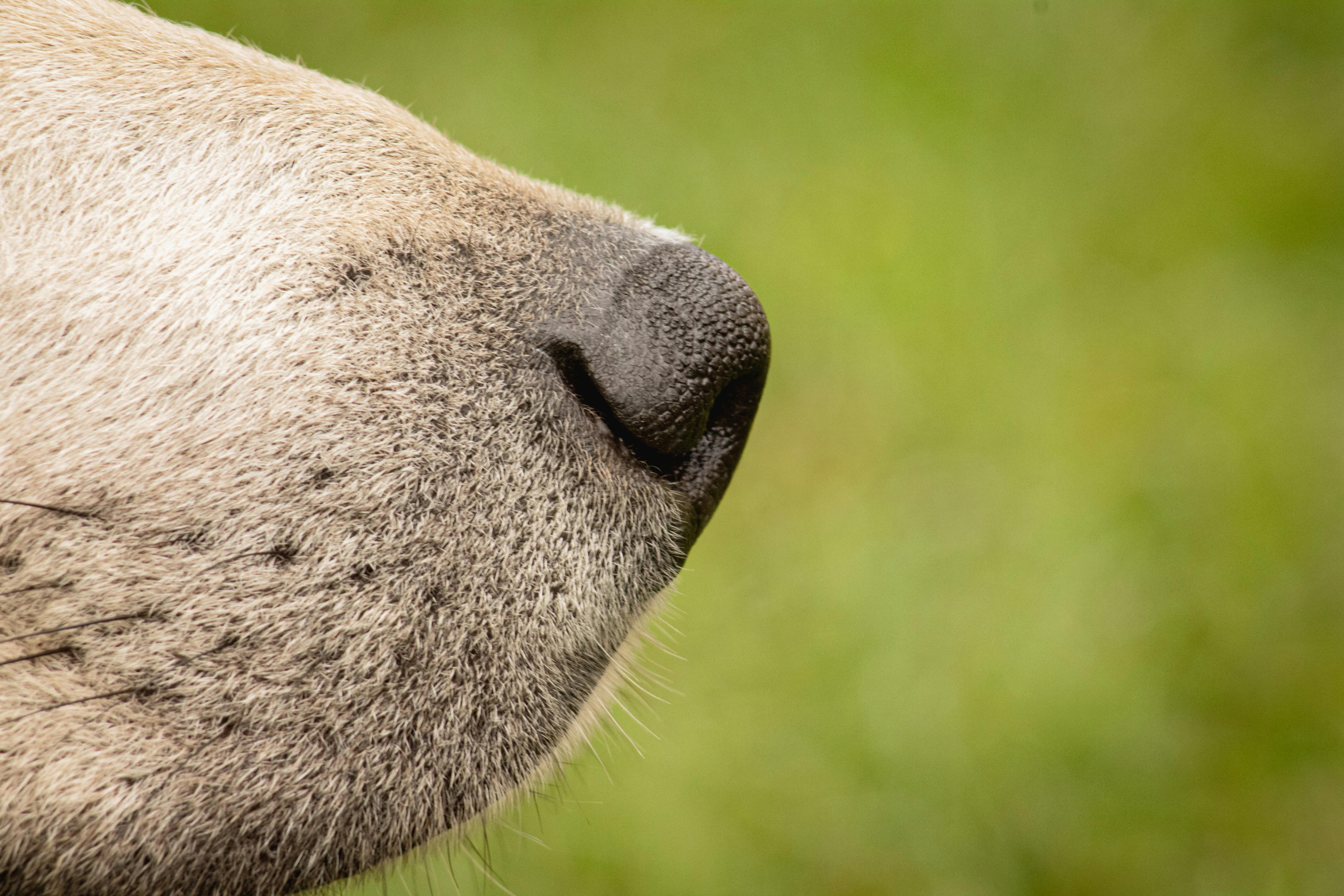
Dogs are often known for their incredible sense of smell. But have you ever wonder why do dogs have wet noses? It's not just a quirky feature; it has a fascinating role in how they perceive the world. Their noses, moist and cool, are more than just a cute characteristic. They help dogs smell better, which is not only impressive but also vital to their communication and hunting instincts.
The Anatomy of a Dog’s Nose
Dogs noses are complex structures, filled with an elaborate network of olfactory receptors. In fact, a dog's sense of smell is anywhere from 10,000 to 100,000 times more sensitive than that of humans. Here’s a breakdown:
- Olfactory Receptors: Dogs have about 300 million olfactory receptors in their noses, compared to a human’s 5 million.
- Jacobsen’s Organ: This is a special organ that helps dogs detect pheromones, which are crucial for social interactions among dogs.
- Moisture: The wetness of a dog’s nose is not just for show; it helps capture scent particles from the air.
Why Do Dogs Have Wet Noses?
Now, let’s dive deeper into the question: why do dogs have wet noses? The moisture on a dog’s nose serves multiple purposes:
- Enhanced Smell: When a dog’s nose is wet, it can trap more scent particles. The moisture dissolves odor molecules, making it easier for the receptors to pick up smells.
- Temperature Regulation: A wet nose can help dogs cool down. Since dogs don’t sweat like humans, they rely on their noses to help regulate their body temperature.
- Health Indicator: A wet nose is often a sign of a healthy dog. If a dog’s nose is excessively dry or hot, it could indicate they’re sick or dehydrated.
The Science Behind Dog Smell
To appreciate the incredible ability of dogs to smell, it’s helpful to understand a few key facts:
- Scent Discrimination: Dogs can distinguish between different scents. This ability allows them to track individuals or even find lost items.
- Scent Memory: Dogs have an extraordinary scent memory. They can remember specific smells for years.
- Scent Processing: When a dog sniffs, they can take in many scents at once. Their brains are designed to process this information efficiently.
Fun Facts About Dogs' Noses
- Unique Patterns: Just like human fingerprints, each dog's nose print is unique.
- Color Variations: The color of a dog's nose can vary widely, and it doesn't affect their sense of smell.
- Breeds and Smell: Some breeds, like Bloodhounds, have an even keener sense of smell due to their genetics and breeding.
Practical Examples of Dog's Nose in Action
Dogs use their noses in various ways, showcasing their remarkable capabilities:
- Search and Rescue: Dogs are trained to find missing persons using their sense of smell. They can detect human scent from miles away.
- Detection Work: Many law enforcement agencies use dogs to sniff out drugs, explosives, and even diseases like cancer. Their noses can identify specific scents associated with certain substances.
- Therapy and Support: Dogs can also sense emotional changes in humans. Their keen sense of smell allows them to detect changes in body scents that occur during anxiety or stress.
Caring for Your Dog's Nose
Maintaining your dog's nose is essential for their overall health. Here’s how you can care for it:
- Hydration: Ensure your dog stays hydrated, as a dry nose can be a sign of dehydration.
- Regular Vet Checkups: If you notice changes in your dog’s nose, like excessive dryness or cracks, consult your veterinarian.
- Environmental Factors: Keep an eye on environmental factors like heat and sun exposure, which can dry out a dog’s nose.
In summary, the wet nose of a dog is not just a charming feature but a vital aspect of their biology. It enhances their sense of smell, helps regulate their temperature, and serves as an indicator of their health. Understanding these elements not only deepens our appreciation for these wonderful animals but also reminds us of the unique ways they interact with the world. So next time you see a dog, take a moment to consider the fascinating role their nose plays in their life.
Do All Dogs Have Wet Noses? Exploring Variations Across Breeds
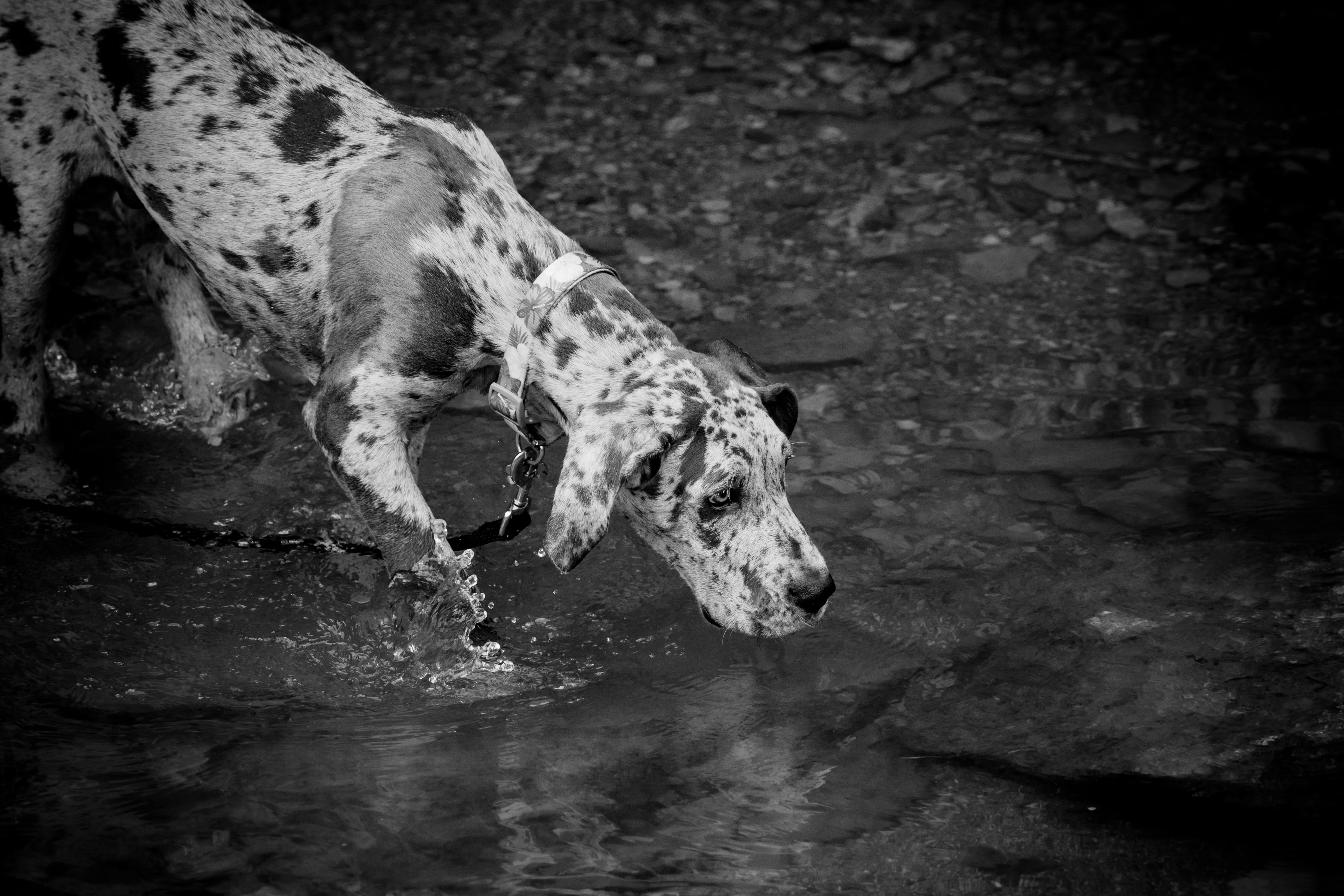
Dogs, our furry companions, come with all sorts of quirks and characteristics that make them unique. One of the most common and endearing traits is their wet noses. But do all dogs have wet noses? And why do dogs have wet noses in the first place? This article takes a look at variations across breeds, the science behind those damp snouts, and the fascinating truths that surround this canine characteristic.
Do All Dogs Have Wet Noses?
While it’s a common sight to see dogs with moist noses, not every pooch has a consistently wet snout. Various factors influence the moisture levels of a dog's nose, including breed, environment, and health. Here’s a breakdown of how different breeds stack up when it comes to nose moisture:
- Short-nosed breeds: Breeds like Bulldogs and Pugs often have less moisture on their noses. Their anatomy may affect how they regulate temperature and humidity.
- Long-nosed breeds: Greyhounds and Whippets often have wet noses due to their longer snouts, which can help them cool off more efficiently.
- Mixed breeds: You might find a variety of moisture levels, depending on the traits they inherit from their parent breeds.
So, while many dogs do have wet noses, the degree of moisture can vary greatly from one breed to another. Observing your pup’s nose can give you hints about their overall health, but it’s not the only factor.
Why Do Dogs Have Wet Noses?
Now, let’s dive into the reasons behind those wet noses. Dogs' noses serve multiple purposes, and moisture plays a significant role in their overall well-being. Here are some key points:
- Temperature Regulation: A dog's nose helps in regulating body temperature. When a dog pants or breathes heavily, the moisture evaporating from their nose can cool them off.
- Scent Detection: Wet noses enhance a dog's sense of smell. The moisture helps to capture scent particles in the air, making it easier for them to identify different odors.
- Health Indicator: Changes in nose moisture can indicate health problems. For example, a dry or cracked nose may suggest dehydration, fever, or other illnesses.
- Social Interaction: Dogs often use their noses to communicate with each other. A wet nose can be a sign of friendliness and openness.
The Science Behind a Dog’s Wet Nose
The moisture on a dog's nose comes from glands located in their nasal passages and the surrounding skin. Here’s how it works:
- Mucous Membranes: The mucous membranes inside a dog’s nose secrete moisture, keeping it damp.
- Environmental Factors: Weather conditions, humidity levels, and even the dog's activity level can cause fluctuations in nose moisture.
- Health Conditions: Certain health issues, like fever or allergies, can lead to a dry nose. If you notice significant changes, consult your veterinarian.
Fun Facts About Dog Noses
- Unique Print: Just like human fingerprints, every dog's nose print is unique! This can be used for identification.
- Super Sniffers: Dogs have up to 300 million scent receptors in their noses, compared to about 5 million in humans. This means their sense of smell is 40 times better than ours.
- Temperature Sense: Dogs can sense changes in temperature and humidity, which helps them navigate their environment.
Variations Across Breeds
Here’s a simple comparison table showing how wet noses differ among various breeds:
| Breed | Nose Moisture Level | Notes |
|---|---|---|
| Bulldog | Low | Short snout, less moisture |
| Labrador Retriever | Moderate | Average moisture, good health indicator |
| Greyhound | High | Long snout, excellent scent detection |
| Pug | Low | Similar to Bulldogs, short snout |
| Siberian Husky | Moderate to High | Thick fur, but moist nose |
Practical Examples of Nose Moisture
- Healthy Moisture: A healthy dog’s nose is usually moist and cool to the touch.
- Slightly Dry: It's normal for a dog’s nose to be a bit dry after sleeping, but if it stays dry for too long, it might be worth checking out.
- Consistently Dry or Cracked: This might indicate a health issue, so a trip to the vet might be necessary.
Understanding why dogs have wet noses can deepen your bond with your furry friend. Keeping an eye on your dog's nose, along with their overall behavior, can provide insight into their health and happiness. Next time you give your pup a scratch behind the ears, take a moment to appreciate that wet nose — it’s not just cute; it’s part of what makes dogs such remarkable creatures.
How Weather Affects Your Dog’s Nose: Understanding Seasonal Changes

When you see your dog with that adorable, wet nose, you probably have wondered why it’s like that. It’s totally fascinating, right? But did you know that weather can actually play a big role in the condition of your dog’s nose? Let's dive into the world of canine noses and how different seasons can affect them. The science behind dog anatomy is pretty interesting and can help us understand our furry friends better.
Why Do Dogs Have Wet Noses?
Firstly, dog noses are wet for a few reasons. One main reason is that moisture helps dogs to better scent their environment. A wet nose is more effective at capturing scent particles in the air, which is vital for their survival and communication. Here’s a few reasons why dogs have wet noses:
- Scent Detection: Wetness helps to absorb scent chemicals more effectively.
- Temperature Regulation: Dogs sweat through their noses, helping them to cool down.
- Health Indicator: A dry nose can sometimes be a sign of illness or dehydration, though not always.
Most dog owners see their pet’s nose as a key indicator of health. A healthy dog usually has a moist nose, while a dry nose can raise some concerns. But it’s not always black and white — a dry nose doesn’t automatically mean something's wrong.
How Weather Impacts Your Dog’s Nose
The weather can affect your dog’s nose in various ways. Depending on the season, you may notice changes in moisture levels. Here’s a breakdown of how different weather conditions can influence your dog’s nose:
Summer Heat:
- Heat causes more evaporation, leading to drier noses.
- Dogs may have to pant more to cool down, which can dry out their noses.
Winter Chill:
- Cold air can cause a dog’s nose to become chapped or cracked.
- Snow or ice can lead to moisture loss, making noses dry.
Rainy Days:
- Increased humidity can lead to wetter noses, which is typically normal.
- Dogs may feel more comfortable and active in such weather.
Allergy Season:
- Pollen and other allergens may cause nasal irritation or increased moisture.
- Some dogs may develop a runny nose in response to allergens.
Seasonal Changes and Your Dog's Health
It’s not just the nose that changes with the seasons. Dogs can also experience various health issues depending on the time of year. Some common issues include:
Summer:
- Heat exhaustion or heat stroke, especially in brachycephalic breeds.
- Increased risk of dehydration.
Fall:
- Allergies from falling leaves and molds.
- Fleas and ticks can still be a problem.
Winter:
- Risk of frostbite on paws and noses.
- Dry indoor air can lead to skin issues.
Spring:
- Allergy season kicks in, causing sneezing and nasal discharge.
- Increased outdoor activity can lead to injuries.
Fun Facts About Dog Noses
You might be surprised to learn some other cool things about dog noses. For example:
- Dogs have about 220 million scent receptors, compared to humans' 5 million.
- A dog's sense of smell is 40 times better than that of humans.
- The unique patterns on a dog’s nose are like fingerprints for humans.
Quick Tips for Nose Care
Keeping your dog’s nose healthy is important. Here are some practical tips:
- Hydration: Always provide fresh water, especially in hot weather.
- Moisturize: Use a vet-approved nose balm in the winter if your dog’s nose seems dry.
- Monitor Health: Keep an eye on changes in the nose's texture or moisture.
Final Thoughts
Understanding how weather affects your dog’s nose can help you provide better care for your furry friend. Seasonal changes bring various challenges, but being aware of them allows you to take proactive measures. Regular checks on your dog's nose can be a good habit to develop; it helps you notice any potential health issues early. Remember, a wet nose is just one of the many aspects that make your dog uniquely wonderful!
Wet Nose vs. Dry Nose: What Your Dog’s Nose Says About Their Well-Being
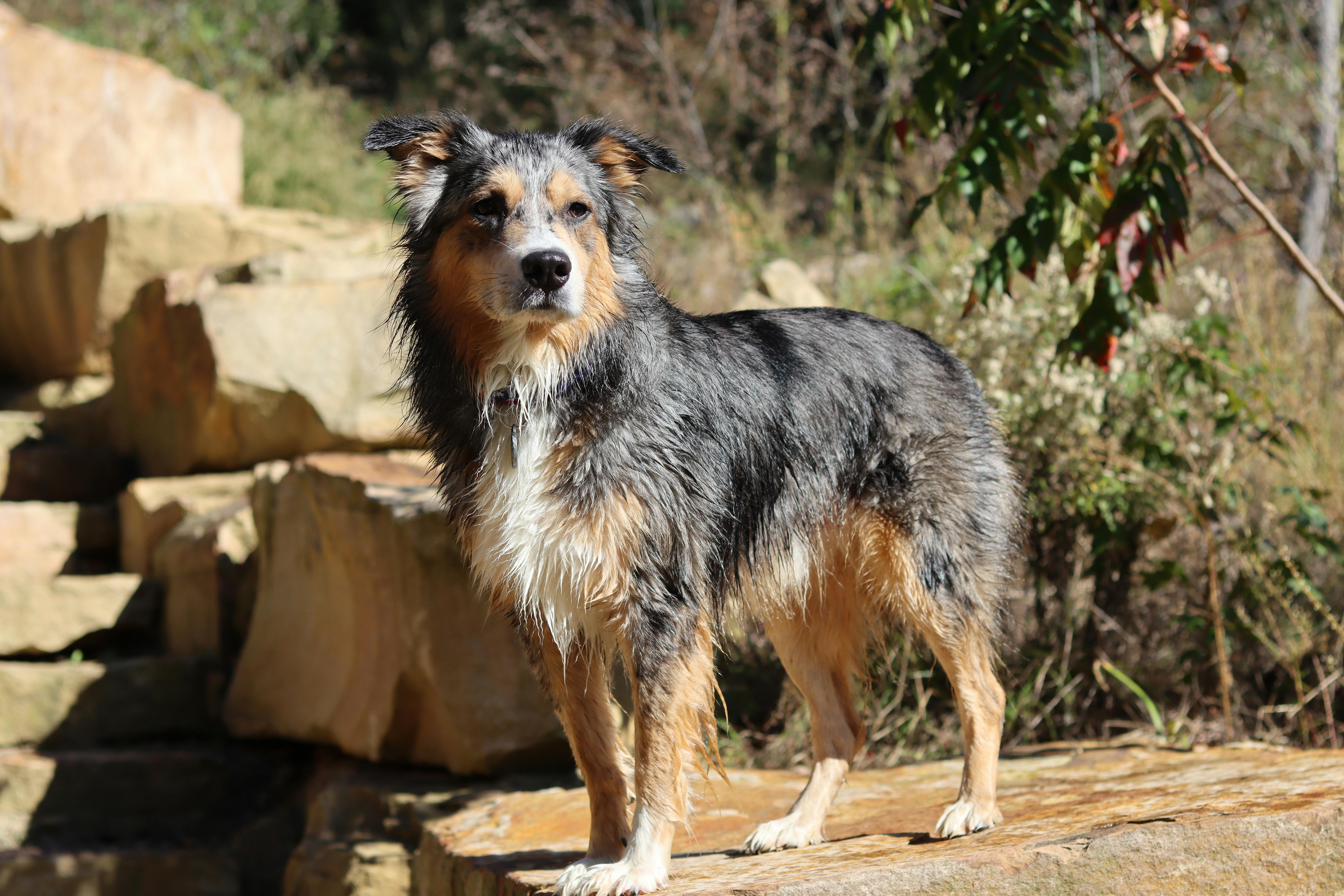
When you see your dog, one of the first things you might notice is their nose. It's wet, cold, and often curious. But have you ever wondered what that wet nose really means? In this article, we will dive into the difference between wet noses and dry noses, explore why dogs have wet noses, and uncover what it says about their health and well-being. So, let’s get started!
Why Do Dogs Have Wet Noses?
Dogs have wet noses for a lot of reasons. It’s not just some random thing that happens. There’s science behind it, and it’s pretty cool. Here are some key points to consider:
Temperature Regulation: A wet nose helps dogs regulate their body temperature. When their nose is wet, it helps them cool down, just like sweating does for humans.
Scent Detection: Dogs have an incredible sense of smell, and a wet nose helps enhance this ability. The moisture on their nose helps capture scent particles, making it easier for them to pick up different smells.
Health Indicator: Wetness can be a sign of health. A moist nose can indicate that your pup is well-hydrated and healthy. Conversely, if their nose is persistently dry or cracked, it could indicate dehydration or illness.
The Fascinating Truth About Dog Noses
The dog nose is not just a cute feature; it’s a complex organ. Dogs have up to 300 million smell receptors in their noses, compared to about 6 million in humans. This gives them the ability to detect scents at incredibly low concentrations. Isn’t that amazing?
Also, the structure of a dog’s nose is designed to help them smell better. The shape and the moistness of their nose help in trapping scent molecules, which is why they are so good at tracking.
Wet Nose vs. Dry Nose: What’s the Difference?
It’s important to understand the difference between a wet and dry nose. Here are some things to think about:
Wet Nose: Generally indicates that your dog is healthy and hydrated. It's common for dogs to have wet noses after drinking water or being outside.
Dry Nose: Can mean a variety of things. Sometimes, it’s nothing to worry about. However, if it’s persistently dry and cracked, it might indicate health issues such as dehydration, allergies, or even a fever.
Factors Influencing Nose Moisture
There are a few factors that can influence whether a dog's nose is wet or dry. Here’s a list of some common causes:
Weather Conditions: Hot and dry weather can cause a dog’s nose to dry out more quickly than usual.
Hydration Levels: If your dog isn’t drinking enough water, their nose may become dry.
Health Conditions: Certain health issues such as autoimmune diseases, skin infections, or allergies can affect nose moisture.
Age: Older dogs may experience changes in skin and nose moisture just like humans do as they age.
When to Worry About Your Dog's Nose
Not all dry noses are cause for alarm, but there are situations when you should definitely pay attention. Here are some signs that might indicate a need for veterinary attention:
Cracking or Bleeding: If your dog’s nose is cracking or bleeding, it's important to consult with a vet.
Persistent Dryness: If the dryness lasts more than a few days, it might be worth getting checked out.
Behavior Changes: If your dog seems lethargic or shows changes in appetite or behavior along with a dry nose, don’t wait to see a vet.
Practical Tips for Doggy Nose Care
Taking care of your dog’s nose is pretty simple. Here are some tips to keep it healthy:
Hydration: Always ensure your dog has access to fresh, clean water.
Limit Sun Exposure: If your dog spends a lot of time outside, consider using dog-safe sunscreen on their nose to protect from sunburn.
Regular Checkups: Regular vet visits can help catch any potential issues early.
Moisturize When Needed: If your dog's nose is persistently dry, consult with your vet about safe moisturizing options.
Dogs are fascinating creatures, and their noses are just one of the many things that make them unique. Understanding what their wet or dry noses indicate can help you take better care of your furry friend. Remember, a wet nose often means a happy dog! However, always keep an eye on changes in their health. If something seems off, it’s best to consult with a veterinarian. Your dog's well-being is always worth it!
Curious Canines: Why Do Dogs Sniff with Their Wet Noses?
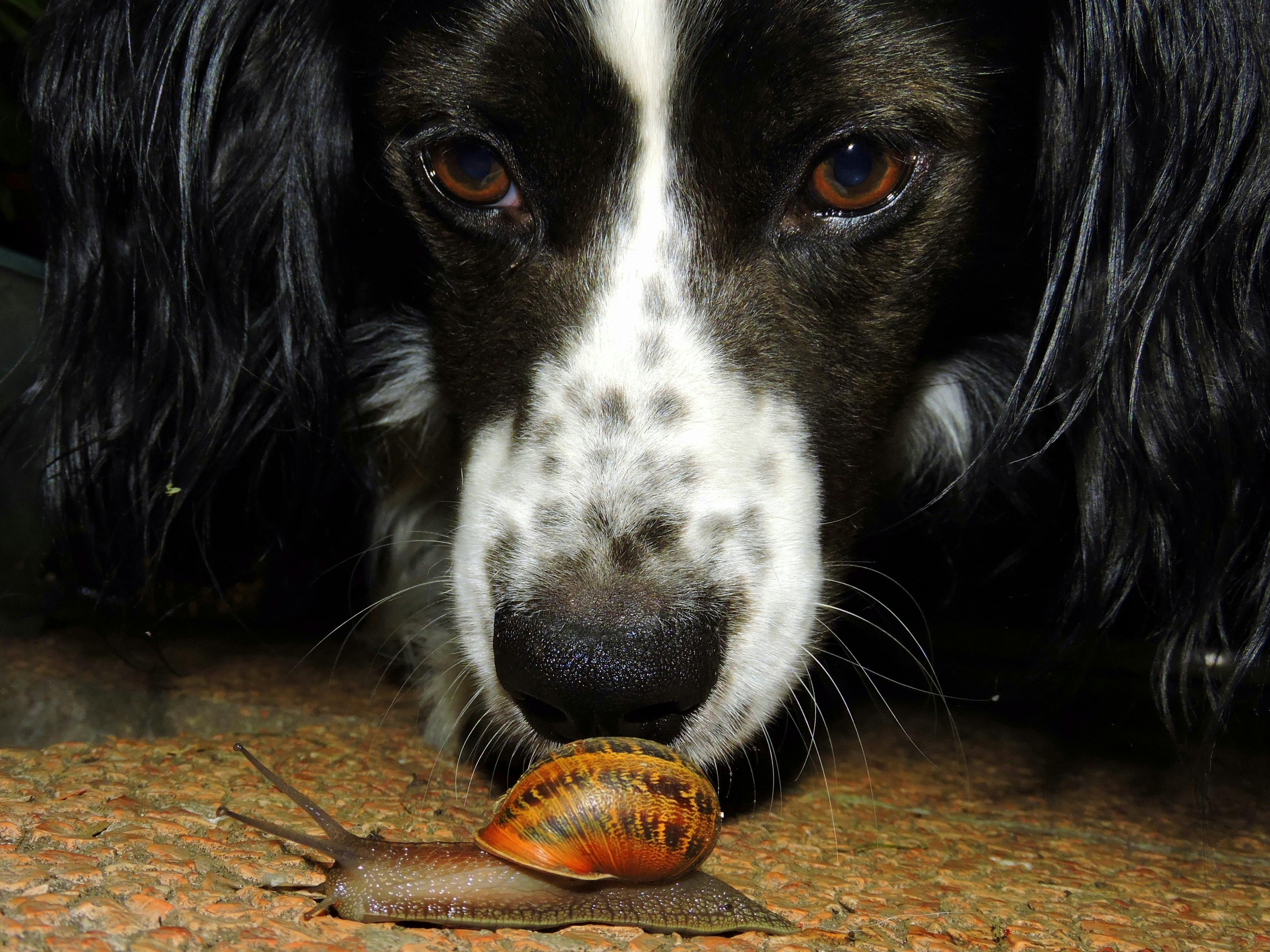
Dogs are more than just pets; they are our companions, our protectors, and sometimes even our therapists. One of the most intriguing aspects of dogs is their sense of smell. Ever wonder why do dogs have wet noses? Or, more specifically, why do they sniff with their wet noses? This article will dive into the fascinating world of canine olfaction and the science behind those adorable, wet snouts.
The Anatomy of a Dog's Nose
A dog’s nose is complex and unique. It has more than 220 million scent receptors, compared to a human’s mere 5 million. This incredible olfactory system is what makes dogs such skilled sniffers. But it’s not just about the receptors; the structure of the nose plays a key role too.
- Moisture Matters: The wetness of a dog’s nose helps trap scent particles. When a dog sniffs, the moisture captures these particles, making it easier to analyze odors.
- Temperature Regulation: A wet nose also helps cool down a dog’s body. Dogs don’t sweat like humans do; they rely on their noses to help regulate their body temperature.
Why Do Dogs Have Wet Noses?
The wetness of a dog’s nose can be attributed to several reasons, all of which contribute to their keen sense of smell.
- Scent Detection: Wet noses allow dogs to detect scents more effectively. The moisture enhances their ability to capture and process smells.
- Health Indicator: A dog’s nose can also be a health indicator. A typical healthy nose is moist and cool, while a dry or warm nose could signal illness or dehydration.
- Communication Tool: Dogs communicate through scent. A wet nose touches and interacts with scents, helping them communicate with other dogs and even humans.
Historical Context of Dogs' Noses
Throughout history, dogs have been recognized for their incredible sense of smell. Ancient civilizations, such as the Egyptians, used dogs for hunting and tracking. The Romans trained them to find truffles, a prized delicacy. This historical reliance on dogs’ olfactory abilities highlights the importance of their wet noses.
- Tracking Dogs: Used in law enforcement and search-and-rescue missions.
- Hunting Dogs: Bred for their ability to locate game.
- Therapy Dogs: Trained to detect medical conditions like low blood sugar or seizures.
Fascinating Facts About Dogs' Noses
Here are some interesting facts that showcase the uniqueness of dogs' wet noses:
- Unique Nose Prints: Just like human fingerprints, no two dog nose prints are alike. This uniqueness can even be used for identification purposes.
- Sniffing Techniques: Dogs use a specific technique called the “sniffing cycle.” They inhale through their nostrils and exhale through their mouths, allowing them to better analyze scents.
- Scent Memory: Dogs have an excellent scent memory. They can remember a scent for years.
Dogs vs. Humans: A Smell Comparison
To truly appreciate a dog's sense of smell, let’s compare it to humans:
- Scent Receptors:
- Dogs: 220 million
- Humans: 5 million
- Olfactory Bulb Size:
- Dogs: 40 times larger than in humans.
- Scent Detection Capability:
- Dogs can detect certain scents at incredibly low concentrations, even one part per trillion.
Practical Examples of Dogs' Sniffing Abilities
Dogs have been trained for various tasks that utilize their incredible sense of smell. Here are few examples:
- Detection Dogs: Used at airports to sniff out drugs, explosives, or even agricultural products.
- Medical Alert Dogs: These dogs can alert their owners to medical emergencies, like an impending seizure or blood sugar drop.
- Search and Rescue: Dogs are invaluable in locating missing persons or finding survivors in disaster situations.
Dogs’ wet noses aren’t just a cute feature; they serve multiple vital purposes that enhance their abilities as companions and working animals. Their incredible sense of smell, combined with the moisture of their noses, allows them to interact with the world in ways we can only imagine.
Next time you see your furry friend sniffing around, remember that their wet nose is a powerful tool that connects them to their environment. It's not just about curiosity; it's about survival, communication, and an extraordinary bond with humans. So, the next time you ask, “Why do dogs have wet noses?” just remember it’s a fascinating blend of biology, history, and instinct that keeps them curious and connected to the world around them.
The Evolutionary Purpose of Wet Noses in Dogs: An In-Depth Look
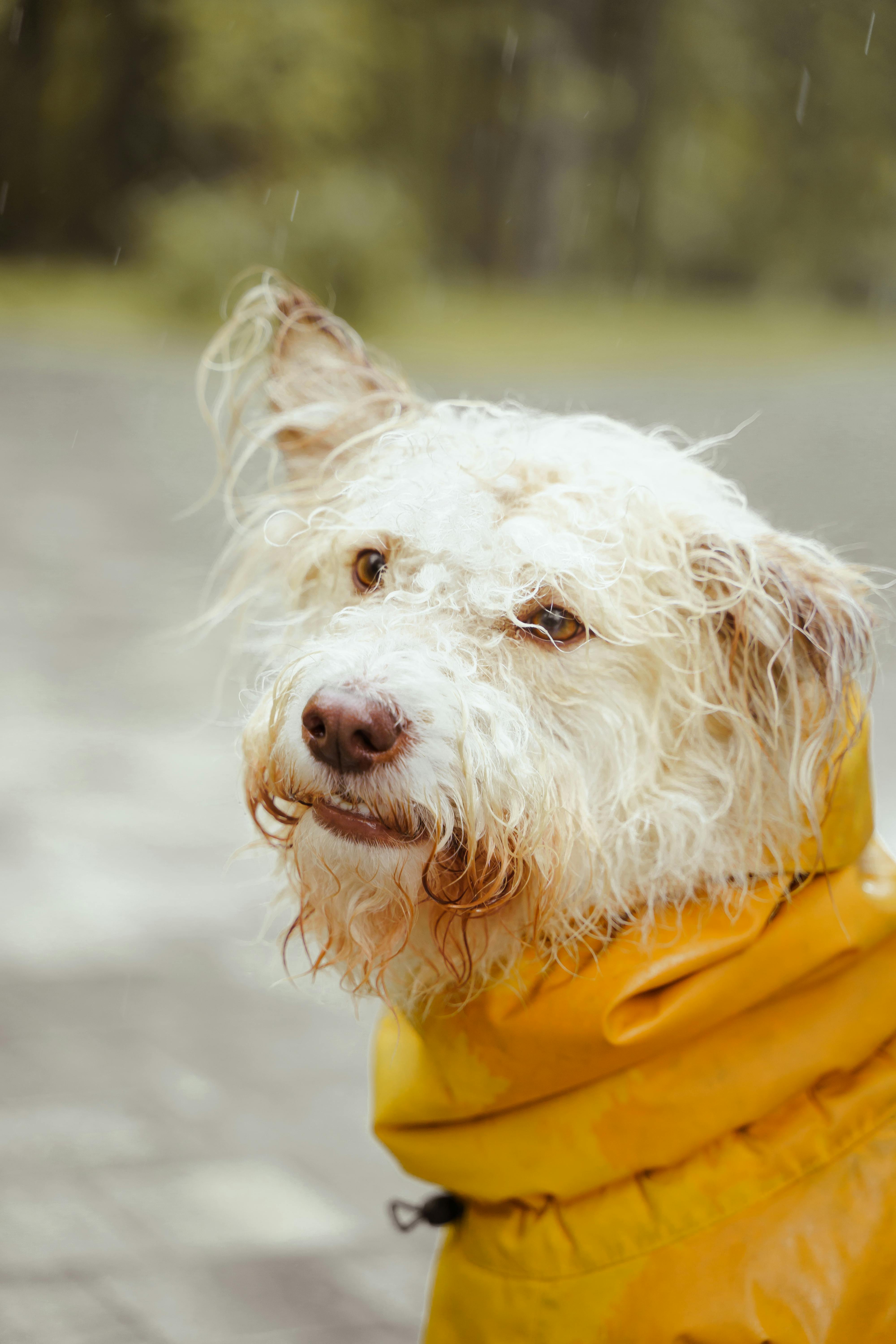
Dogs have been loyal companions to humans for thousands of years, and one particularly interesting aspect of their biology is their wet noses. Why do dogs have wet noses? This question not only sparks curiosity but also opens up a fascinating exploration into the evolutionary purpose of this unique feature. Let’s dive deeper into this topic and discover the truth behind those adorable, moist noses.
The Science Behind Wet Noses
Most dog owners have noticed that their furry friends often have cold, wet noses. But what causes this? The moisture on a dog’s nose primarily comes from two sources: the secretion of mucus and the environment. The nose of dogs is covered with a thin layer of mucus that helps them absorb scent particles. This moisture helps to enhance their sense of smell, which is already far superior to that of humans.
- Mucus Secretion: Dogs secrete mucus to keep their noses moist.
- Environmental Factors: Rain, humidity, and even a dog's own saliva can contribute to a wet nose.
Evolutionary Purpose of Wet Noses
Now, let’s dive into the evolutionary aspect. Dogs, as descendants of wolves, have developed their sense of smell to be incredibly sharp. A wet nose plays a key role in this evolutionary trait. The moisture captures scent particles from the air, which allows dogs to detect odors more effectively. It’s like having a built-in scent enhancer!
- Scent Detection: Wet noses help in capturing scent particles.
- Cooling Mechanism: A wet nose can also help regulate body temperature, functioning somewhat like sweating in humans.
Historical Context
It’s fascinating to think about how this feature has evolved over time. Early domesticated dogs used their keen sense of smell for hunting, tracking, and even finding food. A wet nose was advantageous for these activities. As dogs became companions to humans, their noses continued to play a crucial role in their interaction with the world.
- Hunting and Tracking: Dogs with wetter noses were likely better hunters, giving them an edge in survival.
- Companionship: As they adapted to living with humans, their ability to detect scents helped them bond with their human counterparts, enhancing communication through body language and scent.
Fun Facts About Dog Noses
Here are some amazing facts about dog noses that many people might not know:
- Unique Patterns: Just like human fingerprints, each dog’s nose print is unique. This can be used for identification!
- Temperature Sensitivity: Dogs have a higher sensitivity to temperature changes, which can be detected through their noses.
- Scent Memory: Dogs can remember scents for a long time, sometimes even years!
Comparison: Dog Noses vs. Human Noses
When comparing dog noses to human noses, the differences are stark and fascinating. Here’s a quick comparison:
| Feature | Dog Noses | Human Noses |
|---|---|---|
| Moisture | Generally wet | Generally dry |
| Scent Detection Ability | Extremely high (up to 100,000 times more sensitive than humans) | Much lower sensitivity |
| Temperature Regulation | Helps in cooling | No such function |
| Identification | Unique nose prints | No unique feature |
Practical Examples of Nose Functionality
Dogs use their noses for various practical reasons, including:
- Searching for Food: Dogs can smell food from miles away!
- Tracking: Many dogs are trained as service or search-and-rescue dogs, utilizing their keen sense of smell to locate people or objects.
- Detecting Illness: Some studies have shown that dogs can detect certain diseases in humans, such as cancer or diabetes, through scent.
Conclusion
So, why do dogs have wet noses? The answer lies in a combination of evolutionary benefits, practical applications, and the unique biology of our furry friends. Wet noses not only enhance their incredible sense of smell but also play a role in temperature regulation. This fascinating feature is just one of the many things that make dogs such remarkable companions. Next time you give your dog a pat and feel that wet nose, remember the incredible biology and history behind it!
Conclusion
In conclusion, the wet noses of dogs serve multiple important functions that contribute to their overall health and well-being. The moisture on a dog's nose enhances their sense of smell, allowing them to detect scents more effectively, which is crucial for their communication and interaction with the environment. Additionally, the wetness helps regulate their body temperature and keeps their nasal passages moist. Understanding why dogs have wet noses can deepen our appreciation for these remarkable animals and their unique biological adaptations. Next time you give your furry friend a scratch behind the ears, take a moment to notice that cool, wet nose and remember the incredible functions it serves. If you’re curious to learn more about your dog’s health and behavior, consider consulting with a veterinarian to ensure your canine companion is thriving in every aspect!