Have you ever wondered, why do dogs have wet noses? This intriguing question leads us into the fascinating world of canine biology. A dog's wet nose is more than just an adorable feature; it serves multiple vital purposes that can surprise many pet owners. Ever noticed how your furry friend’s nose is often cooler and damp than the rest of their body? This unique trait is not just for show! It actually plays a crucial role in their sense of smell and overall health. In this post, we’ll explore the captivating reasons behind the wetness of your dog’s nose and why it matters. Is it true that a dry nose indicates illness? What are those fascinating scientific facts that explain this phenomenon? Let's dive deeper to uncover the truth! Understanding the reason behind wet noses can enhance your bond with your four-legged companion while also ensuring their well-being. So, if you’re curious about the science of dogs and want to learn how their noses contribute to their incredible sense of smell and communication, keep reading! You might be surprised by what you discover about your loyal friend!
The Science Behind Wet Noses: Why Do Dogs Have This Unique Trait?

Dogs are often called man's best friend, and one of the many unique traits they have is their wet noses. You probably have notice this when your furry friend nudges you with that cool, damp snout. But have you ever wonder why dogs have wet noses? There’s actually a fascinating science behind it, and it goes much deeper than just being cute.
The Anatomy of a Dog's Nose
A dog's nose is a complex organ. It's not just for smelling; it serves multiple purposes. The wetness of a dog's nose is primarily due to a thin layer of moisture, which is produced by the mucous glands located inside the nostrils. This moisture plays a critical role in a dog’s sense of smell.
- Mucous Glands: Produce moisture to help capture scent particles.
- Nasal Turbinates: These are structures that help in warming and humidifying the air a dog inhales.
- Olfactory Receptors: Dogs have up to 300 million olfactory receptors, compared to about 6 million in humans. This makes their sense of smell incredibly sensitive.
Why are Wet Noses Important?
The wetness of a dog's nose is not just for show. Here are some key reasons why it matters:
- Enhanced Smell: The moisture helps to dissolve scent particles, making it easier for dogs to detect odors. This is why they can find a hidden toy or trace scents over long distances.
- Temperature Regulation: Dogs do not sweat like humans. A wet nose can help with thermoregulation, keeping them cool.
- Health Indicator: A dog's nose can be an indicator of its health. A dry, cracked nose might signal dehydration, illness, or infection.
Historical Context: The Evolution of Wet Noses
If you look back in history, dogs have evolved from wolves, who also had wet noses. Early domesticated dogs retained this trait, which likely provided survival advantages.
- Hunting: A wet nose was essential for tracking prey.
- Social Interactions: Dogs also use their noses to communicate with each other and humans, establishing bonds and understanding each other through scent.
Comparisons: Dogs vs. Other Animals
When you compare dogs to other animals, the difference in nose moisture is quite interesting. For instance,
- Cats: Their noses are usually dry compared to dogs, but they also have a good sense of smell.
- Humans: Our noses are dry and much less effective in detecting scents. We only have about 6 million olfactory receptors.
- Other Mammals: Many mammals have wet noses, but dogs are unique in the sheer number of olfactory receptors they possess.
Fun Facts About Wet Noses
Here are some intriguing tidbits about dog noses:
- Color Variation: A dog's nose can vary in color depending on breed, age, and even season; some dogs have black noses while others have pink.
- Scent Tracking: Dogs can track a scent that is days or even weeks old, thanks to their wet noses.
- Nose Prints: Just like human fingerprints, every dog has a unique nose print which can be used for identification.
Practical Examples of Nose Usage in Dogs
Dogs use their noses in many ways:
- Search and Rescue: Many dogs are trained to find missing persons using their incredible sense of smell.
- Medical Detection: Certain dogs can detect diseases like cancer or diabetes by smelling changes in their owner's scent.
- Tracking: Hunting dogs use their noses to track game and assist their owners in hunting.
In summary, the wet nose of a dog is not just an adorable trait; it's a remarkable adaptation that has significant implications for their survival, health, and behavior. Understanding why dogs have wet noses gives us insight into their needs and capabilities. The next time you feel that cool touch against your skin, remember the science behind it. It’s much more than just a dog’s way of saying hello—it's a critical part of what makes them such extraordinary companions.
5 Surprising Reasons Your Dog’s Nose Is Always Wet: What You Need to Know

Have you ever wondered why your dog’s nose is always wet? It’s one of those curious traits that many dog owners notice but don’t really think about. Wet noses are common among dogs, but the reasons behind it are often surprising. Let’s dive into this fascinating truth and explore five reasons why your furry friend’s nose might be perpetually moist.
1. Natural Cooling Mechanism
Did you know dogs do not sweat like humans? Instead, they rely on their noses to help regulate their body temperature. The moisture on a dog's nose can help cool them down. When they pant or when air hits the moisture, it evaporates, which can lower their body temperature.
- Dogs release heat through:
- Panting
- Sweating through paw pads
- Moist noses
So, if you notice your pup's nose is particularly wet after playtime or a long walk, it’s likely just their way of staying cool.
2. Sense of Smell
Dogs have an incredible sense of smell, which is way more precise than ours. A wet nose helps enhance their ability to pick up scents. The moisture captures scent particles better, allowing your dog to sniff out more information about their environment.
- Here’s how it works:
- Moisture attracts scent particles.
- Wet surfaces absorb more smells.
- Dogs can gather more data about their surroundings.
Ever seen your dog sniffing around in the park? Their wet noses are hard at work, gathering all sorts of information about other animals, food, and even humans that passed by.
3. Hygiene and Health Indicator
A wet nose can also be a sign of good health. Generally, a healthy dog's nose feels moist and cool. However, there are exceptions; some dogs might naturally have drier noses.
- Here’s a quick guide:
- Normal: Moist and cool
- Slightly Dry: May be normal, but monitor for other symptoms
- Very Dry or Cracked: Could indicate dehydration or illness
If your dog’s nose suddenly becomes dry and cracked, it might be time to consult with your vet.
4. Environmental Factors
The environment plays a significant role in how wet your dog's nose is. Humidity, temperature, and even the materials they come into contact with can affect the moisture level. For instance, if it’s a hot summer day, your dog might have a wetter nose due to the heat and their increased panting.
- Factors that influence nose moisture:
- Humidity: More moisture in the air means wetter noses.
- Temperature: Hot weather leads to more moisture release.
- Activities: Playtime and exercise can increase nose wetness.
So, if it’s a rainy day and your dog seems to have a particularly wet nose, it’s probably just the result of the weather.
5. Licking Behavior
Dogs lick their noses frequently, which naturally keeps them moist. This behavior may seem odd, but it serves multiple purposes. It helps them clean their noses and also keeps their sense of smell sharp.
- Benefits of licking:
- Removes dirt and debris
- Maintains moisture levels
- Increases their olfactory sensitivity
If your dog is licking their nose often, it's not just a habit; they’re actually helping themselves stay healthy and aware of their surroundings.
Final Thoughts
Understanding why your dog’s nose is perpetually wet can give you valuable insight into their health and behavior. From natural cooling mechanisms to enhanced smelling capabilities, there are surprising reasons behind this common trait. Keep an eye on your dog’s nose and overall health, and always consult with your veterinarian if you notice any significant changes. Whether it’s the heat of the summer or the joy of a good sniff around the park, those wet noses are just one of the many things that make our furry companions fascinating.
Is a Wet Nose Healthy? Uncover the Truth About Your Dog’s Snout
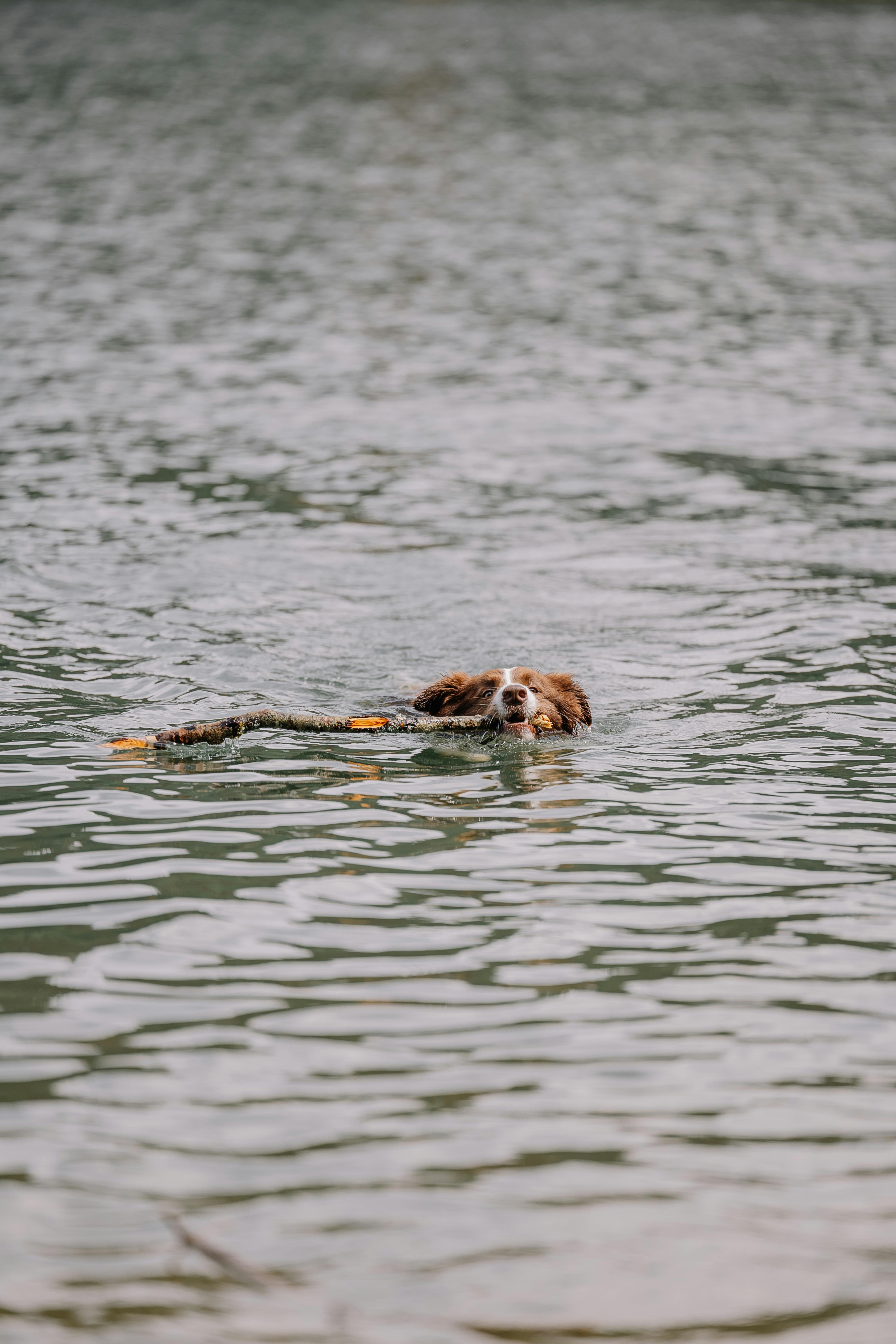
Is a Wet Nose Healthy? Uncover the Truth About Your Dog’s Snout, Why Do Dogs Have Wet Noses? Discover The Fascinating Truth!
When you think of your furry friend, one of the first things you might notice is their wet nose. But why is that? Is a wet nose healthy or does it mean something else? In this article, we dive into the fascinating world of dog noses and uncover the truth behind that moist snout.
Why Do Dogs Have Wet Noses?
Dogs have wet noses for several reasons that are both biological and practical. Wetness in a dog’s nose helps them with sense of smell. Here’s how it works:
- Enhanced Smell: Moisture helps to capture scent particles in the air, making them easier for dogs to detect. This is why dogs are such excellent sniffers!
- Temperature Regulation: Dogs don’t sweat like humans. Their nose helps with regulating their body temperature. A wet nose can cool them down.
- Health Indicator: Generally, a wet nose is a sign of health in dogs. If it’s dry, it could indicate that the dog is sick or dehydrated, but not always.
The Science Behind a Dog's Nose
Dogs have special glands in their noses that produce mucus, which keeps the nose moist. This mucus has a purpose beyond just looking cute! It helps to trap scents and enhances their ability to smell.
Here’s some interesting facts about dog noses:
- Dogs have up to 300 million smell receptors, compared to humans' 5 million.
- The part of a dog's brain that analyzes smells is 40 times larger than that of a human.
- Wet noses often change based on the environment; for example, they may be drier in cold, dry weather.
Common Misconceptions About Wet Noses
Many pet owners might think that a wet nose is always a sign of a healthy dog. While it usually is, there are exceptions. Here’s some misconceptions that can lead to confusion:
Misconception 1: A dry nose always means sickness.
- Reality: Some dogs just have naturally dry noses, while others might be sick.
Misconception 2: A wet nose guarantees a happy dog.
- Reality: A dog can have a wet nose and still be stressed or unwell.
Misconception 3: All dogs’ noses are wet.
- Reality: Different breeds have different nose moisture levels.
When to Be Concerned About Your Dog's Nose
While a wet nose is often a good sign, there are times you should be watching closely. Here’s a quick bullet list of things to look for:
- Consistently dry nose
- Cracked or bleeding nose
- Discoloration
- Excessive discharge
If you notice any of these symptoms, it's best to consult with a veterinarian. They can provide insights and help determine if there's an underlying health issue.
The Role of Environment in Nose Moisture
A dog's environment can have a big impact on their nose moisture. Here are some factors to consider:
- Weather Conditions: Cold or dry air can lead to a drier nose.
- Humidity Levels: Higher humidity can make a nose wetter.
- Indoor Heating/Cooling: Artificial heating or cooling systems can dry out the air, affecting your dog’s nose.
Fun Facts About Dog Noses
- Dogs can detect certain diseases in humans due to their acute sense of smell.
- Some breeds, like Bloodhounds, can track scents that are days old.
- Dog noses are unique, much like human fingerprints.
Tips for Keeping Your Dog's Nose Healthy
- Hydration: Always ensure your dog has access to fresh water.
- Balanced Diet: A well-nourished dog is more likely to have a healthy nose.
- Regular Vet Visits: Routine check-ups can catch potential issues early.
In summary, a wet nose is generally a sign of a healthy dog, but it’s not the only indicator. Understanding why dogs have wet noses and what it means can help you better care for your furry friend. If you ever have concerns about your dog's health, don't hesitate to reach out to a veterinarian. They will provide the best advice tailored to your pet's needs. Remember, your dog's health and happiness is what matters most!
Do All Dogs Have Wet Noses? Exploring Breeds and Their Unique Characteristics

When you think about dogs, one of the first things that probably comes to your mind is their wet noses. But do all dogs have wet noses? This question might seem simple, but the truth is more complex than you might think. Each breed has its own unique characteristics, and these traits can influence things like the moisture level of their noses. Let's take a closer look at why do dogs have wet noses, the science behind it, and even explore some fascinating facts about different dog breeds.
Why Do Dogs Have Wet Noses?
There’s a lot of science behind those wet noses. Dogs have moist noses for several reasons:
- Sense of Smell: Dogs rely heavily on their sense of smell, which is much stronger than humans. A wet nose helps to enhance their olfactory abilities. The moisture helps to trap scent particles, making it easier for dogs to detect smells.
- Temperature Regulation: Dogs do not sweat like humans do. Instead, they use their noses to help regulate body temperature. A wet nose can help cool them down.
- Health Indicator: A dog’s nose can also be an indicator of health. A healthy dog typically have a cool, wet nose. Conversely, if a dog has a dry or warm nose, it might be a sign of illness or dehydration.
Do All Breeds Have Wet Noses?
Not all dogs have the same nose moisture. Some breeds have more prominent wet noses than others. Here are a few examples of breeds with varying nose characteristics:
- Hounds: Hounds like Beagles and Bloodhounds usually have very wet noses. Their strong sense of smell is crucial for their hunting abilities.
- Bulldogs: Bulldogs could have drier noses. Their unique facial structure and skin folds can impact the moisture level.
- Retrievers: Breeds such as Golden and Labrador Retrievers typically exhibit moist noses due to their active lifestyles and high energy levels.
Factors That Influence Nose Moisture
There are several factors that can affect a dog’s nose moisture:
- Weather Conditions: Cold weather can lead to drier noses, while humidity can make them wetter.
- Health Status: Illness, dehydration, or allergies can cause a dog’s nose to dry out.
- Age: Older dogs may show variations in nose moisture compared to younger dogs.
- Activity Level: Active dogs may have wetter noses due to increased panting and saliva production.
Interesting Facts About Dog Noses
- Unique Prints: A dog’s nose print is as unique as a human fingerprint. Each dog’s nose has its own pattern of ridges and creases.
- Scent Detection: Dogs can detect certain scents at concentrations as low as one part per trillion, which is why their noses play such a crucial role in their daily lives.
- Nasal Turbinates: Dogs have complex structures in their noses called turbinates that help them filter and warm the air. This structure contributes to their enhanced sense of smell.
Comparison of Nose Characteristics by Breed
Here’s a simple comparison table to illustrate how nose moisture varies among different dog breeds:
| Breed | Nose Moisture Level | Scent Detection Ability |
|---|---|---|
| Beagle | High | Excellent |
| Bulldog | Moderate | Good |
| Golden Retriever | High | Excellent |
| Dachshund | Moderate | Good |
| Siberian Husky | Moderate | Good |
Practical Tips for Dog Owners
If you are a dog owner, it’s important to keep an eye on your pet’s nose. Here are some tips:
- Regular Check-ups: Make sure to take your dog to the vet for regular health check-ups. They can identify any potential health issues related to nose moisture.
- Stay Hydrated: Ensure your dog has access to fresh water to prevent dehydration.
- Monitor for Changes: If your dog’s nose suddenly becomes dry or warm, it might be time to consult a vet.
Understanding why dogs have wet noses and the various factors that influence them helps us appreciate our furry friends even more. Each breed has its own unique nose characteristics that play a vital role in their health and behavior. So next time you see a dog with a wet nose, you can impress your friends with all the fascinating facts about why that is!
The Role of a Wet Nose in a Dog’s Sense of Smell: How It Enhances Their Abilities
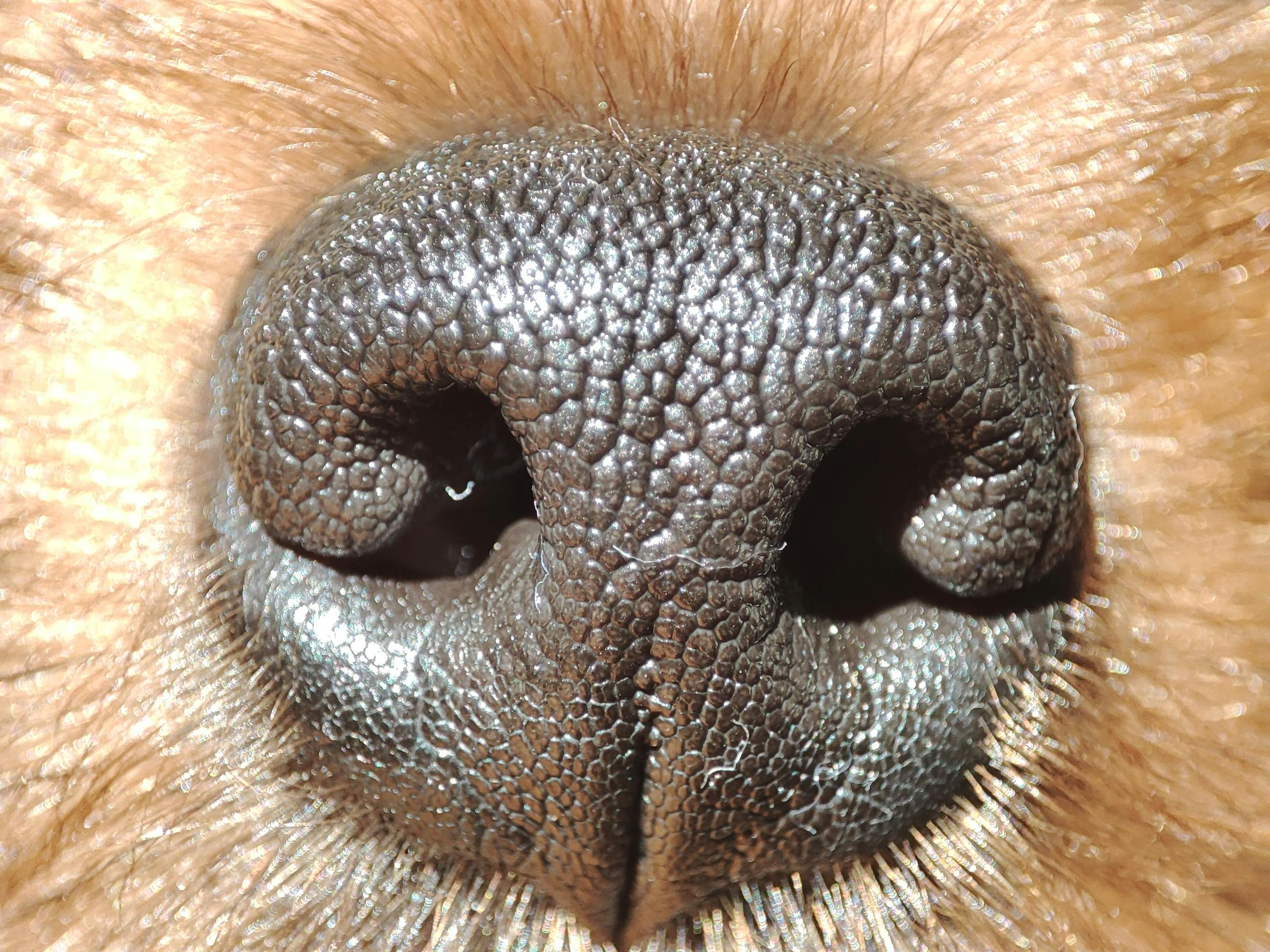
Ever wonder why dogs have wet noses? This simple question takes us into the fascinating world of canine biology and behavior. Dogs, our loyal companions, have some of the most extraordinary abilities when it comes to their sense of smell. One of the key factors that enhance this ability is their wet noses. So let’s dive into the role of a wet nose in a dog’s sense of smell, how it enhances their abilities, and uncover the truth behind those adorable snouts.
The Anatomy of a Dog’s Nose
Dog's noses are not just cute—they're complex and finely tuned instruments. The structure of a dog’s nose includes:
- Nasal Cavity: This is where the magic happens. The nasal cavity in dogs is larger compared to humans, which helps in trapping more scent particles.
- Olfactory Receptors: While humans have about 6 million olfactory receptors, dogs have roughly 300 million! This gives them an incredible ability to detect scents.
- Jacobsen's Organ: Also known as the vomeronasal organ, this helps dogs detect pheromones, which are chemical signals that can communicate different messages between animals.
Why Do Dogs Have Wet Noses?
Wet noses play crucial role in a dog’s sense of smell. Here’s how:
Moisture Helps Capture Scent Particles: A wet surface can collect more scent particles from the air. When a dog sniffs, the moisture on their nose traps these particles, making it easier for their olfactory receptors to pick them up.
Temperature Regulation: Dogs don't sweat like humans do. Their moist noses help cool them down, it's like a built-in air conditioning system.
Health Indicator: A dog’s nose can also be an indicator of their health. A healthy nose is often slightly cool and moist, while a dry or very hot nose can indicate illness.
The Science Behind the Smell
Dogs have a unique way of processing smells. When they sniff, they can separate different scents and even identify the age of the scent. This ability is essential for tracking, hunting, and even searching for missing persons. Here’s a breakdown of how their sense of smell works:
Sniffing Technique: Dogs have a special way of sniffing, allowing them to take in more air and thus more scents. When they inhale, their nostrils flare, increasing airflow.
Exhalation: Upon exhaling, dogs release air through a separate passage, keeping the scent particles from escaping. This allows them to analyze the smell for longer periods.
Historical Context of Dogs' Sense of Smell
Historically, dogs have been bred for various purposes, from hunting to herding to companionship. Their incredible sense of smell has been utilized in different roles, such as:
- Hunting: Prehistoric humans relied on dogs to track down game.
- Search and Rescue: Dogs have been trained to locate missing persons or detect disasters like earthquakes.
- Medical Detection: Some dogs are trained to detect diseases like cancer or diabetes through scent.
Fun Facts About Dogs’ Noses
Here are some interesting tidbits about dogs and their noses:
- Unique Nose Prints: Just like human fingerprints, every dog’s nose print is unique. This could theoretically be used for identification.
- Scent Discrimination: Dogs can differentiate between individual scents. They can even tell if a scent is fresh or old.
- Scent Memory: Dogs have remarkable scent memories. They can remember a scent for years.
Practical Examples of Dogs Using Their Sense of Smell
Here’s how dogs utilize their remarkable sense of smell in everyday situations:
- Service Dogs: These dogs can detect changes in their owner's blood sugar levels, alerting them to potential medical emergencies.
- Detection Work: Police and military use dogs to sniff out drugs, explosives, and even human remains.
- Companionship: Many dogs can sense their owner’s emotions through scent changes, providing comfort and companionship.
Understanding why dogs have wet noses and how it enhances their sense of smell is not just fascinating—it also showcases the incredible bond between humans and their four-legged friends. The more we learn about them, the more we appreciate their unique traits and abilities. So, the next time you cuddle with your furry friend, remember that their wet nose is not just adorable; it's part of what makes them extraordinary.
Can a Dog’s Wet Nose Indicate Health Issues? Understanding When to Be Concerned

Dogs are more than just pets; they are family. Many dog owners often notice their furry friend's wet nose, but have you ever wondered why? And importantly, can a dog’s wet nose indicate health issues? Let's dive into this fascinating topic and discover the truth behind why dogs have wet noses, and when you should start worrying about their health.
Why Do Dogs Have Wet Noses?
First off, the wetness of a dog’s nose plays an important role in their well-being. A dog's nose is typically moist for several reasons:
Temperature Regulation: Just like humans sweat to cool down, dogs use their noses to help regulate body temperature. The moisture evaporates, which can help them cool off.
Enhanced Smell: Dogs have an extraordinary sense of smell, and a wet nose helps to absorb scent chemicals from the air. When the nose is moist, it picks up more scent particles, making it easier for dogs to smell.
Health Indicator: A wet nose is often seen as a sign of good health in dogs. It’s commonly believed that a cool, wet nose means the dog is healthy, while a dry, warm nose could indicate illness. However, this isn't always accurate.
Can a Dog’s Wet Nose Indicate Health Issues?
It's easy for dog owners to worry about their pets, especially when they notice changes in behavior or physical condition. So, can a dog's wet nose be a cause for concern? Sometimes yes, sometimes no. Here are some situations where a wet nose might indicate health issues:
Persistent Dryness: If your dog’s nose is consistently dry and warm, it might be a sign of dehydration or fever. This should be checked by a veterinarian.
Excessive Moisture: On the flip side, if your dog's nose is excessively wet and accompanied by other symptoms like coughing, vomiting, or lethargy, it could indicate a respiratory infection or other health problems.
Changes in Color: A healthy dog’s nose is usually black or brown, but if the color changes or develops sores, it could signal skin issues or allergies.
Facial Swelling: If you notice swelling around the nose and muzzle, this could indicate an allergic reaction or an infection. Immediate veterinary attention is recommended.
The Science Behind a Dog’s Nose
To understand more about this interesting feature of dogs, it’s helpful to look into some scientific facts:
Dogs have up to 300 million smell receptors in their noses, while humans only have about 5 million. This makes their sense of smell incredibly powerful.
The part of the dog’s brain that processes smells is 40 times larger than that of humans, allowing them to differentiate between thousands of various scents.
A dog’s nose has a unique pattern, just like human fingerprints. This means each dog has a distinctive nose print that could be used for identification.
When Should You Be Concerned?
Now that we’ve looked at some of the signs that a dog’s wet nose could indicate health issues, here’s a handy checklist for dog owners:
- Dry, warm nose for more than a day
- Excessive drooling or wetness with other symptoms
- Change in nose color or texture
- Swelling or lesions on the nose
- Sudden loss of appetite or energy
If you notice any of these signs, it's best to consult a veterinarian. Better safe than sorry, right?
Fun Facts About Dog Noses
Dogs’ noses can detect certain diseases, including some cancers. Their sense of smell is being studied for medical purposes.
The moisture in a dog’s nose is also a natural way for them to keep their noses clean.
Dogs can smell your emotions. They can detect changes in your scent when you are happy, sad, or stressed.
Final Thoughts
Understanding why dogs have wet noses and knowing when to be concerned can help any pet owner take better care of their furry friends. While a wet nose is generally a sign of health, it’s important to pay attention to changes that might indicate underlying issues. Always consult with your veterinarian if you have concerns. So keep those noses wet and sniffing!
What Makes Dogs’ Noses Wet? The Fascinating Biology Behind This Canine Feature
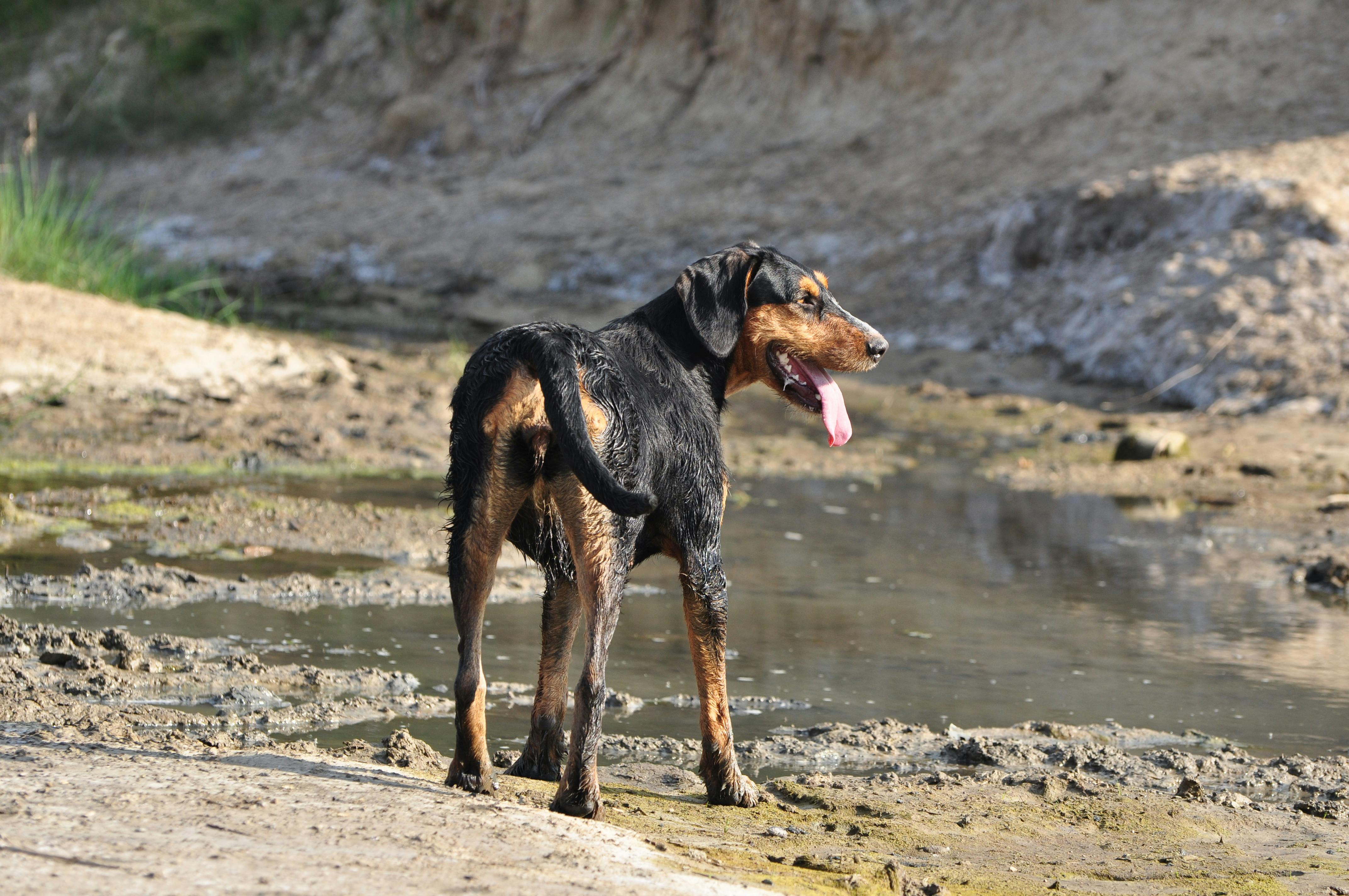
Dogs are often known for their quirky characteristics, and one of the most fascinating features is their wet noses. You might have wonder why do dogs have wet noses? There’s actually a lot of biology behind this seemingly simple trait. Let's explore what makes dogs' noses wet and uncover the fascinating truth about this canine feature.
The Biology of a Dog’s Nose
A dog’s nose is not just an accessory; it’s a sophisticated organ that plays a crucial role in their sensory perception. The wetness of a dog's nose serves several important functions:
- Enhanced Sense of Smell: The moisture on a dog’s nose helps to capture scent particles, improving their sense of smell. Dogs have up to 300 million olfactory receptors, compared to humans who only have about 5 million. This allows dogs to gather more information about their environment through scent.
- Thermoregulation: Dogs don’t sweat like humans do. Instead, they regulate their body temperature partly through their noses. A wet nose can help cool down their body when they are overheated.
- Communication: Dogs communicate with each other using scents, and a wet nose can be a signal of health and vitality. Other dogs may be more inclined to interact with a dog that has a moist nose.
Why Are Dog Noses Wet?
So, why do dogs' noses stay wet? There are a few reasons for this:
- Mucus Production: Dogs produce mucus that keeps their noses moist. This mucus is secreted by glands in the nasal passages and helps to trap scent particles.
- Environmental Factors: Dogs often lick their noses, which adds moisture. When they are outside, the humidity in the air can also contribute to a wet nose.
- Health Indicators: A wet nose is often considered a sign of a healthy dog. However, if a dog has a dry or cracked nose, it could indicate dehydration or illness.
Fun Facts About Dog Noses
- Unique Patterns: Just like human fingerprints, each dog's nose print is unique. This means that they can be used for identification purposes.
- Color Variation: A dog’s nose color can vary based on breed and genetics. Some dogs have black noses, while others may have brown, pink, or spotted noses.
- Scent Memory: Dogs can remember scents for a long time. They can recognize familiar scents even after years, making them great at tracking and hunting.
Comparison: Dogs vs. Other Animals
Let’s see how dogs' noses compare to those of other animals:
| Animal | Nose Characteristics | Main Function |
|---|---|---|
| Dogs | Wet, sensitive, unique patterns | Enhanced smelling, communication |
| Cats | Dry, less sensitive than dogs | Good sense of smell, but not as good as dogs |
| Elephants | Large, highly sensitive, can detect water from miles away | Foraging, danger detection |
| Snakes | Forked tongue collects scent particles | Hunting, navigating their environment |
Practical Examples of Wet Noses in Dogs
You may have noticed that your dog's nose changes from wet to dry during the day. Here are a few situations that can affect a dog's nose moisture:
- After Exercise: When a dog runs around and plays, their nose might become drier due to increased breathing.
- Hot Weather: On a hot day, a dog’s nose can dry out, which is why it’s important to keep them hydrated.
- Health Changes: If you notice a sudden change in your dog’s nose moisture, it might be worth a vet visit to ensure they are healthy.
Historical Context of Dogs and Their Noses
Dogs have been domesticated for thousands of years, and their noses have evolved alongside them. Early humans relied on dogs for hunting and protection, and their keen sense of smell was invaluable. Over time, selective breeding has enhanced specific traits, including the characteristics of their noses. For example, bloodhounds have been bred for their incredible sense of smell, making them excellent tracking dogs.
It’s important to remember that not all wet noses are created equal. A wet nose is generally a sign of a healthy dog, but changes in nose moisture can be a signal of health issues. Keep an eye on your furry friend's nose, and don’t hesitate to consult with a veterinarian if you notice anything unusual.
Understanding what makes dogs’ noses wet reveals a fascinating truth about these beloved pets. Their wet noses are not just cute; they are essential to their health and communication. So the next time you see your dog with a wet nose, remember that it’s more than just a quirk — it’s a vital part of what makes them the amazing companions they are.
How Weather Affects Your Dog’s Nose: 4 Ways to Keep It Healthy Year-Round
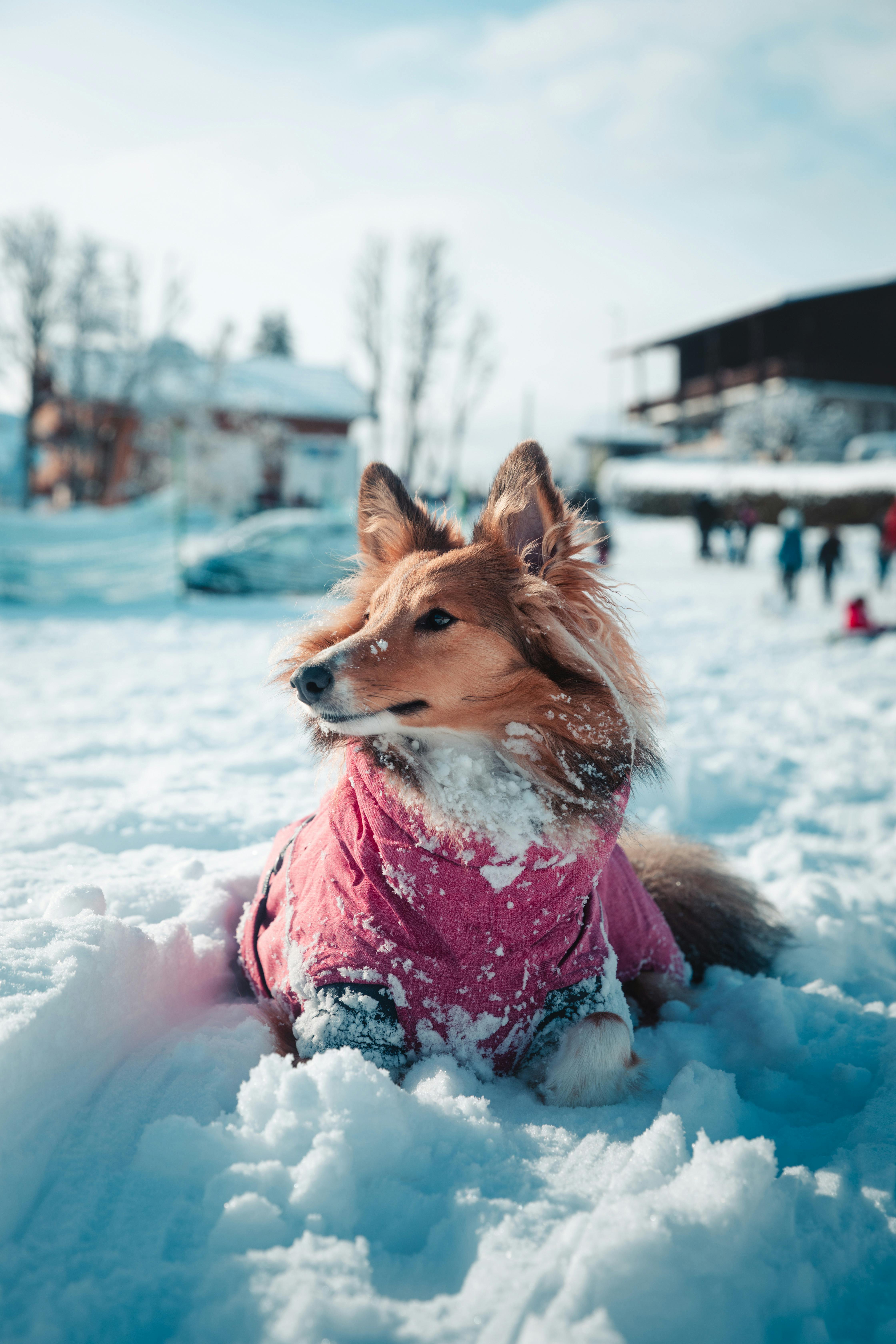
Do you ever wonder why dogs have wet noses? It’s one of those curious questions that many pet owners asks themselves. Well, the truth is, a dog’s nose is not just for sniffing around and getting into trouble; it serves multiple important purposes. In this article, we will explore how weather affects your dog’s nose and offer some tips on keeping it healthy year-round.
Why Do Dogs Have Wet Noses?
First off, let’s dive into that question. Dogs have wet noses for a couple of scientific reasons. One reason is that the moisture helps them to enhance their sense of smell. Believe it or not, a dog’s sense of smell is up to 100,000 times more sensitive than humans. That’s wild, right? When their noses are moist, it captures scent particles better.
Additionally, the wetness can also help regulate body temperature. Dogs don’t sweat like we do, so they rely on cooling methods like panting and the moisture on their noses. This is especially important in warmer weather. Keeping their nose wet is like a natural air conditioning unit.
How Weather Affects Your Dog’s Nose
Weather conditions can have a significant impact on your dog’s nose and its health. Here are four key ways how different weather may affects it:
Cold Weather
- Cold can dry out a dog’s nose, leading to cracking or chapping.
- Breeds like Huskies or Malamutes are more prone to this, due to their thicker fur.
- Chapped noses may cause discomfort and even pain for your furry friend.
Hot and Humid Weather
- High temperatures can cause your dog's nose to become dry and cracked as well.
- Some dogs, especially those with lighter coats, can face sunburn on their noses.
- It's important to keep them hydrated and limit exposure to direct sunlight.
Allergy Seasons
- Spring and fall might bring pollen allergies which can affect the moisture levels in their noses.
- Sneezing, sniffles, or even a runny nose could indicate allergies.
- Regular vet check-ups can help manage these symptoms effectively.
Indoor Climate
- During winter, indoor heating can be very drying which can contribute to dry noses.
- Air conditioning in summer can also have a similar effect.
- Using a humidifier can help maintain moisture in the air, benefiting your dog’s nose.
Tips to Keep Your Dog’s Nose Healthy Year-Round
Now that we understand how weather can impact your dog's nose, let’s look at some practical tips to keep it healthy throughout the year.
- Regular HydrationMake sure your dog drinks plenty of water. Dehydration can lead to dry noses.
- Use Nose BalmsThere are specialized balms available designed for dogs. Apply them during harsh weather conditions.
- Maintain Humidity IndoorsConsider using a humidifier, especially in winter months when the heat is on.
- Routine Vet Check-upsRegular visits to the vet can help catch any issues early and keep their nose in good shape.
Common Myths About Dog Noses
There are a lot of myths surrounding why dogs have wet noses. Here are a few that just aren't true:
Myth 1: A warm nose means your dog is sick.
- This is not always the case. Dogs’ noses can fluctuate in temperature for various reasons.
Myth 2: Dogs with dry noses are unhealthy.
- Dry noses can occur for many reasons and doesn’t necessarily indicate illness.
Myth 3: Only certain breeds have wet noses.
- All dogs can have wet noses, although the moisture level may vary from one breed to another.
Understanding these facts can help in taking better care of your dog’s snout.
In conclusion, your dog’s nose is not only a fascinating feature but also plays a vital role in their health and wellbeing. Keeping it moist and healthy is crucial for their quality of life. By paying attention to the weather and taking proactive steps, you can ensure your furry friend stays comfortable, no matter the season. So, the next time someone asks you, “Why do dogs have wet noses?” you can confidently share the fascinating truth!
Wet Nose vs. Dry Nose: What Your Dog’s Snout Says About Their Health
Ever wonder about that wet nose of your dog? Or why is it so important? Many pet owners might think it’s just a cute trait, but the reality is more complex and fascinating than that. Dogs’ noses can tell us a lot about their health. Wet noses vs. dry noses is not just a topic of casual conversation among dog lovers; it’s a matter that can signal underlying health issues.
Why Do Dogs Have Wet Noses?
First things first, let’s dive into why dogs have those wet noses in the first place. Dogs’ noses are wet for several reasons, the most prominent ones being:
- Scent Detection: A wet nose helps dogs pick up scents better. This moisture traps scent particles in the air, allowing dogs to smell things that humans can’t even imagine.
- Temperature Regulation: Dogs don’t sweat like we do. Instead, they cool themselves through panting and by keeping their noses moist. This helps to regulate their body temperature.
- Health Indicator: A wet nose can be a sign of a healthy dog, indicating that they’re hydrated and well. However, a dry nose can mean various things, from normal behavior to potential health issues.
The Science Behind Wet Noses
Did you know that a dog’s nose has more than 300 million smell receptors? That’s a lot compared to humans, who only have about 5 million. The moisture on the nose not only helps with smell but it also shows that the dog is emotionally engaged. When a dog is excited or happy, their nose tends to be wetter.
Wet Nose vs. Dry Nose: What’s the Difference?
Understanding the differences between a wet and dry nose can be crucial for your dog’s health. Here’s a simple breakdown:
Wet Nose
- Typically indicates hydration and good health
- Helps in scent detection
- Common when a dog is excited or happy
Dry Nose
- May indicate dehydration or illness
- Can be normal for some breeds, especially when they sleep
- If persistent, it could signal health issues such as fever, allergies, or skin disorders
What Can a Dry Nose Mean?
If you notice your dog’s nose is dry, it’s important to consider the context. A dry nose doesn’t always mean something is wrong. Here are some reasons why a dog might have a dry nose:
- Dehydration: If a dog isn’t drinking enough water, their nose may dry out.
- Weather Conditions: Hot, dry weather can lead to a dry nose.
- Illness: Conditions like kennel cough, allergies, or even a fever can result in a dry nose.
- Age: Older dogs may naturally have drier noses.
When to Worry About Your Dog's Nose
It’s essential to keep an eye on not just your dog’s nose, but their overall behavior and health. If you notice any of the following signs along with a dry nose, it might be time to consult your vet:
- Reduced appetite or drinking less water
- Lethargy or unusual behavior
- Coughing or sneezing
- Vomiting or diarrhea
Tips for Keeping Your Dog’s Nose Healthy
You want to make sure your furry friend stays happy and healthy. Here are some quick tips to help maintain that lovely wet nose:
- Hydration: Ensure your dog always has access to fresh water.
- Regular Vet Check-ups: Routine vet visits can catch issues before they become serious.
- Avoiding Overheating: Keep your dog cool during hot weather.
- Skin Care: If you notice any cracks or sores, consult a vet for proper care.
Final Thoughts
A dog’s nose can tell you a lot about their health, from hydration to potential illness. Whether it’s wet or dry, understanding what’s typical for your pet is key. If you’re ever unsure, don’t hesitate to reach out to your veterinarian. Remember, your dog relies on you to interpret these signs and keep them happy and healthy. So next time you give your dog a pat, take a moment to check that snout!
Fun Facts About Dogs’ Noses: Discover Why This Feature Is More Than Just Cute!
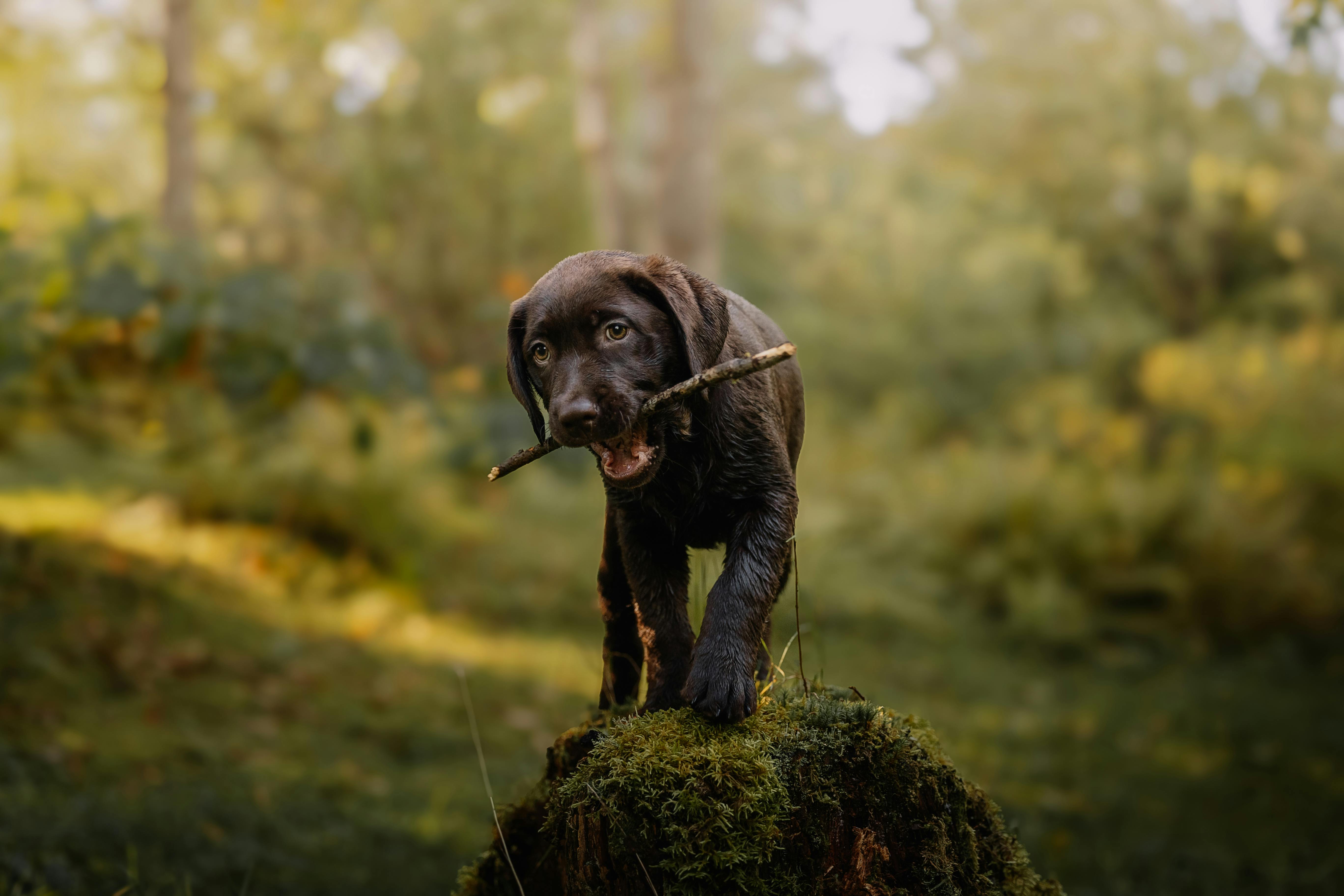
Dogs are often considered man's best friend, but have you ever taken a moment to appreciate their noses? They ain’t just cute, they serve many important functions. Let's dive into some fun facts about dogs’ noses, and explore why they are wet and what that means for our furry companions.
The Science of a Dog's Nose
Did you know that a dog's sense of smell is around 10,000 to 100,000 times more sensitive than humans? This amazing ability comes from the structure of their noses, which are packed with olfactory receptors. In fact, dogs have about 300 million olfactory receptors compared to a human's 5 million. This means when your pup sticks their nose into the ground, they are gathering a wealth of information about their environment that we can’t even imagine!
Why Do Dogs Have Wet Noses?
Many people wonder why do dogs have wet noses? Well, there’s a few reasons for that.
Cooling Mechanism: Just like humans sweat to cool down, dogs use their wet noses to help regulate their body temperature. The moisture evaporates and helps to cool them down, especially on hot days.
Enhanced Smell: The wetness on a dog’s nose helps to capture scent particles in the air. This way they can identify scents better! If the nose was dry, it wouldn’t be as effective.
Health Indicator: A healthy dog’s nose is usually cool and moist. If your dog’s nose becomes dry or warm, it could indicate they are sick or dehydrated, although this isn’t always the case.
Fun Facts About Dogs’ Noses
Here’s a list of fascinating tidbits about dogs’ noses that you might not know:
Distinct Patterns: Just like human fingerprints, every dog has a unique nose print. This can be used for identification purposes.
Nose Color: The color of a dog’s nose can vary. For example, some breeds have black noses, while others may have liver (brown) noses or even pink ones.
Nasal Turbinates: Dogs have complex structures in their noses known as nasal turbinates which help to warm and filter the air they breathe.
Scent Discrimination: Dogs can differentiate between different scents. This ability is why they are often used in search and rescue operations, as well as in detecting drugs or explosives.
Vibrissae: Dogs also have whiskers, known as vibrissae, which are touch-sensitive hairs located around their nose. They help dogs sense their surroundings, especially in the dark.
Historical Context: Dogs and Their Noses
Dogs have been our companions for thousands of years. Historically, they were bred for various tasks, and their noses played a crucial role. Herding dogs relied on their sense of smell to manage livestock, while hunting dogs used their noses to track game. Over time, humans have recognized the importance of a dog's nose not just for work, but also in companionship and even therapy.
Practical Examples of Dog Nose Use
Search and Rescue: Dogs have been trained to find missing persons thanks to their incredible sense of smell. They can find scents that are days or even weeks old!
Medical Detection: Some dogs are able to detect diseases, including certain types of cancer, by sniffing breath or urine samples. They can sense chemical changes in the body that humans can't.
Detection Dogs: Law enforcement often use dogs to sniff out narcotics or explosives during searches. This not only helps in keeping communities safe but also showcases the amazing abilities of their noses.
Fun Activities to Engage Your Dog’s Nose
Engaging your dog’s sense of smell can be a fun activity. Here’s some ideas to try:
Hide and Seek: Hide treats around your home and let your dog find them.
Scent Trails: Create a trail of treats leading to a hidden toy or surprise.
Nose Work Classes: Consider enrolling your dog in nose work classes which focus on scent detection.
Puzzle Toys: Use toys designed to challenge your dog’s nose and brain at the same time.
Outdoor Adventures: Take your dog on walks where they can sniff different smells.
It’s clear that a dog’s nose is more than just a cute feature; it’s an essential part of their biology and behavior. Understanding why dogs have wet noses and the fascinating facts surrounding them can help deepen our bond with our furry friends. So next time you see your dog sniffing around, remember, they are not just being cute—they are engaging with the world in ways we can only dream of!
Conclusion
In conclusion, the wet noses of dogs serve several important functions that contribute to their overall health and well-being. Primarily, a moist nose enhances their sense of smell by trapping scent particles, allowing them to interact with their environment more effectively. Additionally, the moisture helps regulate their body temperature, functioning as a natural cooling mechanism. It's also worth noting that a dog's nose can be an indicator of its health; while a wet nose is generally a sign of a healthy dog, it's essential to monitor any significant changes. As you continue to care for your furry friend, pay attention to their nose and overall behavior. If you notice any concerning signs, don't hesitate to consult your veterinarian. Understanding the reasons behind a dog's wet nose not only deepens our appreciation for these beloved companions but also reinforces the importance of attentive pet care.