Have you ever wondered, why do dogs have wet noses? It’s a question that sparks curiosity among dog lovers and pet owners alike. A dog's nose, often cold and damp, serves more than just an adorable look; it’s a window into their health and behavior. Many people are intrigued by this canine mystery, prompting them to seek answers. The moisture on a dog’s nose plays a crucial role in their sense of smell and overall well-being. But what causes this dampness? Is it purely biological, or is there more to the story? With trending topics surrounding canine health, understanding the reason behind wet noses can deepen your bond with your furry friend. Did you know that a wet nose can indicate excitement or anxiety in dogs? This blog post will delve into the science behind why your pup's nose is always wet, exploring fascinating insights and revealing secrets that every dog owner should know. So, let’s embark on this journey to unveil the mystery behind those adorable, wet noses!
\n\nThe Science Behind Canine Noses: Why Are Dogs' Noses Wet?
\n\n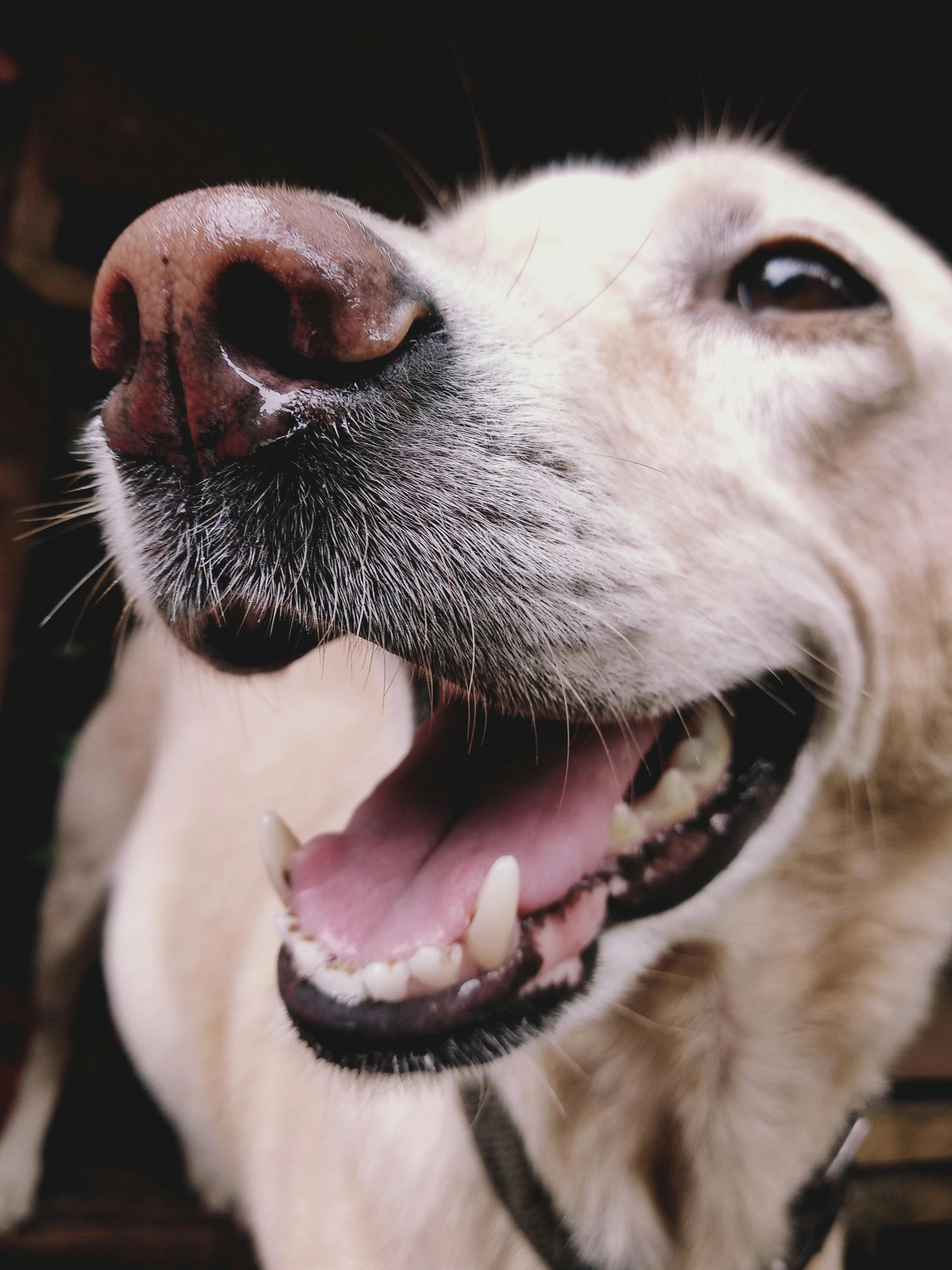 \n\n
\n\nDogs are often considered man's best friend, but have you ever wonder why their noses are always wet? This curious trait isn't just an oddity; it's deeply rooted in the science of how dogs perceive the world. Dogs have an extraordinary sense of smell, which is partly why they are so beloved in various roles such as therapy, search and rescue, and even detection of diseases. So, let's explore the science behind canine noses and uncover the mystery of why dogs have wet noses.
\nThe Anatomy of a Dog's Nose
\nFirst off, dogs noses are not just cute! They are complex organs. A dog's nose contains as many as 300 million olfactory receptors, compared to only about 6 million in humans. This vast difference allows dogs to detect scents at incredibly low concentrations. The wetness of a dog's nose plays a vital role in enhancing their olfactory capabilities.
\n- \n
- Olfactory Receptors: Dogs have about 40 times more than humans. \n
- Vomeronasal Organ: This is an additional sensory structure that helps dogs detect pheromones, contributing to their social behaviors. \n
- Moisture: The moisture on a dog's nose helps to capture scent particles, making them easier to detect. \n
Why Are Dogs’ Noses Wet?
\nNow, let’s address the question: why do dogs have wet noses? The answer is more than just a biological quirk; it’s about functionality. A dog's nose is wet for several reasons:
\n- \n
- \n
Enhanced Scent Detection: The moisture on the nose helps to absorb scent particles. When the nose is wet, it can pick up and retain more scent molecules, which is super important for tracking and identifying different smells.
\n \n - \n
Temperature Regulation: A wet nose can help cool down a dog’s body temperature. Dogs do not sweat like humans do; they primarily regulate their temperature through panting. A moist nose can assist in this process, as evaporation can help cool the dog down.
\n \n - \n
Health Indicator: The condition of a dog’s nose can indicate their health. A healthy nose is usually moist and cool. If a dog’s nose is excessively dry or has unusual discharge, it might be a sign of illness and should be checked by a vet.
\n \n
The Role of Environment
\nThe environment can also play a significant role in the moisture of a dog's nose. For instance:
\n- \n
- Humidity: Dogs that live in humid climates may have wetter noses compared to those in dry areas. \n
- Activity Level: After physical activities, a dog’s nose might dry out slightly due to increased breathing and panting. \n
- Age: Older dogs might experience changes in the moisture levels of their noses, which can reflect their overall health. \n
Fun Facts About Dog Noses
\nHere are some fascinating tidbits about dog noses that might surprise you:
\n- \n
- Unique Patterns: Just like human fingerprints, every dog has a unique nose print that can be used for identification. \n
- Color Matters: The color of a dog’s nose can vary based on breed and genetics. For instance, breeds like the Labrador Retriever typically have black or brown noses. \n
- Temperature Sensors: Dogs can sense temperature changes through their noses, which helps them detect changes in their environment. \n
Comparing Dog Noses to Other Animals
\nWhen we compare dog noses to other animals, it becomes even more interesting. Here’s a quick look at how they stack up:
\n| Animal | \nNumber of Olfactory Receptors | \nNose Functionality | \n
|---|---|---|
| Dogs | \n300 million | \nExceptional scent detection | \n
| Cats | \n50-80 million | \nGood sense of smell, but less than dogs | \n
| Elephants | \n2,000 olfactory genes | \nGreat sense of smell, but different use | \n
| Rats | \n1,000 olfactory receptors | \nHighly developed for survival | \n
Practical Implications of Wet Noses
\nUnderstanding why dogs have wet noses can help pet owners take better care of their furry friends. Here are some practical tips:
\n- \n
- Regular Check-ups: Keep an eye on your dog’s nose. If it becomes excessively dry or cracked, consult your veterinarian. \n
- Hydration: Ensure your dog is drinking enough water to maintain moisture levels in their nose and overall health. \n
- Environmental Awareness: Be mindful of the climate and make adjustments at home to keep your dog comfortable. \n
As we explore the science behind canine noses, it is clear that the wetness of a dog's nose is not just a random trait but a crucial feature that aids in their survival and enriches their bond with humans. This small yet significant part of dogs adds to their mystery and charm, reminding us of how intricately designed they are. So the next time you see a wet nose, remember there’s a lot more going on beneath the surface!
\n\n5 Surprising Benefits of a Wet Nose in Dogs You Didn’t Know About
\n\n \n\n
\n\nDogs are one of the most beloved pets in the world, and their unique traits often leave us wondering about their behaviors and physical characteristics. One of the most noticeable features of dogs is their wet noses. Many people might simply think it's just a quirky trait, but there’s actually more to it. In this article, we will explore five surprising benefits of a wet nose in dogs, dive into the reasons behind this phenomenon, and unveil some interesting facts you probably didn’t know.
\nWhy Do Dogs Have Wet Noses?
\nFirst things first, let’s tackle the question: why do dogs have wet noses? The answer is not just because they’ve been drinking water! A dog’s nose is wet because it serves several important purposes, which includes improving their sense of smell. Dogs have an incredibly heightened olfactory system; their noses are moist which helps to capture scent particles. The moisture acts like a sponge, picking up more scent molecules from the air, and making it easier for dogs to identify smells.
\nHistorically, dogs’ noses have evolved to be wet over thousands of years. This evolution is linked to their ancestors who relied heavily on their sense of smell for hunting and survival. So, a wet nose is not just a random trait but a crucial aspect of their biology.
\n5 Surprising Benefits of a Wet Nose in Dogs
\n- \n
- \n
Enhanced Sense of Smell
\n
\nAs mentioned before, a wet nose helps dogs smell better. The moisture attracts scent particles, enabling dogs to sniff out food, other animals, and even changes in the environment. This is why dogs can often detect things that humans simply can't. \n - \n
Temperature Regulation
\n
\nDogs don’t sweat like humans do. They primarily regulate their body temperature through panting and by using their noses. A wet nose helps evaporate moisture, which cools them down. So, if your dog’s nose is dry, it may be a sign they are overheating! \n - \n
Health Indicator
\n
\nThe state of a dog's nose can indicate their health. A healthy dog typically has a moist, cool nose. A dry or cracked nose may signal dehydration, fever, or even allergies. Regularly checking your dog's nose can help you stay on top of their health. \n - \n
Communication Tool
\n
\nDogs use their noses to communicate with each other. A wet nose can convey a sense of playfulness or friendliness. When dogs greet each other, they often sniff each other’s noses, which is a way of gathering information and expressing emotions. \n - \n
Sense of Direction
\n
\nInterestingly, a wet nose can also aid in navigation. Dogs have a unique ability to use their sense of smell to guide them. The moisture helps them detect the direction of scents, allowing them to follow trails more effectively, whether it’s for tracking or just finding their way home. \n
Fun Facts About Dog Noses
\n- \n
- Dogs have more than 200 million scent receptors in their noses, compared to just about 5 million in humans. \n
- The shape of a dog's nose can also influence its sense of smell. Breeds like Bloodhounds, with their long, droopy noses, are particularly adept at tracking scents. \n
- Dogs can smell certain diseases in humans, like cancer, by detecting specific volatile organic compounds in the body. \n
What to Do if Your Dog's Nose is Dry?
\nIf you notice your dog's nose is dry, here are some steps you might consider:
\n- \n
- Hydration: Make sure your dog is drinking enough water. Sometimes, dehydration can lead to a dry nose. \n
- Humidity: If you live in a dry climate, consider using a humidifier to add moisture to the air. \n
- Vet Visit: If the dry nose persists or is accompanied by other symptoms like lethargy or loss of appetite, consult your veterinarian. \n
Conclusion
\nUnderstanding why dogs have wet noses and the benefits that come with it can deepen our appreciation for these furry companions. Their wet noses are not just for show; they serve vital functions that enhance their lives and the bond we share with them. So, the next time you give your pup a pat and notice that wet nose, remember all the amazing reasons behind it!
\n\nIs a Wet Nose a Sign of Health? Understanding Your Dog’s Nose Temperature
\n\n \n\n
\n\nWhen we see our dogs, one of the first things we notice is their nose. It's often cool to the touch, and many pet owners wonder, "Is a wet nose a sign of health?" This questions leads us into the mysterious world of canine physiology. Understanding your dog's nose temperature and why do dogs have wet noses can give you insights about their health and well-being.
\nWhat Does a Wet Nose Mean?
\nA wet nose is often thought of as a sign that a dog is healthy. This belief has some basis in reality, but it’s not as clear-cut as one might think. A wet nose can help dogs regulate their body temperature. Here’s how:
\n- \n
- \n
Cooling Mechanism: Dogs don’t sweat like humans do. Instead, they cool off through their noses and paw pads. A moist nose helps to evaporate heat, keeping your dog cool in warm weather.
\n \n - \n
Scent Detection: A wet nose can enhance a dog’s sense of smell. The moisture captures scent particles better, allowing dogs to identify smells more effectively. This is crucial for their hunting instincts and everyday exploration.
\n \n - \n
Health Indicator: While a wet nose is often a sign of a healthy dog, it’s not the only indicator. Dogs can have dry noses and still be perfectly healthy. Other factors must be considered, such as their energy levels and eating habits.
\n \n
Why Do Dogs Have Wet Noses?
\nSo, why do dogs have wet noses in the first place? It’s a fascinating question that leads us to look at evolution and biology.
\n- \n
- \n
Evolutionary Trait: Dogs have evolved to have wet noses because it helps them survive. A wet nose aids in hunting and finding food by enhancing their ability to smell. It’s an adaptation that has served them well over thousands of years.
\n \n - \n
Glands and Secretions: Dogs have special glands in their noses that secrete mucus, which keeps their noses moist. This mucus also traps dust and other particles, ensuring that their sense of smell remains sharp.
\n \n - \n
Temperature Regulation: As mentioned, a wet nose helps with thermoregulation. This is especially important for dogs, as they can easily overheat if they can’t cool themselves down.
\n \n
The Science Behind Nose Temperature
\nUnderstanding the temperature of your dog's nose can be a little tricky. Many people believe that a cool, wet nose indicates good health, while a warm, dry nose signals illness. But this is an oversimplification.
\n- \n
- \n
Normal Variations: A dog's nose temperature can vary throughout the day. Factors like activity level, environment, and even the time of day can affect it. For instance, after a long walk, your dog’s nose may feel warmer than usual.
\n \n - \n
Health Monitoring: While a cool nose can indicate good health, the context matters. If your dog’s nose is warm and dry but they’re acting normally, it may not be a cause for concern. However, if you notice other symptoms like lethargy, lack of appetite, or vomiting, it’s best to consult a veterinarian.
\n \n
Understanding Nose Care
\nCaring for your dog’s nose is often overlooked. Here’s a few tips to ensure your furry friend’s nose stays in top condition:
\n- \n
- \n
Hydration: Make sure your dog is well-hydrated. Dehydration can lead to a dry nose, which might indicate health issues.
\n \n - \n
Weather Protection: In extreme weather, protect your dog’s nose. In cold weather, use a dog-safe balm to prevent cracking. In hot weather, ensure they have shade and water to prevent overheating.
\n \n - \n
Regular Checkups: Regular vet visits can help catch any potential health problems early, including issues that may affect your dog’s nose.
\n \n
Quick Facts About Dog Noses
\n- \n
- \n
Dogs have an amazing sense of smell, estimated to be between 10,000 to 100,000 times more sensitive than humans.
\n \n - \n
Each dog’s nose print is unique, much like a human fingerprint.
\n \n - \n
Certain breeds are known for their exceptional scents, like Bloodhounds and Beagles.
\n \n - \n
Dogs sweat through their paw pads, but their primary cooling mechanism is through panting and their noses.
\n \n
In summary, while a wet nose is often seen as a sign of health, it's essential to consider the bigger picture. Dogs have wet noses for several reasons, including temperature regulation and enhanced scent detection. Understanding these factors can help you take better care of your furry friend. If you’re ever in doubt about your dog’s health, don’t hesitate to reach out to a veterinarian. Your dog’s well-being depends on it!
\n\nHow Weather Affects Your Dog’s Nose: The Wet Nose Connection Explained
\n\n \n\n
\n\nWhen you think about your furry friend, you probably notice that they got a wet nose. But have you ever wondered why? It’s not just an adorable trait; it also relates to their health and environment. Weather plays a significant role in how wet your dog’s nose gets. Understanding this can help you care for your canine companion better. So let’s dive into the wet nose connection and explore the reasons behind this canine mystery.
\nWhat Causes Dogs to Have Wet Noses?
\nEver thought about what makes a dog’s nose wet? It’s actually a combination of factors, like anatomy and behavior. Dogs have a special gland in their noses that produces mucus, which helps to keep it moist. This moisture enhances their sense of smell, making them better at sniffing out things. The wetness can also help cool them down since dogs don’t sweat like humans do.
\nSome key points about dog noses include:
\n- \n
- Moisture production: The nasal glands secrete a thin layer of mucus. \n
- Enhanced scent detection: A wet nose helps trap scent particles, improving their olfactory abilities. \n
- Cooling mechanism: Wet noses assist in regulating their body temperature. \n
How Weather Affects Your Dog’s Nose
\nWeather can have a big influence on how wet your dog's nose is. Different weather conditions can change the environment, which can affect how moisture is produced. Here are some ways weather impacts your dog’s nose:
\n- \n
- Humidity: In high humidity, the moisture in the air can keep a dog’s nose wet. Dogs might show a shinier, wetter nose during summer months when the air is more humid. \n
- Dry Conditions: In dry or cold weather, like winter, a dog’s nose might become drier. This can cause them to lick their noses more often to keep it moist. \n
- Rain: When it rains, dogs love to play outside, and their noses get naturally wet from the water. This is a great time for them to sniff around and explore! \n
Why Do Dogs Have Wet Noses? Unveiling This Canine Mystery
\nThe mystery of the wet nose is partly practical and partly physiological. Here's a look at some reasons why having a wet nose is beneficial for dogs:
\n- \n
- \n
Scent Detection: Dogs have a sense of smell that is thousands of times better than humans. A wet nose increases their ability to pick up scents. This is crucial for hunting, tracking, and even just finding treats hidden in the house.
\n \n - \n
Health Indicator: A wet nose is generally a sign of good health. If your dog’s nose is dry and cracked, it might indicate dehydration or illness. Always keep an eye on this to ensure your pet is doing well!
\n \n - \n
Cooling Off: Dogs don’t sweat like us. Their primary way to cool off is through panting and having a wet nose. The moisture evaporates, helping to lower their body temperature.
\n \n - \n
Communication: Dogs use their noses to communicate with other dogs and humans. A wet nose can signal friendliness and curiosity.
\n \n
Fun Facts About Dog Noses
\nDid you know dog noses are as unique as human fingerprints? Here’s some more interesting stuff about them:
\n- \n
- Nose Prints: Just like fingerprints, every dog has a unique nose print that can be used for identification. \n
- Color Change: Some dogs may have a color change in their noses with the seasons. This is normal and can happen as a response to temperature fluctuations. \n
- Temperature Sensitivity: A dog’s nose is sensitive to temperature changes, which can help them detect changes in their environment. \n
Practical Examples of Nose Care
\nKeeping your dog’s nose healthy is important, especially in extreme weather conditions. Here are some tips to ensure their nose stays in top shape:
\n- \n
- Hydration: Ensure your dog drinks plenty of water, especially in hot weather. \n
- Moisturizing Products: Consider using specially formulated nose balms for dogs, especially in the winter. \n
- Regular Check-ups: Regular vet visits can help monitor any changes in your dog’s health, including their nose condition. \n
The next time you see your dog with a wet nose, remember it’s not just cute but also a sign of their health and well-being. Understanding how weather plays a role in this can help you better care for your furry friend! Keep an eye on the weather and your dog’s nose, and you’ll be well on your way to ensuring a happy and healthy pet.
\n\nCurious Canines: What Your Dog's Wet Nose Says About Their Emotions
\n\n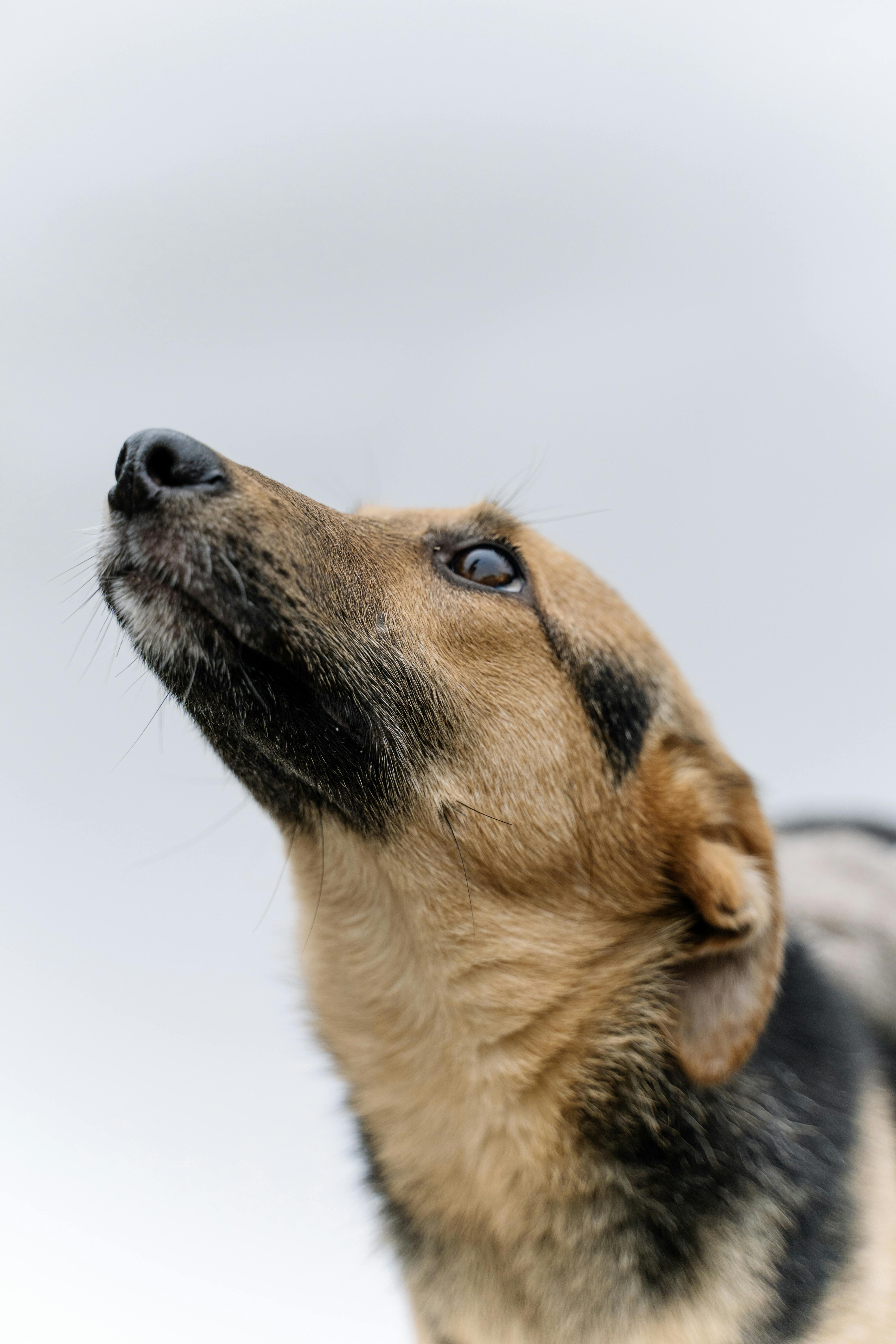 \n\n
\n\nCurious Canines: What Your Dog's Wet Nose Says About Their Emotions, Why Do Dogs Have Wet Noses? Unveiling This Canine Mystery
\nHave you ever noticed your dog’s nose? It’s often wet, cold, and sometimes just plain curious. But have you ever asked yourself, why do dogs have wet noses? This question isn't merely about hygiene or comfort; it dives deep into canine biology and emotion. In this article, we will explore the fascinating world of dog noses, what they might be telling us about their feelings, and the science behind that famous wetness.
\nThe Science of a Wet Nose
\nDogs have wet noses due to a few biological reasons. The moisture on a dog’s nose helps them to sense the world around them better. Here's how:
\n- \n
- Enhanced Sense of Smell: Dogs have an incredible sense of smell, which is about 10,000 to 100,000 times better than humans. A wet nose helps to trap scent particles in the air, making it easier for them to detect different smells. \n
- Thermoregulation: A wet nose helps dogs to cool off. Their body temperature regulation can be influenced by the moisture on their noses. When it evaporates, it helps to lower their body temperature, similar to how sweating works for humans. \n
- Health Indicator: A dog's nose can also indicate its health status. A wet and cool nose is generally a sign of a healthy dog, while a dry or warm nose might suggest illness or dehydration. \n
Emotional Signals from Their Noses
\nIt's not just science; a dog’s nose can reveal a lot about its emotions too! Here are some common signals:
\n- \n
- Excitement: When dogs are excited, their noses might feel even wetter than usual. This heightened state can be a response to anticipation, like before going for a walk. \n
- Anxiety or Stress: A dog that feels anxious might have a dry nose. Stress can affect their hydration and lead to changes in their body temperature regulation. \n
- Curiosity: Dogs often sniff around with their wet noses when they are curious. This behavior is completely natural as they are trying to understand their environment. \n
Historical Context of Dog Noses
\nDogs have been companions to humans for thousands of years. Their noses have evolved alongside them. Historically, dogs were bred for specific traits, and their sense of smell was often a priority. This is why breeds like Bloodhounds and German Shepherds have such keen olfactory abilities. Below are some interesting historical facts:
\n- \n
- Breeding for Smell: Ancient cultures valued dogs for their hunting abilities. Breeds were developed based on their ability to track scents. \n
- Role in Society: In the past, dogs played roles in tracking down criminals, locating missing persons, and even detecting diseases. Their wet noses were always a part of their incredible sense of smell. \n
Fun Facts About Dog Noses
\n- \n
- Unique Patterns: Just like fingerprints in humans, every dog’s nose print is unique! It can actually be used for identification purposes. \n
- Color Variations: The color of a dog’s nose can change with age or health. For example, some dogs may have black noses that eventually turn pink, which could be a normal part of aging. \n
Practical Examples and Comparisons
\nTo help illustrate the significance of a dog’s wet nose, let's compare their noses to human senses:
\n| Feature | \nDogs | \nHumans | \n
|---|---|---|
| Sense of Smell | \n10,000 to 100,000 times better | \nLimited to basic scents | \n
| Moisture Function | \nEnhances scent detection | \nSweating for cooling | \n
| Health Indicator | \nWet = healthy, dry = potentially ill | \nTemperature checks required | \n
The Importance of Nose Care
\nWhile it's easy to overlook, caring for your dog’s nose is important. Here are some tips:
\n- \n
- Hydration: Ensure your dog drinks enough water to maintain moisture levels in their noses. \n
- Environment: Protect their noses from harsh weather conditions, like extreme cold or dry heat. \n
- Regular Check-ups: If you notice any changes in the appearance or moisture level of your dog's nose, consult your veterinarian. \n
In conclusion, understanding why dogs have wet noses can give us insights into their health and emotions. It’s not just a curious fact; it’s a window into their world. Keep an eye on those wet noses, as they tell us a lot more than we might think!
\n\nDog Nose Myths Debunked: Why Wet Noses Aren’t Just for Cooling Off
\n\n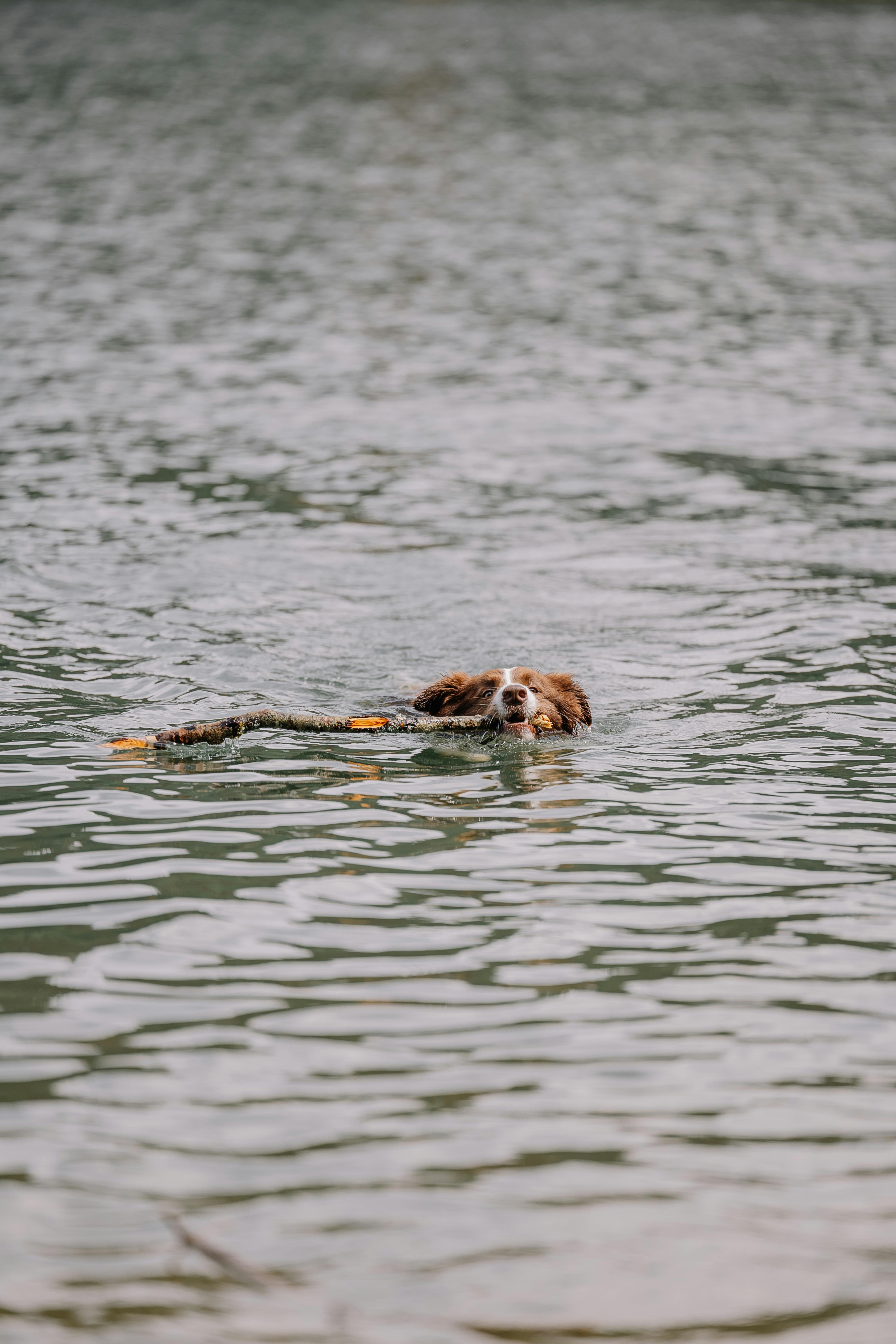 \n\n
\n\nDogs are one of the most beloved pets around the world, and their unique characteristics often spark curiosity. One of the most common questions that arise is, “Why do dogs have wet noses?” Many people believe that wet noses are a sign of a healthy dog, but the truth is more complicated. In this article, we will debunk some myths about dog noses and explore the reasons behind their moisture.
\nThe Science Behind Wet Noses
\nFirst off, it's crucial to understand why dog's noses are wet. One of the main reasons is related to their sense of smell. A wet nose helps to enhance the olfactory receptors located in a dog’s snout. When the nose is moist, it can trap scent particles more effectively, allowing dogs to smell better. This moisture also helps cool off the dog’s body temperature, but it’s not the only reason for that wetness.
\n- \n
- Enhances Smell: The moisture on a dog's nose helps to absorb scent chemicals. \n
- Temperature Regulation: While it does help cool them off, it’s not the primary function. \n
- Health Indicator: A wet nose is often considered a sign of good health, though it’s not a definitive measure. \n
Common Myths About Dog Noses
\nIt's easy to fall for myths about dog noses, so let’s take a look at some of the most common misconceptions and set the record straight.
\n- \n
- \n
Myth: Wet Noses Mean Dogs Are Healthy
\n- \n
- While many healthy dogs have wet noses, it's not true for all. There are plenty of factors that can affect nose moisture such as the environment, hydration, and even the breed. \n
\n - \n
Myth: Dogs Lick Their Noses to Keep Them Wet
\n- \n
- Dogs do lick their noses, but it’s not the main reason for moisture. Their noses naturally produce a mucous that keeps them wet. \n
\n - \n
Myth: The Temperature of a Dog’s Nose Indicates Illness
\n- \n
- Many people believe that a warm nose means a dog is sick. However, a dog’s nose temperature can vary throughout the day based on activity levels and the environment. \n
\n
Historical Context of Dog Noses
\nHistorically, dogs have been bred for various purposes, from hunting to companionship. The function of their noses has also evolved over time. In ancient times, dogs were used for hunting, and their keen sense of smell played a critical role. This led to the development of various breeds known for their olfactory abilities, like Bloodhounds and Beagles.
\n- \n
- Hunting Companions: Dogs like Bloodhounds were bred for tracking scents. \n
- Service Dogs: Today, dogs are trained to assist people, including detecting drugs and finding missing persons. \n
Practical Examples of Dog Nose Functions
\nLet’s break down some everyday scenarios where a dog’s nose plays a vital role:
\n- \n
- Finding Food: When you drop a piece of food, your dog’s nose quickly finds it, even if it's hidden under the couch. \n
- Detecting Illness: Some dogs can sense changes in human bodies, like detecting low blood sugar or even certain cancers through scent. \n
- Social Interactions: Dogs use their noses to gather information about other dogs and humans. A simple sniff can tell them a lot about another animal's health, gender, and even mood. \n
Reasons for Variation in Wetness
\nNot all dog noses are equally wet, and a variety of factors can contribute to this. Here’s a quick list:
\n- \n
- Breed Differences: Some breeds have naturally drier noses. \n
- Climate: Hot or dry weather can lead to drier noses. \n
- Health Issues: Certain illnesses can affect the moisture of a dog’s nose. \n
Fun Facts About Dog Noses
\n- \n
- Dogs have up to 300 million olfactory receptors in their noses, compared to about 5 million in humans. \n
- The wetness on a dog’s nose can change throughout the day, influenced by activity and environment. \n
- A dog’s sense of smell is 40 times better than that of humans! \n
In understanding why dogs have wet noses, we see that it’s more than just a quirky trait. It serves several important purposes, from enhancing their sense of smell to aiding in communication and health monitoring. So, the next time you see your furry friend with a damp nose, remember that it’s not just for cooling off but a vital part of their unique physiology. Embracing the complexities of our canine companions enriches our bond with them and enhances our appreciation for their incredible abilities.
\n\nUnderstanding the Anatomy of a Dog’s Nose: Why Wetness Matters
\n\n \n\n
\n\nDogs are some of the most beloved pets, with their floppy ears, wagging tails, and yes, their wet noses. If you’ve ever wondered why do dogs have wet noses, you’re not alone. It’s a question that many dog owners ask, and the answer is more complex than you might think. The wetness of a dog's nose is not just a quirky characteristic; it has important functions for their health and behavior. Let's dive into the anatomy of a dog's nose and why that moisture matters so much.
\nThe Structure of a Dog's Nose
\nA dog's nose is a fascinating organ, way more complex than it first appears. It’s made up of many parts including the nasal passages, scent receptors, and a layer of moist tissue called the mucous membrane. The surface area of a dog’s nose is much larger than that of a human’s, which is why they can smell things that we can't even imagine.
\n- \n
- Scent Receptors: Dogs have around 220 million scent receptors compared to humans, which have about 5 million. This incredible difference makes dogs exceptional at detecting scents. \n
- Nasal Passages: The intricate structure of their nasal passages helps them to filter and analyze different odors, allowing them to pick up multiple smells at once. \n
Why Wetness Matters
\nSo, why do dogs have wet noses? The moisture on a dog’s nose serves several purposes that are essential for their well-being. One of the main reasons is that it helps enhance their sense of smell. Here’s how:
\n- \n
- \n
Improved Scent Detection: The wetness on a dog's nose can trap scent particles, making it easier for them to pick up different smells. This is crucial for dogs that rely on their noses for communication, hunting, and even finding food.
\n \n - \n
Temperature Regulation: Just like sweating for humans, a wet nose helps dogs regulate their body temperature. When they lick their noses, it cools down, providing a natural way to dissipate heat.
\n \n - \n
Health Indicator: A dog's nose can reflect their health status. A healthy dog usually has a cool and moist nose. However, if a dog’s nose becomes dry and cracked, it could indicate dehydration or illness.
\n \n
The Myths Surrounding Wet Noses
\nThere are plenty myths that surround the wetness of dog noses. Some people think a warm, dry nose means a dog is sick, but that’s not always the case. Factors such as weather, activity level, and even the time of day can affect the temperature and moisture of a dog’s nose.
\nComparing Dog Noses to Human Noses
\nTo understand the unique function of a dog’s wet nose, it helps to compare it to our own. While humans rely primarily on sight, dogs are heavily dependent on their sense of smell.
\n| Feature | \nHuman Nose | \nDog Nose | \n
|---|---|---|
| Scent Receptors | \n5 million | \n220 million | \n
| Moisture Production | \nMinimal | \nHigh moisture for scent trapping | \n
| Temperature Control | \nMinor | \nSignificant for cooling | \n
Practical Examples of Nose Functionality
\nThink about how dogs use their noses in various situations:
\n- \n
- Tracking: Bloodhounds are known for their incredible tracking abilities, which is largely thanks to their wet noses that enhance their scent detection. \n
- Service Dogs: Many service dogs, trained to detect certain medical conditions, use their nose to provide alerts to their handlers. \n
- Search and Rescue: In search and rescue operations, dogs are often deployed because their ability to smell can lead rescuers to missing persons. \n
Historical Context
\nThroughout history, dogs have been companions to humans, but their noses have also played a crucial role in various tasks. For example, hunting dogs were bred for their keen sense of smell, helping humans track game. This historical reliance on dogs for their olfactory abilities shows just how important their noses were and still are.
\nIt’s clear that a dog’s wet nose is much more than just a cute feature. It's an essential part of their biology that aids in their survival and communication. Understanding these canine mysteries helps dog owners appreciate their pets even more. So next time you give your furry friend a pat, take a moment to consider the science behind that wet, cold nose and all the wonders it can do. The next time someone asks, “Why do dogs have wet noses?” you'll have a wealth of information to share!
\n\nWet Noses and Dog Behavior: What’s the Connection?
\n\n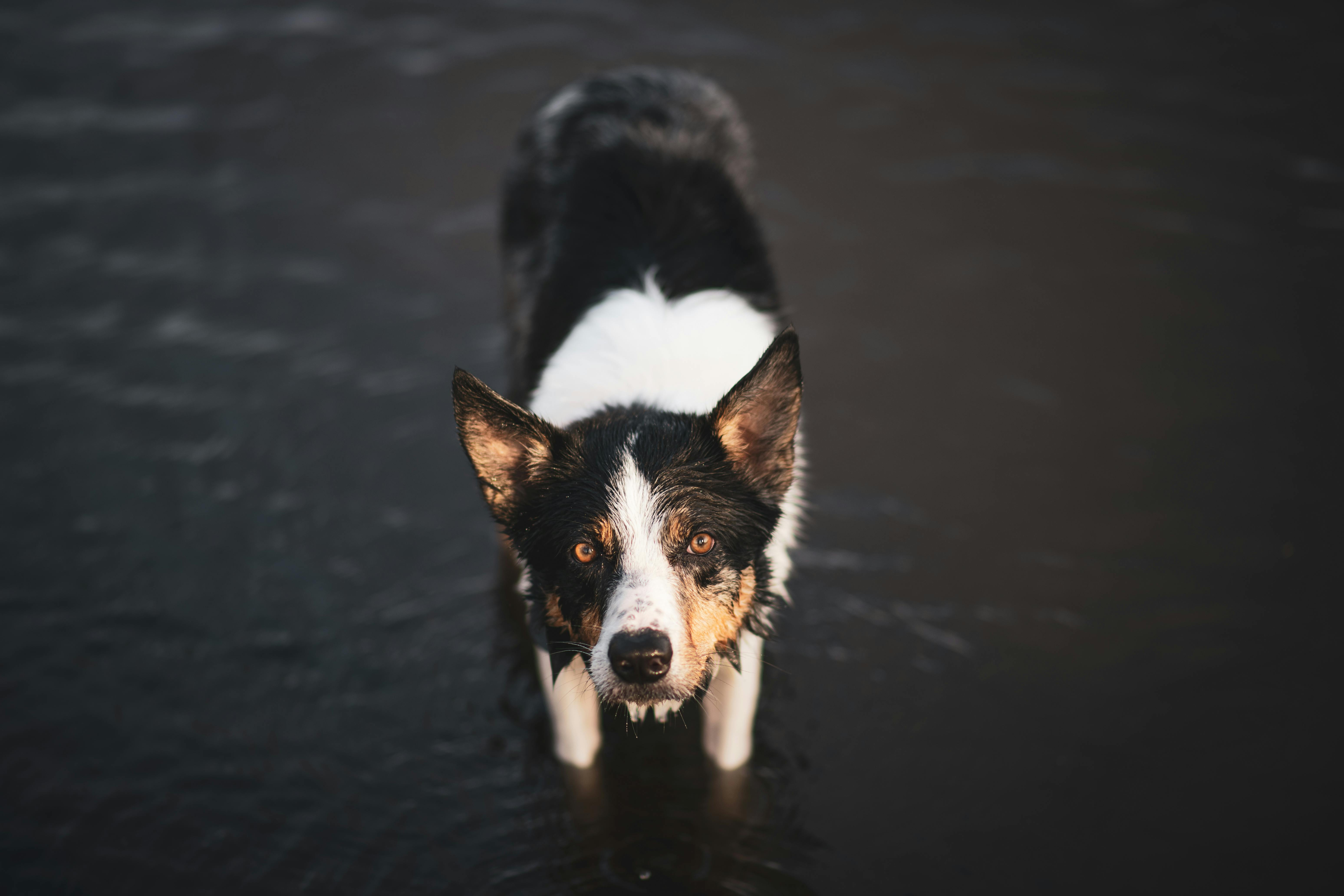 \n\n
\n\nDogs are often considered man's best friend, but what about their wet noses? This peculiar feature raises questions for many dog owners and enthusiasts alike. Why do dogs have wet noses? Unveiling this canine mystery can help us better understand our furry companions and their behavior.
\nThe Science Behind Wet Noses
\nFirstly, let's talk about why dog noses are wet. A dog’s nose is usually moist because it helps them to smell better. Yes, that’s right! The moisture on a dog’s nose aids in absorbing scent chemicals from the air. When these chemicals are absorbed, it helps the dog’s brain process the smells more accurately.
\nHere are some interesting facts about dog noses:
\n- \n
- Increased Surface Area: A dog’s nose has many tiny folds, which increases the surface area. This allows for more moisture to be present and enhances their ability to pick up scents. \n
- Thermoregulation: Dogs also use their noses to regulate their body temperature. The coolness of a wet nose helps keep them from overheating. \n
- Health Indicator: A dog’s nose can sometimes indicate their health. For instance, a dry or cracked nose might suggest dehydration or illness, but it’s not always a definitive sign. \n
Historical Perspective on Dog Noses
\nHistorically, dogs have been recognized for their exceptional sense of smell. Ancient cultures utilized dogs for hunting and tracking due to their ability to sniff out prey. This has led to selective breeding practices where dogs with stronger smelling abilities were favored.
\nSome breeds, like Bloodhounds and Beagles, have especially wet noses. This is because they were bred for their tracking abilities. The moisture on their noses can be crucial in following scents over long distances.
\nComparing Dog Noses to Human Noses
\nDogs and humans have very different nose structures. Here is a simple comparison:
\n| Feature | \nDogs | \nHumans | \n
|---|---|---|
| Number of Smell Receptors | \nApproximately 300 million | \nAbout 5 million | \n
| Nose Moisture | \nGenerally wet | \nUsually dry | \n
| Scent Processing | \nHighly developed | \nLess sensitive | \n
As you can see, dogs have a far superior sense of smell compared to humans. This gives them an edge in many situations, including search and rescue missions, detecting drugs, and even identifying medical conditions in people.
\nThe Behavioral Connection
\nNow, let’s dive into the behavior of dogs related to their wet noses. Dogs are very social animals, and their wet noses play a role in their communication. When dogs greet each other or humans, they often sniff each other’s noses. This is a way of gathering information, much like how humans might shake hands.
\nSome behaviors linked to wet noses include:
\n- \n
- Curiosity: Dogs are naturally curious creatures. A wet nose can often be an indication of their willingness to explore their environment. \n
- Affection: A dog might nuzzle you with their wet nose to show love and affection. It’s their way of saying, “Hey, I’m here for you!” \n
- Stress Relief: Some dogs will lick their noses when they’re anxious. This is a self-soothing behavior that helps them cope with stress. \n
Fun Facts about Dog Noses
\n- \n
- Dogs have individual nose prints, much like human fingerprints. Each pattern is unique to the dog! \n
- A dog’s sense of smell is 40 times better than a human’s. They can detect certain scents at parts per trillion! \n
- Wet noses are not just a dog thing; some other animals, like cats and pigs, also have moist noses. \n
Practical Tips for Dog Owners
\nTaking care of your dog's nose is important! Here are some tips:
\n- \n
- Hydration: Always make sure your dog has access to fresh water. A well-hydrated dog is more likely to have a healthy nose. \n
- Routine Checkups: Regular vet visits can help ensure your dog’s nose health is maintained. \n
- Watch for Changes: Keep an eye on any changes in your dog’s nose moisture or appearance. If it becomes excessively dry or cracked, consult a veterinarian. \n
Understanding the connection between wet noses and dog behavior can deepen the bond you share with your canine companion. The next time you see your dog’s wet nose, remember it’s not just a cute feature — it’s a vital part of their health and communication. So next time you ask, "Why do dogs have wet noses?" you’ll have a treasure trove of insights ready to share!
\n\nAre All Dogs' Noses Wet? Exploring Variations Among Breeds
\n\n \n\n
\n\nHave you ever wonder why dogs' noses are wet? If you have a furry friend at home, you probably noticed that their little snouts are often slick and shiny. But is it true for every breed, or do some dogs out there have dry noses? This article delve into the reasons behind those moist noses, exploring variations among dog breeds, and hopefully, clear up some of the mystery surrounding this canine characteristic.
\nAre All Dogs' Noses Wet?
\nNot all dogs have wet noses, and the moisture level can vary significantly. Some breeds are known for their naturally drier noses, while others consistently have that classic wetness. A dog's nose can change from wet to dry based on several factors.
\nHere's a quick look at some common dog breeds and their typical nose conditions:
\n- \n
- Labrador Retrievers: Usually have wet noses due to their energetic and playful nature. \n
- Bulldogs: Often have drier noses. \n
- Poodles: Generally maintain a wet nose, but variations can occur. \n
- Chihuahuas: Can have dry noses, especially when they're not hydrated properly. \n
Why Do Dogs Have Wet Noses? Unveiling This Canine Mystery
\nThe wetness of a dog's nose serves several important functions. Here are some reasons why your pup’s nose might be moist:
\n- \n
- \n
Sense of Smell: A wet nose helps dogs smell better. The moisture captures scent particles from the air, making it easier for them to detect various smells. It’s like having a built-in enhancement system for their already incredible olfactory abilities.
\n \n - \n
Temperature Regulation: Dogs don’t sweat like humans do. Instead, they rely on their noses to help cool down. A wet nose can help to regulate their body temperature, especially during hot days.
\n \n - \n
Health Indicator: The state of a dog's nose can be an indicator of their health. A nose that suddenly becomes excessively dry or crusty could signify a health issue or dehydration, while a consistently wet nose is generally a sign of a healthy dog.
\n \n
Factors Influencing Nose Wetness
\nThere are many reasons why a dog’s nose might be dry or wet. Some key factors include:
\n- \n
- Weather Conditions: Hot, dry weather can dry out a dog's nose quickly. Conversely, humidity can enhance moisture levels. \n
- Hydration: Like humans, dogs need water to stay hydrated. A dog that doesn’t drink enough may have a drier nose. \n
- Health Conditions: Certain medical issues, like autoimmune disorders or allergies, can lead to changes in nose wetness. \n
Comparing Dry and Wet Noses Among Breeds
\nHere's a simple comparison of how wet and dry noses can vary among different breeds:
\n| Dog Breed | \nTypical Nose Condition | \nNotes | \n
|---|---|---|
| Labrador Retriever | \nWet | \nVery active, loves water | \n
| Bulldog | \nDry | \nBreathing issues can occur | \n
| Poodle | \nWet | \nHypoallergenic, moisture-rich | \n
| Chihuahua | \nDry | \nSmall size, needs hydration | \n
Practical Examples of Nose Care
\nEnsuring your dog's nose stays healthy is important. Here are some tips for nose care:
\n- \n
- Hydration: Always provide fresh water. Dehydration can lead to a dry nose. \n
- Humidifier: In dry climates or during winter, consider using a humidifier in your home. \n
- Moisturizing Balms: If your dog's nose appears cracked or excessively dry, you can use veterinarian-approved balms to help moisturize it. \n
- Regular Check-ups: Keep an eye on your dog’s overall health. If you notice significant changes in their nose condition, consult your veterinarian. \n
Final Thoughts
\nThe wetness of a dog's nose can vary based on many factors, including breed, environment, and health. Understanding why dogs have wet noses and what influences their moisture levels can help you take better care of your furry friend. Whether your dog has a consistently wet snout or a drier nose, what matters most is their happiness and health. Always keep an eye on their overall condition and consult a vet if you have concerns. Your pup deserves the best care and attention!
\n\nThe Role of a Wet Nose in Dog Communication: Understanding Canine Signals
\n\n \n\n
\n\nDogs, those lovable furry companions, have been part of human life for thousands of years. One of the most curious things about dogs is their wet noses. Many pet owners often find themselves wonderin’, why do dogs have wet noses? The answer to this question goes beyond mere curiosity, as it ties into how dogs communicate and interact with the world around them.
\nThe Importance of Wet Noses in Dog Communication
\nA dog’s nose is much more than just a cute feature. It serves several essential functions, particularly in communication. Dogs rely heavily on their sense of smell, which is far superior to that of humans. A wet nose actually plays a crucial role in enhancing this olfactory ability. Here’s how:
\n- \n
- Enhances Smell: The moisture on a dog’s nose helps to capture scent particles in the air. This is why dogs are able to sniff out things that humans can’t even detect. \n
- Temperature Regulation: A wet nose can cool down a dog’s body temperature. This is especially important for breeds that may not handle heat well. \n
- Social Interaction: Dogs often greet each other by sniffing noses. A wet nose signals health and vitality, making it an important aspect of canine social behavior. \n
Understanding these factors helps pet owners interpret their dog's behavior better. A dog with a wet nose is usually healthy and happy. If you notice your dog's nose becoming dry, it might be a sign of dehydration or illness, so pay attention!
\nWhy Do Dogs Have Wet Noses?
\nNow, onto the main question: why do dogs have wet noses? There are several scientific and biological reasons for this unique trait.
\n- \n
- Moisture Absorption: Dogs secrete mucous from their noses, which keeps it moist. This moisture helps absorb scent particles, improving their sense of smell. \n
- Scent Detection: Dogs possess more olfactory receptors than humans—about 300 million compared to a human's 5 million. A wet nose can help gather more scent particles, making it easier for them to detect smells from a distance. \n
- Heat Regulation: Dogs don't sweat like humans do. Instead, they primarily cool off through panting and by having a wet nose. When the nose is wet, it helps in regulating their body temperature. \n
- Health Indicator: Generally, a wet nose is a sign that your dog is healthy. However, a persistently dry nose could indicate health problems, such as fever or dehydration. \n
Fun Facts About Dogs’ Noses
\n- \n
- Unique Patterns: Just like human fingerprints, each dog’s nose print is unique. \n
- Color Variations: The color of a dog’s nose can vary; it can be black, brown, or even pink, depending on the breed. \n
- Sniffing Speed: Dogs can sniff approximately 40 times per second, allowing them to gather a wealth of information in just a short amount of time. \n
The Science Behind Canine Signals
\nUnderstanding a dog's body language is critical for any pet owner. Dogs use various signals to communicate their feelings. Below are some key signals to look out for:
\n- \n
- Tail Wagging: A wagging tail usually indicates excitement or happiness, but the speed and position can vary the meaning. \n
- Ear Position: Erect ears show alertness, while ears pinned back can indicate fear or submission. \n
- Body Posture: A relaxed body posture indicates comfort, while a stiff stance can signal tension or aggression. \n
Practical Examples of Dog Communication
\nHere are some common scenarios that demonstrate how dogs use their noses and body language to communicate:
\n- \n
- Greeting: When meeting another dog, a dog will often sniff the other’s nose. This is a form of greeting and helps them learn about each other. \n
- Exploration: A dog that is sniffing around during a walk is gathering information about its environment, from other animals to food sources. \n
- Alerting Owners: If a dog repeatedly nudges its owner with a wet nose, it might be trying to get attention or signal that it wants to go outside. \n
Understanding the role of a wet nose in dog communication is essential for any pet owner. It not only helps in deciphering your dog’s needs but also enhances the bond between you and your furry friend. So next time you see your dog with that adorable, wet nose, remember—it’s communicating with you in its own special way.
\n\nConclusion
\n\nIn conclusion, the wet noses of dogs serve several essential functions that contribute to their overall health and well-being. We explored how moisture enhances their sense of smell, allowing them to detect scents more effectively, which is crucial for their communication and navigation. Additionally, a wet nose helps regulate their body temperature, acting as a natural cooling mechanism. The presence of moisture also indicates hydration levels, providing insights into a dog's health. Understanding these aspects not only deepens our appreciation for our canine companions but also highlights the importance of regular health check-ups to ensure their well-being. So, the next time you greet your furry friend and feel that cool, wet nose, remember the remarkable biology at play. Embrace the joy of owning a dog, and don't forget to keep a close eye on their health and hydration for a happy, healthy life together.
\n\n