
Have you ever wondered why do dogs have wet noses? This intriguing question not only sparks curiosity but also reveals fascinating insights about our furry friends. A dog’s nose is more than just a cute feature; it plays a crucial role in their sense of smell and overall health. In fact, the moisture on a dog’s nose is essential for enhancing their olfactory abilities, making them incredible sniffers! But that’s not all – the wetness can also be an indicator of their well-being. Have you notice that your pup’s nose changes with the weather, or when they’re feeling sick? Understanding the reasons behind this common trait can enrich your bond with your pet. In this article, we will uncover the fascinating truth behind why dogs have wet noses, exploring everything from their anatomy to their behavioral traits. Are you ready to dive into the science of your dog’s nose? Join us as we explore the amazing world of canine physiology and discover what those wet noses really mean! Whether you are a seasoned dog owner or a curious dog lover, you won’t want to miss these surprising facts!
The Science Behind Canine Noses: Why Are Dogs’ Noses Always Wet?
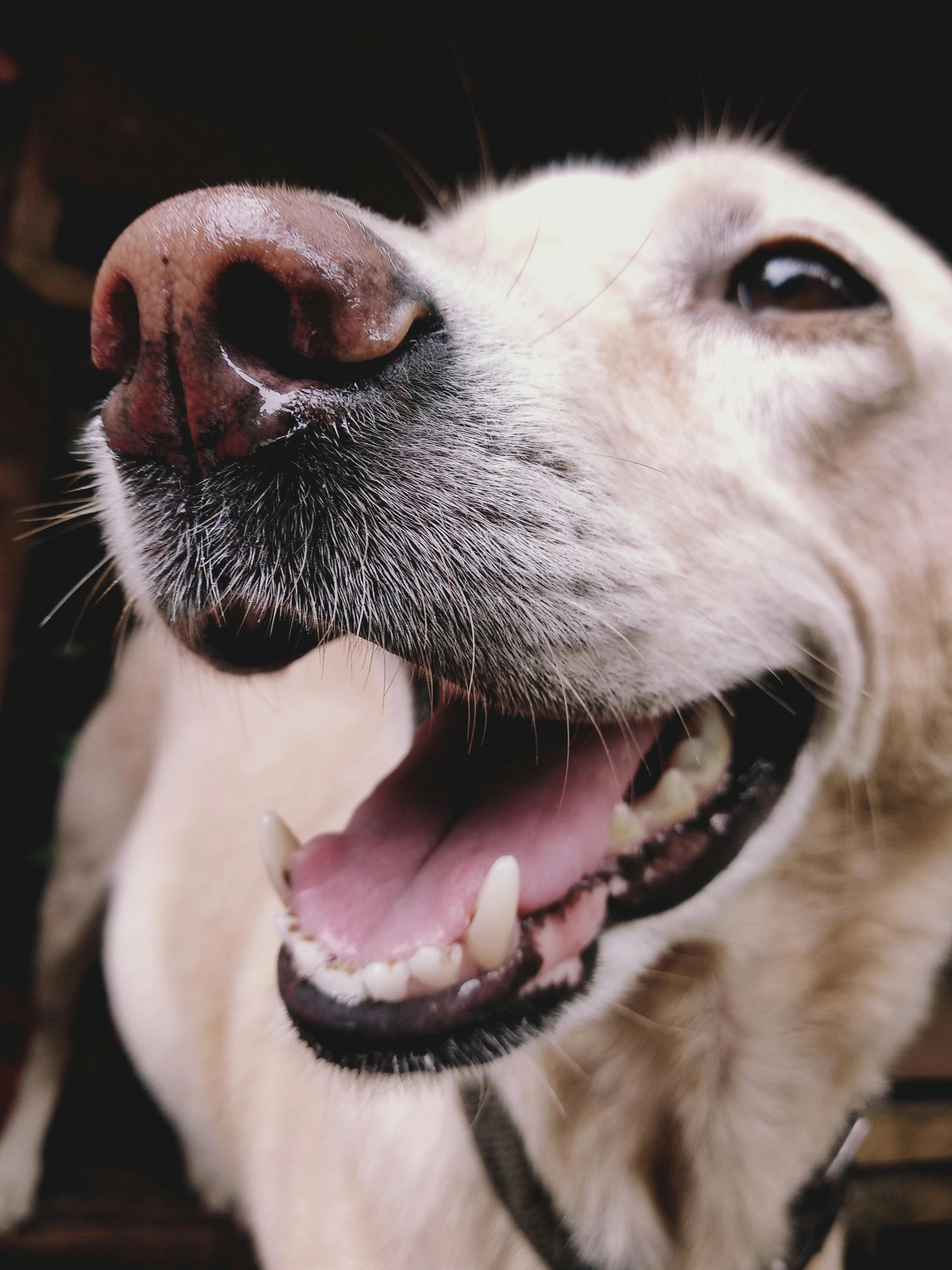
Dogs are known for their incredible sense of smell, which is, in part, due to their wet noses. Have you ever wondered why do dogs have wet noses? It’s a question that many pet owners ask, and the answer is more fascinating than you might think! The moisture on a dog’s nose does more than just keep it shiny; it plays an important role in how dogs perceive their world.
The Anatomy of a Dog’s Nose
Dogs have a unique structure in their noses that sets them apart from humans. Their noses are filled with millions of olfactory receptors—estimates suggest around 220 million, compared to about 5 million in humans! This means that dogs can detect scents at incredibly low concentrations. The wetness of their noses comes from the mucous membranes located there.
Here’s a simple breakdown of how dog noses work:
- Olfactory Receptors: Specialized cells detect scents.
- Moisture: Keeps the receptors functioning effectively.
- Sensory Neurons: Transmit scent information to the brain.
Why Are Dogs’ Noses Wet?
So, the big question, why do dogs have wet noses? There are a few reasons behind this intriguing characteristic.
Enhanced Scent Detection: The moisture helps to trap scent particles, which improves the dog’s ability to smell. When the nose is wet, it can pick up more volatile compounds and sends signals to the brain more efficiently.
Temperature Regulation: Dogs don’t sweat like humans do. Instead, they pant and rely on their noses to help regulate body temperature. A wet nose can help cool down their body through evaporation.
Health Indicator: A dog’s nose can indicate their health. A wet and cool nose is often a sign of a healthy dog; however, if it becomes excessively dry or hot, it may signal a health issue.
History and Evolution of Dog Noses
Historically, dogs have evolved alongside humans for thousands of years. Initially bred for hunting and herding, their keen sense of smell was crucial for survival. This adaptation has allowed dogs to detect changes in their environment. The wet nose, while a small detail, has played a significant role in their success as companions and working animals.
Fun Facts About Dogs’ Noses
- Unique Patterns: Just like human fingerprints, each dog’s nose print is unique!
- Sniffing Speed: Dogs can sniff 10-100 times faster than humans can!
- Scent Discrimination: Dogs can distinguish between different types of smells, even if they are mixed together.
Comparisons: Dogs vs. Other Animals
When we look at the wet noses of dogs, it might be interesting to see how they compare to other animals. Here’s a quick comparison:
| Animal | Nose Type | Scent Receptors | Functionality |
|---|---|---|---|
| Dogs | Wet Nose | 220 million | Superior scent detection |
| Cats | Dry Nose | 50-80 million | Good smell, but less acute |
| Elephants | Trunk | Unknown | Excellent smell for finding food |
| Bears | Wet Nose | Unknown | Strong sense for tracking prey |
Practical Examples of Dog Nose Usage
- Search and Rescue: Dogs are trained to locate missing persons using their noses.
- Medical Detection: Some dogs can sniff out diseases like cancer or diabetes.
- Drug Detection: Law enforcement uses dogs to find illegal substances thanks to their powerful noses.
The Science Behind It All
Researchers have conducted numerous studies on canine olfaction. One study showed that dogs can detect certain diseases in humans just by smelling breath samples. This capability is due to the wetness of their noses, which helps capture scent molecules.
Moreover, the moisture can also help with thermoregulation. When a dog pants, the wet surfaces of their nose evaporate moisture, which helps cool their bodies down. This is especially important during hot weather or after exercise.
The wet nose of a dog is not just a cute feature; it’s a sophisticated tool that enhances their life and abilities. So, next time you give your furry friend a scratch behind the ears, remember the science behind their wet noses. It’s a small but significant aspect of what makes dogs such incredible companions. With their unique anatomy and evolutionary history, dogs truly are remarkable creatures.
Top 5 Reasons Why Your Dog’s Nose Is Wet: What It Means for Their Health

Dogs are often called man’s best friend, and part of their charm is that wet nose. But have you ever wondered why do dogs have wet noses? It’s a common question among pet owners, and understanding the reasons behind this characteristic can shine a light on your furry friend’s health. Here, we’ll explore the top 5 reasons why your dog’s nose is wet, what it means for their health, and uncover the fascinating truth about their sniffers.
1. Natural Cooling Mechanism
One of the primary reasons why a dog’s nose is wet is that it helps them cool down. Dogs don’t sweat like humans do; instead, they pant and rely on their noses to regulate body temperature. When a dog’s nose is moist, it can help evaporate water, thus cooling them down more effectively.
- Dogs have sweat glands only in their paw pads.
- A wet nose can help maintain a comfortable body temperature during hot days.
- It’s especially important for active dogs who may be more prone to overheating.
2. Enhanced Sense of Smell
A wet nose is not just a cute feature; it also plays a critical role in their ability to smell. Dogs have an amazing sense of smell that’s thousands of times more sensitive than humans. The moisture on their noses helps trap scent particles, making it easier for them to detect odors in the environment.
- Dogs have around 220 million scent receptors, compared to a human’s 5 million.
- A wet nose increases the surface area, allowing for better scent absorption.
- This is why dogs are often used in search and rescue missions.
3. Health Indicator
The condition of your dog’s nose can be an indicator of their overall health. A wet, cool nose is often seen as a sign of a healthy dog, while a dry or warm nose may suggest illness or dehydration. However, it’s not always a definitive measure.
- Common health issues that may cause a dry nose include:
- Dehydration
- Fever
- Allergies
- Regularly checking your dog’s nose can help you catch health issues early.
4. Behavioral Significance
Dogs communicate in various ways, and their nose is a part of this communication. A wet nose can indicate that your dog is feeling relaxed and happy. When dogs are anxious or scared, their noses may become dry.
- A dog might nuzzle you with their wet nose to show affection.
- Wet noses are often a sign that your dog is ready to play or interact.
- Pay attention to changes in nose moisture during different situations.
5. Environmental Factors
The environment plays a significant role in whether your dog’s nose is wet or dry. Factors such as humidity, temperature, and even the time of year can affect this. For instance, during summer months, dogs may have wetter noses due to increased moisture in the air.
- Dogs tend to have wetter noses in humid conditions.
- Cold weather can lead to a drier nose as the air becomes less humid.
- Regularly hydrating your dog can help maintain a healthy moisture level.
Quick Facts About Dog Noses
- Average dog nose temperature is typically between 94 to 100 degrees Fahrenheit.
- The color of a dog’s nose can vary widely from black to pink, and it can change with age or health conditions.
- Dogs can also develop nose conditions like rhinitis or dermatitis, which can affect moisture levels.
Understanding Nose Variations
Different dog breeds may have varying nose moisture levels based on their individual characteristics. Breeds with shorter muzzles, like Bulldogs, may not have the same moisture levels as breeds with longer noses, like Greyhounds.
- Short-nosed breeds might struggle with heat regulation.
- Long-nosed breeds generally have better cooling mechanisms.
- Always consider breed-specific traits when assessing your dog’s health.
Keeping an eye on your dog’s nose can give you valuable insights into their health and well-being. A wet nose isn’t just a delightful quirk; it’s packed with meaning and purpose. Watch for changes in moisture levels, and don’t hesitate to consult a veterinarian if you notice something unusual. After all, understanding why do dogs have wet noses can help you provide the best care for your furry companion.
Is a Wet Nose an Indicator of Illness? Debunking Myths About Dog Health
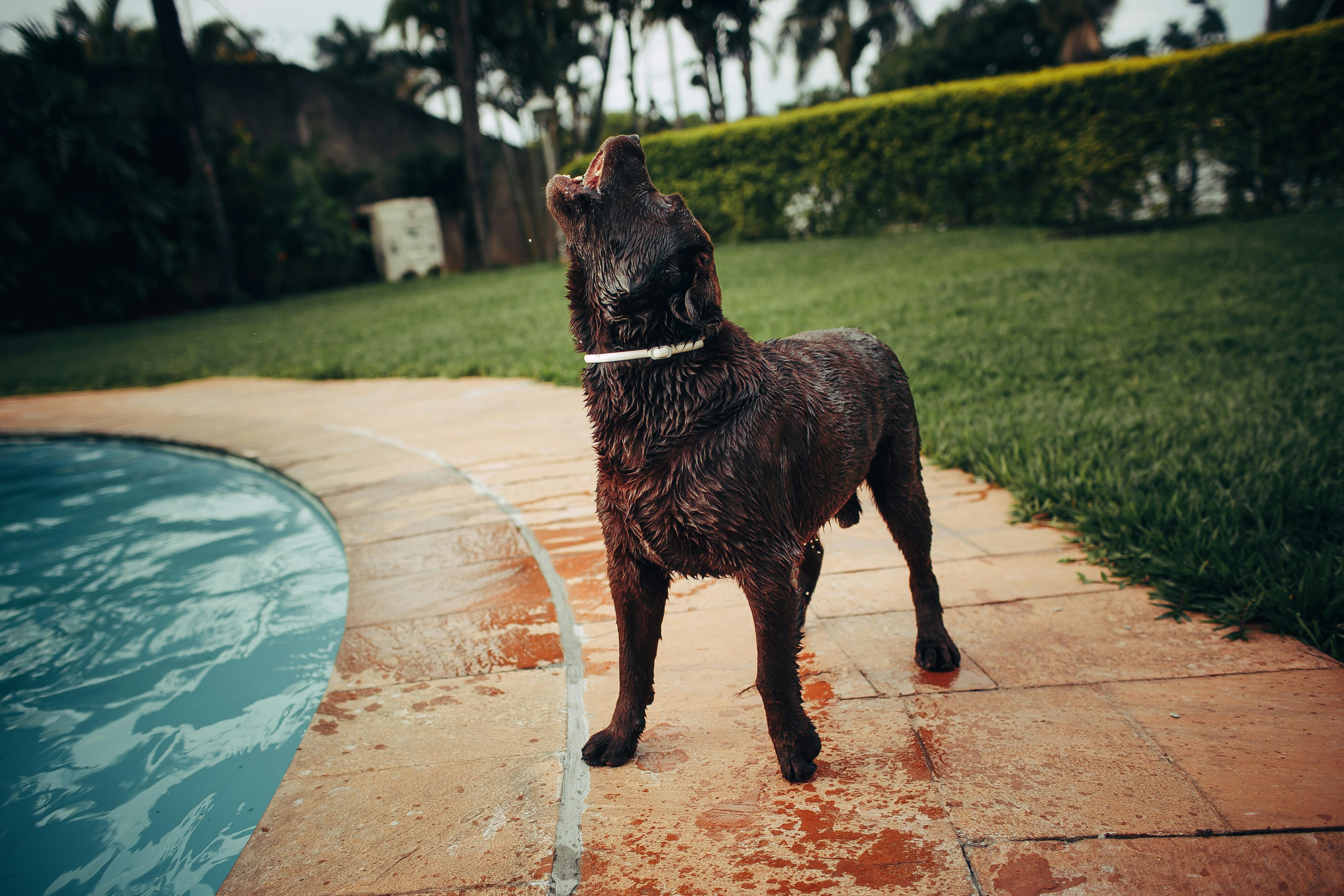
Is a Wet Nose an Indicator of Illness? Debunking Myths About Dog Health, Why Do Dogs Have Wet Noses? Uncover The Fascinating Truth!
When you see your dog, one of the first things you might notice is its wet nose. A common belief is that a wet nose indicates good health, while a dry nose might signal illness. But is this really true? Let’s dive into what a wet nose means and why dogs have them in the first place, dispelling myths along the way.
Why Do Dogs Have Wet Noses?
Dogs have wet noses for several reasons, and it ain’t just because they like to stick their noses in water. Here are some of the main reasons:
Cooling Mechanism: Just like humans sweat, dogs use their noses to help regulate their body temperature. When they’re hot, moisture on their nose can help cool them down through evaporation.
Scent Detection: A wet nose can actually enhance a dog’s ability to smell. Moisture helps capture scent particles in the air, making it easier for dogs to pick up on smells around them. This is why dogs are such great trackers!
Health Indicator: While a wet nose is often seen as a sign of good health, it’s not always the case. Dogs can have a wet nose when they are sick too. It’s just one of many indicators to consider.
Debunking Myths About Dog Health
There are many myths surrounding dog noses, and it can be hard to tell fact from fiction. Here are some common myths and the truth behind them:
Myth 1: A Wet Nose Means a Healthy Dog
Truth: While a wet nose can indicate hydration and an active dog, it doesn’t always mean they are healthy. Dogs can have a wet nose when they are sick or stressed too.Myth 2: A Dry Nose Means Illness
Truth: A dry nose is not a definitive sign of sickness. Dogs can have dry noses for many reasons, like weather changes, allergies, or even just waking up from a nap.Myth 3: All Dogs Have Wet Noses
Truth: Not all dog breeds have the same moisture levels in their noses. Some breeds, like bulldogs, might naturally have drier noses due to their anatomy.
What Affects a Dog’s Nose Moisture?
Several factors can affect a dog’s nose moisture levels:
Weather Conditions: Hot, dry weather can lead to a dog having a dry nose. Conversely, humid weather can make the nose more moist.
Health Conditions: Certain illnesses or conditions, like fever or dehydration, can change the moisture level of a dog’s nose.
Age: Older dogs may experience changes in their nose moisture due to various health issues.
Diet: A dog’s diet can influence hydration levels. Dogs that drink less water may have drier noses.
Signs of Illness in Dogs
While a wet or dry nose can be a clue, it’s important to look for other signs when assessing your dog’s health. Here are some additional symptoms to consider:
Lethargy: If your dog seems less active than usual, this might be a sign something is wrong.
Loss of Appetite: A sudden change in eating habits can indicate illness.
Vomiting or Diarrhea: Gastrointestinal issues can be serious and should be addressed quickly.
Coughing or Sneezing: Respiratory issues can arise and often require a vet’s attention.
Practical Examples of Nose Conditions
You might wonder how to differentiate between a normal nose and one that signals health issues. Here are a few conditions to be aware of:
Nasal Hyperkeratosis: This condition causes a thickening of the skin on a dog’s nose, leading to a dry, crusty appearance.
Rhinitis: Inflammation of the nasal passages can result in a runny nose, which can be mistaken for a sign of health.
Allergic Reactions: Allergies can cause changes in moisture levels, resulting in either a wet or dry nose.
Infections: Bacterial or fungal infections can also lead to changes in a dog’s nose condition.
Observing Your Dog’s Health
Being observant of your dog’s overall health is essential. Remember, while a wet nose can be one indicator, it should not be the sole measure of your dog’s health. Regular vet check-ups are crucial.
In the end, understanding that a dog’s nose is just one part of their health puzzle is important. If you’re ever in doubt about your dog’s health, consulting a veterinarian is always your best option. They can provide a thorough examination and advice tailored to your furry friend.
How a Wet Nose Enhances Your Dog’s Senses: The Fascinating Mechanism Explained
Dogs are some of the most beloved pets around the world, and their wet noses are often one of the first things we notice about them. But have you ever wondered why do dogs have wet noses? This little feature actually plays a crucial role in enhancing their senses. It’s not just an adorable quirk; it’s a fascinating biological mechanism that helps dogs interact with their environment in remarkable ways.
The Science Behind a Dog’s Wet Nose
A dog’s nose is not only cute; it’s also a highly evolved organ. The moisture on a dog’s nose is crucial for several reasons:
- Enhanced Smell: Dogs have an extraordinary sense of smell, estimated to be between 10,000 to 100,000 times more sensitive than humans. The wetness of their nose helps to trap scent particles, allowing them to absorb more smells.
- Cooling Mechanism: Just like how humans sweat to cool down, dogs use their noses to regulate body temperature. When they pant, moisture evaporates off their wet nose, providing a cooling effect.
- Communication: Dogs use their noses to gather information about their surroundings and other animals. A wet nose can signal to other dogs that they are friendly or interested.
Why Do Dogs Have Wet Noses?
Now, let’s dive deeper into the question, why do dogs have wet noses? Here are some fascinating points:
- Anatomy of the Nose: The surface of a dog’s nose has a special layer of cells that produce mucus. This mucus helps to keep the nose moist and aids in smell detection.
- Scent Discrimination: When a dog encounters a new smell, their wet nose helps to capture the scent molecules. This improves their ability to differentiate between various odors.
- Health Indicator: A change in the moisture level of a dog’s nose can indicate health issues. For example, a dry nose might suggest dehydration or illness.
The Evolutionary Perspective
From an evolutionary standpoint, dogs have developed wet noses to adapt to their roles as hunters and social animals. Historically, dogs relied on their sense of smell for survival. Their ancestors needed to track prey and detect dangers in their environment. Over time, the wet nose became a vital trait.
- Tracking Prey: In the wild, a dog’s ability to smell is essential for finding food.
- Social Interactions: Dogs often rely on scents to communicate with each other. Their wet noses help them gather information about other animals’ health, mood, and reproductive status.
Fun Facts About Dog Noses
Did you know that the unique patterns on a dog’s nose are similar to human fingerprints? Here are some more fun facts:
- Dogs Sweat Through Their Paws: While their noses remain wet, dogs primarily cool off by panting and sweating through their paws.
- Different Nose Colors: The color of a dog’s nose can vary greatly, depending on the breed and genetics. Some have black noses, while others might have pink or spotted noses.
- Nose Prints for Identification: Just like fingerprints, each dog’s nose has a unique print. Some shelters use this for identification purposes.
Comparison of Dog Noses to Human Noses
It’s interesting to compare the noses of dogs and humans. Here’s how they stack up:
| Feature | Dog Nose | Human Nose |
|---|---|---|
| Scent Sensitivity | 10,000 to 100,000 times more | Limited to a few thousand |
| Moisture | Always moist | Usually dry |
| Function | Smell, communication | Smell, but less effective |
Practical Examples of Dog Nose Usage
Understanding why dog noses are wet can help pet owners appreciate their pets more. Here are some practical examples of how dogs use their noses:
- Search and Rescue: Dogs are trained to find missing persons or detect substances like drugs or explosives using their powerful sense of smell.
- Medical Detection: Some dogs can sniff out diseases like cancer or diabetes by detecting changes in a person’s scent.
- Tracking and Hunting: Breeds like Bloodhounds are famous for their tracking abilities, thanks in part to their wet noses.
So, in a nutshell, the wet nose of a dog is not just a charming feature; it’s a sophisticated tool that enhances their abilities. It aids in smell, cooling, and communication, making it an essential part of their biology. Whenever you see your furry friend with that shiny, wet nose, remember that it’s more than just cute—it’s a fascinating part of what makes dogs such amazing companions.
Do All Dogs Have Wet Noses? Exploring Variations Across Breeds and Health

When you think about dogs, one of the most iconic features that pops into mind is their nose. Many people wonder, do all dogs have wet noses? Well, the answer ain’t so simple. Dogs come in all shapes and sizes, and their noses can vary quite a bit. Some pups have that classic wet nose, while others might have a drier one. What gives? In this article, we explore the reasons behind those moist noses and the variations that exist across different breeds and health conditions.
Why Do Dogs Have Wet Noses?
Wet noses are often associated with health and happiness in dogs. But why is this the case? There are several reasons dogs have wet noses, and it turns out, it ain’t just for show.
Cooling Mechanism: One of the main reasons for the moisture on a dog’s nose is that it helps regulate their body temperature. Unlike humans, dogs don’t sweat like we do. Instead, they rely on panting and the moisture on their noses to cool down.
Enhanced Sense of Smell: A wet nose can actually enhance a dog’s sense of smell. The moisture helps to capture scent particles from the air. Dogs have an incredible sense of smell, and the wetness helps them to track scents more effectively.
Health Indicator: A dog’s nose can often serve as an indicator of their health. A wet and cool nose is typically a sign of a healthy dog, while a dry or cracked nose could signal dehydration or illness.
Natural Behavior: Dogs often lick their noses, which keeps them moist. This behavior is natural and helps them to stay alert to their surroundings.
Variations Across Breeds
While most dogs have wet noses, not all dogs have the same level of moisture. Factors like breed, climate, and health can create variations. Here’s how different breeds stack up:
| Breed | Typical Nose Condition |
|---|---|
| Labrador Retriever | Very wet |
| Bulldog | Can be dry |
| Dachshund | Often wet |
| Poodle | Usually moist |
| Chihuahua | Can vary |
It’s important to note that even within a breed, individual dogs can have different nose conditions. Genetics plays a role, as well as environmental factors. For example, a dog living in a humid climate might have a wetter nose than one living in a dry area.
Health Considerations: When to Worry
Sometimes, a dry nose can indicate a health issue. Here are some signs to watch for:
- Severe Dryness: If your dog’s nose is dry and cracked, it may need hydration.
- Discoloration: A change in color can indicate an underlying issue.
- Excessive Discharge: If there’s a lot of mucus coming from the nose, it could mean an infection.
- Behavior Changes: If your dog is lethargic or not eating well, it could indicate a health problem.
It’s always best to consult with a veterinarian if you notice any worrying signs. Dogs can’t tell us how they feel, but their noses can give us clues.
Fun Facts About Dog Noses
- Unique Patterns: Just like human fingerprints, every dog has a unique nose print. It could be used for identification.
- Temperature Sensitivity: Dogs can detect temperature changes in the environment through their noses.
- Nose Size Matters: Bigger noses can sometimes mean better scent detection, as seen in breeds like Bloodhounds.
The Takeaway
So, do all dogs have wet noses? Not exactly, but most do. The moisture serves multiple purposes, from cooling down to enhancing their sense of smell. Variations across different breeds and individual dogs can lead to some having drier noses than others. If you’re a dog owner, it’s good to keep an eye on your furry friend’s nose. Understanding the reasons behind the wetness and recognizing when something might be off can help you keep your dog healthy and happy.
Next time you see a pup with a wet nose, remember all the fascinating reasons behind it!
The Role of Temperature and Environment: Why Some Dogs Have Drier Noses

Have you ever noticed how your dog’s nose feels? Sometimes it’s dry, sometimes it’s wet, and have you ever wondered why? The role of temperature and environment can greatly impact this curious feature of your furry friend. Understanding why some dogs have drier noses while others seem to always have that moist, cold touch, can be fascinating. So let’s dive into the science and the fun facts about why do dogs have wet noses!
The Science Behind Wet and Dry Noses
Dog noses are unique and they play a significant role in their overall health and behavior. The moisture on a dog’s nose serves several purposes. First, it helps to enhance their sense of smell. According to vets, the wetness helps to capture scent particles from the air, which then allows dogs to detect a broader range of odors. Isn’t that cool?
Wet Noses:
- Aid in scent detection.
- Regulate body temperature.
- Keep the nasal passages moist.
Dry Noses:
- Could indicate dehydration.
- May suggest underlying health issues.
- Can be influenced by environmental factors.
Temperature’s Impact on Nose Moisture
Temperature can change the moisture level in a dog’s nose. When it’s hot outside, dogs pant to cool down. This can also affect how wet their nose feels. If it’s really hot, their nose might feel drier. In contrast, when it’s cooler, the moisture tends to increase.
Hot Weather:
- Dogs may become dehydrated.
- Nose dryness can occur.
- Dogs may seek shade or cool surfaces.
Cold Weather:
- Noses may become frostbitten (ouch!).
- More moisture tends to be present.
- Dogs might have runny noses due to cold air.
Environmental Factors
Not only does temperature play a role, but the environment where a dog lives can heavily influence their nose’s wetness too. For instance, if you live in a dry climate or during the winter months when indoor heating is high, your dog’s nose could become drier.
Dry Climates:
- Lower humidity can cause dryness.
- Dogs may need more water to stay hydrated.
Humid Climates:
- Higher moisture levels can keep noses wet.
- Dogs may enjoy longer outdoor playtime.
Health Indicators
It’s important to note that while a wet nose is generally a sign of a healthy dog, it’s not always the definitive measure. If your pup’s nose is consistently dry and cracks appear, it might be time to consult a vet.
Normal Nose Conditions:
- Regularly wet, cool to the touch.
- Changes in weather can cause temporary variations.
Concerning Symptoms:
- Constantly dry or cracked nose.
- Bleeding or sores on the nose.
- Accompanied by other symptoms like lethargy or loss of appetite.
Fun Facts About Dog Noses
Did you know that a dog’s sense of smell is estimated to be 10,000 to 100,000 times better than humans? This is why their noses are so vital for their survival and interaction with the world. Here are some fun, interesting facts:
- Unique Patterns: Just like human fingerprints, each dog’s nose print is unique.
- Nasal Cooling: Dogs can cool themselves through their noses, which is part of their natural body temperature regulation.
- Scent Memory: Dogs can remember scents for a long time, which is why they can recognize their owner even after years apart just by smell.
Practical Tips for Nose Care
To ensure your dog’s nose stays healthy, here are some practical tips:
- Hydration: Always provide fresh water and encourage your dog to drink.
- Humidity: Use a humidifier during dry seasons or in arid climates to help keep their nose moist.
- Regular Checks: Keep an eye on your dog’s nose for any changes in color or texture.
Understanding the role of temperature and environment in your dog’s life can be quite enlightening. Whether their nose is wet or dry, it’s part of what makes them unique and special. If you notice any concerns or changes in their nose condition, don’t hesitate to reach out to a veterinarian for advice. Remember, keeping your furry friend healthy is priority number one!
Wet Nose vs. Dry Nose: What Changes in Your Dog Might Signal a Problem?
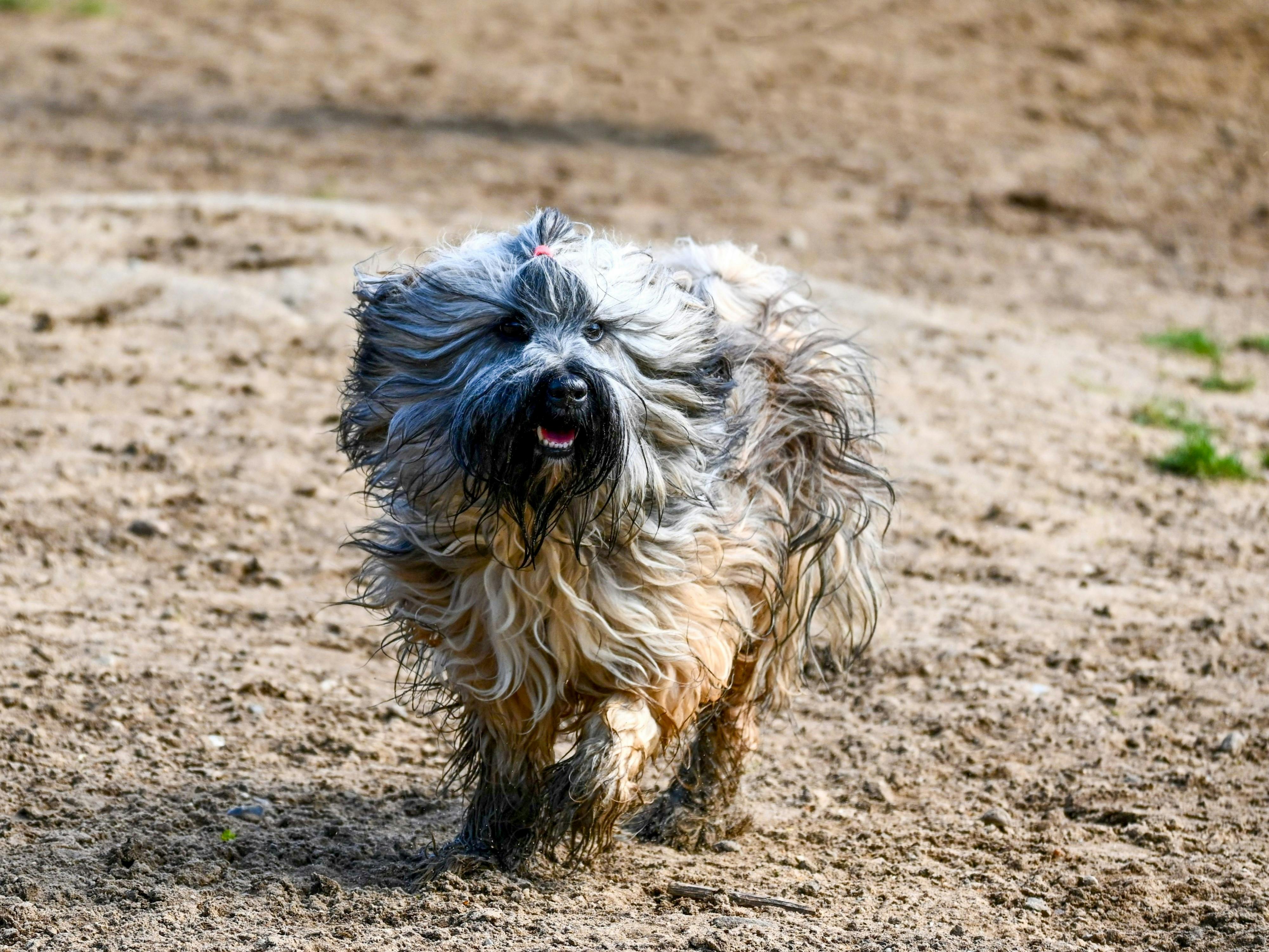
Understanding your dog’s health can be quite the challenge, and one of the most common signs pet owners look at is their nose. You might’ve heard that a wet nose means a dog is healthy, while a dry nose could mean they’re sick. But is that really true? Wet Nose vs. Dry Nose: What Changes in Your Dog Might Signal a Problem? Let’s dive into this fascinating subject and also uncover why do dogs have wet noses in the first place.
The Science Behind Wet and Dry Noses
Dogs noses are pretty amazing. They are covered in a layer of mucus, which helps them absorb scent molecules. This is why they can smell things way better than humans can. A wet nose can help enhance their sense of smell.
But, it isn’t just about smell. A dog’s nose also regulates their body temperature. When a dog’s body gets too hot, they often pant, but they also sweat through their noses. Here’s a quick breakdown of what a wet or dry nose might mean:
- Wet Nose: Often indicates hydration and good health.
- Dry Nose: Can suggest dehydration, fever, or potential illness.
- Cracked or Flaky: Might be signals of allergies or skin problems.
Why Do Dogs Have Wet Noses?
So, why do dogs have wet noses? The truth is, it’s a combination of biology and behavior. Here are a few reasons:
- Sensing Smells: A wet nose traps more scent particles, making it easier for dogs to smell.
- Temperature Regulation: Helps keep them cool, especially when panting isn’t enough.
- Health Indicator: Changes in moisture can signal changes in health.
Factors Impacting Nose Moisture
There are various factors that can change the moisture level in your dog’s nose. These include:
- Environmental Conditions: Weather changes can affect moisture. Hot and dry days might lead to a drier nose.
- Health Issues: If your dog is sick, their nose could become dry. Some illnesses cause dehydration, while others might affect mucus production.
- Age: Older dogs might experience changes in their noses, just like us humans do as we age.
Symptoms to Watch For
It’s important to keep an eye on your dog’s nose, but don’t focus solely on moisture. Other signs can indicate problems:
- Loss of Appetite: If they aren’t eating, it could be a sign of illness.
- Lethargy: If your dog seems unusually tired, it might be worth a vet visit.
- Coughing or Sneezing: These can be signs of allergies or infections.
- Vomiting or Diarrhea: Gastrointestinal issues can accompany changes in nose moisture.
Practical Tips for Dog Owners
As a responsible dog owner, it’s crucial to keep your pet’s health in check. Here’s a quick list of things you can do:
- Regular Vet Check-Ups: Always take your dog for routine check-ups to catch potential problems early.
- Keep Them Hydrated: Make sure your dog has access to fresh water at all times.
- Watch Their Diet: A balanced diet can help maintain overall health and hydration.
- Observe Behavior Changes: If you notice any unusual behavior, don’t hesitate to consult your veterinarian.
Historical Context of Dogs’ Noses
Dogs have been domesticated for thousands of years. Their wet noses have played a crucial role in their survival and relationship with humans. Ancient hunters relied on dogs’ keen sense of smell to help track prey, and even today, dogs are used in various specialized roles, from search-and-rescue missions to therapy animals.
Wet Nose vs. Dry Nose: What to Remember
To summarize, a wet nose is often a sign of a healthy dog, but a dry nose could indicate various health issues. Here’s a quick comparison:
| Nose Condition | Possible Implications |
|---|---|
| Wet Nose | Healthy, hydrated, good smells |
| Dry Nose | Dehydration, fever, potential illness |
| Cracked Nose | Allergies, skin problems |
Keeping an eye on your dog’s nose is an important part of being a pet parent. Remember, it’s not just about whether it’s wet or dry; it’s about the whole picture of their health. So, next time you’re petting your pup, take a moment to check out their nose — it might just tell you something important!
Curious Canine Facts: Why Do Dogs Lick Their Noses? Unveiling the Behavior
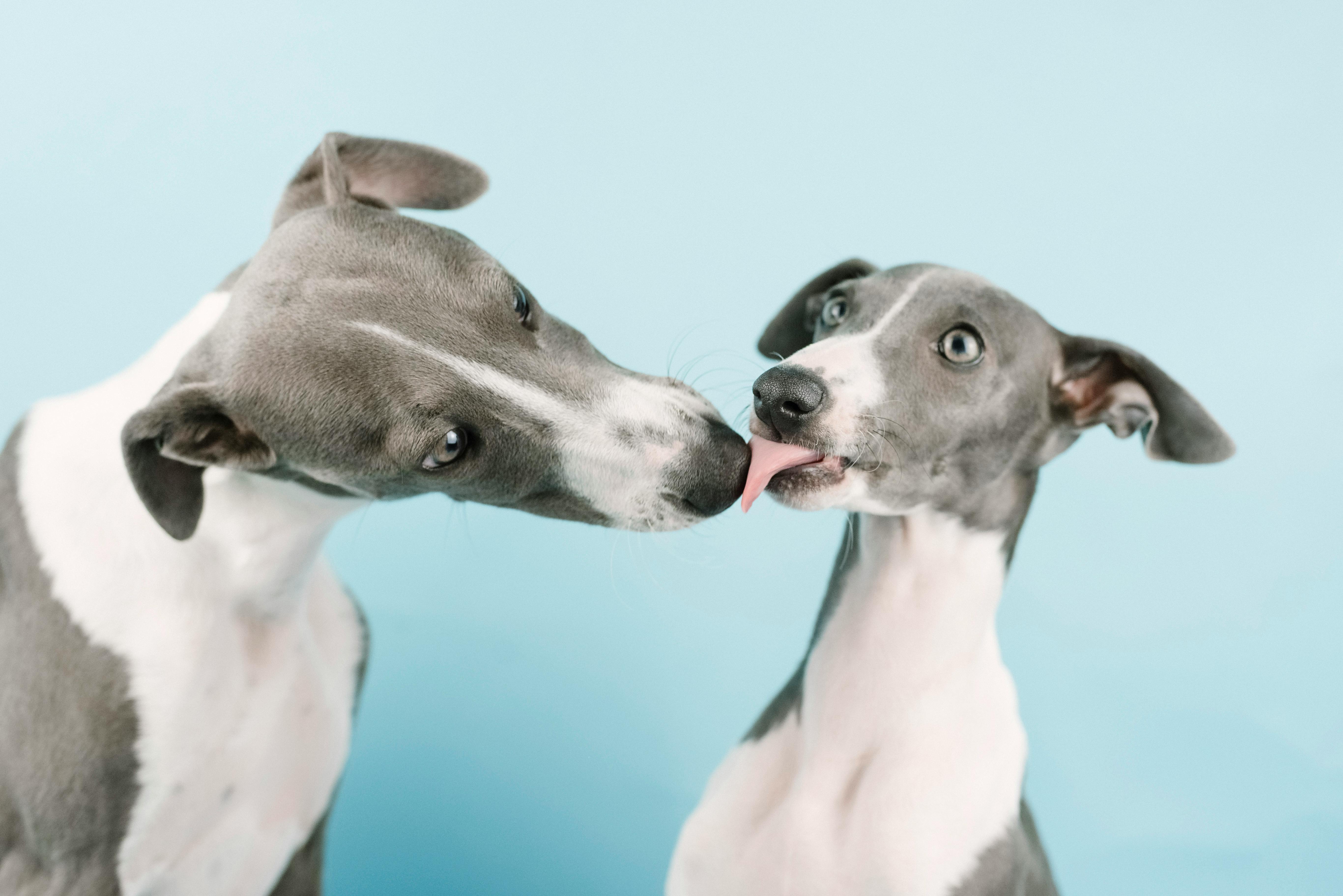
Dogs is often considered man’s best friend, but have you ever stopped to think about their peculiar behaviors? One of the most curious habits is how and why they lick their noses. The truth about why do dogs have wet noses is not just fascinating, it’s intertwined with their biology and communication methods. Let’s dive into some interesting facts and uncover the mysteries behind this common canine behavior.
The Science of Wet Noses
The reason why do dogs have wet noses is primarily linked to their health and sensory perception. A dog’s nose is naturally moist for several reasons:
- Enhanced Smell: Dogs rely heavily on their sense of smell, which is far superior to humans. A wet nose helps to absorb scent molecules from the environment, making it easier for them to detect various smells.
- Temperature Regulation: Just like humans sweat, dogs can regulate their body temperature by panting and through their noses. A moist nose can help them cool down.
- Health Indicator: A wet nose is often associated with a healthy dog. If a dog’s nose is dry and warm, it can be a sign of illness, although not always.
Why Do Dogs Lick Their Noses?
Now, let’s think about why dogs lick their noses. This behavior might seem simple, but it’s actually quite complex:
- Instinctual Behavior: Licking is a natural instinct for dogs. In the wild, dogs lick their noses to keep them clean and free of debris.
- Communication: Dogs use licking as a form of communication. When they lick their noses, it can signal to other dogs or humans that they are calm or submissive.
- Taste and Smell: Dogs are curious creatures. When they lick their noses, they are often tasting the air and picking up new scents. It’s like they are sampling the world around them.
Some Interesting Facts About Dog Noses
- Unique Patterns: Just like human fingerprints, every dog’s nose print is unique. This can be used for identification.
- Sensitivity: A dog’s sense of smell is estimated to be anywhere from 10,000 to 100,000 times more sensitive than that of humans.
- Nose Shape: The shape and size of a dog’s nose can also affect its olfactory abilities. Breeds with longer noses, like Bloodhounds, are often better at tracking scents than those with shorter snouts.
The Role of Dog Noses in Health
A wet nose is often seen as a sign of good health, but it’s not the only indicator. Here are some things to consider:
- Check for Changes: If a dog’s nose suddenly becomes dry or has unusual discharge, it could indicate a health issue. Observing these changes can help pet owners catch potential health problems early.
- Routine Vet Check-ups: Regular visits to the veterinarian can ensure that a dog maintains a healthy nose and overall well-being.
Comparing Wet and Dry Noses
Here’s a quick reference chart to help understand the differences between wet and dry noses in dogs:
| Nose Condition | Possible Implications |
|---|---|
| Wet Nose | Healthy, hydrated, alert |
| Dry Nose | Dehydration, possible illness |
| Warm Nose | Could indicate fever or other health issues |
Practical Examples of Nose Behaviors
- Sniffing: When a dog is sniffing around, you might notice them licking their nose frequently. This is because they are processing the scents they collect.
- Submissive Licking: If a dog licks its nose when meeting another dog or human, it might signal submission or a desire to be friendly. This behavior can help ease tension in social situations.
Understanding why do dogs have wet noses and why they lick them can enhance our relationship with these wonderful animals. Their wet noses are not just adorable features; they serve critical functions in communication, health, and sensory perception. So, the next time you see your furry friend giving their nose a good lick, you’ll know there’s more to it than meets the eye.
The world of canine behavior is rich and full of surprises, and dogs’ wet noses are just one of the many wonders that make them so special. Always keep an eye on your dog’s nose and health, and enjoy the unique quirks that come with owning a dog.
The Connection Between Wet Noses and Dog Emotions: Can You Read Their Mood?

Dogs are known for being man’s best friend, but have you ever pondered why they have wet noses? This question goes beyond the surface and can actually reveal a lot about their emotions and health. In this article, we will explore the connection between wet noses and dog emotions, while uncovering the fascinating truth behind why dogs have such distinctively moist snouts.
Why Do Dogs Have Wet Noses?
Wet noses in dogs serve multiple purposes, not just for a cute appearance. It’s a common misconception that a dog’s nose is wet simply because they are slobbering or just came from drinking water. Here’s what you need to know:
Temperature Regulation: Dogs don’t sweat like humans do. Instead, they cool off mainly through panting and having a wet nose. The moisture on their noses evaporates, helping to lower their body temperature.
Enhanced Sense of Smell: The wetness of a dog’s nose helps them to absorb scent chemicals from the environment. This moisture can trap scent particles, making it easier for them to detect smells. Hence, a wet nose could mean a dog is actively exploring its surroundings and processing various scents.
Health Indicator: A healthy dog often has a moist, cool nose. If a dog’s nose is dry or excessively warm, it could be a sign of a fever or illness. Regular checks on your dog’s nose can help monitor their health.
The Connection Between Wet Noses and Dog Emotions
Now, let’s dive into how a dog’s wet nose correlates with their emotional state. It’s important to recognize that dogs communicate their feelings in many ways, and their nose plays a part in this.
Excitement: When a dog is excited, their nose often becomes wetter. This can be due to increased panting and saliva production. If you notice your dog has a particularly wet nose during playtime or when meeting new people, they’re probably feeling happy and stimulated.
Anxiety: A dog may lick their nose more frequently when they are anxious or nervous. This behavior can lead to a wetter nose as well. If your dog seems restless or fidgety, and you notice their nose is unusually moist, it may indicate they are feeling stressed.
Relaxation: Conversely, a relaxed dog will have a wet nose that feels cool to the touch. This can be a sign of their comfort in their environment, especially when they are lounging around.
What Affects The Wetness of a Dog’s Nose?
Several factors can influence how wet or dry a dog’s nose is. Here’s a breakdown:
Weather Conditions: Hot, dry weather can lead to a drier nose. Conversely, humid weather can keep their noses moist for longer periods.
Age: Puppies often have wetter noses compared to older dogs. As they age, their noses may become drier.
Health Issues: Allergies, infections, or dehydration can affect the moisture levels in a dog’s nose. If you notice a sudden change in your dog’s nose wetness, it may be worth consulting a vet.
Fun Facts About Dog Noses
Dog noses have unique patterns, much like human fingerprints. Each dog has a distinct nose print.
The average dog has about 220 million scent receptors in their nose, compared to humans who have about 5 million.
Dogs can detect certain diseases such as cancer and diabetes through their sense of smell.
Wet noses are not only found in dogs; other animals like cats and pigs also have moist noses.
Quick Tips for Dog Owners
Monitor Nose Health: Regularly check your dog’s nose for any changes in moisture or temperature. This can help you catch any potential health issues early.
Hydration is Key: Ensure your dog has access to fresh water, especially in warm weather, to keep their nose and overall health in check.
Observe Behavior: Pay attention to changes in your dog’s behavior that may correlate with the wetness of their nose. This can provide insights into their emotional state.
In summary, the wetness of a dog’s nose is much more than just an adorable trait; it serves vital functions related to health, temperature regulation, and emotional expression. By understanding the fascinating truth behind why dogs have wet noses, dog owners can foster a closer bond with their furry friends and better care for their needs.
Common Misconceptions About Wet Noses: Separating Fact from Fiction in Dog Care
There’s a lot of buzz around dogs and their wet noses. Many people wonder why they’re wet, if it means anything about their health, or if it’s just some random trait. There’s plenty of myths floating around that can confuse even the most devoted dog owners. In this article, we’re gonna explore common misconceptions about wet noses and shed some light on the fascinating reasons why dogs have wet noses.
Why Do Dogs Have Wet Noses?
One of the main reasons dogs have wet noses is because it helps them smell better. Dogs have an amazing sense of smell that’s way better than humans. Their noses are packed with scent receptors, and moisture helps to capture scent molecules from the air. So, when a dog’s nose is wet, it’s actually helping them to take in more smells.
Additionally, wet noses cool dogs down. Dogs don’t sweat like humans. Instead, they rely on panting and the moisture on their noses to regulate their body temperature. This is why you might notice your dog’s nose being extra wet after a long walk or play session.
Common Misconceptions About Wet Noses
Wet Noses Mean Healthy Dogs: Lot of folks think that if a dog’s nose is wet, it means they’re healthy. While a wet nose can be a sign of good hydration and temperature regulation, it doesn’t always mean a dog is healthy. Dogs can have medical issues and still have a wet nose, so checking other signs of health is important.
Dry Noses Mean Illness: Another common myth is that a dry nose indicates a sick dog. This isn’t always the case. Dogs can have dry noses for various reasons, including the weather, age, or just being in a warm environment. While a consistently dry nose might warrant a vet visit, a dry nose alone isn’t a definitive sign of illness.
All Dogs Have Wet Noses: Not all dogs have wet noses all the time. Some breeds, especially those with shorter snouts like Bulldogs or Pugs, might have noses that seem drier. Genetic factors and individual health can lead to variations in nose moisture.
Dogs Lick Their Noses to Keep Them Wet: While it’s true that dogs do lick their noses, it’s not the only reason their noses stay wet. Their noses secrete mucus that helps maintain moisture. Licking it helps to keep the nose clean and can also help with their sense of smell.
Wet Noses Are Only a Dog Trait: Many people think that only dogs have wet noses, but that’s actually not true. Other animals, like cats, pigs, and certain rodents, also have moist noses, which serve similar purposes in terms of smelling and temperature regulation.
Fun Facts About Dog Noses
- Dogs have about 220 million scent receptors. Humans only have around 5 million!
- The wetness of a dog’s nose can change throughout the day. It might be wetter in the morning and drier as the day goes on.
- A dog’s nose print is unique, just like a human fingerprint. This means you could theoretically use it to identify your dog if they ever got lost.
Keeping Your Dog’s Nose Healthy
While wet noses have their perks, there are some things you can do keep your dog’s nose healthy. Here’s a quick checklist:
- Hydration: Make sure your dog always has access to clean water. Keeping them hydrated can help maintain moisture in their nose.
- Regular Vet Checkups: Regular health checkups can help catch any issues early on. A vet can provide insight into what’s normal for your dog.
- Environmental Awareness: During hot weather, make sure your dog has shade and isn’t overheating.
- Watch for Changes: If you notice sudden changes in your dog’s nose, like excessive dryness or cracking, consult your vet.
Conclusion
Understanding the truth behind wet noses can help dog owners distinguish between fact and fiction in dog care. Wet noses are not just a cute feature; they play a vital role in a dog’s life. By knowing the facts, you can better care for your furry friend and ensure they remain healthy and happy. So, the next time you see your pup with a wet nose, you can appreciate the fascinating biology behind it, rather than just assuming it’s a sign of good health.
Conclusion
In conclusion, the wet noses of dogs serve multiple essential purposes that contribute to their overall health and well-being. Primarily, moisture enhances their sense of smell, allowing them to detect scents more effectively, which is crucial for communication and exploration. Additionally, a wet nose helps regulate body temperature, acting as a natural cooling mechanism. The consistency of a dog’s nose can also provide insight into their health, with significant changes potentially indicating underlying issues. Understanding why dogs have wet noses not only deepens our appreciation for these loyal companions but also encourages us to monitor their health closely. So, the next time you greet your furry friend, take a moment to observe their wet nose and remember the important roles it plays. If you notice any unusual changes, don’t hesitate to consult your veterinarian for peace of mind and the well-being of your beloved pet.
