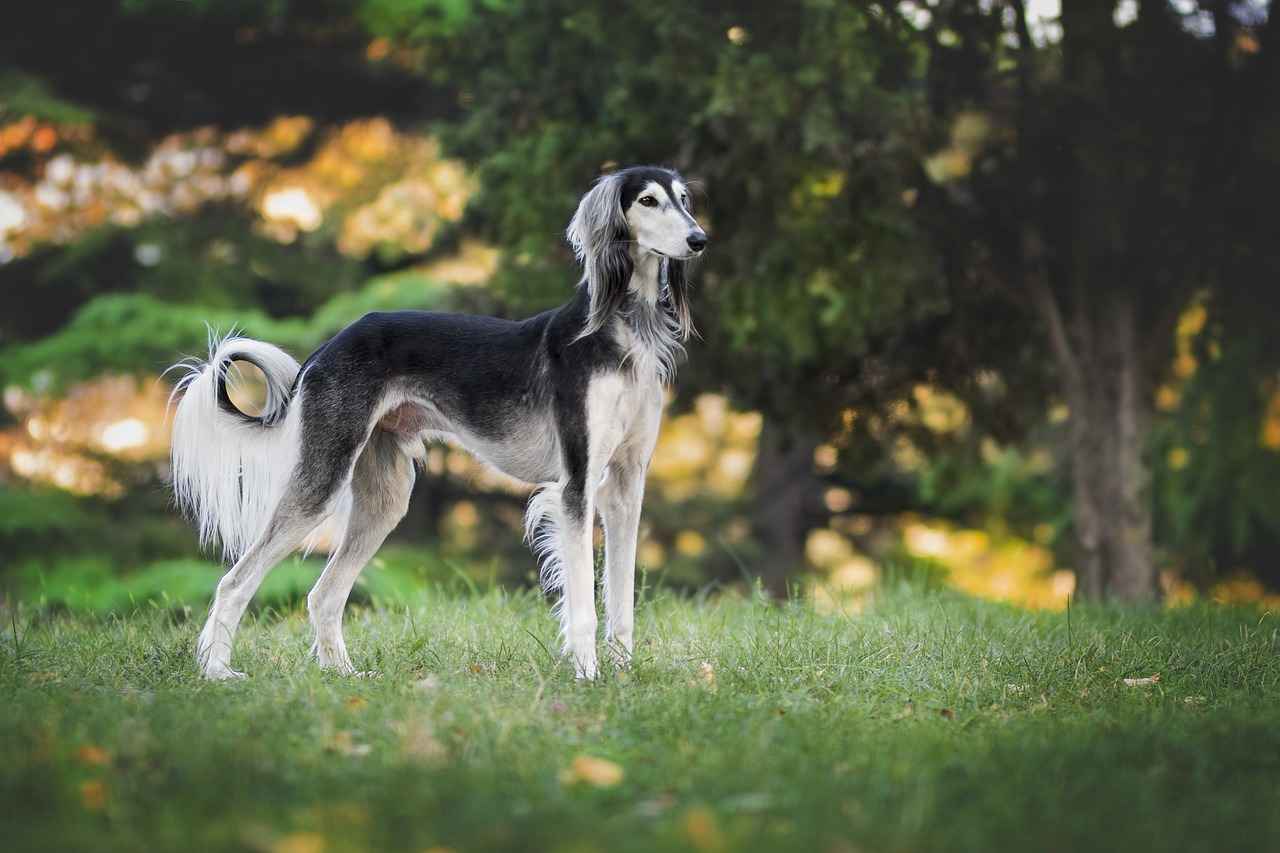
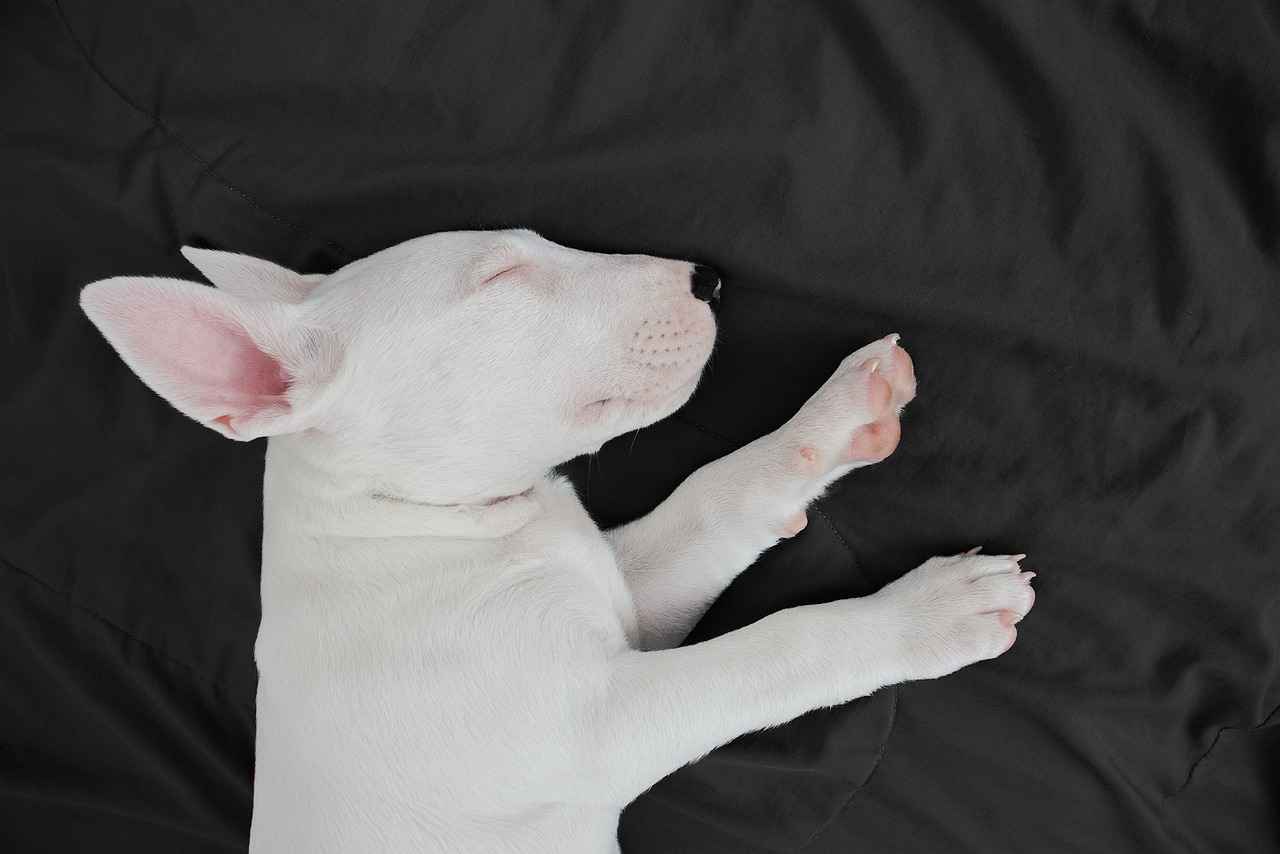
Have you ever wondered, why do dogs have wet noses? This intriguing question leads us into the fascinating world of canine biology and behavior! Wet dog noses aren’t just a cute feature; they serve important functions in a dog’s life. Many pet owners notice that their furry friends have moist noses, but few know the reasons behind this unique trait. Could it be linked to their sense of smell? Or perhaps it's an indicator of their health? In this post, we will uncover the science behind those adorable, damp noses and explore how they help dogs in their everyday lives.
\nFrom enhancing their sense of smell to regulating temperature, the reasons are as captivating as they are practical. Have you ever thought about how a dog’s nose could be a window into their well-being? Understanding why dogs have wet noses not only satiates our curiosity but also helps in caring for our pets better. So, if you’re looking to learn more about your canine companion and the secrets behind their wet noses, keep reading! You might be surprised by what we discover together!
\n\nThe Science Behind Wet Noses: What Makes Your Dog's Nose So Unique?
\n\n \n\n
\n\nDogs, those lovable furry companions, sure have many quirks that make'em unique, right? One of the most interesting thing about them is their wet noses. But why do dogs have wet noses? The science behind wet noses is actually pretty fascinating! Let's dive into the reasons and explore what makes your dog's nose so special.
\nThe Basics of Dog Noses
\nFirst off, dog's noses are not just for show. They are highly sensitive organs that play a key role in a dog's life. The unique structure of a dog’s nose allows them to detect scents far better than humans can. Did you know that a dog’s sense of smell is about 10,000 to 100,000 times more acute than ours? This is because their noses contain up to 300 million smell receptors, compared to a human's mere 5 million.
\nWhy Are Dog Noses Wet?
\nSo, why do dogs have wet noses anyway? There are several reasons that explain this phenomenon:
\n- \n
- \n
Enhanced Smelling Ability: A wet nose helps to capture scent particles from the air. When their nose is moist, it can pick up and hold onto more scent molecules. This is crucial for dogs who rely on their sense of smell for everything from finding food to detecting danger.
\n \n - \n
Temperature Regulation: Dogs don’t sweat like humans do. Instead, they cool themselves through their noses. The moisture evaporating from a dog's nose helps to regulate their body temperature. It's like a built-in air conditioning system!
\n \n - \n
Health Indicator: The condition of a dog's nose can also indicate its overall health. A healthy dog typically has a moist, cool nose. If a dog’s nose is overly dry or warm, it might be a sign of illness or dehydration.
\n \n - \n
Behavioral Communication: Dogs use their noses to communicate with each other. A wet nose can signal friendliness and approachability. When dogs greet each other, they often sniff each other’s noses, exchanging scents as a form of social interaction.
\n \n
Historical Context of Dog Noses
\nDogs have been companions to humans for thousands of years. The evolution of their noses is tied closely to their domestication. Early humans likely bred dogs for their ability to hunt and track scents, leading to the development of distinct breeds with specialized noses.
\n- \n
- Hounds: Bred specifically for hunting, these dogs have exceptional olfactory abilities. \n
- Terriers: Often used for pest control, they have strong noses that help them track down small animals. \n
All these specific breeds showcases how important noses are in a dog’s life.
\nFun Facts About Dog Noses
\nHere's some interesting tidbits about dog noses that might surprise you:
\n- \n
- Unique Prints: Just like human fingerprints, every dog has a unique nose print! This can actually be used to identify them. \n
- Color Variations: A dog's nose color can range from black to pink to liver, depending on the breed and genetics. \n
- Sniffing Techniques: Dogs have a special technique called “sniffing” where they inhale deeply and exhale quickly, maximizing the scent they can detect. \n
Comparing Dog Noses to Human Noses
\nTake a look at how dog noses stack up against human noses:
\n| Feature | \nDog Nose | \nHuman Nose | \n
|---|---|---|
| Number of Receptors | \nUp to 300 million | \nAbout 5 million | \n
| Function | \nSmell, temperature regulation | \nSmell, breathing | \n
| Moisture | \nNaturally moist and cool | \nDry, unless humid conditions | \n
Practical Examples of Nose Usage
\nIn real life, dogs use their noses for various tasks. Here are some practical examples:
\n- \n
- Search and Rescue: Dogs are trained to find missing persons using their incredible sense of smell. \n
- Detection Work: Police and military use dogs to detect drugs, explosives, and even certain diseases like cancer. \n
- Therapy Work: Some therapy dogs use their noses to comfort individuals, providing emotional support and companionship. \n
The wetness of a dog's nose plays a crucial role in these abilities, making it an essential part of their anatomy.
\nIt’s truly fascinating how something as simple as a nose can be so complex and beneficial. The next time you give your dog a good scratch behind the ears, take a moment to appreciate that wet nose! It’s not just adorable, it’s a powerful tool that helps your furry friend navigate the world around them. So, next time you wonder why do dogs have wet noses, you can impress your friends with all the cool facts you've learned!
\n\n5 Fascinating Reasons Why Dogs Have Wet Noses and What It Means for Their Health
\n\n \n\n
\n\nDogs are some of the most beloved companions worldwide, and their wet noses is one of the cutest traits. But have you ever wondered why do dogs have wet noses? There are actually some pretty fascinating reasons behind this, and understanding them can also give insights into their health. Here are five interesting facts about why dogs have wet noses and what it means for their overall well-being.
\n1. Temperature Regulation
\nOne of the main reasons why dogs have wet noses is to help regulate their body temperature. Dogs don’t sweat like humans do; instead, they cool off primarily through panting and the moisture on their noses. The wetness helps to evaporate and cool the blood vessels near the surface of the skin. If a dog’s nose is dry, it might struggle with heat regulation.
\n- \n
- Dogs can lose heat through their noses. \n
- A wet nose can indicate a healthy dog regulating temperature. \n
- Dry noses could be a sign of overheating or dehydration. \n
2. Enhanced Sense of Smell
\nDid you know that a wet nose actually improves a dog's sense of smell? When dogs sniff, the moisture on their noses helps to capture scent particles from the air. This is why they are so good at tracking and finding things! The wetness allows the particles to adhere better, making it easier for dogs to interpret scents.
\n- \n
- Dogs have up to 300 million smell receptors compared to a human’s 6 million. \n
- The moisture enhances their ability to detect aromas. \n
- A dog’s nose is uniquely designed for sniffing. \n
3. Communication Tool
\nDogs use their noses not just for smelling, but also as a form of communication. When dogs greet each other, they often sniff each other’s noses and bodies. The moisture on their noses can provide important information about their health and emotional state. If a dog has a wet nose, it may signal that it is relaxed and feeling well.
\n- \n
- Wet noses can indicate a dog’s emotional state. \n
- Dogs read each other through scent. \n
- A dry nose might suggest stress or illness. \n
4. Environmental Awareness
\nAnother intriguing reason for a dog’s wet nose is that it helps them understand their environment. Dogs are naturally curious animals, and their noses are their main tools for gathering information. The wetness on their noses not only helps in smelling but also in tasting the air. This can give them insight about the world around them, from other animals to food sources.
\n- \n
- Wet noses help in tasting the air. \n
- Dogs can detect changes in their environment. \n
- This ability helps them stay aware of potential dangers. \n
5. Health Indicator
\nLastly, the state of a dog’s nose can be an important health indicator. A healthy dog usually has a moist, cool nose. However, if a dog’s nose is excessively dry, warm, or cracked, it may suggest underlying health issues. Observing changes in a dog's nose can be a good early warning sign for pet owners.
\n- \n
- Healthy dogs generally have moist noses. \n
- A dry nose may indicate dehydration or illness. \n
- Regular checks can help in early detection of health problems. \n
Quick Reference Table
\n| Nose Condition | \nPossible Implications | \n
|---|---|
| Wet and Cool | \nHealthy State | \n
| Dry and Warm | \nPossible Fever or Dehydration | \n
| Cracked or Flaky | \nPotential Skin Conditions or Allergies | \n
| Consistently Dry | \nMay Indicate Health Issues | \n
What To Do If Your Dog’s Nose Is Dry
\nIf you notice your dog's nose is dry, it’s important to take action. Here are some steps you can take:
\n- \n
- Check Hydration: Make sure your dog is drinking enough water. \n
- Monitor Temperature: If it’s hot outside, provide shade and cool water. \n
- Consult a Vet: If the issue persists, don’t hesitate to seek professional advice. \n
Understanding why dogs have wet noses can enrich your bond with your furry friend. It’s more than just a cute feature; it’s a crucial aspect of their health, communication, and interaction with the world. So next time you give your dog a pat and feel their wet nose, you can appreciate the fascinating reasons behind it!
\n\nDo Wet Noses Indicate a Healthy Dog? Discover the Truth About Canine Nose Moisture
\n\n \n\n
\n\nWhen you see a dog with a wet nose, you might think it's a sign of health. But is that actually true? Many pet owners ask themselves, "Do wet noses indicate a healthy dog?" It's a common belief, but the reality is a bit more complicated. In this article, we will explore the truth about canine nose moisture and why dogs have wet noses in the first place.
\nWhy Do Dogs Have Wet Noses?
\nDogs have wet noses for several reasons, and it’s not just about being healthy. Here’s some reasons why dog noses are moist:
\n- \n
- Cooling Mechanism: Dogs don’t sweat like humans do. Instead, they cool themselves down through their noses. The moisture helps regulate their body temperature. \n
- Sense of Smell: A wet nose enhances a dog’s ability to smell. Moisture traps scent particles, making it easier for dogs to detect various odors, which is crucial for their survival and communication. \n
- Health Indicator: While a wet nose can indicate health, it's not the only sign. A dog's overall behavior, appetite, and energy levels should also be considered. \n
The Truth About Wet Noses and Health
\nSo, does a wet nose mean your dog is healthy? The answer is not as straightforward. While many healthy dogs have moist noses, there are exceptions. Here are some points to consider:
\n- \n
- Variations in Nose Moisture: Some dogs naturally have drier noses, and that doesn't necessarily mean they are sick. Factors like breed, climate, and individual health can influence nose moisture. \n
- Illness Indicators: A dry or cracked nose can sometimes indicate a problem, like dehydration or certain illnesses. For example, if your dog’s nose is dry and they are lethargic or not eating, it might be time for a vet visit. \n
- Environmental Factors: Weather can affect a dog's nose moisture. Cold, dry air can lead to a drier nose, while humidity can have the opposite effect. \n
Common Misconceptions About Dog Noses
\nThere are several myths surrounding dog noses that can lead to confusion among pet owners. Let’s bust some of these myths:
\n- \n
- Myth 1: All Dogs Have Wet Noses: Not true! Some breeds, like bulldogs, are known to have drier noses as a breed characteristic. \n
- Myth 2: Wet Noses Always Mean Health: As mentioned earlier, a wet nose doesn’t always mean a dog is healthy. Observe other signs of wellness. \n
- Myth 3: You Can Diagnose Illness by Nose Moisture: While a change in nose moisture can be a sign, it’s important to consider the whole picture. \n
Signs of a Healthy Dog Beyond Nose Moisture
\nTo assess your dog's health, focus on these other signs:
\n- \n
- Eating Habits: Is your dog eating regularly? A sudden lack of appetite can be concerning. \n
- Energy Levels: Is your dog playful and active? Lethargy can indicate health issues. \n
- Behavior Changes: Any sudden changes in behavior can be a warning sign. \n
Fun Facts About Dog Noses
\nDid you know that dog noses are super fascinating? Here are some interesting facts:
\n- \n
- Unique Patterns: Just like human fingerprints, every dog’s nose print is unique. \n
- Temperature Sense: Dogs can detect slight temperature changes, which helps them find food or other animals. \n
- Nose Size Matters: Larger breeds typically have larger noses, which means they have a more acute sense of smell. \n
What to Do If You Notice Changes
\nIf you see changes in your dog’s nose or overall behavior, it’s important to take action. Here’s what you can do:
\n- \n
- Monitor Symptoms: Keep track of any other symptoms your dog may be showing. \n
- Contact Your Vet: If you’re concerned, reach out to your veterinarian for advice. \n
- Hydration: Ensure your dog is drinking enough water. \n
In conclusion, while wet noses can be associated with healthy dogs, they aren't the sole indicator of health. Understanding the complexities behind canine nose moisture can help you be a better pet owner. Always consider your dog's overall behavior, health, and consult with your vet if anything seems off. Remember, every dog is unique, and being observant is key to keeping your furry friend happy and healthy!
\n\nWhy Does Your Dog's Nose Change? Exploring the Factors Behind Moisture Levels
\n\n \n\n
\n\nDogs are known for their playful antics, loyal companionship, and those adorable wet noses. But have you ever wondered why does your dog's nose change? The moisture level of a dog's nose can vary for several reasons, and understanding this can help you keep your furry friend healthy and happy. Let’s dive into the fascinating world of dog noses!
\nThe Science Behind Wet Noses
\nDogs typically have wet noses, which serve important functions. But why do dogs have wet noses in the first place? The moisture on their noses helps to enhance their sense of smell. Dogs have an incredible olfactory sense, estimated to be between 10,000 to 100,000 times more acute than humans. The moisture on their noses traps scent particles, allowing them to pick up on smells more effectively.
\nHere some key points about dog noses:
\n- \n
- Increased Sensory Function: A wet nose helps to absorb scent chemicals. \n
- Temperature Regulation: Dogs can regulate their body temperature through their noses. \n
- Cooling Mechanism: When a dog pants, moisture evaporates from their nose, helping to cool them down. \n
Why Does Your Dog's Nose Change?
\nYou may notice your dog's nose changing from moist to dry or even cracking. This can be concerning, but many factors contribute to this phenomenon. Here’s a list of the most common reasons:
\n- \n
- Weather Changes: Hot or cold weather can affect nose moisture levels. In winter, noses may dry out due to cold air, while summer heat can lead to increased moisture. \n
- Health Issues: Certain health problems like fever, dehydration, or allergies can result in a dry nose. If your dog’s nose is persistently dry and cracked, it’s best to consult a veterinarian. \n
- Normal Variation: Just like humans, dogs can have variations in moisture levels due to activity or rest. After playing, a dog might have a wetter nose than after a nap. \n
- Age: Older dogs might experience changes in skin elasticity, leading to drier noses. \n
Fun Facts About Dog Noses
\nDog noses are not just fascinating; they’re also unique! Here are some interesting facts:
\n- \n
- Unique Patterns: Every dog’s nose print is as unique as a human fingerprint. It can actually be used for identification! \n
- Nasal Conformation: Breeds with longer snouts may have better smelling capabilities than those with shorter, flat faces. \n
- Sensitive to Touch: Dog noses are sensitive; they can feel changes in temperature and texture. \n
When to Be Concerned
\nWhile some changes in your dog’s nose are normal, there are signs that may indicate a health issue. Keep an eye out for the following:
\n- \n
- Cracking or Bleeding: if the nose is cracked or bleeding, it could indicate dehydration or dermatitis. \n
- Foul Smell: A bad odor can be a sign of infection or other underlying issues. \n
- Persistent Dryness: If the dryness lasts for more than a day or two, it’s worth a trip to the vet. \n
What Can You Do?
\nIf you notice your dog's nose is dry, here are some actions you can take:
\n- \n
- Hydration: Always ensure your dog has access to fresh water. Proper hydration is key. \n
- Humidifiers: If you live in a dry climate, consider using a humidifier to add moisture to the air. \n
- Nose Balms: There are balms specifically designed for dog noses that can help alleviate dryness. \n
- Regular Vet Check-ups: Keeping up with vet visits helps catch any potential health issues early. \n
Conclusion
\nExploring the reasons behind why dogs have wet noses and why their moisture levels change can provide valuable insights into their health and well-being. Understanding these factors can help you better care for your furry friend. Remember to observe your dog's nose regularly, and if you notice anything unusual, don’t hesitate to reach out to a veterinarian. Keeping your dog's nose moist is just one of many ways to show your love and care for them!
\n\nThe Role of a Wet Nose in Dog Behavior: What Your Pup is Trying to Tell You
\n\n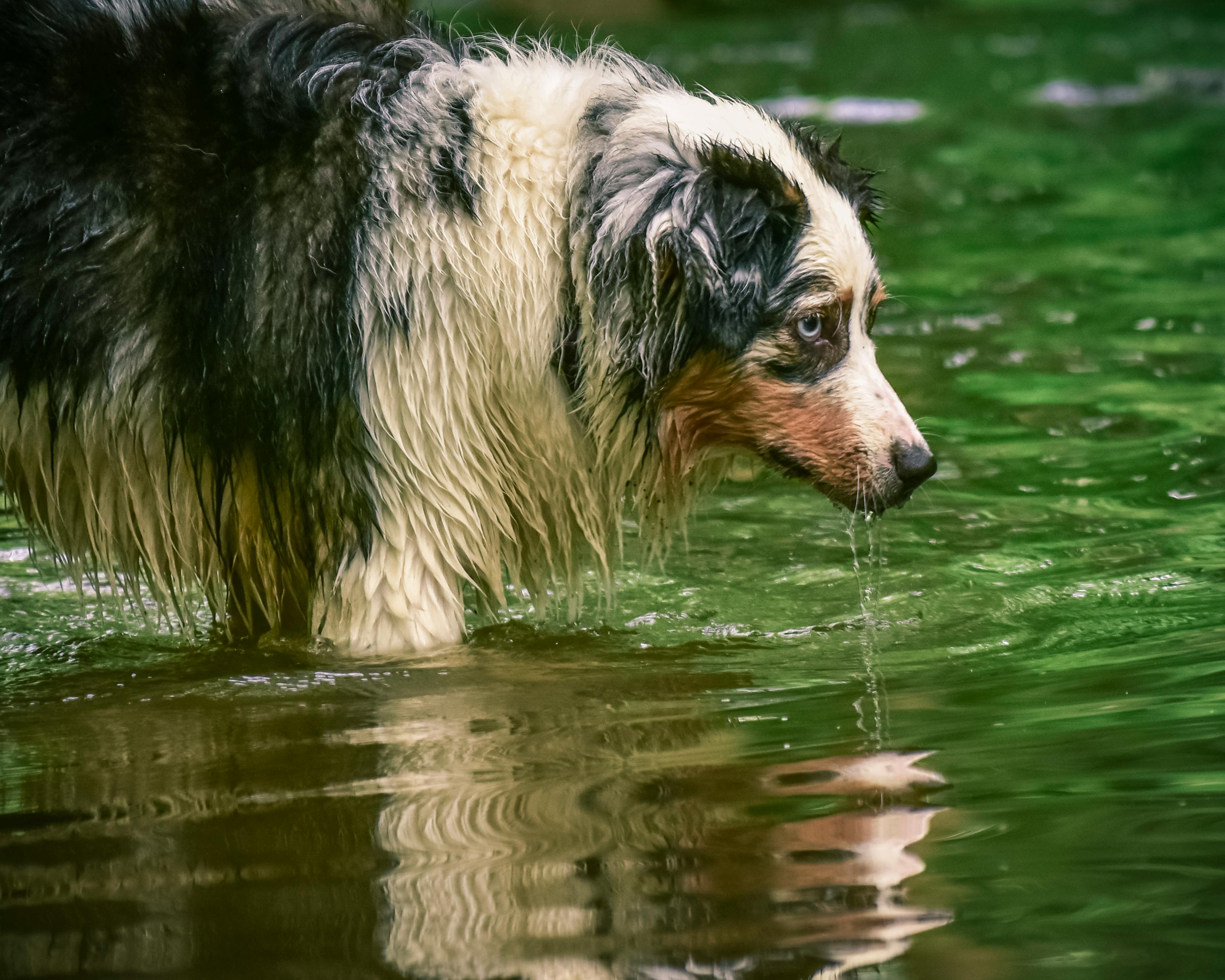 \n\n
\n\nDogs often communicate in ways we may not fully understand. One of the most fascinating aspects of canine communication is their wet noses. So, why do dogs have wet noses? Exploring this question reveals a lot about our furry friends and their behaviors. A wet nose isn’t just an adorable trait; it serves several important functions in a dog’s life.
\nThe Science Behind the Wet Nose
\nThe moisture on a dog’s nose is primarily due to a thin layer of mucous that helps with their sense of smell. Dogs have an exceptional sense of smell—far better than humans. In fact, it's been estimated that dogs can detect scents anywhere from 10,000 to 100,000 times better than humans. This incredible ability is partly because of the wetness of their noses.
\n- \n
- \n
Enhanced Smelling: The moisture helps to capture scent particles, allowing dogs to absorb more smells. When the nose is wet, it can better trap the chemical compounds in the air. That's why you might notice your dog sniffing around—it's their way of gathering important information about their environment.
\n \n - \n
Temperature Regulation: Dogs cannot sweat like humans. So, they cool down primarily through panting and the evaporation of moisture from their noses. A wet nose helps regulate their body temperature, especially on warm days.
\n \n - \n
Health Indicator: The condition of a dog's nose can indicate their health. A healthy dog typically has a moist and cool nose, while a dry nose might suggest a fever or dehydration. However, this isn't a foolproof method; other factors can affect nose moisture.
\n \n
Why Do Dogs’ Noses Get Wet?
\nSeveral reasons contribute to why dogs have wet noses. Here are some key factors:
\n- \n
- Licking: Dogs often lick their noses, which keeps them wet. This behavior is both instinctive and habitual. \n
- Environmental Factors: Weather conditions, such as humidity or rain, can affect how wet a dog's nose is. More moisture in the air means a wetter nose. \n
- Health and Diet: A dog's hydration level can impact nose moisture. Well-hydrated dogs usually have wetter noses, while dehydration can lead to dryness. \n
Fascinating Facts About Dog Noses
\nHere are a few interesting tidbits about dog noses that might surprise you:
\n- \n
- Unique Patterns: Just like human fingerprints, every dog's nose print is unique. It can actually be used to identify them. \n
- Scent Discrimination: Dogs can distinguish between different scents and remember them for years. This is why they can track scents even after a long time. \n
- Nasal Structures: A dog's nose consists of more than 300 million olfactory receptors, compared to about 5 million in humans. \n
Dog Behavior and Communication
\nA wet nose is just one aspect of a dog’s behavior. They communicate through various means, including body language, vocalizations, and of course, their noses. Here are some behaviors linked to a wet nose:
\n- \n
- Nose Nudging: When your dog nudges you with their nose, it's often a sign of affection or a request for attention. They want you to pet them or play! \n
- Sniffing Around: A dog sniffing is their way of gathering information about their surroundings, other animals, or even people. \n
- Nose-to-Nose Greetings: Dogs often greet each other by sniffing noses. It’s their version of a handshake, helping them learn about each other. \n
Practical Tips for Dog Owners
\nUnderstanding the significance of your dog’s wet nose can enhance your relationship. Here are some tips:
\n- \n
- Regular Vet Check-ups: Keep an eye on your dog’s nose condition. Regular vet visits can help identify any potential health issues. \n
- Hydration: Always provide clean water to keep your dog hydrated, which promotes a healthy nose. \n
- Observe Behavior: Pay attention to changes in your dog’s nose moisture. If it suddenly becomes dry or cracked, consult your vet. \n
In Summary
\nThe wet nose of a dog is more than just a cute feature; it's an essential part of their physiology that plays a crucial role in their ability to smell, regulate temperature, and communicate. Dogs are unique creatures with fascinating behaviors, and understanding their wet noses can give us a better insight into their world. Next time your pup nudges you with their cool, moist nose, remember they are sharing a little piece of their amazing abilities with you.
\n\nHow Does Temperature Affect Your Dog's Wet Nose? Insights You Need to Know
\n\n \n\n
\n\nEvery dog owner has probably noticed at one point that their furry friend has a wet nose. But have you ever wondered how temperature affects a dog’s wet nose? Or why do dogs have wet noses in the first place? These questions may seem simple, but they hold fascinating insights into your pet’s health and behavior. Let's dive into this topic and explore the science and reasons behind those moist little noses.
\nThe Importance of a Wet Nose
\nDogs have wet noses for a variety of reasons, and understanding why is key to knowing your pet better. Here are some interesting facts:
\n- \n
- \n
Regulation of Body Temperature: A dog’s wet nose helps to cool them down. Just like we sweat to keep cool, dogs may use their noses to regulate their body heat. The moisture on their nose evaporates, which cools their blood vessels.
\n \n - \n
Enhanced Sense of Smell: The wetness of a dog’s nose helps to capture scent particles in the air. This is because the moisture creates a better surface for scent absorption, making their sense of smell about 10,000 to 100,000 times more sensitive than humans.
\n \n - \n
Communication Tool: Dogs also use their noses to communicate. A wet nose can signal excitement, affection, or even a desire to play. It’s a way for them to interact with their environment and the people in it.
\n \n
How Temperature Affects Your Dog's Wet Nose
\nTemperature plays a significant role in how moist or dry a dog's nose is. Here’s what you need to know:
\n- \n
- \n
Cooler Temperatures: In cooler weather, a dog’s nose may be more wet. This is because the moisture doesn't evaporate as quickly as it does in warmer temperatures. Additionally, when it’s chilly, dogs are more likely to spend time outdoors, and the cool air can help keep their noses damp.
\n \n - \n
Warmer Temperatures: When it’s hot outside, there’s a chance your dog’s nose might dry out. Heat can cause the moisture to evaporate faster. Dogs may also pant more to cool down, which can affect the moisture levels in their noses.
\n \n - \n
Health Indicators: A sudden change in the moisture level of your dog’s nose can be an indicator of health issues. A dry nose can signify dehydration, fever, or other illness. Conversely, a consistently wet nose may indicate allergies or other skin conditions, especially if accompanied by other symptoms.
\n \n
Why Do Dogs Have Different Nose Types?
\nNot all dogs have the same type of nose, and this can affect how temperature impacts their moisture. Here’s a quick run-down:
\n- \n
- \n
Short Nosed Breeds: Breeds like pugs or bulldogs have shorter snouts, which may not allow for as much air circulation. This can lead to a less effective cooling mechanism.
\n \n - \n
Long Nosed Breeds: Breeds such as greyhounds or collies have longer snouts that help with better evaporation and cooling. Their noses may stay moist longer in warm weather.
\n \n - \n
Factors Affecting Moisture: Other than temperature, humidity plays a role too. Higher humidity levels can keep a dog’s nose wetter, while dry climates can lead to dryness.
\n \n
Practical Tips for Dog Owners
\nHere are some tips to help maintain your dog’s nose health throughout temperature changes:
\n- \n
- \n
Hydration: Always ensure your dog has access to fresh water. Dehydrated dogs can have dry noses.
\n \n - \n
Avoid Heat Exposure: In hot weather, keep your dog indoors during peak heat hours. This can prevent overheating and dry noses.
\n \n - \n
Regular Vet Visits: Keep up with regular check-ups to monitor your dog’s overall health. A vet can provide guidance if you notice any unusual changes in your dog’s nose moisture.
\n \n - \n
Watch for Symptoms: If you notice your dog’s nose is persistently dry and they're showing signs of lethargy or other health issues, consult a vet.
\n \n
Fun Facts About Dog Noses
\n- \n
- \n
Dogs have unique nose prints, much like human fingerprints. Each nose print is different, and they can be used to identify individual dogs.
\n \n - \n
A dog’s sense of smell is so powerful that they can detect certain diseases, including cancer, just by sniffing a person.
\n \n - \n
Dogs can smell in stereo, which helps them determine the direction of a scent.
\n \n
Understanding how temperature affects your dog’s wet nose and why they have wet noses in the first place can make you a better pet owner. Not only does it enhance your bond with your furry friend, but it also helps you monitor their health effectively. So next time you give your dog a pat, take a moment to appreciate that wet nose and everything it represents!
\n\nWet Noses and Dog Health: When Should You Be Concerned About Changes?
\n\n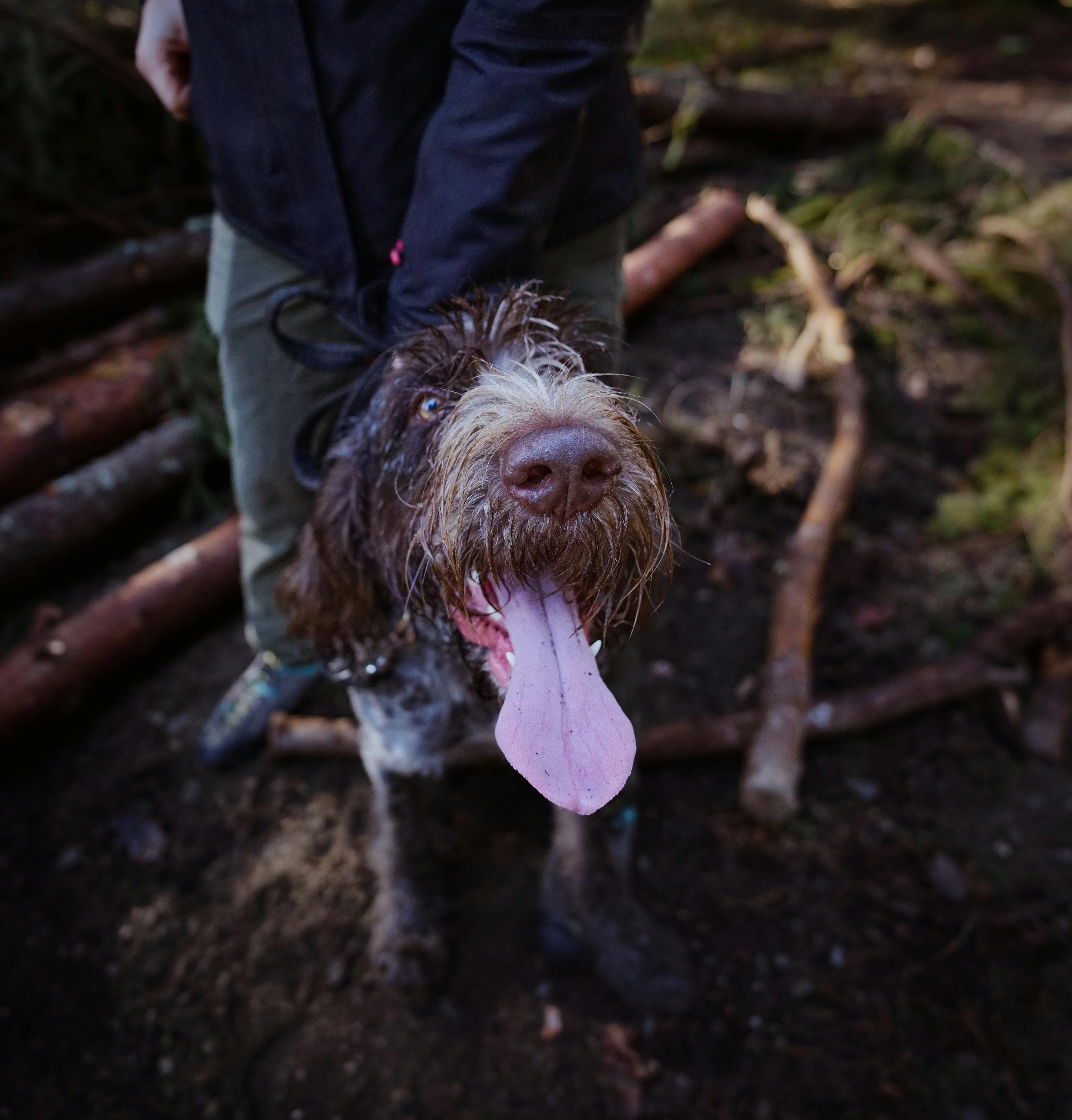 \n\n
\n\nWhen it comes to our furry friends, dog health is a topic that many pet owners care deeply about. One of the most distinctive features of dogs is their wet noses. But why do dogs have wet noses? And more importantly, when should you be worried about changes in that wetness? Let’s dive into these questions and uncover some fascinating insights about our canine companions.
\nWhy Do Dogs Have Wet Noses?
\nDogs have wet noses for several reasons, and it's not just for show. A wet nose can be an indicator of a dog's health and wellbeing. Here are some key points to consider:
\n- \n
- \n
Sense of Smell: A wet nose helps enhance a dog's sense of smell. The moisture on the nose allows scent particles to stick better, which helps them to smell things much better than us humans can.
\n \n - \n
Temperature Regulation: Dogs don’t sweat like humans do. Instead, they rely on their noses to help regulate their body temperature. A cooler nose indicates a cooler body temperature, which is good.
\n \n - \n
Health Indicator: The moisture level of a dog's nose can be a quick indicator of their health. A healthy dog usually has a wet, cool nose, while a dry or warm nose might suggest something's wrong. But this isn't always the case.
\n \n - \n
Behavioral Cues: Dogs often lick their noses when they are feeling anxious or excited. This behavior can be a sign that they are trying to calm themselves or are eager to explore their environment.
\n \n
When Should You Be Concerned About Changes?
\nChanges in your dog's nose can mean different things. It's important to know when to be concerned about those changes. Here are some signs to watch for:
\n- \n
- \n
Dryness: If your dog’s nose suddenly becomes dry and cracked, it could be a sign of dehydration or a more serious health issue.
\n \n - \n
Discoloration: A change in color, like turning from pink to dark brown or black, could indicate a health problem.
\n \n - \n
Nasal Discharge: If there is a discharge from the nose that is green or yellow, this could mean an infection or illness.
\n \n - \n
Fever: If your dog's nose is warm and dry and they seem lethargic or are not eating well, it could be a sign of fever.
\n \n - \n
Persistent Symptoms: If your dog displays any of these symptoms persistently, it is always best to consult a veterinarian.
\n \n
Fascinating Facts About Dog Noses
\nDogs' noses are incredibly complex organs. Here’s some interesting trivia that you might not know:
\n- \n
- \n
Nose Prints: Just like human fingerprints, every dog has a unique nose print. This can even be used to identify them!
\n \n - \n
Scent Receptors: Dogs have up to 300 million scent receptors in their noses, compared to only about 5 million in humans.
\n \n - \n
Wet Nose Myths: A common myth is that a wet nose equals a healthy dog. While it's often true, it’s not a strict rule, as some healthy dogs can have dry noses.
\n \n - \n
Temperature Sensitivity: Dogs’ noses are highly sensitive to temperature changes, which is why they can detect changes in the environment that we can't.
\n \n
What To Do If You Notice Changes
\nIf you notice any concerning changes in your dog's nose, you can take several actions to ensure their health:
\n- \n
- \n
Monitor Symptoms: Keep an eye on other symptoms like appetite, energy levels, or behavior changes.
\n \n - \n
Check Hydration: Make sure your dog is drinking enough water. Dehydration can lead to a dry nose.
\n \n - \n
Consult Your Vet: Don’t hesitate to reach out to your veterinarian. They can provide valuable insights and recommend necessary tests or treatments.
\n \n - \n
Keep Track of Changes: Document any changes in your dog's nose or behavior. This information can be beneficial for your vet.
\n \n
Dog Health and Preventive Care
\nPreventive care is essential for maintaining your dog’s health. Regular vet check-ups can help catch issues early. Here are some key preventive measures:
\n- \n
- \n
Regular Vet Visits: At least once a year, or more frequently for older dogs.
\n \n - \n
Vaccinations: Keep your dog’s vaccinations up to date to prevent diseases.
\n \n - \n
Healthy Diet: Ensure your dog is on a balanced diet suited to their age and breed.
\n \n - \n
Hydration: Always provide fresh water and encourage drinking.
\n \n - \n
Exercise: Regular exercise keeps your dog healthy and helps regulate their body temperature.
\n \n
Understanding your dog's health, including changes in their wet nose, can help you be proactive about their wellbeing. Remember, a wet nose is just one of many factors in assessing your dog’s health. Always trust your instincts as a loving pet owner, and don’t hesitate to seek professional advice when needed. Your furry friend relies on you to keep them happy and healthy!
\n\nCan a Wet Nose Help Dogs Smell Better? The Incredible Benefits of Moisture
\n\n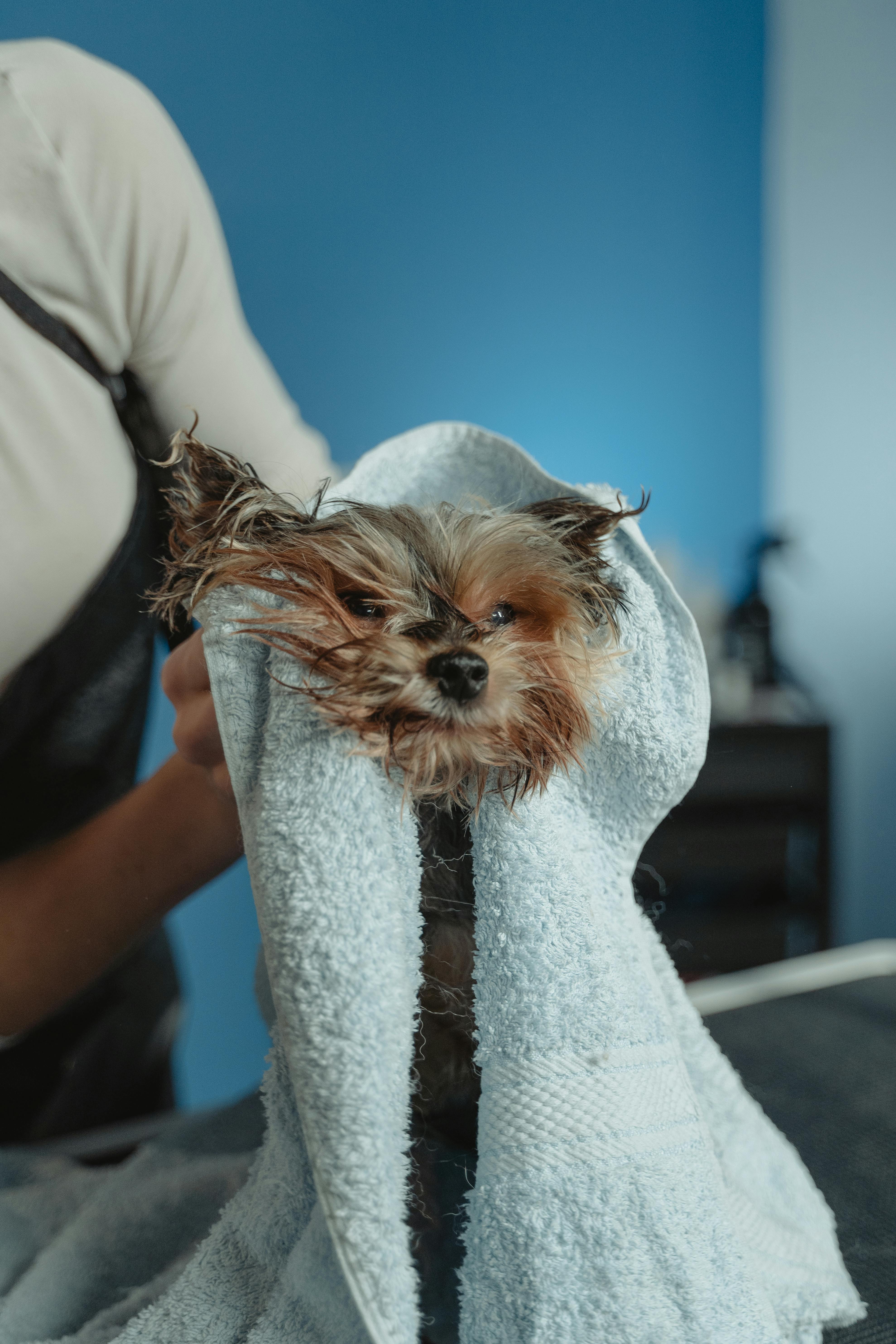 \n\n
\n\nDogs are often known for their exceptional sense of smell, but did you ever wonder if their wet noses plays a part in that? The moisture on a dog’s nose isn’t just a cute feature; it’s actually has some incredible benefits. Let's dive into the fascinating reasons why dogs have wet noses and how that moisture contributes to their amazing olfactory abilities.
\nWhy Do Dogs Have Wet Noses?
\nMost dogs have a wet nose, and there’s a bunch of reasons for this. First off, a wet nose helps regulate their body temperature. Dogs don’t sweat like humans do, so they rely on panting and the moisture of their noses to cool down. But there's more! A wet nose also enhance their sense of smell, which is already pretty outstanding.
\nHere’s some key reasons for the moisture:
\n- \n
- Thermoregulation: The moisture helps in cooling them down. \n
- Olfactory Assistance: Wet noses absorb scent molecules more effectively. \n
- Health Indicator: A wet nose can indicate a dog’s overall health; dehydration or illness can cause it to dry out. \n
How Does Moisture Help in Smelling?
\nDogs have approximately 220 million scent receptors in their noses, compared to about 5 million in humans. The wetness of a dog's nose helps to trap scent particles, making it easier for them to identify odors. When they sniff, the moisture on the nose catches these particles, which then gets absorbed into the sensory receptors. This process amplifies their ability to detect scents, making them one of the best sniffers in the animal kingdom.
\n- \n
- Scent Detection: Wet noses help in catching more scent particles. \n
- Enhanced Chemical Reactions: The moisture allows for a better reaction of scent molecules with the receptors. \n
- Improved Tracking: A wet nose helps dogs to follow scent trails effectively. \n
The Science Behind Nose Moisture
\nDogs’ noses contain a mucous membrane that keeps the surface moist. This moist surface works in conjunction with a special type of sensory cells that detect odors. When a dog sniffs something, the moisture helps to dissolve the scent particles. The dog’s brain then processes these smells, allowing them to identify what they’re sniffing.
\n- \n
- Dogs can detect certain scents at incredibly low concentrations, sometimes even just parts per trillion! \n
- The moisture enhances the chemical signaling, which is critical for scent identification. \n
- Different breeds may have different wetness levels, but the general principle remains the same. \n
Historical Context: Wet Noses in Canines
\nHistorically, dogs have been bred for various purposes, including hunting, herding, and protection. Their exceptional sense of smell has been a key factor in their domestication and training. For instance, hunting dogs like Bloodhounds have been specifically bred for their incredible olfactory abilities. Their wet noses play a crucial role in tracking scents over long distances.
\n- \n
- Bloodhounds: Known for their tracking abilities, can follow scent trails that are days old. \n
- German Shepherds: Often used in police work, their sense of smell is vital in detecting drugs or explosives. \n
- Beagles: These dogs are also used in search-and-rescue missions due to their excellent scent detection. \n
Fun Facts About Dog Noses
\n- \n
- A dog’s nose print is unique, much like a human fingerprint. \n
- Dogs can smell certain diseases in humans, including cancer and diabetes. \n
- The wetness of a dog’s nose can change throughout the day, depending on their activity and environment. \n
Practical Examples of Smell in Action
\nLet’s look at how a dog’s wet nose can be practical in real life:
\n- \n
- Search and Rescue: Dogs are used in disaster relief to locate trapped individuals. \n
- Medical Detection: Dogs are trained to detect changes in blood sugar levels in diabetic patients. \n
- Security: Dogs with exceptional olfactory abilities are employed in airports to sniff out illegal substances. \n
Overall, a dog’s wet nose isn’t just an endearing trait; it serves multiple practical functions that benefit them and the humans around them. Understanding why dogs have wet noses and how it enhances their sense of smell can deepen our appreciation for these wonderful companions. So, the next time you see your furry friend with that damp, cold nose, remember it’s doing so much more than just being cute!
\n\n7 Myths About Dog Noses Debunked: What Every Pet Owner Should Understand
\n\n \n\n
\n\nDogs are amazing creatures and their noses? They are even more fascinating! Many pet owners often wonder why do dogs have wet noses, and there are lots of myths floating around. Here are 7 myths about dog noses debunked, and uncovering the truths behind those adorable, moist noses can help you understand your furry friend better.
\nMyth 1: Wet Noses Mean Healthy Dogs
\nOne common belief is that if a dog has a wet nose, it means they are healthy. While many healthy dogs do have moist noses, it's not true for every dog. Some dogs can be perfectly healthy with dry noses. The moisture level can depend on several factors like temperature, activity level, or even how recently they drank water.
\nMyth 2: Dogs Don’t Sweat
\nPeople often think that dogs don’t sweat at all. However, dogs do sweat, but not through their noses! They actually sweat through their paw pads. The wetness of a dog's nose is mostly due to their natural oil secretions and the moisture that comes from the environment. So, when you see a dog with a wet nose, it’s not necessarily sweat, but just part of their unique biology.
\nMyth 3: Dogs Use Their Noses to Sense Temperature
\nAnother common myth is that dogs can sense temperature through their noses. While dogs have a highly developed sense of smell, they don’t actually detect temperature with their noses. Instead, they rely on their other senses, particularly their skin, to feel changes in temperature. Dogs can be affected by heat and cold, but their noses don’t play a role in that.
\nMyth 4: A Dog’s Nose is Always Cold
\nMany people think a cold nose is a sign of a healthy dog, but this isn't always the case. Dogs' noses can come in varying temperatures throughout the day. If a dog has been sleeping, for example, its nose might be warmer. Similarly, if they’ve been outside playing in the sun, the nose might feel warm. A warm nose doesn’t automatically indicate illness; it’s just part of the normal variation in a dog's body temperature.
\nMyth 5: Dogs Stick Their Noses in Everything
\nIt’s often said that dogs stick their noses in everything because they’re curious. While that’s partly true, it’s also a way for them to gather information. Dogs have up to 300 million smell receptors in their noses, compared to about 5 million in humans. This makes their sense of smell incredibly powerful. They are constantly gathering information about their environment and other animals through their noses.
\nMyth 6: Dogs Can Smell Fear
\nIt is a common idea that dogs can smell fear. While dogs can detect certain hormonal changes in humans that occur when someone is scared, they don’t literally ‘smell’ fear like we imagine. They are trained to respond to signals from bodies, and they might react to the behavior or the scent that comes from a fearful person. So, they may not be smelling fear directly, but more responding to the signs it produces.
\nMyth 7: The Color of a Dog’s Nose Indicates Health
\nSome people believe that the color of a dog’s nose can indicate how healthy they are. The truth is, the color of a dog’s nose can vary significantly between breeds and even individuals. Some dogs have black noses, others pink, and some even have spotted noses. The color itself doesn’t indicate health; rather, it’s just a genetic trait. If a dog’s nose changes color suddenly, however, it might be a sign to consult a vet.
\nAdditional Insights About Dog Noses
\n- \n
- Nasal Passages: Dogs have complex nasal passages that allow for better scent detection. This is why they are often used in search and rescue operations. \n
- Licking Their Noses: Dogs sometimes lick their noses to keep them moist and help with their sense of smell. It’s a natural behavior that aids in their ability to detect scents. \n
- Noseprints: Just like human fingerprints, every dog has a unique noseprint that can be used for identification. \n
So, next time you’re thinking about why do dogs have wet noses, remember these myths and the truths behind them. Understanding the nature of a dog's nose can help you become a more informed pet owner. The wetness of your pup's nose is just one of the many things that make them special. Each dog is different, and their noses are just one part of their unique personality and health.
\n\nThe Connection Between Wet Noses and Dog Emotions: Can You Read Their Feelings?
\n\n \n\n
\n\nEver wonder why dogs have wet noses? It’s one of those quirky traits that many of us just accept without really thinking about it. But there’s actually a fascinating connection between wet noses and dog emotions. Can you read their feelings through those moist little appendages? Let's dive into the science and some interesting facts that might just change the way you see your furry friend.
\nWhy Do Dogs Have Wet Noses?
\nFirst off, wet noses aren’t just cute, they play a crucial role in a dog’s health and behavior. Dogs have moist noses due to a combination of reasons. Here are some of the main factors:
\n- \n
- Cooling Mechanism: Much like humans sweat, dogs use their noses to regulate their body temperature. The moisture evaporating from their noses helps them cool down. \n
- Enhanced Smell: A wet surface helps to trap scent particles. This is why a dog's sense of smell is so much better than ours! The wetness allows scents to stick, making it easier for them to process smells. \n
- Communication Tool: Dogs often touch their noses to other dogs or people as a way of communicating. A moist nose can be a sign of excitement or curiosity. \n
These factors combine to make a dog's nose not just a physical trait but also an essential part of their emotional expression.
\nThe Connection Between Wet Noses and Dog Emotions
\nNow, can you really read a dog’s emotions by looking at their wet noses? Sort of! While it’s not a direct line to their feelings, the state of a dog's nose can give you clues about how they might be feeling at any given moment.
\n- \n
- Nose Temperature: If a dog has a warm, dry nose, it might indicate that they’re feeling unwell or stressed. On the other hand, a cool and wet nose usually means they’re comfortable and healthy. \n
- Behavioral Context: If a dog approaches you with a wet nose, they may be seeking attention or affection. Dogs often nuzzle or lick to express their feelings, and a wet nose is part of that interaction. \n
Fascinating Facts About Dog Noses
\nHere’s a list of some interesting tidbits about dog noses that you might not know:
\n- \n
- Dogs Have a Unique Nose Print: Just like human fingerprints, every dog has a unique nose print that can be used for identification. \n
- Nose Color Can Change: A dog’s nose can change color depending on the seasons or even their health. Some dogs may develop a “snow nose” in winter where their noses turn lighter. \n
- Sensitivity Levels Vary: Some breeds have more sensitive noses than others. Bloodhounds, for instance, have an incredible sense of smell that can track scents days old! \n
Health Indicators Related to Nose Condition
\nA dog's nose can also be a window into their overall health. Here’s how to interpret some common conditions:
\n- \n
- Dry and Cracked Nose: This could be a sign of dehydration or an allergy. Ensure your dog is drinking enough water and consult a vet if it persists. \n
- Excessively Wet Nose: While a naturally wet nose is normal, if it becomes excessively wet or is accompanied by discharge, it could indicate a respiratory infection or other health issues. \n
- Change in Color: If your dog’s nose suddenly changes color, especially to a lighter shade, it may be worth a trip to the vet for a check-up. \n
Practical Examples of Nose Behavior
\nSometimes, observing your dog’s nose behavior can tell you a lot about what they’re feeling. Here are some scenarios:
\n- \n
- Excitement: When your dog’s nose is wet and they’re bouncing around, they’re likely happy and excited to see you. \n
- Curiosity: A wet nose nudging you or a new object can mean they’re curious and want to investigate further. \n
- Fear or Anxiety: If their nose is dry and they’re avoiding eye contact, they might be feeling scared or anxious about something. \n
By understanding these behaviors and the significance of their wet noses, you can build a deeper bond with your pet.
\nThe next time you’re wondering about your dog’s emotional state, take a moment to observe their nose. It might just give you a clue into how they’re feeling at that moment. Whether they’re excited, curious, or even a bit anxious, their wet nose can serve as a guide to understanding their emotions better. So keep an eye on those adorable, moist noses! They’re more than just cute; they’re a window into your furry friend’s heart.
\n\nConclusion
\n\nIn summary, the wet noses of dogs serve several important functions that contribute to their overall health and well-being. The moisture helps enhance their sense of smell, which is vital for communication and environmental awareness. Additionally, a dog's wet nose plays a crucial role in thermoregulation, allowing them to regulate body temperature more effectively. While a wet nose is often considered a sign of a healthy dog, it’s essential to monitor changes in moisture levels, as they can indicate underlying health issues. Ultimately, understanding why dogs have wet noses not only deepens our appreciation for these loyal companions but also encourages us to be attentive to their health needs. So, the next time you give your furry friend a pat on the head, take a moment to marvel at that damp nose and consider the fascinating biology behind it. Share your insights or experiences with your dog’s nose in the comments below!
\n\n