Have you ever wondered, why do dogs have wet noses? This intriguing question has puzzled many pet owners and animal lovers alike. A dog’s nose is not just adorable; it serves a vital purpose that impacts your furry friend's health and well-being. In this article, we will uncover the fascinating reasons behind this unique trait, and explore how a wet nose can indicate a dog's health status. Did you know that a wet nose helps dogs to smell better? Yes, it's true! The moisture on their noses enhances their sense of smell, allowing them to detect scents in the environment more effectively. Furthermore, the wetness of a dog’s nose can also regulate their body temperature, acting as a natural cooling mechanism. But, what if your dog's nose is dry? This can signal potential health issues that should not be ignored. Curious to learn more about the science behind those wet noses? Join us as we dive deeper into the world of canine anatomy and discover the secrets that make our pets so special. Stay tuned for insights that every dog owner should know about dog nose health and the amazing ways our pets interact with the world!
The Science Behind Dog Noses: Why Are They Always Wet?
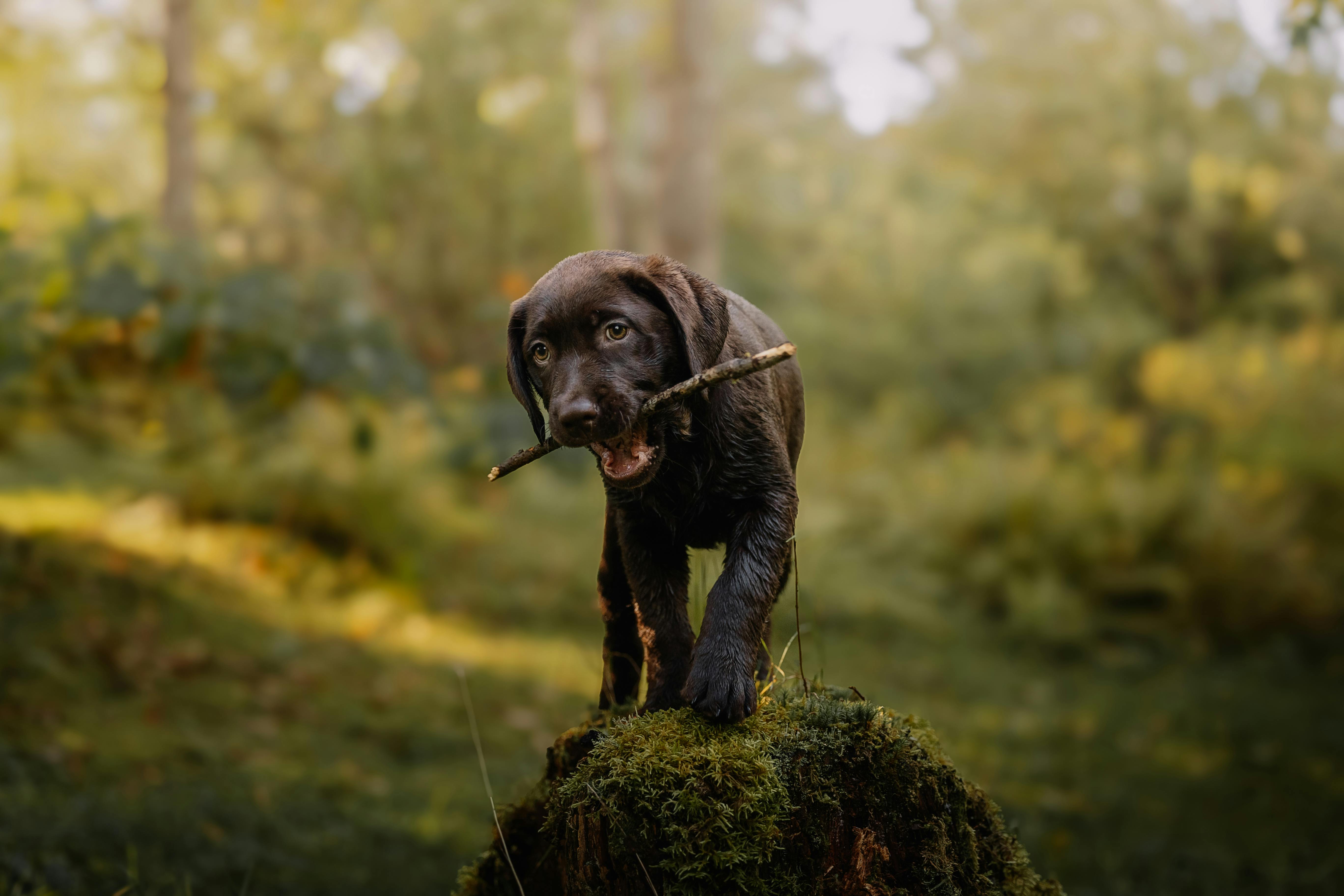
Have you ever wonder why dogs have such wet noses? It’s a common observation among dog lovers and might seem like a trivial topic. But the science behind dog noses is actually quite fascinating and reveals a lot about how these amazing creatures interact with the world around them. Wet noses are more than just an adorable feature; they serve significant functions that contribute to a dog’s health and behavior.
The Anatomy of a Dog Nose
First off, let’s talk about what makes a dog’s nose so special. The anatomy of a dog’s nose is complex and highly sensitive. Dogs have about 220 million scent receptors in their noses, compared to a human’s mere 5 million. This makes their sense of smell incredibly acute. The moistness of a dog’s nose plays a crucial role in this olfactory prowess.
- Scent Detection: The wetness helps trap scent particles in the air. When a dog inhales, these particles stick to the mucus on their nose, allowing them to detect smells more effectively.
- Temperature Regulation: A wet nose can help cool down a dog’s body temperature. Dogs don’t sweat like humans; instead, they rely on panting and the moisture on their noses to regulate heat.
- Hydration Indicator: A dog’s nose can also indicate their hydration level. If a dog is dehydrated, their nose may become dry and cracked.
Why Are Dog Noses Wet?
Now, let’s dive into the reasons behind the wetness. There are a couple of primary reasons why dog noses tend to be moist.
- Mucus Production: Dogs produce mucus in their noses to help capture scents. This mucus is constantly being replenished, making the nose feel wet.
- Licking Behavior: Dogs often lick their noses to keep them moist. This instinctual behavior is observed in many animals and allows them to enhance their olfactory abilities.
- Environmental Factors: Weather also plays a role. Humidity and temperature can affect how wet a dog’s nose feels. For example, during hot and dry days, a dog's nose might be drier than usual.
The Benefits of a Wet Nose
Wet noses are not just for show; they offer multiple benefits for dogs. Here’s a quick list:
- Enhanced Smell: As mentioned, a moist nose improves scent detection. Dogs can identify different scents more effectively when their noses are wet.
- Health Indicator: A wet and cold nose is often a sign of a healthy dog. Conversely, a warm and dry nose can indicate illness or dehydration.
- Communication Tool: Dogs use their noses to communicate with each other. A wet nose can signal friendliness, while a dry nose might indicate stress or discomfort.
Historical Context
Interestingly, the significance of a dog’s nose has been recognized for centuries. Ancient civilizations understood the importance of a dog’s sense of smell. In ancient Egypt, dogs were often depicted in art, showcasing their keen noses. Even in modern times, dogs are trained to use their noses for various purposes, such as search and rescue, detecting drugs, or even identifying medical conditions in humans.
Comparisons with Other Animals
When comparing dog noses to other animals, it’s clear that canines are unique. Here’s a brief look at how dog noses stack up against other animals:
- Cats: Cats have around 50-80 million scent receptors. While they have a good sense of smell, it’s not as developed as that of dogs.
- Bears: Bears have an incredible sense of smell, estimated to be 7 times better than dogs. They can detect food from miles away.
- Humans: Humans rely primarily on sight, and our sense of smell is not nearly as acute.
Practical Examples of Nose Functionality
You might be curious how this all plays out in real life. Here are some examples of how a dog’s wet nose can affect behavior or health:
- Scent Tracking: Police dogs utilize their wet noses to track scents left at crime scenes. They can follow a scent trail that is hours or even days old.
- Thermal Detection: Dogs can detect certain medical conditions in humans, like low blood sugar or seizures, because of their ability to smell subtle changes in body chemistry.
- Detecting Emotions: Dogs can sense human emotions through smell. They can detect pheromones that indicate stress or fear, which can influence their behavior toward people.
As you can see, the science behind dog noses goes far beyond mere cuteness. Their wet noses are vital for their health, communication, and ability to interact with their environment. Understanding this can deepen our appreciation for our furry friends and how they experience the world. So the next time you notice your dog's wet nose, remember it’s doing a lot more than just looking adorable!
5 Fascinating Reasons Your Dog's Nose Is Wet and What It Means
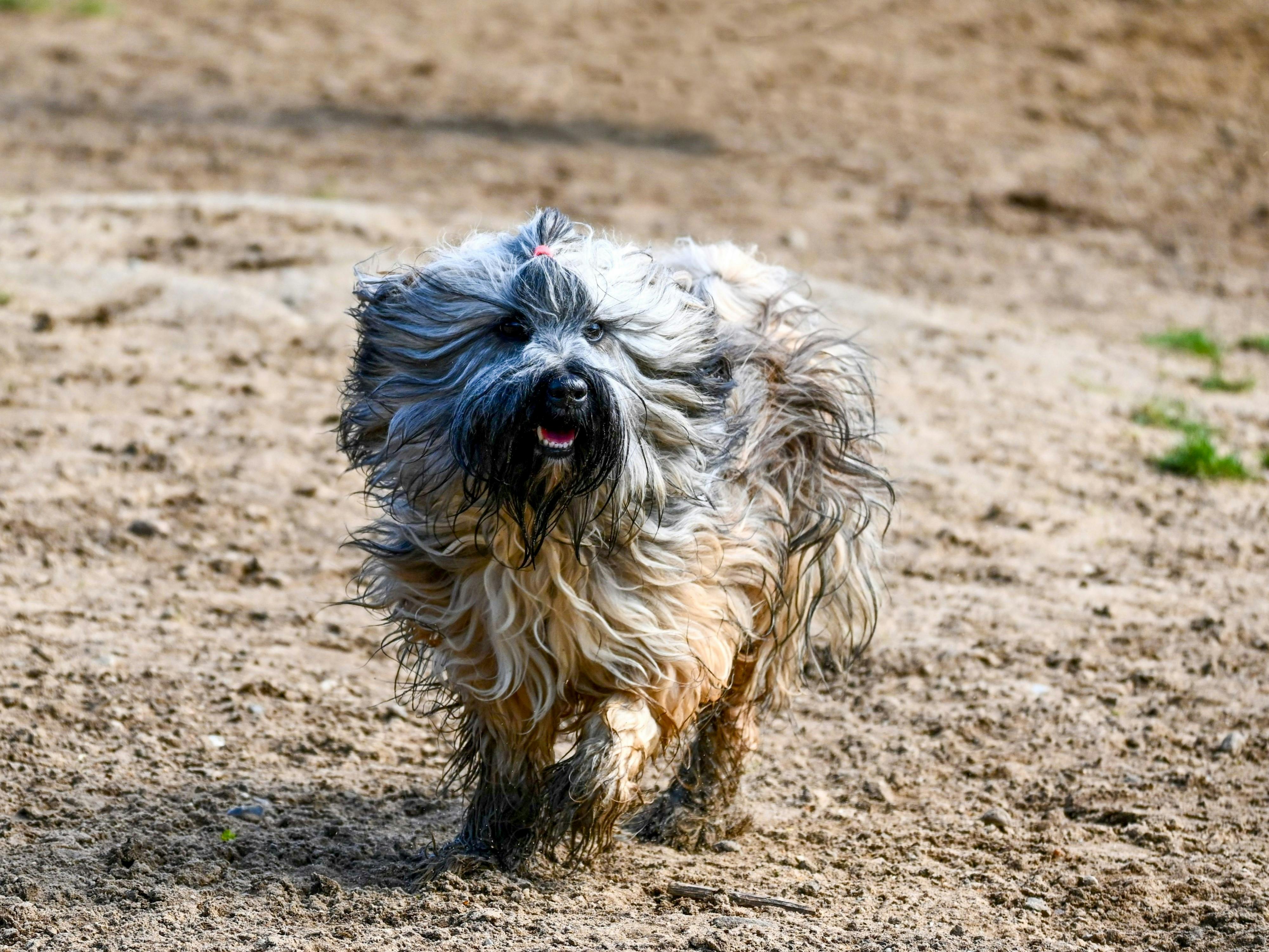
Dogs are known for many things: their loyalty, their playful nature, and, of course, their wet noses. Ever wondered why do dogs have wet noses? It’s not just for show! There are fascinating reasons behind those moist snouts that can tell us a lot about our furry friends. In this article, we will explore five intriguing reasons your dog’s nose tends to be wet and what it all means.
1. Natural Cooling Mechanism
One of the most common reasons why dogs have wet noses is that it helps them regulate their body temperature. Unlike humans who sweat through skin, dogs primarily cool themselves through panting. However, a wet nose plays a significant role in this process, since the moisture evaporates and helps cool the blood vessels located near the surface of the nose. This cooling method is especially important in hot weather.
- Dogs sweat a little through their paw pads, but the nose does most of the cooling.
- A wet nose can help lower the overall body temperature of the dog.
2. Enhanced Sense of Smell
Dogs have an extraordinary sense of smell, which is one of the reasons they are often used in search and rescue operations or as therapy animals. A wet nose actually helps to enhance their olfactory abilities. The moisture traps scent particles and allows them to be more effectively detected by the olfactory receptors in the dog’s nose.
- Wet noses can absorb scent molecules better than dry ones.
- A dog’s sense of smell is about 10,000 to 100,000 times more sensitive than humans.
3. Sign of Health
A moist nose is often seen as a sign of good health in dogs. While a dry or cracked nose could indicate dehydration or illness, a wet nose usually shows that a dog is healthy and well-hydrated. However, it’s important to note that this isn’t a hard and fast rule. Some dogs may have naturally dry noses that are perfectly healthy, while a wet nose doesn't guarantee that a dog is in tip-top shape.
- Normal nose moisture can vary by breed.
- Always consult a vet if you notice sudden changes in your dog’s nose condition.
4. Communication Tool
Dogs are not just barking animals; they communicate in various ways, and their noses are no exception. A wet nose can be a way for dogs to express their emotions or intentions, signaling to other dogs and humans whether they are friendly or agitated. When your dog nudges you with their wet nose, it may be their way of asking for attention or affection.
- Dogs often greet each other with nose touches to gather information.
- A wet nose can also be a sign of excitement during playtime!
5. Environmental Interaction
The wetness of a dog’s nose can also be affected by the environment they are in. When dogs spend time outdoors, their noses can become wet from dew, rain, or even snow. This interaction with the environment can provide additional sensory information, helping dogs understand their surroundings better.
- Dogs often sniff the ground more when their noses are wet, gathering scents more effectively.
- Wet noses can also help dogs cool down faster after being outside.
Quick Facts About Dog Noses
- Dogs have about 220 million scent receptors, compared to humans who have only about 5 million.
- A dog’s nose print is unique, much like a human fingerprint.
- The color of a dog’s nose can change due to temperature or health issues.
What to Do If Your Dog’s Nose Is Dry
If you notice your dog’s nose is unusually dry, it is usually a good idea to monitor for other symptoms. Here are some signs that might indicate a health issue:
- Excessive thirst or urination
- Lethargy or decreased appetite
- Coughing or sneezing
If these symptoms are present, it may be best to consult your veterinarian for an evaluation.
In summary, the wet nose of a dog serves multiple purposes, from cooling and enhancing their sense of smell, to acting as a communication tool. Understanding these fascinating aspects not only enrich your knowledge but also allows you to better care for your furry companions. So the next time you see your dog’s wet nose, you can appreciate the science and wonder behind it!
Wet Noses and Health: What Your Dog's Moisture Levels Reveal

Dogs are often referred to as man's best friend, but did you ever wonder why their noses are wet? It’s a common sight to see dogs with moist noses, and many pet owners ponder about the implications of these wet noses on their furry companions' health. So, why do dogs have wet noses? Let's dive into the fascinating reasons behind this phenomenon and what it reveals about your dog's health.
The Science of a Wet Nose
First off, dogs’ noses are naturally moist due to a combination of factors. One of the primary reasons is that their noses have a thin layer of mucus. This mucus helps to absorb scent particles from the air, which enhances their incredible sense of smell. Dogs have around 220 million scent receptors, compared to humans who only have about 5 million. A wet nose maximizes their ability to pick up scents, which is why they often sniff around so much.
Moreover, when dogs breathe, their noses also help to cool the air before it reaches their lungs. This is important because dogs primarily regulate their body temperature through panting, and a moist nose can assist in this process by providing a bit of additional cooling.
Health Indicators
A dog's nose can be an indicator of its overall health. Here’s a quick list of what different moisture levels can suggest:
- Wet and Cool: Often a sign of a healthy and happy dog. It usually means they are well-hydrated and at a comfortable temperature.
- Dry and Warm: This could indicate a fever or dehydration. If your dog’s nose feels unusually warm, it might be wise to check for other symptoms.
- Sticky or Thick Mucus: This could mean allergies or respiratory issues. If you notice this change persistently, it’s best to consult with a veterinarian.
- Cracked or Chapped: This may indicate a lack of hydration or other skin conditions. Dogs can get sunburned or develop dermatitis, which can affect their nose.
The Evolutionary Advantage
Historically, dogs' wet noses have evolutionary advantages. Ancestors of modern dogs relied on their keen sense of smell for hunting and survival. The moisture on their noses helps to enhance their ability to detect scents, allowing them to hunt more effectively. This trait has been passed down through generations.
Hydration and Environment
Another factor to consider is the environment. Dogs, like humans, can suffer from dehydration. If your dog’s nose is consistently dry, it could be a sign that they are not getting enough water. Here’s a quick guide on how to ensure your dog stays hydrated:
- Always provide fresh water.
- Monitor their water intake, especially during hot days.
- Offer wet dog food or add water to dry kibble to increase moisture intake.
Interesting Comparisons
To understand more about why dogs have wet noses, let’s compare them to other animals:
- Cats: Generally have drier noses compared to dogs. Their sense of smell is also strong, but they rely more on their whiskers and eyesight.
- Humans: Our noses are dry, and we don’t have the same level of scent receptors as dogs. This difference highlights the unique adaptations each species has developed for survival.
Practical Examples
- If your dog’s nose has suddenly become dry after being moist, it can be a sign of a change in health. Pay attention to other symptoms like lethargy or loss of appetite.
- Dogs can also have allergies that might affect their noses. If your pet starts to scratch or sneeze along with a change in nose moisture, that could point to environmental allergies.
The Role of Temperature
Temperature plays a significant role in the moisture of a dog's nose. On hot days, you might notice your dog’s nose is wetter, while during colder months, it might be drier. This is normal, but if you see drastic changes, consider reaching out to your vet.
In summary, a dog’s wet nose serves several purposes, from aiding in their sense of smell to reflecting their overall health. It’s a fascinating feature that reveals a lot about your furry friend. By keeping an eye on your dog’s nose and understanding what different moisture levels mean, you can help ensure your pet stays healthy and happy. Always stay vigilant about their health, and don’t hesitate to consult a veterinarian if you notice anything unusual. Your dog relies on you, and understanding their needs is part of being a great pet parent.
Curious Canines: How Wet Noses Enhance Your Dog’s Senses
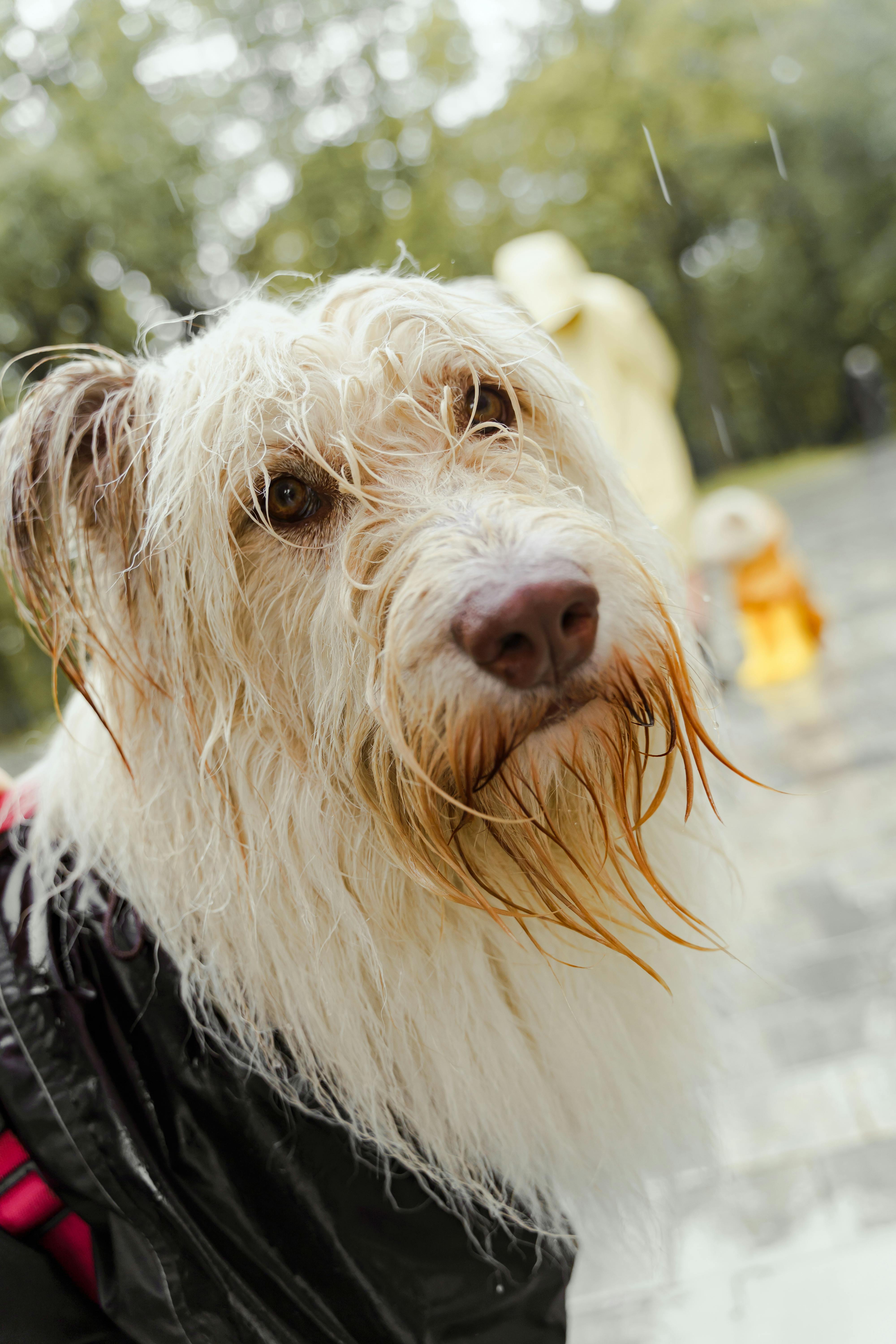
Dogs are often called man’s best friend, and the reasons for that is plenty. One of the most interesting things about dogs is their wet noses. You may wonder why do dogs have wet noses? Well, let’s dive into this fascinating topic and explore how these curious canines use their wet noses to enhance their senses and interact with the world around them.
The Science Behind Wet Noses
A dog’s nose is like a super-sensor. It’s not just wet for fun; it serves several important purposes. When you see a dog with a wet nose, it’s usually because their bodies naturally produce moisture. This moisture helps to enhance their sense of smell, which is already hundreds of times more powerful than a human’s.
Here’s some of the science behind it:
- Moisture helps capture scent particles: The wetness on a dog’s nose traps scent molecules from the air. The more moisture, the more scents they can detect.
- Cooling mechanism: Just like sweating in humans, a wet nose helps dogs cool down. When they breathe, the moisture evaporates, helping to lower their body temperature.
- Health indicator: A wet nose can indicate healthiness. If a dog’s nose is dry and warm, it could be a sign of illness or dehydration.
Historical Context of Dog Noses
Dogs have been around for thousands of years, and their noses have evolved to make them excellent hunters and companions. Ancient civilizations recognized the importance of a dog’s sense of smell. For example, ancient Egyptians often used dogs for hunting, and they valued dogs with keen noses.
- Dogs in ancient cultures: In ancient Greece, dogs were also used in hunting. They were bred for their ability to track scents over long distances.
- Modern uses: Today, dogs are trained for various tasks like search and rescue, detecting drugs, and even identifying diseases in humans!
How Dogs Use Their Wet Noses
Dogs rely heavily on their noses to understand their world. A wet nose can give them information about their environment, other animals, and even the emotions of the humans around them. Here are some ways dogs use their noses:
- Social interaction: Dogs often greet each other by sniffing noses. This behavior allows them to gather information about another dog’s health, mood, and even diet.
- Tracking scents: Dogs can follow a scent trail that is days old. Their sense of smell is so precise that they can even differentiate between the smells of similar objects.
- Emotional sensing: There’s been studies showing dogs can detect human emotions by smelling sweat or other bodily scents. This ability makes them sensitive to their owner’s feelings.
Fascinating Facts About Dog Noses
Here are some fun and interesting facts about dog noses that you might not know:
- Unique nose prints: Just like human fingerprints, each dog has a unique nose print that can be used for identification.
- Scent receptors: Dogs have as many as 300 million scent receptors, while humans only have about 5 million! This difference makes their sense of smell incredibly powerful.
- Color of the nose: The color of a dog’s nose can change with age or health. For example, a dog may have a darker nose when they are younger, and it can lighten as they age.
Practical Implications for Dog Owners
As a dog owner, understanding why do dogs have wet noses can help you take better care of your furry friend. Here are some practical tips:
- Keep your dog hydrated: Make sure your dog has access to fresh water to keep their nose moist and healthy.
- Regular vet check-ups: Regular vet visits can help ensure that your dog’s nose and overall health are in good condition.
- Watch for changes: If you notice a sudden change in your dog’s nose, like excessive dryness or cracking, it might be time to consult a veterinarian.
Comparing Dog Noses to Other Animals
It’s interesting to compare dog noses to those of other animals. For instance:
- Cats: Cats also have wet noses, but their sense of smell isn’t as strong as dogs. They have around 50-80 million scent receptors compared to dogs.
- Humans: Humans have a limited sense of smell with only about 5 million receptors, making dogs superior in this area.
In summary, the wet noses of dogs are not just an adorable trait but also play a crucial role in their ability to sense the world. From social interactions to tracking scents, a dog’s nose is a fascinating and essential part of their biology. So next time you see a dog with a wet nose, remember all the incredible things that little feature contributes to their life and the bonds they share with us!
The Evolutionary Advantage of Wet Noses in Dogs Explained

Have you ever wonder why dogs have those wet noses? It’s not just a quirky feature, but it actually serves multiple purposes that help them in their day-to-day lives. Dogs are fascinating creatures, and their biology is intricately designed to enhance their survival and quality of life. So let’s dive into the evolutionary advantage of wet noses in dogs, and uncover the reasons behind this interesting trait!
The Science Behind Wet Noses
A dog's nose is a complex organ, filled with olfactory receptors which can detect scents at incredibly low concentrations. The wetness of a dog’s nose plays a crucial role in its ability to smell. Here’s how it works:
Enhanced Scent Detection: The moisture on the nose helps to capture and dissolve scent particles. This allows the dog to pick up on smells more effectively. When the nose is wet, it can absorb scent molecules, which then stimulates the olfactory receptors inside the nasal cavity.
Temperature Regulation: Just like humans sweat to cool down, dogs also use their noses to help regulate body temperature. A wet nose can help cool the blood vessels that are located close to the surface, which keeps the dog comfortable, especially during hot days.
Communication Tool: Dogs often use their noses to communicate with each other. A wet nose can indicate excitement or curiosity, and they often sniff each other’s noses as a way of greeting.
Historical Context
Dogs have evolved alongside humans for thousands of years, and their noses have developed in response to both environmental demands and their roles as companions and helpers. In ancient times, dogs were used for hunting and herding, and a keen sense of smell was essential for their survival.
Some historical facts include:
Ancient Breeds: Breeds like the Bloodhound were specifically bred for their exceptional sense of smell, which relies heavily on the wetness of their noses.
Working Dogs: Throughout history, dogs have been used in various roles such as search and rescue, police work, and even medical detection. Their wet noses are an advantage in these scenarios, enhancing their ability to locate scents.
Why Do Dogs Have Wet Noses?
So, what are the fascinating reasons that contribute to dogs having wet noses? Here’s a list of key points:
- Sense of Smell: Wet noses are essential for odor detection.
- Moisture Maintenance: Keeping their noses moist helps prevent dryness, which could impair their sense of smell.
- Health Indicator: A wet nose can often indicate a healthy dog. If a dog’s nose is dry or cracked, it may be a sign of dehydration or illness.
- Social Interaction: Dogs use their noses as a primary means of communication with other dogs and humans.
Comparing Wet Noses to Dry Noses
It can be interesting to compare wet noses and dry noses in dogs. Here’s a simple comparison:
| Feature | Wet Noses | Dry Noses |
|---|---|---|
| Smell Detection | More effective | Less effective |
| Temperature Control | Helps cool the body | Lacks cooling effect |
| Health Indicator | Often signifies good health | May indicate dehydration or illness |
| Social Interaction | More engaging in communication | Less social engagement |
Practical Examples of Wet Noses in Action
Some pet owners might notice their dog's nose being wet or dry at different times of the day. After a long walk or playtime, a dog’s nose often becomes wetter due to increased sniffing and moisture from the environment. Conversely, when a dog is sleeping or resting, the nose may dry out slightly.
Additionally, factors like weather play a role too. On hot, dry days, a dog’s nose can dry out more quickly. On the other hand, after a rainfall, dogs may have very wet noses as they sniff around outside.
Final Thoughts
In a nutshell, the evolutionary advantage of wet noses in dogs is a multi-faceted phenomenon that supports their survival, enhances their ability to interact, and keeps them healthy. Understanding why do dogs have wet noses can help pet owners appreciate these furry companions even more. So, the next time you see your dog with its wet nose, remember it’s not just cute—it’s a vital part of what makes them amazing!
7 Surprising Benefits of a Dog’s Wet Nose That Every Owner Should Know
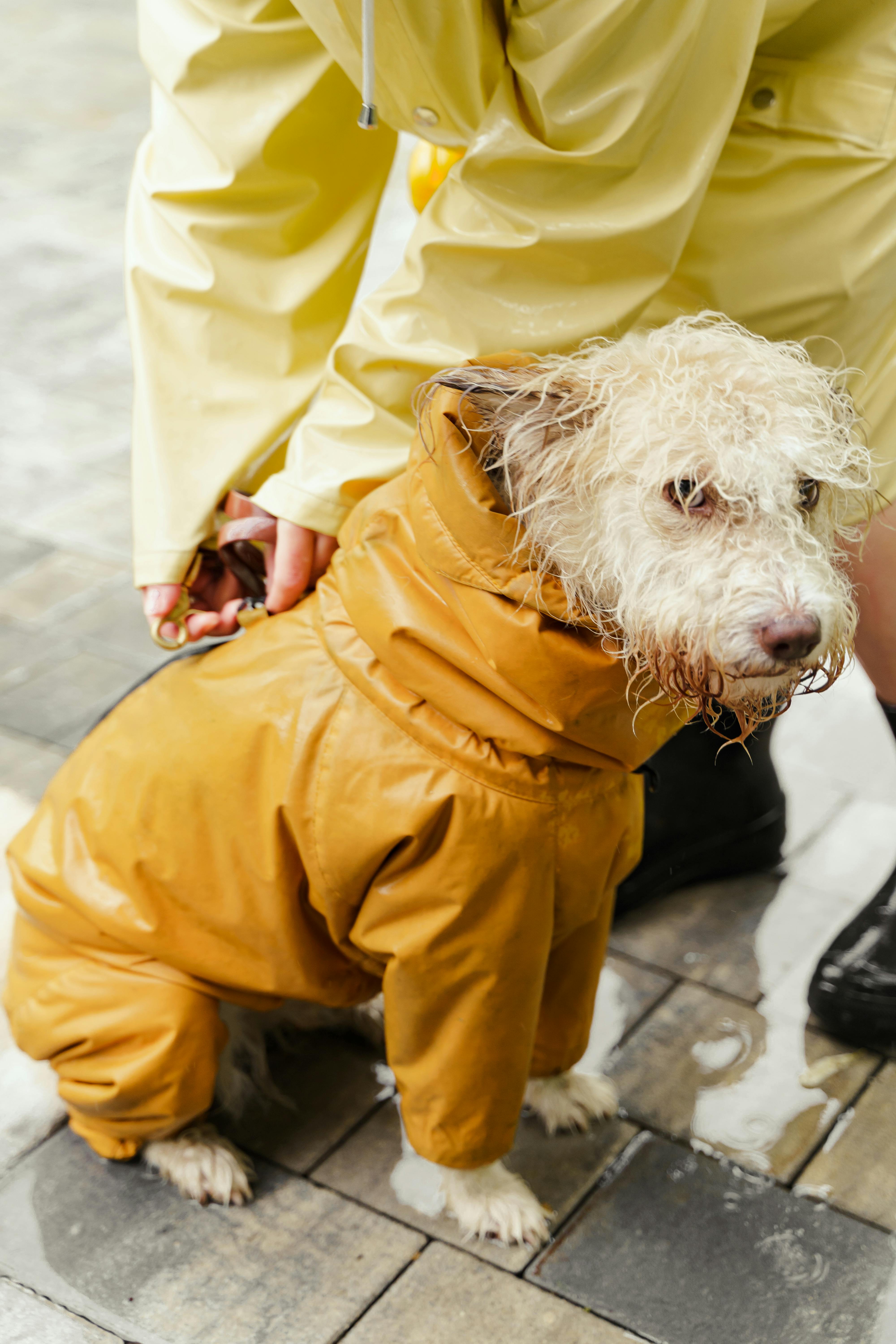
Curious about why your dog’s nose is often wet? Many owners just think it’s a quirk of their furry friend, but there is a whole lot more beneath that moist surface. Dogs' noses are not just for sniffing; they are also fascinating, and can tell us a lot. Here’s a look at 7 surprising benefits of a dog’s wet nose that every owner should know, while also exploring the question: why do dogs have wet noses?
1. Enhancing Sense of Smell
Did you know that a dog’s nose is about 40 times more sensitive than humans? This is partly due to the moisture. A wet nose helps to capture scent particles in the air, making it easier for dogs to identify smells. When the nose is moist, it is able to absorb scent chemicals better. This is why your dog can sniff out that hidden treat you thought you’d hidden well!
- Dogs have more than 300 million smell receptors.
- The wetness helps trap scent particles.
2. Temperature Regulation
You might never thought about this, but a dog’s nose plays a role in regulating their body temperature. When dogs are too hot, they often pant, but they can also cool off through their nose. The moisture on their nose evaporates, helping to lower their body temperature.
- Wet noses can help dogs cool down.
- It’s a natural way for them to regulate heat.
3. Communication Tool
A dog’s wet nose is also a means of communication. When your dog nudges you with their nose, they might be asking for attention, or they could be showing affection. The moisture on their nose can even convey information to other dogs.
- Dogs can communicate through scent.
- A wet nose can indicate a dog’s mood.
4. Health Indicator
A dog’s nose can signal their health status. Generally, a healthy dog has a cool and moist nose. If their nose is hot and dry, it could indicate fever or illness. Monitoring your dog’s nose can be an early warning sign of health issues, so keep an eye on it!
- Healthy noses are cool and moist.
- Changes can indicate potential health problems.
5. Protective Function
The moisture on a dog’s nose also serves as a protective barrier. It helps to keep dirt and dust out of their nasal passages. This is particularly important for breeds that may have more sensitive respiratory systems.
- A wet nose can help filter out particles.
- It provides a defense against allergens.
6. Socialization Benefits
Dogs often use their noses to greet each other and humans. When they meet, they tend to sniff each other’s noses. This behavior is part of their socialization process. A wet nose can be a friendly invitation for interaction.
- Sniffing is a form of dog social etiquette.
- Wet noses are often seen in friendly encounters.
7. Aids in Tracking and Hunting
For working dogs, especially those trained for tracking or hunting, a wet nose is essential. The moisture helps them to pick up scents from the ground better, which is important for following trails. Dogs used in search and rescue missions rely heavily on their nose’s effectiveness to locate missing persons.
- Working dogs benefit from enhanced tracking abilities.
- Moisture aids in following scent trails.
Why Do Dogs Have Wet Noses?
Now that we’ve explored the benefits, you might be wondering: why do dogs have wet noses in the first place? The answer to this question is multifaceted. Evolutionarily, the wetness serves several purposes, from improving their sense of smell to aiding in temperature regulation.
Historically, dogs descended from wolves, who also had wet noses to help them track prey. This characteristic has persisted through generations, making it an important trait for survival.
Fun Facts About Dog Noses
- Dogs have unique nose prints, much like human fingerprints.
- The shape and size of a dog’s nose can vary greatly between breeds.
- Some breeds, like Bloodhounds, have incredible tracking capabilities due to their keen sense of smell.
In the end, understanding why your dog has a wet nose and its associated benefits can enhance the bond you share with your pet. Embrace those wet kisses; they are not only adorable but also part of what makes your dog a fascinating companion. So next time you wonder about that damp little nose, remember all the great reasons behind it!
Common Myths Debunked: Do Wet Noses Really Indicate Health?

When it comes to our furry friends, many people have lots of misconceptions about their health and behavior. One common belief is that a wet nose equals a healthy dog. But is that really true? In this article, we dive into the curious world of canine noses and explore the reasons why dogs have wet noses. Let’s debunk some myths and discover the fascinating facts behind this unique characteristic.
The Myth: Wet Noses Indicate Health
Many dog owners think that if a dog’s nose is wet, it means they are healthy. While a wet nose can sometimes be a sign of good health, it’s not a definitive indicator. Here’s what you should know:
- Temperature Regulation: Dogs primarily sweat through their paws, but their moist noses help with temperature regulation too. A wet nose can help cool down a dog when they are hot, but it doesn’t necessarily mean they are free of illness.
- Hydration Levels: While hydration is important, a dog can have a wet nose and still be dehydrated. It's essential to check other health indicators like skin elasticity and energy levels.
- Variability: Just as with humans, the condition of a dog's nose can change throughout the day. It may be wet after drinking water or dry after a long nap.
Why Do Dogs Have Wet Noses? Unraveling the Mystery
So, if a wet nose doesn’t guarantee health, then why do dogs have them in the first place? Here are some compelling reasons:
- Scent Detection: Dogs have an incredible sense of smell, and a wet nose helps enhance that ability. The moisture on their noses helps to capture scent particles, allowing them to detect smells more effectively.
- Cooling Mechanism: Just like sweating in humans, dogs use their wet noses to help regulate body temperature. The evaporation of moisture from their noses provides a cooling effect, especially during hot weather.
- Communication Tool: Dogs often use their noses to explore the world and communicate with other dogs. A wet nose can indicate excitement or curiosity, and it’s a vital part of their social interactions.
Fun Facts About Dog Noses
- Unique Patterns: Just like human fingerprints, each dog has a unique pattern on their nose. This means you can identify a dog by their nose, much like a human can be identified by their fingerprint.
- Size Matters: The size and shape of a dog’s nose can affect its ability to smell. Breeds with long snouts, like Bloodhounds, can often smell better than those with shorter snouts, like Bulldogs.
- Temperature Changes: A dog’s nose may change temperature based on their activity levels. After a long run, a dog’s nose might feel warm and dry, which is perfectly normal.
Signs of Concern: When a Dry Nose Could Mean Trouble
While a wet nose is a common trait of dogs, there are times when a dry nose may indicate health issues. Here’s a short list of signs that could be concerning:
- Cracked or Bleeding Nose: If your dog's nose is cracked or bleeding, this could be a sign of dehydration or other health issues.
- Loss of Appetite: If your dog has a dry nose along with a sudden loss of appetite, it’s time to consult a vet.
- Lethargy: Dogs that are unusually tired or lethargic, especially with a dry nose, should be checked by a professional.
Quick Comparison: Wet vs. Dry Noses
| Condition | Possible Implications |
|---|---|
| Wet Nose | Generally healthy, good hydration |
| Dry Nose | May indicate dehydration, illness, or stress |
| Warm/Dry Nose | Potential fever or illness |
Caring for Your Dog's Nose
Taking care of your dog's nose is important for their overall health. Here are some tips to keep in mind:
- Hydration: Always ensure your dog has access to fresh, clean water.
- Observe Changes: Pay attention to any changes in your dog’s nose condition. If it stays dry for an extended period, seek veterinary advice.
- Environment Matters: Protect your dog from extreme weather. Cold, dry air can lead to chapped noses, so consider using nose balm if necessary.
Understanding your dog’s health and behavior is essential for their well-being. While a wet nose can be an indicator of a healthy pup, it’s certainly not the only sign to watch for. Knowing the reasons behind why dogs have wet noses can help you appreciate these remarkable animals even more. Whether your dog has a wet or dry nose, regular vet check-ups, a balanced diet, and lots of love will keep your furry friend in the best shape possible.
Understanding Dog Behavior: How Wet Noses Help with Communication
Understanding Dog Behavior: How Wet Noses Help with Communication, Why Do Dogs Have Wet Noses? Discover the Fascinating Reasons!
Have you ever wondered why dogs have wet noses? It’s one of those quirky traits that many people notice but don’t really think much about. But, the truth is that a dog’s wet nose serves as a crucial tool for communication and understanding their behavior. In this article, we will dive into the fascinating reasons why dogs have wet noses, and how this unique feature helps them interact with the world around them.
The Science Behind Wet Noses
Dogs have wet noses primarily due to their anatomy. The surface of a dog’s nose is covered with mucous membranes which keeps it moist. This moisture is important for a few reasons:
Enhanced Smell: Dogs have an incredible sense of smell, estimated to be between 10,000 to 100,000 times more sensitive than humans. A wet nose helps to trap scent particles from the environment, making it easier for dogs to analyze their surroundings.
Thermoregulation: Dogs don’t sweat like humans do. Instead, they cool down through panting and by having a wet nose. The moisture on their noses evaporates, which helps to regulate their body temperature.
Health Indicator: A dog’s nose can also indicate its health. A cold, wet nose generally means a dog is healthy, while a dry or warm nose could be a sign of illness.
Communication Through Nose Contact
Dogs communicate in various ways, and their noses play a significant role in this. When dogs greet each other, they often touch noses. This is a way of gathering information about the other dog. The wetness of a dog’s nose helps them to pick up pheromones and other scent chemicals that can provide details about another dog’s health, mood, and reproductive status.
Here’s a little list of how dogs use their noses for communication:
Greeting: Nosing another dog can show interest and friendliness.
Exploration: Dogs sniff everything to learn about their environment.
Emotional State: A dog may nudge you with its wet nose to show affection or seek attention.
Historical Context of Dogs' Noses
The relationship between dogs and humans is ancient, dating back over 15,000 years. Dogs were domesticated from wolves, and their sense of smell has been honed for centuries. Historically, dogs were used for hunting, herding, and guarding, all of which required a keen sense of smell.
In fact, certain breeds were specifically developed for their olfactory abilities. Bloodhounds, for instance, are known for their tracking skills, thanks to their exceptional sense of smell. Their wet noses are a part of this capability, helping them to hunt efficiently.
Why Do Dogs Have Wet Noses? The Fascinating Reasons
Let’s break down some of the key reasons in a more detailed way:
Scent Detection: The moisture on a dog’s nose helps capture scent particles, allowing them to detect smells more effectively.
Temperature Regulation: A wet nose helps dogs to cool down, especially on hot days when they might not be able to pant enough.
Health Status: The condition of a dog’s nose can be a quick health check. A healthy dog’s nose tends to be cool and moist.
Social Interaction: Dogs use their noses to communicate with one another and to gather information about their environment.
Curiosity: Dogs are inherently curious creatures, and their wet nose invites them to explore the world around them in a more dynamic way.
Practical Examples of Dog Nose Behavior
When Meeting New People: Dogs may approach and sniff a person’s hand or face, using their wet noses to gather information about that person’s scent.
During Playtime: A dog might nudge their owner with their nose to initiate play or get attention, showing their desire for interaction.
On Walks: Dogs will often stop to sniff at trees, bushes, or other animals’ markings, using their noses to explore and understand their surroundings.
Understanding why dogs have wet noses can deepens our appreciation for these beloved pets. Their noses are not just cute features; they are essential for communication, exploration, and maintaining their health. So next time you notice your dog’s wet nose, remember it’s doing much more than just being adorable—it’s helping them navigate the world! Dogs are truly remarkable creatures, and their noses are a fascinating part of their biology.
The Role of a Dog’s Wet Nose in Temperature Regulation and Comfort

Have you ever wondered why dogs have wet noses? It’s not just because they just came from a puddle or they are thirsty. Dog’s noses are fascinating, and they play a crucial role in their overall comfort and health. In fact, their wet noses are important for temperature regulation and can help them interact with the world around them. Let’s dive into the reasons behind this unique feature!
The Science Behind a Dog's Wet Nose
A dog’s nose is not just for smelling; it has a purpose that goes beyond that. The moisture on a dog’s nose comes from a combination of their saliva and the environment around them. When a dog licks its nose, the saliva evaporates, which helps cool their body down. This is similar to how sweat works in humans, but dogs don't sweat like we do. Instead, they primarily regulate their temperature through panting and the moisture on their noses.
Why Do Dogs Have Wet Noses? Here Are Some Reasons
Temperature Regulation:
- Dogs can't sweat effectively, so they rely on their noses to help keep cool.
- The evaporation of moisture from their noses has a cooling effect.
Enhanced Smell:
- The wetness helps trap scent particles, which enhances their sense of smell.
- Dogs’ noses have a large number of olfactory receptors which makes their sense of smell much stronger than humans'.
Health Indicator:
- A wet nose is often a sign of a healthy dog.
- Conversely, if a dog’s nose is dry and cracked, it might indicate dehydration or illness.
Social Interaction:
- Dogs use their noses to gather information about their environment and other animals.
- A wet nose can also be a sign of excitement or affection when they greet you.
Thermal Regulation:
- In addition to cooling, the moisture on the nose can help in warming the air before it enters the lungs.
Fun Facts About Dog Noses
- Unique Patterns: Just like human fingerprints, each dog’s nose print is unique.
- Sniffing Speed: A dog can sniff about 10 to 100 times faster than a human.
- Nasal Structure: A dog's nose has a special structure called the Jacobsen's organ that helps them process pheromones and other scents.
Comparison: Dog Noses vs. Human Noses
Dog Nose Human Nose
Wet and cool for temperature regulation Mostly dry, sweat for coolingHighly sensitive to smells Less sensitive to smellsUnique nose prints No unique prints
Practical Tips for Dog Owners
- Keep Them Hydrated: Always provide fresh water to help maintain moisture in their noses and overall health.
- Regular Vet Check-ups: Monitor your dog’s nose during vet visits to ensure it stays healthy and moist.
- Watch for Changes: If you notice significant changes in your dog's nose (like excessive dryness), consult a vet.
Historical Context
Dogs evolved from wolves, and their wet noses likely developed as a survival mechanism. As they became domesticated, these traits continued to play a crucial role in their health and interactions. Ancient cultures recognized the importance of a dog’s nose, often associating wetness with good health and vitality.
In various societies, dogs have been valued not just for companionship but also for their incredible sense of smell, which has been used for hunting, tracking, and search and rescue missions.
The Bottom Line
There’s a lot more to a dog's wet nose than meets the eye. These moist appendages are not only essential for regulating body temperature but also serve as a key tool for navigating their environment and understanding the world around them. Next time you give your furry friend a pet, take a moment to appreciate their wet nose and all the fascinating roles it plays in their life. After all, it’s just one of the many wonders of having a dog!
Wet Noses vs. Dry Noses: What Every Dog Owner Needs to Understand
Dogs are often known for their wet noses, and many dog owners often wonder why their furry friends have such unique sniffers. Understanding the reasons behind a dog’s wet nose is important for every dog owner, not just for your pup's health but also for understanding their behavior. So, let’s dive into the fascinating world of wet noses vs. dry noses in dogs!
Why Do Dogs Have Wet Noses?
Dogs have wet noses primarily for two reasons: to regulate their body temperature and to enhance their sense of smell. When you think about it, it’s kind of amazing how much a simple wet nose can do!
Temperature Regulation: Just like humans sweat to cool down, dogs rely on their noses to help them stay cool. The moisture evaporates, cooling their bodies in the process. This is why you might notice your dog’s nose being particularly wet after playing outside on a hot day.
Enhanced Smell: A wet nose helps dogs pick up scents more effectively. The moisture in their noses traps scent particles, which makes it easier for them to detect different smells. This is important for dogs since they communicate and understand their world largely through their sense of smell.
The Differences Between Wet Noses and Dry Noses
It’s not uncommon for dog owners to observe their pets' noses changing from wet to dry and vice versa. Here’s a quick comparison of the two:
Wet Noses:
- Generally cool to the touch.
- Indicates hydration and good health.
- Helps with smell and temperature regulation.
Dry Noses:
- Can be warm or cool depending on the environment.
- Sometimes indicates dehydration or illness.
- May be normal depending on the dog's activity level or environment.
What Can a Dry Nose Mean?
In some cases, a dry nose might not be a cause for alarm. However, it can indicate certain health issues too. Here’s a quick outline of what a dry nose may suggest:
Dehydration: If a dog isn’t drinking enough water, its nose can become dry. Make sure your dog always has access to fresh water.
Illness: A persistently dry nose could be a sign of fever or other health problems. If your dog has other symptoms like lethargy or loss of appetite, it’s best to consult with a veterinarian.
Environmental Factors: Sometimes, dry air can cause a dog’s nose to dry out. This is especially common in winter months or in air-conditioned homes.
Does Nose Temperature Indicate Health?
Many dog owners think that a cold, wet nose means their dog is healthy while a warm or dry nose indicates illness. However, this isn’t always true. Here are some factors to consider:
Nose Temperature Fluctuations: A dog’s nose temperature can change throughout the day. It can be affected by activity level, the weather, and even their mood. A warm nose doesn’t always mean illness – it could just mean they were resting in the sun!
Overall Behavior: Always consider your dog's overall behavior and health. If they are acting normal, eating well, and playing, a warm or dry nose might not be a concern.
Fun Facts About Dog Noses
Here are some interesting tidbits about dog noses that you might not know:
Unique Patterns: Just like human fingerprints, every dog has a unique nose print. It can actually be used for identification purposes!
Nasal Turbinates: Dogs have complex structures in their noses called nasal turbinates, which help them to process smells. These structures are highly developed compared to humans.
Scent Discrimination: Dogs can detect certain scents at incredibly low concentrations. For example, they can smell a single drop of blood in an Olympic-sized swimming pool!
Practical Tips for Dog Owners
If you’re a dog owner, keep these tips in mind to ensure your pup's nose stays healthy:
Hydration: Always provide plenty of fresh water. It’s essential for maintaining a wet nose and overall health.
Regular Vet Check-ups: Keep up with regular veterinary visits to monitor your dog's health. Your vet can help you determine if a dry nose is a concern.
Observe Behavior: Be attentive to your dog’s behavior. If you notice changes, such as a dry nose accompanied by lethargy or loss of appetite, consult a veterinarian.
Understanding why dogs have wet noses can help you become a more informed and attentive dog owner. By staying aware of the signs and monitoring your pup's health, you can ensure they live a happy and healthy life. Remember, a wet nose is often a sign of a happy dog!
Conclusion
In conclusion, the wet noses of dogs serve several important purposes that contribute to their health and well-being. The moisture on a dog's nose enhances their sense of smell, allowing them to detect scents more effectively, which is crucial for their communication and interaction with the environment. Additionally, a wet nose helps regulate their body temperature and can indicate their overall health status. Understanding these fascinating aspects of canine physiology not only enriches our appreciation for our furry companions but also highlights the importance of regular veterinary care to ensure their noses—and overall health—remain in optimal condition. Next time you greet your dog with a wet nose, remember the vital roles it plays. Consider sharing this information with fellow dog lovers or incorporating it into your next conversation about our beloved pets, fostering a deeper understanding of their unique traits and needs.