Have you ever wondered, "Why do dogs have wet noses?" This intriguing question not only sparks curiosity but also unveils fascinating insights into our furry friends! A dog’s nose is not just cute; it's a remarkable organ that plays a vital role in their health and behavior. But what makes these noses so wet? In this article, we will explore the science behind those moist noses and discover the fascinating reasons that contribute to this unique characteristic. From enhanced scent detection to temperature regulation, a wet nose is essential for your dog's well-being. Did you know that a wet nose can be a sign of a happy and healthy pup? Or that it can even help them cool down? As we dive deeper into the world of canine anatomy, you'll uncover how a dog's nose works and why it’s important for their communication and survival. So, are you ready to learn more about why your dog’s nose is always damp? Stick around to find out the answers to this and more, as we unravel the mystery behind those adorable, wet noses!
The Science Behind a Dog's Wet Nose: What You Need to Know

Have you ever wondered why dogs have wet noses? It’s one of those curious traits that many pet owners notice but few really understand. This wetness is not just for show; it serves several important functions. Let’s dive into the fascinating science behind a dog’s wet nose, exploring the reasons and benefits that come with it.
The Science of a Dog's Wet Nose
A dog’s nose is typically moist, and this is due to the secretion of mucus from specialized glands. This mucus helps in a variety of ways, including enhancing their sense of smell. Dogs have an extraordinary olfactory system, and their sense of smell is far superior to that of humans. In fact, it is estimated that dogs can smell anywhere from 10,000 to 100,000 times better than we can!
The moisture on their nose helps to capture scent particles from the air, making it easier for dogs to identify different smells. When a dog sniffs something, the wetness on their nose helps to absorb the scent molecules. This explains why your furry friend often seems to enjoy sticking their nose into everything.
Why Is a Wet Nose Beneficial?
The benefits of a wet nose are numerous. Here are some key points:
- Enhanced Smell: As mentioned, the moisture helps to trap scent particles, aiding in their powerful sense of smell.
- Temperature Regulation: Dogs do not sweat like humans do. They primarily regulate their body temperature through panting and their noses. A wet nose can help with cooling down when a dog is feeling too warm.
- Health Indicator: A dog's nose can be an indicator of their health. Generally, a wet and cool nose is a sign of a healthy dog, while a dry or excessively warm nose might suggest illness or dehydration.
Historical Context
The wet nose of dogs has been a subject of curiosity for centuries. In ancient times, dogs were primarily used for hunting and herding. Their ability to smell was crucial for tracking prey. Over time, dogs have evolved alongside humans, and their wet noses became a recognized trait that signifies their keen hunting capabilities.
Comparison to Other Animals
It's interesting to compare dogs’ noses to those of other animals. For instance:
| Animal | Nose Type | Smell Ability |
|---|---|---|
| Dogs | Wet and cool | 10,000 - 100,000 times better than humans |
| Cats | Dry and rough | About 5 - 10 times better than humans |
| Elephants | Moist and sensitive | Exceptional sense, can detect water from miles away |
| Rats | Wet and highly sensitive | Highly developed for scent detection |
Common Misconceptions
There are common myths surrounding the wetness of a dog’s nose. Some people believe:
- A Wet Nose Means a Healthy Dog: While a wet nose is often a good sign, it’s not the only health indicator. Factors like energy levels, appetite, and behavior also play a vital role.
- Dogs Sweat Through Their Noses: Dogs don’t sweat through their noses. They sweat minimally through their paw pads. The wetness of the nose is primarily due to mucus secretion.
Practical Examples of Nose Wetness
- Scent Work: Many service dogs, like search and rescue or detection dogs, rely heavily on their wet noses during their work. Their ability to detect scents can save lives.
- Playfulness: If your dog is constantly wet-nosed after a trip to the park, it means they are actively sniffing around, engaging with their environment.
What To Watch For
While a wet nose is generally a good indication of health, be cautious if you notice:
- Excessively Dry Nose: This could indicate dehydration or fever.
- Cracked or Bleeding Nose: This may require veterinary attention as it can signify underlying health issues.
- Changes in Moisture: Sudden changes in nose moisture levels can indicate health concerns.
Understanding why dogs have wet noses is not just an exercise in curiosity; it helps pet owners appreciate the unique biology of their furry friends. It’s a reminder of the wonderful ways dogs interact with their environment. This knowledge enhances the bond between you and your dog, allowing for a more informed approach to care and companionship. So next time you give your dog a pet, take a moment to admire that wet nose and all the incredible things it represents!
5 Fascinating Reasons Dogs Have Wet Noses That Will Surprise You

Dogs are fascinating creatures, and one of the most interesting features they have is their wet noses. If you've ever wondered, "Why do dogs have wet noses?" you're not alone. Many people notice that their furry friends have constantly moist noses, and it turns out there are some pretty cool reasons behind this. Let’s dive into five of them that might just surprise you!
1. Enhancing Their Sense of Smell
Did you know that a dog's sense of smell is about 10,000 to 100,000 times more sensitive than a human’s? The moisture on their noses helps to enhance this incredible ability. When dogs sniff, the wet surface captures scent particles more effectively. This is because the moisture helps dissolve the particles, making it easier for the scent receptors in their noses to pick them up. So, when you see your dog sniffing around, they’re not just being curious — they’re gathering information about the world around them!
2. Temperature Regulation
Dogs don't sweat like humans do. Instead, they regulate their body temperature primarily through panting. However, their noses also play a role in this process. A wet nose can help cool them down. The moisture on their noses evaporates, and this process can lower their body temperature slightly. Imagine if you could cool down just by having a wet nose! This is particularly important for dogs, especially during hot days or when they have been very active.
3. Health Indicator
A dog's nose can tell a lot about its health. A wet nose is generally a sign of a healthy dog. When dogs are sick or dehydrated, their noses can become dry and warm. Pet owners often check their dog’s noses as a quick health check. Here’s a quick list to help you understand the different nose conditions:
- Wet and Cool: Usually indicates a healthy dog.
- Dry and Warm: Might suggest fever or dehydration.
- Cracked or Chapped: Could indicate a need for more moisture or a skin issue.
- Excessively Runny: Sometimes means allergies or infections.
Keeping an eye on your dog’s nose condition can help you catch potential health issues early.
4. Social Communication
Dogs are social animals, and their noses play a key role in communication. When dogs greet each other, they often sniff each other’s noses. This behavior is part of how they learn about one another, including their mood and health. The moisture on their noses can carry pheromones and other scents that convey important information to other dogs. For example, a dog might detect whether another dog is friendly or aggressive just by sniffing their nose.
5. Evolutionary Trait
The wet nose of a dog is an evolutionary trait that has developed over thousands of years. It is believed that ancestors of modern dogs also had wet noses, which helped them hunt and survive in the wild. The moisture kept their noses cool and helped them track prey more effectively. Today, while most of our beloved pets don’t need to hunt for survival, they still retain this useful evolutionary feature. It’s a great reminder of how connected our canine companions are to their wild ancestors.
Fun Facts About Dog Noses
- Dogs have more than 300 million smell receptors, compared to about 6 million in humans.
- The wetness of a dog’s nose comes from a combination of mucus and moisture from the environment.
- Some breeds have drier noses than others, and this can be completely normal.
- Dogs can recognize their owner’s scent even when they are miles away.
Keeping Your Dog's Nose Healthy
To ensure your dog’s nose remains in top condition, here are some tips:
- Hydration: Always provide fresh water to keep them hydrated.
- Moisturize: If your dog’s nose looks dry, consider using a pet-safe moisturizer.
- Regular Vet Visits: Routine check-ups can help catch any potential issues early on.
So, the next time you notice your dog’s wet nose, remember that it’s not just a cute feature; it’s a multifunctional tool that supports their health and well-being. Dogs are remarkable animals, and understanding why they have wet noses adds an extra layer of appreciation for our four-legged friends. Dogs enrich our lives in countless ways, and their wet noses are just one of the many things that make them so special.
Do Wet Noses Mean Healthy Dogs? Understanding Your Pet’s Health Indicators
When you're a dog owner, you probably wonder about all sorts of things related to your furry friend's health. One common question is: Do wet noses mean healthy dogs? The short answer is, not always. But, understanding why dogs have wet noses can give you valuable insight into your pet's health indicators. Let's dive into the fascinating reasons behind those damp snouts.
Why Do Dogs Have Wet Noses?
Dogs have wet noses for several reasons, and it ain't just about looking cute. Their noses are like super-sensitive instruments that help them interact with the world. Here’s a breakdown of some reasons why:
Cooling Mechanism: Dogs sweat very little through their skin. Instead, they rely on their noses and panting to regulate body temperature. A wet nose can help cool them down, especially on hot days.
Sense of Smell: Dogs have an incredible sense of smell, much stronger than humans. A wet nose enhances this ability. The moisture helps to capture scent particles in the air, making it easier for dogs to sniff out interesting smells.
Health Indicator: While a wet nose is often associated with good health, it’s not a definitive indicator. A healthy dog might have a warm or dry nose occasionally, depending on various factors like weather or activity. It’s important to consider other health signs too.
The Myth of the Wet Nose
Many people think that a wet nose is a direct sign of a healthy dog. However, this is a simplification. A dog’s nose can be wet due to environmental factors, like rain or humidity. Likewise, it can be dry for several reasons that aren't necessarily bad.
Here’s a list of conditions that might affect your dog's nose:
- Allergies: Allergies can cause a dog’s nose to dry out.
- Dehydration: A dog that isn’t drinking enough water may have a dry nose.
- Age: Older dogs may naturally have drier noses.
- Illness: Certain illnesses can lead to a dry or cracked nose.
What Should You Observe?
When checking on your dog’s health, there are more crucial indicators than just the moisture level of their nose. Here’s a practical list of signs to monitor:
Behavior Changes: Is your dog acting differently? Lethargy or sudden aggression can signal health issues.
Appetite Fluctuations: A sudden loss of appetite or excessive hunger can be a red flag.
Vomiting or Diarrhea: Occasional upset stomachs can happen, but persistent issues should be addressed by a vet.
Weight Changes: Rapid weight loss or gain can indicate underlying health problems.
Energy Levels: A noticeable drop in energy may suggest that something is off.
Dogs’ Noses and Temperature
Did you know that a dog’s nose can also give clues about their temperature? It’s often been said that a cold, wet nose means a healthy dog, while a warm nose might indicate illness. But again, this is only partly true.
Cold Nose: This might be a sign of a healthy pup, but it could also be just a chilly day.
Warm Nose: A warm nose isn’t always bad. It might just mean your dog has been napping in the sun or just finished playing.
What to Do If You’re Concerned
If you notice any drastic changes in your dog’s nose or overall health, don’t hesitate to consult a veterinarian. Here’s what you can do:
Keep a Log: Note any changes in your dog’s behavior, eating habits, or nose condition.
Regular Vet Visits: Ensure you take your dog for regular check-ups. This can help catch any issues early.
Hydration: Always make sure your dog has access to fresh water. This can help keep their nose moist and healthy.
Watch for Allergens: If you think allergies might be affecting your dog, consider discussing allergy testing with your vet.
It's fascinating how much a simple feature like a dog's nose can tell you. While a wet nose can indicate good health, it's important to remember that it’s just one piece of the puzzle. By observing your dog's overall behavior and health indicators, you can be their best advocate and ensure they lead a happy, healthy life. Always remember, when in doubt, consult a professional because your furry friend deserves the best care possible.
How Your Dog’s Wet Nose Enhances Their Sense of Smell: The Hidden Benefits
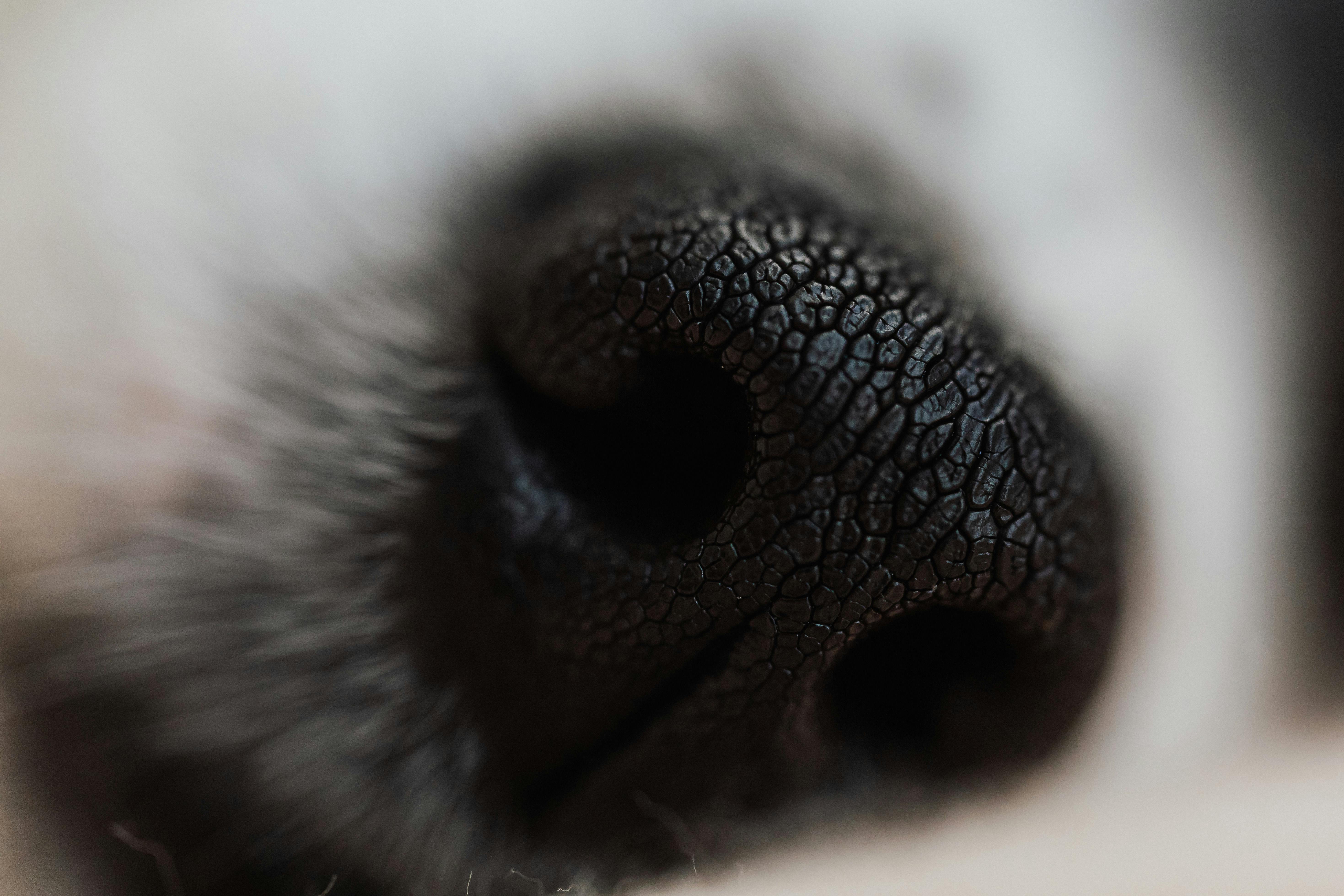
If you ever wonder why your dog’s nose is often wet, you’re not alone. Many dog owners have questions about this unique feature of their furry friends. It turns out, a dog’s wet nose plays a significant role in their ability to smell, and there’s a lot more to it than just a quirky trait. Understanding the benefits of this characteristic can help you appreciate the fascinating biology behind your pet. Let’s dig into it!
How Does a Wet Nose Enhance Smell?
Dogs have an extraordinary sense of smell, which is roughly 10,000 to 100,000 times more sensitive than that of humans. But how does that wet nose come into play? When a dog's nose is wet, it helps to absorb scent particles from the air. Here’s how it works:
- Mucus Production: A dog's nose secretes a thin layer of mucus, which captures scent molecules. This mucus helps to dissolve the molecules, making it easier for the olfactory receptors in the nose to detect different smells.
- Cooling Mechanism: The moisture on a dog's nose also cools the air they inhale. This cooling can enhance the olfactory receptors' effectiveness, allowing dogs to detect scents more accurately.
- Increased Surface Area: A dog’s nose is designed with folds and ridges. The wetness combined with a large surface area allows for more scent particles to be captured.
The Role of Olfactory Receptors
Dogs have an astounding number of olfactory receptors: around 300 million compared to a human's mere 5 million. This large number of receptors allows dogs to differentiate between scents with incredible precision. When the nose is wet, it creates the optimal environment for these receptors to function.
Why Do Dogs Have Wet Noses?
Several reasons explain why dogs have wet noses. Here’s a list of some key points:
- Thermoregulation: Dogs don’t sweat like humans do. Instead, they pant and rely on their noses to help regulate body temperature. A wet nose can help cool them down.
- Health Indicator: A wet nose is often seen as a sign of health in dogs. Vets sometimes check the moisture of a dog’s nose as an indicator of hydration and overall wellness.
- Social Signals: Dogs use their noses not just for smell but also for communication. A wet nose can be an inviting and friendly gesture towards other dogs or humans.
Fascinating Facts About Dogs' Noses
- Unique Prints: Just like human fingerprints, every dog’s nose print is unique. This has been studied and used in some identification processes.
- Sense of Time: Dogs can actually use their sense of smell to track time. They can recognize the scents of their owners and associate those smells with when they will return home.
- Scent Memory: Dogs have a remarkable memory for scents. They can remember a smell for a long time, which is why they can recognize people or other animals long after they’ve been apart.
How to Keep Your Dog's Nose Healthy
Maintaining your dog's nose is essential for their overall health. Here are some tips:
- Regular Checks: Keep an eye on your dog’s nose. If it becomes dry, cracked, or excessively warm, consult your veterinarian.
- Stay Hydrated: Ensure your dog has plenty of fresh water available to help maintain moisture levels.
- Protect from Elements: In extreme weather, consider using products designed for dog noses to prevent drying or cracking.
Common Misconceptions About Dog Noses
- Wet Nose Equals Healthy Dog: While a wet nose can be a sign of health, it’s not an absolute indicator. Dogs can be sick and still have wet noses.
- Nose Color Indicates Health: The color of a dog’s nose can vary greatly by breed. It doesn’t necessarily indicate anything about their health.
The Bottom Line
So, why do dogs have wet noses? The answer is rooted in their biology and plays a crucial role in their survival and communication. A wet nose enhances a dog’s sense of smell by allowing for better absorption of scent particles, cooling the air they inhale, and providing a larger surface area for detection. Next time you see your dog with that adorable, wet nose, remember the fascinating science behind it! It's not just cute—it's a marvel of nature that helps your furry friend navigate their world.
Is a Wet Nose Always Better? Exploring the Myths and Facts About Dog Noses
When you see a dog with a wet nose, you might wonder, "Is a wet nose always better?" This question not only sparks curiosity but also leads to a deeper exploration of the myths and facts about dog noses. You see, dogs noses are fascinating organs, and their wetness is just one aspect of their incredible design. So, why do dogs have wet noses? Let's dive into the science and history behind those adorable snouts.
The Science Behind Wet Noses
Dogs have wet noses for several reasons, and it all starts with their anatomy. The moisture on a dog's nose comes from a combination of mucus and sweat. Yes, dogs do have sweat glands, but not as many as humans. Most of their sweat glands are located in their paw pads. So, how does their nose stay damp?
- Cooling Mechanism: When dogs pant, they release moisture into the air, helping them cool down. The wetness of their noses also helps with this process by providing a surface area for evaporation.
- Enhanced Smell: A wet nose is better at picking up scents. The moisture helps to capture scent particles from the air, making it easier for dogs to detect smells. It’s like having a built-in air freshener that heightens their sense of smell.
- Health Indicator: A wet nose is often seen as a sign of a healthy dog. However, this isn't a strict rule. A dry nose doesn’t always mean sickness, and vice versa. It’s important to consider other symptoms when evaluating a dog’s health.
Historical Context of Dog Noses
Throughout history, dogs have been revered not only as companions but also as working animals. Their noses have played critical roles in various cultures.
- Tracking and Hunting: Ancient civilizations utilized dogs for hunting, relying on their keen sense of smell. In fact, some breeds were specifically developed for their olfactory abilities. Bloodhounds, for instance, are famous for their tracking skills.
- Cultural Significance: In some cultures, dogs were believed to possess spiritual connections, and their noses were thought to have mystical qualities. This belief has persisted over time, with the idea that a wet nose signifies a dog’s connection to the earth and its natural instincts.
Myths vs. Facts About Dog Noses
There are many myths surrounding dog noses. Here’s a breakdown of common misconceptions:
Myth: A wet nose means a dog is healthy.
Fact: While many healthy dogs have wet noses, a dry nose doesn’t automatically indicate illness. Factors like weather and activity level can affect moisture.Myth: All dog noses are wet.
Fact: Some breeds naturally have dryer noses, and that’s normal. For example, Bulldogs often have drier noses compared to other breeds.Myth: Dogs can detect human emotions through their noses.
Fact: While dogs can pick up on human scents and pheromones, their understanding of human emotions is more complex and involves body language and vocal tones.
Fascinating Facts About Dog Noses
- Number of Olfactory Receptors: Dogs have up to 300 million olfactory receptors in their noses, compared to about 5 million in humans. That’s a huge difference!
- Unique Nose Prints: Just like human fingerprints, each dog has a unique nose print. This can be used for identification.
- Dog Breeds and Nose Shapes: Different breeds have different nose shapes, affecting their smelling abilities. For instance, hounds have long noses for better scent detection.
Practical Examples of Nose Use
Dogs use their noses for various practical purposes:
- Search and Rescue: Many dogs are trained to locate missing persons using their keen sense of smell.
- Medical Detection: Some dogs can detect diseases like cancer through scent, making them valuable in medical settings.
- Therapy and Support: Dogs are often used in therapy settings, providing comfort through their presence and unique ability to sense emotions.
So, next time you wonder about your dog's wet nose, remember that it’s a sign of their natural abilities and health, but not necessarily an absolute indicator of well-being. Embrace the quirks and complexities of your furry friend's anatomy; it’s what makes them special! Understanding the science and history of dog noses can deepen your appreciation for these loyal companions and enhance your bond with them.
Why Do Some Dogs Have Drier Noses? Uncovering the Reasons Behind Nose Variations
When you look at your dog, you may have noticed that some dogs have drier noses while others have wet ones. You might even asked yourself, “Why do dogs have wet noses?” It's a common question among pet owners, and the answer is more complicated than it seems. The variation in nose texture and moisture can be influenced by several factors, including health, breed, and environment. In this article, we will uncover the reasons behind these fascinating nose variations in our furry friends.
The Science Behind Wet Noses
Dogs have wet noses for a reason. The moisture on their noses comes from a combination of mucus and sweat. This wetness serves a few important purposes:
- Temperature Regulation: Just like humans sweat to cool down, dogs use their noses to help regulate body temperature. The moisture evaporates, which provides a cooling effect.
- Enhanced Smell: A wet nose can trap scent particles more effectively, making it easier for dogs to pick up different smells. This is why dogs have such an incredible sense of smell.
- Health Indicator: A healthy dog typically has a moist nose. Dryness can sometimes indicate dehydration, illness, or other health issues.
Why Do Some Dogs Have Drier Noses?
There are several reasons why some dogs have drier noses than others. This variations can depend on breed, environment, and health conditions. Here some common factors:
Breed Differences: Certain breeds have drier noses naturally. For instance, the Basenji is known for having a particularly dry nose. Their genetics play a big role in this characteristic.
Environmental Factors: Dogs living in dry or hot climates may experience drier noses. The weather can affect their nose moisture just like it does for human skin.
Dehydration: If a dog isn’t drinking enough water, it may lead to a dry nose. Dehydration can be caused by not having access to fresh water or from vigorous activities.
Health Issues: Dry noses can sometimes be a sign of health problems. Conditions like allergies, autoimmune diseases, or even a fever can lead to a change in moisture levels.
Age Factors: Older dogs may have drier noses due to lack of oil production. As dogs age, their skin can lose some of its elasticity and moisture.
The Fascinating Reasons Behind Wet Noses
Now, let's take a deeper look into why most dogs tend to have wet noses. This characteristic is not just a quirk; it serves several purposes that benefit the dog's overall health and well-being.
Scent Detection: Dogs have an extraordinary sense of smell, and their wet noses facilitate this ability. The moisture helps to capture scent particles in the air, which is crucial for tracking and identifying smells.
Cooling Mechanism: The evaporation of moisture from a dog’s nose helps to cool them down, especially during hot weather or after exercise. This is particularly important since dogs don’t sweat like humans do.
Communication Tool: Dogs use their noses to communicate with each other. A wet nose can indicate excitement or friendliness, while a dry nose may be a sign of stress or discomfort.
Practical Examples of Nose Variations
To give you a clearer picture of how nose moisture can vary, here’s a simple look at different dog breeds and their typical nose conditions:
| Breed | Typical Nose Condition | Notes on Moisture Level |
|---|---|---|
| Labrador | Usually wet | They are known for their friendly demeanor. |
| Basenji | Often dry | Unique breed with less nose moisture. |
| Bulldog | Can be wet or dry | Depends on individual health. |
| Poodle | Usually wet | Known for their active nature. |
| Chihuahua | Can be dry | Small size can affect moisture levels. |
You can see that even within specific breeds, there can be variations. It’s always good to monitor your dog’s health, and if you notice any significant changes in their nose moisture, it might be worth a visit to the vet.
In conclusion, the varying conditions of dog noses can tell us much about their health and environment. Having a wet nose is generally a sign of a happy and healthy dog, while a dry nose could indicate other factors at play. Always keep an eye on your pup’s nose, as it can be a window into their overall well-being.
The Connection Between a Dog’s Mood and Their Nose: What You Should Watch For

Dogs are more than just pets; they are companions and members of our families. But have you ever noticed how a dog’s mood seems to connect to their wet nose? It's fascinating to think about, and there's actually some science behind it. Let’s dive into the intriguing relationship between a dog’s mood and their nose, and explore why do dogs have wet noses in the first place.
Why Do Dogs Have Wet Noses?
The wetness of a dog’s nose is a common sight, but it serves several important purposes. Here’s a breakdown of why a dog’s nose might be wet:
Temperature Regulation: Dogs cannot sweat like humans do. Their primary method for cooling themselves down is through their nose. A moist nose helps to keep them cool by evaporating water.
Enhanced Smell: The wetness helps to capture scent particles in the air, making smells more pronounced. This is crucial for dogs, as they rely heavily on their sense of smell to understand their environment.
Health Indicator: A dog’s nose can also be an indicator of their health. A healthy dog usually has a moist, cool nose, while a dry or excessively warm nose could signal illness or dehydration.
Behavioral Significance: Researchers believe that a dog’s mood can often be reflected in their nose. For instance, a happy dog might have a wetter nose due to increased excitement and activity.
The Connection Between a Dog’s Mood and Their Nose
Understanding how a dog’s mood influences their nose can help owners better care for their furry friends. Here are some key points to consider:
Excitement and Play: When dogs are excited, whether it’s during play or when they see their owners, their noses tend to be wetter. This is because they pant more, and the increased saliva helps keep the nose moist.
Relaxation: A calm dog may have a moderately wet nose, but it’s usually not as wet as when they’re excited. If a dog’s nose becomes dry while they’re relaxed, it could mean they are dehydrated or unwell.
Stress or Anxiety: When a dog is stressed, their nose might become dry. Signs of anxiety can include pacing, whining, or hiding. It’s important to recognize these signs and provide a comforting environment for them.
What to Watch For
As a dog owner, it's essential to monitor your dog’s behavior and nose condition. Here are some things to keep an eye on:
Changes in Nose Wetness: If your dog’s nose suddenly becomes dry or excessively wet, it could indicate a health problem.
Behavioral Shifts: Notice if your dog is acting differently. Are they more withdrawn or overly excited? These changes can correlate with changes in their nose.
Physical Symptoms: Look for other signs of illness, such as lethargy, loss of appetite, or vomiting. If these occur alongside changes in nose moisture, it’s best to consult a veterinarian.
Fascinating Facts About Dog Noses
Dogs have approximately 220 million scent receptors in their noses, making them far superior to humans, who have around 5 million.
The shape and size of a dog’s nose can also affect their sense of smell. Breeds like Bloodhounds have much larger noses, leading to enhanced olfactory abilities.
Dogs can even smell certain diseases in humans, including cancer and diabetes, thanks to their incredible sense of smell.
Practical Tips for Dog Owners
If you want to keep an eye on your dog’s nose and mood, here are some practical tips:
Regular Check-ups: Make sure to take your dog for regular veterinary check-ups to monitor their overall health.
Hydration: Always provide fresh water to keep your dog hydrated, especially during hot weather.
Watch Their Environment: If you notice your dog’s nose drying out, check if there are any stressors in their environment, such as loud noises or changes in routine.
Behavioral Training: Training can help reduce anxiety and improve your dog's mood, which might in turn keep their nose healthier.
Observe and Record: Keep a record of any changes in your dog’s nose condition and behavior. This can be helpful for your vet.
Dogs are often seen as joyful creatures, and their wet noses are just one of the many ways they express their emotions. Understanding the link between a dog’s nose and their mood can help owners provide better care. So the next time you see your dog with a wet nose, remember there’s more behind it than just being cute; it’s a window into their emotional state.
How Weather Affects Your Dog's Nose: Tips for Keeping Your Pup Comfortable

Dogs are often considered man's best friend, and their unique attributes, like their wet noses, has puzzled many pet owners and animal lovers. When you think about it, how weather affects your dog's nose is a fascinating subject that intertwines biology, behavior, and comfort. Here’s a look at why dog noses are wet, how weather plays a role, and tips for keeping your furry friend comfortable in varying conditions.
Why Do Dogs Have Wet Noses?
Firstly, the wetness of a dog's nose is more than just something cute to touch. There's actually several reasons for it:
Sense of Smell: A wet nose helps to enhance a dog's sense of smell. The moisture captures scent particles better, allowing dogs to detect smells more effectively. Which is why they can sniff out treats buried in the yard, or find their way back home.
Cooling Mechanism: Dogs don’t sweat like humans do. Instead, they rely on their noses to help regulate their body temperature. A wet nose can help cool them down, especially during hot days or after vigorous playtime.
Health Indicators: Generally, a dog's nose is a good indicator of their health. If it’s dry or warm, it could signify a health issue, like fever or dehydration. Always keep an eye on your pup's nose!
How Weather Affects Your Dog's Nose
Weather can have a noticeable impact on your dog's nose, which might affect their overall comfort. When the temperature changes, it can lead to a dry nose or increased moisture, which can be concerning.
Cold Weather: In winter months, the cold air can dry out your dog’s nose. This might make it feel rough or cracked. It’s important to check for any signs of irritation or injury, and provide moisture if needed. A little pet-safe nose balm can help!
Hot Weather: Conversely, during summer, the heat can lead to a wetter nose. While this is generally normal, watch out for excessive drooling, which could indicate overheating. Always provide plenty of water and shade.
Humidity: In humid conditions, a dog’s nose might stay wet longer, but this can also lead to skin issues if there’s too much moisture. It’s crucial to keep your pup dry and clean after walks in the rain or mud.
Allergy Season: Spring and fall can bring increased allergens that may affect your dog. A wet nose might be a sign of irritation from pollen or other environmental factors. If you notice excessive sneezing or scratching, it might be time to visit the vet.
Tips for Keeping Your Pup Comfortable
Ensuring your dog is comfortable regardless of the weather is essential. Here are some practical tips:
Monitor Weather Conditions: Keep an eye on the forecast. If it’s extremely hot or cold, adjust your walks and outdoor activities accordingly.
Hydration: Always have fresh water available. Dehydration can lead to a dry nose, so ensure your pup is drinking enough, especially on hot days.
Moisturize: If your dog has a dry nose, consider using a pet-safe moisturizer. This can help prevent cracking and irritation.
Groom Regularly: Regular grooming can help reduce allergens and keep your dog’s coat healthy. This is especially important during shedding seasons.
Limit Exposure: On particularly harsh weather days, it might be best to keep your dog indoors. They can still enjoy some playtime in the house!
Table of Weather Effects on Dog Noses
| Weather Condition | Effect on Dog's Nose | Tips for Owners |
|---|---|---|
| Cold | Can dry out; may crack | Use nose balm; keep indoors |
| Hot | Increases moisture | Ensure hydration; provide shade |
| Humid | May lead to skin issues | Wipe nose after walks |
| Allergy Season | Increased irritation | Consult vet if symptoms persist |
As you can see, understanding how weather impacts your dog's nose can be beneficial for their overall health and comfort. Keeping an eye on those wet noses and adjusting their care according to the weather could make a big difference. Regular vet check-ups are also a good idea to keep your furry friend's nose—and entire body—healthy. Remember, a happy dog means a happy owner, so do what you can to ensure your pup is comfortable no matter the weather!
7 Fun Facts About Dog Noses That Every Pet Owner Should Know
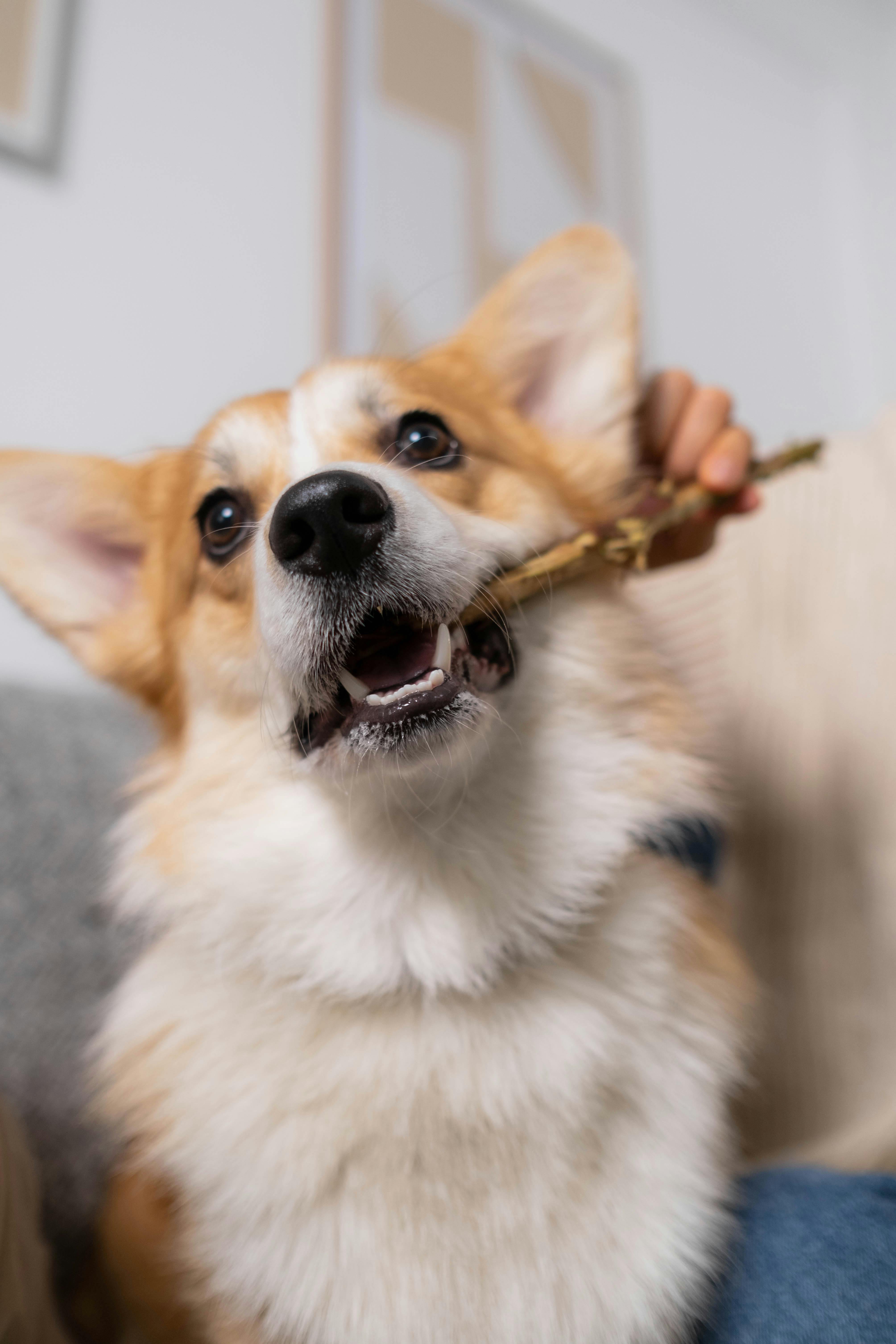
Dogs are fascinating creatures, and one of the most interesting aspects about them is their noses. Have you ever wondered why do dogs have wet noses? Well, there are several reasons behind this, and as pet owners, it’s important to understand the unique features of our furry friends. Here are 7 fun facts about dog noses that every pet owner should know!
1. Dogs Have More Olfactory Receptors Than Humans
Did you know that a dog’s sense of smell is up to 100,000 times more powerful than ours? This is because they have around 220 million olfactory receptors in their noses, compared to only about 5 million in humans. This incredible ability allows them to detect odors at incredibly low concentrations. So, when your dog is sniffing around, they are taking in a whole world of smells that we can’t even imagine!
2. The Wetness of a Dog's Nose
So, why do dogs have wet noses? The moisture on a dog’s nose helps them in several ways. It helps to enhance their sense of smell. The wet surface captures scent particles better, allowing dogs to identify different smells more accurately. Plus, a wet nose can help regulate their body temperature. Dogs don’t sweat like humans do, so they rely on their noses to help cool off.
3. Unique Nose Prints
Just like human fingerprints, every dog has a unique nose print! The patterns of ridges and creases on a dog’s nose can be used to identify them, making it a fun and quirky fact for pet owners. Some organizations even use nose prints for identification, and it is a reliable method just like a fingerprint would be for a human.
4. Dogs Use Their Noses for Communication
Dogs communicate not only through barks and body language but also through their sense of smell. When dogs meet each other, they often sniff each other’s noses and behinds to gather information about one another. This behavior is a way for them to learn about the other dog’s health, mood, and even their reproductive status. So, the next time your dog is sniffing another dog, remember that they are just saying “hello” in their own unique way!
5. Dogs Can Smell Emotions
Believe it or not, dogs have the ability to sense human emotions through smell! They can detect changes in our body chemistry when we are happy, stressed, or scared. This is why many dogs are used in therapy and service roles, as they can provide comfort and support based on the emotional state of their human companions.
6. The Anatomy of a Dog's Nose
A dog's nose is an incredible piece of anatomy. It’s not just a simple organ; it consists of various parts that work together to enhance their sense of smell. Here’s a breakdown:
- Nasal Cavity: Where scent molecules are trapped and analyzed.
- Olfactory Bulb: Processes the scents detected.
- Jacobsen's Organ: A special organ that helps dogs assess pheromones.
This complex structure allows dogs to distinguish between various scents and even recognize them over time.
7. Dogs' Noses Change Color
Many pet owners notice that their dog’s nose can change color seasonally or due to other factors. This phenomenon is known as “snow nose” and usually occurs during colder months. A dog’s nose can also change due to allergies, health issues, or even just age. If you see a significant change in color, it’s always a good idea to consult with a veterinarian to make sure everything is okay.
Summary of Fun Facts
- Dogs have around 220 million olfactory receptors.
- Wet noses help them smell better and regulate temperature.
- Unique nose prints can identify each dog.
- Dogs communicate through scent, especially with other dogs.
- They can sense human emotions through smell.
- The anatomy of a dog’s nose is complex and specialized.
- Nose color can change due to various factors.
Understanding these fascinating facts about dog noses not only enhances our appreciation for our furry companions but also helps us to take better care of them. So next time you see your dog sniffing around, remember all the wonderful things happening with their amazing noses! Don't forget to keep an eye on their wet noses and overall health, as these little details can speak volumes about their well-being.
Why Do Dogs Lick Their Noses? Decoding the Behavior Behind This Common Action
Dogs have a way of expressing themselves that can be both puzzling and charming. One common behavior that often makes dog owners scratch their heads is why do dogs lick their noses? This simple action can reveal a lot about a dog's state of mind and health. Also, there's the question of why do dogs have wet noses? Is it just a cute trait, or is there something deeper going on? Let's dive into these fascinating topics and decode the reasons behind them.
The Science Behind Nose Licking
When a dog licks its nose, it’s often doing more than just a cute little action. There are several reasons why this behavior occurs.
Taste and Smell: Dogs have an extraordinary sense of smell, and licking their noses helps to enhance their olfactory receptors. By moistening their nose, they can pick up scents better. This behavior is instinctual, allowing them to gather information about their environment.
Hydration: Just like humans drink water to stay hydrated, dogs lick their noses to keep them moist. A dry nose might mean dehydration or not enough humidity in the air.
Comfort and Stress Relief: Licking is often a self-soothing action. When dogs feel anxious or stressed, they may lick their noses as a way to calm themselves down.
Health Indicators: Sometimes, a dog's nose licking can be a sign of something more serious. If a dog is licking excessively, it could indicate allergies, nausea, or even dental issues. Observing the frequency and context of this behavior can help in identifying potential health problems.
The Mystery of Wet Noses
Now, let’s explore why do dogs have wet noses in the first place. A dog's nose is often wet, and this isn’t just for show. In fact, there are several reasons for this characteristic:
Cooling Mechanism: Dogs don’t sweat like humans do. Instead, they regulate their body temperature through panting and the moisture on their noses. A wet nose helps to cool off their body.
Better Scent Detection: A wet surface can trap scent particles more effectively. This is why dogs often have wet noses; it helps them to identify smells more accurately and navigate their world better.
Health and Well-Being: A healthy dog typically has a moist nose. If a dog's nose becomes dry and cracked, it might indicate dehydration or illness. Keeping an eye on your dog's nose can provide insights into their overall health.
Interesting Facts About Dog Noses
Here are some fun and fascinating facts about dog noses that you might not know:
Unique Patterns: Just like human fingerprints, every dog’s nose print is unique. This means that nose prints can be used to identify dogs much like a fingerprint can identify a person.
Temperature Sensitivity: A dog’s nose is sensitive to temperature changes. They can detect slight variations in temperature, which helps them sense their environment more accurately.
Nose Size: The size of a dog's nose can vary widely among breeds. Breeds with longer noses, like Greyhounds, typically have a better sense of smell than those with shorter noses, like Bulldogs.
Health Considerations for Wet Noses
As mentioned earlier, a wet nose is usually a sign of a healthy dog. However, there are some health considerations worth noting:
Dry Nose: If your dog’s nose is persistently dry or cracked, it could be a sign of dehydration or other health issues. It's important to keep your dog hydrated and consult a vet if you notice changes.
Excessive Licking: If your dog is licking its nose too much, it may be a sign of allergies or anxiety. Monitoring this behavior can help you determine if a trip to the vet is necessary.
Nasal Discharge: If you notice unusual discharge from your dog's nose, it might indicate an infection or illness. This is a time to seek professional advice.
Practical Tips for Dog Owners
Regular Vet Visits: Keeping up with regular veterinary check-ups can help catch any potential health issues early on.
Hydration: Always ensure your dog has access to fresh water. Proper hydration can lead to a healthy, moist nose.
Observe Behavior: Pay attention to your dog's licking habits and general behavior. Changes can often indicate health issues.
Understanding why do dogs lick their noses and why they have wet noses provides insights into their health and behavior. It’s a natural part of being a pet owner to wonder about these quirky habits. By being observant and informed, you can ensure your furry friend stays happy and healthy.
Conclusion
In conclusion, the wet noses of dogs serve multiple important functions, including enhancing their sense of smell, regulating body temperature, and promoting social interactions. The moisture on a dog’s nose helps to trap scent particles, making their already impressive olfactory capabilities even more effective. Additionally, the cooling effect of a wet nose plays a crucial role in thermoregulation, especially during warmer months. While a wet nose is often a sign of a healthy dog, it’s essential for pet owners to be attentive to changes in their dog's health and behavior. Ultimately, understanding the science behind your dog's wet nose can deepen your bond and appreciation for these loyal companions. If you found this information insightful, consider sharing it with fellow dog lovers or exploring more about canine health and behavior to ensure your furry friend leads a happy and healthy life.