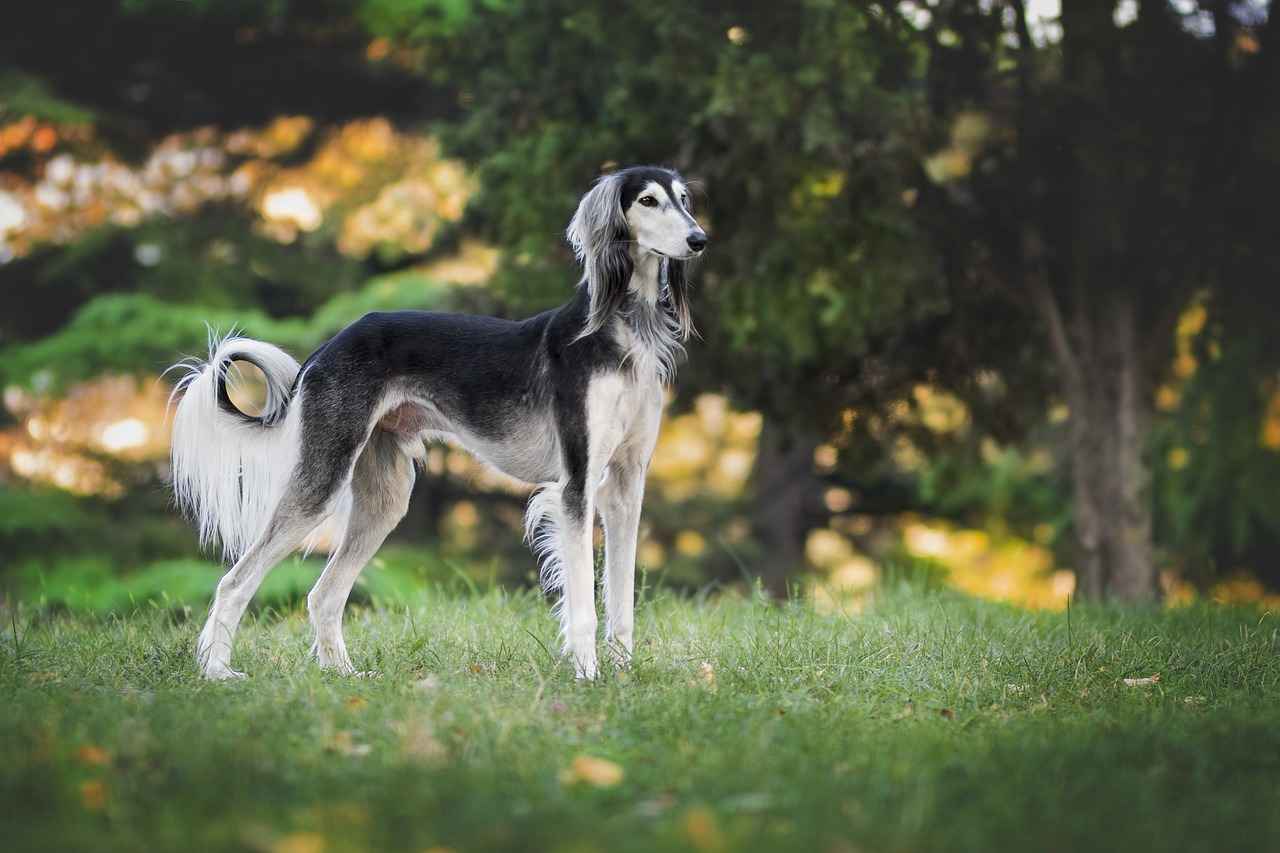
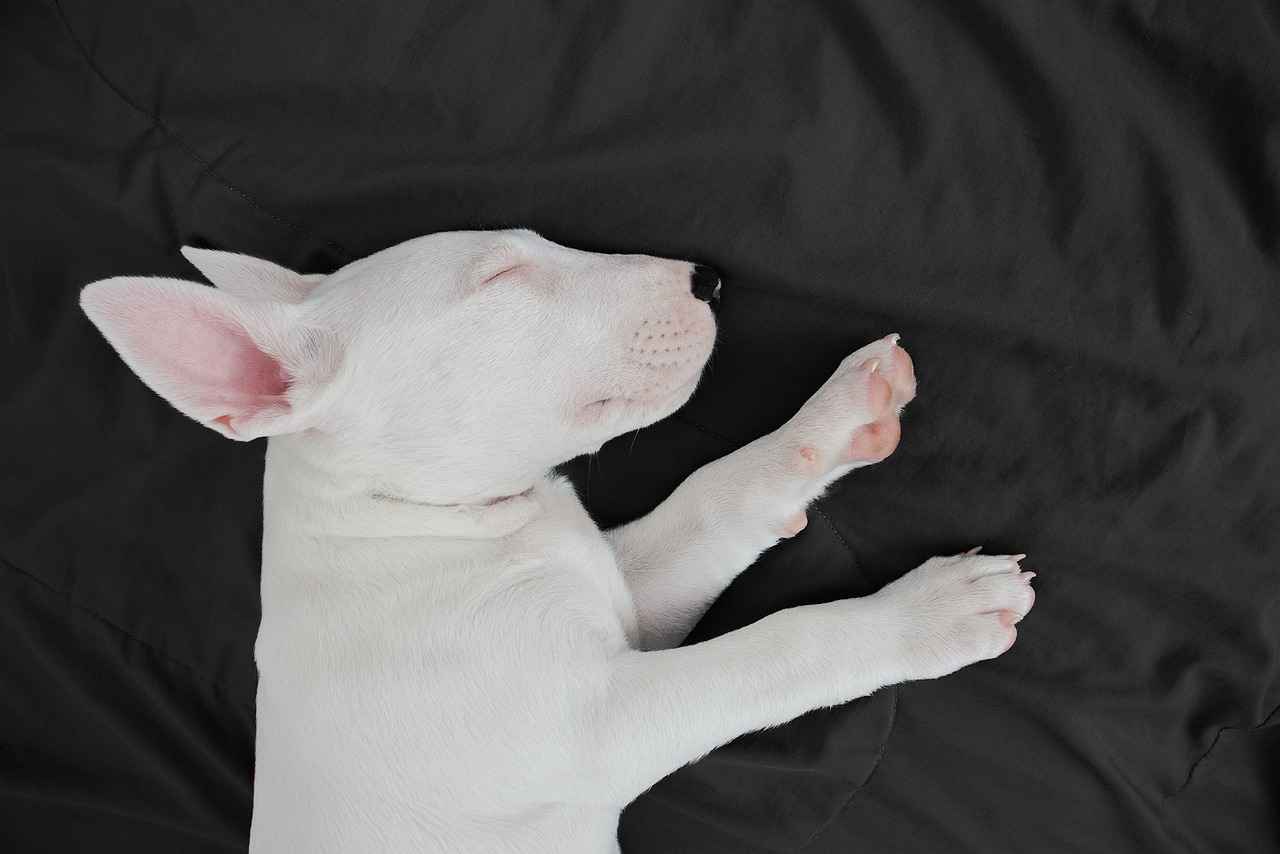
Have you ever wondered, “Why do dogs have wet noses?” This intriguing question has captivated pet owners and dog enthusiasts alike. The truth is, a dog's nose is not just a cute feature; it serves several important purposes! Wet noses are a sign of a healthy dog, indicating they are well-hydrated and engaged with their environment. But what makes their noses so moist? Is it simply nature's design, or is there more to the story? Understanding the science behind this fascinating phenomenon can deepen your bond with your furry friend. Did you know that a dog's sense of smell is 10,000 to 100,000 times more sensitive than humans? That’s right! A wet nose helps enhance their olfactory abilities, making them exceptional sniffers. Plus, a damp nose can regulate temperature, keeping your pet comfortable. So, if you've ever found yourself asking, “Why do dogs have wet noses?”, you’re not alone! Join us as we uncover the secrets behind this endearing characteristic and explore how it impacts your dog's health and behavior. Dive into the world of dogs, and discover why their wet noses are more than just adorable—they're essential!
\n\nThe Science Behind Canine Noses: Why Are Dogs' Noses Wet?
\n\n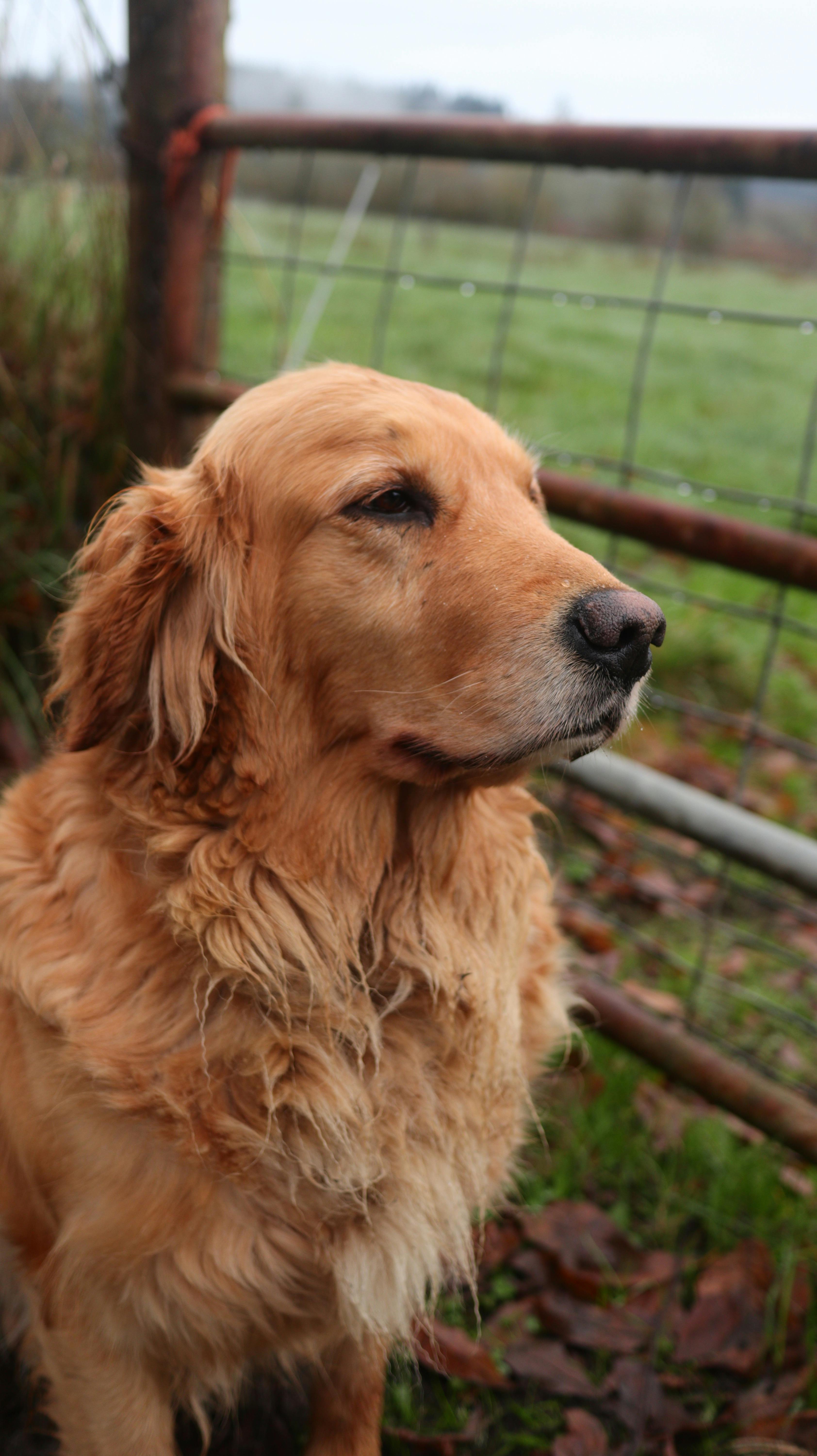 \n\n
\n\nDogs have always been known for their incredible sense of smell, but have you ever stopped to wonder why their noses are often wet? It's a question that many people have, and there's actually a fascinating science behind it. Wet noses are not just a quirky characteristic; they serve important functions in a dog's life. So, let's dive into the science behind canine noses and explore why do dogs have wet noses.
\nThe Anatomy of a Dog's Nose
\nTo understand why dogs have wet noses, it's important to first know a little about the anatomy of dog’s noses. A dog’s nose is covered in a moist layer, known as the nasal epithelium. This layer plays a crucial role in the dog's sense of smell. The moist surface helps to dissolve scent particles, allowing the olfactory receptors to detect them more effectively. Here’s a quick breakdown:
\n- \n
- Nasal Epithelium: The moist tissue that lines the inside of the nose. \n
- Olfactory Receptors: Specialized cells that detect different smells. \n
- Jacobsen's Organ: Also known as the vomeronasal organ, this helps dogs sense pheromones. \n
Why Are Dogs' Noses Wet?
\nSo, why do dogs have wet noses? There are a few reasons that contribute to this phenomenon:
\n- \n
- Enhanced Smell: A wet nose is more effective in gathering scent particles. It captures more aromas, which is essential for dogs, who rely heavily on their sense of smell to understand the world around them. \n
- Temperature Regulation: Dogs don’t sweat like humans, so they cool off through their noses. The moisture evaporates, helping to regulate body temperature. \n
- Health Indicator: A dog’s nose can indicate their health. Generally, a wet nose is a sign of a healthy dog, while a dry nose might suggest dehydration or illness. \n
The Evolution of the Canine Nose
\nDogs have evolved over thousands of years alongside humans, and their noses have adapted to their lifestyles. Originally, dogs were hunters, and a keen sense of smell was essential for tracking prey. Over time, domesticated dogs developed a range of nasal abilities that suit both their roles as companions and their ancestral hunting instincts. It’s interesting to note that dogs have around 300 million olfactory receptors, compared to a human’s 5 million, which explains why their noses are so much more sensitive.
\nFascinating Facts About Dog Noses
\n- \n
- Unique Patterns: Just like human fingerprints, every dog's nose print is unique. This means that it can be used to identify individual dogs. \n
- Moisture Sources: Dogs lick their noses to keep them moist. It's a behavior that not only keeps their noses wet but also helps them taste the scents they pick up. \n
- Nose Temperature: A dog’s nose temperature can vary throughout the day and is not necessarily an indicator of fever. \n
What Can Affect a Dog's Nose Moisture?
\nSeveral factors can affect how wet or dry a dog's nose is. Here are some common influences:
\n- \n
- Weather Conditions: Hot, dry weather can lead to a drier nose. \n
- Health Issues: Certain health conditions can cause a dog’s nose to become excessively dry or cracked. \n
- Hydration: A dog that is well-hydrated will generally have a wetter nose. \n
Comparisons: Dog Noses vs. Human Noses
\nWhen we compare canine noses to human noses, the differences are quite striking. Here’s a table to illustrate some key differences:
\n| Feature | \nDog Nose | \nHuman Nose | \n
|---|---|---|
| Olfactory Receptors Count | \n~300 million | \n~5 million | \n
| Sensitivity | \nExtremely sensitive | \nLess sensitive | \n
| Moisture Function | \nEnhances smell and temperature regulation | \nPrimarily for smell | \n
| Unique Patterns | \nYes, used for identification | \nNo | \n
Practical Examples of Dogs Using Their Noses
\nDogs use their noses in various ways every day. Here are some examples:
\n- \n
- Tracking: Police dogs are trained to track criminals or missing persons using their sense of smell. \n
- Detection: Service dogs can detect medical conditions, like low blood sugar or seizures, due to their heightened sense of smell. \n
- Social Interactions: Dogs often greet each other by sniffing each other’s noses, which is part of their social behavior. \n
In summary, the wet nose of a dog is more than just a cute feature; it’s an essential part of their anatomy that plays a vital role in their interaction with the world. Understanding why do dogs have wet noses sheds light on their remarkable abilities and helps us appreciate our furry friends even more. Whether you're a dog owner or just a dog lover, knowing the science behind their wet noses helps deepen the bond we share with
\n\n7 Surprising Benefits of a Dog's Wet Nose You Didn't Know About
\n\n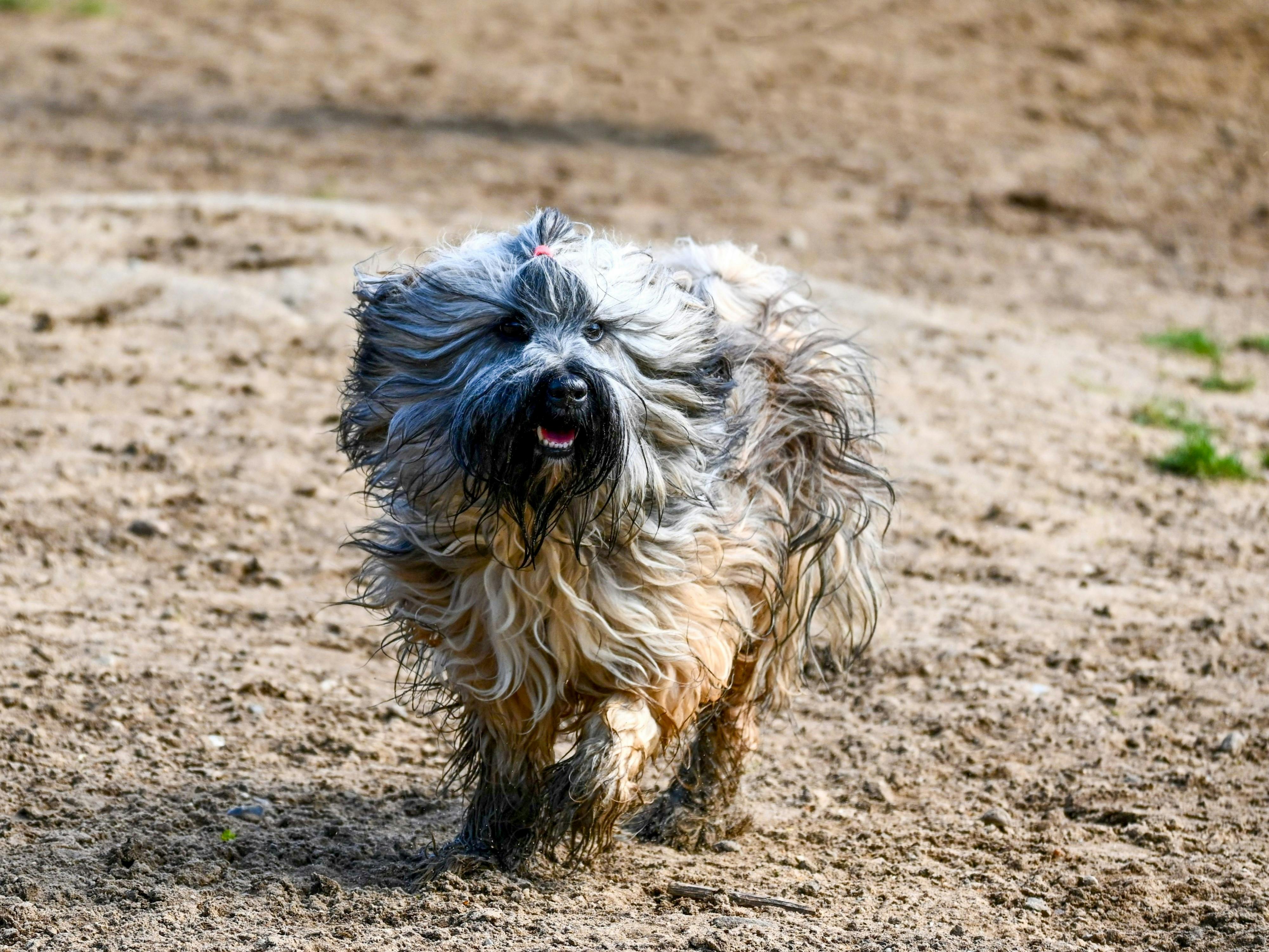 \n\n
\n\nEver wondered why dogs have wet noses? It’s a question that many pet owners might ask, but the answer is more fascinating than you could imagine. Dogs’ noses are not just cute; they serve various important purposes. Here are 7 surprising benefits of a dog’s wet nose that you might not have known about!
\n1. Enhanced Sense of Smell
\nDogs have an extraordinary sense of smell, about 10,000 to 100,000 times more acute than humans. A wet nose helps in this process. The moisture on a dog’s nose helps to capture scent molecules in the air, allowing them to detect smells more effectively. This is why you often see dogs sniffing around everything—they’re getting all the information they can!
\n2. Temperature Regulation
\nDid you know that a dog’s nose also helps them stay cool? Dogs can’t sweat like humans do; they primarily rely on panting to regulate their body temperature. However, the moisture on their nose can help cool them down as well. When the air evaporates from their wet nose, it helps in lowering their body temperature. So, next time you see your dog with a shiny nose, remember that it’s not just for show!
\n3. Communication Tool
\nDogs are social animals, and their body language speaks volumes. A wet nose can convey different emotions. For instance, a damp and cold nose might indicate that your dog is relaxed and calm, while a warm and dry nose might signal stress or illness. Paying attention to the state of your dog's nose can help you understand their emotional state better.
\n4. Health Indicator
\nThe condition of a dog’s nose can tell you a lot about their health. While it’s a common myth that a wet nose means a dog is healthy, it’s actually a bit more complex than that. A normal, healthy dog’s nose should be moist but not excessively wet. If you notice dryness or cracking, it could be a sign of dehydration or other health issues. Regular checks can help you catch potential problems early.
\n5. Natural Defense Mechanism
\nDogs’ noses are equipped with a layer of mucus that helps trap dirt and particles. This is like a natural defense mechanism against bacteria and allergens. The wetness helps to keep the nose clean and can reduce the likelihood of infections. It’s just one of the many ways dogs have adapted to their environment!
\n6. Aids in Taste
\nAlthough dogs primarily rely on their sense of smell, their wet nose plays a role in their ability to taste. When a dog licks something, the moisture from their nose works with their taste buds to enhance the flavors. Ever notice how your dog seems to enjoy food more when it’s smelly? That’s because they can smell and taste at the same time, creating a more enjoyable eating experience.
\n7. Bonding with Humans
\nLastly, a dog’s wet nose is a great way to bond with their human companions. When dogs nuzzle or nudge with their noses, it’s often a sign of affection or a way to seek attention. This behavior not only fosters connection but also strengthens the bond between you and your furry friend. Plus, who doesn’t love a little doggy affection?
\nSummary of Benefits
\nHere’s a quick overview of the 7 benefits of a dog’s wet nose:
\n- \n
- Enhanced sense of smell \n
- Temperature regulation \n
- Communication tool \n
- Health indicator \n
- Natural defense mechanism \n
- Aids in taste \n
- Bonding with humans \n
Understanding why do dogs have wet noses and the benefits associated with it can deepen your appreciation for these lovable companions. While you might have thought that a wet nose was just an adorable trait, it actually serves multiple purposes that benefit your dog’s health and well-being.
\nSo, the next time you see your dog with that moist, shiny nose, remember all the incredible things it does! Dogs are truly remarkable creatures, and their noses are just one of the many features that make them special. Embrace the little quirks that come with dog ownership, and enjoy every moment with your four-legged friend!
\n\nHow a Wet Nose Keeps Your Dog Healthy: The Secrets Revealed
\n\n\n\nEver wonder why do dogs have wet noses? It’s a question many dog owners ask, and it turns out the answer is not just fascinating, but also crucial for your furry friend’s health. A wet nose isn't just a quirk of canine biology; it serves several practical purposes that contribute to a dog's overall well-being. Let’s dive into the secrets of those wet noses and discover how they help keep your dog healthy!
\nThe Science Behind Wet Noses
\nDogs have wet noses for a couple of important reasons. First off, the moisture on a dog’s nose helps them smell better. The nose is covered with a thin layer of mucus, which traps scent particles in the air. This makes it easier for dogs to pick up scents, which is vital for their survival instincts.
\n- \n
- Dogs have up to 300 million olfactory receptors in their noses, compared to humans who only have about 5 million. \n
- The wetness of a dog’s nose can improve their sense of smell by enhancing the ability to absorb scent particles. \n
Another reason for a wet nose is temperature regulation. Dogs don’t sweat like humans do; instead, they rely on their noses to cool down. The moisture evaporates, which helps to reduce their body temperature. This is especially important during hot weather or after physical activity.
\nWhy Do Dogs Have Wet Noses? The Evolutionary Aspect
\nHistorically, dogs evolved from wolves, who had wet noses for similar reasons. It’s believed that a wet nose helped early canines in hunting and social interactions. A moist nose signals health to other dogs; a dry nose can indicate illness or dehydration.
\n- \n
- Wet noses are part of pack behavior. Dogs can tell if another dog is healthy or sick based on their nose moisture. \n
- As a dog’s nose dries out, it can indicate the need for hydration or medical attention. \n
How a Wet Nose Keeps Your Dog Healthy
\n- \n
- \n
Enhanced Smell: As mentioned, the wetness increases the olfactory capabilities of dogs. Better sniffing means better hunting and foraging, even if they are now family pets.
\n \n - \n
Temperature Control: Helps in regulating temperature during hot days and after playtime. A well-hydrated nose means your dog is likely to be healthier.
\n \n - \n
Communication: Dogs communicate with each other through smells. A wet nose can convey a message of wellness and readiness to play or socialize.
\n \n - \n
Detection of Illness: An unusual change in the moisture level of a dog’s nose can signal health issues. Pet owners should pay attention to these changes, as they could indicate fever or dehydration.
\n \n
Fun Facts About Dog Noses
\n- \n
- A dog’s nose print is unique, similar to a human fingerprint. \n
- Dogs can detect certain diseases, including cancer, through their sense of smell. \n
- The color of a dog's nose can vary, and while black and brown noses are common, some breeds have pink or spotted noses. \n
Tips for Keeping Your Dog’s Nose Healthy
\n- \n
- Hydration: Ensure your dog has access to fresh water at all times. Hydration is key to maintaining a healthy nose. \n
- Regular Vet Check-ups: Regular visits to the vet can catch any potential health issues early on. \n
- Observe Changes: Keep an eye on your dog’s nose. If it changes from wet to dry or becomes cracked, consult your veterinarian. \n
- Grooming: Regular grooming can help maintain overall health, including the moisture level of your dog’s nose. \n
Common Misconceptions About Dog Noses
\n- \n
- \n
Myth: A dry nose means your dog is sick. \nTruth: While a dry nose can indicate illness, it can also be normal behavior for certain dogs or in certain conditions.
\n \n - \n
Myth: All dogs should have wet noses. \nTruth: Different breeds may have varying moisture levels, and some might naturally have drier noses without it indicating a health problem.
\n \n - \n
Myth: A wet nose is the only sign of a healthy dog. \nTruth: Overall behavior, appetite, and energy levels are better indicators of a dog's health.
\n \n
Understanding why do dogs have wet noses can really help you in caring for your furry companion. Their wet noses are not just cute; they're essential for their health and well-being. So next time you give your dog a pat on the head, take a moment to appreciate that moist little nose. It’s doing a lot more than you might think!
\n\nIs Your Dog’s Wet Nose Normal? 5 Signs to Watch For
\n\n \n\n
\n\nHave you ever wondered why your dog’s nose is wet? Is it normal? These questions often come up among pet owners, especially when they notice their furry friend’s nose feels different. Understanding the science behind a dog’s wet nose can be fascinating and helpful. Let’s dive into the reasons why dogs have wet noses, while highlighting five signs to watch for when assessing your dog’s health.
\nWhy Do Dogs Have Wet Noses?
\nDogs have wet noses for a variety of reasons, and it’s not just because they love sniffing around. Here are some key points to consider:
\n- \n
- \n
Temperature Regulation: Dogs don’t sweat like humans do. Instead, they regulate their body temperature through their noses. The moisture helps to cool them down, especially during warm weather.
\n \n - \n
Enhanced Scent Detection: A wet nose can capture more scent particles. This is essential for dogs, who rely on their sense of smell to interact with the world. The moisture helps trap smells, making it easier for them to detect different scents in their environment.
\n \n - \n
Health Indicators: A dog’s nose can give you clues about their health. A normal, moist nose often indicates good hydration and health. Changes in its texture or moisture can signal potential health issues.
\n \n - \n
Behavioral Signals: Dogs often lick their noses as a way to communicate or express emotions. A wet nose might indicate excitement or curiosity, while a dry nose could signify stress or discomfort.
\n \n - \n
Natural Anatomy: Dogs are simply built this way. Their noses are naturally moist due to the mucous membranes, which help maintain that wet sensation.
\n \n
5 Signs to Watch For
\nWhile a wet nose is generally a sign of a healthy dog, there are some signs you should watch for. If your dog exhibits any of these symptoms, it might be time to consult a veterinarian:
\n- \n
- \n
Dry and Cracked Nose: If your dog’s nose is dry, cracked, or peeling, this could indicate dehydration, allergies, or even a skin condition.
\n \n - \n
Discoloration: Pay attention to changes in color. A nose that goes from black to pink or vice versa might indicate an underlying health issue.
\n \n - \n
Excessive Moisture: While a wet nose is normal, if it becomes excessively moist and is accompanied by discharge, it could be a sign of an infection or illness.
\n \n - \n
Swelling or Bumps: Any swelling, bumps, or lesions on the nose can be a cause for concern and should be evaluated by a vet.
\n \n - \n
Behavioral Changes: If your dog is acting differently—like being less active or not eating well—these changes could also correlate with nose issues or other health problems.
\n \n
Fascinating Facts About Dog Noses
\n- \n
- \n
Dogs have up to 300 million olfactory receptors in their noses, compared to about 6 million in humans. This makes their sense of smell incredibly powerful.
\n \n - \n
The texture of a dog’s nose can vary based on breed. For instance, some breeds have smooth noses while others have more textured surfaces.
\n \n - \n
A wet nose can vary throughout the day, and can become drier in hot weather or if your dog is feeling unwell.
\n \n - \n
Dogs have a special organ called the Jacobsen’s organ, which helps them analyze scents even further. This organ is located in the roof of their mouth.
\n \n
What To Do If You Notice Changes
\nIf you see any of the signs mentioned above, here’s a simple checklist of what to do:
\n- \n
- \n
Monitor Symptoms: Keep an eye on your dog’s nose and overall behavior. Note any changes in eating habits, energy levels, or other symptoms.
\n \n - \n
Hydration Check: Ensure your dog is drinking enough water. Dehydration can lead to a dry nose.
\n \n - \n
Consult a Vet: Don’t hesitate to reach out to your veterinarian if you’re concerned about your dog’s health. They can provide you with a thorough examination and advice.
\n \n - \n
Regular Check-Ups: Regular veterinary check-ups can help catch any potential issues early on. It’s a good practice to keep your dog’s health in check.
\n \n - \n
Maintain Cleanliness: Keeping your dog’s environment clean and free from allergens can also contribute to better nose health.
\n \n
Understanding your dog’s wet nose is important for their overall health. It’s a fascinating aspect of their anatomy that plays a role in their well-being. By keeping an eye on your dog’s nose and being aware of any changes, you can help ensure they stay happy and healthy. So, the next time you give your dog a pat and feel that wet nose, you’ll know just how special it truly is.
\n\nWhat Does a Wet Nose Really Mean? Unraveling Canine Myths
\n\n\n\nDogs are some of the most beloved pets in the world, and their quirky traits often lead to fascinating questions. One of the most intriguing features of our furry friends is their wet noses. But what does a wet nose really mean? Why do dogs have wet noses? Let’s unravel some common canine myths and discover the fascinating truth behind this unique characteristic.
\nThe Science Behind Wet Noses
\nFirst off, dogs have wet noses for a bunch of reasons, and it mostly has to do with their health and senses. A wet nose is not just a cute feature; it plays an important role in how dogs interact with the world. Here are a few key reasons why our canine companions have those moist noses:
\n- \n
- \n
Temperature Regulation: Dogs don’t sweat like humans do. Instead, they cool down primarily through their noses. The moisture helps to lower their body temperature as it evaporates.
\n \n - \n
Enhanced Sense of Smell: A wet nose can help trap scent particles better. When a dog sniffs, the moisture on their nose picks up scents from the air, making it easier for them to detect smells.
\n \n - \n
Health Indicator: A wet nose is usually a sign of a healthy dog. If a dog’s nose is dry or cracks, it might indicate dehydration, illness, or other health problems. However, this isn’t always the case, as some dogs naturally have drier noses.
\n \n
Historical Context of Dog Noses
\nHistorically, the wet nose phenomenon has been observed for centuries. Ancient texts and records show that people have been curious about dog physiology for a long time. Different cultures have various beliefs surrounding dogs' noses:
\n- \n
- \n
In Ancient Egypt, dogs were revered, and their unique features were often documented in hieroglyphics.
\n \n - \n
In the Middle Ages, dogs were used for hunting and tracking, and their ability to smell was noted as a crucial trait for their utility.
\n \n
Common Myths About Dog Noses
\nWith all this interest in dog noses, it’s no surprise that myths have sprung up over time. Here are some of the most common ones:
\n- \n
- \n
A Wet Nose Means a Healthy Dog: While a wet nose can indicate good health, it’s not a foolproof indicator. Some healthy dogs can have dry noses, so it’s important to look at other signs of wellness.
\n \n - \n
Dogs Lick Their Noses to Keep Them Wet: Though dogs do lick their noses, it’s not the primary reason their noses are wet. The moisture is often produced naturally.
\n \n - \n
Nose Color Indicates Health: Many people believe that the color of a dog’s nose can signify health issues, which isn’t true. Dogs come in various colors and patterns, and their nose color can vary regardless of health.
\n \n
Why Do Dogs Have Wet Noses? The Fascinating Truth
\nThe wetness of a dog’s nose isn’t just for show. It’s linked to their evolution and survival. Here’s a breakdown of how this trait benefits dogs:
\n- \n
- \n
Scent Tracking: Dogs have a sense of smell that’s thousands of times more acute than humans. A wet nose enhances their ability to follow scents, which is vital for hunting and foraging.
\n \n - \n
Social Interaction: Dogs use their noses to communicate. They sniff each other’s noses as a greeting, which can help them learn about each other’s health and emotional states.
\n \n - \n
Environmental Awareness: A wet nose can help dogs pick up environmental cues, such as changes in humidity, temperature, and even the presence of other animals.
\n \n
What to Observe in Your Dog's Nose
\nAs a responsible dog owner, it’s important to monitor your dog’s nose and overall health. Here are some things to keep an eye on:
\n- \n
- \n
Nose Moisture: Is it consistently wet, or does it seem dry for extended periods?
\n \n - \n
Nose Color: Is there any unusual discoloration or changes in the texture?
\n \n - \n
Behavior Changes: If your dog starts acting differently, such as losing appetite or being lethargic, it could be related to their health rather than just their nose.
\n \n
Final Thoughts
\nUnderstanding why dogs have wet noses can help us appreciate these wonderful creatures even more. Their noses are not just charming; they are vital tools for survival, communication, and health. The next time you see your dog with that adorable, wet nose, remember the fascinating reasons behind it. Keeping an eye on their health and noticing any changes can ensure that your furry friend stays happy and healthy. So, embrace the wet-nosed wonder of dogs as a unique aspect of their biology and a testament to their incredible nature!
\n\nThe Role of a Dog's Wet Nose in Scent Detection: A Fascinating Insight
\n\n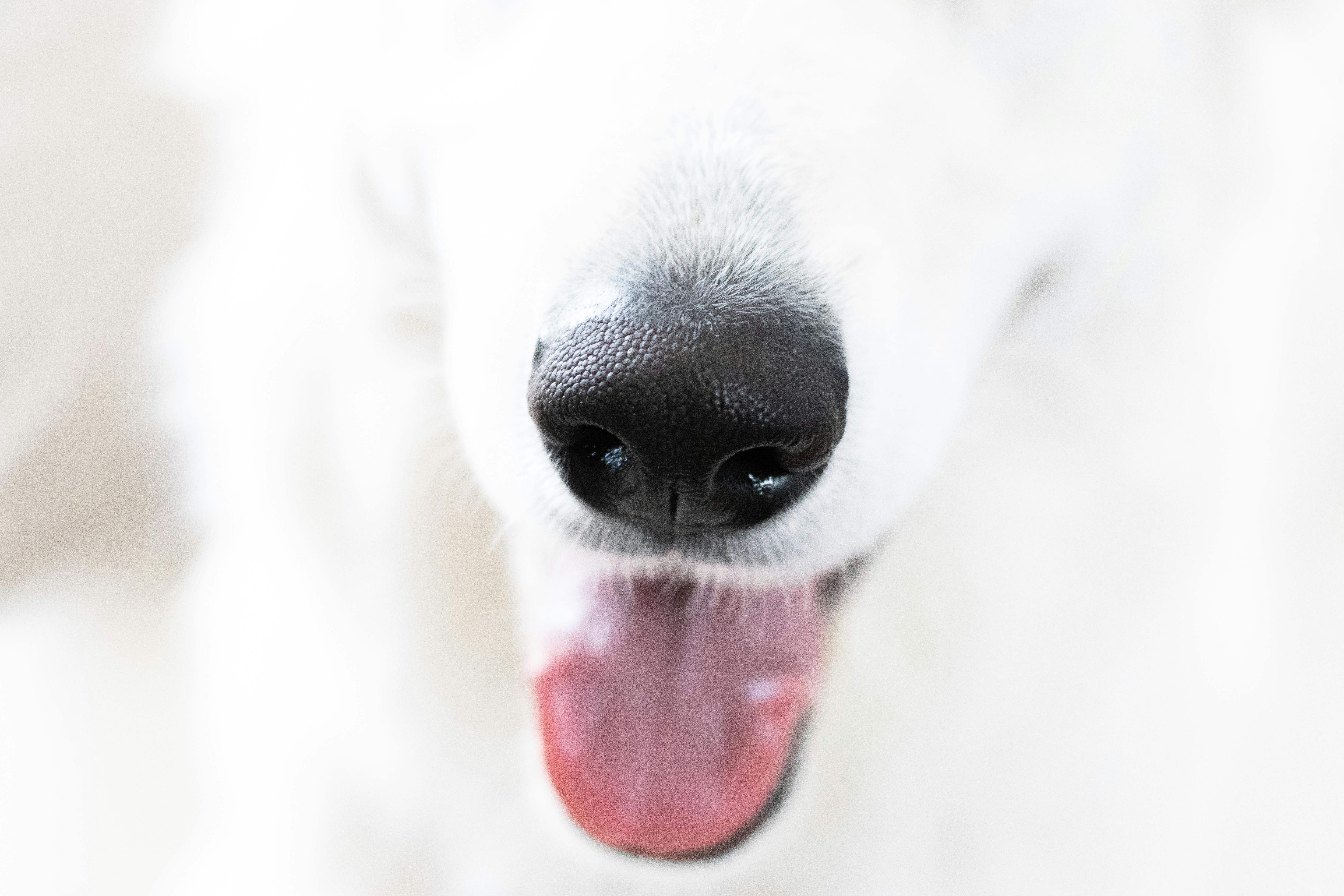 \n\n
\n\nDogs are often known for their incredible sense of smell, but have you ever wondered about the role of a dog's wet nose in scent detection? Why do dogs have wet noses? It's a fascinating question that brings us to explore the very nature of our canine companions. In this post, we’ll dive into the science behind why dogs have those famous damp noses and how it helps them in detecting scents more efficiently.
\nThe Science Behind a Dog's Wet Nose
\nA dog’s nose is not just a cute feature; it serves a very important purpose. You see, the wetness of a dog’s nose is more than just a natural trait. It actually plays a big role in enhancing their ability to smell. Here’s how it works:
\n- \n
- Moisture and Scent Particles: A wet nose helps in capturing scent particles in the air. When the nose is moist, it can trap these particles more effectively, allowing dogs to pick up a wider range of smells. \n
- Thermoregulation: Dogs also lose heat through their noses, which helps in regulating their body temperature. A cool nose can be an indicator of a healthy dog. \n
- Sensory Receptors: Dog noses have millions of olfactory receptors—more than a human's by far! The moisture from their noses aids in dissolving scent molecules so that these receptors can detect them better. \n
Historical Context of Dogs and Their Noses
\nHumans have been living with dogs for thousands of years, and throughout history, dogs have been utilized for hunting, herding, and protection. The importance of their sense of smell has been recognized across various cultures and time periods.
\n- \n
- Ancient Egypt: Dogs were worshipped and often depicted in art. Their keen sense of smell was acknowledged, and they were used in various roles such as hunting companions. \n
- Modern Times: Today, dogs are used in search and rescue missions, as well as in law enforcement to detect drugs, explosives, and even certain medical conditions. \n
How Dogs Use Their Noses
\nDogs rely heavily on their noses to interact with the world. Here's a quick overview of how they use this incredible sense:
\n- \n
- Tracking: Dogs can track scents over great distances, even days after the scent was left. This is useful in search and rescue operations. \n
- Detecting Emotions: Dogs can sense human emotions through smell. They can tell if you’re happy, sad, or anxious based on the chemical changes in your body. \n
- Medical Alerts: Certain dogs are trained to detect medical conditions like diabetes or seizures by sensing changes in their owner's scent. \n
Fun Facts About Dog Noses
\n- \n
- Unique Patterns: Just like human fingerprints, every dog has a uniquely patterned nose. This can even be used to identify them! \n
- Color Change: The color of a dog's nose can change due to various factors like health conditions, age, and even the season. \n
- Sniffing Speed: Dogs can sniff up to 40 times a second! This allows them to gather an immense amount of information quickly. \n
Comparison: Dog Noses vs. Human Noses
\nThe differences between dog noses and human noses are quite fascinating:
\n| Feature | \nDog Nose | \nHuman Nose | \n
|---|---|---|
| Number of Receptors | \nOver 300 million | \nAbout 5 million | \n
| Smell Sensitivity | \n10,000 to 100,000 times better | \nLimited sensitivity | \n
| Purpose | \nScent detection, tracking | \nBreathing, smelling food | \n
The Importance of Nose Care
\nJust like any part of a dog’s body, their noses require care. Here are some tips for keeping that wet nose healthy:
\n- \n
- Regular Checks: Look for changes in moisture levels, color, or any signs of injury. \n
- Hydration: Ensure your dog is well-hydrated as a dry nose can indicate dehydration. \n
- Consult a Vet: If you notice any unusual changes, don’t hesitate to contact your veterinarian for advice. \n
Understanding the role of a dog's wet nose in scent detection gives us a deeper appreciation for our furry friends. Their noses are not just adorable features; they are powerful tools that help dogs navigate the world in ways we can barely comprehend. So next time you see your dog sniffing around, remember that their wet nose is doing a lot of work behind the scenes!
\n\nWet Noses and Dog Behavior: What Your Pup is Trying to Tell You
\n\n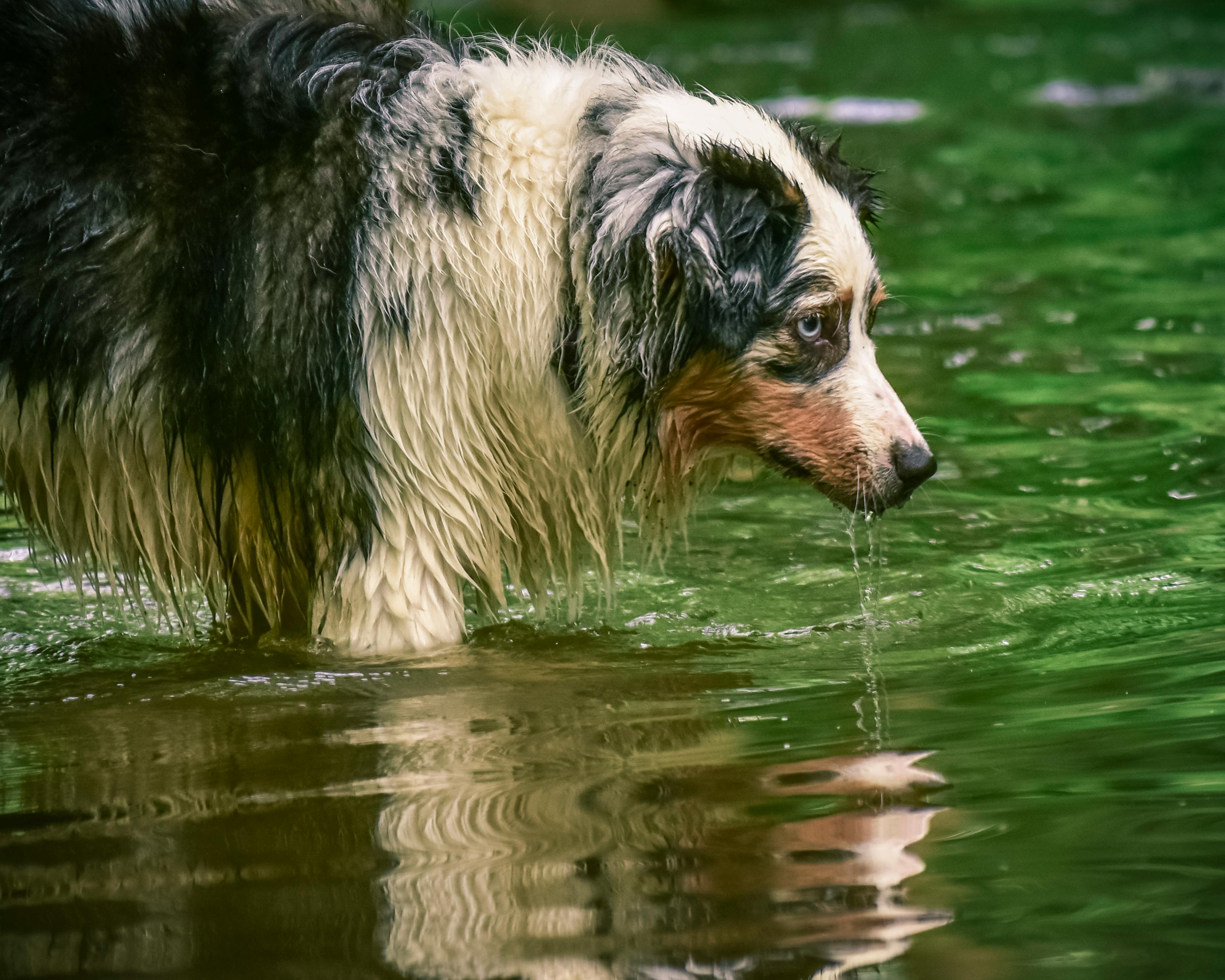 \n\n
\n\nWet Noses and Dog Behavior: What Your Pup is Trying to Tell You, Why Do Dogs Have Wet Noses? Discover the Fascinating Truth!
\nEver wonder why your dog’s nose is always wet? It’s a common question that many dog owners ask, and it’s not just about being cute. Wet noses serve several important functions and can tell us a lot about our furry friends’ health and emotions. Let’s dive into the fascinating world of dog behavior and the science behind those moist little noses.
\nThe Science Behind Wet Noses
\nFirst off, the moisture on a dog’s nose is not just for looks. It’s actually a fascinating biological feature. A wet nose helps dogs smell better. Dogs have a highly developed sense of smell, which is about 10,000 to 100,000 times more sensitive than humans. The wetness of their noses helps to capture scent particles in the air, making it easier for them to detect various smells.
\n- \n
- The moisture on their noses is produced by glands in the skin. \n
- It helps them absorb scent chemicals which enhance their sense of smell. \n
- When a dog sniffs something, their nose can trap more scent particles, making their sniffing more effective. \n
Historical Context: Why Do Dogs Have Wet Noses?
\nHistorically, dogs have evolved from their ancestors, wolves, who also had wet noses. The wetness helps them in hunting and interacting with their environment. Wolves needed to detect scents to find prey and avoid dangers, and this trait carried over to domestic dogs.
\n- \n
- Early dog breeds were used for hunting, herding, and guarding, making a keen sense of smell essential. \n
- A wet nose is thought to be a trait that has been naturally selected over generations. \n
- It’s believed that dogs with better smelling abilities were more successful in their roles, hence those traits became more common. \n
Understanding Your Dog's Behavior Through Their Nose
\nDogs communicate a lot through their noses. If your dog’s nose is dry, it may not always mean they are sick, but it can indicate something is off. Here are some behavioral cues you can observe:
\n- \n
- Wet Nose: Often indicates that your dog is healthy and alert. \n
- Dry Nose: Could indicate dehydration, fever, or illness, but it’s not always a sign of sickness. \n
- Cool and Wet Nose: This usually means your dog is relaxed and comfortable. \n
- Warm and Dry Nose: Could suggest that they may be feeling unwell or stressed. \n
Factors That Affect Nose Wetness
\nSeveral factors can affect whether a dog’s nose is wet or dry. Here’s a quick list:
\n- \n
- Weather: Hot and dry weather can lead to a dry nose. \n
- Health: Certain illnesses, allergies, or infections can alter nose moisture. \n
- Hydration: If your dog isn’t drinking enough water, it can cause a dry nose. \n
- Age: Older dogs may naturally have drier noses as they age. \n
What Can You Do?
\nAs a dog owner, it’s important to monitor your dog’s nose and overall health. Here’s a simple checklist to help you keep track:
\n- \n
- Regular Vet Check-ups: Ensure your dog is healthy and up to date on vaccinations. \n
- Hydration: Always provide fresh water and encourage your dog to drink. \n
- Observe Behavior: Watch for any changes in your dog’s behavior or nose condition. \n
- Grooming: Regular grooming can help keep the skin and nose healthy. \n
The Fascinating Truth About Dog Noses
\nDogs’ noses can tell you a lot! They can sense emotions, detect illness, and even predict some health issues. Here are some fun facts about dog noses:
\n- \n
- Dogs have about 220 million scent receptors, compared to humans’ 5 million. \n
- The texture of a dog’s nose is unique, much like human fingerprints. \n
- Dogs can even detect certain diseases like cancer through their sense of smell. \n
In conclusion, understanding why dogs have wet noses and what they mean can deepen your bond with your pet. These moist noses are not just cute features; they’re crucial for your dog’s health and communication. So next time you pet your furry friend, take a moment to appreciate that wet nose and what it’s telling you!
\n\nWhy Do Some Dogs Have Drier Noses? Understanding the Variations
\n\n \n\n
\n\nHave you ever noticed that some dogs have drier noses while others have that classic wet nose? It’s a question pet owners often ask, and it turns out there’s more to it than just a simple difference. Understanding why do dogs have wet noses and why some can have drier ones can give us fascinating insights into our furry friends. Let’s dive into the science, history, and some fun facts about this curious canine characteristic.
\nWhat’s the Deal with Wet Noses?
\nDogs are known for their wet noses, but why is that? A wet nose is actually a sign of good health in dogs. The moisture helps dogs to better sense their environment. This is because dogs have a highly developed sense of smell, and a wet nose will help to capture scent particles more effectively. Here’s some reasons why dog noses are wet:
\n- \n
- Scent Detection: The moisture on a dog’s nose helps to absorb scent particles, making it easier for them to smell things. \n
- Temperature Regulation: A wet nose can help dogs cool down. Just like how humans sweat, dogs can lose some heat through their noses. \n
- Communication: Dogs may use their noses to communicate with other dogs. A wet nose can indicate excitement or a friendly demeanor. \n
Why Do Some Dogs Have Drier Noses?
\nNow, let’s talk about those dogs who seem to have drier noses. There are several reasons that can lead to variations in the level of moisture on a dog’s nose. Some common causes include:
\n- \n
- Allergies: Just like humans, dogs can have allergies that affects their skin, including the nose, leading to dryness. \n
- Dehydration: If a dog isn’t drinking enough water, their nose may become dry. Keeping your dog hydrated is crucial. \n
- Health Issues: Certain health problems, like autoimmune diseases or infections, can also cause a dry nose. \n
- Weather Conditions: Hot, dry weather can lead to drier noses. In contrast, humid conditions might keep a dog’s nose moist. \n
Historical Perspective
\nThroughout history, dogs have been praised for their keen senses, especially their sense of smell. Ancient cultures often regarded dogs as companions and hunters, relying on their noses for tracking game. The wet nose has been a part of this evolutionary trait, as it enhances their ability to detect scents. Over time, variations in dog breeds led to differences in nose moisture, with some breeds being more prone to dry noses than others.
\nComparisons of Nose Moisture in Dog Breeds
\nDifferent dog breeds can show significant differences in nose moisture. Here’s a quick comparison of a few breeds:
\n- \n
- Labrador Retrievers: Typically have wetter noses due to their active lifestyle and playfulness. \n
- Bulldogs: Often have drier noses, which can be attributed to their unique facial structure. \n
- Poodles: Generally maintain moist noses, helping them in their roles as working dogs. \n
- Chihuahuas: Can have variable moisture levels based on their environment and health. \n
Fun Facts About Dog Noses
\nDid you know that a dog’s sense of smell is estimated to be 10,000 to 100,000 times more sensitive than a human's? Here are some additional interesting facts:
\n- \n
- A dog’s nose print is unique, just like a human fingerprint. \n
- Dogs can detect certain diseases in humans, including cancer and diabetes, through their sense of smell. \n
- The moisture on a dog’s nose can change throughout the day, often being wetter in the morning and drier later. \n
How to Care for Your Dog’s Nose
\nIf you notice your dog’s nose is drier than usual, there are several things you can do to help:
\n- \n
- Hydration: Make sure your dog always has access to fresh, clean water. \n
- Humidifiers: If you live in a dry climate, consider using a humidifier to keep the air moist. \n
- Diet: Ensure your dog is on a balanced diet that supports overall health, including skin and coat. \n
- Veterinary Care: If dryness persists, consult your veterinarian to rule out any underlying health issues. \n
Understanding why do some dogs have drier noses compared to their wet-nosed counterparts reveals not just the biology of dogs but also their health and well-being. The moisture level in a dog's nose can be a window into their overall condition. Whether wet or dry, every nose tells a story about your canine companion's health and environment. Be observant, and you can ensure your furry friend stays happy and healthy!
\n\nThe Connection Between a Wet Nose and Your Dog's Mood: What You Should Know
\n\n \n\n
\n\nEver wondered why your dog's nose is often wet? It’s more than just a cute quirk! The connection between a wet nose and your dog’s mood is both fascinating and essential for understanding your furry friend. Let’s dive into the science behind it, because knowing why do dogs have wet noses can give you insights into their health and emotions.
\nWhy Do Dogs Have Wet Noses?
\nA dog's nose is moist for several reasons, and it serves various critical functions. Here's a breakdown of the primary reasons:
\n- \n
- \n
Temperature Regulation: Dogs don’t sweat like humans do. Instead, they cool themselves through their noses. A wet nose helps dissipate heat.
\n \n - \n
Enhanced Sense of Smell: The moisture on a dog's nose helps capture scent particles, which enhances their ability to smell. Dogs have an incredible olfactory system, and a wet nose allows them to detect scents even better.
\n \n - \n
Health Indicator: A wet nose is often a sign of a healthy dog. If the nose becomes dry or cracked, it may indicate health issues, dehydration, or illness.
\n \n - \n
Communication Tool: Dogs use their noses to communicate with each other and with humans. A wet nose can indicate excitement or a friendly demeanor.
\n \n
The Link Between Nose Moisture and Mood
\nJust like humans have various physical characteristics that can indicate our emotional state, dogs also do. A wet nose can signify a few different moods:
\n- \n
- \n
Excitement: When dogs are happy or excited, their adrenaline can cause their noses to become wetter. If you come home after a long day, a wet nose might be the first thing you notice!
\n \n - \n
Curiosity: When dogs are exploring their environment, they often sniff around. This exploration can lead to increased moisture on their noses due to the interaction with various surfaces.
\n \n - \n
Anxiety or Stress: A dry or warm nose can sometimes indicate that a dog is feeling anxious or stressed. If you notice this change, it might be worth investigating what’s bothering your pup.
\n \n
Fun Facts About Dogs’ Noses
\n- \n
- \n
Unique Patterns: Just like human fingerprints, every dog has a unique nose print. This could potentially be used for identification!
\n \n - \n
Nasal Turbinates: Dogs have a complex structure within their noses called nasal turbinates. These help filter and warm the air they breathe, making their sense of smell even more effective.
\n \n - \n
Nose Color Changes: A dog’s nose can change color with seasons. For example, some dogs may have a darker nose in the summer and become lighter in winter.
\n \n
Signs of a Healthy Nose: What to Look For
\nIt’s essential to keep an eye on your dog’s nose to ensure they’re in good health. Here are some signs of a healthy nose:
\n- \n
- \n
Cool and Moist: A healthy dog’s nose will typically feel cool and moist to the touch.
\n \n - \n
Color: The color should be consistent with your dog's breed, whether it's black, brown, or pink.
\n \n - \n
No Cracks or Sores: The absence of cracks or sores is a good indication of a healthy nose.
\n \n - \n
No Discharge: A normal nose shouldn't have excessive discharge. If you see this, it might be time to consult with a veterinarian.
\n \n
When to Worry About Your Dog’s Nose
\nNow that you know what to look for, here are some signs that may indicate a problem:
\n- \n
- \n
Dry and Cracked Nose: This can be a sign of dehydration or health issues.
\n \n - \n
Excessive Discharge: If the discharge is green or yellow, it could indicate an infection.
\n \n - \n
Unusual Color Change: If your dog’s nose suddenly changes color, it’s best to check with a vet.
\n \n - \n
Warm to the Touch: If the nose is warm, it might suggest fever or illness.
\n \n
Final Thoughts
\nUnderstanding the connection between your dog’s wet nose and their mood can not only deepen your bond but also help you monitor their health more effectively. Remember that while a wet nose often signifies happiness and health, changes in moisture levels can indicate underlying issues. By paying attention to these signs, you can provide the best care for your furry friend and ensure they stay happy and healthy. So next time you give your pup a scratch behind the ears, take a moment to note that wet nose—it's more than just a cute feature; it’s a window into their emotional life!
\n\n6 Fun Facts About Dogs' Wet Noses That Will Amaze You!
\n\n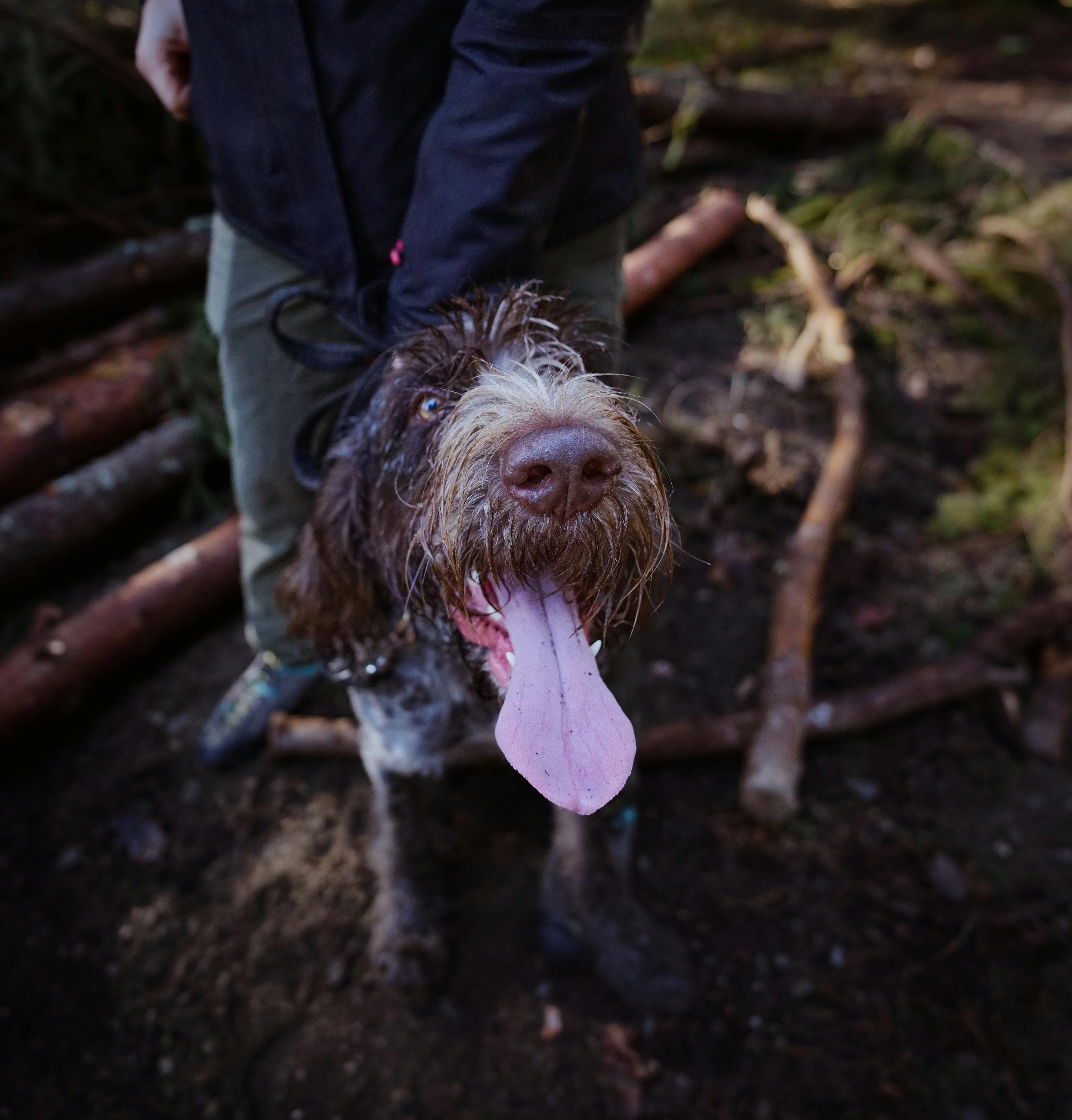 \n\n
\n\nIf you’ve ever wondered why dogs have wet noses, you’re not alone! Many people find this curious feature of our furry friends quite fascinating. Dogs’ noses are not just adorable; they serve some important purposes too! Let’s dive into some fun facts about dogs’ wet noses that’ll surely amaze you and help you understand their purpose better.
\n1. Dogs’ Noses Are Naturally Wet
\nYou might think that a dog’s nose is wet because they’ve been drinking water or playing in the rain. But actually, it’s just how they are made! A dog's nose is moist due to a thin layer of mucous. This moisture helps them absorb scent chemicals, making their sense of smell super powerful. A wet nose helps capture more scent particles, which is why dogs are so good at sniffing things out!
\n2. Temperature Regulation
\nDid you know a dog’s wet nose plays a role in how they regulate their body temperature? When a dog pants, the moisture from their nose evaporates, helping cool them down. This is especially important since dogs don't sweat like humans do. Instead, they rely on their noses and other methods, like panting, to keep cool. So, if your dog’s nose feels cooler than usual, it might be a sign they’re managing their body heat.
\n3. Dogs’ Noses Are Unique
\nJust like human fingerprints, every dog has a unique nose print. The patterns on a dog’s nose can be used to identify them, much like how we use fingerprints for humans. Some people have even suggested using nose prints for dog identification, although it's not as common as microchipping. It’s a fun fact to think about next time you give your pup a little scratch on their snout!
\n4. Understanding Emotions
\nDogs can express their emotions through their noses too! A wet and cold nose usually indicates a dog is relaxed or happy, while a dry and warm nose could mean they're stressed or unwell. While it’s not a foolproof method to gauge their feelings, it can give you a hint about your pup's mood. So if you notice your furry friend’s nose is warmer than usual, take a moment to check in on them.
\n5. Smell Power
\nThe sense of smell in dogs is simply amazing. It’s believed that dogs have around 300 million smell receptors in their noses, compared to a human's mere 5 million. This incredible olfactory ability is why dogs are used in various roles like search and rescue, detecting drugs, or even sniffing out medical conditions. Their wet noses help them pick up on scents much better than we can, making them exceptional companions and helpers!
\n6. Health Indicators
\nA dog’s wet nose can also be a health indicator. If a dog suddenly has a dry nose or it becomes crusty, it might be a sign of dehydration or illness. Healthy dogs usually have moist and cool noses, so any significant changes should prompt a visit to the vet. Monitoring your dog’s nose can help catch potential health issues early, which is always a good thing for any pet owner.
\nSummary of Fun Facts
\nHere’s a quick recap of the amazing facts about dogs' wet noses:
\n- \n
- Moisture Absorption: Wet noses help absorb scent particles, enhancing smell. \n
- Temperature Regulation: Helps cool down dogs. \n
- Unique Identification: Every dog has a unique nose print. \n
- Emotional Indicators: Nose temperature can hint at a dog’s mood. \n
- Super Smellers: Dogs have a vastly superior sense of smell. \n
- Health Monitoring: Changes in nose condition can indicate health issues. \n
Dogs are truly special creatures, and their wet noses are just one of the many things that make them unique. Next time you pet your furry friend, take a moment to appreciate that adorable, moist nose and all the amazing things it can do. Understanding why dogs have wet noses not only deepens your bond with them but also helps you become a more informed and caring pet owner. So, keep these facts in mind, and enjoy every slobbery kiss your pup gives you!
\n\nConclusion
\n\nIn summary, the wetness of a dog's nose serves multiple important functions, including enhancing their sense of smell, regulating body temperature, and indicating health status. The moisture on a dog's nose helps trap scent particles, making their olfactory abilities even more acute, which is why they excel in various roles, from search and rescue to therapy work. Additionally, a wet nose can be a reflection of a dog’s overall health, as changes in moisture levels may signal illness or dehydration. Understanding the significance of this unique feature not only deepens our appreciation for our furry companions but also encourages us to monitor their well-being. Next time you greet your dog, take a moment to observe their wet nose; it’s a fascinating reminder of how nature equips them with remarkable tools for survival. Consider sharing this knowledge with fellow dog lovers to enhance their understanding of these beloved pets.
\n\n