Have you ever wondered, why do dogs have wet noses? This intriguing question leads us to explore the fascinating reasons behind this common canine characteristic! A dog's nose is not just cute; it's a vital part of their sensory system, playing a crucial role in their health and behavior. The moisture on their noses helps to enhance their sense of smell, which is far superior to ours. But that's not all—ever thought about why a dog’s nose feels cool to the touch? In this article, we will dive into the science of dog noses, revealing the secrets of their wetness and what it means for their overall well-being. Could it be that a wet nose is a sign of a happy dog? Or might it indicate something deeper? Understanding the reasons behind this unique trait can help every dog owner provide better care for their furry friends. Join us on this captivating journey as we uncover the mysteries of dog noses and why they play such an important role in a dog's life! Don't miss out on discovering the truth behind those adorable, wet noses!
The Science Behind Canine Nasal Moisture: Why Are Dog Noses Always Wet?
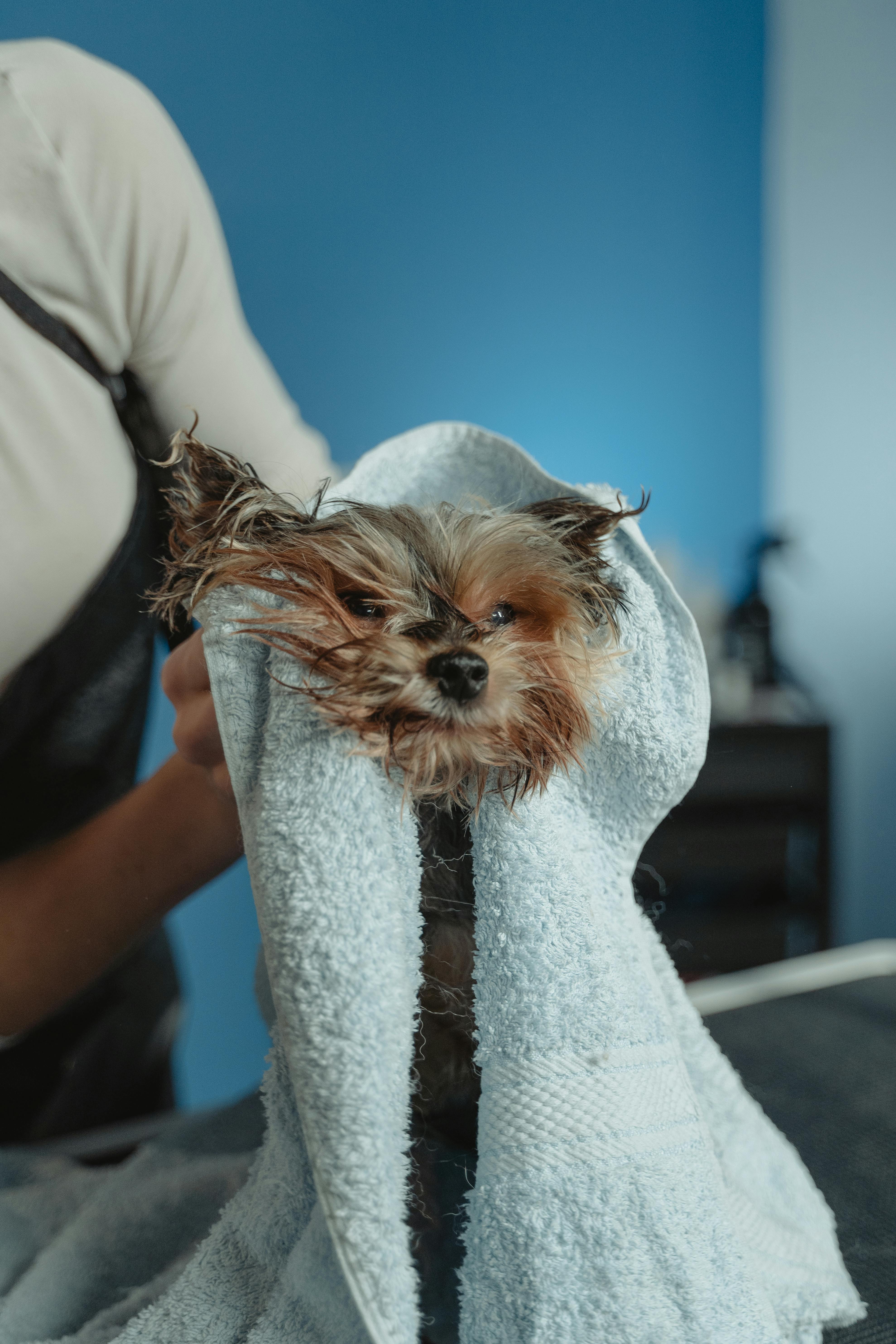
When you think of dogs, one of the most unusual features that come to mind is their wet noses. You might wonder, why do dogs have wet noses? It’s such a common sight, but what’s the science behind canine nasal moisture? In this article, we will dive into the fascinating reasons as to why dog noses are always wet and what that means for their health and behavior.
The Science Behind Dog Noses
Dog noses are like amazing little tools. They not only help them smell things but also plays a role in regulating their body temperature. The moisture on a dog’s nose is actually a mix of saliva and secretions from the nasal glands. Here’s a breakdown of why they are wet:
Enhanced Scent Detection: The wetness on a dog’s nose helps trap scent particles. When a dog sniffs, the moisture captures these tiny particles, allowing their olfactory receptors to identify smells more accurately. This is crucial for their hunting instincts and social interactions.
Temperature Regulation: Dogs can’t sweat as humans do, so they rely on their noses to help cool down. When the moisture evaporates, it cools the blood vessels near the surface, which helps regulate their body temperature. This is especially important during hot weather.
Health Indicators: A dog's nose can be an indicator of their overall health. A wet, cool nose is generally a sign of a healthy dog. However, if a dog’s nose is dry and warm, it could indicate a fever or illness. It’s always a good idea to pay attention to changes in your dog’s nose moisture.
Why Are Dog Noses Always Wet?
So, you might still ask yourself, why do dogs have wet noses? The reasons are numerous and interconnected. Here’s a list that summarizes some of the most important ones:
Anatomy: Dogs have a unique nasal structure that includes a large surface area covered in moist tissues. This not only aids in smell but also in maintaining moisture.
Grooming Habits: Dogs often lick their noses, which keeps them moist. They may also get moisture from drinking water or playing in the rain.
Environmental Factors: Weather plays a role too. Humidity can keep dog noses more moist, while dry air can lead to drier noses.
Breed Differences: Certain breeds may have more moist noses due to their genetics. Breeds like Bloodhounds have particularly wet noses because they need to track scents more effectively.
Fun Facts About Dog Noses
Unique Prints: Just like human fingerprints, every dog has a unique nose print. This could be used for identification purposes, although it’s not as common as fingerprinting for humans.
Sensitivity: A dog’s nose is estimated to be between 10,000 to 100,000 times more sensitive than a human’s. This is why they are used in search and rescue missions.
Nasal Heat Detection: Dogs can detect heat through their noses as well. They can sense the warmth of a person or animal, helping them locate prey or even sniff out medical conditions in humans.
Comparison: Wet vs. Dry Noses
Here’s a simple comparison of wet and dry noses in dogs:
Wet Nose:
- Cool to touch
- Often indicates a healthy dog
- Helps with smelling
- Evaporative cooling
Dry Nose:
- Warmer to touch
- Can indicate dehydration or illness
- May affect scent detection
- Less efficient in cooling
Practical Examples of Nose Moisture in Dogs
Hunting Dogs: Dogs bred for hunting, like retrievers, have very wet noses to enhance their ability to track scents. Their noses are constantly damp, aiding their hunting performance.
Working Dogs: Police and service dogs rely on their noses. Training these dogs often involves using their sense of smell, which is heightened by their moist noses.
Household Pets: Even in your home, a dog with a moist nose is usually a sign they’re healthy and happy. Pay attention to any changes as they can indicate health issues.
In summary, the mystery of why do dogs have wet noses is deeply rooted in their biology and evolution. Moist dog noses are not just a cute feature; they serve significant purposes that contribute to a dog’s health, behavior, and sensory abilities. Next time you see your pup with a wet nose, remember all the amazing things that simple feature accomplishes!
7 Fascinating Facts About Your Dog’s Wet Nose You Never Knew
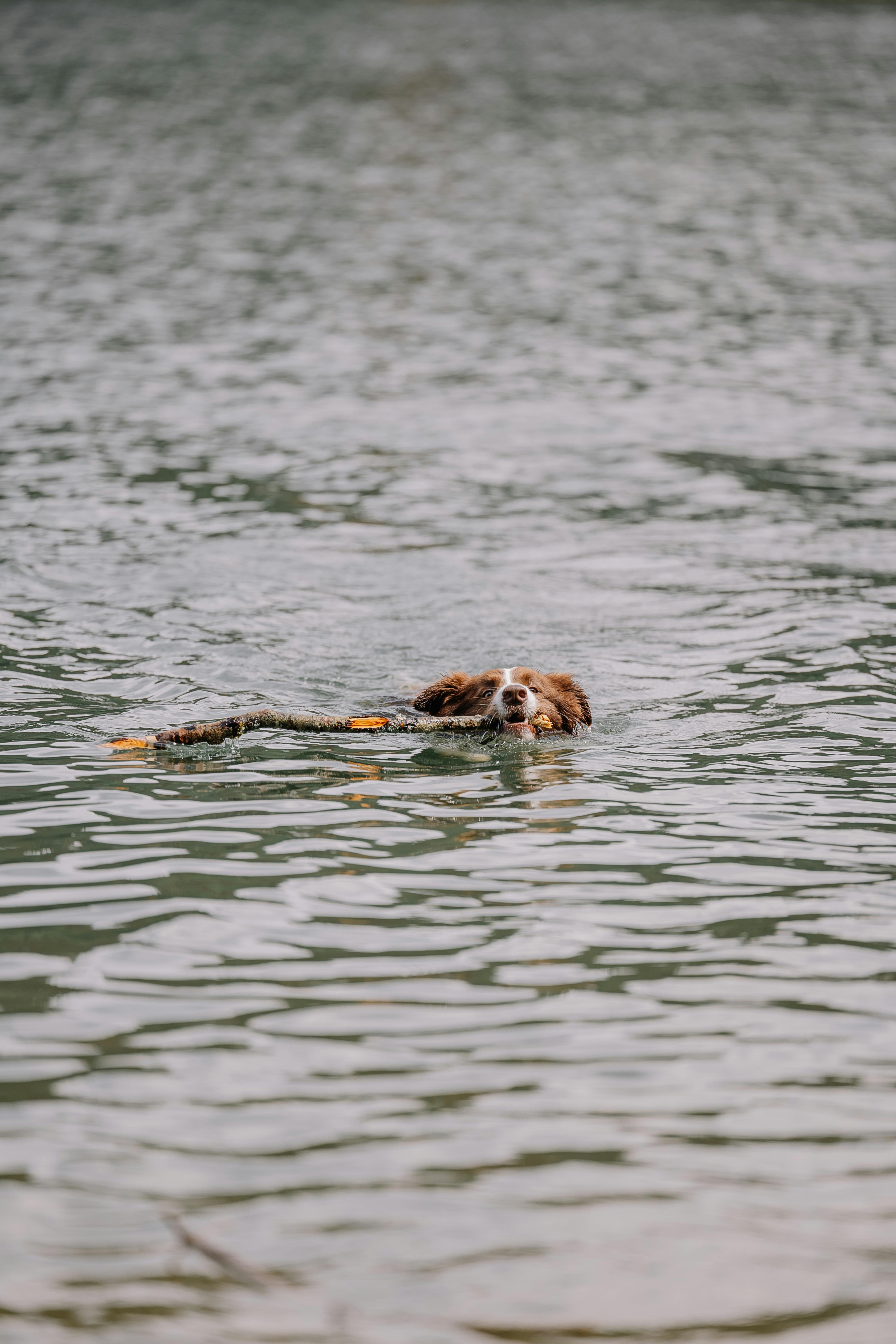
Dogs are truly amazing creatures, and one of the most interesting features about them is their wet noses. Have you ever wondered why dogs have wet noses? It seems like such a simple thing, but there’s actually a lot more to it than you might think. Here are 7 fascinating facts about your dog’s wet nose that you probably never knew!
1. Dogs’ Wet Noses Help Them Sense the World
Dogs rely heavily on their sense of smell, which is way stronger than ours. A dog’s nose has up to 300 million smell receptors compared to humans' mere 5 million. The moisture on a dog’s nose helps to capture scent particles in the air, making it easier for them to sniff out things. So, if your dog has a wet nose, it’s like they’re wearing a supercharged scent detector!
2. Temperature Regulation
You might think that dogs sweat like humans, but they don’t. Instead, they regulate their body temperature through panting and the moisture on their noses. The wetness helps to cool them down. When a dog pants, the evaporation of moisture from their nose and tongue helps to lower their body temperature. Isn’t that clever?
3. The Science Behind the Wetness
The wetness of a dog's nose comes from a combination of mucus and moisture from the surrounding environment. This mix keeps their nose moist and enhances their olfactory abilities. Interestingly, if you ever notice your dog’s nose drying out, it could indicate dehydration or illness.
4. Evolutionary Advantage
From an evolutionary perspective, a wet nose may have given dogs an edge in the wild. The ability to smell better can help them find food or detect predators. If you think about it, a dry nose might not be as effective for survival as a moist one. Dogs with wet noses may have been more successful hunters, leading to their survival and eventual domestication.
5. Breed Differences
Not all dog noses are created equal! Some breeds, like Bulldogs or Pugs, may have wet noses that dry out quicker due to their facial structure. Other breeds, like Greyhounds, typically have very moist noses. This can be due to various factors, including genetics, environment, and overall health.
6. Social Signals
Dogs also use their noses to communicate with each other. A wet nose can signal friendliness and curiosity. When dogs meet, they often sniff each other’s noses as a form of greeting. This behavior helps them gather information about the other dog, like their health, mood, and even what they’ve eaten. It’s like a doggie handshake!
7. Health Indicators
A wet nose is often a sign of a healthy dog, but it’s not the only indicator. Here’s a quick guide on what different nose conditions can mean:
- Wet and Cold: Your dog is likely healthy and happy.
- Dry and Warm: This could indicate illness, especially if accompanied by other symptoms.
- Cracked or Chapped: This might suggest dehydration or allergies.
- Excessively Wet: Sometimes, this can be a sign of a nasal infection.
Knowing these signs can help you keep an eye on your furry friend’s health.
Fun Facts About Dog Noses
- Dogs have unique nose prints, much like human fingerprints. Each dog’s nose pattern is different and can be used for identification.
- The color of a dog’s nose can vary based on genetics. Some dogs have black noses, while others can have pink or brown.
- A dog’s sense of smell is so accurate that they can detect certain diseases in humans, including cancer and diabetes.
In summary, your dog’s wet nose is not just a cute feature; it serves multiple important functions in their lives. From helping them navigate the world through smell to regulating their body temperature and communicating with other dogs, there’s a lot going on with that little wet nose of theirs! The next time you see your dog’s wet nose, take a moment to appreciate the complex biology and evolutionary history behind it. Who knew that something so simple could be so fascinating?
Do Wet Noses Mean a Healthy Dog? Understanding the Connection

Do wet noses mean a healthy dog? This is a question many dog owners ask, often with concern for their furry friends. Wet noses are commonly associated with a dog's wellbeing, but the truth is a little more complicated. Understanding the reasons why dogs have wet noses can help owners decipher what it truly means for their pet's health.
Why Do Dogs Have Wet Noses?
Dogs have wet noses for several reasons, and it's not just because they enjoy rolling in puddles! Here are some key factors that contribute to the moisture:
Temperature Regulation: Dogs don’t sweat like humans do. Instead, they rely on their noses to help cool down. The moisture on a dog’s nose evaporates, which helps to lower their body temperature.
Sense of Smell: A wet nose enhances a dog’s ability to smell. The moisture helps to trap scent particles in the air. This is why dogs can sniff out scents better when their noses are damp.
Health Indicators: While a wet nose is often seen as a sign of health, it doesn't tell the whole story. A dog can have a wet nose and still be ill. Conversely, a dry nose doesn’t automatically mean something is wrong.
Environmental Factors: Humidity and temperature can affect how wet a dog’s nose is. For example, during hot weather, a dog’s nose may be drier as they work harder to cool down, while in cooler or humid environments, noses may appear wetter.
Common Misconceptions About Wet Noses
There are many myths surrounding the condition of a dog's nose. Here are some misconceptions:
Myth: A wet nose equals a healthy dog.
Fact: While it can be a sign of good hydration, a dry nose can also be normal, depending on the dog’s activity level and environment.
Myth: All dogs have wet noses.
Fact: Some breeds naturally have drier noses due to their genetics or health conditions.
Myth: A wet nose means your dog is sick if it suddenly becomes dry.
Fact: A sudden change can be due to various reasons, including weather, hydration levels, or even sleep.
Health Conditions Related to Nose Moisture
While a wet nose is often considered a sign of health, dog owners should be aware of conditions that can affect this. Here are some issues to look out for:
Dehydration: If a dog is dehydrated, their nose may dry out. This is a sign they may need more water.
Fever: A dog’s temperature may rise due to illness, leading to a dry nose, but this isn’t always the case.
Allergies: Allergies can cause a dog’s nose to become dry or cracked, so if you notice this, consult a vet.
Infections: Nasal infections can lead to changes in nose moisture. If you see unusual discharge or persistent dryness, it’s time for a check-up.
Practical Tips for Dog Owners
Here are some practical tips for ensuring your dog stays healthy and comfortable:
Hydration: Always provide fresh water. Dehydration can lead to various health problems.
Check Regularly: Keep an eye on your dog’s nose. If you notice sudden changes, take note of other symptoms.
Seasonal Changes: Adjust your care based on the season. In winter, consider applying a nose balm to prevent cracking.
Vet Visits: Regular check-ups help catch any underlying conditions early.
Fun Facts About Dog Noses
- Dogs have up to 300 million scent receptors in their noses, compared to about 5 million in humans!
- A dog's sense of smell is about 40 times better than ours, which is why they are used in search and rescue missions.
- Different breeds have different nose shapes, which can affect their scenting abilities.
In sum, while wet noses can be an indicator of a healthy dog, they are just one part of a larger picture. Understanding the reasons why dogs have wet noses and the implications of dryness can help owners take better care of their pets. Each dog is unique, and being attentive to changes in their health and behavior is key.
Why Do Dogs Have Wet Noses? The Surprising Benefits Explained
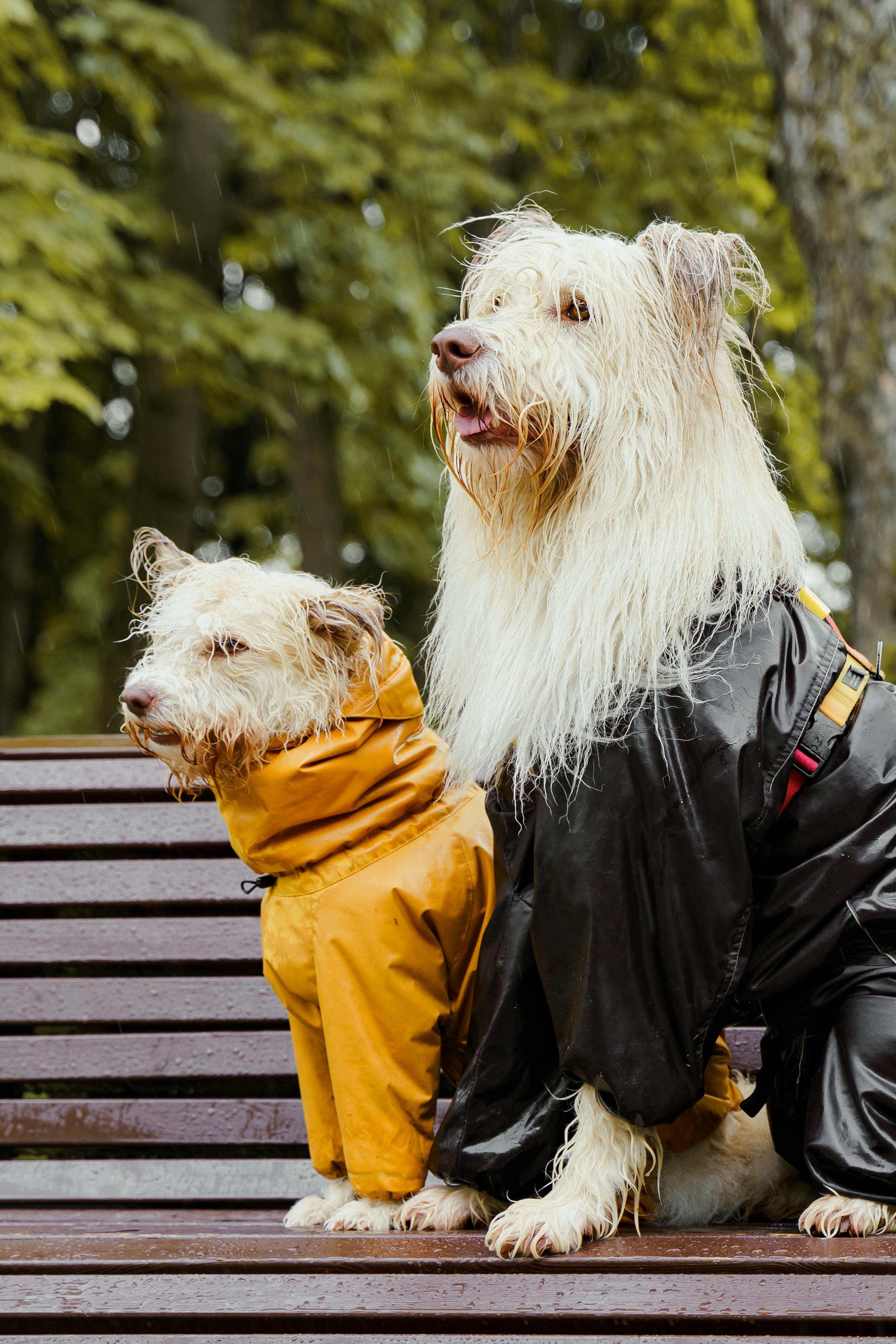
Dogs are some of the most beloved companions in many households around the world. One curious thing about them is their noses, especially the fact that they’re often wet. Have you ever wondered why do dogs have wet noses? It's not just for looks or because they had a water fight! In fact, there are many fascinating reasons and surprising benefits of those damp snouts. Let’s dive into this intriguing topic and explore the science behind it.
The Science Behind Wet Noses
A dog's nose is usually wet for a few key reasons. Firstly, the moisture helps them to smell better. Dogs have an incredible sense of smell, and moisture on their noses helps capture scent particles from the air. This is like how we might think of having a damp sponge absorb water better than a dry one. When a dog’s nose is wet, it can pick up on scents more effectively.
- Enhanced Olfactory Function: The wetness on a dog's nose helps in trapping scent molecules.
- Temperature Regulation: Dogs can’t sweat like humans. Their noses can help cool them down.
- Health Indicator: A wet nose is often a sign of a healthy dog, though there are exceptions.
Why Do Dogs Have Wet Noses? A Historical Perspective
Historically, dogs have evolved to have wet noses as part of their natural survival mechanisms. In the wild, a keen sense of smell was essential for hunting and foraging. Wet noses were advantageous for tracking prey and finding food sources. The evolutionary benefits made it so that this characteristic was passed down through generations.
Moreover, various breeds have their own unique characteristics but generally speaking, the wetness of a dog's nose is universal across species. Some breeds, like Bloodhounds, are known for their extraordinary sense of smell, in part due to their moist noses.
Surprising Benefits of Wet Noses
There are several benefits to having a wet nose, and some of them might surprise you:
- Improved Scent Detection: As mentioned earlier, wet noses can detect smells better. Dogs can identify different scents even in small concentrations.
- Regulation of Body Temperature: Dogs can’t sweat through their skin like humans. Wet noses helps with thermoregulation, allowing heat to escape.
- Health Monitoring: A wet nose is often seen as a sign of health. If a dog’s nose suddenly becomes dry, it might indicate health issues. However, this isn't a definitive rule as many factors can affect a dog's nose moisture.
- Social Cues: Dogs use their noses for communication with other dogs. A wet nose can be more appealing for greeting other dogs or humans.
Fun Facts About Dog Noses
- Dogs have about 300 million smell receptors in their noses, compared to about 6 million in humans.
- The distinct patterns on a dog's nose are as unique as human fingerprints.
- Dogs can even detect certain diseases in humans, such as diabetes or cancer, due to their incredible sense of smell.
What If Your Dog’s Nose Is Dry?
If you notice that your dog’s nose is unusually dry, it could mean several things. It might just be a hot day, or your dog could be dehydrated. Sometimes, a dog’s nose can dry out due to allergies or skin conditions. Here are some common reasons for a dry nose:
- Dehydration: Ensure your dog has access to fresh water.
- Allergic Reactions: Check for other signs of allergies.
- Environmental Factors: Heating or air conditioning can dry out nasal passages.
- Health Issues: If dryness persists, consult a veterinarian.
How to Keep Your Dog’s Nose Healthy
Caring for your dog’s nose is part of their overall health. Here are some tips to ensure their snout stays moist and healthy:
- Provide adequate hydration: Always have fresh water available.
- Use humidifiers: If you live in a dry climate, consider using a humidifier.
- Check for irritants: Be mindful of cleaning products or other substances your dog might come into contact with.
The next time you see your furry friend with that wet nose, remember there's a lot more beneath the surface than just cuteness. The moistness plays an essential role in their health and abilities. Understanding why do dogs have wet noses not only deepens our appreciation for them but also helps us care for them better. So, celebrate those damp noses—they're a sign of a happy, healthy pup!
5 Reasons Your Dog’s Nose is Wet: What Every Pet Owner Should Know
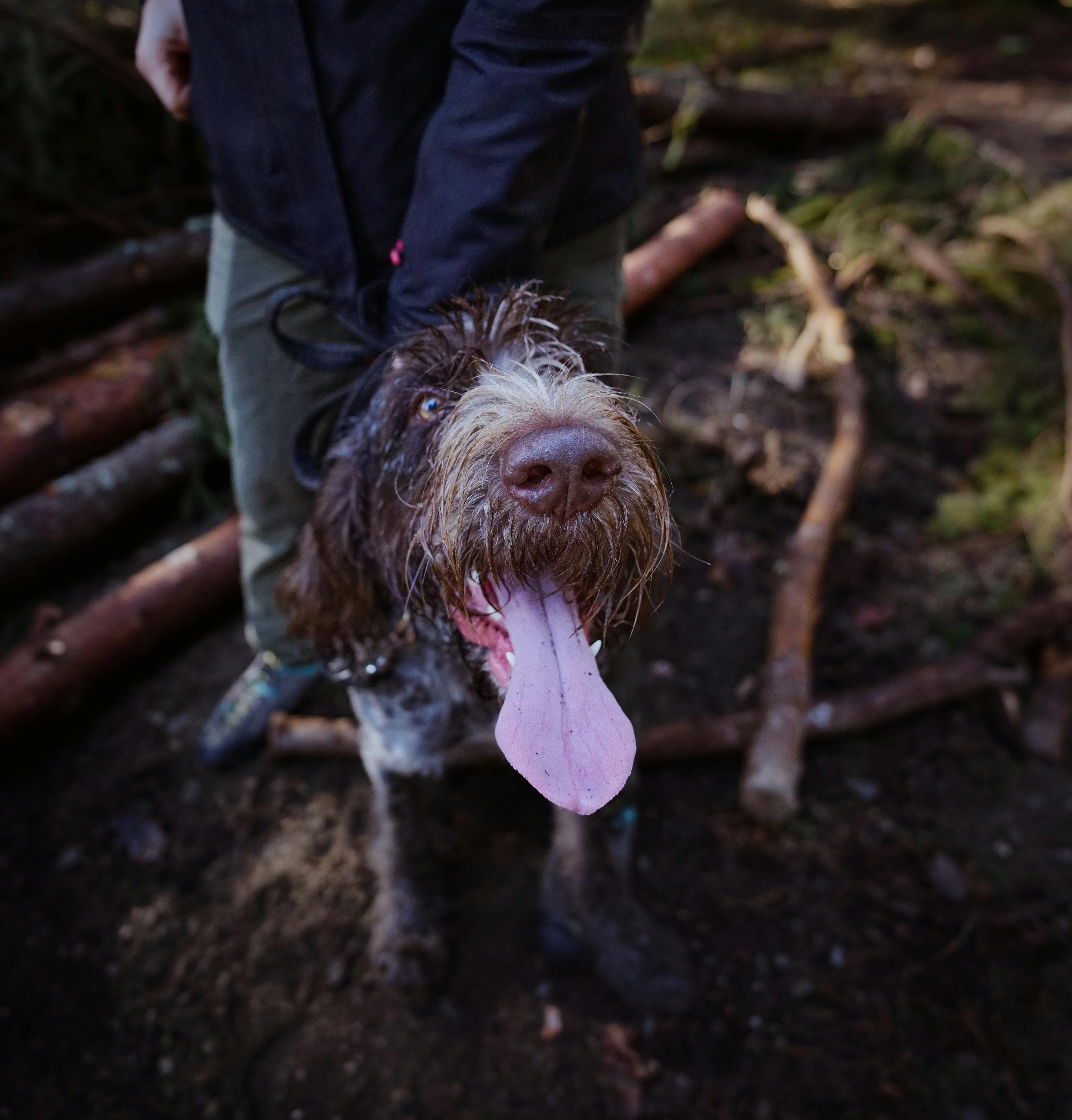
Dogs are often known for their delightful quirks and unique behaviors. One of the most intriguing traits is their wet noses. As a pet owner, you might have wondered, “Why do dogs have wet noses?” This article explores five reasons why your dog’s nose is wet and what every pet owner should know about this fascinating canine characteristic.
1. Temperature Regulation
Dogs can't sweat like humans do. Their body temperature regulation works differently. Wet noses may help them cool down. When a dog licks its nose, the moisture evaporates, which helps to lower their body temperature. This natural cooling system is particularly important on hot days.
- Dogs have sweat glands only in their paw pads.
- Wetness on the nose can help with thermoregulation.
- It’s a more efficient way for dogs to cool off than panting alone.
2. Enhanced Sense of Smell
Another reason your dog’s nose is wet is related to their incredible sense of smell. Dogs have a highly developed olfactory system, and moisture on their nose helps enhance their ability to detect scents. The wetness captures scent particles in the air, making it easier for them to identify smells.
- Dogs have up to 300 million scent receptors, compared to humans’ 5 million.
- A wet nose acts like a sponge, soaking up scents.
- This is why dogs often sniff the ground or other animals; they’re gathering important information.
3. Signs of Health
A dog’s wet nose is often a sign of good health. Generally, a healthy dog’s nose is moist and cool. However, it’s essential to recognize that a wet nose alone is not a definitive indicator of health. If your dog’s nose becomes excessively dry or cracked, it could signal dehydration or illness.
- Normal moisture levels can vary throughout the day.
- Things like exercise, temperature, and food can affect nose moisture.
- If you notice other symptoms like lethargy, it’s best to consult with a veterinarian.
4. Natural Behavior
Dogs often lick their noses as part of their natural behavior. This can be due to several reasons. They might be trying to clean their nose, which is especially common after eating or playing. Dogs also lick their noses when they are anxious or unsure. This behavior is instinctual and can stem from their wild ancestors, who had to keep their senses sharp for survival.
- Licking can be a self-soothing behavior.
- It’s also a way for dogs to communicate with each other.
- Engaging in nose licking is a normal part of canine behavior.
5. Environmental Factors
Finally, environmental factors play a significant role in the moisture level of your dog’s nose. Weather conditions, humidity, and even the air quality in your home can affect how wet your dog’s nose is. For instance, a dry climate can lead to dry noses, while a humid environment may keep your dog’s nose more moist.
- Cold weather can sometimes dry out a dog’s nose.
- Indoor heating can lead to lower humidity, affecting moisture levels.
- Always ensure your pet has access to fresh water and a comfortable environment.
Additional Thoughts on Dog Nose Health
Pet owners should regularly check their dogs’ noses, just like any other aspect of their health. Here are a few tips:
- Look for changes in color or texture.
- Monitor for excessive dryness or crustiness.
- If you notice unusual discharge or bleeding, reach out to a vet.
Quick Comparison: Wet Nose vs. Dry Nose
Wet Nose:
- Cool to the touch
- Indicates hydration and health
- Enhances smell
Dry Nose:
- Warm and cracked
- Possible dehydration or health issues
- Requires attention and care
In summary, understanding why your dog has a wet nose can enhance your bond with your pet. It’s fascinating how something so simple can be tied to their health and behavior. If you ever have concerns about your dog’s nose or overall wellbeing, don’t hesitate to reach out to a qualified veterinarian. They can provide you with more insight and guidance, ensuring your furry friend stays healthy and happy.
The Importance of a Wet Nose: How it Affects Your Dog’s Sense of Smell
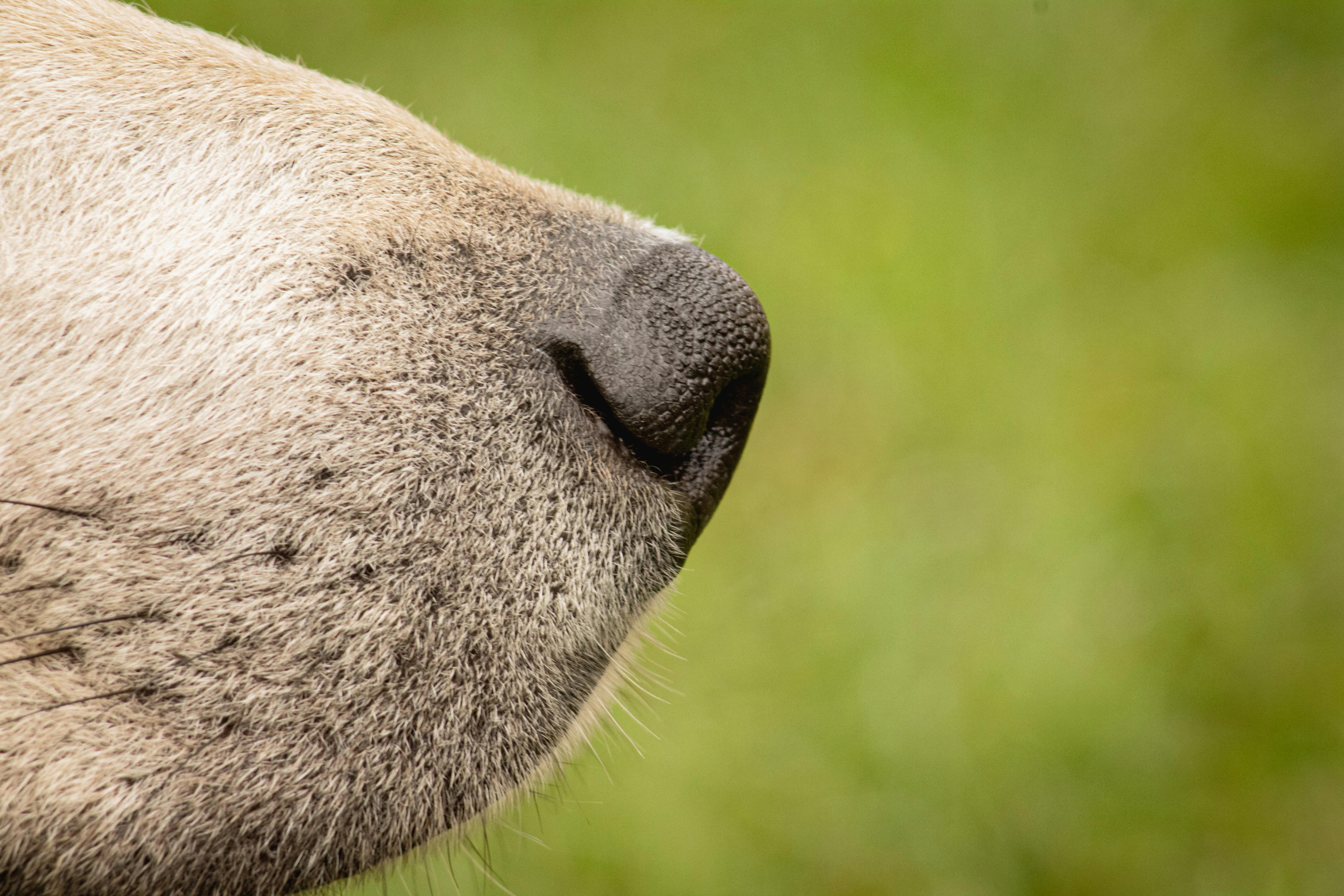
Dogs have long been known as man's best friend, but did you ever stop to think about why they have wet noses? The fascinating characteristics of a dog's nose goes beyond just being cute and cold; it plays a vital role in their unique sense of smell. Understanding the importance of a wet nose can give pet owners insight into their furry companions' health and behavior. Let's dive into the reasons behind that delightful wetness and how it affects their impressive olfactory abilities.
The Science Behind a Wet Nose
A dog's nose is not just there for decoration; it serves a purpose. The moisture on a dog's nose comes from a combination of secretions from their nasal glands and saliva. This wetness help enhances their ability to smell. Here's how:
- Increased Sensitivity: A wet nose can trap scent particles better than a dry one. When the nose is moist, it can absorb more of the odor molecules, making it easier for dogs to detect scents.
- Temperature Regulation: Dogs also use their noses to help cool themselves down. The moisture evaporating from a wet nose can help regulate their body temperature, especially during hot days.
- Health Indicator: The condition of a dog's nose can sometimes indicate their health. A consistently dry or cracked nose may signal dehydration or illness.
Why Do Dogs Have Wet Noses?
You may be asking yourself, "Why do dogs have wet noses?" The answer is multi-faceted. Let's look at the main reasons:
Evolutionary Adaptation: Dogs are descendants of wolves, and in the wild, a wet nose helps them detect prey or find their way around. A moist surface is more effective at capturing scent molecules from the air.
Enhanced Sense of Smell: Dogs have an extraordinary sense of smell, estimated to be between 10,000 to 100,000 times more sensitive than that of humans. The wetness of their nose plays a crucial role in this heightened ability, making it essential for hunting and survival.
Communication: Dogs also use their noses to communicate with one another. A wet nose can indicate excitement or interest, and they often greet each other with nose-to-nose contact, sharing scents and information.
How Wet Noses Affect a Dog’s Sense of Smell
The impact of a wet nose on a dog's sense of smell is profound. Here are some essential points:
Scent Discrimination: Dogs can differentiate between various scents, thanks to the moist surface of their noses. The wetness allows them to identify subtle differences in smells.
Scent Memory: Dogs rely on their noses for memory too. When they smell something, the wetness helps them remember that scent longer, which is important for tracking and locating.
Environmental Awareness: A wet nose help dogs gather information about their environment. They can detect changes in the air, such as the presence of other animals or even the scent of food.
Fun Facts About Dog Noses
Here are some interesting tidbits about dog noses that you may not know:
Nasal Print: Just like human fingerprints, every dog has a unique nasal print. Vets can actually use this as a form of identification.
Color Variation: The color of a dog's nose can vary widely from breed to breed. Some breeds have black noses, while others may have pink or spotted noses.
Nose Temperature: The temperature of a dog's nose can fluctuate. While a cold, wet nose is often considered a sign of good health, it’s not always the case. A warm, dry nose doesn’t automatically mean illness.
Practical Tips for Dog Owners
As a responsible pet owner, keeping an eye on your dog's nose can help you ensure their well-being. Here’s a quick checklist:
Monitor Moisture Levels: Regularly check if your dog’s nose is moist. If it seems dry or cracked, consider if they are hydrated.
Watch for Changes: Sudden changes in the texture or temperature of a nose may signal a health issue. Consult your vet if you notice anything unusual.
Keep it Clean: While dogs naturally clean their noses, you can help by gently wiping away dirt or debris.
Hydration: Ensure your dog has access to fresh water at all times to maintain overall health, including a healthy nose.
Understanding the reasons why dogs have wet noses helps pet owners appreciate their furry friends even more. It’s not just a cute feature; it’s a vital part of their sensory world. So, the next time you give your dog a pat on the head, take a moment to marvel at that little wet nose and all the amazing things it does!
Can Your Dog’s Wet Nose Indicate Health Issues? Uncover the Truth!
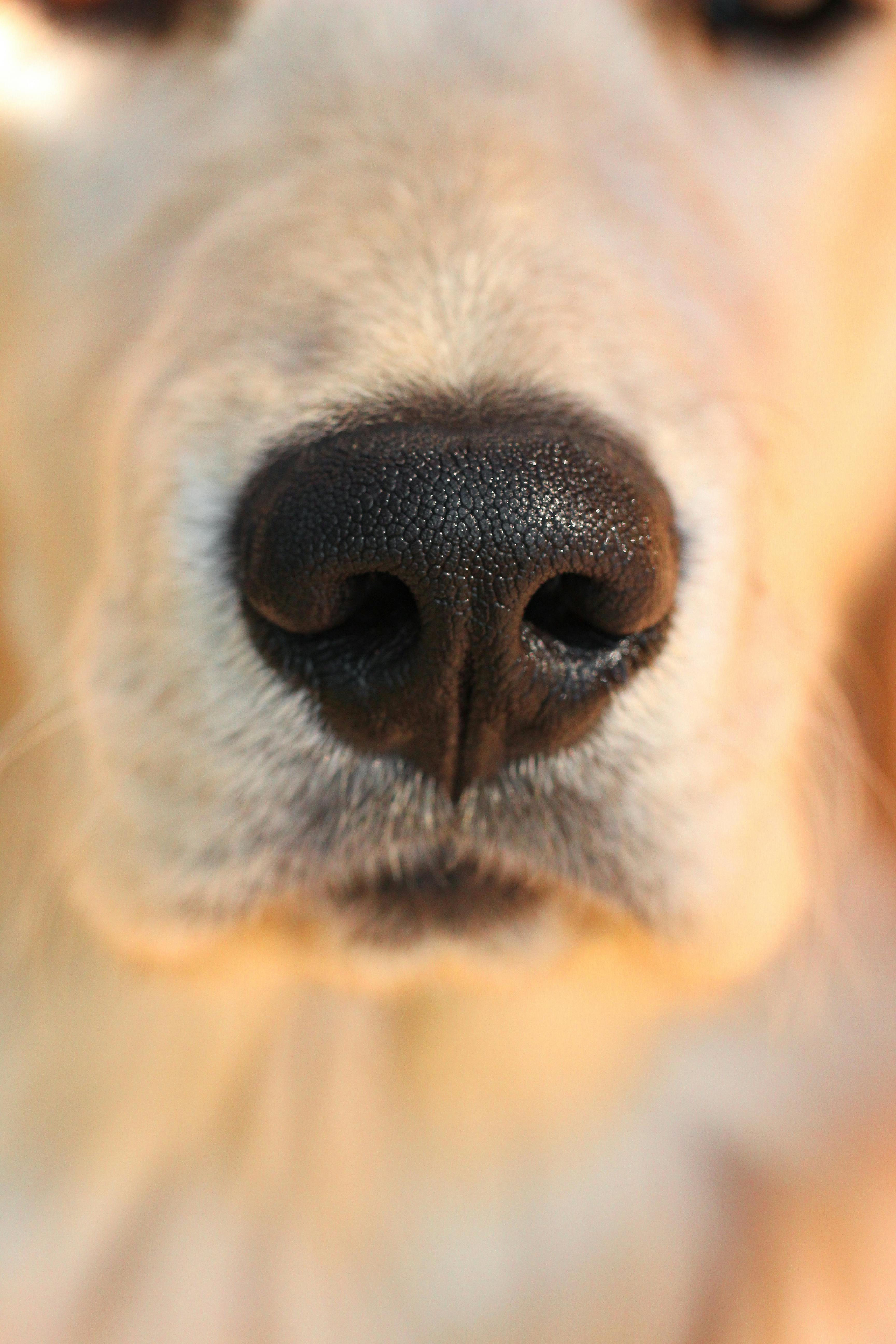
When you own a dog, you might notice that their nose is often wet. But have you ever wondered why? Can your dog’s wet nose indicate health issues? Or is it just a natural characteristic of dogs? Let’s dig into the fascinating reasons why dogs have wet noses and what it might mean for their health.
Why Do Dogs Have Wet Noses?
Dogs have wet noses for several reasons, and it's not just a random quirk. The moisture on their noses serves multiple functions that are important to their well-being. Here are some key points to consider:
Sense of Smell: Dogs have an incredible sense of smell, being able to detect scents at extremely low concentrations. A wet nose helps to enhance their olfactory receptors. The moisture captures scent particles, making it easier for dogs to smell things, which is crucial for their hunting and survival instincts.
Thermoregulation: Just like humans sweat to cool down, dogs use their noses to help regulate their body temperature. The wetness can help evaporate heat, providing a cooling effect. This is especially important for dogs in warmer climates or during exercise.
Health Indicator: A dog's nose can indicate their health status. A wet nose is usually a sign of a healthy dog. However, if the nose becomes dry and cracked, it can suggest dehydration, illness, or other health issues. In this way, your dog’s nose can communicate important information about their well-being.
Can Your Dog’s Wet Nose Indicate Health Issues?
While a wet nose is generally a good sign, there are exceptions to the rule. A change in the moisture of your dog's nose could mean something is not right. Here are some conditions to watch for:
Dry Nose: A dry nose might indicate dehydration or fever. If your dog’s nose feels hot and dry for an extended period, it might be time to visit the veterinarian.
Nasal Discharge: If you notice mucus or any discharge from your dog's nose, it could be a sign of an upper respiratory infection or allergies. Persistent discharge needs to be checked out.
Crusty or Cracked Nose: A crusty or cracked nose can suggest skin conditions or allergies. It might also indicate a lack of moisture due to dehydration or an underlying health issue.
Color Changes: If the color of your dog’s nose changes drastically (for example, from black to pink), it can signal a problem. Changes in pigmentation should be discussed with a vet.
Fascinating Facts About Dog Noses
Dogs’ noses are truly amazing. Here are some fun facts that you might not know:
Unique Patterns: Just like human fingerprints, each dog's nose print is unique. It can be used for identification, though it’s not very common.
Temperature Regulation: Dogs have sweat glands, but they are mostly located in their paw pads. Therefore, their wet noses also play a big role in cooling down.
Healing Properties: Some studies suggest that dog saliva has healing properties, and a wet nose may help with minor cuts and scrapes.
Nose Size Matters: Larger breeds often have larger noses, which can enhance their sense of smell. For example, Bloodhounds have an extraordinary sense of smell due to their larger nasal cavity.
Practical Tips for Dog Owners
As a dog owner, it’s important to keep an eye on your furry friend’s nose and overall health. Here are some practical tips to ensure your dog stays healthy and happy:
Regular Vet Check-ups: Make sure to schedule regular veterinary visits to catch any health issues early on.
Hydration: Always provide fresh water to keep your dog hydrated, especially in hot weather.
Observe Changes: Keep an eye on your dog’s nose and overall behavior. If you notice changes, don’t hesitate to consult with a vet.
Balanced Diet: Ensure your dog is eating a balanced diet rich in nutrients to support their immune system and overall health.
In the end, a dog’s wet nose is not just a cute feature; it’s a window into their health and well-being. Understanding the reasons behind it can help you be a more informed dog owner. Monitoring any changes can make a significant difference in your pet's health. So, take the time to appreciate that wet nose – it might just be your pet’s way of communicating their needs!
Wet vs. Dry Noses in Dogs: What Do They Really Mean?

When you see a dog, one of the first things you might notice is its nose. Some are wet, and some are dry, and you might wonder what does this really mean? Wet vs. dry noses in dogs is a subject that many pet owners ponder over. There are several reasons why a dog might have a wet nose, and understanding these can help you take better care of your furry friend. Let’s dive into the fascinating world of canine noses!
Why Do Dogs Have Wet Noses?
Dogs have wet noses for a variety of reasons, and it’s not just about being cute. A wet nose actually serves a practical purpose. Here’s a breakdown of some of the main reasons:
- Cooling Mechanism: Dogs don’t sweat like humans. Instead, they cool themselves through their noses. The moisture on a dog’s nose evaporates, which helps reduce its body temperature.
- Enhanced Smell: A wet nose can help enhance a dog’s sense of smell. The moisture can capture scent particles, allowing dogs to smell better. This is why a dog’s nose is often wet when they are sniffing around.
- Health Indicator: A wet nose can indicate that a dog is healthy. While it’s not a definitive sign, many pet owners associate wet noses with good health, as it can indicate proper hydration and normal body temperature.
- Behavioral Cues: Sometimes, dogs might have a wet nose when they are excited or nervous. It can be a sign of their emotional state.
Dry Noses: What Do They Mean?
Now, you might be wondering what a dry nose means. A dry nose isn't necessarily a cause for concern, but it could indicate a few things, including:
- Dehydration: If your dog’s nose is dry, it could mean they need more water. Always ensure your pet has access to fresh water.
- Weather Conditions: Dry weather can lead to dry noses. Cold air, heat, or low humidity can affect your dog’s nose.
- Health Issues: In some cases, a persistently dry nose might indicate an underlying health problem. Conditions like allergies or infections can lead to dryness. If you see other signs of illness, it is best to consult a veterinarian.
Comparing Wet and Dry Noses in Dogs
Here’s a handy comparison to help you understand the differences between wet and dry noses.
| Wet Nose | Dry Nose |
|---|---|
| Cooler to the touch | Warmer to the touch |
| Can indicate good health | May indicate dehydration |
| Helps enhance smell | Does not enhance smell |
| Commonly seen during activity | Can be seen during rest or illness |
| Can be moist after eating or drinking | May be dry due to environmental factors |
Fascinating Facts About Dog Noses
- Unique Patterns: Just like human fingerprints, every dog has a unique nose print. This could actually be used to identify them!
- Scent Detection: A dog's sense of smell is estimated to be between 10,000 and 100,000 times more sensitive than humans. Their wet noses play a big role in this.
- Nasal Turbinates: The inner structure of a dog’s nose contains many folds, known as turbinates, that help trap scent particles.
- Temperature Regulation: Dogs use their noses to help regulate their body temperature, especially when panting isn’t enough.
Practical Tips for Nose Care
- Hydration: Always make sure your dog is well-hydrated. A hydrated dog is more likely to have a wet nose.
- Environmental Awareness: Be mindful of the weather conditions. If it’s very dry or cold, consider applying a pet-safe moisturizer on their nose.
- Health Monitoring: Keep an eye on changes in your dog’s nose. If the dryness persists or is accompanied by other symptoms, consult a vet.
In the end, whether your dog has a wet or dry nose, it’s just a part of their unique personality. Knowing what these different nose conditions might mean helps you to understand your pet better. Always be observant and attentive to your dog's needs, as they rely on you for their health and happiness. A happy dog often reflects a responsible owner.
How Environment and Breed Influence Your Dog's Nose Moisture Levels
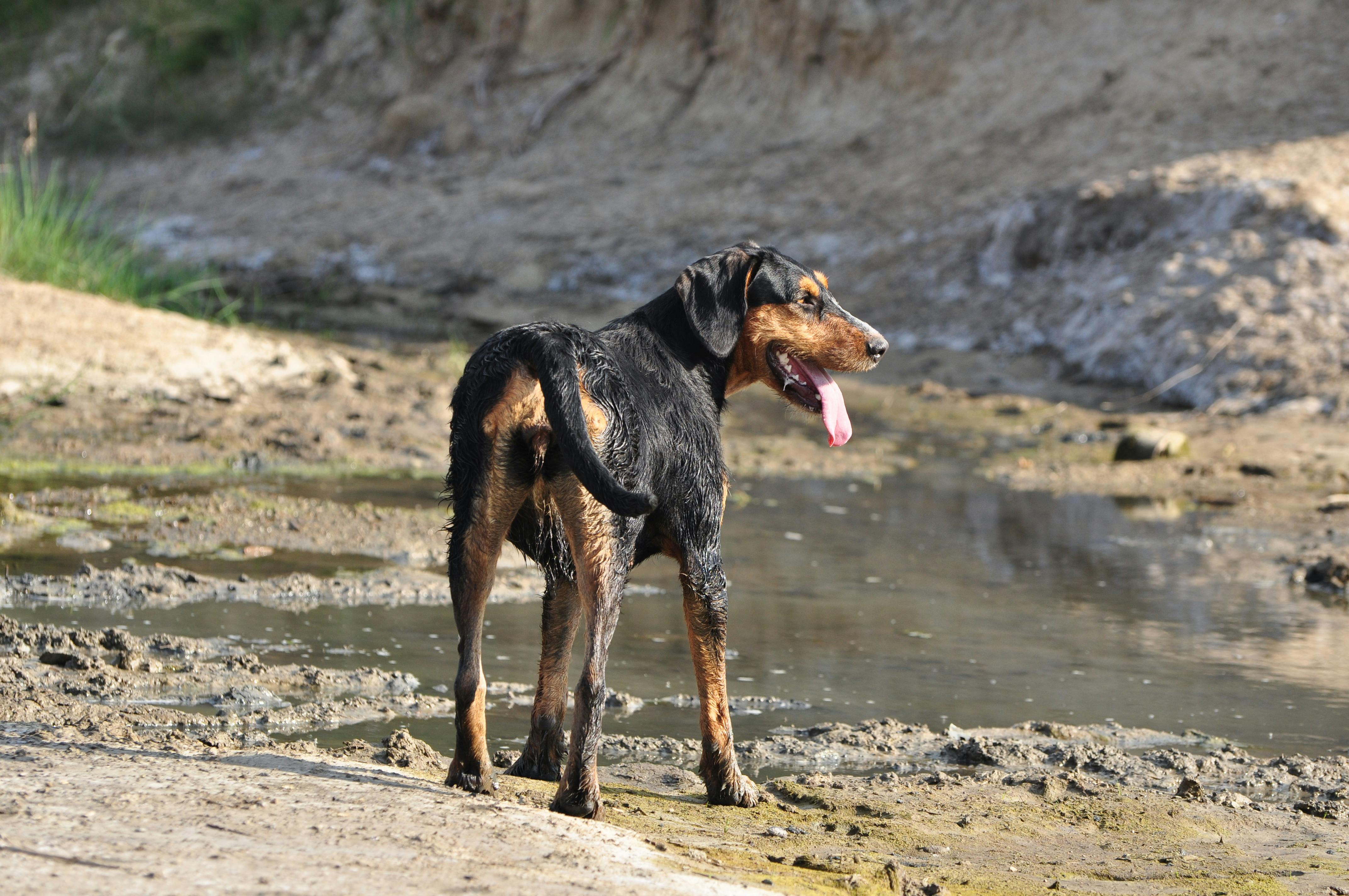
Have you ever noticed how your dog’s nose is often wet, and you might have wonder why is that? The moisture on a dog's nose is more than just a quirky feature. It’s actually a fascinating subject that involves a mix of biology and environment. Understanding how environment and breed affect your dog's nose moisture levels can help you appreciate this unique trait even more.
The Science Behind Wet Noses
Dogs have wet noses for several reasons. One of the primary reasons is that moisture helps them to sense the world around them better. Canines have an incredible sense of smell, and the moisture on their noses helps to capture scent particles from the air. When these particles dissolve in the moisture, it makes it easier for their olfactory receptors to detect smells. This is why you might see your dog sniffing around a lot—it's their way of exploring!
Environmental Influences
The environment plays a big role in how wet or dry a dog's nose can be. For example, humidity levels can greatly impact moisture retention. In humid conditions, your dog’s nose might stay wetter longer because there’s more moisture in the air. Conversely, in dry conditions, such as during winter, you may notice your dog's nose becomes drier. Here are some factors that contribute to this:
- Humidity: Higher humidity means a wetter nose.
- Temperature: Hot weather can lead to evaporation and a drier nose.
- Season: Dogs may have drier noses in the winter due to cold, dry air.
- Indoor Conditions: Central heating can dry out the air, affecting nose moisture.
Breed Variations
Different dog breeds also display variations in nose moisture levels. Some breeds, like Bulldogs and Boxers, tend to have more moisture on their noses compared to breeds like Huskies. This could be due to the shape of their noses and how well they can hold onto moisture.
Common Myths About Wet Noses
There are many myths surrounding why dogs have wet noses. Here are some common ones:
- A wet nose means a healthy dog: While a moist nose can indicate hydration, it’s not the only marker of health. Dogs can be healthy with dry noses too.
- The nose moisture indicates a fever: It’s a common belief that if a dog’s nose is dry, they might be sick. In reality, the nose temperature doesn't correlate with internal body temperature.
Practical Tips for Dog Owners
As a dog owner, understanding how to maintain your dog's nose moisture can be helpful. Here are some practical tips:
- Hydration: Always provide fresh water. Regular hydration can help keep their noses moist.
- Humidity Control: Use a humidifier in dry seasons to help keep the air moist.
- Regular Vet Check-ups: If you notice sudden changes in your dog's nose moisture, consult your veterinarian to rule out underlying health issues.
Other Reasons for Nose Moisture
Aside from environmental factors and breed variations, other factors can affect your dog's nose moisture. For example:
- Nasal Discharge: Sometimes, a wet nose can be due to mucus production, especially if your dog is sneezing or has allergies.
- Excitement: When dogs get excited or nervous, their bodies can produce more moisture, causing their noses to become wetter.
- Health Conditions: Some health conditions can lead to changes in moisture levels, so monitoring is essential.
The Bottom Line
Understanding why dogs have wet noses involves a combination of biology, environment, and breed characteristics. While wetness can enhance their sense of smell, it’s important to remember that a dog's health isn't solely determined by the state of their nose. Take the time to observe your furry friend, and appreciate the unique traits that make them special. Whether it’s a wet nose or a wagging tail, these little quirks are what make dogs such wonderful companions.
Curious Canines: Why Do Dogs Have Wet Noses and What It Means for Their Behavior?
Dogs are often considered man's best friend, and their wet noses are one of the many charming qualities that endear them to us. But have you ever wondered why do dogs have wet noses? This question might seem simple, but the answer is surprisingly fascinating. In fact, a dog's nose isn’t just wet for no reason. It serves several important functions that relate to their health and behavior. So let’s dive into the curious world of canine noses and find out what makes them so special.
The Science Behind Wet Noses
First off, most people doesn’t realize that a dog’s nose is covered in a special type of skin. This skin contains many tiny glands that produce moisture. When a dog licks its nose, it helps to keep this area moist. This moisture is crucial, as it aids in the dog’s sense of smell. Dogs have a far superior sense of smell than humans, and a wet nose helps to capture scent particles in the air. Here’s a quick breakdown:
- Moisture: Helps to absorb scent molecules.
- Temperature Regulation: Keeps the dog cool by evaporative cooling.
- Health Indicator: Changes in moisture can indicate health issues.
Historical Context of Dog Noses
Historically, dogs have always had wet noses, but the reasons why are deeply rooted in their evolution. Dogs are descended from wolves, which used their noses to hunt and navigate. A wet nose is an adaptation that has been passed down through generations. Even back then, a keen sense of smell was vital for survival.
- Ancient Practices: Early humans recognized the importance of a dog’s sense of smell for hunting.
- Companionship: Over time, as dogs became companions, their keen sense of smell still played a role in how they interacted with their environment and us.
The Behavior Connection
Have you noticed how dogs often sniff each other’s noses? This behavior is not just for fun. It’s actually a social behavior that communicates a lot about their mood and health. A wet nose can suggest that a dog is healthy and happy. When dogs are sick or stressed, their noses might become dry. Here’s how a wet nose connects to their behavior:
- Excitement: A wagging tail and wet nose often indicate a dog is happy.
- Curiosity: Dogs will often moisten their noses when exploring.
- Stress: A dry or warm nose can indicate stress or illness.
What a Wet Nose Can Tell You
When it comes to understanding your furry friend, paying attention to their nose can be quite revealing. Here’s a quick list of what you might consider if you notice changes:
- Wet and Cool: Usually a good sign; your dog is likely healthy.
- Dry and Warm: This can indicate dehydration or fever.
- Cracked or Chapped: May suggest a skin condition or allergies.
Fun Facts About Dog Noses
- Unique Patterns: Just like human fingerprints, each dog’s nose print is unique.
- Scent Receptors: Dogs have as many as 300 million scent receptors in their noses, compared to about 6 million in humans.
- Nasal Heat: Dogs can actually determine the temperature of their environment through their noses.
- Nose Work: Many dogs are trained for scent detection in various fields, from searching for drugs to finding missing persons.
Caring for Your Dog’s Nose
Keeping your dog’s nose healthy is essential. Here are some simple tips on how to care for it:
- Hydration: Ensure your dog has plenty of water, especially in hot weather.
- Moisturizing: If you notice cracks, you can apply a dog-friendly balm.
- Regular Vet Checks: Always consult a vet if you notice any unusual changes.
The Bottom Line
The wet noses of dogs are not just an adorable feature; they play a crucial role in their health and behavior. Understanding why do dogs have wet noses can deepen your appreciation for these loyal companions. When you see that wet, cold nose, know that it signifies a healthy, happy dog ready to engage with the world around them. Pay attention to those little details — they tell a story about your pup's well-being and emotional state. So the next time your furry friend nudges you with their nose, remember, it’s more than just a cute gesture; it’s a window into their health and happiness.
Conclusion
In conclusion, the wet noses of dogs serve multiple important purposes, contributing to their overall health and well-being. We explored how a wet nose helps enhance their sense of smell, as the moisture on the surface captures scent particles, allowing dogs to better interpret their surroundings. Additionally, the cooling effect of a wet nose aids in regulating their body temperature, especially during warm weather. We also discussed how a wet nose can indicate a dog’s hydration and health status, with changes potentially signaling underlying issues. Understanding these functions not only deepens our appreciation for our canine companions but also encourages responsible pet ownership. So, the next time you greet your furry friend with a gentle nuzzle, remember the fascinating science behind that wet nose. Embrace the joy of observing your dog's behaviors and ensure they receive the care they need for a happy and healthy life.