Have you ever wondered, "Why do dogs have wet noses?" It's a question many pet owners ponder while cuddling their furry companions. The fascinating reasons behind this unique trait go beyond mere curiosity! Dogs' wet noses serve important purposes that reflect their health and emotions. But what exactly does a wet nose indicate? Is it a sign of happiness, or does it hold deeper meanings? In this blog post, we will dive into the science behind why dogs have wet noses and explore how it relates to their sense of smell and overall well-being. Plus, discover how a moist nose can be a crucial indicator of your dog's health! From canine communication to temperature regulation, the reasons are as intriguing as they are essential. So, if you’re looking to unravel the mystery of your dog's wet nose and learn how this characteristic contributes to their incredible abilities, keep reading! You’ll be amazed at how much a simple sniff can tell you about your beloved pet. Don’t miss out on these amazing facts that will enhance your understanding of your four-legged friend!
The Science Behind Canine Nasal Moisture: Why Are Dog Noses Wet?
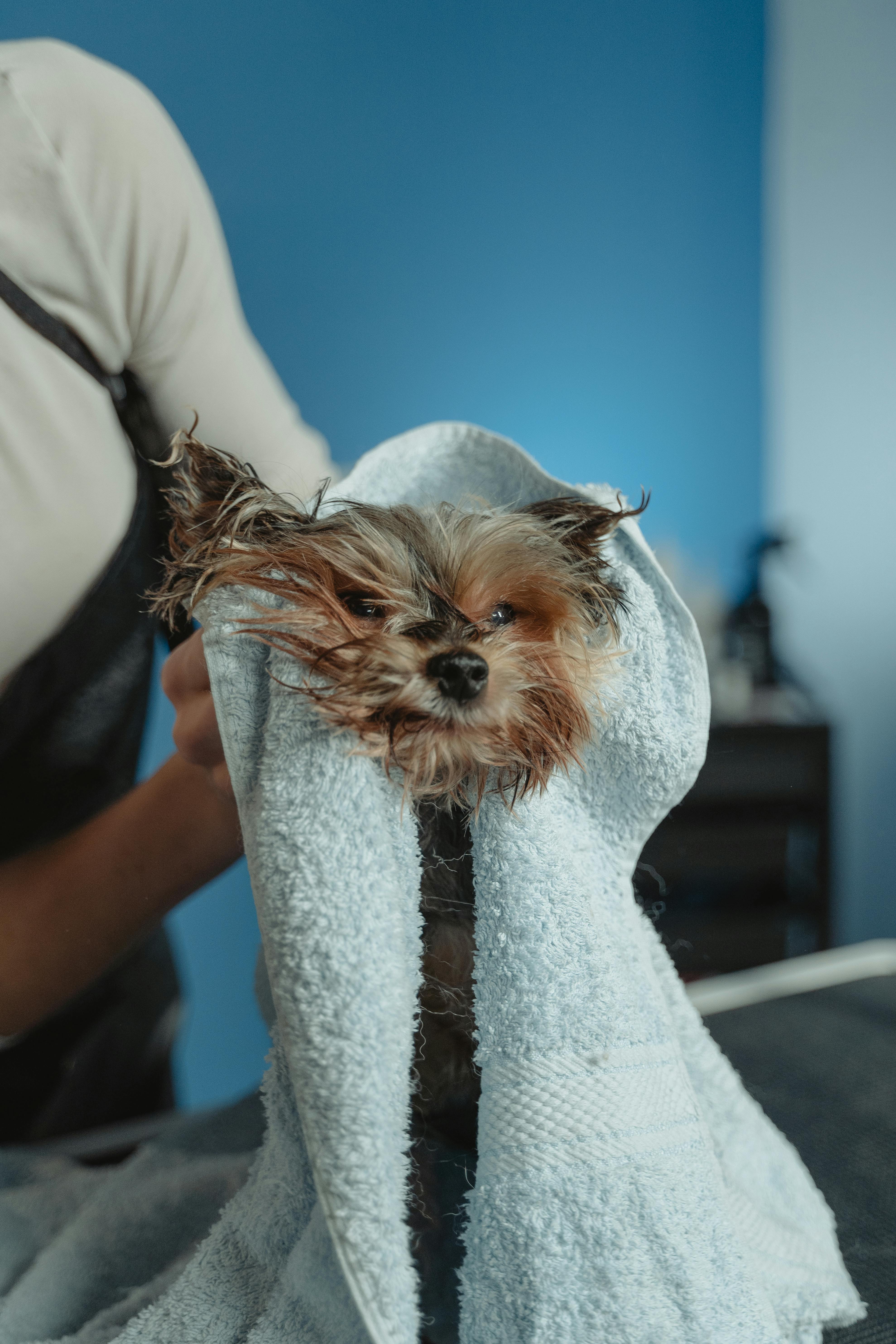
Have you ever wondered why dogs have wet noses? This question has puzzled many dog owners and animal enthusiasts alike. While it may seem like a simple topic, the science behind canine nasal moisture is actually quite fascinating. Dogs possess unique biological characteristics, and their moist noses serve several important purposes. In this article, we explore the intriguing reasons behind why do dogs have wet noses, shedding light on the science that underpins this canine trait.
The Function of a Dog's Nose
A dog’s nose is more than just a cute feature; it plays a crucial role in their overall health and well-being. Here’s some key functions of a dog’s nose:
Sense of Smell: Dogs have an extraordinary sense of smell, which is estimated to be between 10,000 to 100,000 times more sensitive than humans. The moisture on a dog's nose helps capture scent particles from the air, making it easier for them to identify smells. This is why you often see dogs sniffing around; they are gathering information about their environment.
Temperature Regulation: Dogs do not sweat like humans do. Wet noses help regulate their body temperature. When their nose is damp, it can help cool them down as air passes over the moisture.
Communication: Dogs use their noses to communicate with other dogs. The scent left on surfaces can convey important information about their presence, health, and mood. A dog’s nose can tell a lot about the other canine in the area.
Why Are Dog Noses Wet?
There are several reasons that contribute to a dog’s wet nose. Here are the most common factors:
Mucus Production: Dogs produce mucus in their nasal passages. This mucus helps to keep the nose moist and traps scent particles, enhancing their sense of smell.
Environmental Factors: Dog noses can become wet from the environment. When a dog is outside, dew, rain, or even humidity can contribute to a moist nose. On the other hand, dry air can lead to a dry nose.
Health Indicators: A wet nose is often seen as a sign of good health in dogs. However, if a dog’s nose is consistently dry, it could indicate dehydration or illness. It's important to monitor any changes in your dog’s nose moisture.
Historical Context of Dog Noses
In ancient times, dogs were primarily working animals. They were bred for specific tasks, such as hunting, herding, and guarding. Their keen sense of smell was essential for their roles. Over centuries, humans have bred dogs for various traits, but the wet nose has remained a constant feature throughout history.
Hunting Dogs: Breeds like Bloodhounds and Beagles were developed for their exceptional smelling ability, which relies on a moist nose.
Companion Dogs: Even in breeds that are primarily pets, the wet nose has continued to play a vital role in their ability to interact with the world.
Fun Facts About Dog Noses
Dogs have different nose prints, just like human fingerprints. Each dog’s nose print is unique.
A dog’s nose can change color due to various factors, including temperature and health status.
Some breeds are known for having particularly wet noses, like Retrievers and Setters, while others may have drier noses.
Comparison: Dog Noses vs. Human Noses
Here’s a quick comparison of dog noses and human noses that highlights their differences:
| Feature | Dog Nose | Human Nose |
|---|---|---|
| Sense of Smell | 10,000 to 100,000 times more sensitive | Limited sensitivity |
| Moisture Production | High, aids in smell | Low, primarily for breathing |
| Temperature Regulation | Yes | No |
| Unique Prints | Yes | No |
Practical Examples of Wet Nose Importance
Working Dogs: Police and rescue dogs rely on their noses to detect drugs, explosives, and even locate missing persons. Their wet noses enhance their ability to pick up scents.
Health Monitoring: Pet owners can often tell if a dog is unwell by checking their nose. A sudden change in moisture levels could indicate health issues.
Training and Behavior: Understanding how a dog’s wet nose works can help in training. For example, rewarding a dog for sniffing can enhance their natural behaviors.
In the world of dogs, a wet nose isn't just a cute quirk; it's a vital aspect of their biology that facilitates communication, assists in hunting, and helps maintain their overall health. The science behind canine nasal moisture reveals a lot about our furry companions. Whether you’re a seasoned dog owner or new to pet parenting, knowing why do dogs have wet noses can deepen your understanding and appreciation for your canine friend.
5 Fascinating Reasons Your Dog's Nose Is Always Damp: Discover the Truth!
Have you ever wondered why your furry friend’s nose is often damp? It’s one of those peculiar things about dogs that can make you scratch your head. You might think, “Is it normal? Are they sick? Should I be worried?” But don't fret! Dogs having wet noses is actually quite common and, believe it or not, fascinating. Let's dive into five captivating reasons your dog's nose is always damp.
1. Nature’s Thermoregulator
Dogs can’t sweat like humans do. Instead, they rely on their noses to help regulate their body temperature. The moisture on their noses aids in cooling down their body when it gets too hot, similar to how a fan works. When a dog pants, the evaporation of moisture from their nose and mouth helps them cool down.
- How it works:
- As they breathe, moisture evaporates.
- This evaporation cools the blood vessels near the surface of the nose.
- Helps maintain an optimal body temperature.
2. Scent Sensitivity
A dog’s sense of smell is incredibly powerful, estimated to be between 10,000 to 100,000 times more acute than that of humans! The dampness of their noses plays a crucial role in this. When their nose is moist, it can better capture scent particles in the air.
- Why moisture helps:
- Wet surfaces absorb more odor molecules.
- Helps dogs identify scents more accurately.
- Makes it easier for them to track scents over distances.
3. Natural Lubrication
Dogs noses contain special glands that produce mucous. This mucous isn’t just there for decoration; it serves to keep their noses moist and helps them gather information about their environment. The dampness keeps their noses flexible and better able to pick up scents.
- Functions of nose mucous:
- Enhances their ability to smell.
- Helps with communication between dogs.
- Assists in detecting pheromones and other chemical signals.
4. Hydration Indicator
A wet nose can also indicate that your dog is well-hydrated. If a dog’s nose is dry or cracking, it might be a sign of dehydration or illness. Keeping the nose moist is part of their health and well-being.
- Signs of dehydration:
- Dry or cracked nose.
- Lethargy and decreased activity.
- Loss of appetite.
5. Environmental Factors
The environment plays a big role in the moisture level of your dog's nose. If your dog spends a lot of time outside, the humidity, temperature and even the type of surface they are on can affect how damp their nose is.
- Things that affect nose moisture:
- Weather conditions (humid vs. dry).
- Activities (swimming or playing in the snow).
- Location (grass vs. concrete).
Quick Facts About Dog Noses
- Dogs have about 300 million smell receptors, while humans have about 5 million.
- A dog's nose print is unique, similar to a human fingerprint.
- The wetness of a dog’s nose can change throughout the day.
What to Watch For
While a moist nose is generally a good sign, there are some conditions that could indicate a problem. A dog with a consistently dry, cracked, or excessively runny nose may need a visit to the vet.
- Potential health issues:
- Allergies or irritants.
- Infections or skin conditions.
- Autoimmune diseases.
Final Thoughts
Your dog’s wet nose is more than just an adorable feature; it serves multiple important functions. From regulating temperature to enhancing their sense of smell, the dampness is a natural and beneficial trait. If you notice any significant changes in your dog’s nose or overall health, it’s always wise to consult with a vet. Understanding these fascinating reasons can help you appreciate your furry friend all the more! So, the next time you give your pup a pat, take a moment to marvel at that delightful, damp nose!
Wet Noses and Canine Health: What Your Dog's Nose Says About Their Well-Being

Wet noses are often thought of as a hallmark of a healthy dog, but have you ever wondered why dogs have wet noses in the first place? Understanding the reasons behind this fascinating feature can help every dog owner, and it also gives insight into their pet's overall health. So, let’s dive into the science, history, and health implications of those adorable wet noses.
The Science Behind Wet Noses
Dogs have wet noses mainly due to the moisture produced by the mucus membranes in their nasal passages. This moisture serves several important purposes:
- Temperature Regulation: Just like humans sweat, dogs cool themselves down by panting and having moisture on their noses. It helps them stay cool, especially on hot days.
- Enhanced Smell: A wet nose can help capture scent particles in the air. This makes dogs' sense of smell even more powerful, which is crucial for their hunting instincts.
- Health Indicator: A dog’s nose can tell you a lot about their health. If the nose is excessively dry, it might indicate dehydration or illness.
Why Do Dogs Have Wet Noses?
There are several reasons that explain why our furry friends have those wet noses. Some of them include:
- Physiological Adaptations: Dogs evolved from wolves, who relied on their sense of smell for survival. Wet noses make their sense of smell sharper, helping them detect danger, food, and even other animals.
- Communication: Dogs communicate with each other through scent. A wet nose allows them to pick up on pheromones and other scents that can convey messages about territory, mating, and more.
- Grooming Habits: Dogs often lick their noses, which keeps them moist. This behavior is instinctual and helps them maintain that moisture, which is essential for their sensory perception.
What Does a Dog's Nose Say About Their Health?
The condition of your dog's nose can give hints about their well-being. Here are some common signs to watch for:
- Dry Nose: If your dog's nose is dry and cracked, it could be a sign of dehydration, exposure to the sun, or possibly an illness.
- Cold Nose: A cold, wet nose is often a sign of a healthy dog. It indicates that your pup is well-hydrated and likely in good health.
- Swollen or Discolored Nose: If the nose appears swollen or changes color, this could indicate an allergic reaction or infection.
Historical Context of Dogs’ Noses
Throughout history, dogs have been valued for their keen sense of smell. Ancient civilizations recognized this ability, using dogs for hunting and guarding. In fact, the use of dogs in hunting dates back thousands of years, and their wet noses were essential for tracking scents in the wilderness.
- Ancient Egypt: Dogs were revered and often depicted in hieroglyphs with wet noses, indicating their role in hunting and companionship.
- Middle Ages: Dogs were used by nobility for hunting, and their noses were an essential tool in tracking game.
Fun Facts About Dogs' Noses
Did you know that dogs have unique nose prints, just like human fingerprints? Each dog’s nose has a distinct pattern that can be used for identification! Here are some more fun facts:
- Dogs have up to 300 million scent receptors in their noses, compared to about 5 million in humans.
- The wetness of a dog’s nose can vary throughout the day and can be affected by their activity level.
- Different dog breeds may have varying nose shapes and sizes, affecting their sense of smell.
Tips for Maintaining Your Dog's Nose Health
Here are some practical tips to keep your dog’s nose healthy:
- Hydration: Ensure your dog has access to fresh water at all times to keep them hydrated.
- Sun Protection: If your dog spends time outdoors, consider using pet-safe sunscreen on their nose, especially if they have a lighter coat.
- Regular Vet Check-Ups: Routine veterinary visits can help catch any potential health issues before they become serious.
Overall, understanding the significance of your dog’s wet nose can help you monitor their health and well-being. Those adorable wet noses are not just cute – they serve important functions that are crucial for a dog's daily life and health. So, next time you see your furry friend, take a moment to appreciate that wet nose and what it signifies about their overall condition.
Do Dogs Have Wet Noses for a Reason? Unveiling the Mystery of Canine Physiology
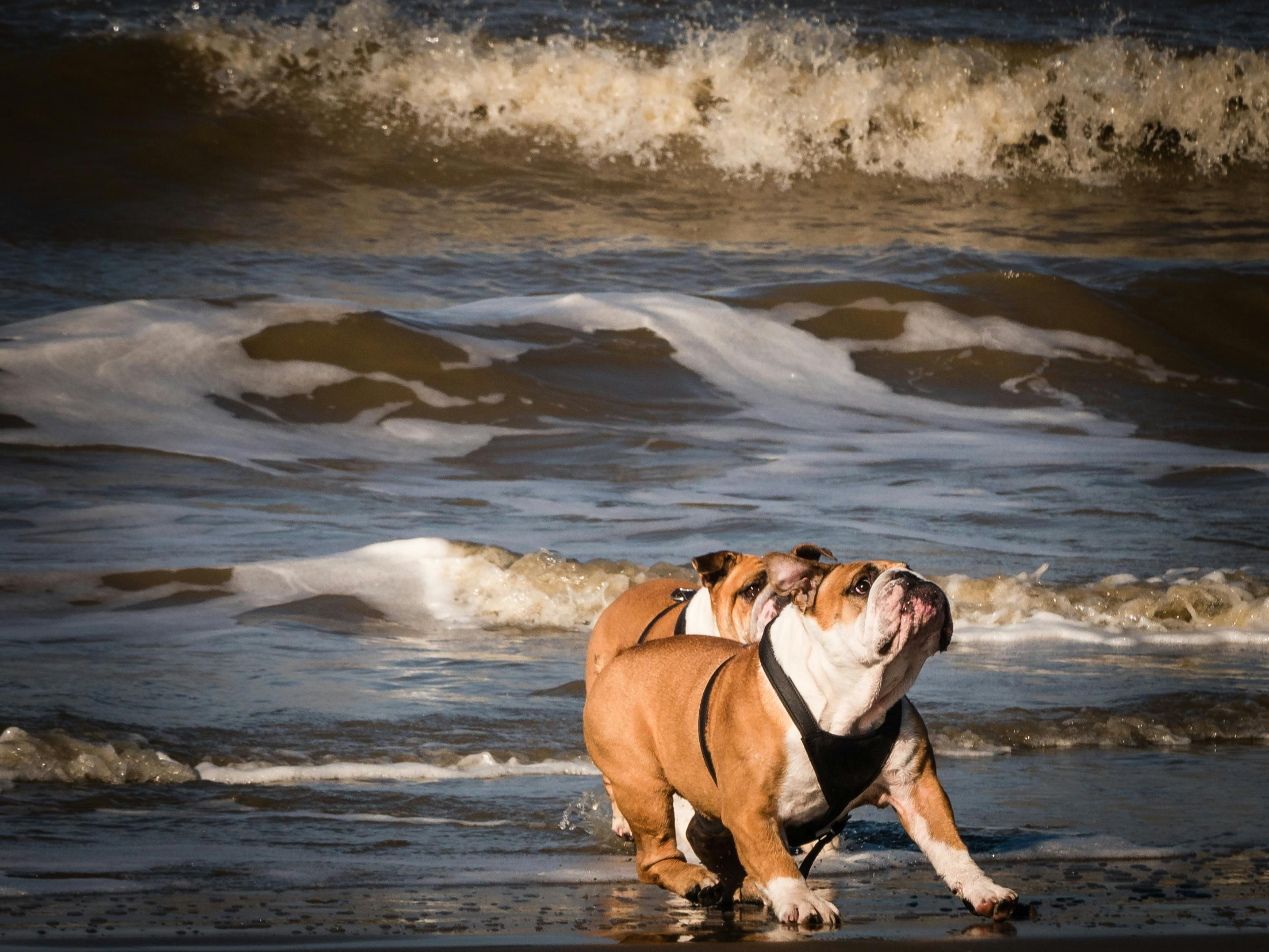
Dogs are often said to be man's best friend, and one of the most adorable features of dogs is their wet noses. Have you ever wondered why do dogs have wet noses? The answer might be more fascinating than you think. It’s not just a cute trait; there are real physiological reasons behind it that plays a big part in their health and behavior.
The Physiology Behind Wet Noses
To understand why dogs have wet noses, we gotta take a look at how their bodies work. A dog's nose is covered with a special kind of skin that is different from the other parts of their body. This skin is sensitive and is full of olfactory receptors. In fact, it is estimated that dogs have about 220 million scent receptors in their noses, compared to a human's 5 million. This makes their sense of smell super powerful, which is why they can detect scents that we simply can’t.
- Olfactory Receptors: The more receptors, the better the sense of smell. Dogs' wet noses help to capture scent particles better, making them more effective at picking up smells.
- Humidity Regulation: A wet nose helps to cool down and regulate body temperature. Dogs don’t sweat like humans do; they primarily rely on panting and their noses to keep cool.
- Health Indicator: A wet nose is often seen as a sign of a healthy dog. If a dog's nose is dry, it could indicate dehydration or illness, although this is not always the case.
Historical Context of Dog Noses
Dogs have been companions to humans for thousands of years. Their noses have evolved over time just like the breeds themselves. Ancient civilizations recognized the importance of a dog’s sense of smell, using them for hunting and detection. Even today, dogs are trained for various tasks that rely heavily on their sense of smell, such as search and rescue operations, drug detection, and even medical diagnosis.
Why Is a Wet Nose So Important?
There’s several reasons why a wet nose is crucial for dogs, and it goes beyond just being cute. Here’s a breakdown of the importance:
- Enhanced Smell: The moisture in a dog's nose helps absorb scent particles, improving their ability to detect smells.
- Temperature Regulation: A wet nose aids in thermoregulation, helping dogs cool down when they’re overheated.
- Social Interactions: Dogs communicate through smell, and a wet nose can be more inviting to other dogs during social interactions.
- Health Monitoring: Veterinarians sometimes check a dog's nose as part of a health assessment; a change from wet to dry can indicate health issues.
Fun Facts About Dog Noses
- Did you know that the pattern of a dog’s nose is unique, much like human fingerprints?
- Dogs can actually smell your emotions! They can detect stress or fear through scent.
- The average dog’s nose can detect a scent at a dilution of one part per trillion.
Tips for Dog Owners
Keeping your dog’s nose healthy is important. Here’s some practical tips:
- Hydration: Make sure your dog drinks enough water, as hydration affects nose moisture.
- Healthy Diet: A balanced diet helps maintain overall health, including that wet nose.
- Regular Checkups: Take your dog for regular vet visits to ensure their nose and overall health is good.
Comparison Table: Dogs vs. Cats
| Feature | Dogs | Cats |
|---|---|---|
| Number of Scent Receptors | 220 million | 5 million |
| Nose Texture | Wet and moist | Dry and rough |
| Communication | Primarily through scent | Through scent and body language |
| Cooling Method | Panting and wet nose | Panting and grooming |
So, why do dogs have wet noses? It's a combination of evolution, physiology, and health. From enhancing their ability to smell to regulating temperature, a dog's wet nose serves multiple purposes that are essential for their survival and interaction with the world. When you see a dog with a wet nose, remember that this is not just a cute trait; it’s a sign of an amazing physiological adaptation. Understanding this can deepen your appreciation for these lovable creatures and their unique biology.
The Surprising Connection Between Dog Noses and Sense of Smell: Why Wet Is Better

Have you ever wondered why your furry friend’s nose is always so wet? It’s a curious thing, right? The connection between dog noses and their sense of smell is not just fascinating but also plays a key role in how they experience the world. Dogs got a remarkable ability to detect scents, and their wet noses actually contribute to this amazing skill. So, let’s dive into the surprising reasons why dogs have wet noses and why that’s better for them.
The Science Behind Dog Noses
Dogs have an incredible olfactory system. Studies shows that a dog's sense of smell is anywhere from 10,000 to 100,000 times more sensitive than humans. This means your pup can sniff out things that are completely invisible to us. The wetness of their noses is a critical part of this system.
- Nasal Mucus: A dog’s nose is covered in a thin layer of moisture, which helps to capture scent particles in the air. When dog noses are wet, they can absorb more scent molecules, which helps them identify odors better.
- Temperature Regulation: Dog noses also help regulate their body temperature. When a dog pants, moisture evaporates from their nose, cooling them down. So, a wet nose can be a sign that they're cooling off properly.
Why Wet Is Better
You might be asking yourself, why is a wet nose better for dogs’ sense of smell? Well, there's some interesting facts behind it:
- Enhanced Olfactory Reception: The moisture on a dog’s nose helps dissolve scent particles, allowing them to be detected more easily.
- Electroreception: Wet noses can help detect electrical impulses from other animals, providing another layer to their hunting and tracking capabilities.
- Comfort and Health: A moist nose can signify good hydration and overall health. If a dog’s nose is too dry, it might be a sign they're dehydrated or unwell.
The Evolution of the Dog Nose
Historically, dogs evolved from wolves, and their noses have adapted over thousands of years. Wolves rely heavily on their sense of smell for hunting and survival. As dogs became domesticated, they still retained this powerful sense, which is why you may have seen your dog sniffing around so much.
- Ancient History: Early humans used dogs for hunting and tracking. Their wet noses aided them in finding prey.
- Modern Uses: Today, dogs are used in search and rescue operations, bomb detection, and even in medical fields to sniff out diseases like cancer.
Fun Facts About Dog Noses
Here are some quirky and fun facts about dog noses that you might not know:
- Unique Patterns: Just like human fingerprints, every dog has a unique nose print.
- Color Changes: A dog's nose can change color with the seasons or due to health conditions.
- Nose Work: There are even dog sports that focus on scent work, allowing dogs to use their noses in a fun and engaging way.
What If My Dog's Nose is Dry?
If you notice your dog has a dry nose, it’s important to pay attention. Here are some common reasons why:
- Dehydration: Make sure your dog has access to fresh water.
- Weather Conditions: Hot or cold weather can affect moisture levels.
- Health Issues: Dryness could signal something more serious, like allergies or infections.
How to Keep Your Dog's Nose Healthy
To keep your dog’s nose in optimal condition, consider these tips:
- Hydration: Ensure your dog drinks enough water daily.
- Humidity: In dry climates, using a humidifier can help keep their nose moist.
- Regular Vet Visits: Routine check-ups can help spot any underlying health issues early.
Dogs and their wet noses are truly a marvel of nature. The fascinating connection between their noses and sense of smell reveals how they experience the world in ways we can only imagine. So, the next time you see your dog’s nose glistening, remember it’s more than just cute—it’s a vital tool for survival and communication in the canine world. Embrace the wonder of your pet’s unique biology and how it links them to their ancestors while aiding them in their daily adventures.
How a Dog's Wet Nose Enhances Their Sense of Smell: The Fascinating Science Explained
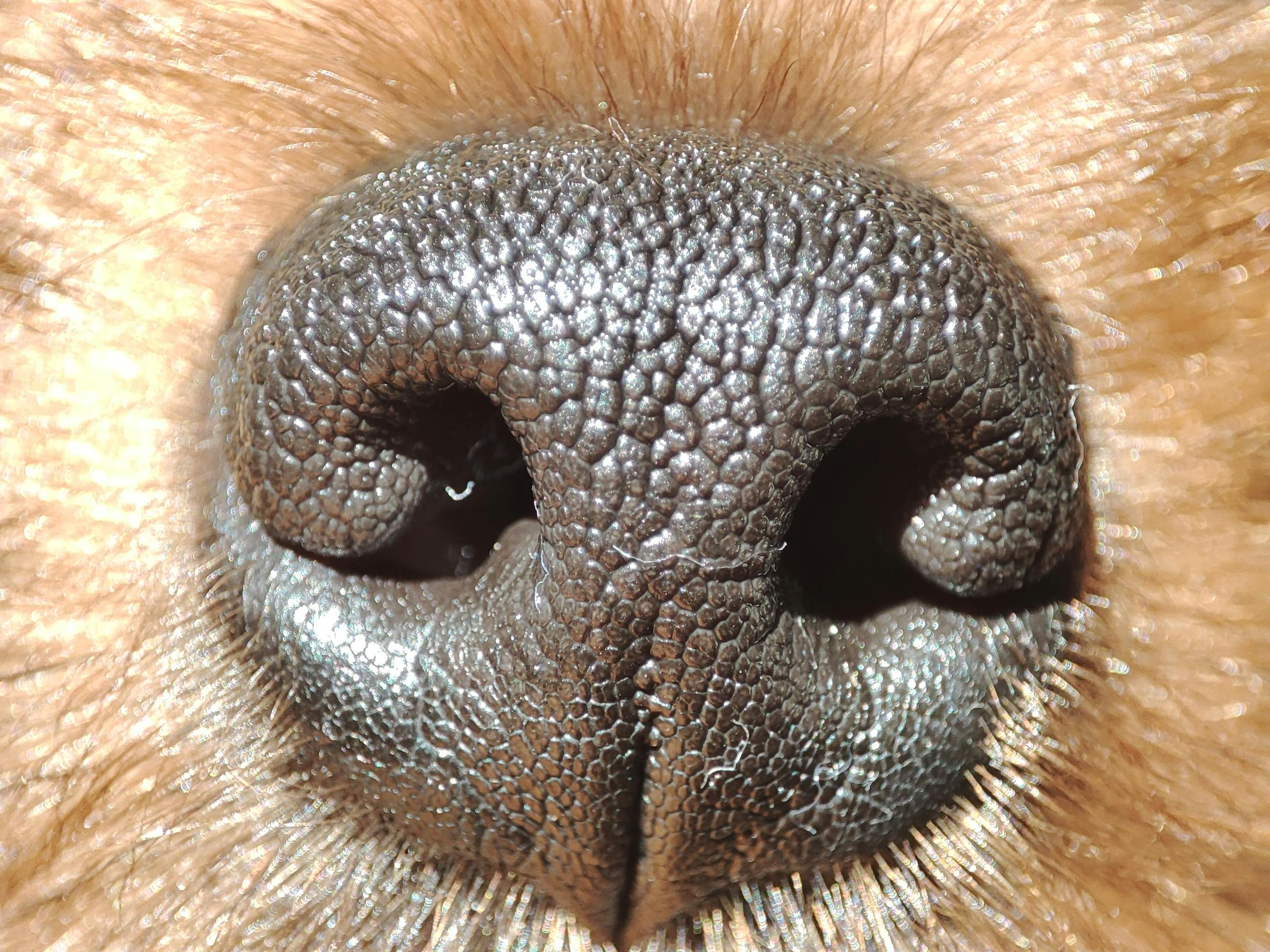
Ever wonder why dogs have wet noses? It's not just for cuteness—there's some fascinating science behind it! Dogs are known for their incredible sense of smell, and believe it or not, their wet noses play a significant role in enhancing this ability. Let's dive into the reasons behind those charming, moist noses and how they impact a dog's ability to detect scents.
The Anatomy of a Dog's Nose
First off, dog noses are complex. They have a unique structure that allows them to pick up scents better than humans could ever imagine. A dog's nose is covered with a special kind of skin that is rich in olfactory receptors. In fact, dogs have around 300 million olfactory receptors in their noses, compared to a mere 5 million in humans. This difference is why dogs are often used in roles like search and rescue or detecting drugs.
Why Are Dog Noses Wet?
Now, let's get to the big question: why do dogs have wet noses? Here are some key reasons:
- Enhanced Smell: Wet noses help to capture scent particles more effectively. When a dog sniffs, the moisture on their nose traps these particles, making it easier for their brains to process the scent.
- Temperature Regulation: Dogs don’t sweat like humans do. They primarily regulate their body temperature through panting and by having a wet nose. The moisture helps to cool them down.
- Health Indicator: A wet nose can often indicate a dog’s health. If a dog’s nose is dry, it may signify dehydration or illness, although this isn't always the case.
The Science Behind it All
The way dogs' noses work is pretty fascinating. When a dog inhales, the air passes over their moist nose, where scent particles dissolve in the moisture. This process allows the olfactory receptors to detect the smells much more efficiently. Here’s a simple breakdown:
- Inhalation: When a dog sniffs, they draw in air through their nose.
- Moisture Interaction: The air passes over the wet surface, allowing scent particles to mix with the moisture.
- Signal Transmission: The olfactory receptors send signals to the brain regarding the scent, which is interpreted and recognized.
Comparing Dog Noses to Human Noses
To further understand how exceptional a dog's sense of smell is, let's compare it to a human's nose. Here’s a quick list:
Number of Olfactory Receptors:
- Dogs: Approximately 300 million
- Humans: About 5 million
Sensitivity to Smells:
- Dogs can detect some scents at parts per trillion.
- Humans can detect scents at parts per million.
Different Types of Smells:
- Dogs can differentiate between various smells such as drugs, explosives, and even certain diseases.
- Humans primarily rely on smell for taste and general environmental awareness.
Fun Facts About Dog Noses
- Every dog’s nose print is unique, just like a human fingerprint! This uniqueness can be used for identification.
- Dogs can recognize their owners by scent alone, even after being apart for a long time.
- Some breeds, like bloodhounds, have an incredible ability to track scents over long distances.
Practical Example: Dogs in Action
Consider a police dog trained to detect narcotics. The dog’s wet nose plays a crucial role in their training. When the dog is searching, its nose captures scent particles from the air around suspected areas or objects. The wetness on the nose allows the dog to pick up these scents better and respond accordingly. This ability is why dogs excel in various roles—from law enforcement to therapy.
The Importance of Nose Care
While wet noses are typically a sign of good health, it’s essential to take care of them. Here are some tips for ensuring your dog's nose stays healthy:
- Stay Hydrated: Make sure your dog has access to fresh water at all times.
- Monitor Changes: Keep an eye on your dog’s nose for any unusual dryness or cracking, as this may indicate health issues.
- Regular Vet Check-ups: Regular visits to the vet can help catch any potential problems early.
Understanding why dogs have wet noses not only helps us appreciate our furry friends more but also highlights their incredible abilities. The next time you give your dog a scratch behind the ears, take a moment to admire that wet nose and all the science that goes with it!
7 Fun Facts About Dog Noses: Why Wet Noses Are Nature’s Perfect Design
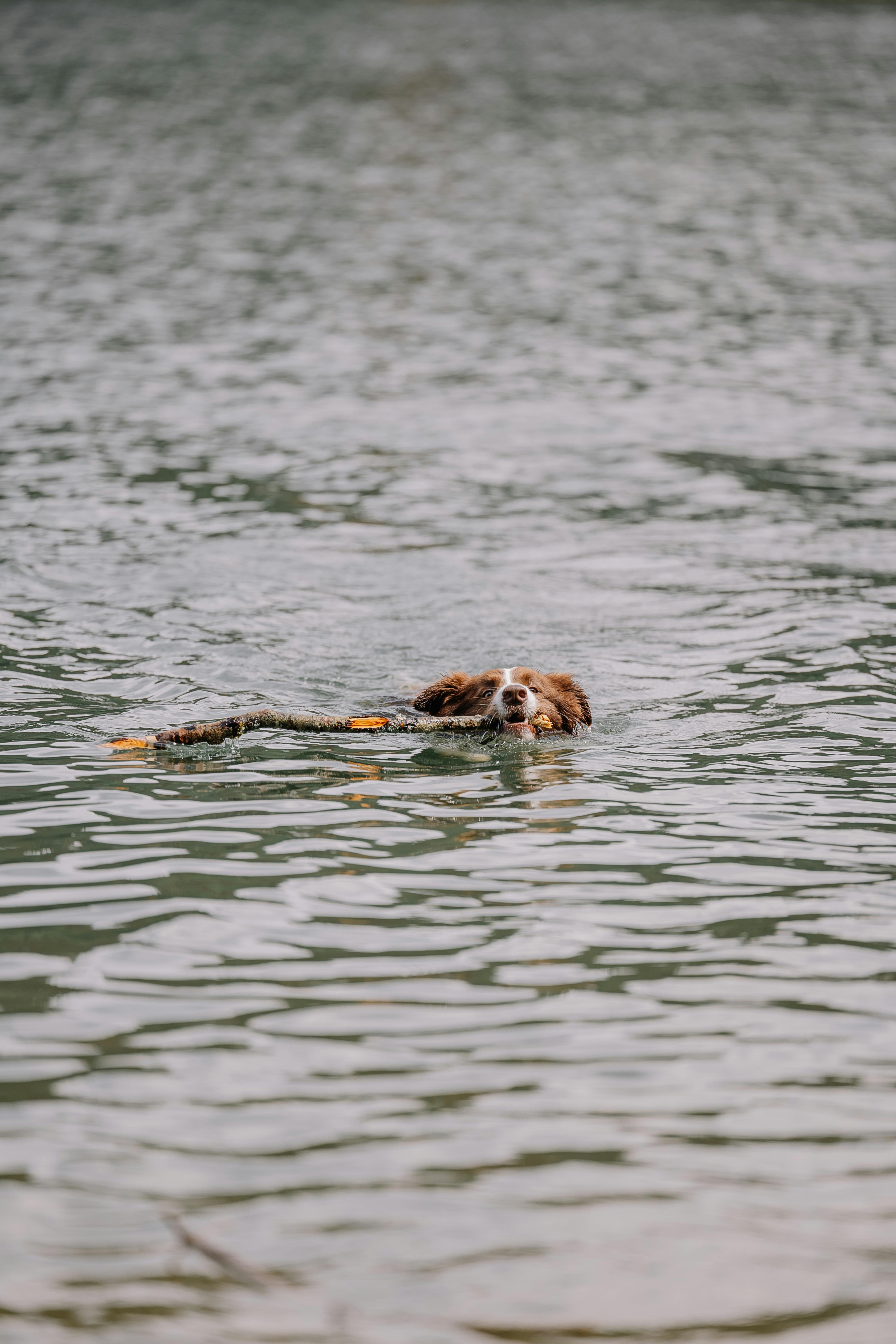
Dogs are beloved companions, and one of the most fascinating aspects of them is their noses. Did you ever notice how wet a dog's nose is? It's not just a random feature. In fact, it serves multiple purposes that are essential for their survival and interaction with the world. Let’s dive into some fun facts about dog noses and explore why their wetness is nature's perfect design.
1. Wet Noses Help with Smell
Dogs have an incredible sense of smell, estimated to be anywhere from 10,000 to 100,000 times more sensitive than humans. The moisture on a dog’s nose aids in capturing scent particles. When a dog sniffs around, the wetness allows these particles to stick better, enhancing their ability to detect various smells. So, when your furry friend is sniffing everything in sight, they are actually gathering a lot of information.
2. Temperature Regulation
Another interesting fact is that a dog's wet nose helps them regulate their body temperature. Dogs don’t sweat as humans do. Instead, they cool off through panting and the moisture on their noses. When the nose is wet, it can evaporate and helps to lower the dog’s body temperature. This is particularly important during hot weather when dogs can easily overheat.
3. Health Indicator
The condition of a dog’s nose can indicate their overall health. A healthy dog usually has a moist and cool nose. If a dog’s nose becomes dry or warm, it might be a sign of illness or dehydration. It’s important for pet owners to keep an eye on their dog’s nose as it can provide valuable information about their health status.
4. Unique Nose Prints
Just like human fingerprints, every dog has a unique nose print. The pattern of ridges and creases on a dog’s nose can actually be used for identification. Some animal shelters and veterinarians even use nose prints as a way to track pets. This is a fun fact that many people might not know!
5. Social Interaction
Dogs also use their noses to communicate with each other. When dogs meet, they often sniff each other's noses and behinds. This behavior is part of their social interaction, and it helps them gather information about the other dog, such as their age, health, and even their mood. It’s a canine way of saying “hello” and assessing who they are dealing with.
6. Sensory Function Beyond Smell
While the primary function of a dog’s nose is for smelling, it also has other sensory functions. The nose is packed with receptors that help dogs detect changes in their environment. This is why dogs can sense things like approaching storms or changes in their owner’s mood. Their noses are not just for smelling; they are vital tools for survival.
7. Dog Breeds and Nose Shapes
Different breeds of dogs have different nose shapes, which can affect their sense of smell. For instance, hound breeds, like Bloodhounds, have long noses that are particularly adept at tracking scents over long distances. Meanwhile, brachycephalic breeds, like Pugs, have shorter noses that may not be as efficient in scent detection. This diversity in nose shapes is a result of breeding and adaptation to specific tasks.
Fun Facts Recap
- Wet noses enhance a dog's sense of smell.
- Moisture helps regulate body temperature.
- The nose can indicate health status.
- Each dog has a unique nose print.
- Dogs use noses for social interaction.
- Noses have sensory functions beyond smell.
- Nose shapes differ among breeds, affecting scent capabilities.
By understanding these fun facts about dog noses, we can appreciate more about our furry friends. They are not just cute features but essential tools for their survival and communication. So next time you see your dog sniffing around with that wet nose, remember the incredible functions it serves!
Dogs have been our companions for thousands of years, and their noses are just one of the many features that make them special. Whether you're a proud dog owner or just a dog lover, these fun facts about dog noses remind us how unique and wonderful these animals truly are. Their wet noses aren't just adorable; they are a perfect design by nature that helps them navigate the world in ways we can only begin to understand.
Dog Nose Care 101: How to Keep Your Pup’s Nose Healthy and Moist
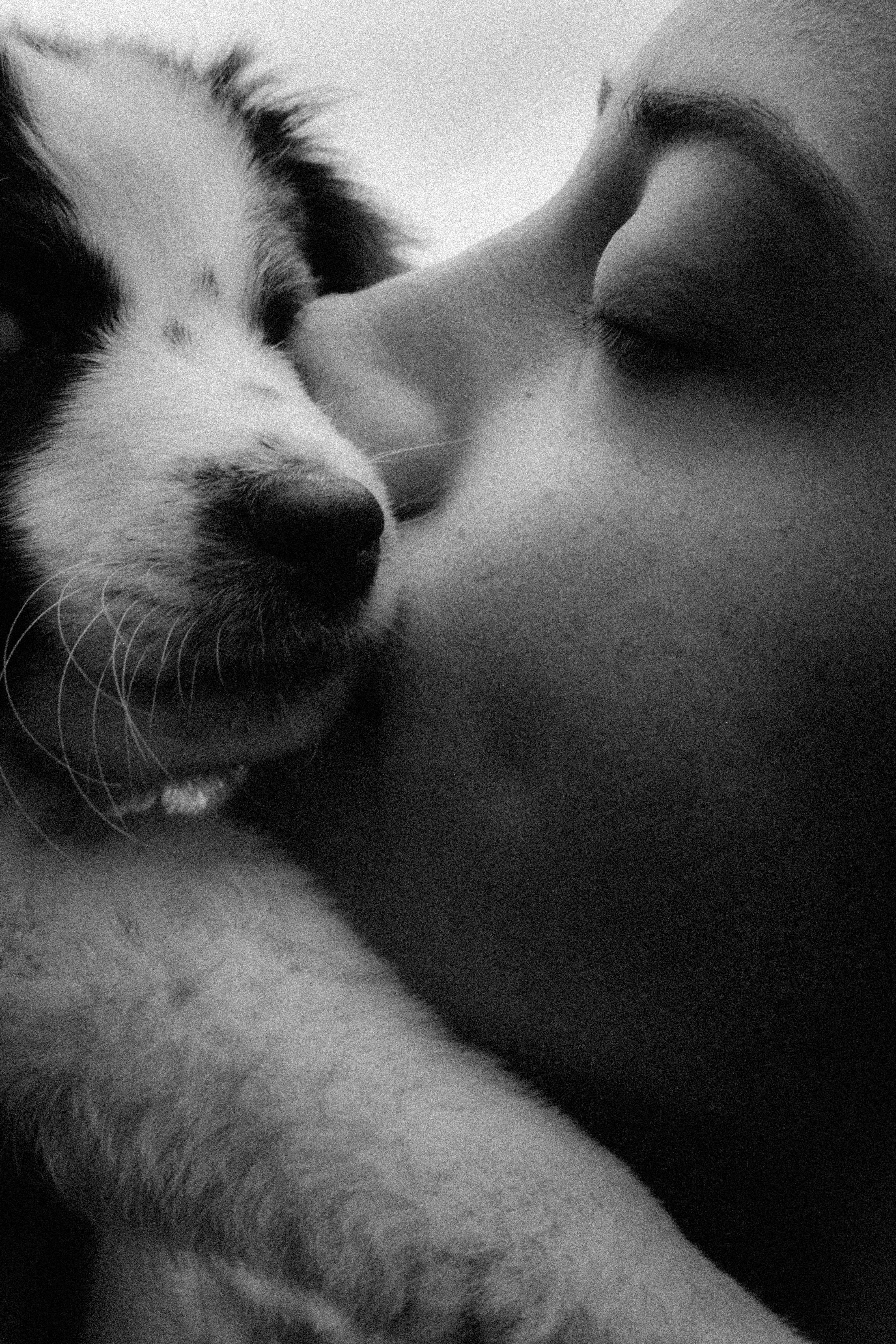
Caring for your furry friend isn't just about food and exercise, it also involves understanding their unique health needs. One often overlooked aspect is dog nose care. You may have noticed your pup's nose can sometimes be wet, and you might wonder why that is. In this article, we'll explore dog nose care 101, how to keep your pup's nose healthy and moist, and dive into the fascinating reasons why dogs have wet noses.
Why Do Dogs Have Wet Noses?
Dogs, like many other animals, have wet noses for several reasons. Here’s a simple breakdown:
Scent Detection: A wet nose can help dogs smell better. The moisture helps to absorb scent particles from the environment, allowing your pup to pick up on different smells more efficiently. This is why dogs are such great trackers!
Cooling Mechanism: Just like humans sweat, dogs cool themselves down through their noses. The moisture evaporating from their noses helps regulate their body temperature, especially on hot days.
Health Indicator: A healthy dog usually has a moist and cool nose. If your dog’s nose is dry or cracked, it might indicate dehydration or illness. It's a good idea to keep an eye on that!
How to Keep Your Pup's Nose Healthy and Moist
Keeping your dog's nose in top shape is important for their overall well-being. Here are some effective tips:
Hydration is Key: Make sure your pup has access to fresh water all the time. Dehydration can lead to a dry nose, so encourage them to drink plenty.
Humidity Matters: Dogs can suffer in dry environments. If you live somewhere with low humidity, consider using a humidifier inside your home, especially during winter.
Nose Balm: If your dog has a dry or cracked nose, using a dog-safe nose balm can help. Look for products made with natural ingredients like coconut oil or shea butter.
Regular Vet Check-ups: Routine vet visits can help catch any potential health issues early. If you notice significant changes in your dog’s nose, it could be time for a check-up.
Avoid Harmful Chemicals: Be mindful of the products you use in your home. Strong cleaning agents can irritate your pup's sensitive nose.
Tips for Observing Your Dog's Nose
Here’s a handy list of signs indicating that your dog’s nose might need some extra care:
- Dryness: If it feels rough, flaky, or overly dry, it may need moisture.
- Cracking: Any cracks or splits can be painful for your pup.
- Discoloration: A change in color, like turning pale or red, may require a vet visit.
- Excessive Sneezing or Sniffling: This could indicate allergies or an irritant in the environment.
Common Myths About Dog Noses
There are various misconceptions surrounding dog noses. Here are a few that need debunking:
Wet Nose Equals Sick Dog: Not true! While a wet nose is generally a sign of health, it doesn't mean your dog is sick if it's dry. Lots of factors can affect nose moisture.
Only Certain Breeds Have Wet Noses: All dogs can have wet noses, regardless of breed. The moisture level can vary, but it's not exclusive to certain types.
You Should Keep Their Nose Wet at All Times: It’s normal for a dog’s nose to change throughout the day. It doesn’t need to be constantly wet.
Fun Facts About Dog Noses
- Dogs have as many as 300 million smell receptors in their noses, compared to about 5 million in humans!
- A dog's sense of smell is so strong that they can detect certain health conditions, such as diabetes or cancer, just by sniffing.
- The shape and size of a dog's nose can determine how they smell. Flat-nosed breeds may have a different smelling ability compared to longer-nosed breeds.
Dog noses are fascinating, and taking care of them is essential for your pet’s health. By understanding why your dog’s nose is wet and how to keep it healthy, you can contribute to your pup’s happiness and well-being. So, the next time you see your dog’s moist nose, remember all the hard work it does for them!
Exploring the Myths: Are Wet Noses Really a Sign of a Healthy Dog?
Wet noses in dogs are often associated with health, leading many pet owners to believe that a moist snout is a clear indicator of their furry friend's well-being. But is this really true? There are plenty of myths surrounding the topic of wet noses, and it’s time to explore what’s fact and what’s fiction. So, why do dogs have wet noses? Let’s dive into this fascinating subject!
The Science Behind Wet Noses
First off, a dog's nose is usually wet because of a thin layer of mucus that keeps it moist. This moisture serves a couple of purposes. For one, it helps with their sense of smell. Dogs have an extraordinary olfactory system, and the wetness on their noses helps to capture scent particles from the air. This allows them to get more information about their environment.
- Moisture and Smell: The wet nose enhances a dog's ability to detect smells.
- Regulation of Body Temperature: Dogs also use their noses to help regulate their body temperature. When a dog pants, it’s not just cooling down its body; moisture evaporating from the nose also helps to cool them off.
Historical Context
Throughout history, dogs have been companions to humans. Ancient cultures recognized the importance of a dog’s nose. For instance, the Egyptians often depicted dogs alongside their gods, emphasizing the connection between dogs and humans. They believed that a wet nose was a sign of vitality and alertness.
- Cultural Beliefs: Many cultures viewed the moistness of a dog's nose as a sign of its health.
- Folklore and Myths: There are many myths, like the idea that a cold, wet nose means a dog is healthy, while a warm, dry nose indicates illness.
Common Myths About Dog Noses
There are several misconceptions when it comes to dog noses that pet owners often believe. Let’s look at some popular myths:
A Wet Nose Equals a Healthy Dog: While a wet nose can be a sign of good health, it’s not an absolute rule. Some perfectly healthy dogs may have a dry nose.
Nose Color Indicates Health: The color of a dog's nose can vary widely based on breed and genetics. It doesn’t necessarily reflect their health status.
Nose Temperature is Always Indicative: A warm nose doesn’t always mean a dog has a fever. Dogs’ noses can fluctuate in temperature based on many factors, including their environment.
Why Do Dogs Have Wet Noses?
The reasons for a dog’s wet nose extend beyond just health indicators. Here are some intriguing facts about why dogs have wet noses:
- Scent Enhancement: As mentioned earlier, wet noses help capture scent molecules, increasing the sense of smell.
- Communication Tool: Dogs communicate through their noses, using scents to gather information about other animals and their environment.
- Social Interaction: Dogs often lick their noses, which can be a sign of curiosity or engagement with their surroundings.
Practical Examples of Nose Conditions
Just like humans can have various health issues, dogs can face nose conditions as well. Here’s a list of common nose conditions in dogs:
- Dry Nose: Can be caused by dehydration or certain health problems.
- Cracked Nose: Often due to weather conditions or allergies.
- Nasal Discharge: May indicate infections or allergies.
Comparison: Wet vs. Dry Noses
It’s useful to compare wet and dry noses in dogs to better understand the importance of a dog’s nose.
| Feature | Wet Nose | Dry Nose |
|---|---|---|
| Health Indicator | Often indicates hydration and health | Not always a sign of illness |
| Scent Detection | Enhances smell ability | May hinder scent detection |
| Temperature | Usually cooler | Can be warmer |
It’s clear that a dog’s nose serves multiple functions, and while wet noses may often be seen as a sign of good health, they are not the sole indicator.
Understanding the complexities of dog noses helps pet owners provide better care for their furry companions. Knowing that a wet nose isn’t the be-all-end-all can lead to more informed decisions regarding their health. After all, monitoring other signs and behaviors is just as crucial in ensuring your dog stays happy and healthy. So next time you check your pup's nose, remember the fascinating reasons behind its moisture and what it means for your dog's overall well-being!
From Temperature Regulation to Communication: 6 Reasons Dogs Have Wet Noses
Dogs are often known for their damp noses, and many people wonder why that is. If you ever asked yourself, "Why do dogs have wet noses?" you're not alone. There's actually a range of fascinating reasons behind this characteristic that goes beyond just being cute. So, let’s dive in to discover six compelling reasons why our furry friends have those famously wet noses.
1. Temperature Regulation
One of the primary functions of a dog's wet nose is to help regulate their body temperature. Dogs don’t sweat like humans do; instead, they rely on their noses and panting to cool down. When a dog’s nose is moist, it can better help in evaporating heat. This is important, especially during hot weather or after physical activity. By keeping their nose wet, dogs can maintain a more stable internal temperature.
2. Enhanced Sense of Smell
Did you know that a dog's sense of smell is far superior to that of humans? The moisture on their noses helps trap scent particles, which makes it easier for dogs to detect odors. A wet nose enhances their ability to smell and gather information about their environment. That's why dogs are often employed in search and rescue, as well as detecting substances like drugs or explosives.
3. Communication Tool
Dogs communicate in various ways, including through their noses. When a dog approaches another dog, the wetness on their nose can indicate curiosity or friendliness. A moist nose can also signal a dog’s emotional state. For instance, a wet nose might mean that a dog is relaxed and happy. On the other hand, if a dog’s nose is dry, it could be a sign of stress or illness. So, the state of a dog’s nose can tell you a lot about how they feel!
4. Health Indicator
The condition of a dog’s nose can also serve as a health barometer. Generally, a dog's nose should be moist and cool. If you notice that your dog's nose is excessively dry, cracked or has changes in color, it could indicate underlying health issues. Conditions like dehydration, fever, or even allergies can manifest through a dog’s nose. Keeping an eye on their nose can help you catch health problems early, ensuring your furry friend stays happy and healthy.
5. Social Behavior
Dogs are inherently social creatures, and their noses play a big role in their social interactions. When dogs meet, one of the first things they do is sniff each other's noses. This behavior is a way of gathering information about other dogs, such as their identity, mood, and even health. The wetness of their noses facilitates this process, allowing them to engage in social behavior and establish connections with others in their pack.
6. Natural Cleaning Mechanism
Dogs often lick their noses, which helps keep them clean and moist. This licking behavior not only helps in maintaining the wetness of their noses but also removes dirt and debris. A clean nose helps dogs detect scents more effectively. It's like having their own little cleaning routine! Plus, a moist nose can help in preventing infections that can occur if dirt or bacteria build up.
Key Takeaways
Here’s a quick summary of the reasons:
- Temperature Regulation: Helps dogs cool down without sweating.
- Enhanced Sense of Smell: Moisture traps scent particles for better detection.
- Communication Tool: Indicates emotional state and social signals.
- Health Indicator: Condition of the nose can reveal health issues.
- Social Behavior: Sniffing noses is part of dog-to-dog communication.
- Natural Cleaning Mechanism: Licking keeps noses clean and functional.
In Closing
So, next time you see your dog's wet nose, remember all the fascinating roles it plays in their life. From regulating temperature to enhancing their sense of smell, it's a crucial part of what makes dogs so remarkable. Understanding why dogs have wet noses gives you a deeper insight into their health and behavior, which can help strengthen the bond between you and your furry companion. So, cherish those damp little noses — they’re doing a lot more than just being adorable!
Conclusion
In conclusion, the wet noses of dogs serve multiple essential functions that contribute to their overall health and well-being. The moisture on their noses helps enhance their sense of smell, allowing them to detect scents more effectively, which is crucial for their communication and interaction with the environment. Additionally, a wet nose aids in thermoregulation, helping dogs cool down and maintain their body temperature. While a dry nose can sometimes indicate health issues, it is not always a cause for concern. Understanding the reasons behind this unique characteristic can deepen our appreciation for our furry companions. As a pet owner, it's important to monitor your dog's nose and overall health regularly. If you notice significant changes, consult your veterinarian for guidance. Embrace the quirks of your canine friend, and ensure they receive the love and care they deserve!