Have you ever wondered, why do dogs have wet noses? It’s a question that sparks curiosity among dog lovers and pet owners alike! Dogs’ noses are not just adorable; they serve some fascinating purposes. The truth behind those moist noses can reveal a lot about your furry friend’s health and behavior. Many people ask, “Is a dog’s nose always wet?” or “What does a wet nose mean for my dog?” These queries lead us to explore the world of canine anatomy and instincts. A dog’s wet nose isn’t just a cute feature; it plays a crucial role in their sense of smell, helping them to detect scents more effectively. But did you know that the temperature and moisture of their noses can also indicate their health? Imagine the secrets your pup’s nose holds! In this article, we will dive deep into the science of why do dogs have wet noses and uncover the mysteries that make our canine companions so special! So, if you’re ready to discover the fascinating truth behind those wet noses, keep reading! You won't want to miss out on these intriguing insights!
\n\nThe Science Behind Dog Noses: Why Are They Always Wet?
\n\n \n\n
\n\nEver wondered why your furry friend has that irresistibly wet nose? You’re not alone. Many people curious about their dogs often ask, "Why do dogs have wet noses?" Well, the answer is quite fascinating, and it’s rooted in biology and evolution. Let’s dive into the science behind dog noses and explore why they are always wet.
\nThe Anatomy of a Dog's Nose
\nA dog’s nose is not just for show. It’s a complex organ that serves several important functions. Here are some key parts of a dog's nose:
\n- \n
- Nasal Passages: Dogs have long nasal passages that help them to filter the air they breathe. \n
- Olfactory Receptors: Dogs have around 300 million olfactory receptors, compared to humans who only have about 5 million. This makes their sense of smell incredibly powerful. \n
- Moisture Glands: The moisture that you feel on a dog's nose comes from glands that produce mucus. This mucus is essential for trapping scent particles, enhancing their ability to smell. \n
Why Are Dog Noses Wet?
\nNow, let’s answer the big question: why do dogs have wet noses? There are several reasons, and they are all pretty interesting.
\n- \n
- \n
Scent Enhancement: A wet nose helps dogs absorb scent molecules. The moisture allows scent particles to stick better, making it easier for dogs to detect different smells.
\n \n - \n
Temperature Regulation: Dogs don't sweat like humans. Instead, they cool off by panting and through their noses. A wet nose helps to regulate their temperature, especially on hot days.
\n \n - \n
Health Indicator: A wet nose can also be an indicator of a dog's health. Typically, a moist nose signals that a dog is healthy, while a dry nose may indicate dehydration or illness. However, it's not a definitive rule, and other factors could also be at play.
\n \n
Historical Context of Dog Noses
\nDogs have evolved over thousands of years. Their ancestors were wild animals that relied heavily on their sense of smell for hunting and survival. Here’s a brief history of how dog noses have developed:
\n- \n
- Early Domestication: As humans began to domesticate dogs, those with better noses were often more successful in hunting and tracking. \n
- Breeding for Traits: Over time, specific breeds were developed for particular tasks, such as hunting or herding, and their noses have adapted accordingly. \n
Fun Facts About Dog Noses
\nTo further appreciate the wonder of dog noses, here are some fun facts:
\n- \n
- Dogs have unique nose prints, just like human fingerprints. Each dog’s pattern is different and can be used for identification. \n
- A dog’s sense of smell can be up to 100,000 times better than humans. This is why dogs are often used in search and rescue missions, detection of drugs, and even medical diagnoses. \n
- The wetness of a dog’s nose can change throughout the day. For instance, if a dog has been sleeping, its nose might be drier when it wakes up. \n
What Happens When a Dog's Nose is Dry?
\nIf you notice your dog’s nose is dry, it could mean a few things:
\n- \n
- Dehydration: Make sure your dog has access to fresh water. \n
- Weather Conditions: Hot weather can lead to a dry nose, so keep an eye on them during hot days. \n
- Health Issues: If a dry nose persists, it might be worth consulting your veterinarian. \n
Comparison: Dog Noses vs. Human Noses
\nLet’s compare the characteristics of dog noses with human noses.
\n| Characteristic | \nDog Nose | \nHuman Nose | \n
|---|---|---|
| Olfactory Receptors | \n~300 million | \n~5 million | \n
| Moisture Function | \nEnhances smell, cools body | \nMinimal effect on smell | \n
| Identification | \nUnique nose prints | \nUnique fingerprints | \n
| Temperature Regulation | \nPrimary method | \nSecondary (sweat glands) | \n
Dogs' noses are not just cute; they are a remarkable adaptation that has evolved over time to help them survive and thrive in various environments.
\nThe next time you pet your dog and feel that delightful wet nose, remember the incredible science and history behind it. Their noses not only serve functional purposes but also connect them deeply to their instincts as hunters and companions. Understanding why do dogs have wet noses can enhance your appreciation for these loyal friends and their unique biology.
\n\n5 Surprising Benefits of Your Dog's Moist Nose You Never Knew!
\n\n \n\n
\n\nHave you ever wondered why your dog's nose is always wet? It’s a common observation, yet not many of us stop to think about it. While you might think it’s just a quirk of nature, there are actually fascinating reasons behind that moist nose. In this article, we’ll uncover some surprising benefits of your dog's wet nose that you probably never knew about!
\nWhy Do Dogs Have Wet Noses?
\nFirst, let’s explore the science behind it. Dogs have wet noses mainly because their bodies are designed to regulate temperature and enhance their sense of smell. The moisture on a dog's nose aids in absorbing scent particles, making it easier for them to detect scents. This is essential for their survival instincts and communication. Plus, the moisture also helps cool down their body, especially during hot weather.
\n5 Surprising Benefits of Your Dog's Moist Nose
\n1. Enhanced Sense of Smell
\nA wet nose greatly helps dogs in smelling. Studies show that dogs have up to 300 million smell receptors, compared to a human’s 5 million. The moisture on their noses allows scent molecules to stick better, making them more effective at picking up on smells. This means your pup can detect scents far better than you can, whether it's your favorite snack or a potential danger.
\n2. Temperature Regulation
\nJust like us, dogs can become overheated, especially in the summer months. Their moist noses are part of the cooling system. When dogs pant, moisture evaporates from their noses, which helps to lower their body temperature. This is especially true for breeds with thick fur or those that are more prone to overheating. So, a wet nose is a sign that your dog is cooling off!
\n3. Communication Tool
\nDogs use their noses not just for smelling but also for communicating with other dogs. When a dog meets another dog, they often sniff each other's noses. This behavior is part of their social interaction and helps them exchange important information like health status, mood, and even reproductive status. A moist nose can convey a lot to another dog!
\n4. Health Indicators
\nThe condition of your dog’s nose can indicate their overall health. A healthy dog usually has a cool, moist nose. However, a dry or cracked nose can be a sign of dehydration, illness, or even allergies. Regularly checking your dog’s nose can give you early warnings about potential health issues. If you notice any drastic changes, it’s a good idea to consult your veterinarian.
\n5. It's a Natural Antiseptic
\nThe moisture on your dog's nose is not just there for looks. It also has natural antiseptic properties. The mucus that covers a dog's nose can trap dirt and bacteria, preventing them from entering their bodies. This is especially crucial for dogs that like to sniff around outside or dig in the dirt. So, when your dog licks their nose, they are actually cleaning it, which helps to keep infections at bay.
\nFun Facts About Dog Noses
\n- \n
- Dogs' noses come in different colors, and it's not just about aesthetics. The pigmentation can vary by breed and can even change with age. \n
- Every dog's nose print is unique, much like a human fingerprint. This uniqueness could theoretically be used for identification! \n
- Some researchers believe that the wetness of a dog's nose can actually enhance their ability to track scents over long distances. \n
What to Do if Your Dog's Nose is Dry
\nIf you notice your pup's nose is unusually dry, there are a few steps you can take:
\n- \n
- Hydration: Ensure your dog has access to fresh water at all times. \n
- Humidifiers: Using a humidifier in your home can help, especially in dry winter months. \n
- Veterinary Check: If dryness continues or is accompanied by other symptoms like lethargy or loss of appetite, consult your vet. \n
Comparing Moist and Dry Noses
\n| Feature | \nMoist Nose | \nDry Nose | \n
|---|---|---|
| Smell Sensitivity | \nHigh | \nLow | \n
| Temperature Control | \nEffective | \nIneffective | \n
| Health Indicator | \nUsually healthy | \nPossible health issues | \n
| Antiseptic Quality | \nPresent | \nLimited | \n
The wet nose of your dog is much more than just an adorable feature. It plays a vital role in their health and well-being. Next time you give your furry friend a scratch behind the ears, take a moment to appreciate that moist little nose and all the benefits it brings. Understanding why dogs have wet noses can deepen your bond with your pet and help you care for them better!
\n\nIs a Wet Nose a Sign of Health? Unveiling the Truth About Dog Hydration
\n\n \n\n
\n\nIs a Wet Nose a Sign of Health? Unveiling the Truth About Dog Hydration, Why Do Dogs Have Wet Noses? Discover The Fascinating Truth!
\nWhen you see a dog, one of the first things that catch your eye is often their wet nose. But what does it really mean? Is a wet nose an indicator of a healthy dog, or is it just something that happens? Many dog owners ask, “Why do dogs have wet noses?” and there's actually a lot more to it than you might think. Let’s dive into the science and facts behind those adorable, moist snouts!
\nThe Science Behind Wet Noses
\nDog noses are often wet due to a combination of factors including the physical structure, environmental influences, and even biological functions. Here’s a breakdown of why your furry friend’s nose may be wet:
\n- \n
- Humidity absorption: Dogs can absorb moisture from the air through their noses. This helps them detect scents better, since wet surfaces can capture scent particles more effectively. \n
- Sweat glands: Unlike humans, dogs don’t sweat through their skin. Instead, they have sweat glands in their paw pads and some in their noses, which can contribute to moisture. \n
- Temperature regulation: Dogs can’t cool down like we do. A wet nose helps them regulate their body temperature, especially during hot weather. \n
Wet Nose and Health: What’s the Connection?
\nSo, is a wet nose a sign of health? While a wet nose can be a sign of hydration and overall well-being, it's not the only factor you should consider. Here’s what to keep in mind:
\n- \n
- Healthy dogs: Generally, a healthy dog’s nose is wet and cool. However, this isn’t a definitive measure of health. \n
- Illness indicators: A dry or excessively warm nose can sometimes indicate problems, but dogs exhibit a range of symptoms. If your dog’s behavior is off, consult a vet. \n
- Hydration status: Proper hydration is crucial for dogs. A wet nose might suggest they are adequately hydrated, but always monitor their water intake. \n
Common Myths About Dog Noses
\nThere are tons of myths surrounding dog noses. Let’s clear some of these up:
\n- \n
- \n
Myth: A wet nose means a dog is sick.
\n- \n
- Fact: A wet nose is often normal, but sickness can show in other behaviors. \n
\n - \n
Myth: Dogs can’t feel anything with their noses.
\n- \n
- Fact: Dogs have a highly developed sense of smell, and their noses are sensitive to touch, temperature, and moisture. \n
\n - \n
Myth: All dogs have the same type of nose.
\n- \n
- Fact: Different dog breeds have various nose shapes and sizes, influencing their moisture levels. \n
\n
Practical Tips for Dog Owners
\nUnderstanding your dog's needs can help keep them healthy. Here are some practical tips:
\n- \n
- Keep water accessible: Make sure your dog has fresh water available at all times, especially during warm weather. \n
- Regular check-ups: Regular vet visits can help catch any underlying problems early. \n
- Monitor behavior: Changes in behavior, appetite, or energy levels can signal health issues. \n
Signs of Dehydration in Dogs
\nWatch for these signs that may indicate your dog is dehydrated:
\n- \n
- Dry gums \n
- Loss of skin elasticity \n
- Lethargy \n
- Sunken eyes \n
If you notice these signs, it’s important to act fast. Dehydration can lead to severe health issues.
\nFun Facts About Dog Noses
\nDid you know that dog noses are unique, much like human fingerprints? Here are some fun and interesting facts:
\n- \n
- Nose prints: Each dog has a unique nose print that can be used to identify them. \n
- Scent detection: Dogs have up to 300 million scent receptors in their noses, compared to humans' 5 million. This is why dogs are often used in search and rescue operations. \n
- Temperature sensitivity: A dog's sense of smell is so acute that they can detect certain diseases in humans. \n
Conclusion
\nThe wetness of a dog’s nose can tell you a bit about their hydration and health, but it’s not the whole picture. While wet noses are often a sign of a happy, healthy dog, it’s crucial to observe their overall behavior and well-being. So next time you pet your furry friend, remember that their wet nose is just one part of their complex and fascinating biology. Always consult with a veterinarian if you have concerns about your dog's health, because they are the experts who can provide the best advice for your beloved pet.
\n\nWhy Do Dogs Have Wet Noses? Exploring the Evolutionary Purpose
\n\n \n\n
\n\nDogs are known for their wet noses, but have you ever wondered why? It’s not just a quirky trait. There’s a fascinating evolutionary purpose behind it that shows the incredible adaptability of our furry friends. In this article, we will explore the reasons why dogs have wet noses and what that means for their health and behavior.
\nThe Science Behind Wet Noses
\nThe moisture on a dog's nose serves several important functions. First off, it helps them to smell better. Dogs have an extraordinary sense of smell, which is about 10,000 to 100,000 times more sensitive than humans. The wetness of their noses enhances their olfactory receptors, allowing them to pick up scent particles more effectively. The moisture captures those particles, making it easier for dogs to process smells in their environment.
\n- \n
- Improved Smelling Ability: Wet noses trap scent particles. \n
- Temperature Regulation: Helps to cool the dog down. \n
- Health Indicator: A change in nose moisture can indicate health issues. \n
Evolutionary Purpose of Wet Noses
\nThe evolution of dogs from wolves, which had different physical traits, plays a big role in understanding why dogs have wet noses. Wolves primarily rely on their sense of smell for hunting and social interactions. As dogs evolved, they kept this critical trait. The wet nose became essential for survival, helping them to detect food, predators, or even other dogs over long distances.
\n- \n
- From Wolves to Dogs: Adaptation to social and hunting needs. \n
- Survival Mechanism: Enhanced scent detection in various environments. \n
Why Do Dogs Have Wet Noses? The Fascinating Truth!
\nThe wetness of a dog’s nose is not just for show. It's deeply rooted in their biology. Most mammals, including dogs, have a moist surface on their noses, which is usually maintained by a combination of mucus and secretions from the nasal glands. This moist layer helps with thermoregulation, which is a fancy term for keeping their body temperature in check. When a dog pants, the moisture on their nose can help cool them down effectively.
\n- \n
- Cooling Mechanism: Similar to how humans sweat. \n
- Health Benefits: Moisture can help prevent nose cracking. \n
Comparing Dog Noses to Human Noses
\nIt’s interesting to note how different dog noses are from human noses. Humans have dry noses, and we rely on a different set of sensory mechanisms. Let’s look at a simple comparison:
\n| Feature | \nDog Nose | \nHuman Nose | \n
|---|---|---|
| Moisture Level | \nGenerally wet | \nUsually dry | \n
| Smell Sensitivity | \nExtremely high | \nModerate | \n
| Temperature Control | \nEffective | \nLess efficient | \n
| Functionality | \nTrapping scents, cooling | \nPrimarily breathing | \n
Practical Examples of Nose Moisture
\nYou might notice that some dogs have dryer noses than others. Various factors can influence this, like weather conditions, hydration levels, and even health status. Here are some practical examples:
\n- \n
- Weather: In dry, hot weather, a dog’s nose might become drier. \n
- Hydration: A well-hydrated dog generally has a wetter nose. \n
- Health Issues: If a dog has a dry or cracked nose, it could indicate dehydration or illness. \n
Cultural Insights and Myths
\nThroughout history, many myths and cultural beliefs have surrounded the idea of dog noses. For instance, some people believe that a cold, wet nose means a dog is healthy, while a warm or dry nose might indicate sickness. However, this isn't always true. The temperature of their nose can vary due to various factors, including the environment they are in or their level of activity.
\nFinal Thoughts
\nUnderstanding why dogs have wet noses can help dog owners appreciate their pets even more. It’s not just a cute feature; it’s a vital part of their biology that serves multiple purposes. By paying attention to the condition of a dog's nose, owners can gain insights into their pet's health and well-being. Next time you give your furry friend a pat on the head, take a moment to appreciate that wet nose—it's a little marvel of evolution!
\n\nThe Role of a Dog's Wet Nose in Their Sense of Smell: What You Should Know
\n\n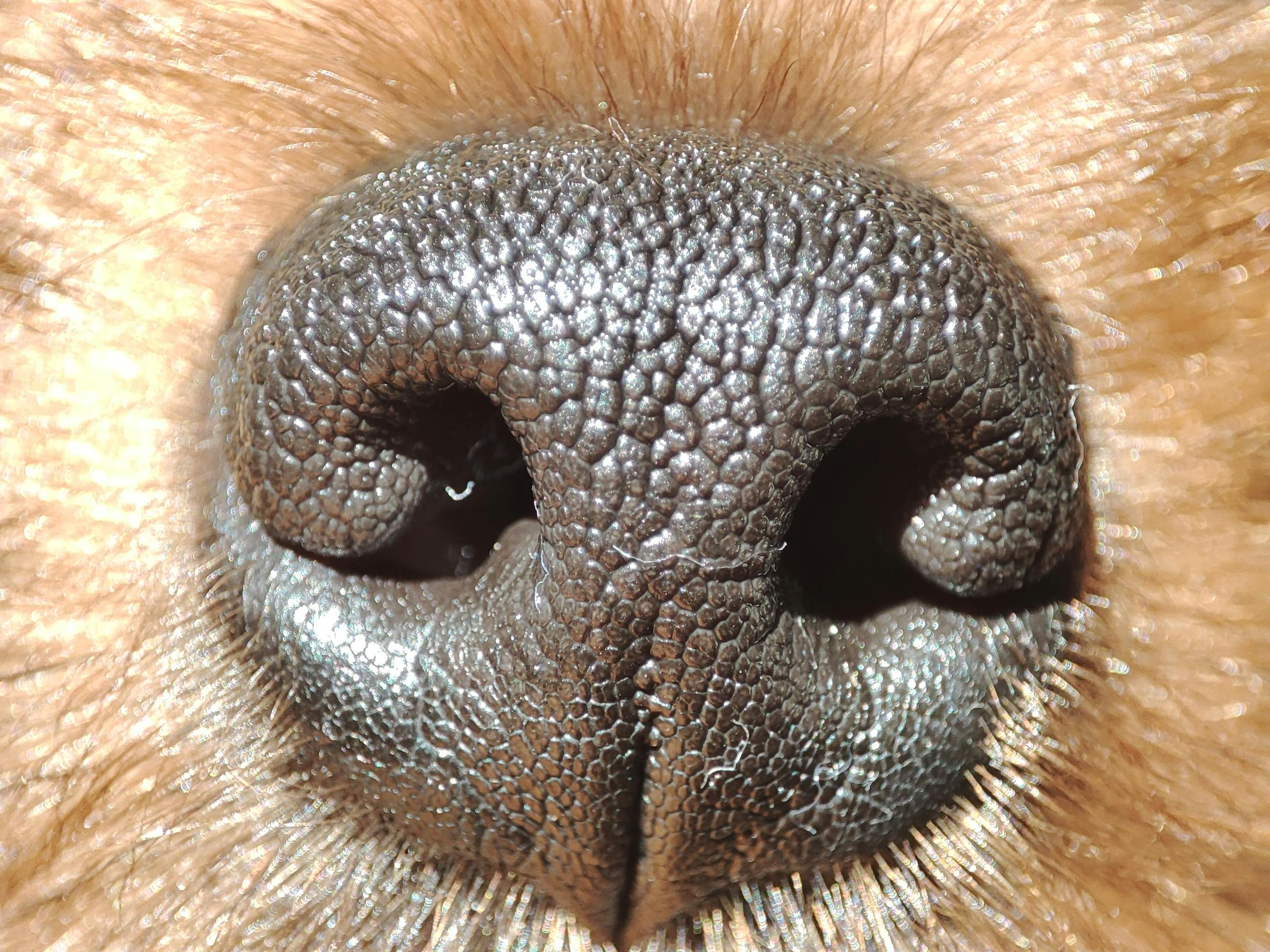 \n\n
\n\nDogs are often known for their incredible sense of smell, but have you ever thought about the role that their wet noses plays in this ability? It’s a common question among dog owners and enthusiasts, and understanding the science behind it can really change how we view our furry friends. So, why do dogs have wet noses? And what’s the fascinating truth behind that distinctive feature? Let’s dive into this interesting topic.
\nThe Anatomy of a Dog’s Nose
\nA dog’s nose is not just a cute feature; it’s a complex organ that helps them experience the world in a way that humans can’t even imagine. The wetness of a dog’s nose is primarily due to a layer of mucus that helps to capture scent particles from the air. This mucus acts as a sort of glue, allowing dogs to pick up on scents more effectively.
\n- \n
- Scent Receptors: Dogs have around 220 million scent receptors in their noses, compared to a human’s mere 5 million. \n
- Jacobsen’s Organ: This is a special organ in dogs that helps them process smells more deeply. \n
- Size Matters: Larger breeds often have larger noses, which can enhance their ability to smell. \n
Why Are Dogs’ Noses Wet?
\nYou might wonder, what makes a dog’s nose wet, anyway? Well, there are several reasons.
\n- \n
- \n
Cooling Mechanism: Just like sweating for humans, a dog’s wet nose helps to regulate their body temperature. When they pant, moisture evaporates from their noses, which cools them down.
\n \n - \n
Scent Detection: Wet noses can trap more scent particles, which enhances their ability to smell. A dry nose may not be as effective in picking up the smells around them.
\n \n - \n
Health Indicators: Believe it or not, a wet nose can also be an indicator of a dog’s health. Generally, a moist nose suggests that your dog is healthy, while a dry or cracked nose can signal dehydration or illness.
\n \n
Historical Context of Dogs’ Noses
\nHistorically, dogs have been bred for specific roles that often relied heavily on their sense of smell. For example, hunting breeds were selected for their ability to track scents, while herding breeds needed to locate livestock. The evolution of their noses have been influenced by these roles over centuries.
\n- \n
- Hunting Dogs: Breeds like Bloodhounds and Beagles have particularly keen senses of smell, allowing them to track scents over great distances. \n
- Service Dogs: Nowadays, many dogs are trained to detect drugs, explosives, or even medical conditions like diabetes or seizures, showcasing the versatility of their olfactory abilities. \n
Fun Facts About Dogs’ Noses
\nHere are some quick tidbits about dog noses that might surprise you:
\n- \n
- Dogs can detect certain diseases, including cancer, with their noses. \n
- The texture of a dog’s nose can vary—some are smooth while others are a bit bumpy. \n
- Dogs can smell in layers, which means they can differentiate between various scents in the same area. \n
Comparison: Dogs vs. Humans
\nTo really understand how unique a dog’s sense of smell is, let’s compare it with ours:
\n| Feature | \nDogs | \nHumans | \n
|---|---|---|
| Scent Receptors | \n~220 million | \n~5 million | \n
| Olfactory Bulb Size | \nProportionally larger | \nSmaller | \n
| Ability to Identify Scents | \n10,000 to 100,000 times better | \nStandard | \n
Practical Tips for Dog Owners
\nIf you’re a dog owner, there are a few things you can do to help your dog utilize their powerful sense of smell:
\n- \n
- \n
Engage in Scent Games: Hide treats in your house or yard for your dog to find. This encourages their natural sniffing instincts.
\n \n - \n
Explore Different Environments: Take your dog on walks in different parks or trails. New scents can provide them with mental stimulation.
\n \n - \n
Keep Their Nose Healthy: Regularly check for dryness or cracks and consult your vet if you notice any abnormalities.
\n \n
Understanding the role of a dog’s wet nose in their sense of smell is not just fascinating, but it can also enhance the bond you share with your pet. Their ability to smell is a gift that allows them to connect with the world around them in a way that we can only dream of. So, the next time you see your dog sniffing around, remember that their wet nose is not just cute; it’s a powerful tool that helps them navigate their environment.
\n\nCurious Canines: How Your Dog's Wet Nose Affects Their Behavior
\n\n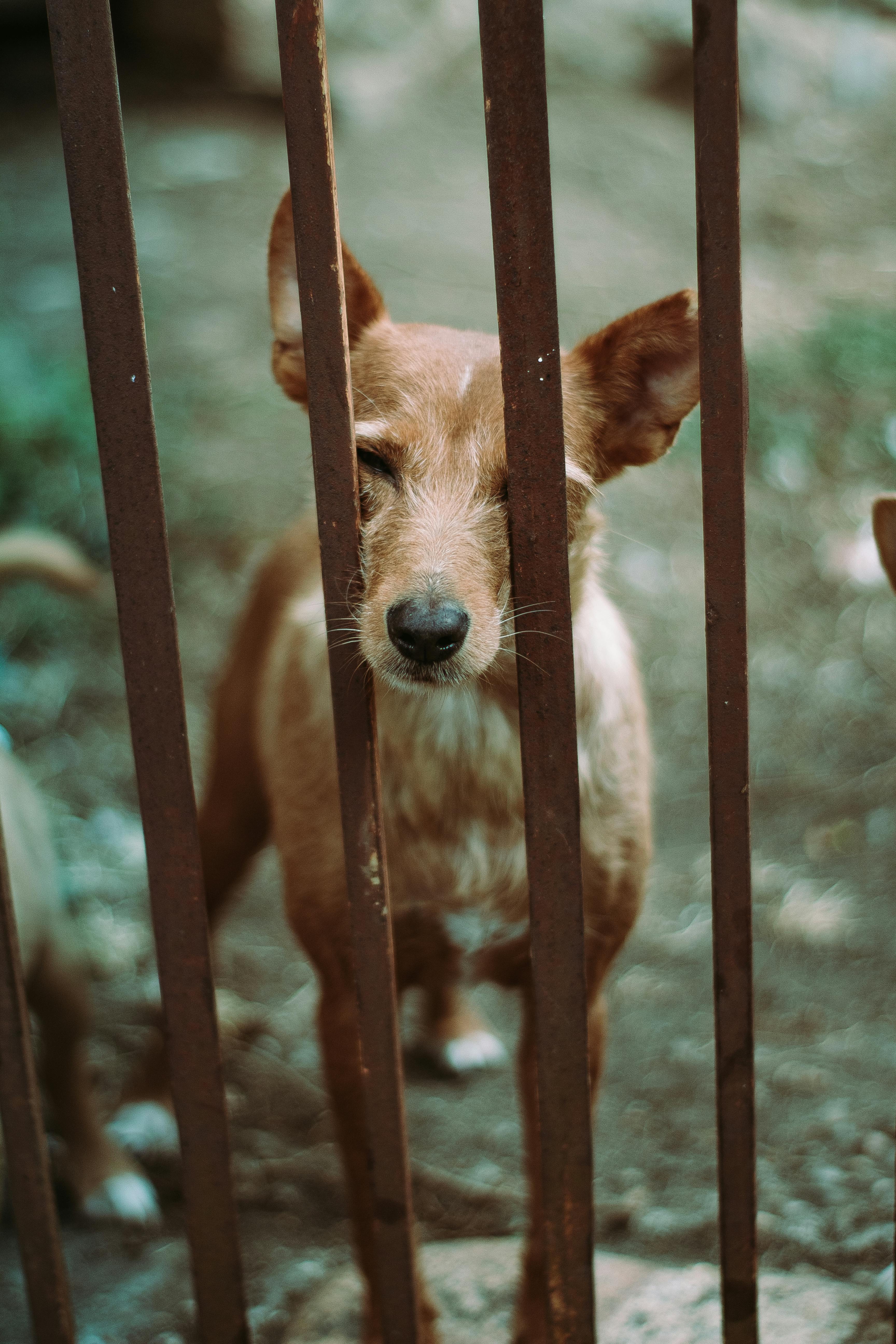 \n\n
\n\nHave you ever wondered why your dog’s nose is always so wet? You’re not alone! Many dog owners find themselves asking, “Why do dogs have wet noses?” It’s a curious feature that not only looks cute but also serves important functions in a dog’s behavior and health. Let’s dive into the fascinating truth behind those moist noses and how they affect your canine companion’s actions.
\nThe Science Behind Wet Noses
\nDogs have wet noses for several reasons, and understanding these can give us insight into their behavior. Firstly, a wet nose helps dogs to smell better. Dogs have an extraordinary sense of smell, estimated to be anywhere from 10,000 to 100,000 times more acute than humans. The moisture on their noses helps to capture scent molecules from the air, making it easier for them to detect various smells around them.
\n- \n
- Scent Detection: A wet nose captures scent particles more efficiently. \n
- Temperature Regulation: Dogs can’t sweat like humans, so a wet nose helps keep them cool. \n
- Health Indicator: Changes in the moisture level of a dog’s nose can indicate health issues. \n
Why Is a Wet Nose Important?
\nThe wetness of a dog's nose is not just a random trait, it plays a crucial role in their daily lives. Here are some key points that illustrates its importance:
\n- \n
- Enhanced Olfactory Function: The moisture allows scent molecules to adhere better, which is vital for hunting and exploring. \n
- Cooling Mechanism: Dogs pant to regulate their body temperature, and a moist nose contributes to this process. \n
- Social Interaction: Dogs often greet each other by sniffing noses, and a wet nose can convey health and vitality. \n
History and Evolution of the Wet Nose
\nDogs evolved from wolves, and their wet noses are believed to be a trait passed down through generations. Historically, a moist nose was advantageous for survival. Wolves with better scent detection capabilities could hunt more effectively, leading to better chances of survival and reproduction.
\n- \n
- Adaptive Trait: Wet noses helped their ancestors find food and avoid predators. \n
- Domestication Impact: As dogs became domesticated, their wet noses remained a sign of a healthy animal. \n
Effects of Wet Noses on Behavior
\nNow that we know why dogs have wet noses, let’s explore how this affects their behavior. A dog’s nose can reveal a lot about what they are feeling or thinking.
\n- \n
- Curiosity and Exploration: A wet nose indicates a dog is ready to explore and engage with their environment. \n
- Anxiety or Stress: If a dog’s nose is dry, it could mean they are stressed or not feeling well. \n
- Communication: Dogs use their noses to communicate with other dogs and humans; a wet nose can signal friendliness and playfulness. \n
Fun Facts About Dog Noses
\nHere are some interesting facts about dog noses that might surprise you:
\n- \n
- Dogs have a unique nose print, similar to a human fingerprint, which can be used for identification. \n
- The color of a dog’s nose can change with the seasons, often lightening in winter and darkening in summer. \n
- Dogs can smell certain diseases, including cancer and diabetes, due to their incredible olfactory abilities. \n
How to Keep Your Dog's Nose Healthy
\nMaintaining a healthy nose is important for your dog's overall well-being. Here are some tips:
\n- \n
- Regular Vet Check-ups: Ensure your dog is regularly checked by a veterinarian to catch any health issues early. \n
- Hydration: Make sure your dog stays hydrated; this keeps their nose moist. \n
- Watch for Changes: If you notice a sudden change in the moisture level of your dog’s nose, consult your vet. \n
Comparing Dog Noses to Human Noses
\nWhile both humans and dogs have noses, their functions and abilities are vastly different. Here’s a quick comparison:
\n| Feature | \nDog Nose | \nHuman Nose | \n
|---|---|---|
| Scent Detection | \n10,000 to 100,000 times more acute | \nLimited sense of smell | \n
| Moisture Function | \nAids in smell and cooling | \nPrimarily for breathing | \n
| Health Indicator | \nWetness indicates health | \nDryness or congestion indicates illness | \n
In summary, understanding why dogs have wet noses can enrich your relationship with your furry friend. Their moist noses are not just an endearing trait; they play a significant role in how dogs interact with the world. By paying attention to the condition of your dog’s nose, you can better gauge their health and well-being. So next time you see your canine companion with that adorable wet nose, remember, it’s a fascinating aspect of their biology and behavior!
\n\n7 Fascinating Facts About Dog Noses That Will Leave You Amazed!
\n\n \n\n
\n\nIf you ever wonder why do dogs have wet noses, you’re not alone! This peculiar feature of our furry friends isn’t just for show. It serves several important functions and is a part of what makes dogs so unique. Let’s dive into some fascinating facts about dog noses that will leave you amazed!
\n1. The Science Behind Wet Noses
\nFirst off, let’s talk about the moisture. Dogs’ noses are often wet due to a thin layer of mucus. This mucus helps in the process of smelling. When a dog inhales, scent particles stick to the moist surface, allowing them to detect smells better. Isn’t that wild? Their sense of smell is about 40 times better than humans!
\n2. Temperature Regulation
\nDid you know dogs use their noses to help regulate their body temperature? Unlike humans, who sweat to cool down, dogs don’t sweat the same way. They have sweat glands in their paw pads, but their noses play a role too. A wet nose can help cool them down when they pant. So, a cold, wet nose might mean your dog is trying to cool off!
\n3. Health Indicators
\nA dog’s nose can tell you a lot about their health. A dry nose is not always a bad sign, but it can indicate dehydration or illness, especially if it’s accompanied by other symptoms like lethargy or loss of appetite. Regularly checking your dog's nose can help you catch any potential health issues early. Here’s a quick checklist to keep in mind:
\n- \n
- Wet and cool: Generally healthy \n
- Dry and warm: Possible fever or dehydration \n
- Cracked or peeling: Could indicate allergies or skin conditions \n
4. Unique Nose Prints
\nEach dog has a unique nose print, much like human fingerprints. This uniqueness is why some people have even suggested using nose prints for identification! Just like human fingerprints, the patterns of ridges and creases on a dog’s nose can be used to distinguish one dog from another. How cool is that?
\n5. Nose Shapes and Breeds
\nDifferent breeds have different nose shapes. For example, Greyhounds have long, narrow noses while Bulldogs have short, flat noses. This variation can affect their sense of smell too! Longer noses generally have more olfactory receptors, thus enhancing scent detection. If you ever wondered why some breeds are better at tracking scents, it’s all in the nose shape!
\n6. The Role of Wetness in Scent Detection
\nYou might ask, why do dogs have wet noses? Well, the wetness actually enhances their ability to detect odors! When a dog sniffs, the moisture captures scent particles more effectively. This means that a wet nose is not just a quirk, but a crucial part of how dogs interact with their environment.
\n7. The Nose Knows!
\nDogs rely heavily on their sense of smell to understand the world. They can sniff out drugs, locate missing persons, and even detect certain diseases in humans. This incredible ability is mainly due to their olfactory system, which has around 300 million scent receptors compared to the mere 6 million in humans. It’s like having a superpower!
\nFun Facts About Dog Noses
\n- \n
- Dogs can smell certain diseases like cancer or diabetes in humans. \n
- A dog’s sense of smell can be trained to detect specific scents, like drugs or explosives. \n
- Dogs can recognize their owners by their unique scent, even after a long separation. \n
- A dog’s nose can warm up to detect different scents better. \n
Practical Tips for Keeping Your Dog’s Nose Healthy
\n- \n
- Regularly check for dryness or cracks. \n
- Keep your dog hydrated to maintain a moist nose. \n
- Avoid exposure to harsh chemicals that could irritate their nose. \n
- Consult your vet if you notice any sudden changes in your dog’s nose condition. \n
In summary, understanding why dogs have wet noses and the fascinating facts about them can really enhance how we care for our canine companions. These little details about dog noses make us appreciate the complex biology behind them even more. Next time you see your dog with that adorable wet nose, you’ll have a whole new perspective on this charming feature!
\n\nSeasonal Changes and Your Dog’s Nose: Why Wetness Varies Throughout the Year
\n\n \n\n
\n\nEvery dog owner knows that a wet nose is one of those endearing traits that make our furry friends so special. But have you ever wondered why is it that a dog's nose can change wetness throughout the seasons? Or why do dogs have wet noses in the first place? Let's dive into this fascinating topic and explore the reasons behind the moisture on your dog's snout.
\nWhy Do Dogs Have Wet Noses?
\nDogs have wet noses for a bunch of reasons, and it ain't just for the sake of being cute. The moisture serves multiple purposes, both biological and behavioral. Here’s a list of some of the key reasons:
\n- \n
- Enhanced Sense of Smell: A wet nose helps dogs pick up scents better. The moisture captures scent particles from the air, making it easier for dogs to sniff out information about their environment. \n
- Temperature Regulation: Just like sweating for humans, a wet nose can help dogs cool down. When a dog is panting, the wetness on its nose can help regulate its body temperature. \n
- Health Indicator: A wet nose is usually a sign of a healthy dog. If you notice a sudden change in the moisture level, it could indicate a health issue worth checking out. \n
Seasonal Changes and Nose Wetness
\nAs seasons change, so does the environment that affects your dog's nose. You might notice that during summer, your dog's nose tends to be wetter than in winter. This is not just a coincidence; there’s some science behind it.
\n- \n
- Humidity and Temperature: In warmer months, the air is often more humid, making it easier for moisture to accumulate on your dog’s nose. In contrast, cold and dry winter air can sap that moisture away. \n
- Allergies and Irritants: Spring and fall can bring pollen and other allergens that may affect the nose's moisture. Dogs might lick their noses more frequently during these times, which can lead to increased wetness. \n
- Hydration Levels: Dogs may drink more water during the hot months, which contributes to a moist nose. In winter, if they're drinking less due to cold weather, their nose might seem drier. \n
The Science of the Dog’s Nose
\nLet’s look at some of the science behind the structure and function of a dog’s nose. Their noses are not just simply wet; they are complex organs. Here’s how they work:
\n- \n
- Nasal Mucosa: The inside of a dog's nose is lined with a special tissue that produces mucus, which keeps the nose moist and helps trap smells. \n
- Vomeronasal Organ: This organ, also known as Jacobson’s organ, allows dogs to detect pheromones and other chemical signals. A wet nose aids this process. \n
- Temperature Receptors: The wetness can also help to cool the nasal passages, improving a dog’s ability to detect scents. \n
Historical Context of Dog Noses
\nHistorically, dogs have been our companions for thousands of years, and their wet noses have always played a role in their interaction with humans. In ancient times, dogs were used for hunting, and a keen sense of smell was essential. The wetness of their noses was likely a natural evolution to enhance their ability to track scents.
\nPractical Tips for Dog Owners
\nTo help maintain your dog's nose health throughout the year, consider these practical tips:
\n- \n
- Hydration: Ensure your dog has access to fresh water at all times, especially in warmer weather. \n
- Moisturizing: If you notice your dog's nose becoming excessively dry, consider a natural nose balm. \n
- Regular Check-ups: Keep an eye on any changes in nose moisture and consult your vet if you notice any abnormalities. \n
Fun Facts About Dog Noses
\n- \n
- Did you know that a dog’s sense of smell is anywhere from 10,000 to 100,000 times more sensitive than humans? \n
- Each dog has a unique nose print, much like a human fingerprint! \n
- Certain dog breeds have wetter noses than others. For example, Labrador Retrievers are known for their particularly moist noses. \n
In summary, a dog's wet nose is more than just a cute characteristic; it's crucial for their health, sensory perception, and overall well-being. Understanding how seasonal changes affect this trait can help owners better care for their furry companions. So, the next time you give your pup a pat on the nose, you’ll know a bit more about why it feels so wonderfully wet!
\n\nCommon Myths Debunked: Does a Wet Nose Mean Your Dog is Sick?
\n\n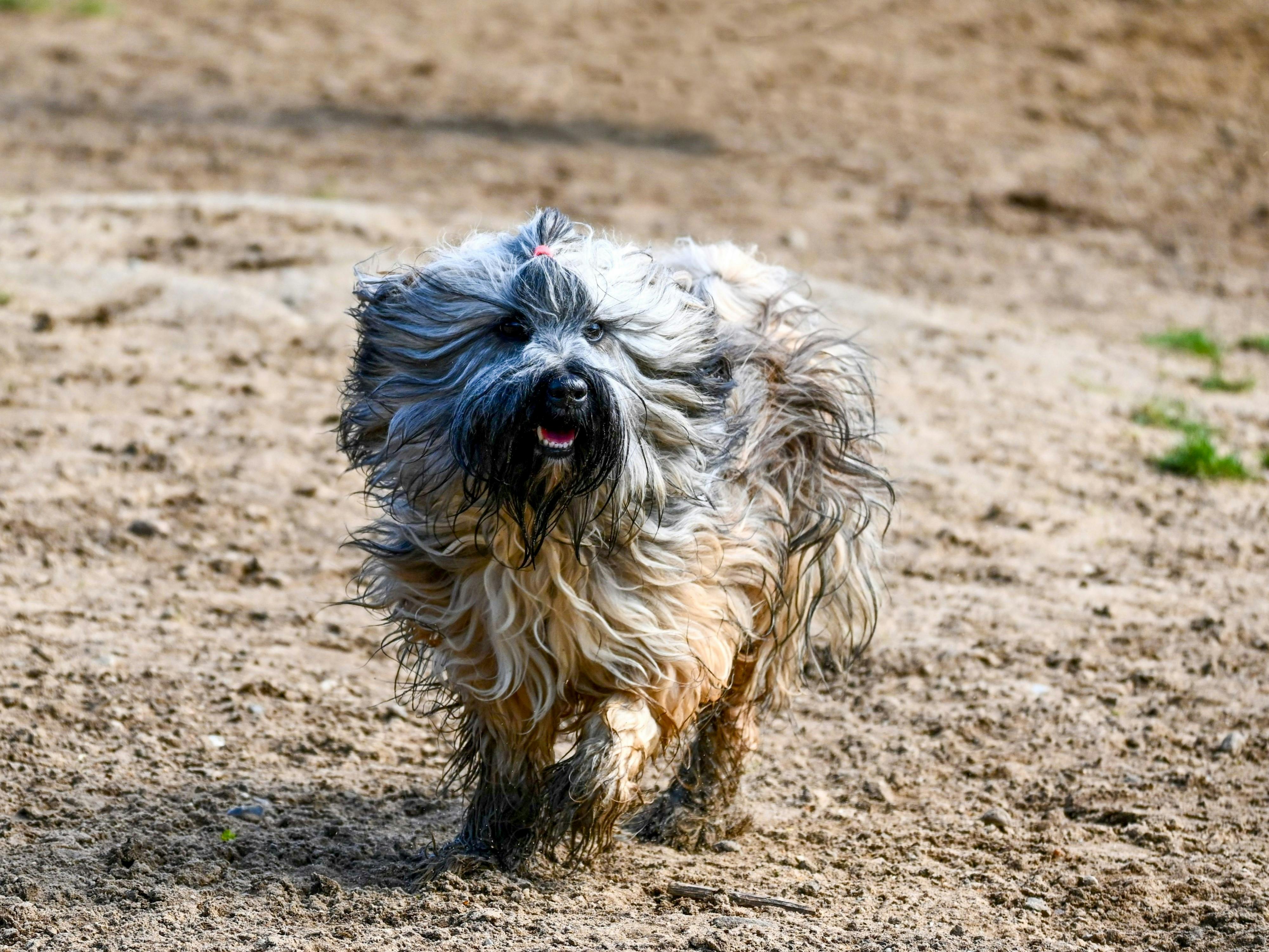 \n\n
\n\nIf you’ve ever wondered why dogs noses are often wet, you’re not alone. Many pet owners have beliefs about dog health based on things like a cold, wet nose. But do you really need to worry if your furry friend’s nose is dry? Or does a wet nose actually indicate illness? Let’s dive into the common myths, facts, and the real reason why dogs have wet noses.
\nCommon Myths About Dog Noses
\n- \n
- \n
A Wet Nose Means Your Dog is Sick
\n
\nThis is one of the biggest misconceptions. In fact, a wet nose is typically a sign of a healthy dog. Dogs’ noses secrete moisture, which helps them cool down and enhances their sense of smell. So, don’t panic if your dog’s nose is shiny and damp! \n - \n
Dogs Only Have Wet Noses When They Are Active
\n
\nNot true! While it’s common for a dog’s nose to be wet after playtime, it doesn’t mean they’re sick or unhealthy. A wet nose can happen anytime, even when they’re lounging around the house. \n - \n
A Dry Nose Means Dehydration
\n
\nWhile sometimes a dry nose can indicate dehydration, it’s not the only thing that matters. Dogs can have dry noses for many reasons including the weather, sleeping position, or just being in a warm environment. Always look for other signs of dehydration, like lack of energy or sunken eyes. \n
Why Do Dogs Have Wet Noses?
\nThe primary reason why dogs have wet noses is for their sense of smell. Here’s how it works:
\n- \n
- \n
Enhances Smell: The moisture on a dog’s nose helps capture scent particles from the air. This is why dogs have such amazing sniffing abilities. It’s like having a built-in air freshener that enhances their olfactory senses!
\n \n - \n
Regulates Temperature: Dogs don’t sweat like humans do. Instead, they rely on their noses to help cool down. A wet nose aids in thermoregulation, helping them manage their body temperature.
\n \n - \n
Natural Behavior: Dogs tend to lick their noses, which keeps them moist. It’s just a part of their grooming routine. You may notice they lick their noses after eating or drinking.
\n \n
The Science Behind a Dog’s Nose
\nDogs have a very complex nasal structure. Their noses are made up of specialized cells that help decipher different smells. Here’s a quick look at some facts about dog noses:
\n- \n
- \n
Scent Receptors: Dogs have about 300 million scent receptors compared to a human’s 5 million. This means they can detect scents at incredibly low concentrations.
\n \n - \n
Nasal Turbinates: These are structures in a dog’s nose that help to warm and moisten the air they breathe. This is essential for better olfactory perception.
\n \n - \n
Vomeronasal Organ: This is also known as Jacobson's organ. It detects pheromones, which play a crucial role in canine communication and social behavior.
\n \n
When to Be Concerned About Your Dog’s Nose
\nWhile a wet nose is generally a good sign, there are some situations when you should keep an eye on your pup:
\n- \n
- \n
Sudden Change: If your dog’s nose suddenly becomes dry or cracked, it could be a sign of illness. Look for other symptoms like lethargy, loss of appetite, or vomiting.
\n \n - \n
Nose Discharge: If you see discharge that's colored or has a strong odor, it may indicate a sinus infection or other health issues.
\n \n - \n
Behavior Changes: If your dog is acting unusually, like not wanting to play or being extra sleepy, it’s worth a visit to the vet.
\n \n
What Can Affect Your Dog’s Nose Moisture?
\nSeveral factors can influence your dog’s nose moisture, including:
\n- \n
- \n
Weather: Hot or dry weather can lead to a drier nose.
\n \n - \n
Humidity: High humidity can keep a dog’s nose wetter.
\n \n - \n
Health Conditions: Some health issues, like autoimmune diseases, can cause changes in nose moisture.
\n \n - \n
Allergies: Seasonal allergies can also cause a change in moisture levels.
\n \n
Final Thoughts
\nUnderstanding why dogs have wet noses can help you better care for your furry friend. While common myths suggest that a wet nose equals sickness, the reality is quite the opposite. A well-hydrated, wet nose is usually a sign of a happy, healthy dog. Still, it’s essential to monitor your pet's overall behavior and health. If you notice anything unusual, don’t hesitate to contact your veterinarian. Keeping your dog healthy and happy is what every pet parent wants, and knowledge is a powerful tool in achieving that!
\n\nHow to Keep Your Dog’s Nose Healthy and Moist: Essential Tips for Pet Owners
\n\n \n\n
\n\nWhen you’re a pet owner, your dog’s health is super important, and their nose need special attention too. Have you ever wondered why do dogs have wet noses? This question has intrigued many pet lovers. Understanding the science behind your furry friend’s moist snout can help you keep them healthy. Let’s dive into the fascinating truth about those wet noses and how to maintain their well-being.
\nWhy Do Dogs Have Wet Noses?
\nDog noses are wet for several reasons. First, it helps them smell better. You see, dogs have an incredible sense of smell that is way better than humans. The moisture on their nose helps absorb scent particles from the air, making it easier for them to identify different smells. It's like they have a built-in scent enhancer!
\nAlso, wet noses play a role in thermoregulation. Dogs can’t sweat like humans do. Instead, they cool themselves off through panting and the moisture on their noses. When their noses are moist, it helps in regulating their body temperature, which is especially important during hot weather.
\nMoreover, a wet nose may indicate good health. A healthy dog usually has a moist nose, while a dry nose can be a sign of dehydration or illness. But, don’t panic! A dry nose doesn’t always mean your furry friend is sick. They can be influenced by various factors, such as weather conditions or recent activities.
\nEssential Tips for Keeping Your Dog’s Nose Healthy and Moist
\nTaking care of your dog’s nose is crucial. Here are some essential tips to ensure it stays healthy:
\n- \n
- Hydration is Key: Make sure your dog drink plenty of water. Dehydration can lead to a dry nose, so always provide fresh water. \n
- Regular Vet Check-ups: Regular visits to the vet can help catch any potential health issues early. They can check the nose for any abnormalities. \n
- Limit Sun Exposure: Just like humans, dogs can get sunburned too! If your dog spend long hours outdoors, consider using pet-safe sunscreen on their nose. \n
- Humidifiers: If your home is dry, especially in winter, using a humidifier can help keep your dog’s nose moist. \n
- Diet Matters: Feeding your dog high-quality food rich in Omega-3 fatty acids can promote skin health, including their nose. \n
Common Nose Issues in Dogs
\nSometimes, dog owners may notice some issues with their dog's noses. Here are a few common problems:
\n- \n
- Cracked Nose: This can happen due to dry weather or excessive sun exposure. It’s important to moisturize it using pet-safe balms. \n
- Nasal Discharge: A small amount of discharge can be normal, but if it’s excessive or discolored, it could indicate an infection. \n
- Nosebleeds: These can occur from trauma or dry air. If it happens frequently, consult your veterinarian. \n
Fun Facts About Dog Noses
\nLet’s throw in some interesting facts about dog noses that many people might not know!
\n- \n
- Dog noses have unique patterns, just like human fingerprints! \n
- The average dog has about 220 million scent receptors in their noses. In comparison, humans only have about 5 million. \n
- Dogs’ noses can detect certain diseases such as cancer or diabetes through scent. It’s incredible how much they can sniff out! \n
Comparing Wet and Dry Noses
\nHere’s a simple comparison to help you understand the significance of your dog’s nose condition:
\nWet Nose:
\n- \n
- Indicates good hydration. \n
- Helps in smelling better. \n
- Aids in temperature regulation. \n
Dry Nose:
\n- \n
- May indicate dehydration. \n
- Can signal health issues. \n
- Might be a result of weather conditions. \n
Conclusion
\nYour dog’s nose is more than just a cute feature; it serves essential functions that contribute to their overall health. By keeping their nose healthy and moist, you can ensure they live a happy and vibrant life. Always be attentive to any changes in their nose and consult a vet when needed. After all, a healthy dog is a happy dog, and as a pet owner, that’s what you want the most!
\n\nConclusion
\n\nIn conclusion, the wet noses of dogs serve multiple important functions, from enhancing their sense of smell to regulating body temperature. The moisture on their noses helps capture scent particles, allowing dogs to detect a wide range of smells, which is crucial for their communication and hunting instincts. Additionally, the wetness aids in cooling their bodies, especially during warmer weather. While some may find it endearing, understanding the science behind this unique feature deepens our appreciation for these loyal companions. As dog owners, we can ensure our pets remain healthy by keeping their noses clean and monitoring any significant changes. Next time you feel that familiar wet nose nudge against your hand, remember the fascinating biology at play. Embrace the special bond you share with your furry friend and consider sharing this knowledge with fellow dog lovers to enhance their understanding of canine health and behavior.
\n\n