
Bed Bug Sniffing Dogs: What Pet Owners Should Know

Quick answer: bed bug sniffing dogs
Bed bug sniffing dogs are specially trained to search for the scent of bed bugs; a trained dog’s alert is a clue, not proof of an infestation. Ask the handler how alerts are confirmed, and contact a licensed pest professional to inspect and advise on next steps before treating your home.
A dog trained to detect bed bugs may help a pest professional identify areas that need closer inspection. The dog’s alert alone does not confirm that bed bugs are present.
If you’re worried about your dog’s bed or a room in your home, avoid moving items around or applying pesticides on your own. Ask a qualified professional how to proceed and how to keep pets safe.
Key points
- A detection dog’s alert is a lead, not confirmation.
- Ask how the handler verifies alerts and reports findings.
- Avoid moving potentially affected bedding between rooms.
- Follow pet-safety instructions during any inspection or treatment.
In this guide
- Searching “bed bug sniffing dog”? What the singular phrase means
- How to choose a bed bug detection service
- What a dog’s alert can—and cannot—tell you
- What to do with your dog’s bed before an inspection
- Keep pets safe during bed bug inspection or treatment
- How bed bug inspection methods fit together
- Frequently asked questions
Searching “bed bug sniffing dog”? What the singular phrase means
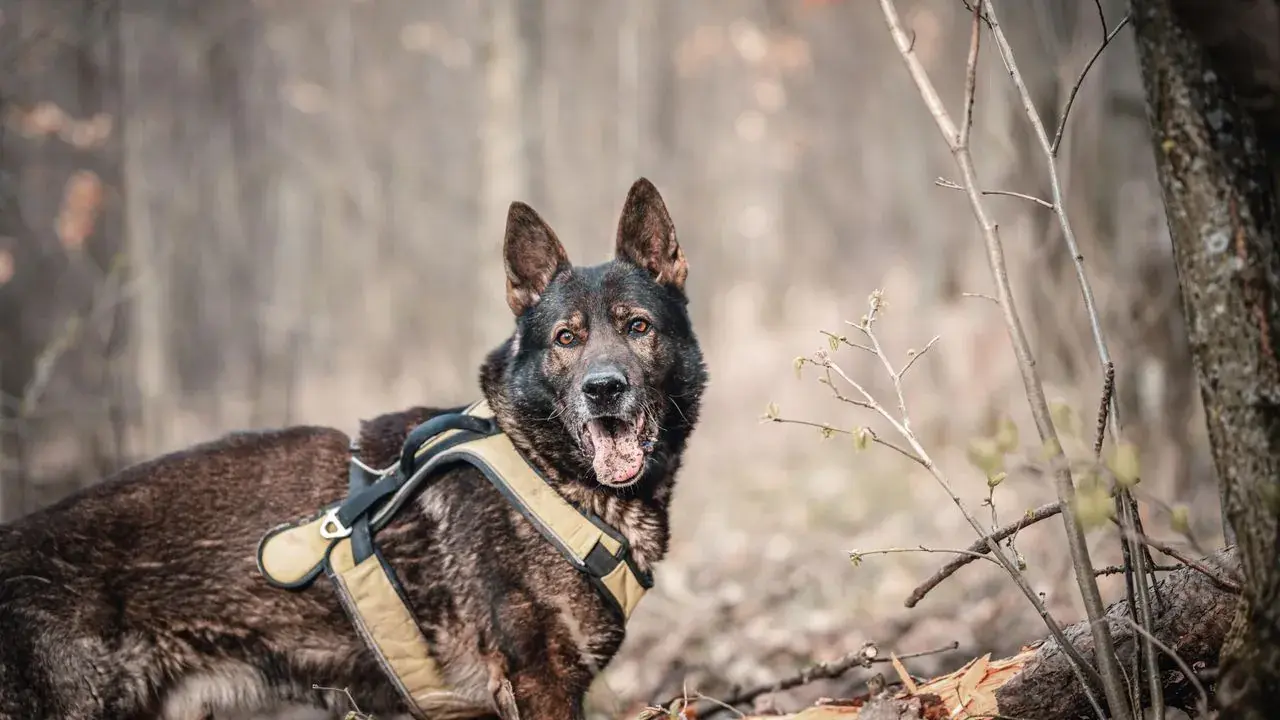
The phrase “bed bug sniffing dog” usually refers to one trained detection dog, not a different kind of service.
People commonly use the singular when searching for a dog-and-handler team that checks a home or other space for bed bug scent. A household pet sniffing a mattress or scratching at bedding is not a reliable way to identify bed bugs. Detection dogs receive specific training, and the handler directs the inspection and interprets the dog’s behavior. Training methods and service procedures can vary, so ask what the team checks and what an alert means. If you meant a dog that has been bitten, that is a separate concern: contact a veterinarian about symptoms rather than treating the dog as a detector.
How to choose a bed bug detection service
Choose a service that clearly explains its inspection process and how it handles an alert.
Before booking, ask whether the dog and handler are trained for bed bug detection, which areas they will inspect, and whether you will receive a written report. Find out whether the service recommends follow-up visual inspection by a pest professional. A careful provider should explain that canine detection is one part of an assessment, not a guarantee that a home is pest-free. Ask what preparation is needed, including whether pets and people should leave the area temporarily. Avoid relying on vague promises of certainty. If you are comparing services, focus on clear procedures, the handler’s experience and the plan for confirming or investigating any alert.
What a dog’s alert can—and cannot—tell you
A dog’s alert indicates an area for further checking; it does not, by itself, prove an active bed bug infestation.
Detection results can depend on factors such as the dog’s training, the inspection conditions and how the handler reads the dog’s response. Ask the handler to identify the location of an alert and explain what follow-up they recommend. A pest professional can look for physical signs and assess the situation before suggesting a response. Do not assume that an area without an alert is guaranteed to be clear. If you see suspected bed bugs or signs such as shed skins, keep a note of where you found them and arrange a professional assessment rather than making a treatment decision from the dog’s response alone.
What to do with your dog’s bed before an inspection
Ask the inspection provider before moving or cleaning your dog’s bed, since preparation instructions can vary.
If bed bugs are a concern, carrying bedding into another room may spread the problem. Avoid shaking, vacuuming or laundering a potentially affected bed until you have guidance. A pest professional can advise whether the bed should be inspected, contained, cleaned or replaced based on its condition and the suspected location. If the care label allows washing, follow the label and the professional’s directions; laundering alone should not be treated as confirmation that a room is clear. Keep your dog from carrying bedding between spaces while you wait for instructions, and make a simple list of which rooms and pet items may need attention.
Keep pets safe during bed bug inspection or treatment
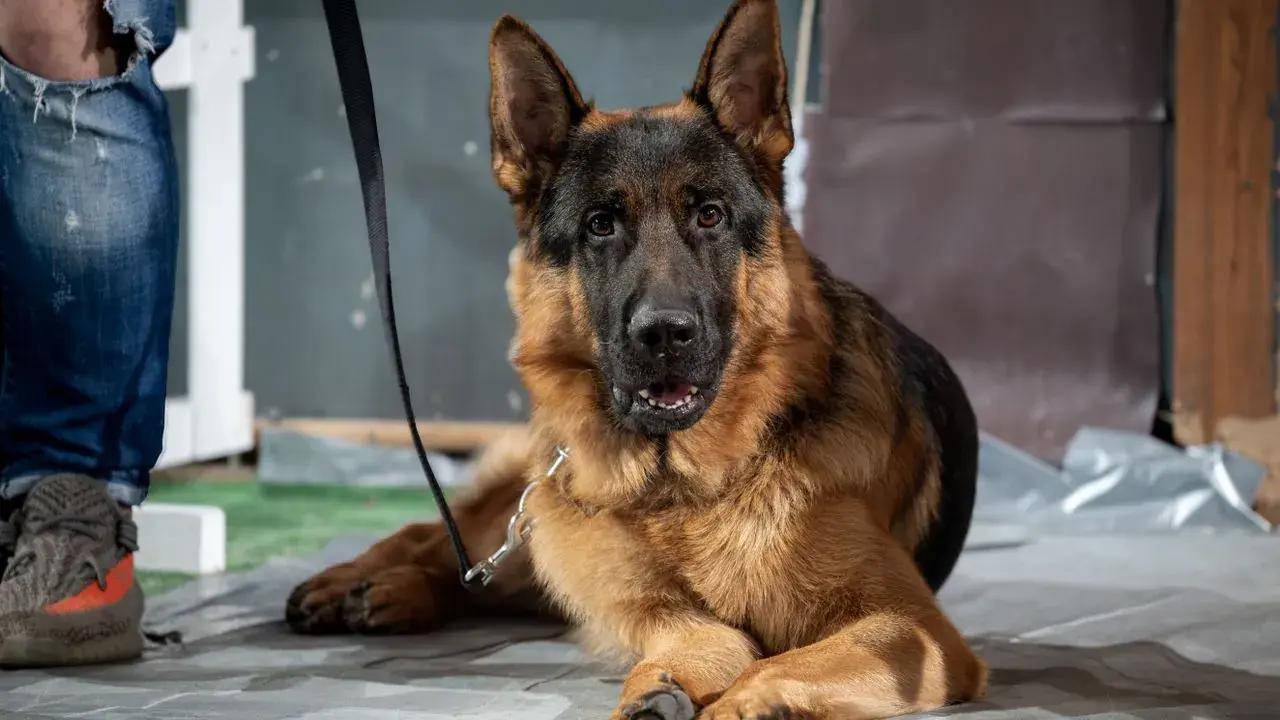
Keep your dog away from inspection or treatment areas until the pest professional says it is safe to return.
Tell the provider that pets live in the home and ask for specific instructions about the dog, its bed, food and water bowls, and any medications. Do not apply pesticides to your pet or its bedding unless the product label permits that use and a qualified professional advises it. Follow all label directions and the pest professional’s precautions for people and animals. If your dog shows unusual signs after possible pesticide exposure, contact a veterinarian or an animal poison-control service promptly. A detection dog working in your home should also be handled by its own trained handler; do not approach or distract it during the inspection.

How bed bug inspection methods fit together
| Method | What it can contribute | Useful next step |
|---|---|---|
| Detection dog and handler | Can identify areas for closer investigation based on trained scent detection. | Ask how alerts are documented and confirmed. |
| Visual inspection | Can look for physical signs in the areas being assessed. | Have a pest professional evaluate suspected evidence. |
| Homeowner observation | Can help record where and when possible signs appear. | Note locations and share them with the professional. |
Frequently asked questions
Can bed bugs live on a dog?
Bed bugs typically hide near places where people rest rather than living on a host like fleas. A bug could still be found on an animal or its belongings by chance. If you notice insects on your dog, avoid applying household pest products and ask a veterinarian or pest professional what to do.
Can I tell whether my dog is reacting to bed bug bites?
Skin irritation or itching can have many causes, and it is not possible to identify bed bugs from a dog’s symptoms alone. A veterinarian can assess your dog and suggest appropriate care. Separately, have a pest professional inspect the home if you suspect bed bugs.
Should I throw away my dog’s bed if I suspect bed bugs?
Not automatically. Moving a potentially affected bed through the home could spread pests, and disposal may not be necessary. Keep it where it is until you get instructions from a pest professional, who can advise whether inspection, cleaning, containment or disposal makes sense.
What should I do if a detection dog alerts in my home?
Ask the handler to identify the alert location and explain the recommended follow-up. Avoid disturbing or moving items from that area until you have guidance. Arrange an assessment by a pest professional, who can look for physical evidence and discuss any appropriate next steps.
Further reading: U.S. EPA guide to bed bugs
How this guide was made: it was prepared with AI assistance as general shopping and care information. It is not a hands-on product test or veterinary advice. Brand and retailer names belong to their owners; check their current listings for details.