
Fluffy Dog Bed: How to Choose a Cozy, Comfortable Fit

Quick answer: fluffy dog bed
A fluffy dog bed is a cozy resting spot with a soft, cushioned surface, but its texture alone does not tell you how supportive or easy to clean it is. Match the bed’s size and shape to your dog’s sleeping position, check the fill and care label, and choose warmth appropriate to your home and your dog.
A soft, warm bed can give a dog a comfortable place to rest. The right choice depends on more than how fluffy it looks: consider your dog’s size, usual sleeping position, coat, age and ability to get in and out.
Compare product descriptions for dimensions, fill, cover construction and cleaning instructions. A plush surface may feel cozy, but no bed guarantees relief from anxiety, pain or a medical condition.
Key points
- Check the usable sleeping area, not just the bed’s outer dimensions.
- Treat “plush” and “fluffy” as texture descriptions, not guarantees of support.
- Read care instructions before choosing a bed for a dog that sheds or gets muddy.
- Watch for overheating, loose parts and difficulty getting in or out.
In this guide
- Searching “orange felt dog bed with removable paw cushion”? What to check
- What “plush dog bed” tells you about materials
- How to compare plush dog beds by sleeping style
- Cleaning and upkeep for fluffy dog beds
- Choosing a soft dog bed without overlooking support
- What to verify in a “handmade recycled wool felt dog bed” listing
- Bed details to compare before choosing a cozy resting spot
- Frequently asked questions
Searching “orange felt dog bed with removable paw cushion”? What to check
This phrase most likely means a felt-style bed in orange with a separate, removable cushion shaped like a paw. It describes a search idea, not a confirmed product or a standard bed design.
Before choosing an item from a listing, check whether the paw-shaped piece is the sleeping cushion, a decorative insert or an accessory. Look for the bed’s full dimensions, the cushion’s dimensions, and whether both pieces are included. Ask how the felt and cushion should be cleaned; removable does not automatically mean machine washable. Also check that the cushion stays in place during normal use and has no small parts your dog might chew off. A felt surface may be less fluffy than a padded plush bed, so review photos and construction details if softness is your priority.

What “plush dog bed” tells you about materials
“Plush dog bed” usually points to a soft-feeling surface, but it does not specify what is inside the bed or how supportive it will be.
Check the listing for the cover fabric, fill type, and whether the sleeping area has a separate cushion. A shaggy or velvety cover can feel cozy, while the underlying fill determines how much the surface gives under your dog’s weight. Product photos can help you assess pile length, but they cannot confirm feel or durability. If your dog has sensitive skin, gets warm easily or tends to chew fabric, consider those needs alongside texture. For an older dog or one with mobility concerns, ask your veterinarian about comfort needs and focus on the bed’s entry height and support details rather than relying on the word “plush.”
How to compare plush dog beds by sleeping style
Compare plush dog beds by the way your dog sleeps, since a bed shape that suits a curled-up sleeper may not suit a dog that stretches out.
For a dog that likes to curl, a round bed or raised edge may provide a boundary to nest against. A dog that sprawls may need a flat rectangular surface with room to extend fully. Measure your dog while resting in its usual position, then compare that space with the listed interior sleeping area; bolsters can reduce usable room. Consider how your dog enters and exits, too. A tall rim may be awkward for a small, senior or mobility-limited dog. If you share your home with more than one pet, select a separate bed for each rather than assuming one size will fit them all.
Cleaning and upkeep for fluffy dog beds
Fluffy dog beds are easier to maintain when the listing clearly explains how to clean both the cover and the inner fill.
Check whether the cover unzips, whether it can be machine washed, and whether the insert has separate care instructions. Some beds require spot cleaning or air drying, so do not assume that a removable cover or cushion can go in a washer. Remove loose hair regularly and follow the maker’s directions for stains and odors. If your dog has a skin condition, parasites or repeated accidents, ask a veterinarian how to manage the bedding and cleaning routine; bed bugs call for advice from a licensed pest professional. Replace a bed if seams open, stuffing escapes or damaged parts create a chewing or swallowing hazard.
Choosing a soft dog bed without overlooking support
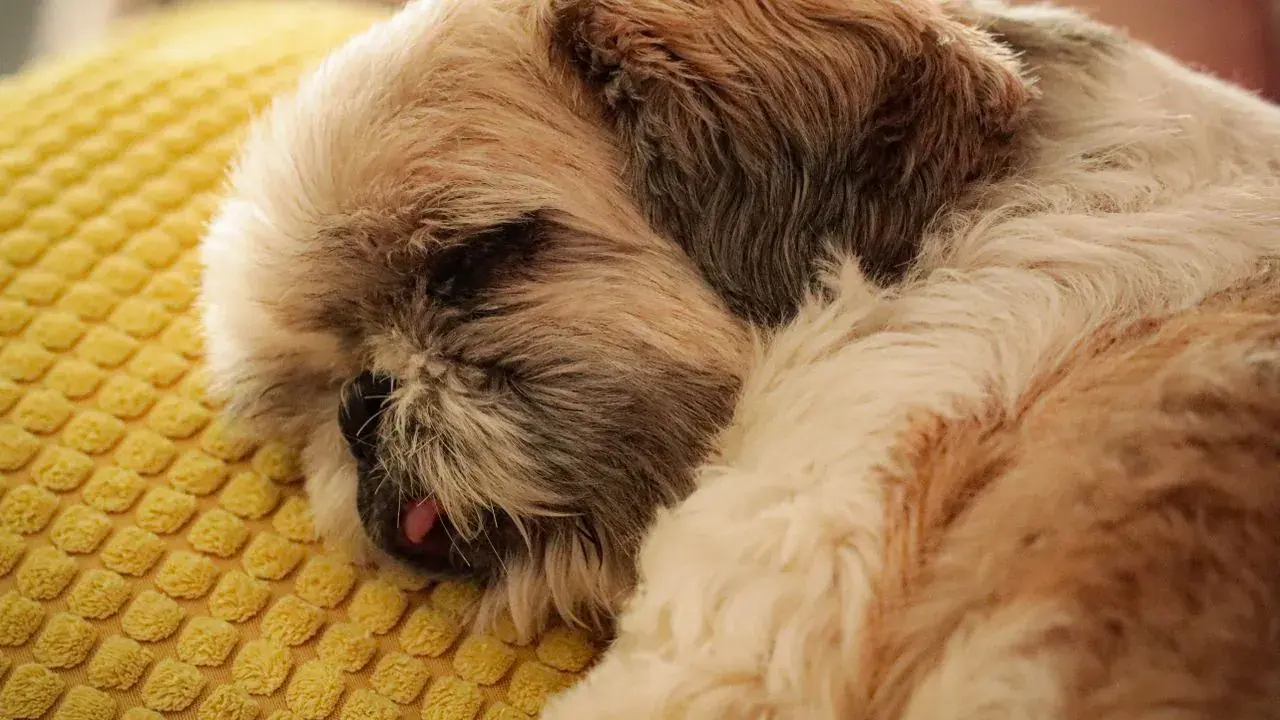
A soft dog bed can feel inviting, but softness by itself does not show whether the bed offers suitable support for your dog.
Consider your dog’s weight, age and how easily it rises after resting. Check the listing for details about fill and the base, and look for clear information about the bed’s thickness rather than judging only by a styled photo. A surface that compresses heavily may not suit every dog. For a dog with ongoing pain, joint problems or trouble standing, consult a veterinarian before choosing bedding; a bed is not a treatment. Also check the entry height and whether the bed slides on your flooring. A low-profile option may be easier to enter, while a nonslip base can help keep the bed in place if the product description confirms that feature.
What to verify in a “handmade recycled wool felt dog bed” listing
This search phrase suggests a handmade bed made with recycled wool felt, but the wording alone does not confirm its construction, contents or care requirements.
Read the maker’s current description to find out which parts use recycled wool, whether the bed includes padding, and whether the felt is a cover or the main sleeping surface. “Handmade” does not tell you how the item was assembled or whether sizes vary, so check measurements and construction details. Ask how to clean the bed and whether the material can be exposed to moisture. Felt can have a firmer feel than a fluffy cushion, which may not suit a dog seeking a deeply padded surface. Look for clear notes about loose fibers, seams and any decorative pieces, especially if your dog tends to mouth bedding.
Bed details to compare before choosing a cozy resting spot
| Detail | Why it matters | What to check |
|---|---|---|
| Sleeping area | Your dog needs enough room for its usual position. | Interior measurements and bed shape |
| Cover and fill | Texture and cushioning come from different parts. | Fabric, fill and construction details |
| Care instructions | Cleaning methods vary by material and design. | Cover, insert and drying directions |
| Entry and stability | A bed should be practical to get into and stay put. | Rim height and any stated base features |
Frequently asked questions
Can a fluffy bed make a dog too warm?
It can, depending on the bed’s materials, the room temperature and the dog’s coat and health. Let your dog choose between the bed and a cooler resting surface, and watch for signs of overheating such as heavy panting or restlessness. Contact a veterinarian if you are concerned about your dog’s response to heat.
Where should I put a dog bed?
Choose a quiet, draft-free spot where your dog can rest without being isolated from household activity. Keep the bed away from heaters, open flames and direct sun that could make it too warm. If your dog avoids the bed, try a different location and observe whether noise, traffic or temperature is a factor.
Will a calming bed stop my dog from feeling anxious?
No bed can be relied on to stop anxiety. A comfortable, familiar resting place may be one part of a supportive routine, but persistent fear, distress or behavior changes deserve attention. A veterinarian can help rule out health issues and discuss appropriate behavior support.
How do I help a dog get used to a new bed?
Place the bed somewhere your dog already likes to rest and allow time to investigate it without pressure. You can reward calm interest and keep familiar routines consistent. If your dog avoids the bed, check whether its location, size, warmth or surface feels uncomfortable rather than forcing use.
How this guide was made: it was prepared with AI assistance as general shopping and care information. It is not a hands-on product test or veterinary advice. Brand and retailer names belong to their owners; check their current listings for details.