
How to Choose a Big Dog Bed That Fits

Quick answer: big dog bed
Choose a big dog bed by measuring the space your dog uses while resting, then compare that measurement with the bed’s usable sleeping area—not just its outside dimensions. Consider whether your dog stretches out or curls up, how much support they need, and whether the bed’s care instructions and shape suit your home.
A bed that looks large in a product photo may have less usable space than expected once bolsters or raised edges are included. Check the listed sleeping-area dimensions and compare them with your dog’s usual resting position.
Size is only one part of the decision. Bed shape, ease of cleaning, floor access, and your dog’s comfort habits can all affect whether a bed works in everyday use.
Key points
- Measure your dog in a natural resting position.
- Compare interior sleep space, not only outside dimensions.
- Choose a shape that matches how your dog sleeps.
- Check care instructions and access before buying.
In this guide
- Searching “big dog dog beds”? Start with your dog’s measurements
- Searching “dog bed big”? Match the shape to how your dog sleeps
- Searching “lg dog beds”? Check what the size label actually means
- Big dog beds: Check the cover and cleaning instructions
- Dog beds for big dogs: Consider support and safe access
- Use your dog’s resting habits to guide what to check in a bed listing.
- Frequently asked questions
Searching “big dog dog beds”? Start with your dog’s measurements
For “big dog dog beds,” begin by measuring the space your dog takes up while resting naturally. Have your dog lie in a typical position, then measure the length and width of that resting area; repeat when your dog stretches out if they change positions during sleep.
Compare those measurements with the bed’s listed usable sleep area. Outside dimensions can include thick bolsters or borders that reduce the flat space available. If the listing gives only overall dimensions, check with the seller or maker for interior measurements rather than assuming the whole bed is sleeping space.
- Measure on a level surface.
- Allow room for your dog’s usual position changes.
- Check dimensions in the same units before comparing options.

Searching “dog bed big”? Match the shape to how your dog sleeps
The phrase “dog bed big” most likely means a large bed for a dog, but the right shape depends on how that dog settles down. A rectangular mattress-style bed can give a dog more uninterrupted room to stretch, while a bolstered design offers an edge to lean against or rest the head on.
Pay attention to the space taken up by raised sides: a bed may have generous outside dimensions but a smaller flat center. If your dog likes to curl against an edge, a bolster may suit that habit; if they sprawl in several directions, prioritize open sleeping space. Look at the product’s shape and usable dimensions together rather than relying on a size label or photo alone.
Searching “lg dog beds”? Check what the size label actually means
“Lg dog beds” most likely refers to large dog beds, but “LG” is not a universal measurement. One maker’s large label may not match another’s, so use the bed’s actual dimensions to judge fit instead of treating the abbreviation as a standard size.
Before choosing, find out whether the listed measurements describe the whole bed or the sleeping surface. Check whether the dimensions include a headrest, bolsters, or other raised edges, and confirm whether measurements are given in inches or another unit. If the listing does not explain its size clearly, ask the seller or maker for the usable interior dimensions and compare them with your dog’s resting measurements. This is especially helpful when shopping across different bed styles.
Big dog beds: Check the cover and cleaning instructions
For big dog beds, check how the bed is cleaned before choosing a fabric or construction. A removable cover can make routine care easier, but read its care label to confirm washing and drying instructions. Some covers may need gentle handling or may not be suitable for every washer.
Consider the kinds of messes the bed is likely to encounter, such as loose hair, muddy paws, or drool. Look for clear information about whether the cover can be removed, how the inner cushion is cared for, and whether the materials should be spot-cleaned. Do not assume that a fabric is waterproof or that a washable cover means the entire bed can be machine-washed. Following the maker’s instructions can help avoid damage and make regular cleaning more manageable.

Dog beds for big dogs: Consider support and safe access
Dog beds for big dogs should be easy for the dog to get onto and comfortable for their usual resting habits. A bed’s filling and construction affect how it feels, but product descriptions alone cannot establish that a bed will treat pain or a medical condition.
If your dog has difficulty stepping over a tall edge, consider a lower-entry design and check the bed’s height. Inspect seams and fastenings periodically, especially if your dog scratches or mouths bedding; remove a bed from use if loose pieces could be swallowed. For a dog with new trouble lying down, standing, or moving comfortably, contact a veterinarian rather than relying on a different bed to address the cause. The veterinarian can advise whether any particular sleeping surface is appropriate.
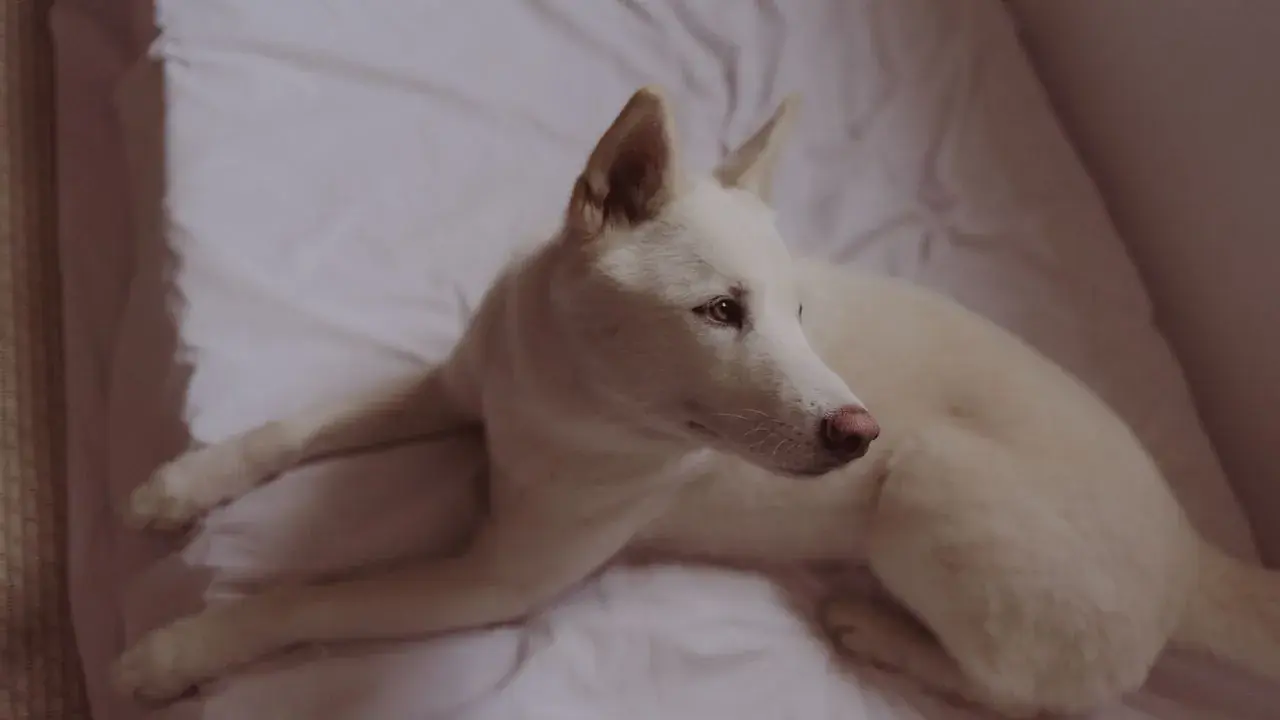
Use your dog’s resting habits to guide what to check in a bed listing.
| Your dog’s habit | What to compare | Why it matters |
|---|---|---|
| Stretches out | Open usable length and width | Raised edges can reduce clear sleeping space. |
| Curls into a ball | Center area and edge shape | A supportive edge may suit a dog that likes to curl against one. |
| Changes position often | Room to turn and reposition | A tight fit can limit comfortable movement. |
| Has trouble stepping up | Bed height and entry edge | A lower entry may be easier to access. |
Frequently asked questions
Should I size up if my dog is still growing?
A growing dog may outgrow a close-fitting bed, but a very oversized bed may not suit every puppy’s sleeping habits or available space. Check the maker’s size details and consider how quickly your dog is growing. If you are unsure, ask your veterinarian for guidance based on your dog’s age and needs.
Is one large bed better than two smaller beds?
It depends on where your dog rests and how they use the space. One bed can provide a single open area, while separate beds may work better in different rooms or for dogs that like distinct resting spots. Consider the dog’s habits and the available floor space.
How often should I clean a dog bed?
Follow the bed maker’s care instructions and clean it when it becomes dirty or develops noticeable hair, odor, or debris. Washing frequency depends on the dog, the bed’s materials, and how it is used. Make sure the bed is fully dry before your dog uses it again.
When should I ask a veterinarian about my dog’s sleeping comfort?
Ask a veterinarian if your dog develops new or persistent difficulty lying down, getting up, or settling comfortably. A change in resting behavior can have different causes, and a bed is not a treatment for disease or injury. Seek professional advice instead of relying on a bed change alone.
How this guide was made: it was prepared with AI assistance as general shopping and care information. It is not a hands-on product test or veterinary advice. Brand and retailer names belong to their owners; check their current listings for details.