
How to wash a dog bed safely and thoroughly

Quick answer: how to wash a dog bed
To wash a dog bed, first check its care label and remove loose hair and debris. Take off any removable cover, then wash each component only as directed. Use a mild detergent, rinse thoroughly, and dry every layer completely before reassembling. If the label rules out machine washing, spot-clean or follow its other instructions.
A clean dog bed starts with the maker’s care instructions, not a one-size-fits-all wash routine. Removable covers, foam inserts, and beds with attached parts may need different methods.
Before cleaning, remove toys and bedding, shake out loose debris outdoors if practical, and check for damage. If your dog has a skin condition or a strong reaction to cleaning products, ask your veterinarian for guidance.
Key points
- Read the care label before washing any part.
- Remove loose hair before wet cleaning.
- Use detergent sparingly and rinse well.
- Let every layer dry fully before use.
In this guide
- How to wash a dog bed: follow the care label
- Choosing pet safe detergent for dog beds: what to check
- How to clean a dog bed between full washes
- How to clean dog beds in a multi-pet home
- Dry the bed completely before your dog uses it
- Check the care label before choosing a cleaning method for each bed component.
- Frequently asked questions
How to wash a dog bed: follow the care label
Wash a dog bed according to the instructions for each removable and non-removable part. First, unzip the cover if it comes off and separate it from the insert. Shake out debris, then remove hair with a lint roller or vacuum attachment suitable for the fabric. Check seams and closures for damage before washing.
Wash the cover and insert separately only if their labels allow it. Use the listed water temperature and cycle; avoid assuming that a bed is machine-washable because its cover is. If instructions are missing, check the maker’s current care guidance before immersing foam or placing an item in a dryer. After washing, confirm there is no leftover detergent or dampness before putting the bed back together.
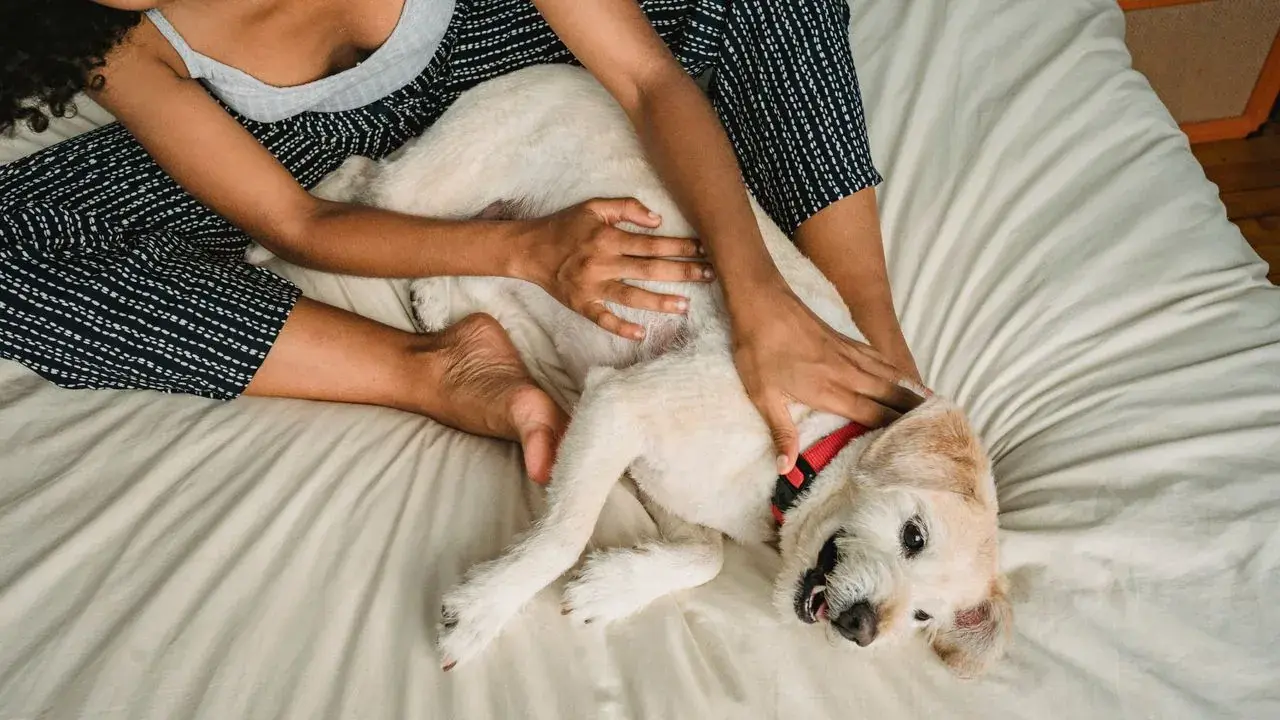
Choosing pet safe detergent for dog beds: what to check
For pet safe detergent for dog beds, check both the bed’s care instructions and the detergent label rather than relying on a broad “pet safe” claim alone. There is no single detergent choice that suits every fabric or dog. A mild, fragrance-free product may be a reasonable option when the bed maker permits it, but follow its directions and use only the amount needed.
Skip fabric softener and scent boosters unless the bed maker specifically allows them; residue or strong fragrance may bother some dogs. Run an extra rinse if the product or machine leaves suds behind. Store detergent where pets cannot reach it, and keep your dog away from wet cleaning products. For a dog with allergies or sensitive skin, ask a veterinarian what to avoid.
How to clean a dog bed between full washes
How to clean a dog bed between full washes: remove fresh dirt promptly and spot-clean only after checking the fabric’s care instructions. Lift away solid debris without rubbing it deeper into the material. Blot a wet spot with a clean cloth, then use a small amount of suitable cleaner on another cloth rather than soaking the bed.
Work from the outside of the spot toward the center to limit spreading, and test the cleaner on a hidden area first if the label permits. Blot with a separate cloth dampened with clean water to remove cleaner residue. Allow the treated area to dry fully with good airflow before your dog lies on it. If a stain or odor persists, follow the maker’s cleaning advice instead of layering on stronger products.
How to clean dog beds in a multi-pet home
How to clean dog beds in a multi-pet home: set up a simple rotation so each bed gets cleaned without mixing up covers or inserts. Labeling removable parts can help you return each cover to the right bed, especially when sizes or fabrics differ. Clean one bed at a time and check each item’s care label; a shared routine does not mean every bed can use the same wash cycle.
Remove hair and visible debris before washing to keep it from collecting in the machine. Keep clean and soiled items in separate laundry baskets, and wipe down the area where you handled dirty bedding. If a pet is being treated for a contagious skin issue or parasites, ask your veterinarian for cleaning steps specific to that situation. Do not assume ordinary laundering replaces veterinary advice.

Dry the bed completely before your dog uses it
Let every washed layer dry completely before your dog uses the bed again. Trapped dampness inside a cover or insert can leave the bed smelling musty and may affect its condition. Check the care label before using a dryer; some materials need air-drying or another specific method. Do not use high heat unless the instructions allow it.
For air-drying, spread parts out so air can reach both sides, and turn them as needed. Foam inserts may take longer than covers, so check the center rather than judging by the surface alone. Reassemble only when all components feel dry. If the bed still smells musty after it is fully dry, inspect for residue or a damp insert and consult the maker’s care guidance before washing again.

Check the care label before choosing a cleaning method for each bed component.
| Bed component | What to check | Care approach |
|---|---|---|
| Removable cover | Water temperature, cycle, and dryer instructions | Wash as directed and dry fully before refitting |
| Foam or other insert | Whether immersion or machine washing is allowed | Follow the insert’s instructions; do not assume it can be machine-washed |
| One-piece bed | Whether the whole bed is washable | Spot-clean or use the listed method if machine washing is not allowed |
Frequently asked questions
How often should a dog bed be washed?
There is no single schedule for every dog or bed. Wash it when it is visibly dirty or smells unpleasant, and follow the maker’s care instructions. Dogs that spend time outdoors, shed heavily, or have accidents may need more frequent cleaning. Ask your veterinarian about extra precautions for a medical or parasite concern.
Can a foam dog bed go in the washing machine?
Only if the care instructions specifically allow it. Some foam inserts can be damaged by machine agitation or soaking, while others have their own cleaning directions. If the label is missing or unclear, check the maker’s current guidance and clean the removable cover separately when its instructions permit.
What should I do if a dog bed still smells after washing?
First make sure the cover and insert are completely dry; damp material can hold a musty smell. Check whether detergent residue remains and review the care instructions before cleaning again. If the odor persists, or you suspect a health or parasite issue, contact your veterinarian for situation-specific advice.
When can my dog use the bed again after washing?
Wait until the cover and every internal layer are fully dry and there is no noticeable detergent residue. A surface that feels dry may cover a damp insert, so check deeper layers too. If the product label gives a specific waiting or drying instruction, follow that guidance.
How this guide was made: it was prepared with AI assistance as general shopping and care information. It is not a hands-on product test or veterinary advice. Brand and retailer names belong to their owners; check their current listings for details.