
Chew proof dog bed: How to choose a safer, longer-lasting bed

Quick answer: chew proof dog bed
No dog bed is guaranteed to withstand chewing. Look for a tightly woven, removable cover, reinforced seams, and a design with few exposed edges, then check the maker’s care and safety guidance. Match the bed to your dog’s size and chewing habits, and supervise use; remove it if damaged.
A bed labeled “chew proof” may sound like a solution, but no fabric, seam, or fill can guarantee that a determined dog will not damage or swallow it. Treat durability claims as a prompt to inspect construction, not as a promise.
Choose a bed that fits your dog’s sleeping style and is practical to clean and inspect. If your dog chews bedding, supervision and a plan for removing damaged items matter as much as the bed itself.
Key points
- No bed is guaranteed to resist every dog’s chewing.
- Inspect seams, edges, covers, and closures before buying.
- Follow care instructions and check the bed regularly for damage.
- Remove damaged bedding and contact a veterinarian if your dog swallows pieces.
In this guide
- What to expect from an indestructible dog bed
- Searching “dog bed undestroyable”? Start with your dog’s habits
- How to assess a chew resistant dog bed’s materials
- Comparing indestructible dog beds: cover, filling, and construction
- Where to place chew proof dog beds at home
- Choosing chew resistant dog beds that are easy to clean
- A supervision plan for dog beds for chewers
- Searching “indestructable dog bed”? Check the listing carefully
- Is a non chewable dog bed possible?
- Bed details to compare when chewing and cleaning are concerns
- Frequently asked questions
What to expect from an indestructible dog bed
An indestructible dog bed is not a realistic guarantee; even sturdy beds can be torn by persistent chewing.
Use the phrase as a starting point for checking construction. Look for descriptions of fabric weave, seam reinforcement, zipper placement, and whether the cover can be replaced or removed. Confirm details on the current product listing rather than assuming a label means the bed will suit every dog.
Consider your dog’s habits, too. A dog that mouths bedding briefly may need a different setup from one that pulls seams or tears fabric. Supervise early use, inspect the bed often, and take it away if threads, filling, or other parts become accessible. If chewing is sudden or intense, ask a veterinarian about possible causes.

Searching “dog bed undestroyable”? Start with your dog’s habits
The phrase dog bed undestroyable most likely means you want a bed that is difficult for your dog to damage, not one that cannot be destroyed.
Before comparing products, note what your dog actually does: nibbles the surface, digs at corners, pulls at zippers, or chews when left alone. That detail can guide what to inspect. For example, an exposed zipper may be a concern for a dog that targets closures, while loose edging may invite a dog that likes to pull threads.
Also consider when chewing happens and whether the bed is used under supervision. A bed alone may not address boredom, stress, or other causes of chewing. If the behavior is new, escalating, or involves swallowing material, consult a veterinarian for guidance.
How to assess a chew resistant dog bed’s materials
A chew resistant dog bed should be assessed by its specific materials and construction, not by the label alone.
Check the maker’s listing for the cover fabric, seam design, closure type, and care instructions. A tightly woven or heavy-duty fabric may be harder to pull apart than a loose weave, but that does not make it chew-proof. Inspect photos and descriptions for exposed piping, corners, or openings that your dog could reach. If material details are missing, ask the seller or maker before relying on the bed for a dog that chews.
Care needs matter as well. A removable cover can make routine cleaning simpler, but read its washing directions and inspect it after each wash for weakened seams or damage.
Comparing indestructible dog beds: cover, filling, and construction
When comparing indestructible dog beds, separate the cover from the filling and support structure; each can present different durability concerns.
A tough outer cover may still have an accessible closure or seam. A bed with a removable cover may be easier to clean, while a one-piece design may have fewer closure points but can be harder to wash. Neither format is automatically safer or longer-lasting. Check whether the inner cushion is enclosed and whether the maker explains how to inspect or replace components.
Compare care instructions alongside construction details. If the bed cannot be cleaned in a way that fits your routine, it may not be a practical choice. Regardless of design, remove it once damage exposes filling or creates loose pieces.
Where to place chew proof dog beds at home
Place chew proof dog beds where you can supervise your dog, especially while you are learning how the dog responds to the bed.
A quiet, familiar resting area can make it easier to notice whether your dog settles or starts pulling at the cover. Keep the bed away from hazards such as accessible cords, household cleaners, and small objects that could be chewed alongside it. If your dog tends to chew when left alone, do not assume a durable-looking bed makes unsupervised use safe.
Use the maker’s guidance for indoor or outdoor placement, and keep the bed dry and clean as directed. Check it regularly, including underneath and around seams. Take it away if you find torn fabric, loose threads, exposed filling, or damaged closures.
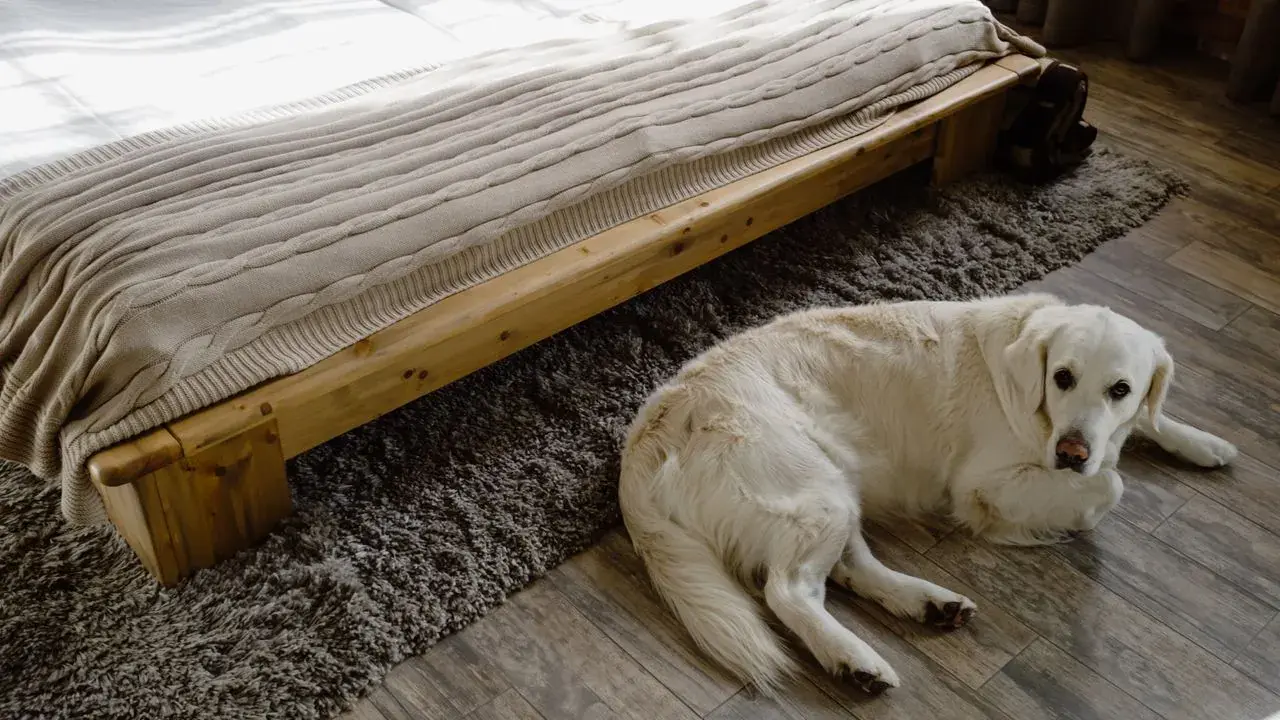
Choosing chew resistant dog beds that are easy to clean
Choose chew resistant dog beds with care instructions that match how you can realistically clean them.
Look for clear guidance on whether the cover is removable, which parts can be washed, and how they should be dried. Do not assume a washable cover means the entire bed can go in a washing machine. Follow the maker’s directions to avoid damaging fabric, seams, or filling. After cleaning, check that closures work and seams remain intact before returning the bed to your dog.
Cleaning and chewing are separate concerns: a washable design does not prevent damage, and frequent washing does not make a bed safe to chew. If the cover has holes or loose material, remove it rather than washing and reusing it. Replace components only as the maker recommends.
A supervision plan for dog beds for chewers
Dog beds for chewers should be introduced with supervision so you can see whether your dog rests on the bed or tries to dismantle it.
Start by placing the bed in a calm area and watching your dog’s response. Redirect chewing to an appropriate item if needed, and remove the bed if the dog begins tearing it. Do not leave a dog alone with bedding that is already damaged or that the dog has tried to swallow. Keep replacement and cleaning decisions guided by the maker’s instructions.
Chewing can have different causes, including normal exploration or changes in routine. If it begins suddenly, becomes frequent, or includes eating non-food items, contact a veterinarian. A veterinarian can help assess whether health or behavior factors need attention.
Searching “indestructable dog bed”? Check the listing carefully
The misspelled query indestructable dog bed most likely reflects a search for a bed that resists damage, but it does not identify a specific construction standard.
Read beyond the product title. Look for concrete information about fabric, seams, closures, removable parts, and cleaning. Ask the maker what a durability claim means if the listing does not explain it. Do not infer that a material is bite-proof, safe to ingest, or suitable for every dog from a short label or photograph.
Compare the details with your dog’s known chewing style and supervise use. If the bed develops a tear, loose thread, or exposed filling, remove it promptly. This approach is more useful than relying on spelling variations or absolute-sounding search terms to predict how a bed will hold up.
Is a non chewable dog bed possible?
A non chewable dog bed cannot be guaranteed because dogs may bite or damage many different materials.
Some products may use wording that suggests chew resistance, but that is not proof that a dog cannot break them apart. Verify the bed’s materials and construction on the maker’s current listing, and ask about unclear claims. Avoid treating any bed as safe for unsupervised chewing, especially if your dog has previously torn bedding or swallowed non-food objects.
Inspect the bed regularly and remove it if it has loose pieces, exposed filling, or sharp or damaged components. If your dog swallows part of a bed, contact a veterinarian promptly for advice. Seek urgent veterinary care if your dog appears to be choking, having trouble breathing, or becoming seriously unwell.
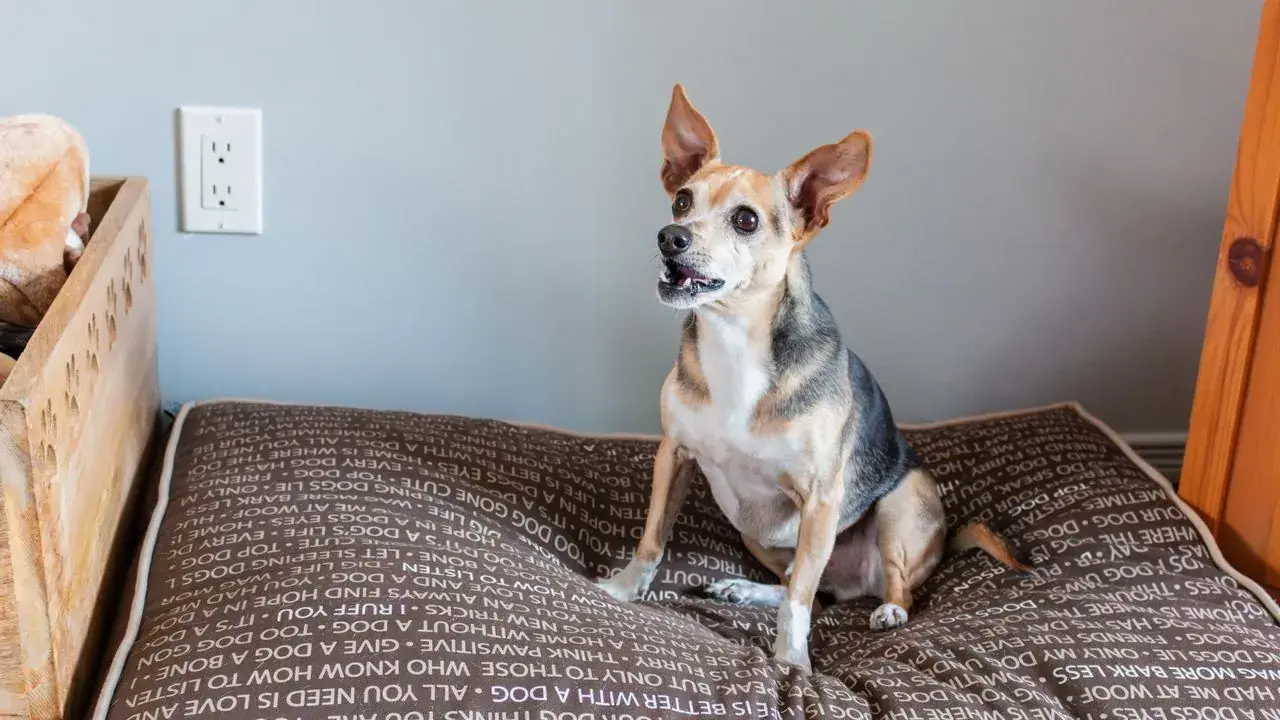
Bed details to compare when chewing and cleaning are concerns
| Feature | What to verify | Why it matters |
|---|---|---|
| Cover | Fabric details and whether it is removable | Helps you assess construction and cleaning needs |
| Seams and closures | Where they are placed and how they are finished | Shows where a dog may be able to pull or open the bed |
| Care instructions | Which parts can be washed and how | Helps prevent damage during cleaning |
| Bed condition | Tears, loose threads, exposed filling, or broken closures | Signals when the bed should be removed from use |
Frequently asked questions
What should I do if my dog swallows bed filling?
Contact a veterinarian promptly and describe what your dog may have swallowed and when. Do not wait for symptoms before asking for advice. If your dog is choking, struggling to breathe, or showing severe distress, seek emergency veterinary care. Remove the damaged bed so your dog cannot swallow more material.
Can I wash a damaged dog bed before using it again?
Washing does not repair torn fabric, weakened seams, or exposed filling. Remove a damaged bed from use rather than relying on cleaning to make it safe. For an intact bed, follow the maker’s care instructions and inspect it after washing and drying, paying attention to seams, closures, and the cover’s condition.
Why might a dog start chewing a bed suddenly?
Chewing may relate to routine changes, stress, boredom, normal exploration, or a health concern, and the cause is not always clear. If the behavior is new, persistent, escalating, or includes swallowing bedding, consult a veterinarian. In the meantime, supervise your dog and remove bedding that is being torn.
How often should I inspect a dog bed?
Check the bed regularly, and inspect it whenever you notice chewing, after washing, or before leaving your dog with it. Look over seams, corners, closures, and the underside for damage or loose material. Remove the bed if a tear exposes filling or creates pieces your dog could swallow.
How this guide was made: it was prepared with AI assistance as general shopping and care information. It is not a hands-on product test or veterinary advice. Brand and retailer names belong to their owners; check their current listings for details.