
Dog Car Bed: How to Choose One for Safer, More Comfortable Trips

Quick answer: dog car bed
A dog car bed gives your dog a place to rest during a trip, but it does not secure them in a moving vehicle. Choose a bed that fits the intended seat or cargo area, suits your dog’s size and is easy to clean. Use an appropriate restraint separately, following its maker’s instructions.
A car bed can make a familiar resting spot available on the road, but comfort and travel safety are separate needs. Measure the space where the bed will sit, then compare it with your dog’s resting posture and the bed’s listed dimensions.
Keep your dog secured with an appropriate restraint while the vehicle is moving. A bed is not a substitute for one. For any product, check the maker’s current instructions for fit, attachment, cleaning and intended use.
Key points
- Measure the vehicle space and your dog before choosing a bed.
- Treat the bed and the travel restraint as separate items.
- Choose materials and care instructions that fit your cleaning routine.
- Never leave a dog unattended in a hot vehicle.
In this guide
- Choosing a dog bed for car trips: start with the fit
- Car dog bed materials and cleaning: what to check
- Searching “truck bed dog kennel”? Check the pickup setup
- Searching “car bed dog”? Check where and how it will sit
- A dog camping bed should suit the ground and the weather
- A travel dog bed should be practical to carry and store
- Match the bed decision to the kind of trip
- Frequently asked questions
Choosing a dog bed for car trips: start with the fit
Choose a dog bed for car trips by matching its listed dimensions to both your dog and the space where it will rest. Measure the seat or cargo area, including usable width and length, and check whether other passengers or equipment need room.
Then consider how your dog sleeps. A dog that stretches out may need more surface area than one that curls up. Compare the bed’s dimensions with your dog’s resting length, and allow room for the bed’s raised edges if it has them. Check that the bed does not block seat belts, doors, visibility or access to vehicle controls. If your dog changes position often, avoid a fit so tight that movement becomes difficult. Follow the maker’s guidance for placement and attachment; do not assume a snug fit keeps a bed or dog secure during sudden stops.
Car dog bed materials and cleaning: what to check
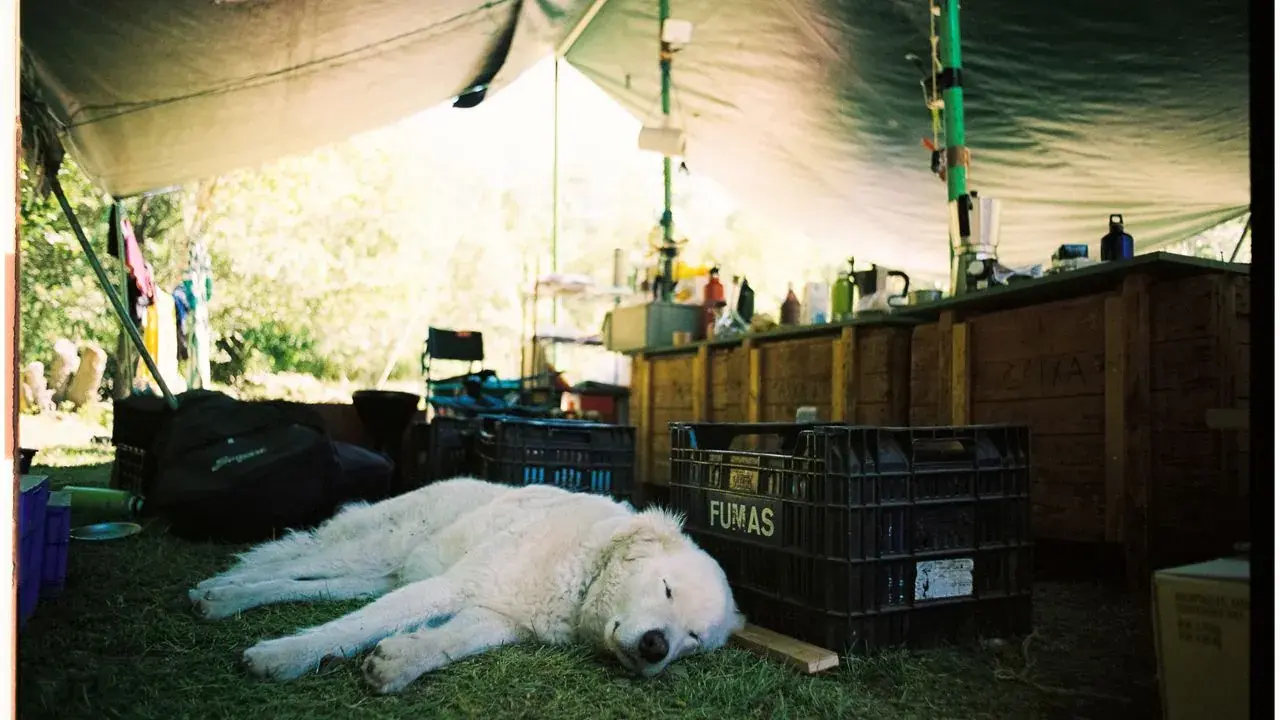
A car dog bed is easier to live with when its care instructions suit the messes you expect on trips. Before choosing one, check whether the cover comes off, how it should be washed and whether the filling has separate care directions.
Dogs can bring in dust, loose hair, dampness or crumbs, so consider a surface that is practical for your routine. A removable cover may simplify cleaning, but verify the actual instructions rather than assuming it is machine washable. For outdoor trips, ask whether the maker provides guidance for drying the bed fully before storage. Keep a towel or washable liner in the vehicle if muddy paws are common, and clean spills promptly. Avoid strong cleaning products unless the maker says they are suitable for the bed’s materials; residues or scents may bother some dogs.
Searching “truck bed dog kennel”? Check the pickup setup
The phrase “truck bed dog kennel” most likely means a kennel or protected travel space for a dog in a pickup’s open cargo bed, rather than a soft car bed. An open truck bed exposes a dog to weather, road debris and the risk of falling or jumping out.
Do not treat a cushion, kennel or tie-down point alone as proof that a setup is safe for travel. Check the vehicle and equipment makers’ instructions, and consult your veterinarian about whether this type of transport is appropriate for your dog. A dog should not ride loose in an open truck bed. If you are considering a different arrangement, such as a secured crate inside the cab, verify that it fits the space and can be restrained as directed. Never leave a dog unattended in a parked vehicle or exposed to extreme temperatures.
Searching “car bed dog”? Check where and how it will sit
“Car bed dog” is an unusual search phrase, but it most likely refers to a bed for a dog to use in a car. Before buying, check where the bed can sit without interfering with safe travel or the vehicle’s normal operation.
Look at the vehicle manual for guidance about seat areas, airbags and child-seat anchors; do not use an anchor point for a bed unless the vehicle or bed maker specifically allows it. Keep the driver’s view clear and make sure the dog cannot reach the driver or controls. A front seat may be unsuitable because of airbag risks, so check the vehicle guidance and choose a safer permitted location. The bed should not cover a restraint buckle or prevent the dog’s travel restraint from being used as instructed. When in doubt, ask the vehicle manufacturer or your veterinarian for guidance.
A dog camping bed should suit the ground and the weather
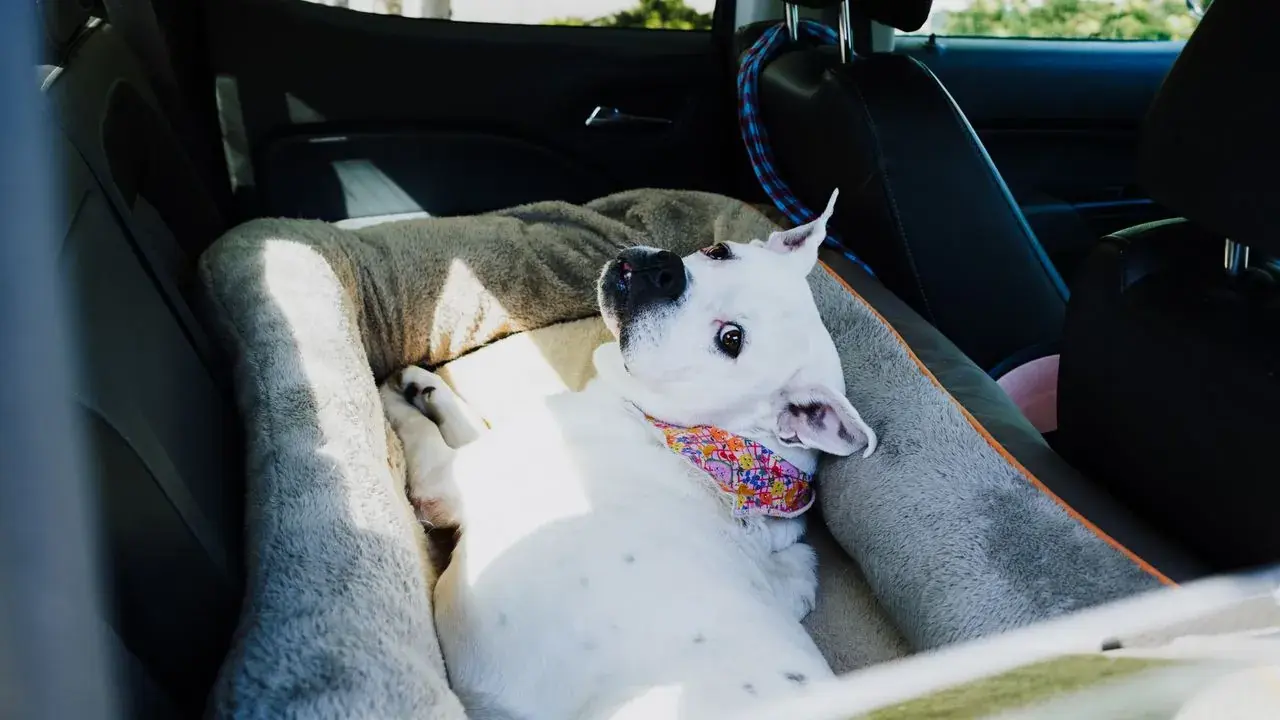
Choose a dog camping bed based on where your dog will sleep and the conditions you expect, rather than assuming one style suits every campsite. Consider the ground surface, likely dampness, temperature and whether the bed will be inside a tent, vehicle or sheltered area.
A raised design may keep a dog off the ground, while a padded bed may offer a softer resting surface; compare the actual product details and your dog’s preferences. Neither style guarantees warmth, cooling or protection from moisture. Bring a familiar blanket if it helps your dog settle, and check the campsite’s rules about pets. Inspect the sleeping area for sharp objects, insects and hazards before setting up. Keep your dog leashed or otherwise safely contained as local rules require, and provide access to shade and water in warm conditions.
A travel dog bed should be practical to carry and store
A travel dog bed is most useful when it fits your trip routine as well as your dog’s resting needs. Check its packed dimensions, weight and carrying method against the space available in your vehicle or luggage.
Consider how quickly it can be set up and whether it can be stored cleanly between stops. A bed that folds or rolls may be convenient, but confirm the maker’s instructions and dimensions rather than relying on the product name. If you travel with a dog who is unsettled in new places, bring a familiar, clean item from home and allow time to adjust before expecting the dog to rest. Keep the bed separate from food, waste and wet gear when packing. For longer trips, plan regular breaks for water, movement and bathroom needs, following your veterinarian’s advice for your dog.
Match the bed decision to the kind of trip
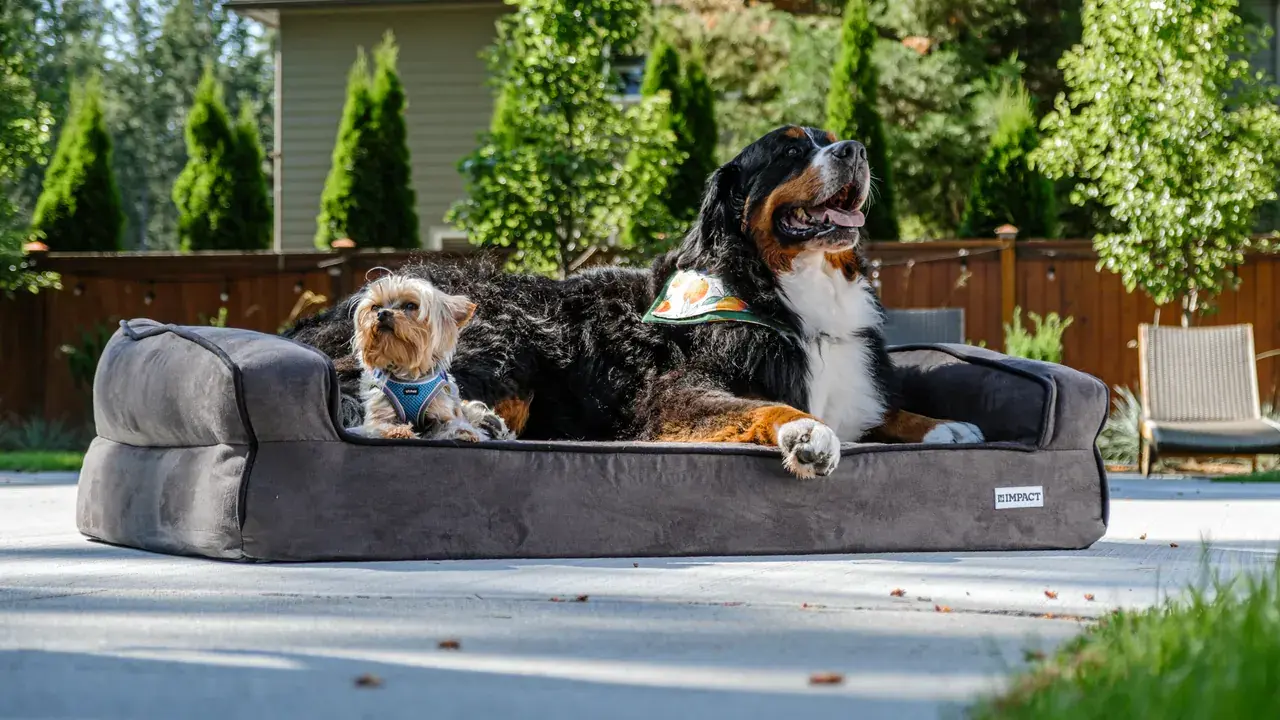
| Trip situation | Main check | Remember |
|---|---|---|
| Regular car rides | Fit in the chosen seat or cargo space | A bed is not a travel restraint |
| Pickup travel | Safe, maker-approved transport arrangement | Do not let a dog ride loose in an open bed |
| Camping | Ground, shelter and expected weather | Inspect the sleep area and provide shade and water |
| Multi-stop travel | Packed size and ease of setup | Plan breaks for water, movement and bathroom needs |
Frequently asked questions
Can a dog sleep in a car bed while the car is moving?
A dog may rest on a bed during a trip, but the bed itself does not restrain them. Use an appropriate travel restraint separately and follow its maker’s instructions. Check vehicle guidance about seating positions and airbags, and ask your veterinarian if you are unsure what arrangement is suitable for your dog.
How can I help my dog get used to a travel bed?
Introduce the bed at home first, letting your dog investigate and rest on it without pressure. You can then try it during a short, calm trip. Keep the routine positive, and do not force a dog to stay on the bed. If travel anxiety is severe or persistent, ask a veterinarian for advice.
Is it safe to leave my dog in a parked car with a bed?
No bed makes it safe to leave a dog unattended in a parked vehicle. Temperatures inside a car can become dangerous, and cracking a window does not remove that risk. Take your dog with you where permitted, or arrange for a responsible person to supervise them outside the vehicle.
What should I do if my dog gets carsick?
A bed may help provide a stable resting place, but it does not prevent motion sickness. Ask your veterinarian about symptoms, trip planning and whether treatment is appropriate. Seek veterinary advice for repeated vomiting, marked distress or other concerning signs, and do not give medication unless a veterinarian recommends it.
How this guide was made: it was prepared with AI assistance as general shopping and care information. It is not a hands-on product test or veterinary advice. Brand and retailer names belong to their owners; check their current listings for details.