
Can Dogs Get Bed Bugs? Signs, Bites, and What to Do

Quick answer: can dogs get bed bugs
Yes. Bed bugs can bite dogs, but they generally prefer to hide near people’s resting places rather than live on a dog like fleas. A dog may carry a bug briefly on its coat or bedding, but finding bites or itching alone does not confirm bed bugs; inspect the home and seek professional identification.
Bed bugs can feed on dogs, but they are not usually long-term residents of a dog’s coat. They tend to hide in places near where people or pets rest, then emerge to feed.
If your dog is itching, look for evidence around sleeping areas instead of assuming bed bugs are the cause. Skin irritation has many possible causes, and a veterinarian or pest professional can help identify the right next step.
Key points
- Bed bugs may bite dogs but generally hide in nearby spaces.
- Bites or itching alone cannot confirm bed bugs.
- Check seams and crevices around resting areas for signs.
- Ask a veterinarian about skin symptoms and a pest professional about suspected infestations.
In this guide
- Do bed bugs bite dogs: What happens during a bite
- Searching “bed bug dogs”? What detection dogs do
- Bed bug bites on dogs: Why skin marks are not proof
- Can dogs carry bed bugs: Hitchhiking versus living on a pet
- Bed bugs and dogs: Coordinating home treatment with pet safety
- Searching “can dog get bed bugs”? Understanding the wording
- Do bed bugs get on dogs: Where to look after possible contact
- Will bed bugs bite dogs: What can affect exposure
- Clues to check when bed bugs are a concern
- Frequently asked questions
Do bed bugs bite dogs: What happens during a bite
Yes, bed bugs can bite dogs when the insects are present in a place where the dog rests. A bite may cause a small, itchy mark, but some dogs show little or no visible reaction. The appearance of a bump by itself cannot identify the insect that caused it.
Rather than inspecting only your dog’s skin, check the areas where the dog sleeps and rests. Look along mattress or bed seams, nearby furniture joints, and other narrow hiding places for insects or signs that need professional identification.
Keep your dog comfortable: discourage scratching if it is causing skin damage, and contact a veterinarian if irritation is severe, persistent, swollen, or appears infected. Do not apply household insecticides or human bite treatments to your dog unless a veterinarian specifically advises it.

Searching “bed bug dogs”? What detection dogs do
“Bed bug dogs” most likely refers to dogs trained to detect bed bugs by scent, not dogs that have bed bugs living on them. A handler may work with a trained detection dog to inspect a building or room, but the dog’s alert should be treated as a lead to investigate, not as a diagnosis on its own.
If you are considering this service, ask how the inspection is conducted, what areas are included, and how an alert is confirmed. You can also ask whether the provider offers follow-up inspection or works with a pest professional for identification and treatment planning.
For your own pet: ordinary dogs do not diagnose an infestation just by sniffing around. Avoid treating a pet’s behavior as proof; seek a qualified inspection when there are signs in the home.
Bed bug bites on dogs: Why skin marks are not proof
Bed bug bites on dogs can be difficult to distinguish from other skin irritation by sight alone. Redness, bumps, scabs, or itching may also have causes such as fleas, mites, allergies, or another skin problem. A pattern of marks does not reliably identify bed bugs.
Note when the symptoms began, which areas are affected, and whether the dog’s behavior has changed. Share those details with a veterinarian, especially if the dog is licking or scratching enough to damage the skin. The veterinarian can assess the skin and consider other likely causes.
To check for bed bugs, look for insect evidence in the dog’s sleeping area and nearby furniture rather than relying on the marks. If you find a suspected bug, avoid crushing or handling it unnecessarily; a pest professional can help identify it.
Can dogs carry bed bugs: Hitchhiking versus living on a pet
A dog might transport a bed bug briefly on its coat, collar, blanket, or carrier, but this is different from having a colony living on the dog. Bed bugs generally hide in nearby cracks and furnishings rather than staying on an animal’s body like parasites that spend much of their life on a host.
If a dog has visited a place with a suspected infestation, inspect its bedding, carrier, and other belongings before bringing them into a sleeping area. Keep items contained while you follow advice from a pest professional; do not use sprays, powders, or other pest products on the dog unless they are specifically approved for that use and directed by a veterinarian.
There is no need to shave or bathe a dog as a substitute for inspecting the home and its belongings.
Bed bugs and dogs: Coordinating home treatment with pet safety
When bed bugs and dogs are in the same home, plan any pest treatment around the dog’s safety. Before treatment, tell the pest professional that a pet lives in the home and ask which rooms, belongings, and surfaces need special handling. Follow the product label and the professional’s instructions about keeping pets away and when it is safe to return.
Do not assume a product is safe for dogs because it is sold for household use, or apply a product intended for a room directly to a pet. Keep food bowls, toys, bedding, and medications out of areas being treated as instructed.
Ask how to prepare the dog’s bed and washable items. Follow care labels and professional guidance rather than applying heat or chemicals without checking that the material and method are suitable.
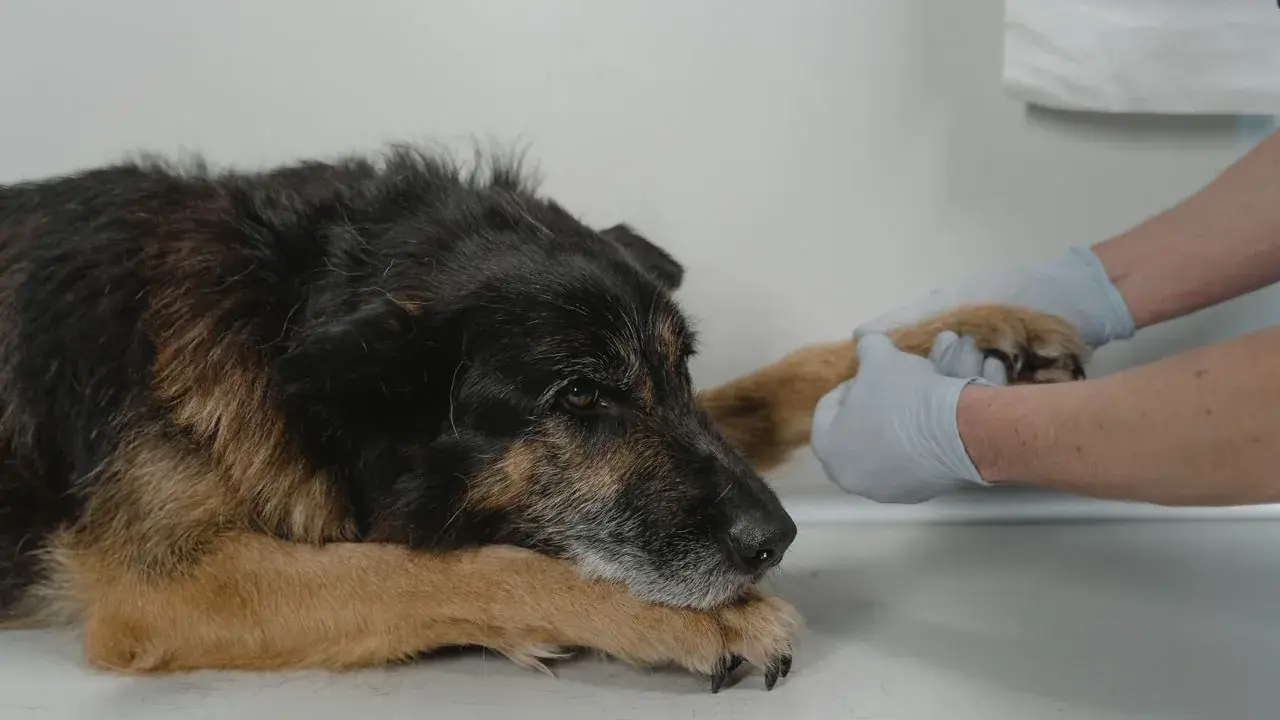
Searching “can dog get bed bugs”? Understanding the wording
The query “can dog get bed bugs” most likely asks whether a dog can be bitten or become infested. A dog can be bitten, but bed bugs do not usually live and reproduce on a dog’s body. They are more likely to hide in nearby resting places, such as furniture seams or gaps around a bed.
If you are asking because your dog is itchy, consider the broader context: itching alone does not establish that bed bugs are present. Check the home for signs and ask a veterinarian to assess persistent or worsening skin symptoms.
If you are asking whether a dog can bring bugs home, a bug could travel briefly on the dog or its belongings. Inspect and contain relevant items, then ask a pest professional to confirm any suspected insects before choosing a response.
Do bed bugs get on dogs: Where to look after possible contact
Bed bugs can get onto a dog temporarily, especially if the dog rests close to an infested area, but they usually favor hiding places near the animal rather than remaining in its coat. A quick look through the fur may not reveal whether bed bugs are in the room.
After possible contact, inspect the dog’s bed, blanket, carrier, and the floor or furniture immediately around its usual resting spot. Check seams, folds, and crevices carefully. Keep suspected items separate while you ask a pest professional how to handle them; avoid moving items from room to room unnecessarily.
Do not rely on a flea comb or a bath to rule out bed bugs. Those steps do not confirm whether insects are hiding in the home, and unnecessary bathing may irritate a dog’s skin.
Will bed bugs bite dogs: What can affect exposure
Bed bugs may bite a dog if the dog is accessible while the insects are seeking a meal. Whether a dog has visible marks can vary: some pets may show irritation while others show no obvious skin change. No visible bites do not prove that a room is free of bed bugs.
Exposure is more relevant when a dog regularly rests near a suspected hiding place, such as a bed, sofa, or upholstered pet bed. Focus on inspecting those surroundings and getting suspected insects identified rather than trying to predict whether a particular dog will react.
Do not use repellents or insecticides on your dog to prevent bites unless a veterinarian recommends a product labeled for that purpose. If the dog develops a concerning reaction, contact a veterinarian for guidance.

Clues to check when bed bugs are a concern
| What you notice | What it may mean | Useful next step |
|---|---|---|
| Itching or skin bumps | Could have several causes; not proof of bed bugs | Ask a veterinarian if symptoms persist or worsen |
| A suspected insect near a resting place | Needs identification before choosing treatment | Contact a pest professional |
| Concern after travel or a visit | A bug may be on belongings temporarily | Keep items contained and ask for handling guidance |
Frequently asked questions
Can I treat my dog with flea medicine for suspected bed bugs?
Flea products are designed for particular pests and may not address bed bugs hiding in a home. Do not apply extra doses or combine products to try to solve a suspected bed bug problem. Ask your veterinarian which treatments are appropriate for your dog, and contact a pest professional about the home.
Should I throw away my dog’s bed if I suspect bed bugs?
Not automatically. Discarding a bed without a plan can move suspected insects through the home. Ask a pest professional how to handle the item, and check its care label before cleaning. If it must be discarded, follow local guidance for containing it so others do not take it.
When should a veterinarian examine my dog’s skin?
Arrange veterinary advice if itching or redness is persistent, worsening, or disrupting sleep, or if your dog is scratching enough to break the skin. Seek prompt care for marked swelling, open sores, or signs of infection. Skin symptoms can have causes other than bed bugs and need appropriate assessment.
How can I reduce the chance of bringing bed bugs home after travel?
Keep travel bags away from beds and inspect luggage seams and belongings before putting them away. If you suspect exposure, separate the items and ask a pest professional how to handle them safely. Avoid spraying luggage or your dog with products not specifically labeled for that use.
Further reading: U.S. EPA guide to bed bugs
How this guide was made: it was prepared with AI assistance as general shopping and care information. It is not a hands-on product test or veterinary advice. Brand and retailer names belong to their owners; check their current listings for details.