
Durable Dog Beds: How to Choose One That’s Easier to Maintain

Quick answer: durable dog beds
A durable dog bed is one whose construction and care requirements suit your dog’s size, habits and sleeping style. Check the maker’s details for fabric, seams, filling, closures and cleaning instructions. Choose a washable cover if easier laundering matters, and inspect the bed regularly for wear; no bed is guaranteed to withstand chewing or rough use.
A bed’s durability depends on more than a tough-sounding product name. Fabric, seams, filling, closures and the way the bed is used all affect how well it holds up over time.
Before buying, compare the care label and construction details with your dog’s habits. The right fit should also let your dog lie down comfortably without making the bed harder to wash or maintain.
Key points
- Check seams, closures, fabric and filling details before choosing.
- Follow the maker’s washing and drying instructions.
- Match bed size to your dog’s usual sleeping position.
- Inspect for damage and remove unsafe beds from use.
In this guide
- Choosing a durable dog bed: inspect the construction
- What “tough dog beds” may mean for your dog
- How to keep a washable dog bed in good condition
- Choose a bed size that suits your dog’s sleeping position
- Safety checks before and after bringing a bed home
- Compare bed features with your dog’s needs
- Frequently asked questions
Choosing a durable dog bed: inspect the construction
Choose a durable dog bed by comparing its construction details with your dog’s size and habits. Look for a clear description of the cover fabric, stitching, filling, base and closure rather than relying on a label such as “heavy-duty.” Reinforced seams or a removable cover may be useful features, but the listing should explain what those terms mean for that specific bed.
Consider where your dog puts the most wear: a dog that digs at bedding may stress seams, while a large dog can compress thin filling. Check whether replacement covers or parts are available only if the maker confirms it. No construction detail guarantees a bed will resist every kind of use. Follow the maker’s care instructions and check the bed periodically for loose threads, exposed filling or damaged closures.
What “tough dog beds” may mean for your dog
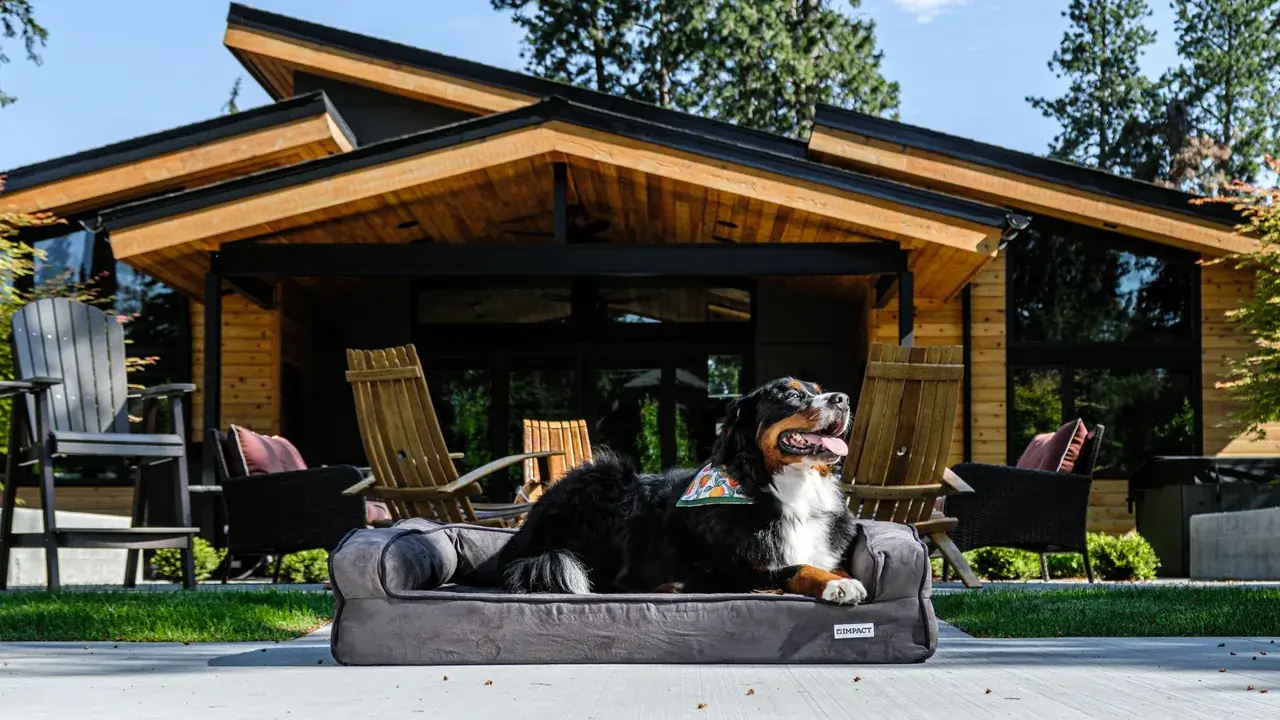
“Tough dog beds” most likely means beds intended for dogs that scratch, shift or use bedding roughly, but the phrase does not define a standard level of durability. Compare specific construction details instead of assuming a bed will stand up to any behavior. Check the maker’s listing for fabric information, seam construction, cover attachment and any stated limits on use.
Think about your dog’s habits before choosing. A dog that paws before settling may need different features from one that chews bedding. If chewing is frequent, a fabric bed may not be a safe or suitable choice; supervise your dog and ask a veterinarian for guidance if chewing is sudden, persistent or leads to swallowed material. Remove bedding with exposed filling or loose parts that could be ingested.
How to keep a washable dog bed in good condition
A washable dog bed is easier to maintain when its care instructions fit your routine. Before purchase, check whether the entire bed or only the cover can be washed, which cleaning method the maker allows, and how the item should be dried. A removable cover can make frequent cleaning more manageable, but it does not mean the inner cushion can be washed the same way.
Remove hair and debris as directed, and avoid cleaners or drying methods the maker does not recommend. Make sure the bed is fully dry before putting it back in use to help prevent lingering dampness and odor. Washing can also reveal worn seams or damaged fasteners, so inspect the bed after cleaning. If the care label is unclear, check the maker’s current instructions rather than guessing.
Choose a bed size that suits your dog’s sleeping position
Choose a bed size that gives your dog room to rest in its usual position. Measure your dog while it is lying down, including the space needed to stretch, then compare those measurements with the bed’s listed sleeping area. Overall product dimensions can include raised bolsters or a frame, so they may not show how much usable space is inside.
Consider how your dog sleeps: a curled-up dog may prefer a different shape from one that stretches out. If the bed has sides, check their height and whether they reduce the flat resting area. For a growing puppy, account for expected adult size without choosing a design that is difficult to enter or clean. Always verify the maker’s sizing guidance, since labels such as “large” are not consistent across listings.
Safety checks before and after bringing a bed home
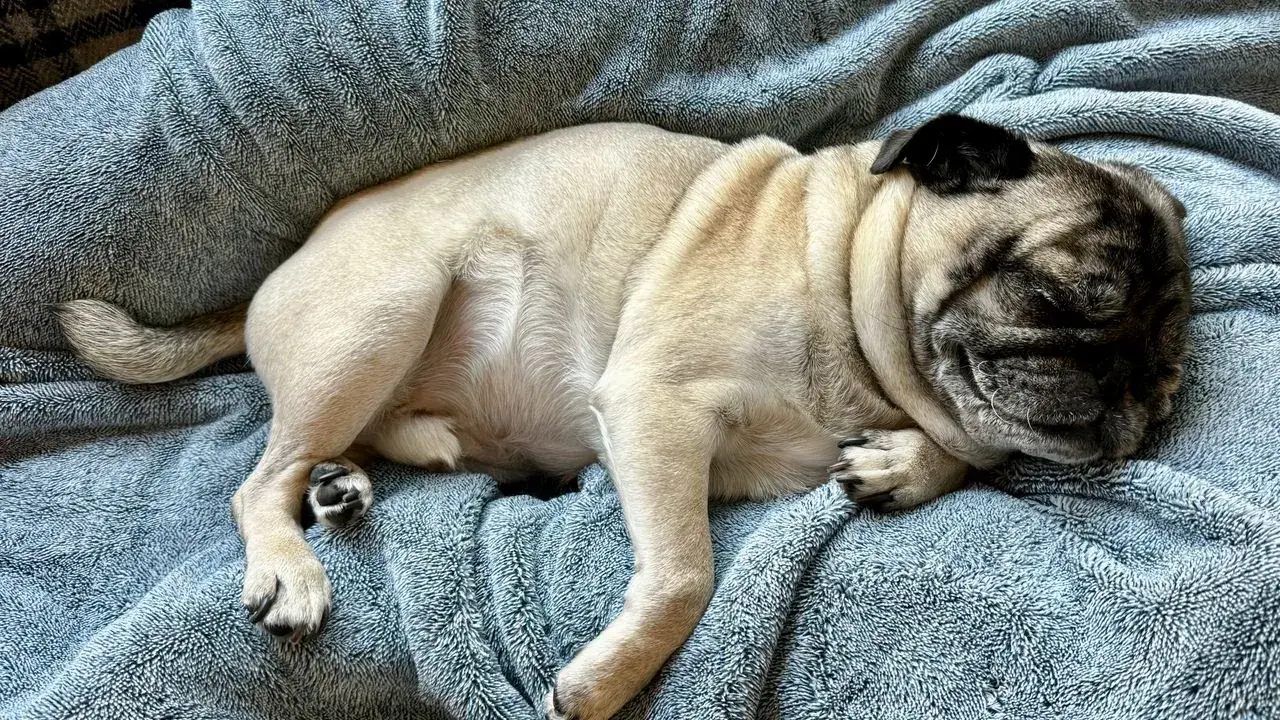
Check a dog bed for damage and unsuitable parts before letting your dog use it. Review the listing for care and material information, then inspect the delivered bed for loose stitching, exposed filling, sharp hardware or detachable pieces your dog might swallow. Stop using it if damage creates a possible ingestion or entanglement hazard.
Match the bed to the setting, too. An indoor bed is not automatically suited to a patio or damp area; verify the maker’s guidance for intended use and cleaning. Keep bedding away from heat sources unless the maker says otherwise. If your dog has a health condition, pain, mobility changes or a new reluctance to use its bed, ask a veterinarian about appropriate bedding and whether the behavior needs attention. A bed can offer a resting place, but it does not treat disease.

Compare bed features with your dog’s needs
| What to compare | Why it matters | What to verify |
|---|---|---|
| Cover and seams | May affect wear from scratching or shifting | Fabric description and seam details |
| Cleaning method | Affects how easily you can maintain the bed | Whether the cover, cushion or whole bed can be washed |
| Usable sleeping area | Helps the bed fit your dog’s resting position | Interior dimensions and maker’s sizing guidance |
| Closures and components | Loose or damaged parts can create a safety concern | How parts attach and what to inspect during routine checks |
Frequently asked questions
Can a washable dog bed go in the dryer?
Not necessarily. Drying instructions vary by bed and may differ for the removable cover and inner cushion. Check the care label or the maker’s current instructions before using a dryer. If the instructions call for air drying, follow that guidance and let the bed dry fully before your dog uses it again.
How often should I replace a dog bed?
There is no single replacement schedule for every dog or bed. Inspect it regularly and replace it when damage exposes filling, creates loose parts, or makes the sleeping surface difficult to clean. If you are unsure whether damage is safe, keep your dog away from the bed until you can assess it.
Can one bed work indoors and outdoors?
Only if the maker says the bed is suitable for both settings. Check the product listing for intended use and care guidance; indoor bedding may not be designed for outdoor exposure or damp conditions. Bring the bed inside when its use instructions or the weather make outdoor placement unsuitable.
What should I do if my dog suddenly stops using its bed?
Check for changes such as a new odor, damage, noise or an uncomfortable fit, and offer a calm alternative resting place. A sudden change in behavior can also relate to discomfort or health concerns. Contact a veterinarian if the change persists or comes with signs such as pain, reduced mobility or changes in appetite.
How this guide was made: it was prepared with AI assistance as general shopping and care information. It is not a hands-on product test or veterinary advice. Brand and retailer names belong to their owners; check their current listings for details.