
Outdoor Dog Bed: Choose a Comfortable, Weather-Smart Spot

Quick answer: outdoor dog bed
Choose an outdoor dog bed based on where it will sit and how your dog will use it. Look for a size that lets your dog stretch out, a surface suited to the weather, and materials the maker says are appropriate for outdoor use. Provide shade, keep the bed dry when possible, and bring it inside during harsh weather.
An outdoor bed can give a dog a comfortable place to rest on a patio, porch, or campsite, but no bed makes an exposed area safe in every kind of weather. Match the bed to the setting and your dog’s habits.
Check the product listing for care instructions and specific claims about outdoor use. A label or name alone does not establish how well a bed handles rain, sun, dirt, or repeated washing.
Key points
- Measure your dog while stretched out before choosing a size.
- Use shade and shelter instead of relying on the bed to manage heat or weather.
- Check the maker’s care guidance before cleaning or leaving a bed outdoors.
- Bring the bed inside when conditions are harsh or the surface gets wet.
In this guide
- Choosing bedding for dogs outside in changing weather
- How outdoor dog beds differ by surface and airflow
- Searching for an outside dog bed? Think about your dog’s routine
- Setting up dog beds outside without common safety mistakes
- What to verify before buying a waterproof outdoor dog bed
- Compare common outdoor bed styles by where they may fit best.
- Frequently asked questions
Choosing bedding for dogs outside in changing weather
For bedding for dogs outside, choose according to the weather the resting spot actually gets, not just the product name. A covered porch has different demands from an open yard or campsite.
For warm conditions, prioritize a shaded location and a bed design that allows airflow. For cool or damp conditions, check the maker’s guidance on outdoor suitability and whether the bed should be brought in after use. Even a bed described as weather-resistant may have limits; verify what the listing says about sun exposure, moisture, and care.
- Place the bed away from standing water and direct midday sun.
- Keep a dry indoor resting option available.
- Inspect seams and surfaces regularly for dirt or damage.
Outdoor bedding is not a substitute for shelter, fresh water, or bringing a dog inside when conditions are unsafe.

How outdoor dog beds differ by surface and airflow
Outdoor dog beds can differ in how they sit above the ground and how air moves around the resting surface, so compare their construction with the spot where you plan to use one.
An elevated frame can keep a dog off a patio or lawn and may allow air to pass underneath, while a cushioned mat sits closer to the ground and may be easier to move or store. Neither style is automatically right for every dog or climate. Check the listed dimensions, weight guidance, assembly details, and care instructions. Consider whether your dog can climb onto the surface comfortably, especially if stepping up is difficult.
- Choose a stable, level location for a framed bed.
- Check that a mat will not slide on the intended surface.
- Look for a size that leaves room to turn and stretch.
Airflow can improve comfort, but shade and water remain essential outdoors.
Searching for an outside dog bed? Think about your dog’s routine
If you mean an outside dog bed, the likely goal is a designated resting place for a dog who spends supervised time on a patio, porch, or in a yard.
Consider the dog’s routine before choosing a style. A bed used for brief breaks may need to be easy to carry and store. A bed left in a covered spot may call for a durable, easy-care surface, provided the maker approves that use. Dogs who scratch, dig, or chew bedding may damage it, so supervise use and remove the bed if it becomes unsafe. For older dogs or dogs with mobility concerns, consider how easily they can get onto and off the bed.
- Match portability to how often you move it.
- Check the entry height and stability.
- Keep outdoor resting time supervised.
Choose for the dog’s actual habits rather than assuming one bed suits every outdoor routine.
Setting up dog beds outside without common safety mistakes
Dog beds outside need a safe location as much as they need a suitable design. Set the bed on stable ground, away from hazards and areas where water collects.
Avoid placing it in direct sun for long periods, beside a hot grill, near chemicals, or where a leash could catch on the frame. Check the surrounding area for sharp objects and make sure the bed does not block a doorway or walkway. A bed can become hot, damp, or dirty depending on its material and surroundings, so check it before each use. Bring it indoors during storms, extreme temperatures, or other conditions that could make the area unsafe.
- Provide shade and access to fresh water.
- Keep the bed clear of cords, tools, and yard treatments.
- Check the surface for heat, moisture, and damage.
If a dog seems distressed by heat or cold, move them to a safer place and contact a veterinarian when needed.
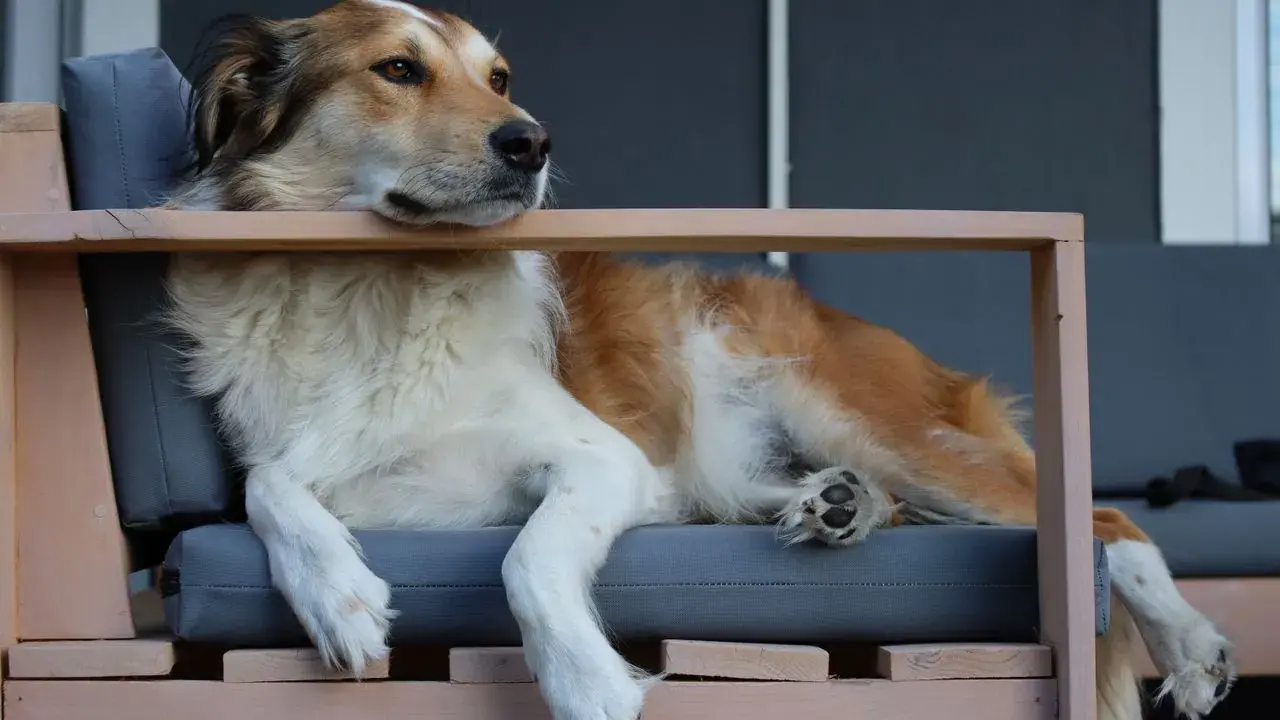
What to verify before buying a waterproof outdoor dog bed
A waterproof outdoor dog bed is a product claim to verify on the current listing; the phrase alone does not explain which parts resist water or under what conditions.
Check whether the maker describes the cover, inner cushion, or entire bed as water-resistant or waterproof, and look for limits on exposure and cleaning. A water-resistant cover may not protect the filling if water reaches seams or openings. Also confirm whether the cover can be removed and how it should be washed or dried. Avoid leaving a damp bed out: moisture trapped inside can make the resting surface unpleasant and may contribute to odors.
- Read the care instructions before washing.
- Dry all parts fully before putting the bed back outside.
- Inspect closures and seams for wear.
No label guarantees protection from every downpour, spill, or long period outdoors, so provide shelter and store the bed when appropriate.
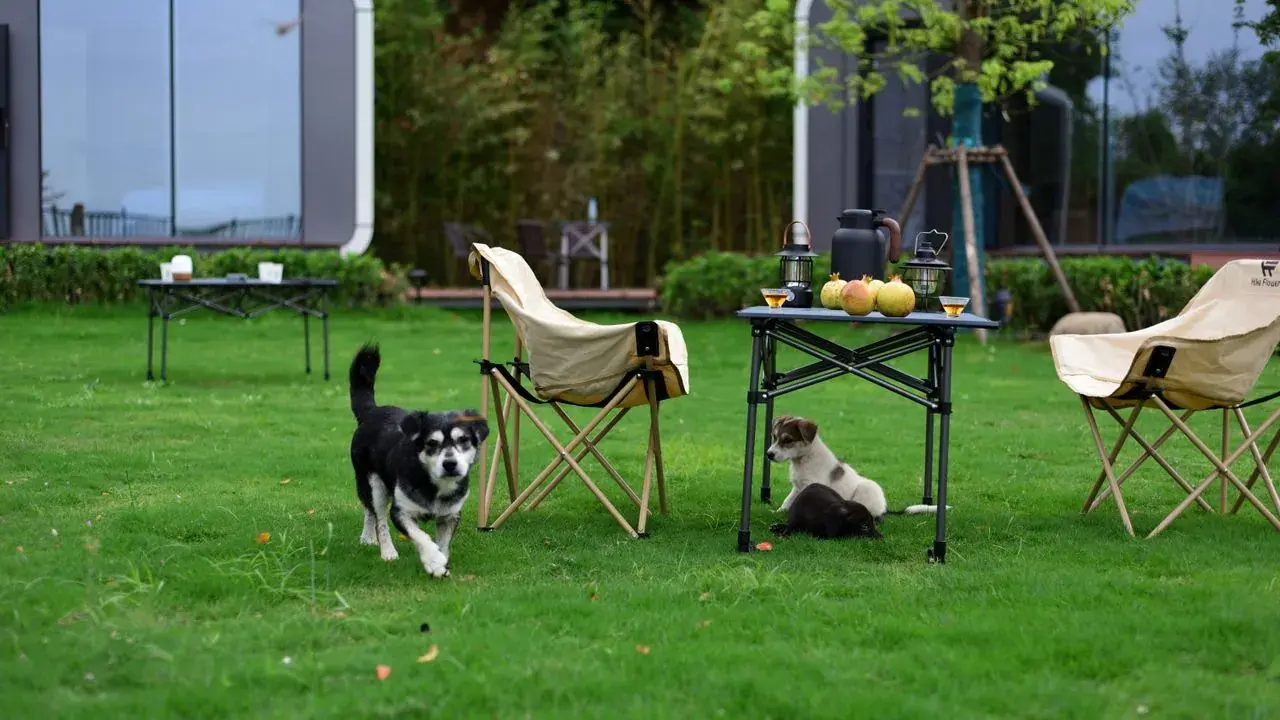
Compare common outdoor bed styles by where they may fit best.
| Style | May suit | Check before choosing |
|---|---|---|
| Elevated frame | A stable patio or covered outdoor area | Height, stability, assembly, and stated weight guidance |
| Cushioned mat | Portable use or a sheltered resting spot | Outdoor-use guidance, care instructions, and ground contact |
| Bolstered bed | Dogs who like a defined edge to rest against | Size, ease of cleaning, and whether the listing supports outdoor use |
Frequently asked questions
Can a dog sleep outside all night on an outdoor bed?
A bed alone does not make overnight outdoor stays safe. Weather, shelter, temperature, local conditions, and the individual dog all matter. Provide a secure, comfortable indoor option, and ask a veterinarian for guidance if health, age, or breed-related needs affect your dog’s ability to cope with outdoor conditions.
How do I measure my dog for a bed?
Measure your dog from nose to the base of the tail while they are lying in their usual stretched-out position. Compare that measurement with the bed’s listed sleeping area, not only its outside dimensions. If your dog curls up and stretches out at different times, allow enough room for both positions.
How often should I clean an outdoor dog bed?
Follow the maker’s cleaning instructions and clean the bed whenever it becomes dirty, damp, or smelly. Check it regularly for mud, debris, and damage, especially after outdoor use. Make sure removable covers and inner parts are fully dry before reuse, and replace a bed if wear creates a safety concern.
What are signs a dog may be overheating outdoors?
Heavy panting, weakness, confusion, vomiting, or collapse can be signs of heat-related distress. Move the dog to a cooler area and contact a veterinarian promptly; severe symptoms need urgent veterinary attention. Do not rely on a cooling bed or any other product as a substitute for shade, water, and safe temperatures.
How this guide was made: it was prepared with AI assistance as general shopping and care information. It is not a hands-on product test or veterinary advice. Brand and retailer names belong to their owners; check their current listings for details.