
How to Choose a Giant Dog Bed That Fits

Quick answer: giant dog bed
Choose a giant dog bed by measuring your dog stretched out in a natural sleeping position, then comparing that length and width with the bed’s usable sleep area. Allow room to shift positions, and check the product’s interior dimensions, support, entry height, cleaning instructions, and fit in your home before choosing.
A bed labeled giant or extra-large may not provide enough room for every large dog. Dogs vary in body length, sleeping position, and how much they move during the night, so measurements are more useful than a size label alone.
Measure your dog while relaxed, then compare the result with the bed’s inside sleeping area. Also consider the bed’s construction, cover care, and where it will sit in your home.
Key points
- Measure your dog stretched out in a typical sleeping position.
- Compare measurements with the usable interior, not the outside dimensions.
- Check support, entry height, and cleaning instructions.
- Leave room around the bed for safe access and movement.
In this guide
- Searching for a massive dog bed? Start with measurements
- What to check in dog beds for huge dogs
- How to assess the best dog bed for great dane needs
- Great dane dog beds: avoid common fit mistakes
- Compare bed care before choosing a size
- A practical measurement checklist for comparing dog beds
- Frequently asked questions
Searching for a massive dog bed? Start with measurements
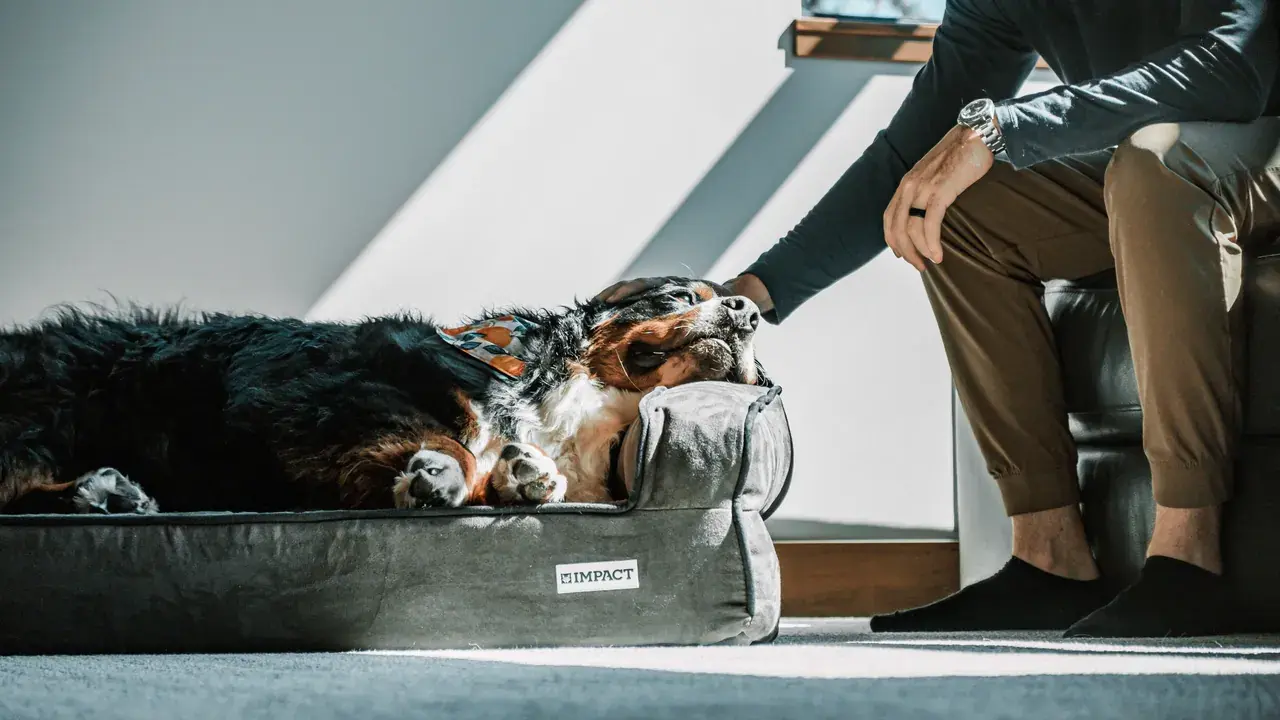
A massive dog bed should be sized by its usable sleeping area, not its outside dimensions. Measure your dog from nose to the base of the tail while they are lying in their usual position. For a sprawled sleeper, also measure across the widest part of their body. Compare both measurements with the bed’s interior dimensions and allow some extra room to shift positions.
Check how the listing defines its dimensions: a raised edge, bolster, or thick sides can reduce the flat area available for sleeping. If the dog alternates between curling up and stretching out, choose based on the longer position. Before buying, measure the intended floor space at home, including room to walk around the bed and open nearby doors.
What to check in dog beds for huge dogs
Dog beds for huge dogs should have a stable base and materials suited to the dog’s weight and sleeping habits. Read the product listing for the bed’s stated weight guidance, support materials, and construction details; do not assume that a large-looking bed will stay supportive over time. A flat, firm surface may suit a dog that prefers to stretch out, while a bolstered design offers a place to rest the head.
Consider the floor beneath the bed, too. A bed that slides can be inconvenient, especially on smooth flooring, so check whether the design includes a nonslip base or plan to use a suitable rug underneath. If your dog has difficulty getting up, is unusually stiff, or shows signs of pain, ask a veterinarian for advice rather than relying on a bed to address the problem.
How to assess the best dog bed for great dane needs
The best dog bed for great dane needs is one that fits the individual dog’s body and routine; no single design is right for every Great Dane. Start with the dog’s sleeping measurements, then compare the bed’s interior space and stated support details. A dog that stretches out may need a broad, open surface, while one that curls up may prefer a bed with raised sides.
Think about age and ease of access as well as size. Note the bed’s height from the floor and whether the dog must step over a tall edge to get in. For a growing puppy, recheck the fit as the dog develops instead of assuming the first size will remain suitable. If a dog’s mobility or comfort changes, consult a veterinarian about the cause and appropriate care.
Great dane dog beds: avoid common fit mistakes
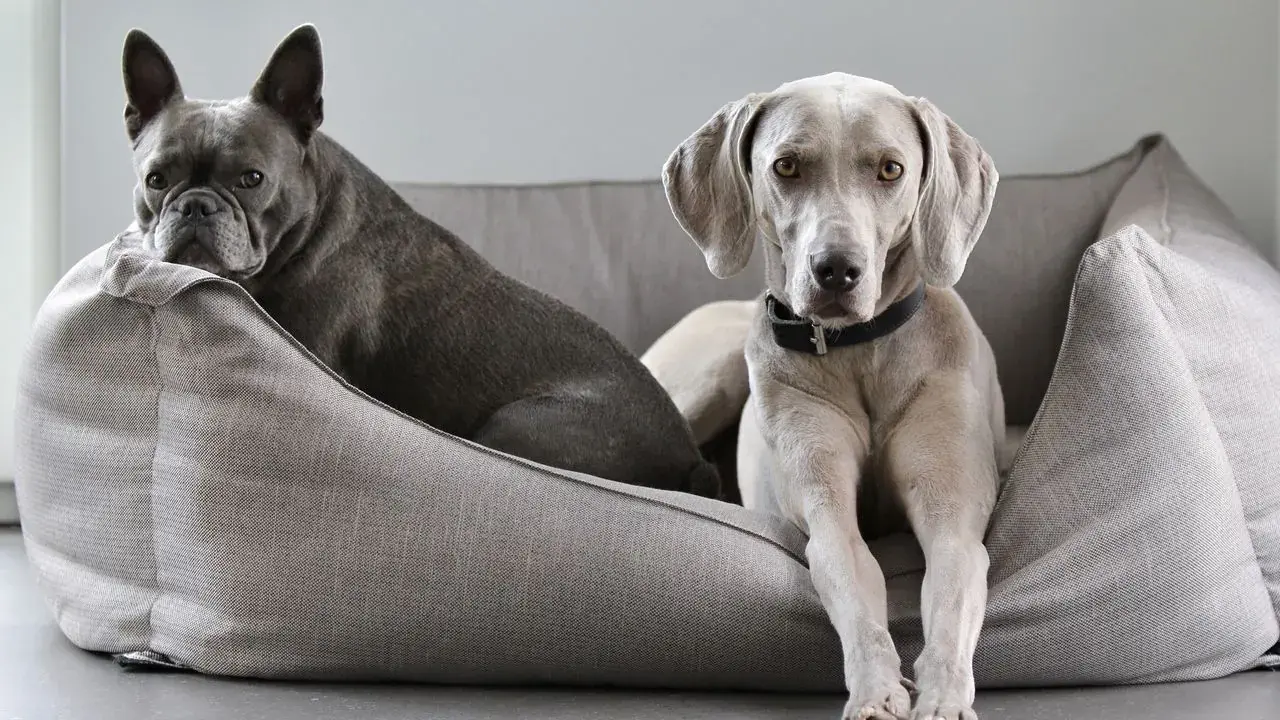
Great dane dog beds are easier to compare when you separate sleeping space from the bed’s overall footprint. One common mistake is choosing by a size label alone: two beds with the same label can have different interior dimensions, edge heights, and usable flat areas. Check the current listing’s measurements and clarify whether they describe the whole bed or the sleeping surface.
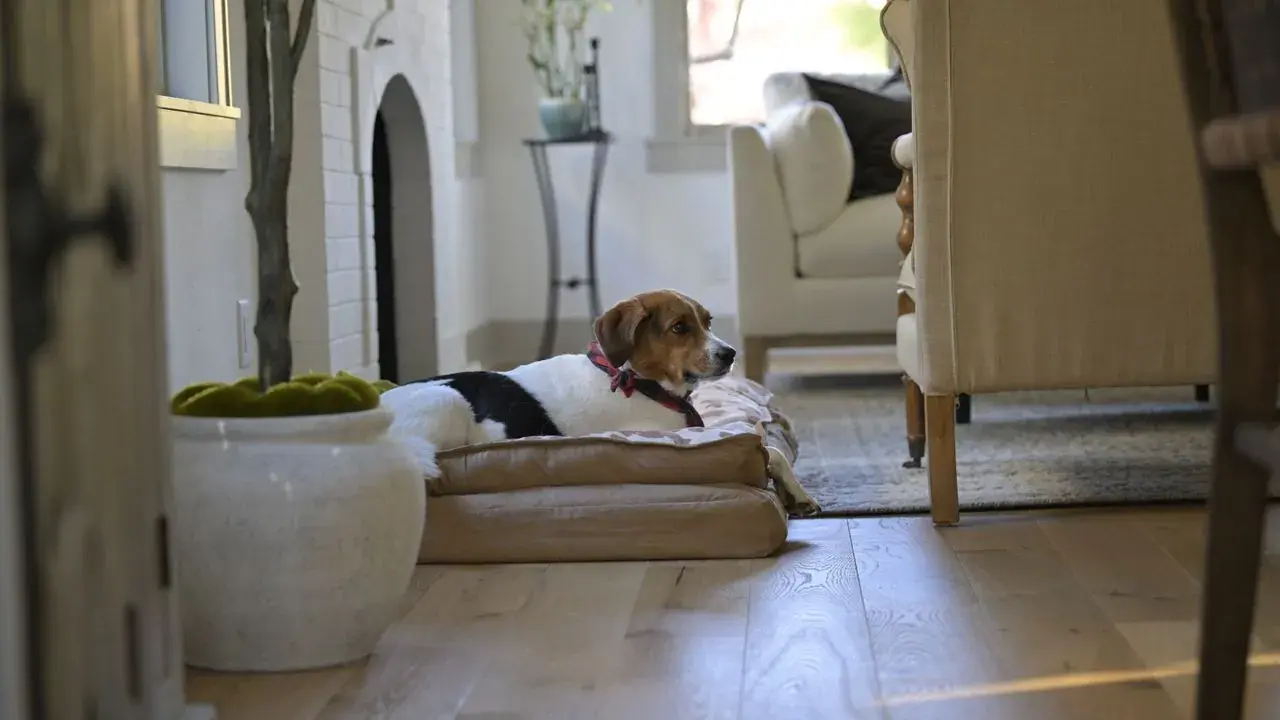
Another mistake is overlooking where the bed will be placed. Leave enough clearance for the dog to enter, turn around, and get back up without bumping into furniture or blocking a walkway. If considering a raised-edge design, make sure the dog can comfortably step over the sides. Keep the bed away from hazards such as unstable furniture or heat sources, and follow the maker’s care instructions to help maintain it.
Compare bed care before choosing a size
Choose a bed you can clean according to the care routine you can realistically maintain. Check whether the cover is removable, what washing instructions the maker provides, and whether the inner cushion can be cleaned if needed. A large bed can be difficult to handle, so look at the cover construction and care details rather than assuming that a removable cover makes every part washable.
For dogs that shed, track in dirt, or spend time outdoors, a washable cover may make routine cleanup more manageable. Follow the product’s instructions and let all parts dry completely before putting the bed back together. If a bed has an odor or visible soiling that cannot be cleaned as directed, consider replacing it. Choose a location where the bed can be cleaned and dried without blocking household pathways.
A practical measurement checklist for comparing dog beds
| What to measure | How to measure | Why it matters |
|---|---|---|
| Body length | Measure from the nose to the base of the tail while the dog is lying down. | Helps determine whether the bed accommodates a stretched-out position. |
| Body width | Measure across the widest part of the dog while relaxed. | Helps check whether the dog has room to settle and shift. |
| Usable bed area | Check the listed interior or sleeping-surface dimensions. | Bolsters and thick edges can reduce the space available inside. |
| Room at home | Measure the floor area where the bed will sit, including access space. | Helps avoid blocking a walkway or making entry awkward. |
Frequently asked questions
Should I measure my dog while standing or lying down?
Measure while your dog is lying in a typical sleeping position, since the bed needs to fit how they rest. If they often stretch out, measure that position too. A standing measurement may not show how much length or width they use when relaxed.
How much extra room should I allow around my dog?
There is no single amount that fits every dog and bed style. Compare the dog’s relaxed measurements with the usable sleeping area, leaving room to shift positions. If the bed has raised sides, account for the space those sides take up inside.
Is a thicker dog bed always more supportive?
Not necessarily. Thickness alone does not tell you how a bed will feel or how it is constructed. Review the maker’s description of the materials and support, and consider your dog’s size, preferred sleeping position, and ability to get on and off the bed.
When should I replace a dog bed?
Consider replacing a bed if it is torn, difficult to clean, no longer holds its shape, or no longer fits your dog comfortably. If your dog develops stiffness, pain, or difficulty moving, contact a veterinarian; changing beds does not diagnose or treat the cause.
How this guide was made: it was prepared with AI assistance as general shopping and care information. It is not a hands-on product test or veterinary advice. Brand and retailer names belong to their owners; check their current listings for details.