
Dog Sofa Bed: How to Choose a Comfortable Fit

Quick answer: dog sofa bed
A dog sofa bed is a dog bed shaped like a small couch, often with a raised back or sides. Choose one by measuring your dog while resting, checking the usable sleeping area, and considering how your dog gets in and out. Then compare cover care, materials, and where the bed will sit.
A sofa-style dog bed can give a dog a defined resting spot while echoing the look of living-room furniture. Designs vary: some have raised sides, while others are flatter and more like a cushioned platform.
Focus first on your dog’s comfort and the bed’s practical details. Check dimensions, entry height, cleaning instructions, and whether the shape fits the intended space. A couch-like appearance alone does not tell you how supportive or easy to maintain a bed will be.
Key points
- Measure your dog resting naturally, then compare those measurements with the usable bed area.
- Check the entry height and shape for your dog’s mobility and sleeping habits.
- Read care instructions before choosing a fabric or removable cover.
- Use a sofa-style bed as a separate resting place, not as a substitute for supervising furniture access.
In this guide
- Choosing a dog couch bed that fits
- Materials to compare in dog sofa beds
- Searching “dog settee bed”? Check crate fit
- What a dog bed couch shape offers
- Using a dog bed for couch areas
- Cleaning a couch dog bed safely
- Searching “dog bed couches”? Sort out the layout
- A checklist for dog beds couch searches
- Searching “dog bed settees”? Match style to use
- Quick comparison points for sofa-style dog bed shopping
- Frequently asked questions
Choosing a dog couch bed that fits
Choose a dog couch bed by comparing your dog’s resting measurements with the bed’s usable sleeping area. Measure from nose to rump while your dog is stretched out, and allow room for the position they usually sleep in. Raised arms or bolsters can make the usable area smaller than the outside dimensions suggest.
Check the full product dimensions against the spot where the bed will go, including nearby doors, walkways, and furniture. If your dog curls up, a compact surface may work; a dog that sprawls may need more length and width. Follow the maker’s sizing guidance when available, and check whether it describes the sleeping area or the bed’s outer edge. When between sizes, consider your dog’s sleeping posture and the space available rather than relying on a size label alone.

Materials to compare in dog sofa beds
Compare the listed cover and fill materials in dog sofa beds, because the couch-like shape does not reveal how a bed feels or wears. A soft fabric may suit a dog that likes a plush surface, while a smoother cover may be easier to wipe down; confirm care details on the specific listing rather than assuming a fabric is washable.
Look for clear information about the cover, cushion, and any removable parts. If your dog tends to get warm, consider the fabric and room temperature, and provide a cooler resting option if needed. For dogs that scratch or mouth bedding, inspect seams and closures regularly. No ordinary bed material should be treated as guaranteed chew-proof. Choose based on your dog’s habits and the maker’s care and use instructions, not appearance alone.
Searching “dog settee bed”? Check crate fit
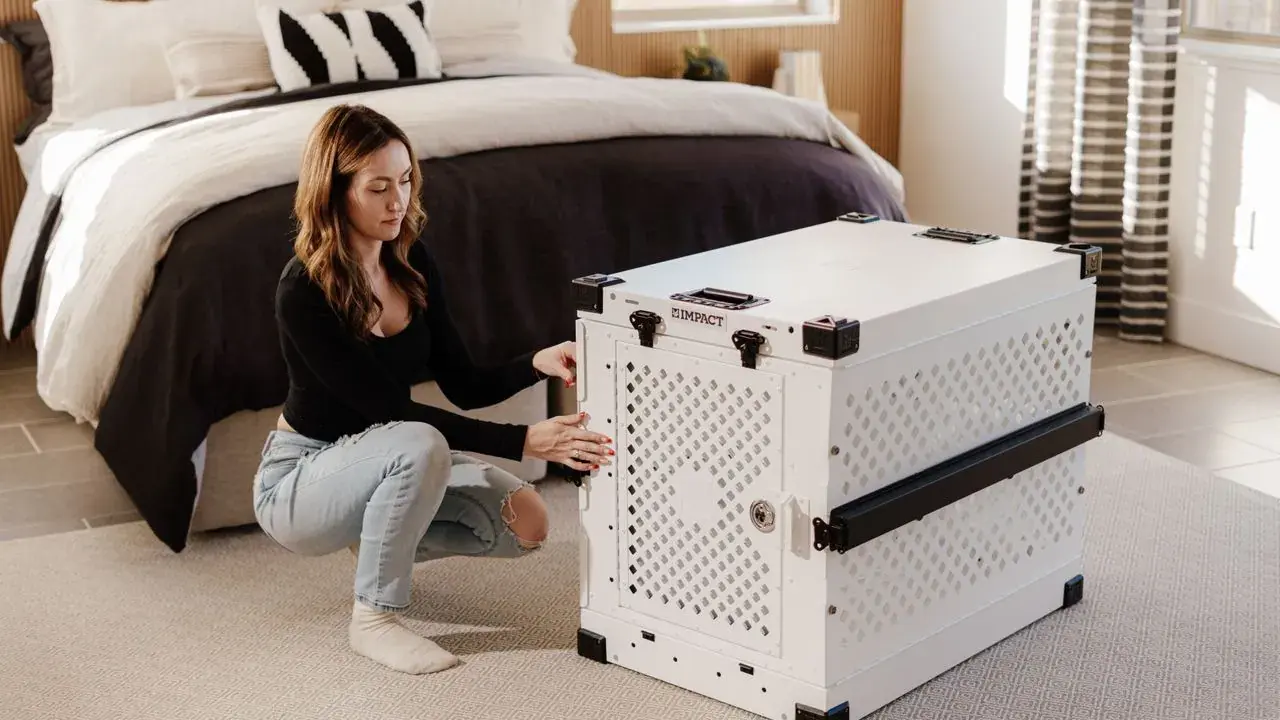
Searching “dog settee bed” most likely means you want a small couch-shaped bed for a dog, but the phrase may also describe a bed intended to sit near a settee. If you plan to place it inside a crate, check the crate’s interior measurements and the bed’s outer dimensions before buying.
Raised backs and arms can take up extra space or block a crate door, even when the sleeping surface seems small enough. Leave room for your dog to turn around and lie down without the bed bunching against the sides. Also check whether the bed’s shape interferes with crate ventilation or access to the door. A sofa-style bed is not automatically crate-compatible; use the manufacturer’s fit guidance and keep the crate setup appropriate for your dog.
What a dog bed couch shape offers
A dog bed couch usually offers a defined sleeping surface with raised sides or a back, but its support and entry design depend on the individual model. Raised edges may give a dog a place to rest its head or lean against, while a flatter front can make the sleeping area easier to enter.
Consider how your dog prefers to settle. A dog that curls or leans may use the sides differently from one that stretches across the bed. Check whether the front edge is lower than the other sides and whether the cushion is fixed or removable. If your dog has trouble stepping over raised edges, choose a lower-entry design and ask a veterinarian for guidance if mobility changes are new or concerning. Shape is a comfort preference, not a treatment for a health condition.
Using a dog bed for couch areas
A dog bed for couch areas can create a nearby resting place without inviting a dog onto human furniture. Choose a location where the bed sits flat and does not narrow a walkway or block access to doors. If placing it beside a sofa, leave enough room for people and pets to move safely.
Measure the floor space rather than estimating from a photo, and consider how the bed’s back or arms affect the footprint. A rug or non-slip layer may help keep a bed in position if the product instructions allow it; check that any added layer does not create a trip hazard. If you want your dog to stay off the household couch, offer the dog bed consistently and reward calm use. The bed itself does not establish household boundaries.

Cleaning a couch dog bed safely
Clean a couch dog bed according to its care label or the maker’s current instructions. Do not assume that a removable-looking cushion or cover is machine washable; check the listing and product tag for washing method, drying guidance, and whether each component can be cleaned separately.
For routine upkeep, remove loose hair and debris in a way that suits the fabric, and address spills promptly using the recommended method. Let cleaned parts dry completely before putting them back together to help avoid trapped dampness. Inspect seams, zippers, and filling during cleaning, and stop using the bed if damaged parts could be swallowed or cause injury. If a bed becomes soiled by a health-related issue, ask your veterinarian for cleaning advice suited to the circumstances.
Searching “dog bed couches”? Sort out the layout
Searching “dog bed couches” may mean you are comparing couch-shaped beds, or looking for a dog bed to use near household couches. Decide which meaning fits your need before comparing products, since a standalone dog bed and a cover or accessory for human furniture are different items.
For a standalone bed, check the product description for a complete sleeping unit, its dimensions, and what components are included. For something intended to sit on a household couch, verify how it attaches, what area it covers, and whether it is designed for that furniture type. Do not infer those details from a product name or photograph. If protecting upholstery is your main goal, review the current listing’s stated coverage and care instructions, and remember that no fabric barrier guarantees protection from every spill or scratch.
A checklist for dog beds couch searches
For a “dog beds couch” search, start with a short checklist: intended location, sleeping-area size, entry height, cover care, and the materials named in the listing. The phrase is ambiguous, but it most likely reflects interest in couch-style beds or dog beds that coordinate with a living room.
Compare product details rather than relying on a staged room image. Confirm whether dimensions are for the whole bed or just the cushion, whether the cover comes off, and whether the listing specifies indoor or outdoor use. Check how the bed is assembled and whether replacement parts are described by the maker. If a detail matters to your household and is missing, ask the seller or manufacturer before ordering. A clear checklist makes it easier to compare options without assuming that similar-looking beds have the same construction.
Searching “dog bed settees”? Match style to use
Searching “dog bed settees” most likely means you are looking for dog beds styled like small settees, rather than furniture intended for people. Treat the wording as a style clue, not proof of a particular size, build, or level of support; check the product details for those specifics.
To choose a style that fits your room, consider color, shape, and footprint alongside your dog’s needs. A high back may look more like a miniature sofa but take up more space, while a simpler profile may fit better in a narrow corner. Keep the bed away from heaters, unstable surfaces, and busy paths. The dog’s usable sleeping area and ease of access should guide the final choice more than matching the room décor exactly.
Quick comparison points for sofa-style dog bed shopping
| What to check | Why it matters | Where to verify |
|---|---|---|
| Usable sleeping area | Raised sides may reduce the space available for resting. | Dimensions and sizing guidance on the current listing |
| Entry height | A tall front edge may be harder for some dogs to step over. | Product photos, measurements, or maker guidance |
| Cover care | Cleaning methods vary by fabric and construction. | Care label or product instructions |
| Intended placement | Crate, living-room, and outdoor uses have different fit needs. | Product description and maker’s use guidance |
Frequently asked questions
How do I measure my dog for a sofa-style bed?
Measure your dog from nose to rump while they are lying in their usual stretched-out position. Compare that length and their resting width with the listed sleeping area, not just the bed’s outer dimensions. Leave room for a change in position, and use the maker’s sizing advice when it is available.
Can a sofa-style dog bed go inside a crate?
It can fit only if its full footprint and raised sides leave enough room in the crate for your dog to move and rest. Measure the crate interior and check the bed’s outside dimensions, including any arms or back. Make sure it does not block the door or interfere with ventilation.
Should my dog sleep on a sofa-style bed or a flat bed?
That depends on your dog’s preferred sleeping position and the bed’s design. Raised sides may suit a dog that likes to curl or lean, while a flatter surface may give a sprawler more room. Choose a low, accessible entry if stepping over an edge is difficult.
When should I ask a veterinarian about my dog’s sleeping comfort?
Ask a veterinarian if your dog develops a new difficulty lying down, getting up, or using a bed, or if you notice persistent discomfort or changes in normal behavior. A bed can provide a resting place, but it does not diagnose or treat a health condition.
How this guide was made: it was prepared with AI assistance as general shopping and care information. It is not a hands-on product test or veterinary advice. Brand and retailer names belong to their owners; check their current listings for details.