
Medium Dog Bed: How to Choose the Right Size

Quick answer: medium dog bed
Choose a medium dog bed by measuring your dog in their usual sleeping position and comparing that measurement with the bed’s usable interior dimensions. Add room for stretching or curling preferences, then check the maker’s size chart, shape, and any raised sides; “medium” is not a standardized measurement across products.
Dog bed labels such as small, medium, and large are not consistent measurements. A medium bed may offer different usable space depending on its shape, sides, and design.
Use your dog’s sleeping posture and the product’s listed dimensions to guide your choice. The measurements matter more than the label alone.
Key points
- Measure your dog in a usual sleeping position.
- Compare measurements with the bed’s usable interior space.
- Allow extra room if your dog stretches out.
- Check care instructions and size guidance on the current listing.
In this guide
How to measure for a bed for medium dog
To choose a bed for a medium dog, measure the space your dog occupies in a usual sleeping position and compare it with the bed’s usable interior dimensions. Watch your dog rest, then measure from nose to rump while curled or from nose to tail while stretched out.
Use the longer measurement if your dog changes positions or likes to stretch. For a bed with raised sides, check the sleeping area inside the edges rather than relying only on the outside dimensions. Leave room for your dog to shift position without hanging over the edge. If the listing provides a size chart or suggested weight range, treat it as additional guidance—not a substitute for checking dimensions. The right fit depends on your dog’s posture and the bed’s shape, not the word “medium.”

Choosing dog beds for medium dogs by sleep style
Dog beds for medium dogs should suit how each dog rests: curled sleepers may prefer a defined edge, while dogs that sprawl often need a more open surface. Notice whether your dog leans against furniture, tucks into a ball, or stretches across the floor before choosing a shape.
A bolster or donut-style design can provide a boundary to lean against, but its sides may reduce the flat sleeping area. A cushion or flat mattress gives more open space. Consider the bed’s listed materials and construction for your home’s temperature and your dog’s preferences; material names alone do not establish how warm or supportive a bed will feel. If possible, compare the product’s interior dimensions and care details before deciding. Choose based on resting habits rather than assuming all dogs of similar size need the same design.
Care and cleaning details for medium dog beds
For medium dog beds, check the cleaning instructions before buying because care needs vary by cover, filling, and construction. A removable cover can make routine cleaning easier, but confirm whether the listing says it is machine washable and follow the maker’s instructions for washing and drying.
Look for clear guidance on spot cleaning the bed itself, not just its cover. Some fillings or assembled beds may have different care requirements. Consider how often the bed is likely to need cleaning and whether you can manage the listed process at home. After washing, make sure parts are fully dry before putting the bed back in use. Regularly check seams, closures, and the sleeping surface for damage. Do not assume a bed is waterproof or washable unless the current product information specifically describes that feature.
Searching “dog bed medium”? What to verify
Searching “dog bed medium” most likely means you want a bed listed for a medium-sized dog, but the phrase does not identify a particular size or design. Treat it as a starting search term, then verify the details on the current product listing.
Check the bed’s overall dimensions and, where available, the interior sleeping area. Look for a size chart, notes about raised edges, and any suggested dog weight range. Confirm which features are stated by the maker, such as a removable cover or particular filling, rather than inferring them from a title or photo. Product names and size labels can be brief, so read the full description and care information. If the dimensions are unclear, consult the retailer or maker before ordering instead of relying on the word “medium.”

Where to place a dog bed at home
Place a dog bed where your dog can rest without blocking a walkway, door, or access to daily household items. A quiet spot near family activity may work for a dog that likes company, while a calmer corner can suit a dog that seeks less foot traffic.
Check the floor area before choosing a bed shape: a round bed, rectangular cushion, or design with raised sides may occupy space differently. Leave enough clearance for your dog to enter and leave comfortably, and keep the bed away from hazards such as heaters or unstable furniture. If the bed will sit in a crate or a specific nook, compare that area with the product’s outside dimensions, including any bolsters. Recheck the placement if furniture moves or the space becomes crowded.
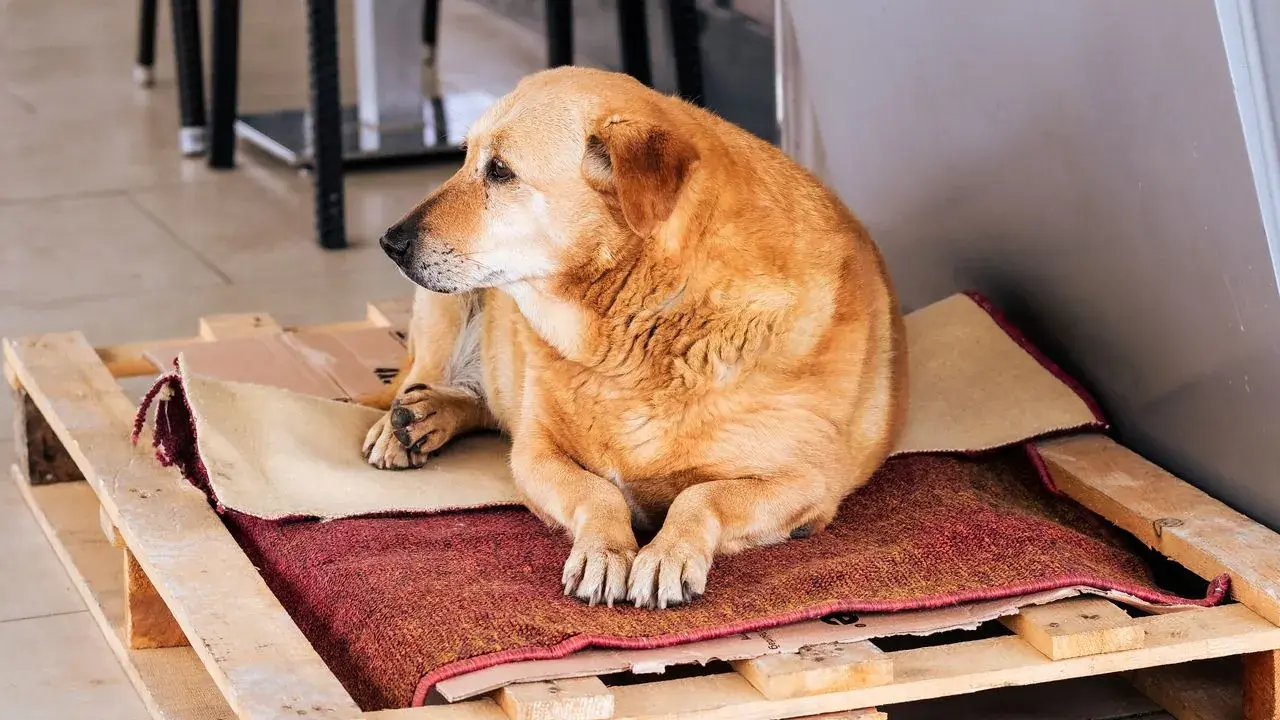
Match measurements to the way your dog usually sleeps.
| Sleep style | What to measure | What to check on the bed |
|---|---|---|
| Curled | Nose to rump while resting curled | Whether the interior space lets your dog turn and settle |
| Stretched out | Nose to tail in the usual stretched position | Usable length and room to shift position |
| Leans against an edge | Body length and width while resting | How much interior space raised sides take up |
Frequently asked questions
What should I do if my dog is between two bed sizes?
Compare the usable sleeping area of both options with your dog’s measurements and usual posture. If your dog stretches out or changes positions often, the larger usable surface may be more practical, provided it fits the intended space. Check the maker’s size guidance before choosing.
Should I measure my dog while standing or lying down?
Measure the space your dog takes up while resting, since a standing measurement may not reflect how much room they need to sleep. Observe their usual curled or stretched posture and measure accordingly. Check the bed’s interior dimensions, especially when it has raised sides.
Can a puppy use a bed sized for its expected adult size?
A larger bed may give a growing puppy room, but make sure the puppy can get on and off comfortably and that the bed fits the space you have. Puppies may chew or soil bedding, so check care guidance and inspect the bed regularly for damage.
When should I ask a veterinarian about my dog’s sleeping comfort?
If your dog seems uncomfortable, has difficulty getting up or lying down, or shows a new change in sleeping habits, contact a veterinarian for individual guidance. Bed size can affect comfort, but a bed does not treat disease or replace veterinary care.
How this guide was made: it was prepared with AI assistance as general shopping and care information. It is not a hands-on product test or veterinary advice. Brand and retailer names belong to their owners; check their current listings for details.