
How to Choose an elevated outdoor dog bed

Quick answer: elevated outdoor dog bed
An elevated outdoor dog bed lifts a dog off the ground on a raised frame, often with a fabric sleeping surface. To choose one, check that the sleeping area fits your dog, the frame feels stable on your intended surface, and the maker’s listing explains care and weather limits. Provide shade and water outdoors.
A raised bed can keep a dog off bare ground and allow air to move beneath the sleeping surface. That does not mean every elevated bed stays cool or is suitable for every outdoor condition.
Think about where the bed will sit, how your dog gets on and off it, and how you will clean and store it. Check the current product listing for specific materials, care instructions, and use limitations.
Key points
- Measure your dog and compare those measurements with the usable sleeping area.
- Check frame stability on the surface where the bed will sit.
- Follow the maker’s care instructions; outdoor use does not mean weatherproof.
- Offer shade and fresh water, and bring the bed inside when needed.
In this guide
- Choosing elevated outdoor dog beds by fit
- What a raised outdoor dog bed means for cleanup
- Check frame and fabric details before buying
- Set up an outdoor bed with heat and safety in mind
- Plan for travel, storage, and everyday use
- Compare outdoor bed considerations before choosing a style.
- Frequently asked questions
Choosing elevated outdoor dog beds by fit
Choose elevated outdoor dog beds with enough usable surface for your dog to rest in a natural position. Measure your dog from nose to rump while they are standing, then consider how much room they need to stretch or turn; compare that with the listed sleeping-area dimensions, not just the overall frame size.
Also consider getting on and off. A high frame may be awkward for a small dog, a senior, or a dog with limited mobility. A lower option or a stable step may be more suitable, but ask your veterinarian if mobility changes or pain are a concern. Follow the maker’s stated weight guidance, and check that the frame does not rock on your patio or lawn. If your dog likes to curl up, confirm that the usable area still leaves room for their preferred position.
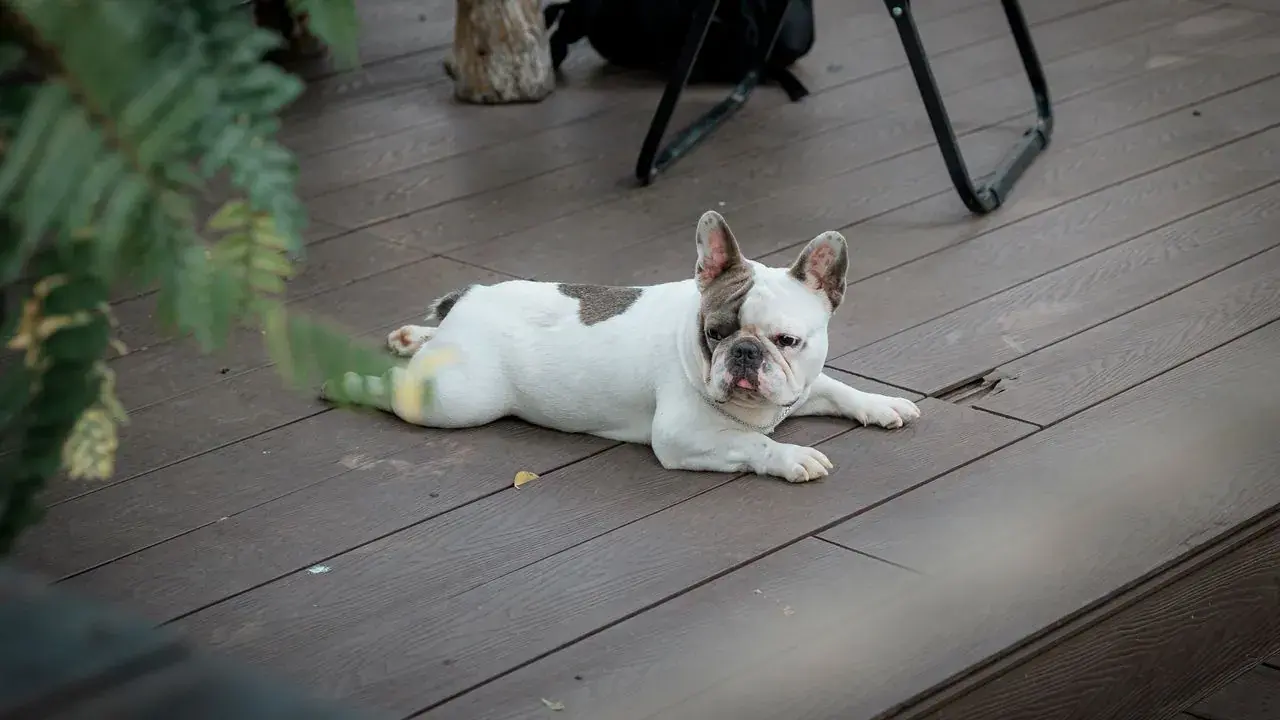
What a raised outdoor dog bed means for cleanup
A raised outdoor dog bed usually means a sleeping surface supported above the ground, but the name alone does not tell you how easy it is to clean. Check the listing for specific washing or spot-cleaning instructions, whether the fabric detaches, and how the frame should be wiped down. Do not assume the surface is waterproof or machine washable.
For routine care, remove loose hair and debris as directed, and let cleaned parts dry fully before use. Check seams, fasteners, and the frame periodically for wear or looseness. If the bed gets muddy or damp, follow the maker’s guidance rather than storing it wet. Keeping the area beneath the bed clear can also make it easier to notice dirt, standing water, or objects that could affect stability.
Check frame and fabric details before buying
Read the product listing for the frame material, fabric description, assembly requirements, and stated limits on outdoor exposure. Terms such as “outdoor” or “cooling” do not establish that a bed can remain outside in rain, strong sun, or freezing conditions. Verify what the maker says about care and storage.
Look for a stable design that suits the ground beneath it. A bed placed on uneven soil may wobble even if it sits steadily on a level deck. Check how the fabric attaches to the frame and whether the setup requires tools. If the listing leaves a detail unclear, contact the seller or maker before purchasing. Avoid relying on a product photo alone to judge fabric texture, frame strength, or weather suitability.
Set up an outdoor bed with heat and safety in mind
Place an outdoor bed in shade and keep fresh water within reach; a raised surface does not protect a dog from heat. Check the bed and surrounding ground for hot surfaces, sharp debris, and loose parts before letting your dog use the area. Supervise dogs that are likely to chew or pull at fabric or fasteners.
Outdoor beds are not a substitute for bringing a dog indoors during unsafe weather or when they seem distressed. Heavy panting, weakness, vomiting, confusion, or collapse can be signs of heat illness; seek veterinary care urgently if these occur. Choose a location where the bed stays level and does not block a doorway or walkway. Bring it inside when conditions or the maker’s instructions call for it.
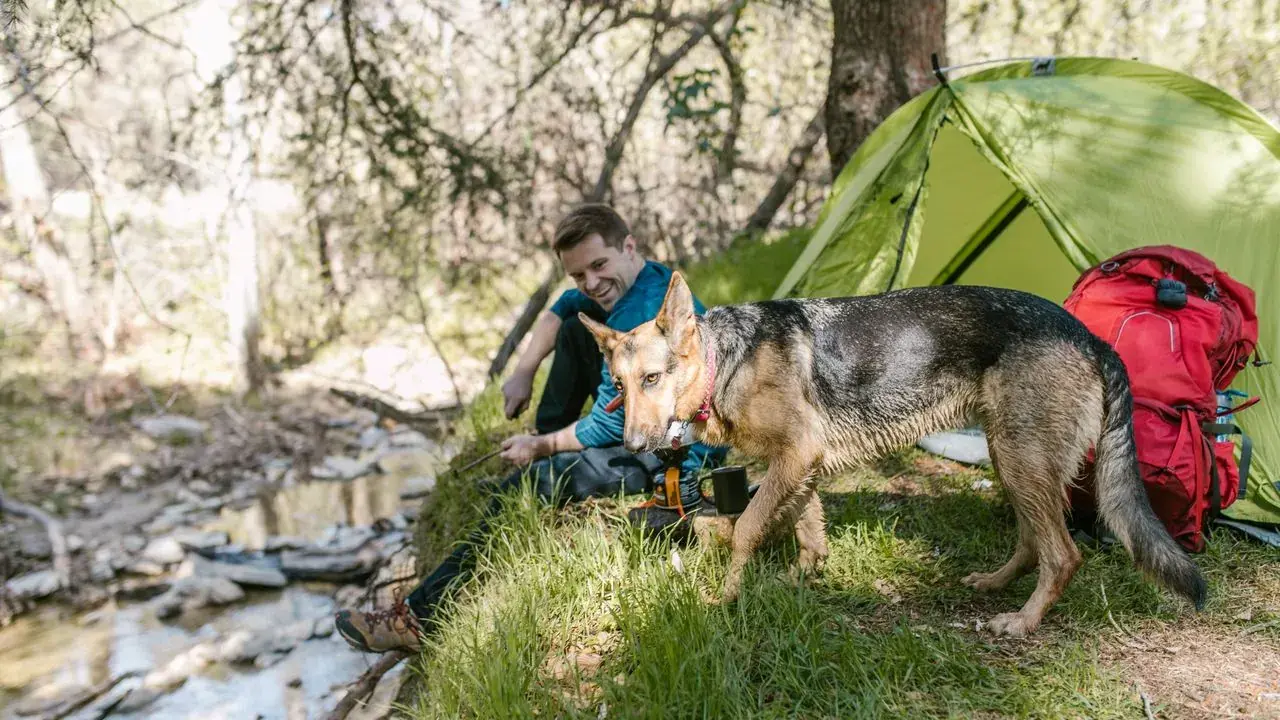
Plan for travel, storage, and everyday use
For trips, choose a bed that fits the space you have and that you can assemble, move, and store as needed. Check the listed folded or packed dimensions, if provided, and confirm whether the bed requires tools. A raised bed may be less convenient than a mat if you need to carry it a long distance or pack a small vehicle.
At home, consider whether the bed will stay in one outdoor spot or move between indoors and outside. Moving it under cover can help keep it cleaner, but follow the maker’s care directions and let damp parts dry before storage. If your dog is unfamiliar with a raised surface, introduce it gradually with supervision and let them choose whether to use it. Do not force a dog to climb onto a bed that seems uncomfortable or unstable.
Compare outdoor bed considerations before choosing a style.
| Consideration | Raised cot-style bed | Ground-level mat |
|---|---|---|
| Position | Sleeping surface sits above the ground | Rests directly on the ground |
| What to check | Frame stability, usable area, and fabric attachment | Thickness, grip, and suitability for the surface |
| Cleaning | Follow instructions for both frame and fabric | Check whether the mat can be cleaned and dried as directed |
| Best fit depends on | Your dog’s comfort getting on and off and the setup location | Your dog’s comfort lying close to the ground and your storage needs |
Frequently asked questions
How can I help my dog get used to a raised bed?
Set the bed on a level surface and let your dog investigate it at their own pace. You can place a familiar blanket nearby if its care instructions allow. Supervise early use, and do not insist if your dog avoids the bed or seems unsure about climbing onto it.
Can an elevated dog bed stay outside in the rain?
Do not assume it can. Check the maker’s current care and weather guidance for the specific bed. If the instructions do not say it is suitable for rain, move it under cover or indoors and allow any damp parts to dry as directed.
What should I do if my dog seems too hot outdoors?
Move your dog to a cooler, shaded place and offer water. Heavy panting, weakness, vomiting, confusion, or collapse may signal heat illness and need urgent veterinary attention. A raised bed does not prevent overheating, so avoid leaving a dog outdoors in unsafe heat.
Is a raised bed suitable for a senior dog?
It depends on the dog’s mobility and the bed’s height and stability. A dog that has trouble stepping up, balancing, or lying down may need a lower sleeping surface. Ask your veterinarian for guidance if your dog’s mobility has changed or seems painful.
How this guide was made: it was prepared with AI assistance as general shopping and care information. It is not a hands-on product test or veterinary advice. Brand and retailer names belong to their owners; check their current listings for details.