
Pillow Dog Beds: Sofa, Crate & Style Guide

Quick answer: pillow dog beds
Pillow dog beds are cushioned beds with a simple, usually flat sleeping surface. They can suit dogs who like to stretch out, and some styles fit inside crates or alongside sofa furniture. Before choosing one, measure the space and your dog, check the bed’s care instructions, and consider whether its shape and surface match your dog’s habits.
Pillow-style beds range from simple cushions to larger, structured designs made to sit beside or resemble household furniture. The name alone does not tell you how supportive, durable or easy to clean a particular bed will be.
Start with where the bed will go and how your dog rests. Then compare the listed dimensions, construction, cover-care details and any safety guidance provided for that specific bed.
Key points
- Measure the intended space before choosing a bed size.
- Check listed dimensions rather than relying on a size label alone.
- Review cleaning instructions for the cover and the inner cushion.
- Choose a shape that suits your dog’s resting habits and the space.
In this guide
- What shoppers may mean by dog pillow beds
- Searching for a flat dog bed? Check the sleeping surface
- Choosing a sofa-style shape for your room
- Materials and cleaning details to verify
- A short checklist before bringing a bed home
- Quick guide to matching a bed style with its intended use
- Frequently asked questions
What shoppers may mean by dog pillow beds
Dog pillow beds most likely means cushioned, pillow-shaped beds with a broad sleeping surface.
The phrase can describe different designs, from a plain pad to a cushion with raised sides, so use the product’s dimensions and photos to understand its actual shape. For sizing, measure your dog while they are resting in their usual stretched-out position, then compare that measurement with the usable sleeping area listed by the seller. Allow room for natural movement rather than choosing a bed that only fits when your dog curls tightly. If the bed will go beside a sofa or in a room corner, measure that floor area too. A pillow shape can be convenient for dogs who change positions, but it does not by itself indicate a particular level of support.
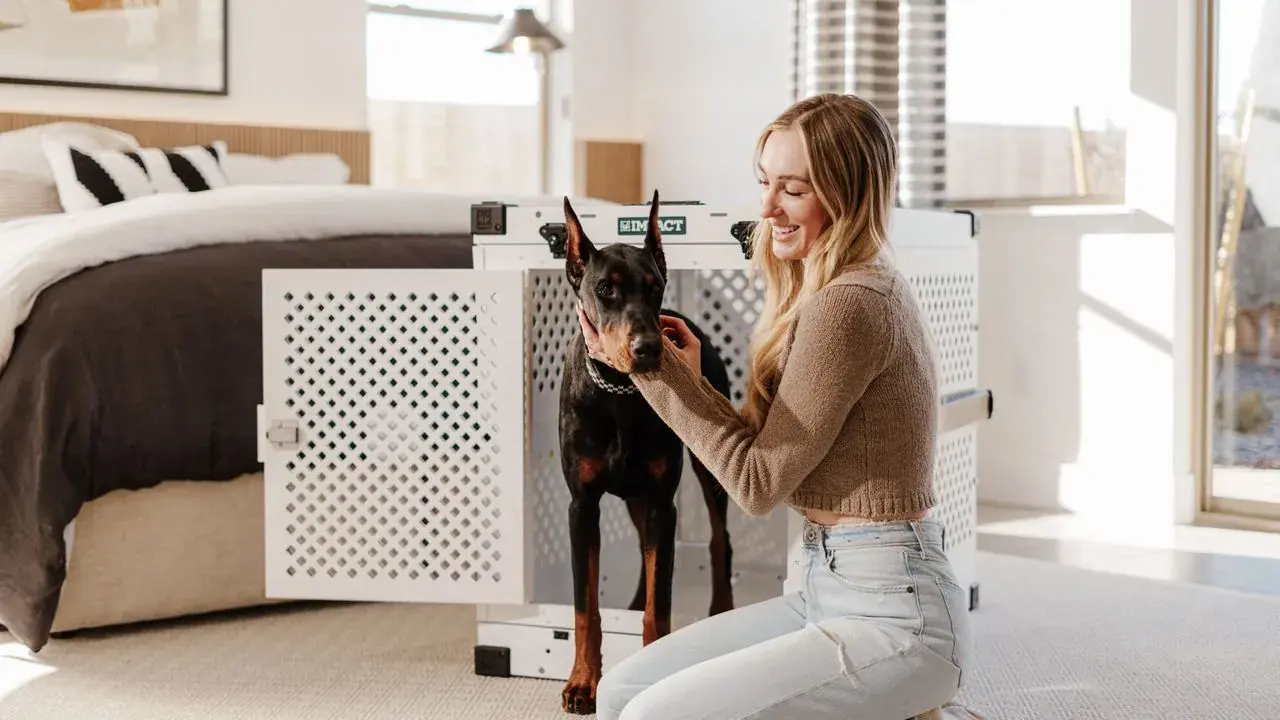
Searching for a flat dog bed? Check the sleeping surface
A flat dog bed usually refers to a low-profile pad or cushion without substantial raised bolsters.
That description may help if you want a simple surface for a crate, a familiar resting spot, or a dog who prefers to lie fully stretched out. Check the listed height and whether the usable area includes any seams or borders that reduce the flat space. For crate use, compare the bed’s outside dimensions with the crate’s floor dimensions and follow the maker’s fit and safety guidance. A bed that is too large may bunch or interfere with the door; one that is too small may leave much of the floor uncovered. “Flat” describes the shape, not the bed’s firmness or suitability for a dog’s health needs.
Choosing a sofa-style shape for your room
Choose a sofa-style dog bed by matching its footprint and outline to the room, not just by its furniture-like appearance.
Some designs have raised sides or a defined front opening, while others are cushion-shaped; check the listing photos and measurements to see which features are actually present. Measure the spot where the bed will sit, including nearby walkways, doors and furniture. Raised edges can take up more floor space than the sleeping area suggests, so compare the overall dimensions with the room. Consider where your dog enters and exits the bed, and avoid placing it where the shape creates a trip hazard. A coordinated color or style can help the bed fit your decor, but the dog’s usable resting space should remain the priority.
Materials and cleaning details to verify
Check the care label or current product listing to learn how each part of a dog bed should be cleaned.
Look for clear instructions about whether the cover can be removed, how it should be washed, and whether the inner cushion has separate care directions. A washable cover does not necessarily mean the entire bed can go in a washing machine. Review the listed surface and filling materials for your household’s needs, and consider how easily the bed may collect hair, dirt or moisture in its intended location. After cleaning, follow the maker’s drying directions before letting your dog use the bed. Avoid assuming that a fabric is waterproof or stain-resistant unless the listing specifically explains its properties, and remember that product care guidance can differ between styles.

A short checklist before bringing a bed home
Before choosing a pillow-style bed, confirm its fit, care requirements and suitability for the way your dog uses a resting spot.
- Fit: Compare the full outside dimensions with the floor space and your dog’s resting position.
- Construction: Check whether the design has bolsters, a removable cover or separate inner parts, rather than inferring these from its name.
- Use: Read any guidance about crate placement, age suitability or supervision on the specific listing.
- Condition: Inspect the bed regularly for damaged seams, exposed filling or loose parts, and stop using it if it becomes unsafe.
No soft bed should be treated as chew-proof. If your dog tends to chew or swallow bedding, supervise use and ask a veterinarian for guidance if ingestion may have occurred.

Quick guide to matching a bed style with its intended use
| Use or preference | What to compare | What to verify |
|---|---|---|
| Stretching out | Usable sleeping area and overall length | Dimensions shown on the current listing |
| Crate placement | Bed footprint and crate floor space | Fit and safety directions from the maker |
| Living-room styling | Overall shape, height and placement area | Whether the shown design matches the listed product |
| Simple cleaning | Cover construction and care steps | Separate washing instructions for each part |
Frequently asked questions
How should I measure my dog for a bed?
Measure your dog while they are resting in a typical position, including when stretched out if that is how they sleep. Compare that measurement with the bed’s usable sleeping area, not only its outer dimensions. If your dog changes positions, allow room for movement and check the seller’s sizing guidance.
Can a dog bed go in a crate?
It may, if the bed fits the crate floor without bunching or obstructing the door. Compare the listed bed dimensions with the crate’s interior measurements and follow the maker’s instructions. Check the fit after placing it, and remove the bed if it shifts or creates a safety concern.
What should I do if my dog chews their bed?
Supervise your dog and remove a bed that is torn, has loose pieces or exposes filling. No bed should be assumed chew-proof. If you think your dog swallowed fabric or filling, contact a veterinarian promptly; ask for advice on safe bedding if chewing is a recurring behavior.
Could a new bed help if my dog seems uncomfortable?
A different bed may change the resting surface, but it cannot diagnose or treat a health problem. If your dog has new difficulty lying down, getting up, or settling comfortably, contact a veterinarian for individual advice. Ask the veterinarian what features may suit your dog while you compare product dimensions and construction.
How this guide was made: it was prepared with AI assistance as general shopping and care information. It is not a hands-on product test or veterinary advice. Brand and retailer names belong to their owners; check their current listings for details.