

8 min read · Updated: 2026-10-12
You want a bed that your dog actually enjoys and that fits your home. This guide breaks down the choices in plain terms, so you know what to look for and how to compare options. You’ll find practical steps you can take today to pick a bed that suits your dog’s sleep habits and your living space.
First, understand comfort basics: size, support, and fabric matter more than price or flashy features. Then compare how beds are built, how easy they are to clean, and how they hold up over time. Finally, we’ll flag common mistakes so you avoid buying a bed that ends up unused.
As you read, expect concrete tips, real-world examples, and checklists you can actually use when shopping for a soft dog bed.
- Choose a bed that fits your dog’s size and posture, prioritizing support and ease of cleaning.
- Compare bed types by joint support and daily use needs, not just price or brand name.
- Select a bed with durable materials, breathable fabric, and a washable cover to simplify upkeep.
- Plan your space so the bed integrates with your home and daily routines, then test it with your dog to confirm comfort.
Choosing the right base for comfort
Size and support considerations
The right size supports your dog through full extension without crowding the joints. Measure from nose to tail and add a cushion for a bit of extra space. Look for a bed that holds its shape when your dog moves. déposer une annonce en France
- ☐ Know the space you have: measure where the bed will sit
- ☐ Choose a shape that fits your dog’s sleep style
- ☐ Inspect fabric for softness and grip
- ☐ Select a cover that can be washed often
A medium-density foam or memory foam blend provides support without sinking too deeply. Avoid beds that flatten under weight or feel too firm for comfort. Test with your pet if possible and check user feedback on durability.
Consider the dog’s sleeping posture: curled up dogs need more width; sprawlers need length. If your dog shifts positions at night, a larger, rounder shape can reduce restlessness. Choose washable covers to keep cleanliness simple.
- Measure your dog first
- Check depth and height
- Prefer removable covers
- Test for ease of cleaning
- Look for durable stitching
Materials and ease of care
Fabric softness matters for comfort, but durability matters for daily life. Look for a cover that is soft to the touch and resistant to pilling or snagging. Easy care means a removable, machine-washable cover.
Water resistance and stain repellence help with accidents, but they should not trap heat. Choose breathable fabrics that stay cool in warm months and warm in cold months. Read care labels so you know the washing cycles you’ll actually use.
If your dog sheds, pick a color that hides fur between cleanings and a fabric that minimizes static. Dark colors aren’t always best if you want to see dirt quickly and clean it.
- Removable, washable cover
- Breathable material
- Stain resistance where possible
- Durable seams and zippers
- Low maintenance care
How to compare bed types
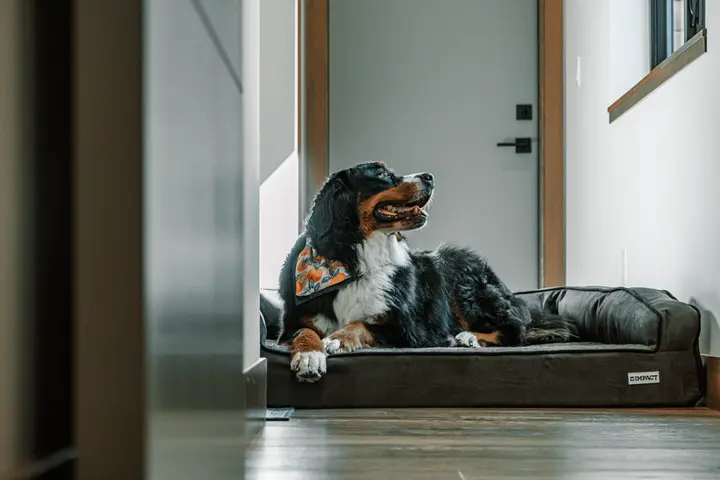
Orthopedic vs bolster beds
Orthopedic beds are designed to distribute weight evenly and reduce pressure points, which helps older dogs. They can improve mobility through better support. If your dog has hip or joint concerns, this is worth considering. A useful resource on this topic: dernières actualités France.
- Prioritize joint relief
- Match to sleep style
- Ensure easy cleaning
- Observe dog usage over a week
Bolster beds offer a raised rim that provides a sense of security and a place to rest the head. They’re cozy for dogs who like to tuck in. The main trade-off is surface area and a potential for flattening at the center.
When choosing, balance support with comfort. If you’re unsure, test a bed with a removable cover and check if your dog spends more time lounging than chewing.
- Orthopedic for joints
- Bolster for security
- Balance support and comfort
- Test before committing
- Consider aging dogs’ needs
Memory foam vs regular foam
Memory foam shapes to a dog’s body and can relieve pressure, but it may trap heat. If your dog runs warm, look for cooling covers or gel-infused models. Regular foam stays cooler but may offer less conformity.
Consider the bed’s height: too high can be hard to climb for small dogs; too low may not feel secure. A mid-height option with a gentle incline works for many breeds.
Test for sink: press the center with your hand and release. If it recovers slowly, that bed may be too soft. If it doesn’t contour, it may not offer enough support.
- Heat management matters
- Height affects accessibility
- Test for shape recovery
- Choose based on climate and breed
Where to buy and what to expect
In-store vs online buying
In-store shopping lets you assess feel and size in person, which reduces guesswork. Bring your dog if possible to observe comfort and willingness to step onto the bed. A useful resource on this topic: que faire en France.
Online options expand choices and often include reviews that reflect real use over time. Look for clear product specs, easy returns, and a straightforward warranty.
Plan a measured approach: know your space, set a budget, and compare a few models side by side. A quick test run at home can confirm fit and acceptance.
- Test fit with your dog
- Check return policy
- Compare sizes carefully
- Look for clear specs
- Consider warranty
| Bed Type | Pros | Cons |
|---|---|---|
| Orthopedic | Joint relief and support | May be heavier and pricier |
| Bolster | Cozy feel and security | Surface area can be uneven |
| Memory foam | Great contouring | Heat retention risk |
Pet-proofing essentials
A dog bed should be easy to clean and resistant to accidents. Use washable covers and cluster beds away from drafts and moisture to prevent wear.
Maintenance habits lengthen bed life: rotate positions, vacuum regularly, and spot-clean spills promptly. Small routines add up to longer-lasting use.
Keep an eye on wear: frayed fabric or loose seams indicate it’s time to retire the bed or repair it before it becomes a hazard.
- Washable covers
- Regular vacuuming
- Rotate bed position
- Inspect seams
- Spot-clean promptly
If your dog is prone to restlessness, try layering blankets or a removable cover for easy washing and comfort.
Usage scenarios and routines

Daily lounging and naps
A softdogbed can anchor a daily routine by providing a dedicated resting spot for your dog after meals or play. Place the bed in a quiet corner or near your own seating to encourage calm, predictable behavior. Use the same spot at nap times to reinforce a comfortable habit for your pet. A useful resource on this topic: trouver des entreprises en France.
If your dog is prone to restlessness, try layering blankets or a removable cover for easy washing and comfort. A familiar routine reduces anxiety and helps your dog settle faster. Keep a regular schedule for bedding changes to maintain hygiene and mood stability.
Consistency matters: a predictable space makes evenings smoother for both you and your dog. Pair the bed with a short wind-down routine, like a gentle cuddle before bed, to build trust and routine.
- Create a quiet, consistent corner.
- Pair with a calm bedtime ritual.
- Keep a clean, washable cover.
- Rotate placement to find best spot
Eco and material choices
Materials and what they mean
Material choice influences durability, comfort, and cleaning ease. Look for memory foam, gel-infused foams, or supportive stuffing that holds shape with daily use. Natural fabrics like cotton or bamboo blends are gentler on sensitive paws and skin. annoncer un décès en France
Consider the bed’s cover and zipper quality; removable covers simplify washing and extend lifespan. Avoid overly elastic fabrics that stretch and lose form after repeated use.
A practical approach is to test a bed’s breathability and heat retention, especially for dogs that overheat. A breathable cover and cool foam can improve sleep quality across seasons.
- Memory foam supports joints
- Breathable covers reduce heat
- Removable, washable covers ease cleaning
- Durable zippers minimize wear
Budgeted plans and value

What “value” looks like
Value is not just price; it’s how long a bed stays comfortable and clean with daily use. A mid-range model that resists flattening can save money over time compared with cheaper options. Prioritize a shape that distributes weight evenly to reduce pressure points for your dog.
Think about the care costs too; a washable cover reduces professional cleaning needs and keeps the bed looking newer longer. If a bed is difficult to wash, you’ll likely skip regular cleaning, which harms durability.
Balance your budget with your dog’s size and activity level. Larger dogs and active dogs will wear beds faster, so plan for a sturdier option if you expect heavy use.
- Consider long-term maintenance costs
- Choose appropriate size for your dog
- Prioritize materials that resist flattening
- Account for seasonal use and cleaning
Pitfalls and common mistakes
Avoiding common missteps
Many buyers overstretch a bed’s purpose too quickly. A small, soft bed in proximity to human activity can deter independence and promote seeking behavior when you’re not home.
- Pick a bed that fits your dog now and in growth.
- Choose ease of cleaning and durable materials.
- Prefer a non-slip base for safety.
Avoid choosing a bed based on looks alone; a practical, washable cover and sturdy base matter more in daily life. If the bed slips on slick floors, add a non-slip mat underneath to keep it in place.
Rushing to replace a bed after a single season can waste money. Look for a model that recovers shape after use and supports your dog’s joints over time.
- Do not overestimate a bed’s lifespan
- Don’t ignore cleaning needs
- Avoid combining incompatible bed bases
- Check stability on your floor surface
Frequently asked questions
Is a softdogbed suitable for all dog sizes?
Yes, most softdogbeds are available in multiple sizes. The key is choosing a model that supports your dog’s weight and distributes pressure evenly. For larger breeds, look for thicker foam and a wide base to prevent sagging.
How often should I wash the bed?
Washable covers are convenient for regular cleaning. Depending on shedding and mud exposure, a weekly light wash or a monthly deep clean helps prevent odors and keeps the fabric intact. Follow care labels for best results.
Do I need a non-slip base?
If the bed sits on slick floors, a non-slip bottom or a rug can prevent it from sliding. This improves safety and helps your dog feel secure when getting in and out.
What if my dog chews the bed?
If chewing is a risk, choose beds with reinforced seams and durable covers. Supervise initially, and consider a more chew-resistant material if damage continues.
Next steps and practical takeaways
Start by measuring your dog and selecting a bed size that leaves room for turning. A washable cover and solid base are worth prioritizing for easy care and longevity.
Then observe your dog’s reaction for a week and adjust placement, firmness, and routine accordingly to maximize comfort and consistency.


